Disclosure: Some links in this post are affiliate links. As an Amazon Associate I earn from qualifying purchases, at no extra cost to you. Learn more
Specs are compiled from manufacturer listings and verified buyer reviews and can change over time — please confirm the key details on the product page before buying.
If your arches collapse inward with every step, the fix is not more cushioning — it is the right kind of stability. Flat feet and overpronation (where your ankle rolls inward as you land) need a shoe with a firm base and a guided midsole. Too much soft foam and your knee takes the hit. Too little support and the arch aches by mile two. The nine picks below cover both problems, from firm daily trainers to plush max-stack options that still hold your foot straight.
This guide is built by comparing the manufacturers’ published specifications and the patterns across verified customer reviews, so you get each pick’s real strengths and trade-offs instead of marketing spin.
Each pick below was chosen for how it handles a rolling ankle, a low arch, or a wide foot that needs room without losing structure. running shoes for pronation and flat feet should feel planted, not spongy — and this list shows you which ones deliver that.
Top Picks

How To Choose The Best Running Shoes for Pronation and Flat Feet
Pronation is how your foot rolls when it lands. Some inward roll is normal. When it goes too far — overpronation — your arch flattens toward the ground, your ankle tips in, and your knee follows. A stability shoe corrects that by putting firmer material on the inner side of the midsole (called a medial post) or by adding guide rails that catch the foot before it rolls too far. Your job is to pick how much of that correction you want.
Firm support versus soft cushioning
Flat-footed runners often assume the softest shoe is the kindest. It usually is not. A very plush midsole lets your arch sink and your ankle keep rolling, which is why some buyers who switch to a max-cushion model find their heels ache despite the thickness. The better formula is a cushioned shoe built on a wider base, so the foot has a platform to press against. The Saucony Hurricane 24 is the clearest example here: plush foam wrapped in a firmer frame, with a broader footprint to stop the roll.
Heel drop and your calves
Heel drop is the height difference between the heel and the toe of the shoe. A lower drop puts more load on your calves and Achilles; a higher drop takes pressure off them. The Saucony Omni 22 runs an 8mm heel drop, which one owner with flat feet called excellent for all-day wear. If you are coming from a heavily cushioned neutral shoe and your calves are sensitive, a moderate drop is the safer start.
Width, toe box, and sizing
Flat feet often spread wider than standard lasts allow. A roomy toe box keeps your toes from pressing against the sides, and several picks here come in wide sizes. Sizing is the single most common complaint across this whole category — plenty of these shoes run small or narrow from the start and then loosen after a few miles. If you are between sizes or have a wide midfoot, going up half a size or choosing the wide version is the move.
Side-by-Side Comparison
| Model | Best For | Stated Weight | Support Type | Sizing Note | Amazon |
|---|---|---|---|---|---|
| Brooks Adrenaline GTS 23★ Best Overall | Everyday stability with guide rails | 2 lb (listed) | GuideRails support | True to size, roomy toe box | Amazon |
| Saucony Hurricane 24Plush Stability | Max cushion with built-in stability | 10.6 oz (302g) | PWRRUN PB + PWRRUN frame | Some run small; sizing up helps | Amazon |
| Mizuno Wave Horizon 7Ankle Guardian | Roll-resistant base for shaky ankles | 1.7 lb (listed) | Asymmetrical foam wave | Runs true for most | Amazon |
| Saucony Omni 22 (Women’s) | Women’s structured stability | — | Structured cushioning | Mixed — some run a full size large | Amazon |
| Mizuno Wave Inspire 21 (Men’s) | Firm traditional stability | — | MIZUNO ENERZY NXT + medial support | Runs true; wide feet may lace tighter | Amazon |
| Saucony Guide 17 (Women’s) | Gentle stability for long days on feet | 1.5 lb (listed) | Comfort-first stability | Runs true; wide available | Amazon |
| ASICS GT-2000 14 | Daily training with APMA acceptance | 1.44 lb (listed) | Lightweight stability | Runs small vs prior models | Amazon |
| Mizuno Wave Inspire 21 (Women’s) | Reliable arch support for flat feet | — | MIZUNO ENERZY NXT + medial support | True to size; some find sides tight | Amazon |
| Brooks Ariel GTS 23 (Women’s) | Maximum support for low arches | 1.5 lb (listed) | Stability with firm platform | Size up 0.5 for wide midfoot | Amazon |
Detailed Reviews
1. Brooks Men’s Adrenaline GTS 23 Supportive Running Shoe
Our pick — 4.5+★ from 950+ verified ratings; the strongest balance of quality and price.
Brooks’ GuideRails stability trainer, built to catch a rolling ankle before it tips too far.
The Adrenaline GTS 23 earns its spot for flat feet with its GuideRails system (two firm rails on the edges of the midsole that catch your foot when it starts to tip inward). Instead of forcing your arch up with a hard post, the rails correct at the ankle, not by pressing on your arch. So your joints get a nudge back to center rather than a hard shove. One runner with knee twinges noted the rails cut that pain down on long trail runs.
The numbers back the comfort reputation. At a listed 2 pounds for the pair, this is a substantial shoe, and the DNA Loft v3 cushioning underfoot stays plush without going mushy. A size 12 wearer who is on their second pair says the fit is spot on and the cushioning holds up on longer runs. Another runner is on their fourth pair and reports 500-600 miles with the support still intact. The segmented crash pad under the heel also softens the landing on hard pavement.
The honest catch is width. The Adrenaline runs on the narrow side for some buyers, and even men’s sizing can feel tight across the forefoot from the start. The GORE-TEX version (a waterproof upper that keeps rain out) adds a break-in period — the toe box feels snug at first before it relaxes. Also worth knowing: a mesh upper with no waterproofing lets cold air and melted snow straight through in deep winter. Neither issue sinks the shoe, but if you have a genuinely wide foot, try the wide width.
What keeps runners coming back
- GuideRails keep overpronation in check without a hard arch post
- Cushioning and support hold together over hundreds of miles
- True-to-size fit with a roomy toe box for most runners
- Machine washable upper that resists fading
Where it asks for patience
- Runs narrow for some feet, even in men’s sizing
- GORE-TEX model needs a break-in before the toe box relaxes
- Non-waterproof mesh is drafty in cold, snowy weather
Reach for it if: you want one dependable daily trainer that handles overpronation and long mileage without fuss.
Think twice if: your forefoot is genuinely wide — order the wide width or the fit may pinch.
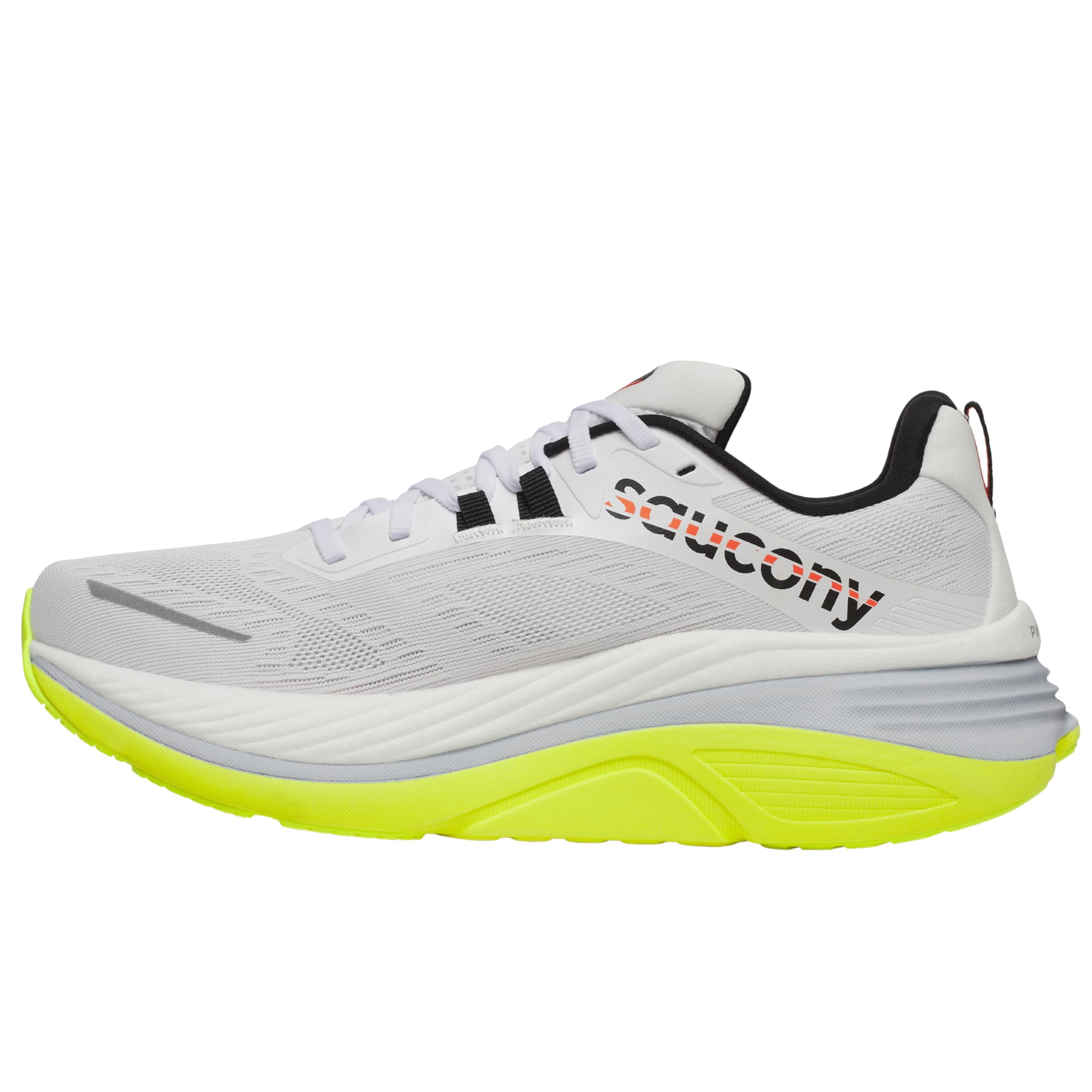
2. Saucony Men’s Hurricane 24 Sneaker
Max cushioning that still holds a flat foot straight — the rare pillow with a spine.
Most max-cushion shoes let your arch sink. The Hurricane 24 avoids that by layering two foams: a soft, energy-returning PWRRUN PB layer on top and a firmer PWRRUN frame around it. The result, according to one buyer who lost more than 160 pounds and dropped from a 13M 4E X-Wide to a 12.5M Neutral, is support built in that holds flat feet without a pronounced arch pressing up. That wider base controls both inward and outward roll. It is the most convincing stability-through-cushioning story on this list.
Weight lands at 10.6 oz (302g) for a single shoe, with a 6mm offset between heel and toe. That is a neutral-to-low drop, so if your calves are tight, ease into them. The payoff is comfort over distance: buyers describe walking a mile daily without pain and calling them some of the only shoes they can wear. Breathability is strong, and the toe box is generous. Compared to the Brooks Adrenaline GTS 23, the Hurricane leans softer and plusher while the Adrenaline feels firmer and more corrective underfoot.
Here is where the Hurricane asks something of you: sizing is inconsistent. Some pairs come up true to size; others run small, and a few buyers sized up a half size to get the fit right. There is also a report of build differences between manufacturing locations — the China-made all-white pair fitting wider and firmer than a Vietnam-made pair. None of that makes it a bad shoe, but order with a return window in mind and check the fit on arrival. The cushioning itself wins most people over.
Comfort that converts: long-run walkers and runners with chronic foot pain keep coming back to the plush-but-supported ride and the roomy toe box.
One thing to plan around: sizing wobbles between pairs, so buy where you can exchange easily and try both your normal size and a half up.
Pick this one if: you want maximum cushion without surrendering stability and have room in your budget for a premium ride.
Look elsewhere if: you need a firm, corrective feel underfoot — this shoe prioritizes softness.
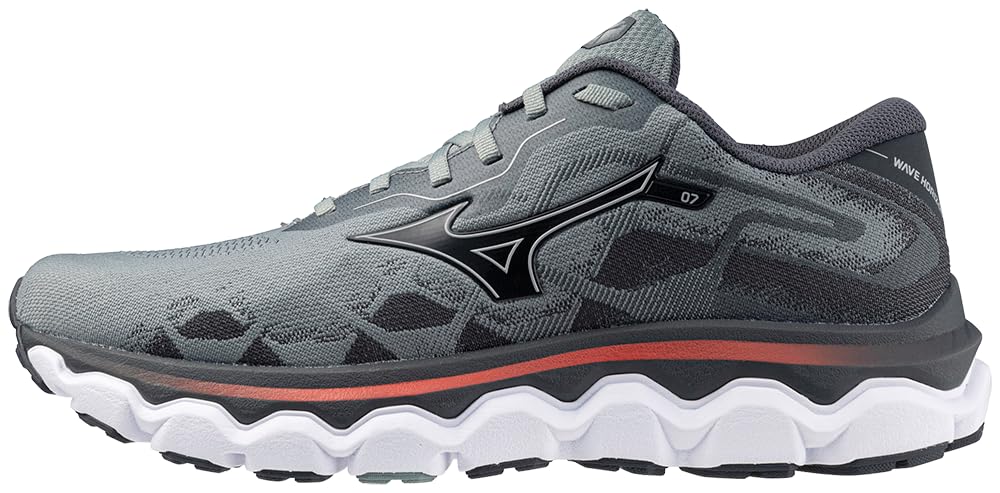
3. Mizuno mens Mens Wave Horizon 7
For runners whose ankles roll at the first hint of uneven ground, the Horizon plants a wide, steady base.
The Wave Horizon 7 adds 2mm of extra cushion over its predecessor and wraps it in MIZUNO ENERZY Foam, with an asymmetrical foam wave and a rubber wall on the inner side for stability. In plain terms, that rubber wall is a physical barrier stopping your foot from caving inward. Owners who tend to roll their ankles call out exactly this — the base support is the reason they trust it. At a listed 1.7 pounds for the pair, it is also one of the lighter entries in this group.
Comfort here is deliberately not mushy. Buyers describe it as comfortable but not too soft like many comfort-first running shoes, which is a good trait for a flat-footed runner who needs structure. The cushioning is enough to feel cushioned without letting your arch bottom out. Compared with the Saucony Hurricane 24, whose package lists 2.25 pounds, the Horizon carries the lighter listed weight even though both are stability shoes.
The trade-off is track record. This shoe has a thin history of long-distance feedback, and durability is the open question — owners say they will see how far they get. A couple of wearers also note the sole feels a little stiffer than past versions. That stiffness is part of what delivers the stability, so it is a fair exchange, but if you prefer a shoe that flexes easily from the start, this will feel firm on the first few runs.
Why it earns its spot: the wide base and inner rubber wall are built for ankles that roll, and the foam stays supportive instead of collapsing under a flat arch.
Worth knowing: long-run durability is unproven and the sole runs firmer than previous generations of this model.
Good match for: a runner who rolls an ankle easily and wants a stable, not-too-soft shoe that feels light on the foot.
Hold off if: you want a proven long-mileage record or a softer, springier feel straight from the start.
4. Saucony Women’s Omni 22 Sneaker
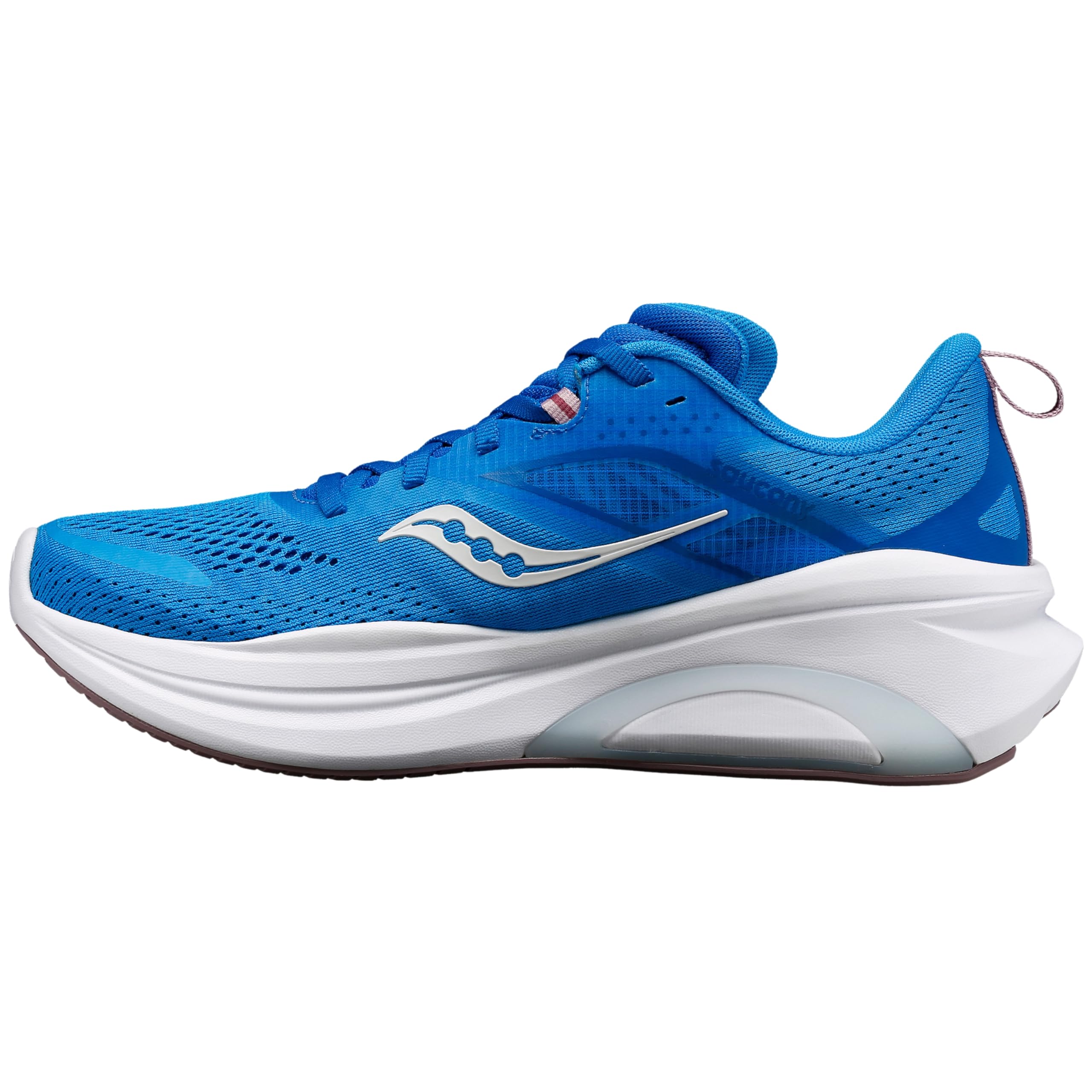
A women’s stability shoe with a firm outsole and an 8mm drop that suits overpronators who are on their feet all day.
The Omni 22 is built for women who overpronate and need a firmer platform. Its 8mm heel drop — the height gap between heel and toe — is a comfortable middle ground that keeps calf strain down while still supporting the arch. A nurse who has worn the Omni line for 15-plus years for ankle overpronation says the 8mm drop works well for all-day wear. The outsole is firm and grippy, a good match for road walking and long shifts.
What the arch does best here is provide structure without overcorrecting. Owners with over-pronating feet report it works where other Saucony models fell short on support, and one describes it as easing knee pain thanks to the cushioning and narrow, controlled profile. The upper holds up to near-daily wear, and a wide option is available for swelling or wider feet.
Two things to weigh before you order. First, sizing is split — plenty of buyers get their normal size, but some find it runs a full size large, so check the size chart carefully. Second, longtime Omni wearers notice this version added cushioning at the cost of some firmness compared with older models, making it feel less corrective than it once was. It still suits overpronation, but if you want the stiffest possible support, that shift is worth knowing.
Built for long days upright
- 8mm heel drop balances calf comfort with arch support
- Firm, grippy outsole stands up to high mileage
- Available in wide for swelling or broader feet
- Good value for a structured women’s stability shoe
Fit notes to plan around
- Sizing is inconsistent — some run a full size large
- Cushioning increased this generation, so support feels softer
- Colour on some pairs may not match the listing photos
Best for: women who overpronate and stand all day, who want a firm, durable platform with a supportive heel drop.
skip it if: you need the stiffest, most corrective ride — this version traded some firmness for cushion.
5. Mizuno Men’s Men’s Wave Inspire 21 Running Shoe
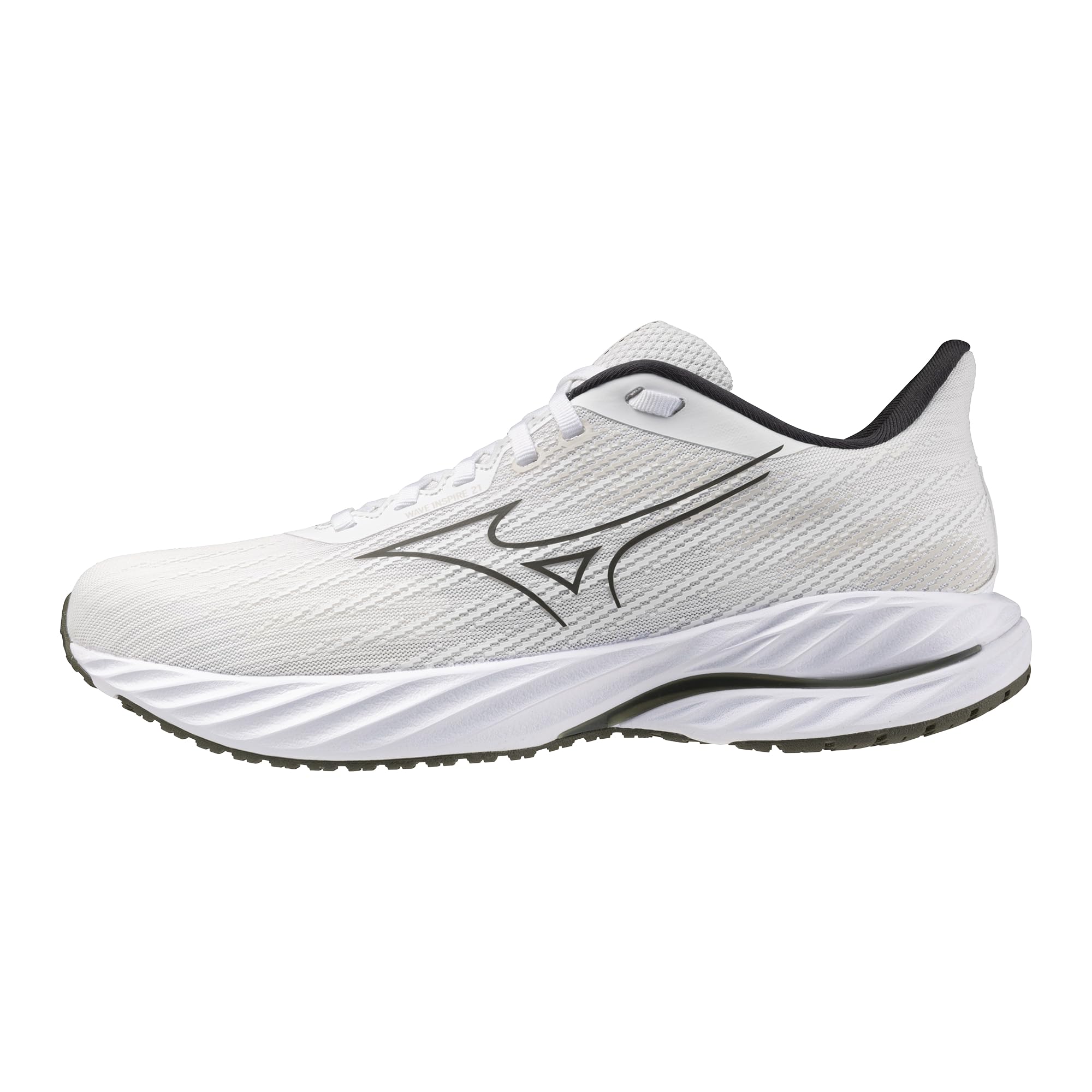
A traditional stability trainer that has kept shin-splint sufferers running for decades, now with a softer heel.
The Wave Inspire 21 pairs MIZUNO ENERZY NXT foam — which softens the heel landing — with medial support on the inner side of the shoe for overpronation. A connected forefoot outsole keeps the transition from midfoot to toe smooth. A 54-year-old runner putting in serious mileage rates the firm cushion, the support for overpronation, and the full rubber outsole. If you want that classic, planted feel rather than a bouncy one, this is your shoe. High quality is the thing that wins people over most, and buyers mention the durability alongside it.
Longevity has real history with this model. One runner with decades of shin splints says the Inspire is the only shoe that has worked, with an earlier version lasting around 250 miles. Another reports no break-in needed and running three miles at an eight-minute pace straight from the start. The rubber outsole also gives reliable grip on wet roads.
There are two honest caveats. First, the sole on recent versions wears faster than some long-time users expect, so heavy mileage may call for an earlier replacement. Second, buyers with narrower feet need to lace tightly to keep the heel from sliding. It is not a plush shoe — the cushion runs firm. That firmness is the point for a stability runner, but if you want pillow-soft underfoot, this is not it.
The draw: firm, reliable support that has resolved shin splints for long-term runners, with no break-in period before that first run.
The fine print: the outsole wears faster than some expect for the mileage, and narrow-footed runners need tight lacing to lock the heel.
Worth it for: overpronators who want a firm, classic stability trainer and have had good luck with the Wave line before.
Not for you if: you want a soft, plush ride or need the sole to last very long mileage runs.
6. Saucony Women’s Guide 17 Running Sneakers

Gentle stability with a cloud-soft sole — the pick for flat-footed women who spend more time on their feet than on the track.
The Guide 17 takes a comfort-first approach to stability. Rather than a hard corrective post, it builds gentle guidance into a wide, cushioned base. A woman with an unsteady gait from a brain injury found the extra cushioning, wider heel platform, and ample toe room made it outstanding for stability — steadier than the heavily cushioned shoes she had tried. That is the real-world case for this shoe: someone who needs balance more than speed.
Fit is what wins people over most here. Buyers with wider feet describe full toe flex and a perfectly sized fit, and the wide version covers feet that swell. At a listed 1.5 pounds for the pair, it stays light on the foot. One flat-footed overpronator wore them through a four-mile run and an eight-hour shift with no aching, praising the breathability. The toe box is roomy enough that long-standing workers — nurses and OR staff — wear them through twelve-hour shifts without complaint.
The honest limitation: this is not the most corrective shoe on the list. A few buyers find the thick sole disappoints for support, because the cushioning is the star and the guiding is gentler than a firm medial post (a stiff wedge on the inner sole that blocks inward roll). If your overpronation is severe and you want a stiff correction, look to the more structured picks. For mild to moderate pronation and days spent standing, it is among the most comfortable choices you can buy.
Where it shines
- Roomy toe box and wide option for wider feet
- Light on the foot at a listed 1.5 pounds for the pair
- Breathable upper comfortable through long shifts
- Great value for a cushioned stability shoe
Where it holds back
- Gentle guidance, not a firm corrective post
- Some buyers find the thick sole under-supportive for the arch
- Toe box can feel tight for some from the start
Best for: women with mild to moderate pronation who are on their feet all day and want softness over stiff correction.
Pass if: your overpronation is severe and you need a firm, correcting midsole.
7. ASICS Men’s GT-2000 14 Running Shoes
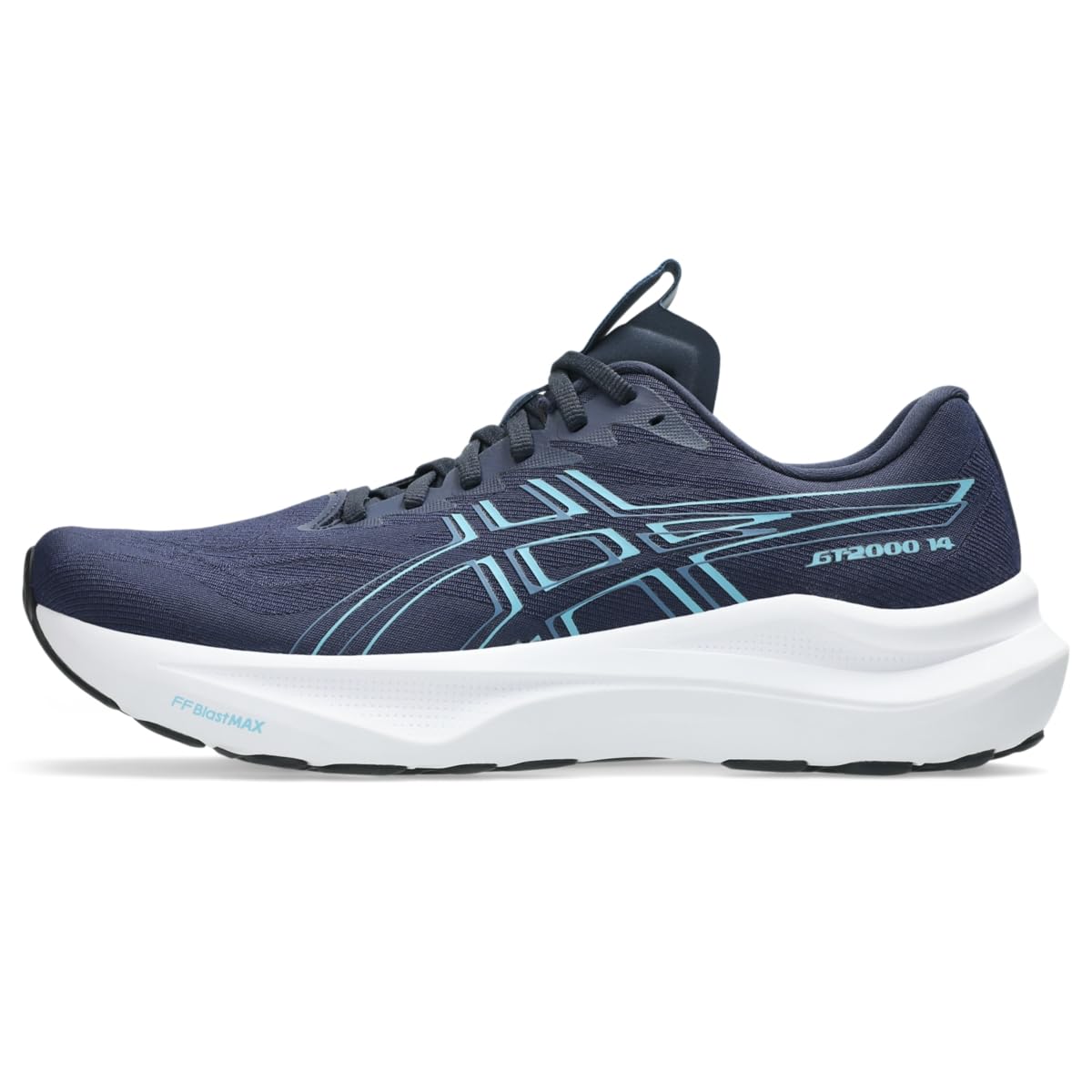
A lightweight stability trainer for the overpronator who wants support without extra bulk.
The GT-2000 14 carries APMA acceptance, meaning the American Podiatric Medical Association recognizes it as promoting good foot health. That is a meaningful credential for a stability shoe. ASICS also states its carbon footprint is 27% lower than the industry average. Underfoot, it provides extra support for runners whose feet roll inward too much, with responsive cushioning for daily training. At a listed 1.44 pounds, it is the lightest shoe listed here.
Comfort wins buyers over. Runners describe it as soft, comfortable, and supportive for flat feet, and one wearer found the ease made long walks pain-free after an older pair wore out. It handles the treadmill, the road, and everyday walking alike. Versatility is part of the appeal — it works as much as a walking shoe as a running one.
The catch is durability and fit. Some buyers report the platform does not hold up as long as they would like before it wears, so if you run high mileage, factor in an earlier replacement. Sizing is also finicky — several find this version runs smaller than the same model in earlier years, with a shorter tongue and laces and lower sides at the ankle. If you are coming from an older GT-2000, order with the size discrepancy in mind.
Why runners choose it: light on the foot, supportive for flat feet, and versatile enough for walking as well as training, with APMA acceptance behind it.
The trade-off: durability is a concern for high-mileage runners, and this version runs smaller than previous ones, so check sizing carefully.
Built for: the overpronator who wants a light, versatile daily trainer and values the APMA acceptance.
Consider a different size or model if: you need a long-wearing outsole or you are replacing an older GT-2000 that fit you well.
8. Mizuno Women’s Women’s Wave Inspire 21 Running Shoe
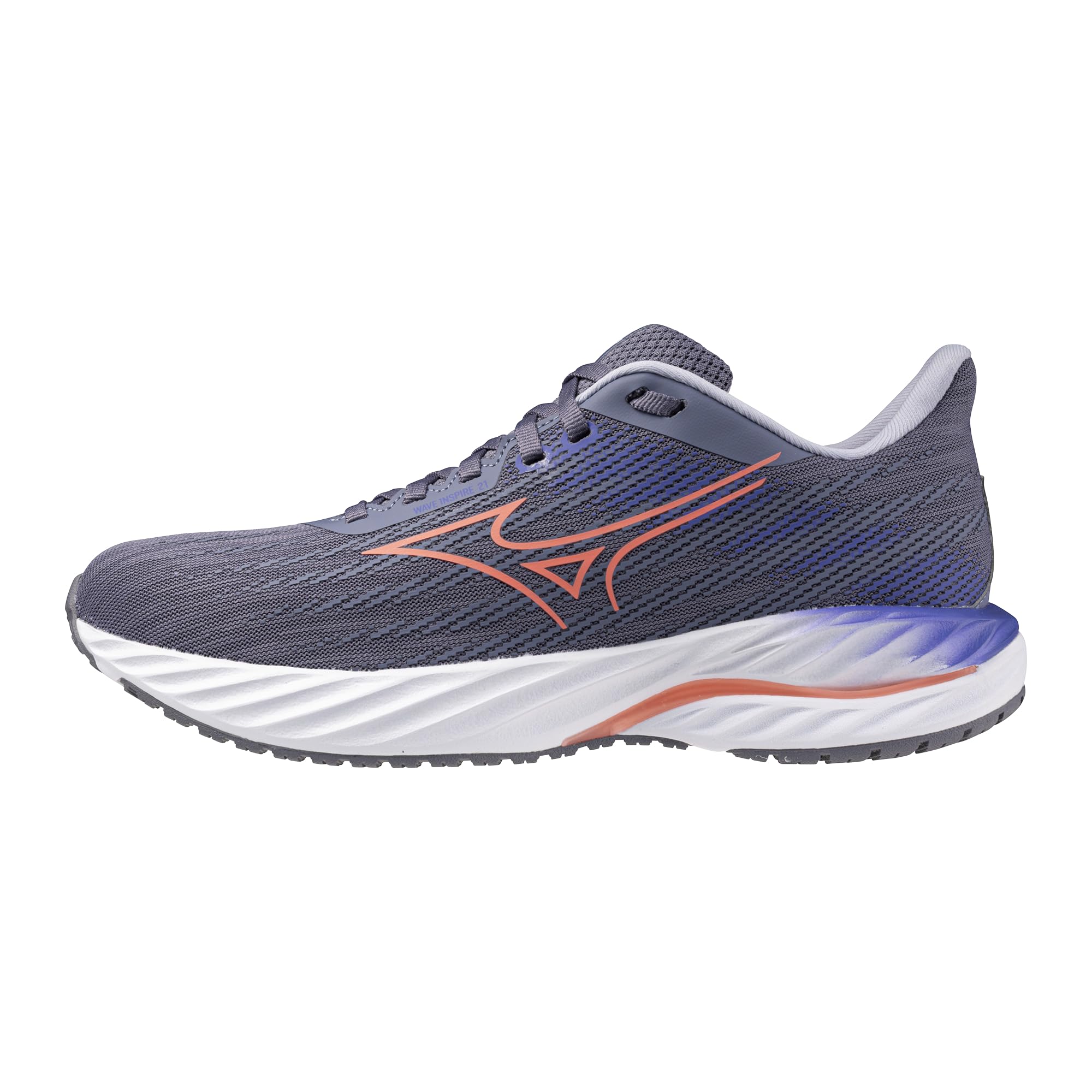
The women’s side of the Inspire line — arch support that flat-footed walkers reach for again and again.
The women’s Wave Inspire 21 carries the same MIZUNO ENERZY NXT foam and moderate medial support as the men’s model, tuned for a woman’s foot. The soft heel landing and firm inner wall make it a natural fit for flat-footed runners who need a touch of correction without a rock-hard post. Buyers with flat feet say the arch support is genuinely there, and high arches work with it too. Quality is the trait buyers praise most, with comfort a close second.
What earns this shoe its place is reliability. Longtime Mizuno wearers report years of walking and running in the brand, pulling these from the start and going with no break-in fuss. One runner logs close to 1,000 miles per pair and keeps reordering. The fit is generous — a store associate even advised sizing up to allow for foot swelling during running. If you want a dependable daily shoe that just works, this is a quiet winner.
The catch is a snug side fit. Some wearers find this version fits tighter along the sides than earlier versions of the same shoe, and one long-time buyer felt the previous pair was more comfortable. It is not plush, either — the appeal is steady, supportive comfort rather than a pillowy feel. If your feet are sensitive to pressure on the sides of your forefoot, try them on before committing.
The enduring appeal: steady arch support for flat feet, true-to-size fit, and a track record of runners who reorder pair after pair.
One caveat: the sides can feel tighter than older versions, so wider forefeet may want to size up or try the wide width.
Right choice when: you want consistent support for flat feet and a shoe you can trust without a break-in period.
Better to avoid if: your forefoot needs extra room along the sides or you prefer a super-soft cushion.
9. Brooks Women’s Ariel GTS 23 Supportive Running Shoe
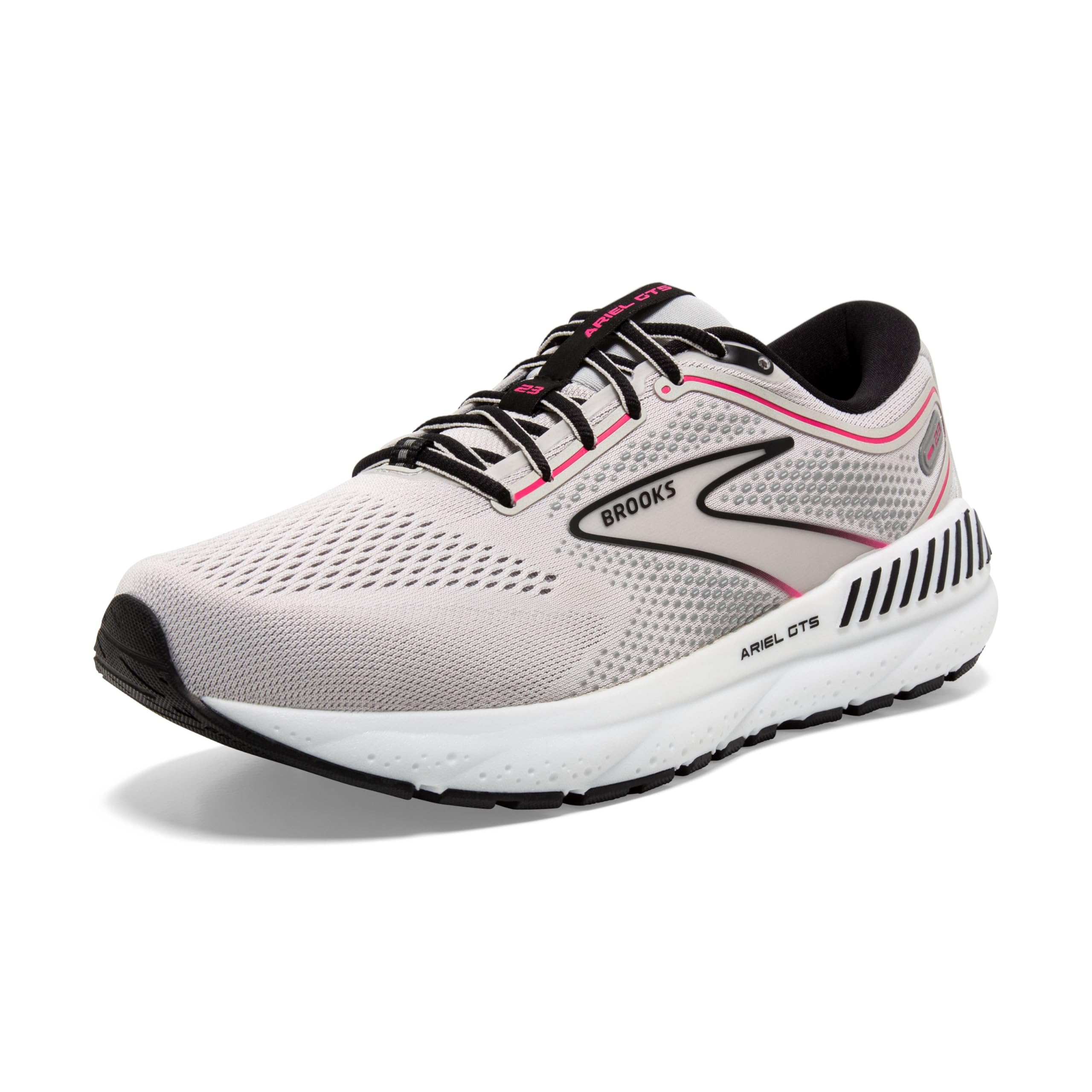
The most substantial support here, built for low arches that need a firm, stable platform under every step.
The Ariel GTS 23 is Brooks’ top-level support shoe for women, and it shows. A firm, minimal-squish platform keeps your foot from wobbling, which one wearer who had plantar fascia surgery found prevented unbalance while she walked without her boot. Fit is what wins people over most — if you have unusually shaped or wide-midfoot feet, this is one of the few stability shoes that will accommodate them. At a listed 1.5 pounds for the pair, it stays lighter than its bulk would suggest.
Where it delivers is stability on uneven ground. A senior walking 8,000 to 12,000 steps a day says it handled uneven sidewalks without tripping. Another wearer replaced an Adrenaline GTS with the Ariel and found it compensated neatly for overpronation and a low arch. Dirt wipes off the light upper easily, so a pale colour does not mean constant cleaning.
The honest trade-off is weight and durability. This is a heavy, substantial shoe — one runner notes it slowed them down while they adjusted, and the platform wears down over time. Expect to replace it more often if you rack up six or seven miles most days. Think of the Ariel as a support first, speed second — a shoe that protects a low arch at the cost of some agility.
What earns its keep
- Firm platform stabilizes low arches without sinking
- Accommodates wide midfoot and hard-to-fit feet
- Handles uneven ground and long walking days well
- Light colour wipes clean easily
What you give up
- Heavy and substantial, so speed suffers
- Platform wears down with frequent high mileage
- Firm feel is not for those who want soft cushioning
Choose it for: maximum stability for low arches and wide midfeet, especially if trips and uneven ground are a worry.
Skip it for: speed work or softness — this is a heavy, firm support shoe first.
Know the Specs
Medial Post vs. GuideRails
A medial post is a firmer wedge of foam on the inner side of the sole. It physically keeps your arch from rolling inward. GuideRails — used on the Brooks Adrenaline GTS 23 — put firmer material around the edges of the midsole instead, catching the foot at the ankle rather than pressing up on the arch. Neither is better; a post feels more corrective, while rails feel less intrusive on the arch itself.
Heel Drop
Heel drop is the height difference between heel and toe. A lower drop moves load toward your calf and Achilles; a higher drop takes pressure off them. The Saucony Omni 22 lists an 8mm drop and the Saucony Hurricane 24 lists a 6mm offset — both moderate. If your calves are tight, start with the higher drop.
Weight
Lighter shoes feel faster and less tiring; heavier shoes tend to feel more stable. The ASICS GT-2000 14 lists 1.44 pounds for the pair, while the Brooks Adrenaline GTS 23 lists 2 pounds and the Saucony Hurricane 24 lists 10.6 oz (302g) per shoe. Choose by whether you care more about speed or a planted platform.
Width and Toe Box
Flat feet often spread wider. A roomy toe box keeps your toes from pressing on the sides; a wide width accommodation prevents a narrow midsole from squeezing a broad foot. The Saucony Guide 17 and Brooks Ariel GTS 23 both come in wide sizes to handle swelling or a wider midfoot.
Common Questions
What kind of running shoe is best for flat feet and overpronation?
Should I size up or go wide in stability running shoes?
How many miles can I expect from a stability running shoe?
Is a firmer shoe better than a soft one for overpronation?
Do I need to break in stability running shoes before long runs?
What heel drop should I choose if I have flat feet?
Will stability shoes help if my knees roll inward when I run?
Can a non-runner with an unsteady gait use these shoes?
Are waterproof stability shoes worth it for winter running?
What is the difference between the Brooks Adrenaline and the Brooks Ariel?
The Bottom Line
For most flat-footed runners, the running shoes for pronation and flat feet winner is the Brooks Adrenaline GTS 23. Its GuideRails correct overpronation without a hard arch post, and its cushioning and support hold up over hundreds of miles. If you want the plushest ride that still holds your foot straight, grab the Saucony Hurricane 24. And for maximum support in a women’s shoe built for low arches and wide midfeet, the Brooks Ariel GTS 23 is the one to reach for. Whichever you pick, size for a roomy toe box first — that small detail keeps the support working exactly as it should.
How we choose
We do not accept paid placement. Every pick is matched to a real buyer and a real use-case; we do not hands-on test units.
Sources
Specifications: manufacturer listings and product documentation. Review insights: verified customer reviews, as of October 2026. Pricing: not shown on this page (it changes often); check the current price via the retailer link.
As an Amazon Associate, Aappliancez earns from qualifying purchases. This does not affect which products we feature.