Disclosure: Some links in this post are affiliate links. As an Amazon Associate I earn from qualifying purchases, at no extra cost to you. Learn more
Specs are compiled from manufacturer listings and verified buyer reviews and can change over time — please confirm the key details on the product page before buying.
On a twelve-hour hospital shift, a slip-resistant, cushioned shoe with arch support is what keeps your feet from aching by hour eight. The short answer: most nurses do best in a slip-resistant, cushioned shoe with real arch support — and the top pick here handles all three. This guide breaks down seven nurse shoes that working healthcare staff actually wear, from budget-friendly slip-ons to premium clogs.
This guide is built by comparing the manufacturers’ published specifications and the patterns across verified customer reviews, so you get each pick’s real strengths and trade-offs instead of marketing spin.
Nursing shifts mean hours on tile and concrete, so you need footwear built for grip, cushioning, and long stretches on your feet. Below you will find the strongest picks for nurse shoes.
Top Picks


How To Choose The Best Nurse Shoes
Nurse shoes have to handle wet tile, twelve-hour shifts, and feet that swell by hour eight. Whether you work a hospital floor, a clinic, or a care home, three things matter: a sole that grips wet tile, cushioning that lasts twelve hours, and a fit that does not pinch by hour eight.
Slip resistance and electrical hazard protection
A slip-resistant outsole (a rubber bottom with a tread pattern that grips wet or greasy floors) is non-negotiable in clinical settings. Look for shoes specifically rated as slip-resistant. Electrical hazard protection — like the ASTM F2892-11 tested design on the Skechers Squad Slip On — adds an extra layer of safety on floors where equipment or outlets might be present. Not every nurse needs EH-rated footwear, but it is a genuine differentiator if you work around medical devices.
Cushioning and arch support
How your feet feel at the end of a shift depends on the cushioning layer — often memory foam, EVA foam (a lightweight foam that absorbs impact), or a branded foam like Fresh Foam. Arch support (a shaped insole that lifts the middle of your foot to match its natural curve) matters enormously if you have flat feet or high arches, so your arch does not collapse with every step. Both extremes do better with a contoured insole or an anatomical footbed. Check what buyers report about arch support specifically, because it is among the most common make-or-break factors.
Side-by-Side Comparison
| Model | Best For | Closure | Weight / Size | Rating | Amazon |
|---|---|---|---|---|---|
| Skechers Women’s Squad Slip On★ Best Overall | All-day hospital shifts | Slip-on | — | 4.4 | Amazon |
| New Balance Women’s 608 V5Best for Wide Feet | Wide feet, walking | Lace-up | 2.4 lb | 4.4 | Amazon |
| Hawkwell Cloud Zero Active | Maximum cushioning | Slip-on | 14.11 oz | 4.2 | Amazon |
| Hawkwell Pro Leather Clog | Clinical clean-off ease | Slip-on clog | 1.21 lb | 3.9 | Amazon |
| Ryka Women’s Jumpstart Sneaker | Women’s foot shape, easy on | Slip-on with zipper | 8.3 oz per shoe | 4.2 | Amazon |
| New Balance Fresh Foam Roav | Plush cushioning, gym crossover | Lace-up | — | 4.4 | Amazon |
| Dansko Professional Planet Clog | Long shifts, hospital floor | Slip-on clog | — | 4.3 | Amazon |
Detailed Reviews
1. Skechers Women’s Squad Slip On
Our pick — over 4★ from 56,500+ verified ratings; the strongest balance of quality and price.
A slip-resistant, memory-foam slip-on that covers grip, cushioning, and fast on-off for hospital shifts.
If you want one shoe that handles the whole shift without a second thought, the Skechers Squad Slip On is the one to start with. What makes it stand out is a grip-first design: a slip-resistant rubber traction outsole that bites on wet tile and waxed hospital corridors. On top of that sits a cushioned full-length Air Cooled Memory Foam insole (a soft foam footbed with tiny airflow channels to reduce heat), so your feet stay comfortable through a double shift.
Safety is baked in with electrical hazard protection — the design is tested to ASTM F2892-11, a workplace standard for footwear that resists the buildup of static charge on the job. And it earns its place as the crowd favorite, holding strong at 4.4 stars across 56,000+ owners. The slip-on fit is a big reason: a stretch laced front panel and padded collar and tongue let you step in fast on the way out the door, no tying required. The knit mesh upper with synthetic overlays keeps it breathable when you are moving constantly.
The honest caveat is fit. Some buyers find them perfect; others say they run too big, and the relaxed fit design means the roomier toe box is deliberate. That roominess suits wide feet but can feel loose if you have a narrow foot — so if you are between sizes, take that into account. Durability is mixed too, with some pairs holding up well over months and others wearing faster, so treat them as a solid daily driver rather than an armored lifetime shoe.
The case for the Squad
- Slip-resistant traction and EH-safe ASTM F2892-11 design
- Air Cooled Memory Foam full-length insole for all-day cushion
- Stretch laced front panel means true slip-on convenience
- Relaxed Fit toe box suits wide feet and swelling-prone shifts
Where it asks a little patience
- Runs big for some, so narrow feet may want a half size down
- Durability is inconsistent — some pairs last longer than others
Strongest all-rounder: Reach for the Squad if you want one shoe that covers grip, cushioning, and quick on-off for hospital shifts.
Think twice if: You have a very narrow foot and prefer a snug fit from the first step — size down first.
2. New Balance Women’s 608 V5 Casual Comfort Cross Trainer
A wide-fit cross trainer with an ABZORB heel pad and a roomy forefoot for nurses who need toe room.
Nurses with wide feet tend to run into a wall with sneakers — plenty of cushion, no toe room. The New Balance 608 V5 sidesteps that with a relaxed fit last (the shoe’s overall foot shape) and a generously cut forefoot. Underfoot, an ABZORB heel crash pad absorbs impact on every step, while a molded PU insert and lightweight EVA foam with an internal midsole shank add cushioning plus midfoot stability. A dual density collar foam hugs the ankle, and the Phantom Liner interior keeps seams minimal to cut down on rubbing.
Weight is where these two split. At 2.4 pounds, this New Balance is noticeably heavier than the Hawkwell Pro Leather Clog at 1.21 pounds — so if you want less effort lifting your feet on every step, the clog wins on weight. The 608 V5 instead gives you a stable, supportive platform that many nurses find steadier for long walks. The sturdy suede upper breaks in over time and holds its shape.
The one thing to weigh honestly: break-in. Some find these shoes softening into a walking-on-air feel, while others experience blisters and stiffness from the start, especially before the leather upper relaxes. That is a real first-week adjustment, not a defect — but if you need zero break-in, this is not that shoe. New Balance does hold real strength here: quality and fit are the aspects buyers praise most, followed closely by arch support for walking.
Best on wide toes: If wide feet and steady arch support for walking are your priorities, the 608 V5 is a dependable daily choice.
The first-week note: Expect a break-in period — the suede and foam settle into shape, so give them a few days before you judge the fit.
Wide-foot pick: Made for nurses who need extra room across the toes and firm support under a midfoot that walks miles every shift.
Reconsider if: You want a featherweight shoe or need zero break-in — the 2.4 lb build and stiff start suit some feet better than others.
3. Hawkwell Women’s Cloud Zero Active Nursing Shoes
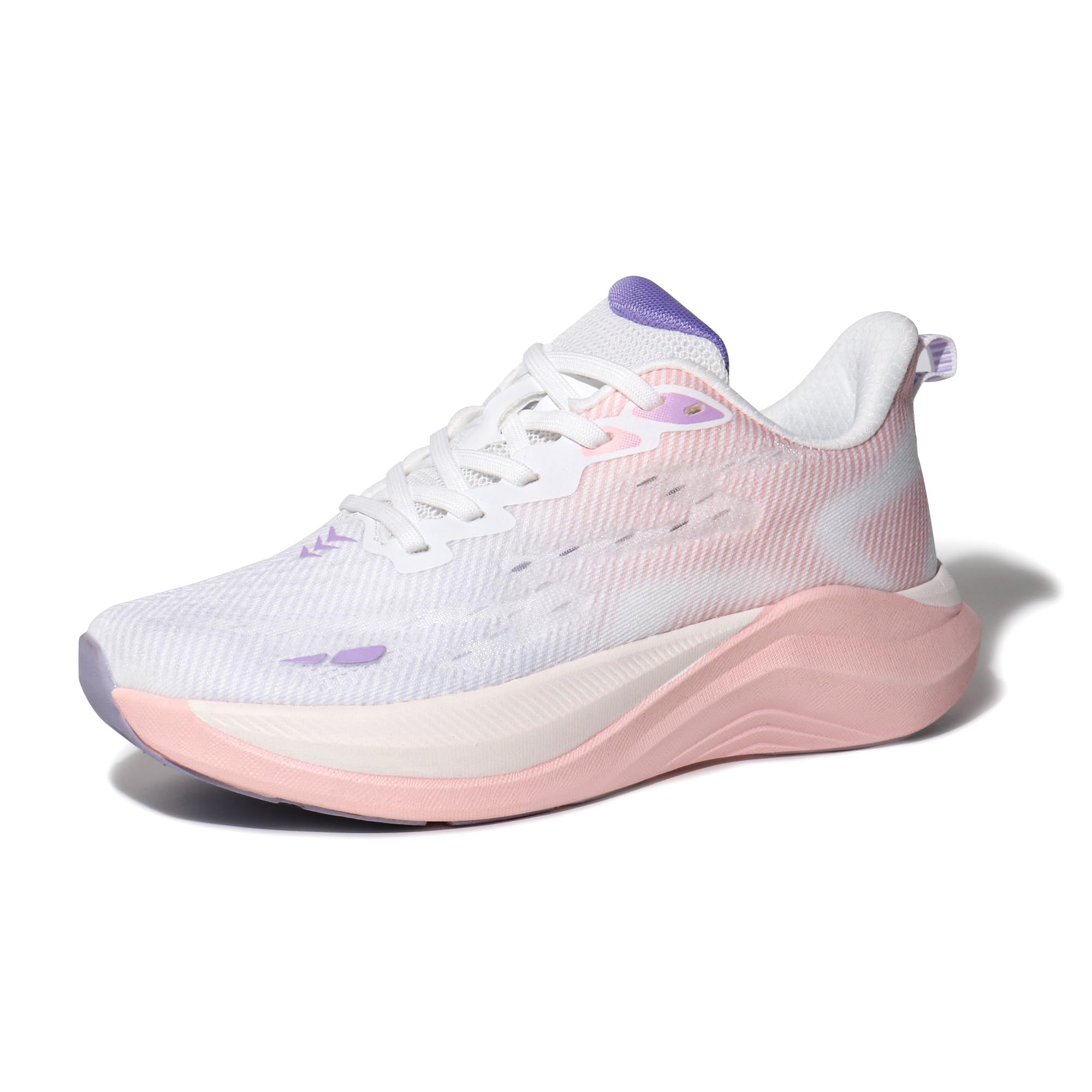
A machine-washable nursing shoe with high-rebound EVA cushioning for pillow-soft comfort on clinic shifts.
If plush is the whole point, this is the pair. What wins people over is the comfort: a max-cushion high-rebound EVA (a springy foam that returns energy as you walk) built into the outsole, a breathable knit upper, and a design that steps in as a slip-on. The shoes are machine washable too, so when things get messy on shift you can reset them in the laundry instead of scrubbing by hand. Comfort earns far and away the most praise here, with quality running a close second.
The overall package lands at 4.2 stars from a smaller pool of buyers than the heavyweights on this list, so read the fine print. On fit, buyers split: some say true to size, and a size-9 wearer confirmed hers fit exactly, while others found they needed to size up. The arch support is real for the price — one shopper with high arches reported twelve-hour shifts went fine, and flat-footed wearers say they still get decent support. Lightweight, cute, and easy to slip on and off, it is a strong value pick for clinical rotations and caregiver work.
The trade-off a buyer should know about is longevity. Comfort is front-loaded, but the shoes do not hold up as long as premium clogs. One retail worker logged roughly eight months before the heel back wore out and still kept wearing them two months later — but the sole grooves had already flattened by month five or six, bringing slipping. A squeaky sound shows up after about a week of continuous wear for some. Treat them as a cushioned, washable work shoe with a finite window, not a forever pair.
The cushioning winner: Best for nurses and caregivers who want pillow-soft, machine-washable comfort and prioritize feel over longevity.
What to expect long term: Plan to replace sooner than a leather clog — the sole tread wears down with heavy daily mileage.
Cloud-soft choice: Nurses who want max cushioning, breathability, and washability for a reasonable price will get the most from this pair.
Look elsewhere if: You need a stiff, ultra-supportive arch and a shoe built to last multiple years of twelve-hour shifts.
4. Hawkwell Pro Leather Nurse Clogs for Women
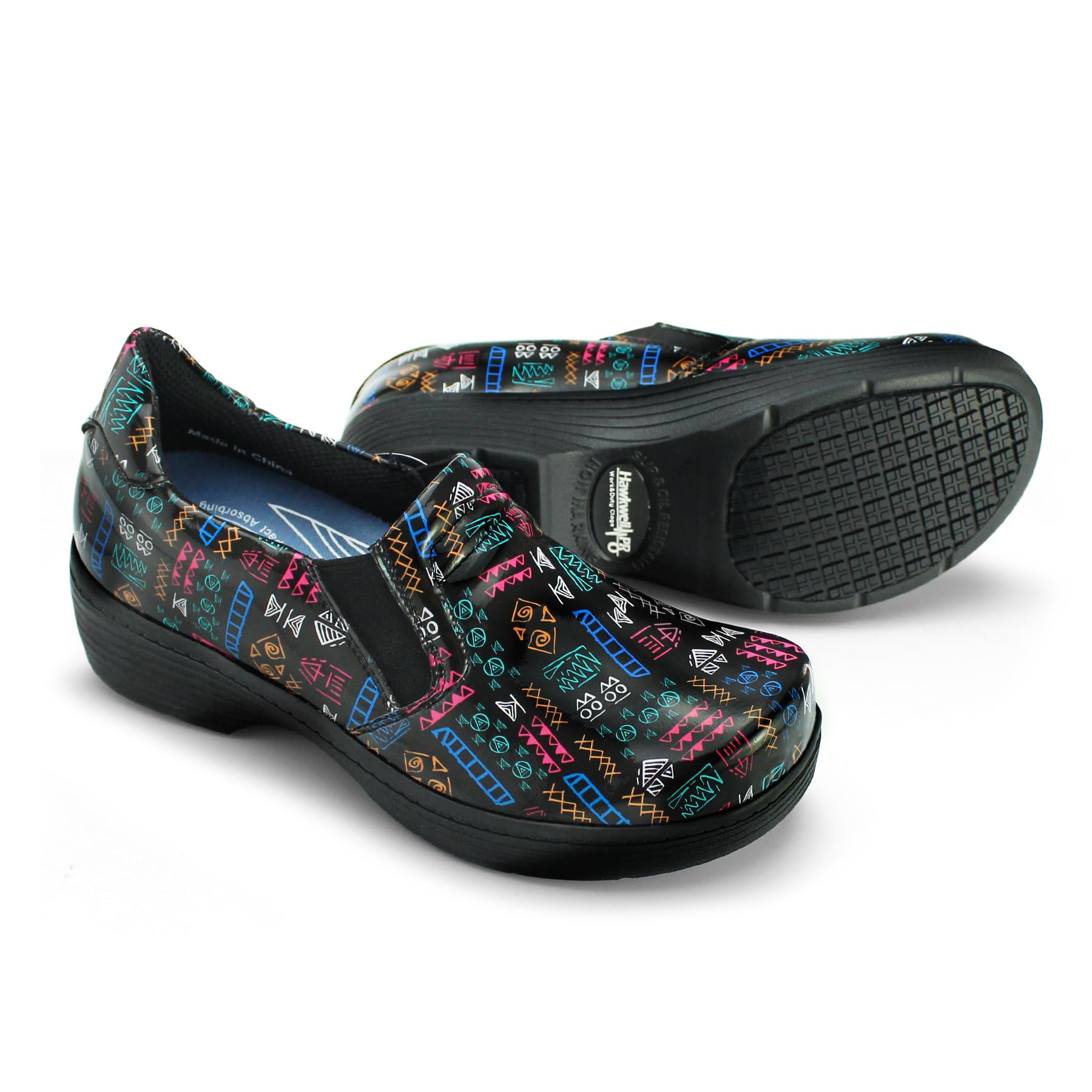
A 1.21 lb leather clog with a rocker bottom and a removable bamboo orthotic footbed for wipe-clean clinical work.
For nurses who want a clog they can spray and wipe between patients, the Hawkwell Pro brings a stain-resistant leather upper with a wipe-clean finish. Underfoot sits a removable bamboo fibre lined orthotics footbed — the kind you can pull out and swap or wash — plus a lightweight, slip-resistant rubber bottom. The rocker bottom design (a thicker sole with a rounded heel that rolls your step forward) helps with the walk cycle so you are not fighting flat, hard footing all shift. It is built for nursing, veterinary, food service, and healthcare work.
The weight story is the standout here. At just 1.21 pounds, this clog is more than two pounds lighter than the New Balance 608 V5 — that lightness matters when you are lifting your feet thousands of times a shift. Buyers find the arch support solid and the grip reliable, with cushioning that feels like pillows on your feet, and the leather-only-gets-better-with-age finish holds up to constant wipe-downs. The removable orthotic footbed means you can drop in your own insert if you already have one.
The honest trade-off is durability. At 3.9 stars, this is the lowest-rated pick on the list for a reason: some pairs wear faster than expected. One owner loved them at first, but after roughly six and a half weeks the liner started shedding into the shoe, and another nurse found the toe box scuffed away within six months. If you typically wear a wide width, Hawkwell recommends going up a half size for extra wiggle room. For a lighter-duty clinic or food-service role, the wipe-clean leather and rocker comfort earn their keep; for brutal twelve-hour floor shifts, expect to replace sooner.
Why nurses reach for the Pro
- Stain-resistant leather with a wipe-clean finish
- Removable bamboo fibre orthotics footbed for custom support
- Rocker bottom eases the walk cycle on hard floors
- 1.21 lb — light enough to lift all shift long
The finish-line reality
- Not built for the long haul — liners and toe boxes can wear within weeks
- Wide feet should size up a half size per the maker’s guidance
Clip-and-go favorite: Ideal for vets, food service, clinic staff, and any nurse who wants easy clean-off and light steps.
Not the pick for: Nurses who need one pair to survive a year-plus of twelve-hour hospital shifts without wear showing.
5. Ryka Women’s Jumpstart Sneaker
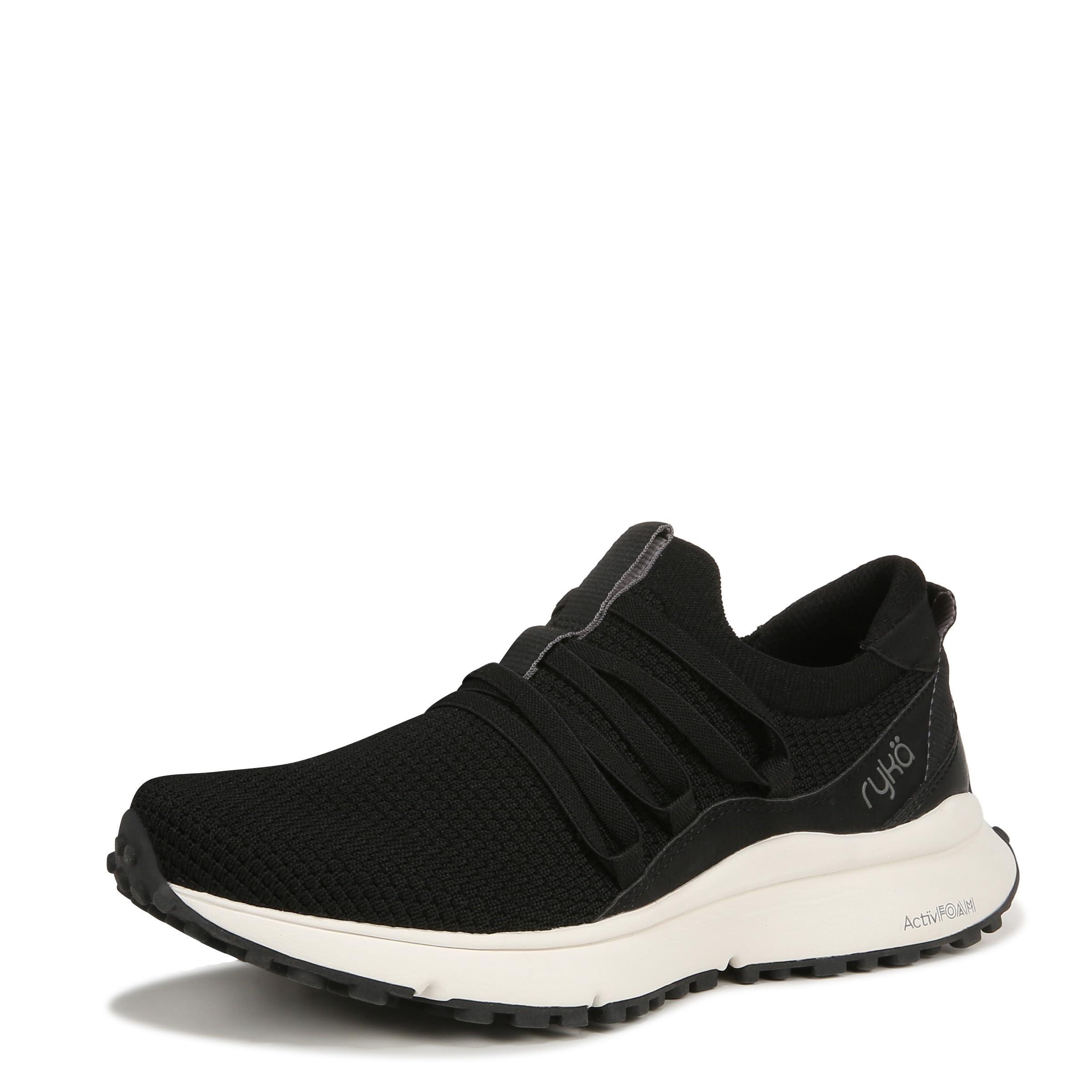
Built on a woman’s foot shape — narrower heel, roomier toe, and a zipper for fast exits.
Most nurse shoes start from a men’s last and shrink it. The Ryka Jumpstart takes the opposite approach: it is designed specifically for a woman’s foot shape — a narrower heel, a roomier toe box, and softer cushioning — and that shows up where nurses feel it most. Comfort is what buyers talk about the most, comfortably ahead of fit, which tells you the shape simply works for female feet. An anatomical insole (a footbed shaped to match the curves of your arch) adds both arch support and heel support.
The cushioning system is ACTIVfoam EVA in the midsole, with extra cushion built into the midfoot for stability, sitting on a durable compression-molded rubber outsole. Each shoe weighs 8.3 ounces, making it one of the lighter options here — handy for the constant movement of a floor shift. And the closure is where this pick shines: a slip-on fit with a front zipper and a heel pull tab, so getting in and out is a one-second job. Slip-on ease ranks as a strongly praised aspect, alongside arch support for walking and standing.
The honest question to ask is heel durability. Arch support and cushioning hold up well, but the heels tear within about two months for some wearers, while others report the shoes holding up remarkably. Add a 10 mm heel-to-toe drop (how much higher the heel sits than the toe, which shifts load toward the heel), and this shoe suits nurses who want a cushioned, easy-on sneaker for moderate daily mileage rather than armored abuse. It is a balanced daily wearer at a fair value for what it delivers.
Women’s fit done right: The narrow heel and roomy toe are the difference-maker if standard sneakers have always felt a size off.
Watch the heel: Favor it for walking and standing roles; if you heel-strike hard and wear shoes hard, the heel can give out sooner than the rest of the shoe.
Built for her: Nurses who want a true women’s-fit sneaker with zip-on ease and soft, arch-supporting cushioning for all-day wear.
Skip if: You need a shoe engineered to take years of hard heel strikes — cushioning leads here, and durability trails it.
6. New Balance Women’s Fresh Foam Roav Running Shoe
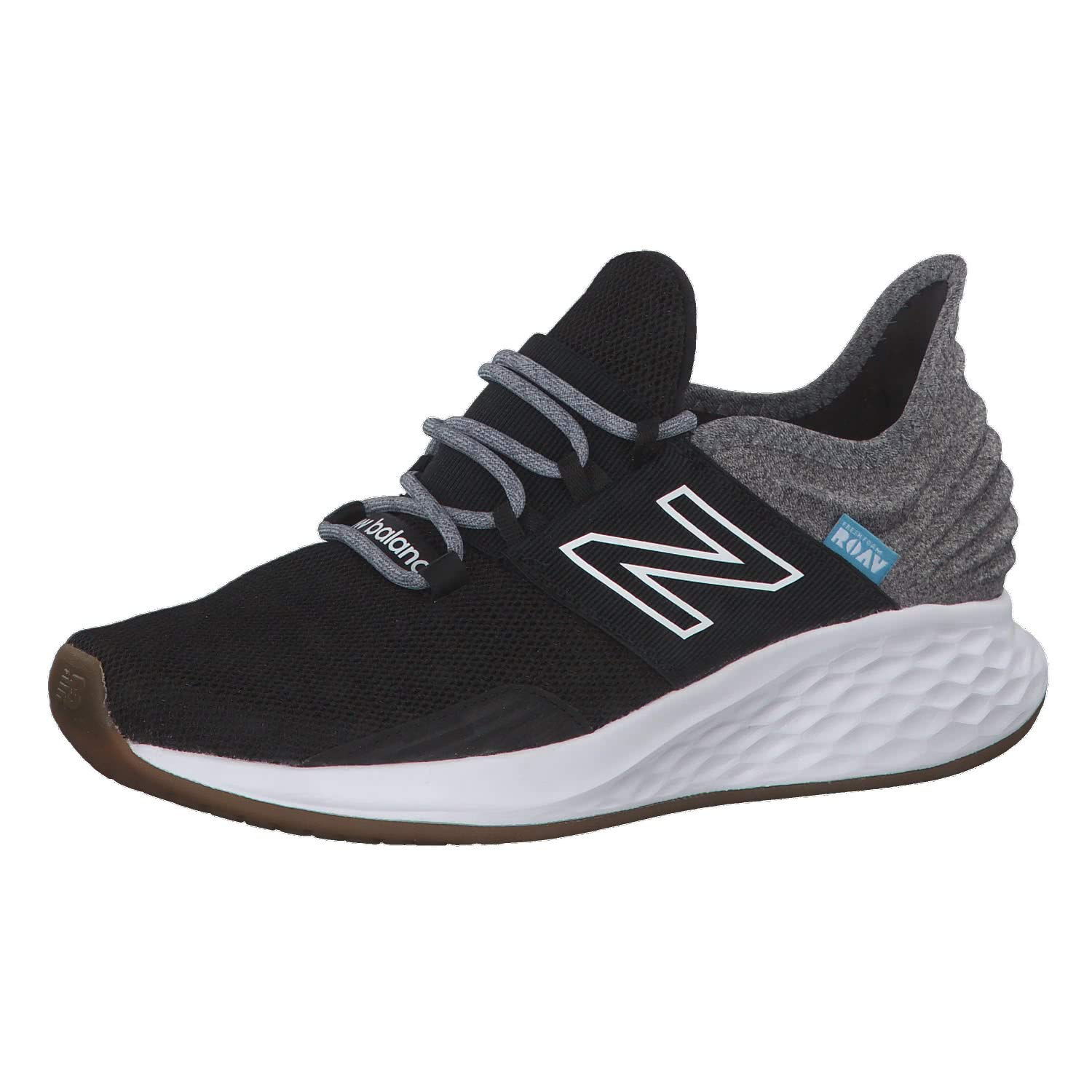
A running shoe that doubles as a nurse’s cushioned daily driver — plush, light, and gym-ready.
Think of the Fresh Foam Roav as the sneaker you reach for when you want a soft, cloud-like ride without a running gait. The midsole uses Fresh Foam cushioning — a plush, lightweight foam that absorbs shock with every step — while NDurance technology makes the rubber outsole more wear-resistant so it survives sidewalks and off-road jogging alike. The Ultra Heel design hugs the back of your foot for a more supportive fit, and the bootie construction makes it easy to pull on and off. A synthetic/mesh upper keeps it breathable.
Buyers praise the comfort most, followed closely by the look, with style and arch support both getting strong mentions. One of the standout details is versatility: it works for walking, the gym, and standing roles equally well, and users say the shoes still look fresh after months of use. It comes in a wide version for those who need extra room, and there is a stretch compression band under the laces that takes a few hours to break in before it feels right.
The two things to know before you buy: sizing and mesh. These shoes run small — several buyers sized up a half size, and a wearer who normally takes a 9.5 needed a 10 or 10.5 with a snug toe box. And the mesh over the toes wears through, with holes developing over the big toes after two-plus years in one long-term account. Durability and sizing both rank as mixed aspects here. It is still a highly comfortable everyday shoe, just one that rewards the correct size and a little care.
The plush crossover: Great for nurses who want a soft, light sneaker that transitions from shift to gym without a wardrobe change.
Size-up warning: Runs small and has proven mesh wear over the toes — order up a half size and treat the front of the shoe gently.
Cloud-ride pick: Nurses who value plush cushioning and a stylish, gym-capable sneaker for active days on their feet will love this pair.
Best avoided if: You wear a wide toe box and cannot go up a half size, or you need a shoe whose mesh survives years of toe pressure.
7. Dansko Women’s Professional Planet Patent Clog Mule

The iconic nursing clog — hand-built, rocker-soled, and famous for supporting ER-length shifts.
Some nurse shoes are bought for a season; the Dansko Professional is bought for years. This is the iconic clog — built by hand with staple construction, carrying a contoured leather insole and a shock-absorbent rubber outsole. The rocker sole rolls your step forward, easing the effort of standing and walking across a twelve-hour shift. It has earned APMA acceptance, a footwear recognition from the American Podiatric Medical Association. The smooth leather upper wipes clean with a damp soapy cloth, and scuffs touch up with shoe polish.
Comfort, durability, and easy care mingle here — the kind of shoe an ER nurse with a decade of experience trusts for twelve-hour shifts, saying it beats expensive tennis shoes. Long-term owners mention a pair lasting around six years before a squeak develops, and the shoe blends with every scrub color while adding a little height. The contoured insole molds to your foot over the first few weeks, and the wide toe box plus grippy outsole round out the picture.
Two things to respect: sizing and break-in. The sizing runs inconsistent — this is a handmade shoe, so the American sizing can land about a half size small, and buyers often size up one to one and a half sizes from their usual. The break-in can take up to six months for some, and the firm arch support is a matter of taste: it suits feet that like stiff support, but if you have a high arch the top of your foot can still hurt during long shifts. It is also poor on unlevel terrain. Buy it if you want firm, long-lasting support; pass if you need soft and flexible from day one.
Why it costs more and lasts longer
- Hand-built staple construction with a contoured leather insole
- APMA accepted design with shock-absorbing rubber outsole
- Rocker sole eases effort on long standing shifts
- Long-term customers note years of service before replacement
Firm-foot notes
- Sizing is inconsistent — many buyers size up one to one and a half sizes
- Break-in can take months, and the firm arch support is not for every foot
Lifetime investment: For nurses who want a firm, hand-built clog that supports twelve-hour shifts for years, this is the gold standard.
Only if firm fits you: If you need soft, flexible cushioning with no break-in, or you have a high arch prone to pressure, look to the cushioning picks above instead.
Know the Specs
Slip-Resistant Outsole
A slip-resistant outsole is a rubber bottom with a tread pattern engineered to grip wet, greasy, or polished floors — the everyday reality of hospital corridors and clinic rooms. Look for shoes that state “slip-resistant” in their own spec sheet rather than assuming all work shoes grip the same. The Skechers Squad, the Hawkwell Pro, and the Dansko Professional all list slip-resistant rubber outsoles, which is why they show up on this list.
Arch Support and Insole Type
Arch support means how the footbed shapes itself to the curve under your foot, and it matters most if you have flat feet or high arches. Some shoes here use a contoured insole molded to the foot’s shape, like the Dansko, while others use removable orthotic footbeds you can swap, like the Hawkwell Pro. Weight also drives all-day fatigue — lighter shoes mean less effort to lift your feet with every step, which is why the 1.21 lb Hawkwell Pro clog and the 8.3 oz Ryka Jumpstart feel easier over a long shift than a heavier build.
Common Questions
How do I know if a nurse shoe is truly slip-resistant?
Do nurse shoes run true to size, or should I size up?
Are clogs or sneakers better for nursing work?
How long do nurse shoes usually last on long shifts?
Can nurse shoes be washed in a machine?
What is electrical hazard protection and do nurses need it?
What is a rocker bottom shoe and why do nurses wear them?
How important is arch support in nurse shoes?
Do lighter nurse shoes actually make a difference over a long shift?
The Bottom Line
For most nurses, the nurse shoes winner is the Skechers Women’s Squad Slip On because it covers the three things that matter most — a slip-resistant outsole, electrical hazard protection, and cushioned slip-on comfort — all in one shoe. If wide feet and firm support are your priority, grab the New Balance 608 V5. And for the nurse who wants a hand-built clog that stands up to twelve-hour shifts for years, the Dansko Professional is the one to reach for. Whichever you pick, match it to your shift length, your floor surface, and the shape of your own feet.
How we choose
We do not accept paid placement. Every pick is matched to a real buyer and a real use-case; we do not hands-on test units.
Sources
Specifications: manufacturer listings and product documentation. Review insights: verified customer reviews, as of October 2026. Pricing: not shown on this page (it changes often); check the current price via the retailer link.
As an Amazon Associate, Aappliancez earns from qualifying purchases. This does not affect which products we feature.