Disclosure: Some links in this post are affiliate links. As an Amazon Associate I earn from qualifying purchases, at no extra cost to you. Learn more
Specs are compiled from manufacturer listings and verified buyer reviews and can change over time — please confirm the key details on the product page before buying.
If your arches collapse inward on a downhill, the shoe is the problem, not your feet. The right pair holds the middle of your foot steady, keeps the heel locked, and lets your toes spread on the climb. Below you get nine trail-tested picks sorted by what each one actually does for a low or tired arch, from featherweight trail runners to leather boots that shrug off creek crossings.
This guide is built by comparing the manufacturers’ published specifications and the patterns across verified customer reviews, so you get each pick’s real strengths and trade-offs instead of marketing spin.
Every pick here is judged on the same three things: how the midsole cradles the arch, how the heel stays put on loose ground, and how the shoe behaves over a full day rather than a quick lap at the store. My full breakdown of the women’s hiking shoes with arch support covers nine real pairs and what each one is genuinely best at.
Top Picks

How To Choose The Best Women’s Hiking Shoes With Arch Support
The shoe that saves your arch is not automatically the stiffest one on the shelf. Arch support comes from three parts working together: the insole pressing up under the middle of your foot, the midsole foam keeping that shape from flattening, and the heel counter stopping your foot from sliding sideways. Get all three and a long downhill stops being a knee-pounding chore.
Start with heel-to-toe drop, not arch height
Drop is the height difference between your heel and your toe, measured in millimeters. A high-drop shoe (a big heel lift, like the Oboz at 12 mm) tilts you forward and takes load off a tired arch on flat ground. A zero-drop shoe (heel and toe level, like the Altra) asks your calf and arch to do more of the work, which some feet love and others find exhausting on day one. Neither is better — match the drop to what your feet already tolerate in everyday shoes.
Pick your toe box before you pick your size
A cramped toe box pushes your big toe inward and your arch follows. That is why so many wide-footed hikers end up in a shoe with a roomy front and a snug heel. Look for a shoe that lets your toes splay when you push off, then check the heel — if it slips, you will get a blister on the climb no matter how good the arch is.
Waterproof or breathable
A waterproof membrane keeps creek splash and mud out, but it also traps sweat on a hot climb. A mesh upper dries fast and breathes, but a wet sock on a cold morning is miserable. Think about where you actually walk most: damp forest trails lean waterproof, dry dusty desert tracks lean breathable.
Insole swaps and insoles that come built in
If your podiatrist or fitter gave you a custom arch insert, you need a shoe with a removable factory insole and enough depth to fit it. Several picks here ship with a molded insole already shaped for the arch, which saves you the swap entirely.
Side-by-Side Comparison
| Model | Best For | Heel Drop | Weight | Upper | Amazon |
|---|---|---|---|---|---|
| Salomon Speedcross★ Best Overall | Grip on steep, loose trails | — | — | Breathable mesh | Amazon |
| New Balance Fresh Foam X Hierro V8Best Cushioned | Cushioned all-day walking | — | 1.5 lb | Breathable mesh | Amazon |
| Vasque Talus MidBest Ankle Support | Ankle stability on rough ground | — | 2 lb | Leather | Amazon |
| Columbia Transverse Hike | Wide feet, wet weather | — | — | Leather, waterproof | Amazon |
| adidas Terrex Ax4 | Alpine scrambles, mixed terrain | — | 2.43 lb | GORE-TEX | Amazon |
| Merrell Yokota 2 Mid | All-around day hiking | — | — | Suede and mesh, waterproof | Amazon |
| Oboz Bridger Mid B-DRY | Multi-day treks, all-day shifts | 12 mm | 19.0 oz | Waterproof nubuck leather | Amazon |
| ALTRA Lone Peak 8 | Wide toe box, natural foot movement | 0 mm | 10.7 oz | Ripstop mesh | Amazon |
| Merrell Moab 3 Waterproof | Out-of-the-box comfort, rocky trails | — | 2.09 lb | Waterproof | Amazon |
Detailed Reviews
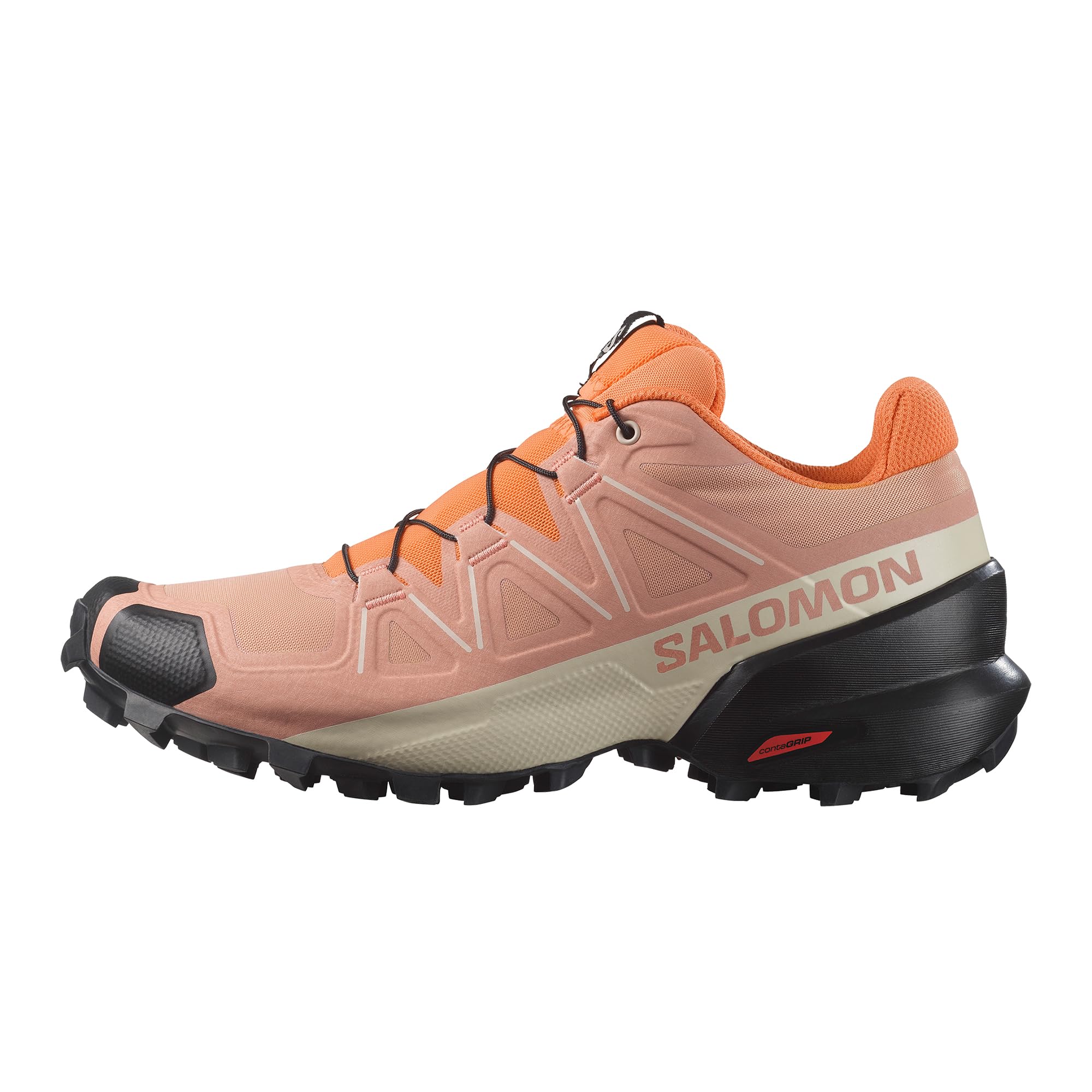
1. Salomon Women’s Speedcross Trail Running Shoes
Our pick — 4.5+★ from 550+ verified ratings; the strongest balance of quality and price.
The shoe that grips a slick rock climb and still cradles your arch on the way down.
Salomon’s Speedcross is the pair to reach for when your hikes mean steep, loose gravel and you want your foot glued to the trail. The standout number here is simple: comfort is what wins people over, and the arch support and grip back it up — a shoe that stops you slipping on slick rock climbs while the middle of your foot stays held. The tread bites on climbs where a smooth-soled shoe would have you scrambling on all fours.
Where it really pays off is a long day out. Speedcross wearers have pushed a full 20 miles with no blisters, minimal foot fatigue, and enough toe room for swelling feet. The shoe is breathable and dries fast, so a creek splash does not leave you squelching for hours. As owners put it: “grips very well, has breathable material.”
The honest catch: this shoe fits narrow feet best, and the toe is slightly tapered. If your foot is broad across the front, that snugness will pinch rather than support. The lacing system also needs retying through the day — the quick-pull laces work loose after a while and want re-adjusting.
What earns it the top spot
- Arch support that holds on steep inclines and loose gravel.
- Grip that prevents slipping on slick rock climbs.
- Breathable upper that dries fast after a creek crossing.
- True to size with room for a cushioned sock.
Where it falls short
- Best suited to narrow feet — a wide forefoot will feel pinched.
- Laces work loose and need frequent re-adjusting.
- Not waterproof; mud and creeks soak through.
Your match if: you want trail grip and a supported arch for narrow feet, and durability across a long hike matters more than staying dry.
Pass on it if: you have a broad toe box or need waterproofing on wet, muddy ground.
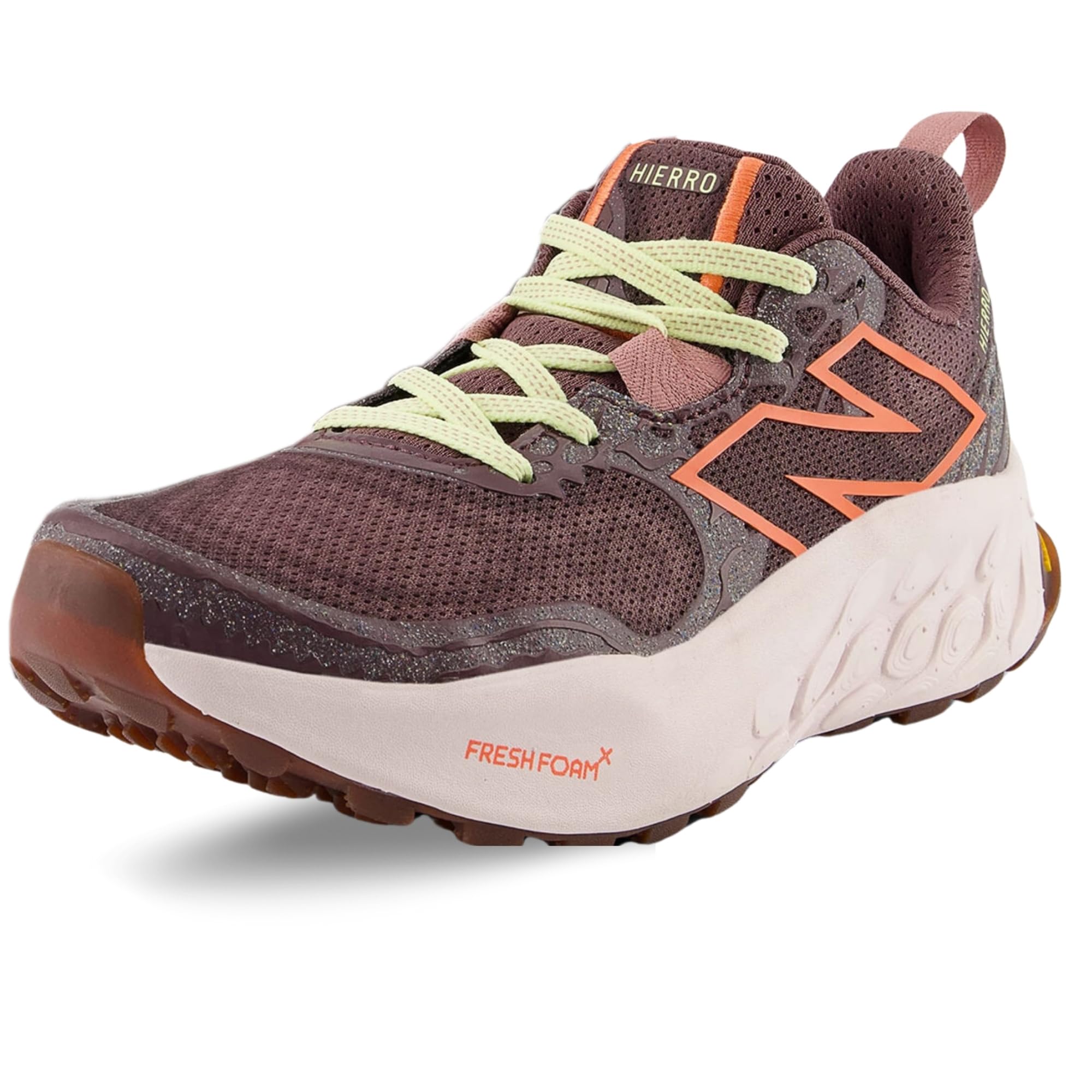
2. New Balance Women’s Fresh Foam X Hierro V8
Cushioning that feels like a running shoe but holds up on a rocky trail.
The Hierro V8 pairs New Balance’s Fresh Foam X midsole with a Vibram Eco-Step Natural outsole, which means a soft, cushioned ride under the arch and a sticky rubber tread below. It weighs 1.5 pounds, so it stays managable on a long walk without turning into a heavy clomper. The fit is the big question with this one: some find it true to size, others say it runs too small, so try it in your normal size first and only size up if your toes hit the front.
What this pair does well is all-day comfort for standing on your feet. The Fresh Foam X midsole has carried people through 12-hour shifts with minimal break-in pain, and the shoes are breathable enough for a hot summer hike. The look earns top marks too — the colorways are what draw a lot of buyers in before they even lace up.
Two honest notes. The mesh toe has next to no water resistance, so a wet, muddy trail will soak through — good in summer, poor in a downpour. And the tongue has a habit of sliding to the side on long walks, which a few buyers found annoying on runs.
Where it shines: the cushioned midsole and stable footing suit walkers and casual hikers who want arch support without a stiff boot.
The real limitation: the mesh upper offers little water protection, so keep it for dry trails and summer footpaths.
Reach for this if: you want a soft, cushioned shoe that supports the arch on long walks and dry trail days.
Look elsewhere if: you need waterproofing or a dialed-in fit — sizing here divides opinion.
3. Vasque womens Talus Mid
The leather-hiker classic that quietly stabilizes a wobbly ankle through tricky ground.
This mid-height boot is the pick for anyone whose ankle turns on uneven ground. It is a contemporary take on the leather hiker that has been around for years, with underfoot changes that add stability without making it feel stiff. Fit is the thing people love most here — a roomy toe box and a snug, locked-in heel — and it is waterproof enough to survive a night of rain. It weighs 2 pounds, which is light for a leather boot.
Where the Talus earns its keep is support on rough ground. Buyers with chronic foot issues — including one hiking after a cast — found it stable and comfortable all day, with good arch support and a strong grip. It takes only a short break-in and then settles into a boot you can wear for hours.
The fair warning: it is not a super-stiff mountaineering boot, so on wet cobblestone a few wearers felt it slip. The grip is best on dry dirt and gravel. Long-term, at least one owner found the shock absorption softened after a year, so treat it as a light-to-moderate hiking boot rather than a decade-long one.
What buyers value: genuine waterproofing, a secure ankle hold, and a comfy fit that handles long trail days with a bad ankle.
Size to watch: many owners sized up half a size to make room for inserts or thick socks, so check the fit before your first trip.
Best for: hikers with an unstable or problem ankle who want a waterproof boot with real arch support.
Think twice if: you need max stiffness for very wet, slick stone — traction on wet cobblestone is a weak spot.
4. Columbia Women’s Transverse Hike Waterproof Boot

A wide, roomy boot that keeps feet dry through mud and puddles without breaking in.
If your foot runs broad, the Transverse Hike is where you start. It comes in wide widths, and the roomy fit is exactly what wider-footed hikers need — no pinching, no wrestling to get them on. The leather build is waterproof-breathable, so it keeps rain and creek splash out while still letting your feet breathe, and the cushioning is aimed at staying comfortable mile after mile. Comfort is what wins over the most people here.
For wet weather it delivers. Buyers have worn these through rainy festivals buried in mud and stayed bone dry, and on strenuous rainy hikes in national parks with no blisters. A few wearers who hated narrow boots found these fit right from the start, swapped in their own arch insole, and never looked back. The ankle support and tread are steady on rugged terrain.
The catch is the fit. Some say the sizing is amazing; others say it runs too narrow — so try the wide width if your foot is broad. A few owners found one shoe stiffer or tighter than the other, so check both feet before a long trip.
Why wide feet like it
- Waterproof leather keeps feet dry through mud and puddles.
- Wide width options fit broad feet without pinching.
- Ankle support and tread hold steady on rugged ground.
Where it can disappoint
- Fit divides opinion — some find it too narrow.
- Occasional pairs feel different left to right.
Go for it if: you have wide feet and hike in wet conditions, and you want a boot that is dry and comfortable from the first step.
Otherwise choose: a narrower last if your foot is on the slim side — sizing here is inconsistent.
5. adidas Terrex Ax4 Hiking Sneakers
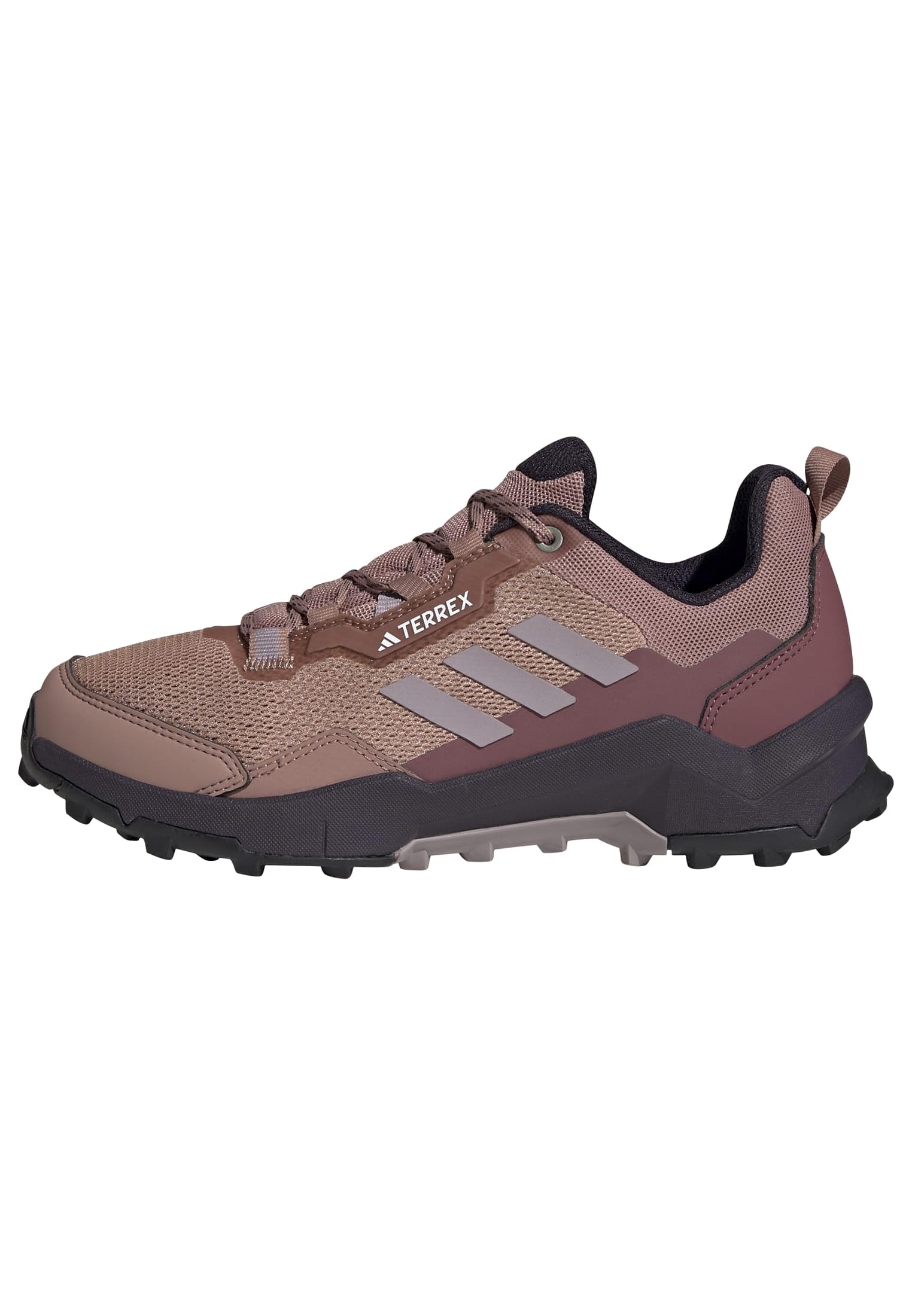
A light, technical sneaker for alpine scrambles and everything short of a full boot.
adidas built the Terrex Ax4 for mixed ground — day hikes, alpine scrambles, and technical terrain where you want a boot’s grip but a sneaker’s weight. The GORE-TEX membrane keeps water and mud out while still letting your feet breathe, and the Continental Rubber outsole bites on rocky scree, wet roots, and dusty trails. It is a 2.43-pound shoe with a lightweight, rugged, stable design.
Once you get the size right, it is comfortable on a long, varied day. Buyers report no blisters, comfortable ankle support, and a snug fit that still leaves toe room for wide, flat feet — a common pain point with hiking shoes. It also handles rock, sand, and branches without soaking through.
Here is the size story: some people ordered half a size up and found it loose and had to return it, while others found it too small and had to go up half a size. The fit is genuinely inconsistent, so order your normal size and check the toe before committing. Cushioning is also on the firmer side, which is fine for grip-heavy ground but less forgiving on pavement.
The winning trait: a technical, GORE-TEX sneaker that grips mixed and wet terrain without the bulk of a full hiking boot.
Buy with care on size: the fit range is inconsistent, so a quick try-on saves a return.
Suits you if: you hike varied, technical ground and want waterproof grip in a lightweight package.
skip it if: you have a very specific fit or want plush cushioning on pavement.
6. Merrell womens Yokota 2 Mid Waterproof
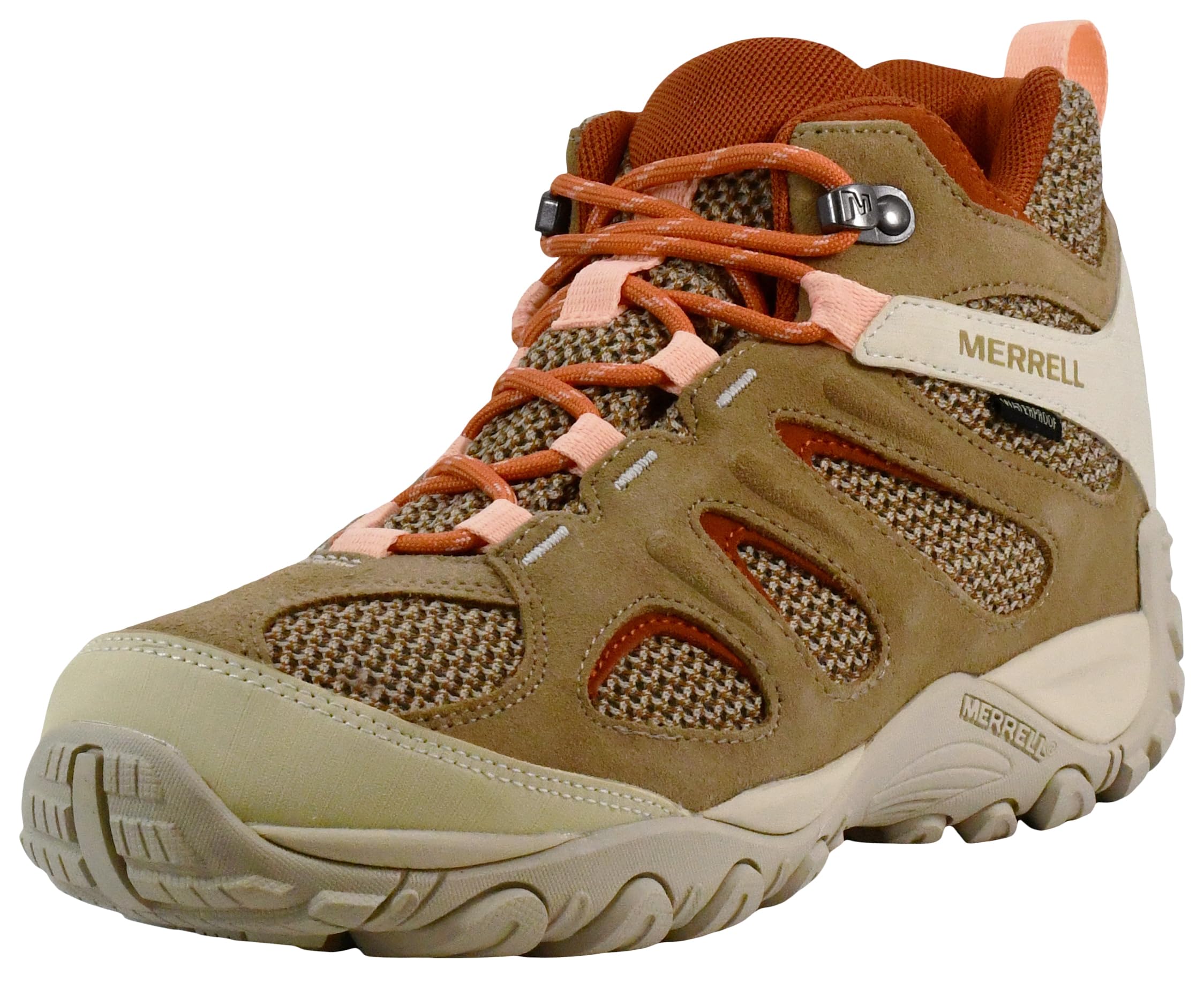
An all-around hiker that feels broken in on the first step and stays comfortable for hours.
The Yokota 2 Mid is a do-everything boot: durable suede up top, breathable mesh panels, and a waterproof membrane to keep moisture out. Comfort and build quality are what owners value most, with a roomy fit that suits a range of feet. It is a boot for the hiker who wants one pair for weekend trails and the occasional work day outdoors.
It comes from the start ready to go. Buyers who wore it straight onto a moderate hike with stream crossings had no blisters and no aches. On snow, slush, and rocks, it kept feet dry and steady, and several wearers found the sole design good for boulders and large rocks. For a first hiking boot, it is genuinely hard to fault.
The wrinkle is sizing. Some find the fit perfect at their normal size, others say it runs small — so if you plan to wear thick socks, check the toe room first. And it is less cushy than a running shoe, a trade-off for the support it gives problem feet.
Why it earns its place: a waterproof, well-made boot that is comfortable from day one and handles a variety of terrain.
Real-world sizing note: opinions on fit differ, so try your normal size and one up if you wear thick wool socks.
Your pick if: you want one comfortable, waterproof boot for day hikes and light work outdoors.
Not the one if: you need a super-plush, sneaker-like ride or a precise fit.
7. Oboz Women’s Bridger Mid B-DRY Hiking Boot
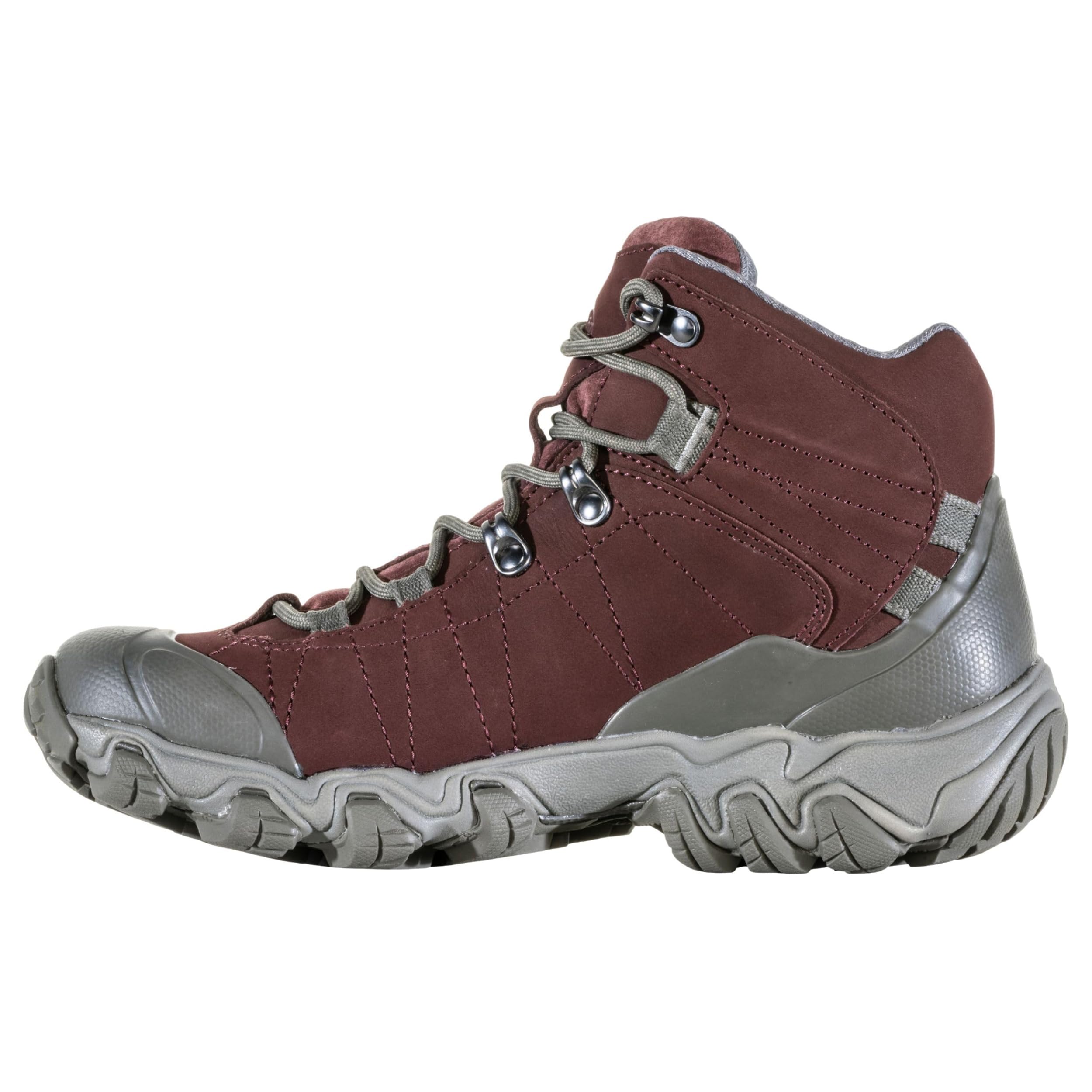
A serious hiking boot built for long shifts and multi-day treks, with an insole molded for the arch.
Oboz makes the Bridger Mid for people who are on their feet for hours, not minutes. The B-DRY membrane lets sweat escape while blocking mud and water, and the Granite Peak outsole with a TPU midsole shell gives stability and stone protection. A molded O-FIT insole is shaped to each shoe for a snug fit under the arch, and it has a 12 mm heel drop with a 19.0 oz weight — substantial but manageable.
Where it makes its case is endurance. Hikers and workers have worn the Bridger Mid through 12- to 14-hour shifts and called it comfortable the whole day, and some owners mention the boots lasting up to seven years. The O-FIT insole supports the arch and metatarsal area, which helps with existing foot ache. The break-in is short, then the boot settles.
The honest caveat is width: the Bridger runs narrow, and stiff. Order your normal size in a wide if your foot is broad, and expect to break the leather in. The round laces also come untied easily — swap them for flat laces, as some owners did.
The case for the Bridger
- B-DRY membrane keeps feet dry while letting sweat escape.
- O-FIT insole molded for arch and metatarsal support.
- Built to hold up over years of long days.
Know before you buy
- Runs narrow and stiff — consider a wide width.
- Round laces come untied easily.
Right for you if: you want a durable, waterproof boot with real arch support for long shifts or multi-day treks.
Wrong for you if: you have a wide foot and need an instant broken-in feel — this one wants a proper break-in.
8. ALTRA Women’s Lone Peak 8 Trail Running Shoe
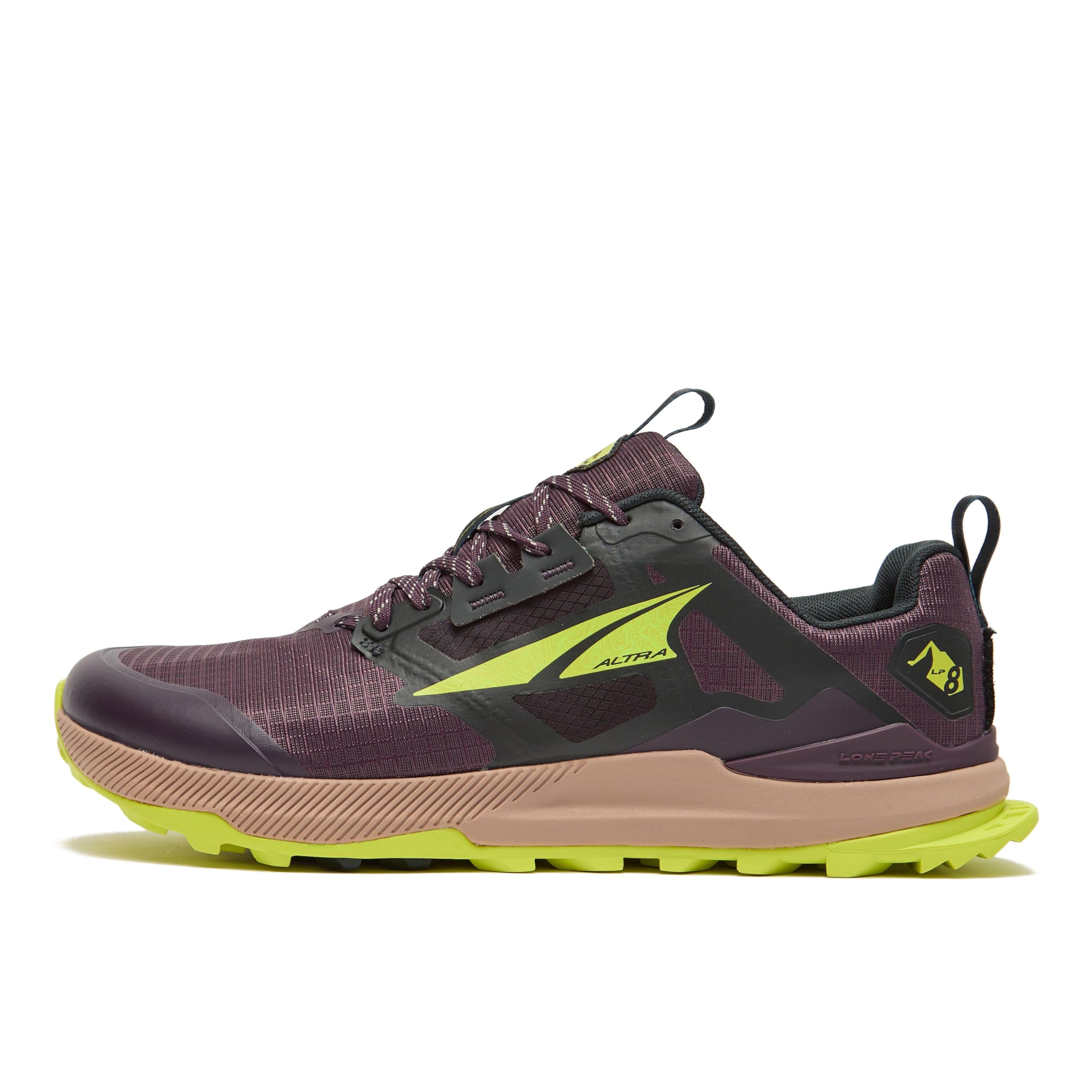
The widest toe box here, built to let your foot spread and work naturally from zero drop.
If a cramped toe box is what turns your arch inward, the Lone Peak 8 is the shoe to try. It uses Altra’s roomiest FootShape toe box with space through the midfoot and a zero-drop platform, so your heel and forefoot sit level and your foot moves the way it was built to. The MaxTrac outsole gives a sticky grip, and the ripstop mesh upper keeps it rugged. It weighs 10.7 oz.
What this shoe fixes is the pain that comes from shoes that squeeze. Buyers who struggled in other brands on steep rocky hikes found this one pain-free, with the wide toe box preventing hiker’s toe issues. It has no break-in period and holds up — one owner wore the Lone Peak 8 multiple times a week and reports no marks or wear. Grip is solid on loose dirt and rocky paths.
The honest limits: cushioning is on the thin side, which some love for ground feel and others find too firm. A zero-drop shoe also asks more of your calf and arch, so ease in rather than jumping straight to a long hike. One high-mileage Lone Peak 8 buyer saw the upper separate from the outsole after 10 months of hard use.
The standout trait: the roomiest toe box in this lineup, ideal if your toes feel pinched in normal hiking shoes.
Adjust to expect: zero drop changes how your leg works, so give your feet a few short walks before a big trail day.
Ideal for: wide, flat feet and anyone whose arch pain starts with a narrow toe box.
Not ideal for: hikers who want a thick, plush cushion or are not ready for a zero-drop ride.
9. Merrell Women’s Moab 3 Waterproof Hiking Shoe

The long-running trail standard, tuned this version for a softer ride and a grippier Vibram sole.
The Moab is the shoe most hikers think of when they picture a trail shoe, and the Moab 3 updates a familiar formula: a more supportive insole, a softer, more cushioned midsole, a grippier Vibram outsole, and partially recycled fabrics. It weighs 2.09 pounds. It is the pick for the buyer who wants proven comfort on rocky ground without overthinking it.
Where it works is out-of-the-box comfort. Buyers have worn it straight onto a hiking trip with no break-in and found it fit like a shoe they had already owned for years. On uneven, rocky, cobblestone paths it stays supportive and comfortable, and the sole handles trails and long walks with steady grip. It is well worth the money for all-purpose use.
The caveat is waterproofing. Several owners note it lacks the sewn-in “waterproof” tag a fully sealed Merrell carries, so on truly wet ground you may want a separate spray. The fit also runs a bit large for some, and it feels clunky if you prefer a lighter, sneaker-like shoe.
Why it holds up: a soft, cushioned ride with a Vibram sole that grips rocky trails, comfortable the moment you lace up.
One thing to know: the waterproofing is not as sealed as some Merrell models, so damp trails may need a spray.
Choose this if: you want a comfortable, supportive trail shoe for rocky paths and long walks without a break-in period.
Look past it if: you hike in truly wet conditions or want a light, nimble shoe.
Know the Specs
Heel-to-Toe Drop
Drop is the height gap between the heel and the ball of your foot, measured in millimeters. A higher drop (like the Oboz’s 12 mm) tilts you forward and takes strain off a tired arch on flat, firm ground. A zero-drop shoe (like the Altra) puts heel and toe on the same plane, so your calf and arch do more work and your foot moves more naturally. Match the drop to what already feels normal in your everyday shoes.
Arch Support and the Insole
The arch support you feel underfoot comes mostly from the insole and the foam beneath it. A molded insole shaped for the arch (like Oboz’s O-FIT) does this without an add-on. If you use a custom insert, look for a removable factory insole and enough internal depth, and check the sizing note — several picks here run a half size small once you add a thick insole.
Waterproof Membrane vs Mesh
A membrane like GORE-TEX or B-DRY blocks water and mud while letting sweat pass, which is why it suits damp forest trails and creek crossings. A plain mesh or ripstop upper breathes and dries fast but soaks through in a downpour. Neither is wrong — pick by your usual ground and weather.
Toe Box Width and Fit
Toe box width changes how your foot loads the arch. A roomy box (like Altra’s FootShape) lets your toes spread, which helps prevent the big toe from crowding inward. A snug box holds a narrower foot firmly but can pinch a broad one. Always check the toe first and the heel second — a slipping heel means blisters on the climb.
Common Questions
Will a zero-drop shoe still support my arch?
Do I need a wide width in hiking shoes?
How should hiking shoes fit when I add an arch insert?
What is a waterproof membrane and does it trap sweat?
Which shoes here have the strongest trail grip?
Are waterproof boots good for hot summer hikes?
How long should hiking shoes last?
Can I wear these on flat city pavement too?
What is a heel drop and does it change arch comfort?
Do hiking shoes need a break-in period?
The Bottom Line
For most hikers chasing real arch support, the women’s hiking shoes with arch support winner is the Salomon Speedcross — the grip and arch hold on steep, loose ground make it the one to trust, and its cushioning keeps a long day from turning into a painful one. If a broad toe box is your priority, grab the ALTRA Lone Peak 8, whose wide FootShape front lets your toes spread naturally. And for wet-weather hiking with wide feet, the Columbia Transverse Hike is the one to reach for.
One practical nudge before you check out: decide your heel drop and toe box width first, then pick the shoe. That single order of decisions is what stops a supportive shoe from feeling wrong on your first mile.
How we choose
We do not accept paid placement. Every pick is matched to a real buyer and a real use-case; we do not hands-on test units.
Sources
Specifications: manufacturer listings and product documentation. Review insights: verified customer reviews, as of October 2026. Pricing: not shown on this page (it changes often); check the current price via the retailer link.
As an Amazon Associate, Aappliancez earns from qualifying purchases. This does not affect which products we feature.