Disclosure: Some links in this post are affiliate links. As an Amazon Associate I earn from qualifying purchases, at no extra cost to you. Learn more
Specs are compiled from manufacturer listings and verified buyer reviews and can change over time — please confirm the key details on the product page before buying.
A trailer deck lives a harder life than any porch. It eats road spray, sun, gravel grit and loaded equipment all year, so the surface goes grey and thirsty long before the boards are finished. The short answer: pick a sealer that matches the wood — an oil-based finish for dense exotic hardwood, a stain-and-sealer for cedar and pine, and a clear coating when you want the grain left alone. This guide walks you through seven real options and what each one actually does well.
This guide is built by comparing the manufacturers’ published specifications and the patterns across verified customer reviews, so you get each pick’s real strengths and trade-offs instead of marketing spin.
You can match a product to your deck instead of guessing, because the coverage numbers, dry times and finish types sit side by side below. Every pick here is judged on how it behaves on a working trailer bed, and this breakdown of the trailer deck sealer covers exactly that. Three things decide your pick: wood type, dry time, and how many square feet one can truly covers.
Top Picks


How To Choose The Best Trailer Deck Sealer
The first decision is not brand or price — it is what your deck boards are made of. An oil-based product soaks into dense hardwood like ipe or cumaru, while a water-based acrylic sits on the surface and works better on cedar and pine that drink moisture quickly. Get that match wrong and the finish either beads up on top or sinks in unevenly.
Match the base material to your wood
Oil-based finishes penetrate deep and feed dense grain, which is why they suit exotic hardwood. Acrylic and water-based sealers form a flexible film that handles the movement of softer woods. A clear rubberized coating is a different animal entirely — it skins over the surface, so it belongs on metal, masonry or a worn composite bed rather than raw cedar planks.
Read the coverage number before you buy
Coverage tells you how far one container stretches — often listed as a range because a thirsty first coat soaks up more than a second pass on a sealed deck. A product rated at 250 square feet may only hit that number on wood that has been sealed before. On a raw trailer bed, plan for the lower end and buy a little extra.
Dry time and temperature decide the outcome
A finish that dries in hours still needs a window of mild, dry weather to cure properly. Cool temperatures and damp evenings stretch that window out. Check the listed minimum application temperature and the wait time before foot traffic before you commit a weekend to the job.
Side-by-Side Comparison
| Model | Best For | Base Material | Coverage | Finish | Amazon |
|---|---|---|---|---|---|
| DeckWise Ipe Oil★ Best Overall | Dense exotic hardwood planks | Oil-based | 250 sq ft | Oil | Amazon |
| Ready Seal Stain & SealerFastest One-Coat | Fast one-coat stain and seal | Oil-based | 125-150 square feet per gallon | Oil | Amazon |
| KILZ Waterproofing Wood Stain | Waterproofing cedar and pine | Acrylic | 250-500 sq. ft. | Satin | Amazon |
| DEFY Extreme Composite Deck Sealer | Composite and faded boards | Wood, Zinc | 100–150 sq. ft. for 2 coats | Clear | Amazon |
| Seal-Once Nano Wood Sealer | Clear protection on siding and decks | Polyurethane | — | Clear | Amazon |
| Eco Wood Treatment Silvery Patina | Weathered grey look on fences and siding | Wood | Up to 750 Sq Ft | Matte | Amazon |
| Flex Seal Liquid | Metal beds, masonry and hard repairs | Rubber | — | Rubberized | Amazon |
Detailed Reviews
1. DeckWise Ipe Oil 1-Gallon
Our pick — 4.5+★ from 700+ verified ratings; the strongest balance of quality and price.
The dense-wood specialist that feeds stubborn exotic grain instead of sitting on top of it.
If your trailer bed is built from ipe, tigerwood or cumaru, this is the pick that understands the job. DeckWise makes an oil-based finish with a UV barrier (protection against sun fading) built specifically for exotic hardwoods, and it is sold in a 1-gallon can carrying a stated 250 sq ft of coverage.
The weight tells you it is a serious load. At 3.95 kg this can arrives far heavier than the Ready Seal gallon at 0.69 kg — a 5.7x gap, because you are hauling oil rather than a thin water-like stain. The payoff is penetration: the finish works into the densest grain rather than drying as a skin on the surface. What wins people over here is how the wood looks afterward — the deck comes back to a rich, sealed appearance rather than a dusty grey one.
Here is the catch you should hear before you buy. This is a semi-transparent finish in a brown tone, and plenty of buyers are surprised at how much color it adds — some love the warm tint, others wanted something closer to clear. The recurring gripe is exactly that darkening effect, so if you want your boards to keep their pale, natural look, this is the wrong bottle. Buyers report serious application detail worth copying: thin coats wiped off by hand beat a roller, and oily rags need to go in a sealed metal can because they can self-heat. It holds 4.5+ stars from 700+ owners, many of whom recoat their ipe annually.
What genuinely earns the crown
- Oil-based formula made for dense exotic hardwood, not soft cedar
- UV barrier protection keeps sun-faded planks from going grey
- 250 sq ft of coverage per 1-gallon can gives you a clear planning number
- Owners who use it say the deck comes back looking renewed
Read this before you open the can
- Semi-transparent brown tint darkens boards more than some buyers expect
- Not available for sale in certain California air-quality jurisdictions
- Needs two dry days before and after to cure properly
Made for this deck: A hardwood trailer bed of ipe, tigerwood or cumaru that has gone dry and pale and needs feeding rather than coating.
Step away if: You want the boards to stay their light, unstained color — the tint here is real and it shows.
2. Ready Seal Stain & Sealer 1 Gallon
One pass, no back brushing, and a self-blending formula that hides where you stopped for lunch.
This is the pick for someone who wants the job done in a single afternoon with a sprayer or a pad. Ready Seal combines the stain and the waterproofing sealer in one oil-based product, so there is no priming, thinning or back-brushing step — you lay it down and move on. The self-blending formula (a mix designed to melt its own edges together) is what kills the lap marks you normally get when you pause halfway across a plank.
The trade-off is how far one gallon travels. It covers 125-150 square feet per gallon, which is a modest footprint compared with the 250 sq ft DeckWise quotes, so a long trailer bed means buying more than one can. It also goes on thin and water-like, which makes over-application easy and drips likely — keep an eye on the edge of the bed while you work. Owners mention a slow cure in cool, damp conditions, with one garage-dried job needing roughly three days on the wetter spots at 40°F.
What owners value most is simply that it does both jobs at once and does them evenly. Cedar siding and raised garden beds both come out looking sharp, and one buyer’s year-old job on a set of steps showed no sign of wear. The expectation worth setting is annual reapplication — this is a preservative, and like most it wants a fresh coat each season. It holds 4.5+ stars across 150+ owners.
The efficiency argument: Stain and sealer in a single step, with a formula that blends its own edges, cuts the job down to one coat and saves a separate priming pass.
The honest limit: Coverage is the smallest here at 125-150 square feet per gallon, and thin consistency means drips are part of the process. Expect to reapply every year.
Best when time is the constraint: A cedar or pine trailer bed you need stained and protected in one weekend pass.
Look elsewhere if: You are covering a long bed and want fewer cans — the coverage per gallon runs lean.
3. KILZ Wood Stain 1-Gallon

A water-cleanup acrylic stain that stretches further than anything else on this list.
Start with the number that changes the math: KILZ quotes 250-300 square feet on the first coat and 500-600 square feet on the second. That is the widest spread in this comparison, and it means one can may finish a trailer bed that would take two cans of a thinner product. The 100% acrylic formula (a water-based plastic resin that forms a flexible film) protects against rain, snow and sun, and it is warrantied up to 3 years on decks and up to 5 years on fences and siding.
For a trailer deck, the practical win is cleanup. Brushes and pads rinse with soap and water, not solvent, so you are not standing over a bucket of thinner at the end of the day. The stain is meant for exterior wood from new up to moderately weathered — roughly 0 to 10 years of exposure — which covers most trailer beds still worth coating. It carries four fade, mildew, rain and UV resistant claims in its spec sheet, and the satin finish keeps a little sheen rather than going flat.
The comparison worth making is weight: this can is 9.3 pounds against the Ready Seal’s 0.69 kg, so it feels like a proper bucket of coating and pours thicker. There is also no shortage of buyers who order a second can and wish they had bought two up front.
The case built on numbers
- 500-600 sq ft on the second coat is the best coverage figure in this group
- Soap and water cleanup instead of solvent
- Warrantied up to 3 years on decks and 5 years on fences and siding
- Acrylic film handles rain, snow and sun without cracking
What to plan around
- Rough or porous planks can burn through more product than the label predicts
- Best results need properly prepared, unsealed wood first
Pick this for a budget-minded full bed: Raw or lightly weathered cedar and pine where the widest coverage per can matters most.
Think twice if: Your boards are already sealed or heavily weathered — prep work is not optional here.
4. DEFY Extreme Composite Deck Sealer 1 Gallon

For a faded composite bed you were about to replace, this is the bottle that buys it a second life.
A composite trailer bed — the plastic-and-wood boards sold as Trex and similar — fades and greys in a way raw timber does not, and that is exactly the problem this clear sealer targets. DEFY uses zinc nano-particles (tiny zinc particles suspended in the liquid) to help block fading, greying and color loss while the coating keeps water off the surface. It is a clear finish, so the boards keep their original color rather than taking on a tint.
Application is genuinely forgiving. You can spray, brush or pad it on, clean up with soap and water, and it dries in 2-4 hours once temperatures are above 45°F, with a 24-hour wait before you walk on it. One gallon covers 100-150 square feet for two coats, which is the tightest coverage here — a long bed needs more than one can, and a rough, porous surface drinks up the second coat fast.
What wins people over is the visual comeback on older boards. Buyers repeatedly report eight-year-old faded decks coming back to a near-new look, and one twenty-year-old grey Trex bed showed no overlap marks after a pad application. The honest caveat sits with longevity — some buyers find the finish does not hold as long as they hoped, and a slight tackiness in strong direct sun has been noted, fading over the following months. Prep is not optional: pressure-washing and a full dry before coating is what makes the difference.
Where it shines: Clear zinc-enhanced protection that brings faded composite back without hiding the board’s original color or grain pattern.
The realistic expectation: 100-150 square feet for two coats is the leanest coverage here, and re-coating is likely sooner than the label implies.
Reach for this if: Your trailer bed is composite and has gone chalky — a clear coat can pull color back before you price new boards.
Not the one for: Raw hardwood or cedar that needs feeding and tint — this is a surface film, not a penetrating oil.
5. Seal-Once Nano Wood Sealer 1 Gallon

No fumes, no color shift, and a barrier that lets the wood breathe instead of trapping moisture.
You get an odorless water-based formula, so a tight garage or a dislike of solvent smell is your reason to start reading here. Seal-Once lays down a clear barrier that penetrates below the surface rather than sitting on it as a topcoat (a film that stays on top of the wood). Its warranty covers water accumulation for up to 10 years on vertical surfaces and 6 years on horizontal ones. On a trailer bed — a horizontal surface — that 6-year figure is the one that applies.
The clear finish means your boards stay the color they are, and the coating is UV-stable so it allows the wood to grey naturally rather than fighting it. Cleanup is soap and water, and drying is quick. Compared with the DEFY entry above, this one asks less of your schedule on a hot day — it goes down and dries without a long tack window. It weighs 8.8 pounds, so it handles like a full gallon of product.
Effectiveness is the thing that earns its keep — water beads and rolls off after rain, and the surface stays protected rather than soaking through. Owners describe it as the only sealer they will put on a deck, and one porch application reportedly held against rain for around six years. The honest catch is that value divides opinion: some find the price easy to justify, others feel the cost outweighs what they got. It holds 4.0+ stars.
Why it keeps ending up on decks
- Odorless, low-VOC formula you can use without ventilation drama
- Warranted against water accumulation for 6 years on horizontal surfaces
- Clear coat leaves the wood’s own color untouched
- Soap and water cleanup with fast drying
The fine print worth knowing
- Value for money splits opinion more than any other pick here
- Clear only — no tint or color correction if your boards have gone uneven
For the fume-averse owner: Anyone with a low-odor priority who wants waterproofing without changing the board color at all.
skip it if: You need to even out a blotchy, stained bed — this product will not hide a thing.
6. Stain Silvery Patina 5 Gallon

It arrives as a powder you mix with water, and it covers more ground than anything else here.
You mix this one yourself, and that is the point: Eco Wood Treatment ships as a concentrated mineral powder you mix with water, not a can of liquid coating. The 5-gallon mix covers up to 750 square feet in a single application, which is far beyond the 250 sq ft DeckWise quotes or the 125-150 square feet per gallon of Ready Seal. If your trailer bed is long, that coverage number alone changes the math.
The formula bonds with the wood fibers and forms no surface film, so there is nothing to peel. It is low-odor, contains no added solvents, and the matte finish suits a weathered look rather than a fresh-stained one. Mixing is simple, and you apply it with a brush, sprayer or roller without sanding or priming bare wood first. On bare wood, application is genuinely straightforward.
Color predictability is the honest caveat. Aimed at a silvery patina (a weathered gray-silver look), it behaves differently depending on the wood and its age — new cedar can come out a light brown, aged wood may show little change, and some users find an untinted mix reads slightly green on fir. That variability is the real trade-off, and it is why the tone divides opinion even though the finish itself looks sharp. It carries 4.5+ stars.
The coverage standout: A mineral-based powder that mixes with water and reaches up to 750 square feet per 5-gallon batch, with no film to peel later.
The color caveat: What shade you land on depends on the wood and its age — light brown on new cedar, little change on aged planks, occasionally greenish on fir.
Worth considering for: A large, bare-wood trailer bed where maximizing coverage per container matters most and a weathered grey look is the goal.
Hold off if: You need a dependable, consistent color on the first pass — this one rewards a test patch first.
7. Flex Seal Liquid 1 Gallon
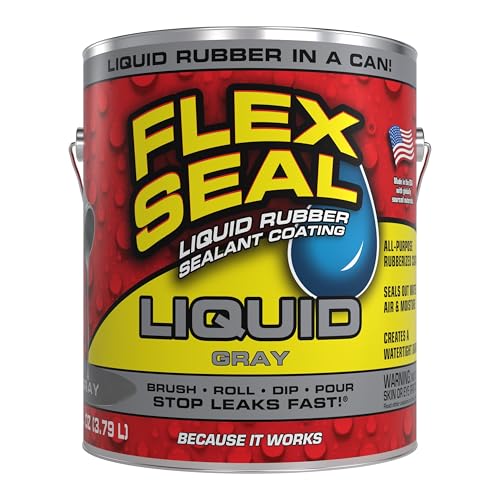
Not a wood finish at all — this is liquid rubber for the metal bed that keeps letting water in.
Read the material line before anything else: this is a rubber coating, not a wood sealer. That makes it the right answer for a steel or aluminum trailer bed, a corroded panel, or a leak at a seam — and the wrong answer for cedar planks. It goes on as a thick liquid you brush, roll or pour, and it cures into a flexible, watertight skin that seals out water, air and moisture while resisting UV, rust and corrosion.
Patience is the price, because the application rhythm is where people get caught. It is thick, so thin coats are the rule — around 24 hours between passes, and in one real application the chemical smell took roughly 3 days to fully clear. Follow those directions and the results hold: A leaking in-ground storm shelter sealed with 2 gallons showed no leaks after two days of rain, and a corrugated metal carport roof stopped leaking overnight after a poured-and-rolled coat.
Owners praise it most for simply working on the jobs that matter, and the summary is that it does what the label promises when applied properly. Grip and long-term stick are the honest limit — some customers note that adhesiveness on certain surfaces does not hold, and one fountain lining peeled after a season, with the company citing a possible material mismatch and sending a replacement gallon. The gray shade can also vary between batches, so plan for enough to finish the whole surface in one go.
Where it earns its place
- Watertight rubber coating for metal, EPDM, masonry and trailer seams
- UV resistant and chemical resistant, and it prevents rust and corrosion
- Brush, roll, dip or pour — it covers fast and fills gaps
- Backed by a large base of owners on hard repair jobs
The trade-offs you accept
- Thick liquid needs thin coats and roughly 24 hours between them
- Gray shade can vary between batches, so buy enough to finish the job
- Not a wood finish — avoid it on bare timber planks
The repair-first choice: A steel or aluminum trailer bed with a leak, a rust spot or a seam that will not stop taking on water.
Not what you want if: The bed is wood and you want a finish that feeds the grain — this is a rubber membrane, not a stain.
Know the Specs
Base material: oil vs acrylic vs rubber
The base is what the coating is made of, and it decides how it bonds. An oil-based finish soaks into dense grain and feeds it, which suits exotic hardwood. An acrylic (water-based plastic resin) forms a flexible film on the surface, which works well on cedar and pine. A rubber coating is a membrane that skins over a surface and seals it, so it belongs on metal and masonry rather than bare timber.
Coverage per container
Coverage is the square footage one container will treat, often given as a range because a first coat on thirsty wood absorbs more than a second pass. A label figure is a best case — plan for the lower end on a raw, weathered trailer bed and buy enough product to finish the whole surface in one session so the batches match.
Dry time and application temperature
Dry time is how long the coating needs before it stops being tacky, and it is tied to the minimum temperature the manufacturer lists. Cool, damp weather stretches that window out, sometimes to several days. Wait the full listed time before you load the trailer, and keep an eye on overnight temperatures during the cure.
UV protection and finish type
UV protection is what keeps sun from breaking down the surface and greying it out, and it is listed on most of these products. Finish type describes the look — satin holds a light sheen, matte goes flat, oil leaves a natural tone, and clear leaves the wood’s own color untouched. Match the finish to the look you want before you buy.
Common Questions
Which sealer works best on an ipe or cumaru trailer deck?
Can I use Flex Seal Liquid on a wooden trailer deck?
How many gallons do I need for a trailer deck?
Do I have to strip the old finish before resealing?
What temperature can I apply a trailer deck sealer in?
Will a clear sealer change the color of my boards?
How often do I need to reseal a trailer deck?
Is a stain and sealer really as good as two separate products?
Do I need to sand the boards before applying?
Can a sealer fix a trailer deck that is already rotting?
The Bottom Line
For most trailer decks made of dense hardwood, reach for the DeckWise Ipe Oil — an oil-based finish built for ipe, tigerwood and cumaru, with a UV barrier (it blocks sun damage) and a clear 250 sq ft coverage figure to plan around, and it sits at 4.5+ stars from 700+ owners. If your bed is cedar or pine and you want the whole job finished in one pass, grab the Ready Seal Stain & Sealer. And when the boards are composite and have gone chalky, the DEFY Extreme Composite Deck Sealer is the clear coat that pulls the color back without hiding the grain.
How we choose
We do not accept paid placement. Every pick is matched to a real buyer and a real use-case; we do not hands-on test units.
Sources
Specifications: manufacturer listings and product documentation. Review insights: verified customer reviews, as of October 2026. Pricing: not shown on this page (it changes often); check the current price via the retailer link.
As an Amazon Associate, Aappliancez earns from qualifying purchases. This does not affect which products we feature.