Disclosure: Some links in this post are affiliate links. As an Amazon Associate I earn from qualifying purchases, at no extra cost to you. Learn more
Specs are compiled from manufacturer listings and verified buyer reviews and can change over time — please confirm the key details on the product page before buying.
If your arches collapse halfway through a rocky descent, the shoe is the problem, not your feet. The right trail shoe pairs a supportive midsole with a lugged outsole that grips wet rock; the wrong one leaves you feeling every root through a paper-thin midsole. This guide covers eleven trail shoes that actually hold an arch, from budget-friendly mesh uppers to premium zero-drop models, so you can match the shoe to the ground you actually run on.
This guide is built by comparing the manufacturers’ published specifications and the patterns across verified customer reviews, so you get each pick’s real strengths and trade-offs instead of marketing spin.
Support means different things on different terrain, so the picks below are grouped by how much structure you need. The Columbia Konos TRS is the one most buyers will be happiest in — a breathable mesh upper with an underfoot system built for wet-or-dry traction, and a price that leaves room for a second pair. Read on for the full breakdown of the best trail running shoes with arch support.
Top Picks


How To Choose The Best Trail Running Shoes With Arch Support
The mistake most first-time trail buyers make is treating arch support as a feature you can bolt on with an insole. On uneven ground, the shoe’s own structure — the midsole density, the heel counter, the way the upper wraps your midfoot — decides whether your arch stays put through a descent. Get it wrong and no aftermarket insert fixes a collapsing platform.
Where arch support actually comes from
Look at the midsole first. A dual-density foam or a guidance system that firms up on the medial side keeps your foot from rolling inward when you land on a camber. The Gel-Kayano 32 uses a 4D GUIDANCE SYSTEM for exactly this — adaptive stability that responds as your stride changes. A softer, neutral foam like the Peregrine 15’s PWRRUN gives you cushioning but less roll resistance, which suits neutral arches better than flat ones.
Lugs and rubber decide your grip
Lug depth is the number that matters on loose terrain. The Peregrine 15 runs aggressive 5mm lugs, which bite into mud and soft dirt. The Lone Peak 9 uses a MaxTrac outsole with canted TrailClaw lugs placed under the metatarsals for traction where you push off. If you run wet rock and roots, a sticky compound matters more than lug depth — and that is where shoes diverge sharply.
Toe box width and heel lock
A wide toe box lets your toes splay on descents and reduces pressure on bunions. Altra builds its whole line around a FootShape toe box, and the Lone Peak 8 is the roomiest of the group. But a wide forefoot only works if the heel stays locked — otherwise your foot slides forward and your toes jam the front. Check the heel counter and lacing system before you commit.
Drop and how it changes your stride
Zero-drop shoes put your heel and forefoot at the same height off the ground, which encourages a midfoot landing and more natural alignment. Both Altra Lone Peak models run 0mm drop. Traditional trail shoes sit higher at the heel. Neither is better: zero-drop takes an adjustment period, and if you have tight calves or Achilles issues, a traditional drop is the safer starting point.
Side-by-Side Comparison
| Model | Best For | Weight | Drop | Outsole | Amazon |
|---|---|---|---|---|---|
| Columbia Men’s Konos TRS★ Best Overall | All-day comfort on mixed terrain | — | — | Underfoot wet-or-dry traction system | Amazon |
| Saucony Women’s Peregrine 15Best Mud Grip | Aggressive mud and soft dirt | — | — | 5mm lugs | Amazon |
| Brooks Men’s Cascadia 18Best for Long Hikes | Long mixed-terrain hikes | 1.5 pounds | — | Rugged lugged sole | Amazon |
| ASICS Men’s Noosa TRI 16 | Everyday runs and road-to-trail | 1.44 pounds | — | Synthetic rubber with GUIDESOLE | Amazon |
| ASICS Men’s Gel-Kayano 32 | Flat feet needing stability | 1.44 pounds | — | HYBRID ASICSGRIP with AHARPLUS | Amazon |
| ASICS Women’s Gel-Cumulus 27 | High-mileage cushioning | 1.44 pounds | — | FLUIDRIDE outsole | Amazon |
| Brooks Women’s Caldera 8 | Ultra-distance comfort | — | — | Grippy trail tread | Amazon |
| ALTRA Women’s Lone Peak 8 | Wide feet and roomy toe boxes | 10.7 oz / 303 g | 0 mm | MaxTrac with TrailClaw lugs | Amazon |
| New Balance Fresh Foam X 860 V14 | Overpronation on road and light trail | 3 pounds | — | Fresh Foam X midsole | Amazon |
| ALTRA Men’s Lone Peak 9 | High-mileage zero-drop trail | 11.15 oz / 316 g | 0 mm | MaxTrac with Stoneguard insert | Amazon |
| Salomon Women’s Speedcross | Narrow feet on slick rock climbs | — | — | Aggressive lugged grip | Amazon |
Detailed Reviews
1. Columbia Men’s Konos TRS
Our pick — 4.5+★ from 800+ verified ratings; the strongest balance of quality and price.
The breathable mesh trail shoe that keeps an arch under you all day.
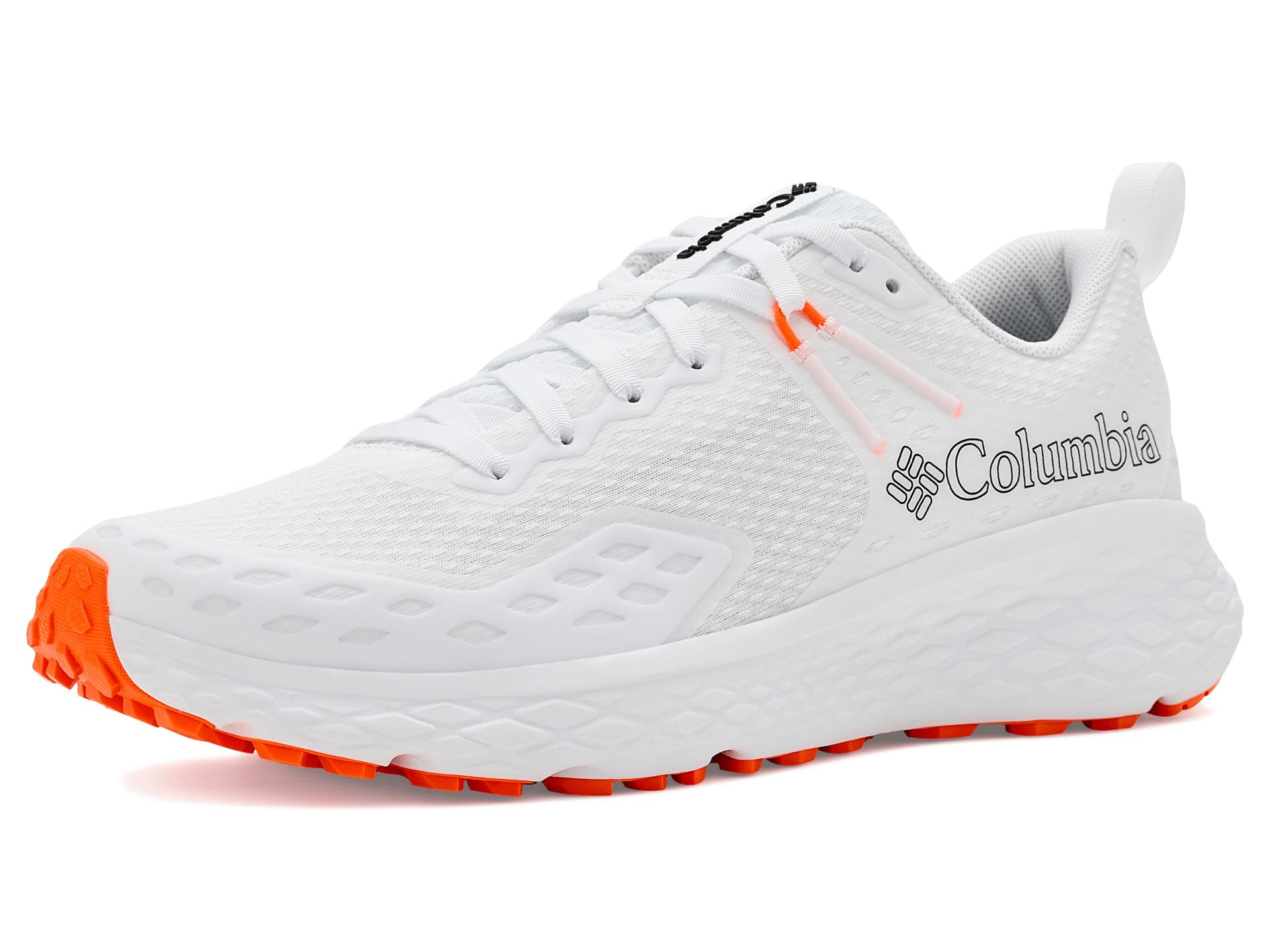
The Konos TRS is the pick for the runner who wants one shoe for the trailhead and the rest of the day. The mesh upper uses no-sew overlays — a construction method that bonds reinforcement panels to the fabric without stitched seams — so the shoe holds its shape without rubbing. Underfoot, an innovative system combines advanced cushioning, stability, and exceptional wet-or-dry traction. That means the sole keeps biting on slick rock and damp roots, not just dry dirt.
Buyers keep coming back for the overall build quality, and comfort is a close second. The arch support gets singled out — one buyer’s husband ordered a second pair, saying they are lightweight and have “the perfect arch support.” He works in an upscale bike shop and is on his feet all day, which is the kind of eight-hour test that separates real support from marketing talk. A nearly flat-footed buyer also finds them comfy to walk in for long periods.
Here is the honest trade-off. The Konos TRS has a roomy fit that suits neutral-to-flat feet, but if you have narrow heels the shoe will feel loose back there — one buyer called the build great and the narrow-heel fit not so great. And while the traction handles wet or dry, there is no lug depth spec published here, so treat it as a light-trail shoe rather than a mud bogger. The review pages sum it up best: “Very comfortable shoes. Spent three days at Disney and had no problems with my feet.”
What the Konos gets right
- Breathable mesh upper with no-sew overlays that hold shape without seams
- Underfoot system pairs cushioning with stability and wet-or-dry traction
- Lightweight enough for all-day wear on your feet
- Multiple colors and sizes available
Where it asks you to compromise
- Roomy fit runs loose on narrow heels
- No published lug depth, so treat it as a light-trail shoe
- Best suited to neutral arches rather than heavy overpronation
Reach for this if: you want one breathable shoe that handles light trails, walking, and errands with genuine arch support.
Look elsewhere if: your heels are narrow enough that a roomy counter slides.
2. Saucony Women’s Peregrine 15 Sneaker
Named after the fastest bird on earth, built with 5mm lugs that bite into mud.
The number to note here is the 5mm lug depth — those are the raised rubber teeth on the outsole, and five millimeters is aggressive enough to dig into soft dirt and mud rather than skating across it. Saucony pairs that with a newly formulated PWRRUN cushioning system and a waterproof toe that keeps grit and debris out. The Peregrine 15 is a neutral trail shoe, not a stability shoe, so it suits runners whose arches hold on their own.
Quality is what buyers praise most, with traction right behind. A runner who put these through rocks, mud, ice, snow, gravel, and pavement reports “Comfortable 280+ miles, no blisters.” Another tackled trails and mud runs with ease and found the grip excellent on rocks and sand.
The fit is where opinions split, and it is worth thinking through before you buy. Some women find the Peregrine 15 true to size with no toe box tightness and no heel slip; others find the toe area narrow, and one runner with a bunion got a blister on her left toe. There is also a bulky and warm feel compared with lighter ASICS models. If your feet are on the wider side, size up or try the men’s version.
The mud-runner’s read: the 5mm lugs and PWRRUN foam make this the most aggressive grip in the lineup, and the waterproof toe means debris stays outside where it belongs.
Size it carefully: the toe box runs narrow for some feet, so if you have bunions or a wide forefoot, order up or pick a wider last.
The verdict: the strongest choice for wet, muddy, technical trails where lug depth does the work.
Second thought: if you have a wide forefoot, the toe area may press.
3. Brooks Men’s Cascadia 18 Mountain Trail Running Shoe
A 1.5-pound trail shoe with a roomy toe box built for long, mixed-terrain days.
At 1.5 pounds, the Cascadia 18 sits just a hair heavier than the ASICS Noosa TRI 16 at 1.44 pounds, so don’t let the “mountain” label fool you into thinking this is a clunky boot. The difference is 4% on a spec sheet — imperceptible on your foot. What you get is ample cushioning under a rugged sole that grips wet, dry, muddy, mossy, and angled ground, as buyers report from places like a 28-mile Sequoia loop. The roomy toe box gives your toes room to spread on descents.
What buyers praise most is the overall quality, and comfort ranks second. One long-distance hiker reports walking for hours, day after day, with no foot issues or leg fatigue. Another tested them in Alaska and found no blisters and the same performance when wet. The reinforced toe and stable platform suit steep terrain, and the water-resistant upper kept puddles and slush out on a sloppy day.
Durability is the catch, and it depends on where you run. The soft sole feels comfortable on trail but will wear faster on concrete and asphalt — a real concern if your loop is half pavement. Fit also runs narrow for some, and a 7.5 wearer found the rubber toe cap rubbed his toes until he sized up. If your feet are broad, consider the wide version.
Long-haul comfort: the combination of a 1.5-pound build, roomy toe box, and protective upper makes the Cascadia 18 a genuine all-day trail shoe rather than a race-day specialist.
Trail-only tread: the same soft sole that cushions on dirt will wear down faster if you log miles on concrete.
Suits you if: your runs stretch into hours on mixed terrain and you want cushioning plus a wide toe box.
Skip the fit gamble if: you have a narrow foot or a half size up is your only option.
4. ASICS Men’s Noosa TRI 16 Running Shoes
The lightest shoe in the lineup, with FF BLAST PLUS foam under the forefoot.
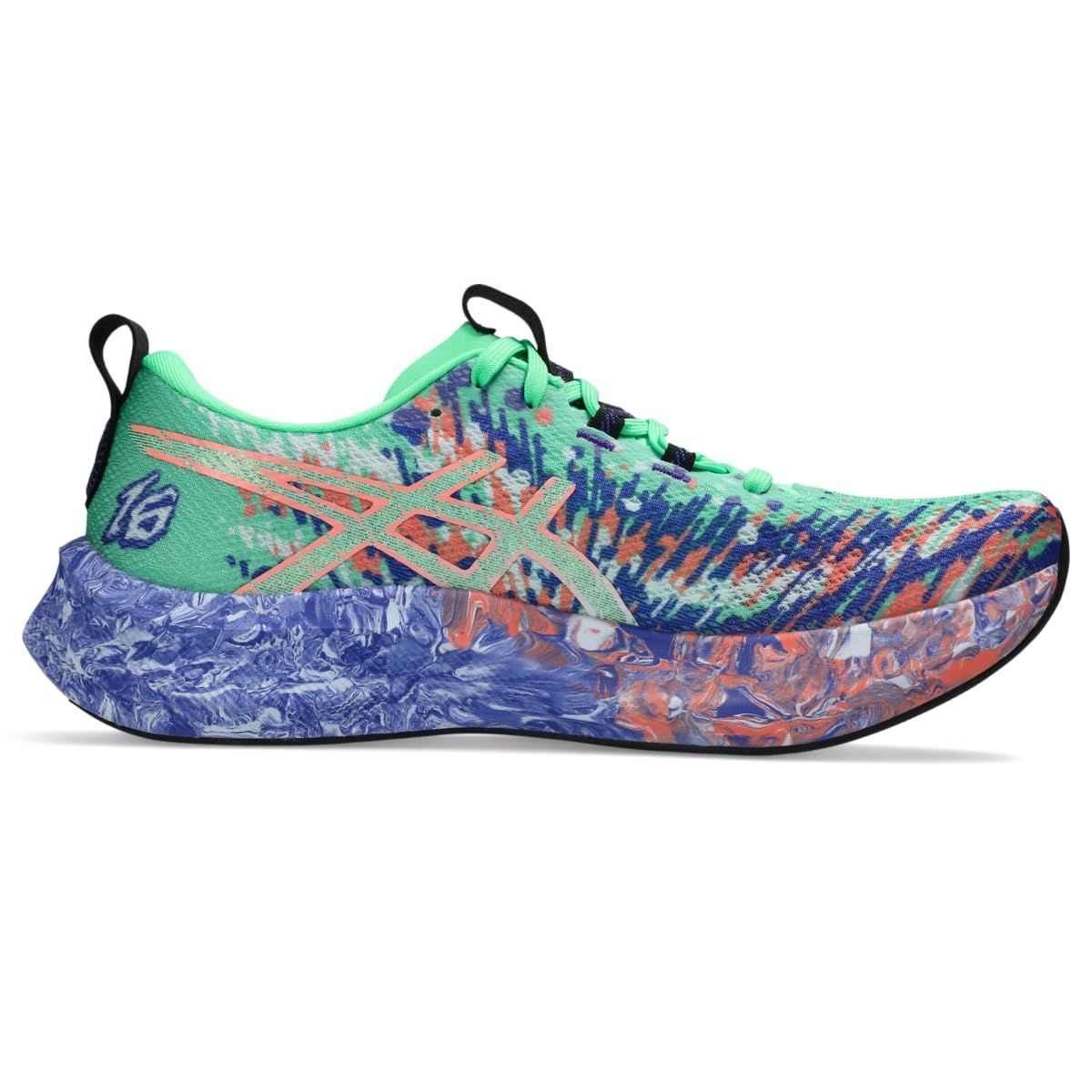
At 1.44 pounds, the Noosa TRI 16 is the lightweight of the group — 4% lighter than the Brooks Cascadia 18 at 1.5 pounds. The midsole runs an FF BLAST PLUS cushioning unit that ASICS describes as soft impact absorption without bulk. GUIDESOLE technology, a rocker-shaped sole that helps your foot roll forward, is designed to create an energetic toe-off on every stride. A breathable mesh upper keeps your feet cool, which matters when the trail opens into sun.
Buyers rave about quality and comfort first, and the lightweight build comes up third. A runner who logged about 40 miles a month for six months reported good results. Another called it a spectacular purchase with beautiful colors and “VERY comfortable.” The synthetic rubber outsole grips well enough for everyday runs and outdoor rides, and the Noosa line has a loyal following — one buyer is on his fourth pair.
Two things to know before you order. This shoe runs small — one wearer describes it as two sizes off and another narrow-footed buyer still sized up a half. And it squeaks on smooth floors, which is harmless on dirt but noticeable in a gym. Ankle support is also on the lighter side for a trail shoe. Neither is a dealbreaker for neutral runners, but if you need a locked-in heel, look elsewhere.
The lightweight angle: FF BLAST PLUS foam and a breathable mesh upper make the Noosa TRI 16 the fastest-feeling shoe here on dry, groomed trail.
Order a half size up: the fit runs small, and a roomy toe box depends on getting the length right.
Best for: neutral runners who want a light, breathable trail-to-road shoe with lively foam.
Skip if: you have narrow feet or need a firm heel lock.
5. ASICS Men’s Gel-Kayano 32 Running Shoes
The stability shoe that holds a flat arch through ten-mile days.
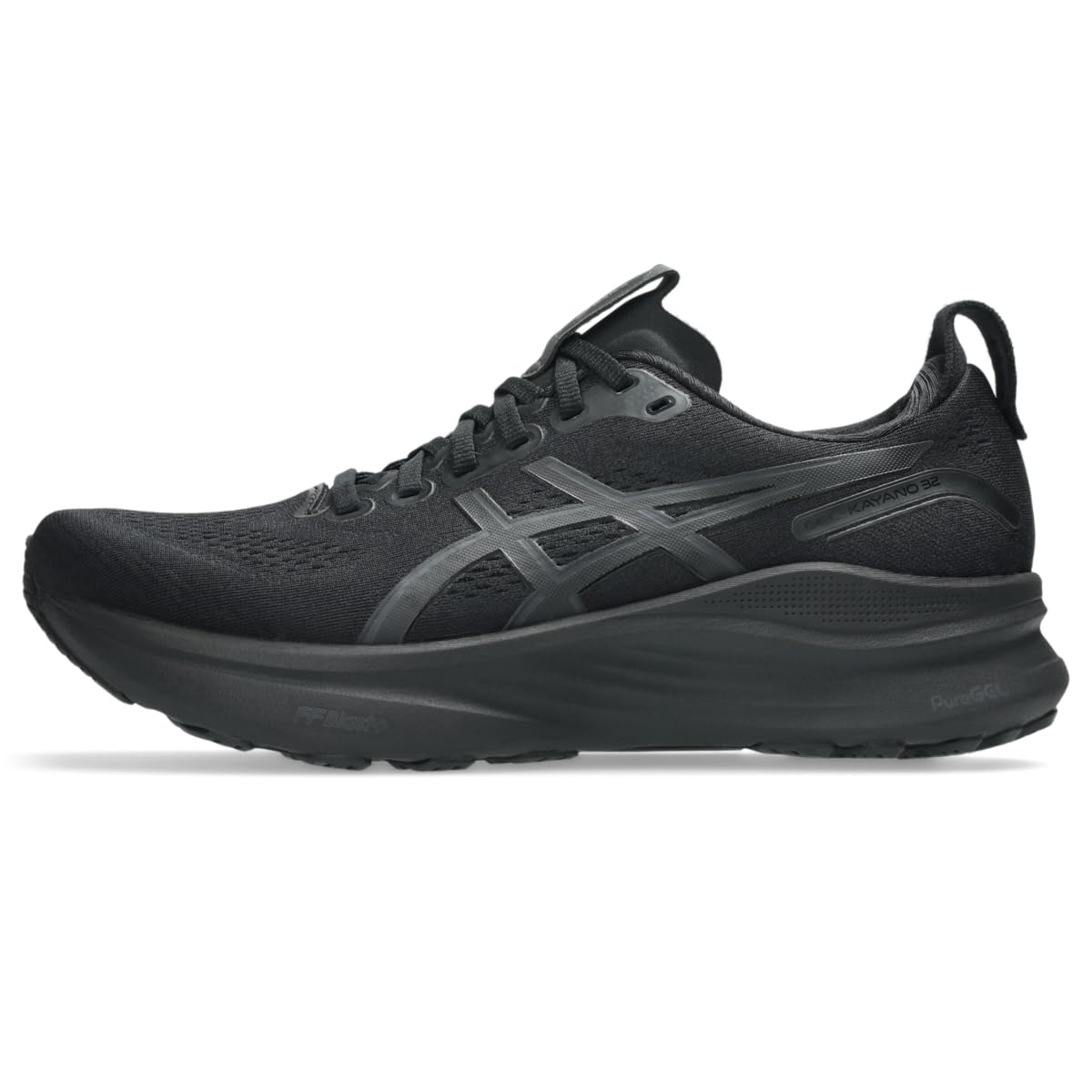
If your arches collapse inward when you land, the Gel-Kayano 32 is the answer here. A 4D GUIDANCE SYSTEM delivers adaptive stability — the shoe firms up as your stride changes to keep your foot from rolling too far. Rearfoot PureGEL technology provides cushioning ASICS describes as roughly 65% softer than standard GEL, so landings feel plush without turning to mush. A higher midsole stack pairs with lighter FF BLAST PLUS foam for a smoother transition. The HYBRID ASICSGRIP outsole combines ASICSGRIP rubber and AHARPLUS for grip and durability.
What buyers praise most is quality, with fit second and support third. A buyer with flat feet who walks 10 to 15 miles a few times a week reports feeling very little soreness by day’s end and calls the arch support fantastic — no insoles required. Another buyer with PTTD chose the Kayano for its arch support and says it helped prevent further flare-ups. It is a shoe that earns loyalty: one runner has been in the Gel-Kayano line since 1993.
Durability is the honest sore spot. Several owners mention the sole starting to fall apart after roughly 150 miles, and the thin rubber strips on the injected foam can peel. A cheap-looking build it is not, but it does not last as long as its cushioning suggests. Value is the other question mark — this is a premium-tier shoe, and if your mileage is heavy, expect to replace it sooner than you would like.
Why flat-footed runners trust it
- 4D GUIDANCE SYSTEM provides adaptive stability against roll-in
- Rearfoot PureGEL cushioning is roughly 65% softer than standard GEL
- 11 wide sizes and reflective details for low-light runs
- Proven arch support for flat feet and PTTD needs
Where the shoe stops short
- Reports of sole failure around 150 miles
- Premium-tier pricing with durability concerns
- Firm foam density can cause heel pain for some
Pick it when: you need adaptive stability for flat or overpronating feet on long road and trail days.
The caveat: expect to replace it around the 150-mile mark if you run heavy mileage.
6. ASICS Women’s Gel-Cumulus 27 Running Shoes
ASICS calls it the lightest and most padded Cumulus yet, and the arch support earns its place.
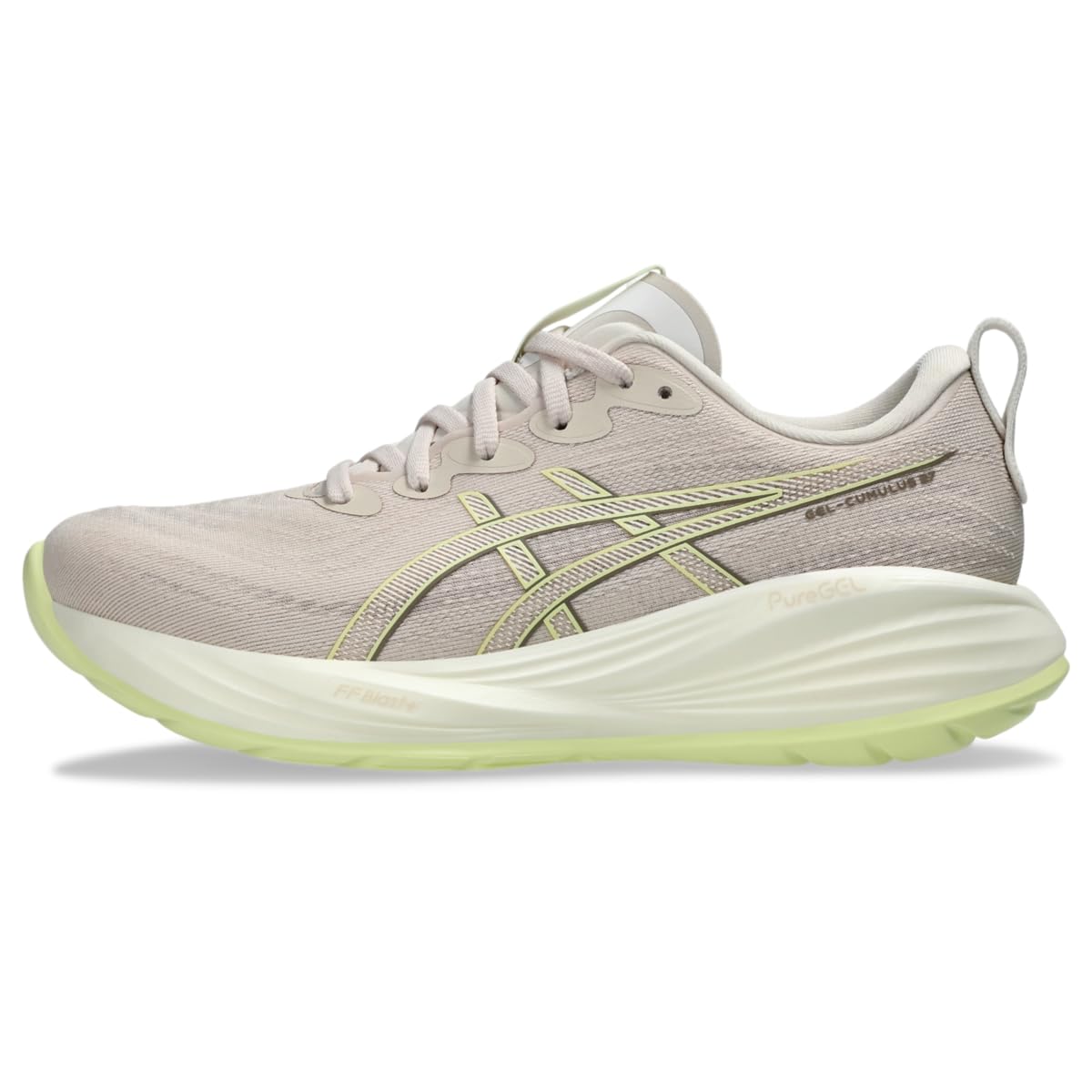
The Gel-Cumulus 27 is the pick for women who want a plush ride without losing arch structure. PureGEL in the rearfoot softens landings to reduce stress on joints, and the FF BLAST PLUS midsole with a FLUIDRIDE outsole rolls smoothly from heel to toe. ASICS built this as its lightest and most padded Cumulus model. The result is a shoe that cushions long days without feeling like a marshmallow under your arch.
Fit is what buyers praise most, with arch support a clear second. One woman who has had three foot surgeries calls ASICS the most comfortable shoe she has ever worn, with a well-cushioned heel and great arch support. Another runner who puts in 3 to 4 miles a day finds the support and cushioning better than a HOKA Clifton 10. A wide-footed owner walked around Japan with hardly any aches, and the roomy toe bed helps with hammer toes and a wider front foot.
Cushioning is where feedback splits. Some women find the feel cloud-like and springy; others report an odd feel or less cushioning than they expected. The stock insole is removable, so if you wear custom orthotics they drop right in. If you want maximum plushness from the start, the Kayano’s firmer stability may suit you better; if you want a lighter, more flexible platform, this is it.
The arch-support balance: PureGEL (a gel cushioning unit) plus a FLUIDRIDE outsole (a two-part foam and gel sole) gives the Gel-Cumulus 27 a soft landing with enough structure that your arch does not flatten out.
Custom orthotic friendly: the removable insole means your own insert fits without forcing the shoe.
Go for it if: you want a cushioned women’s trail and road shoe with removable insoles for custom orthotics.
One thing to weigh: cushioning feel is subjective, so buy from a seller with easy returns.
7. Brooks Women’s Caldera 8 Ultra Trail Running Shoe
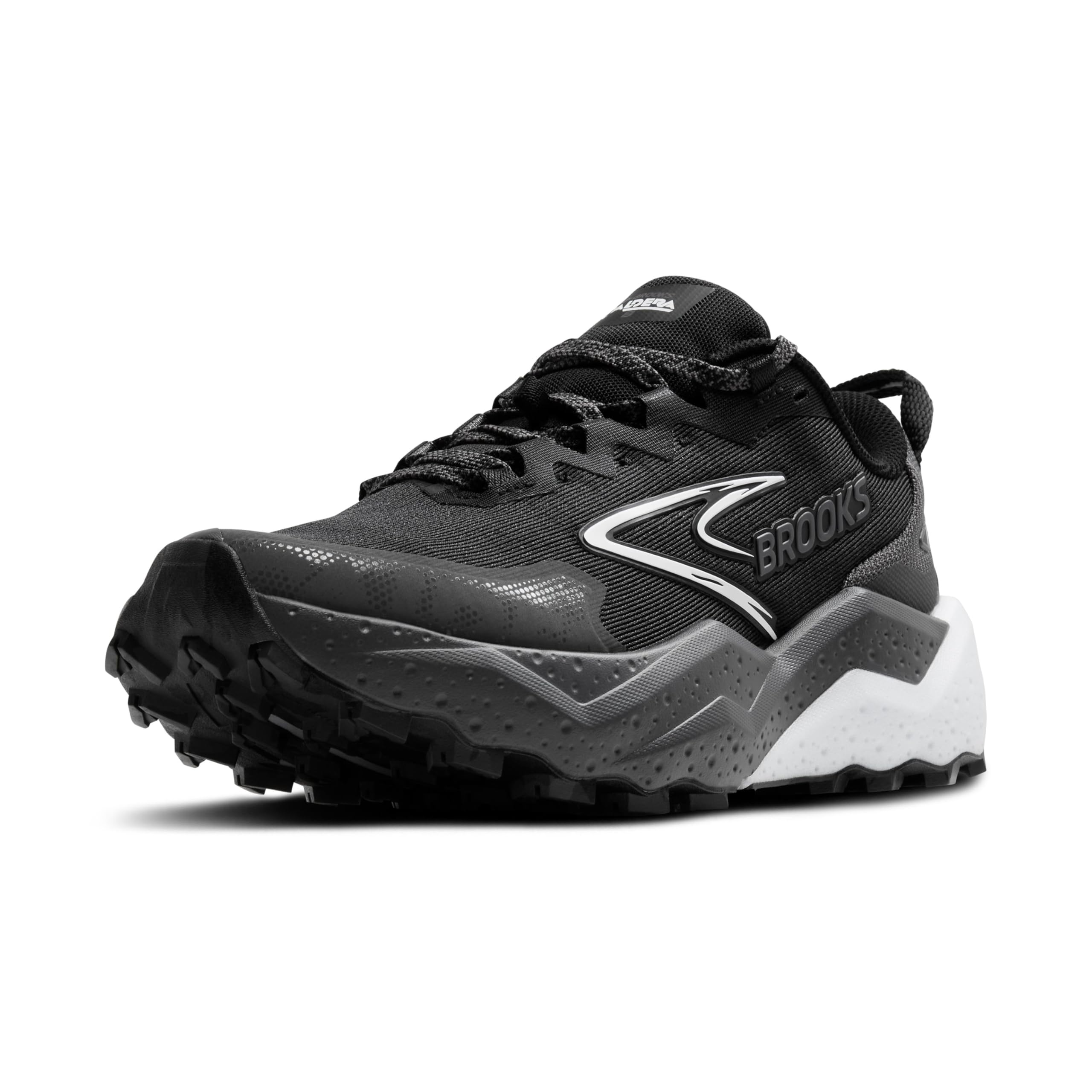
The ultra-distance Caldera that stays supportive through an eight-hour shift.
Brooks built the Caldera 8 for the long haul. The arch support here is the headliner — buyers describe it as ultra supportive, with little to no leg or hip fatigue even after long days on their feet. Traction is grippy when wet and the breathable upper keeps feet from cooking on warm days. The black colorway wipes clean easily, which is more useful than it sounds for a shoe that sees mud.
Comfort is what buyers praise most, and support comes second. One bartender works full shifts in these and reports no leg or hip fatigue at the end of the day. A size 7 wearer found a true fit with a roomy toe box and put the shoe through a 45-minute hike and a 50-minute muddy, rooty trail run with no trouble. The big-toe rubber overlay looks like it might press, but it flexes enough to stay out of the way.
Two caveats worth hearing. The fit runs tight in the toe box for some women, and comfort is not universal — a small number of buyers find the cushioning flattens out after a month of use. This is a shoe for women who like a firm, supportive platform, not a plush cloud. If you want the softest possible underfoot feel, look at the Gel-Cumulus instead.
The long-shift test: bartenders, nurses, and hikers all report the Caldera 8 keeps arches supported through full days on their feet.
Toe box check: a snug toe box is the recurring fit note, so try your usual size before committing.
Choose this for: ultra-distance days and long work shifts where support beats plushness.
Try before you buy if: your toes need extra width at the front.
8. ALTRA Women’s Lone Peak 8 Trail Running Shoe

Altra’s roomiest toe box on a 10.7-ounce zero-drop platform.
If wide feet have kept you out of trail running, the Lone Peak 8 is the answer. It runs Altra’s roomiest toe box — the FootShape design gives your toes space to sit naturally through the whole front of the shoe. At 10.7 ounces (303 g) it stays light for its size, and the 0mm drop puts your heel and forefoot at the same height off the ground so you land more midfoot. The MaxTrac outsole uses canted TrailClaw lugs placed beneath the metatarsals for grip where you push off, and a refined ripstop mesh upper takes the abuse.
The toe box is what buyers praise most, with quality a close second. A dog walker who wears them 3 to 4 hours a day finds them roomy and true to size. A hiker who used to get hiker’s toe in Merrells says the wide toe box solved it. Buyers with wide, flat feet report no break-in period and comfort right from the start on hikes through Tahoe and Yosemite.
Two things to plan for. The cushioning is on the firm side — some buyers find it enough, others say it is not cushioned enough for long road stretches. And sizing has shifted between generations, so a few buyers had to try more than one size to find their fit. The low sole and level platform help keep your foot from sliding forward, which is what makes the wide toe box work instead of hurting.
The wide-foot solution: a roomiest-in-class toe box plus 0mm drop lets your foot move naturally instead of being squeezed into a taper.
Firm, not plush: the cushion is designed for ground feel, so if you want deep padding, this is the wrong end of the Altra range.
Made for: wide, flat feet that need room at the front and a level zero-drop platform.
Know before you order: sizing has changed across generations, so check the current size chart.
9. New Balance Mens Fresh Foam X 860 V14
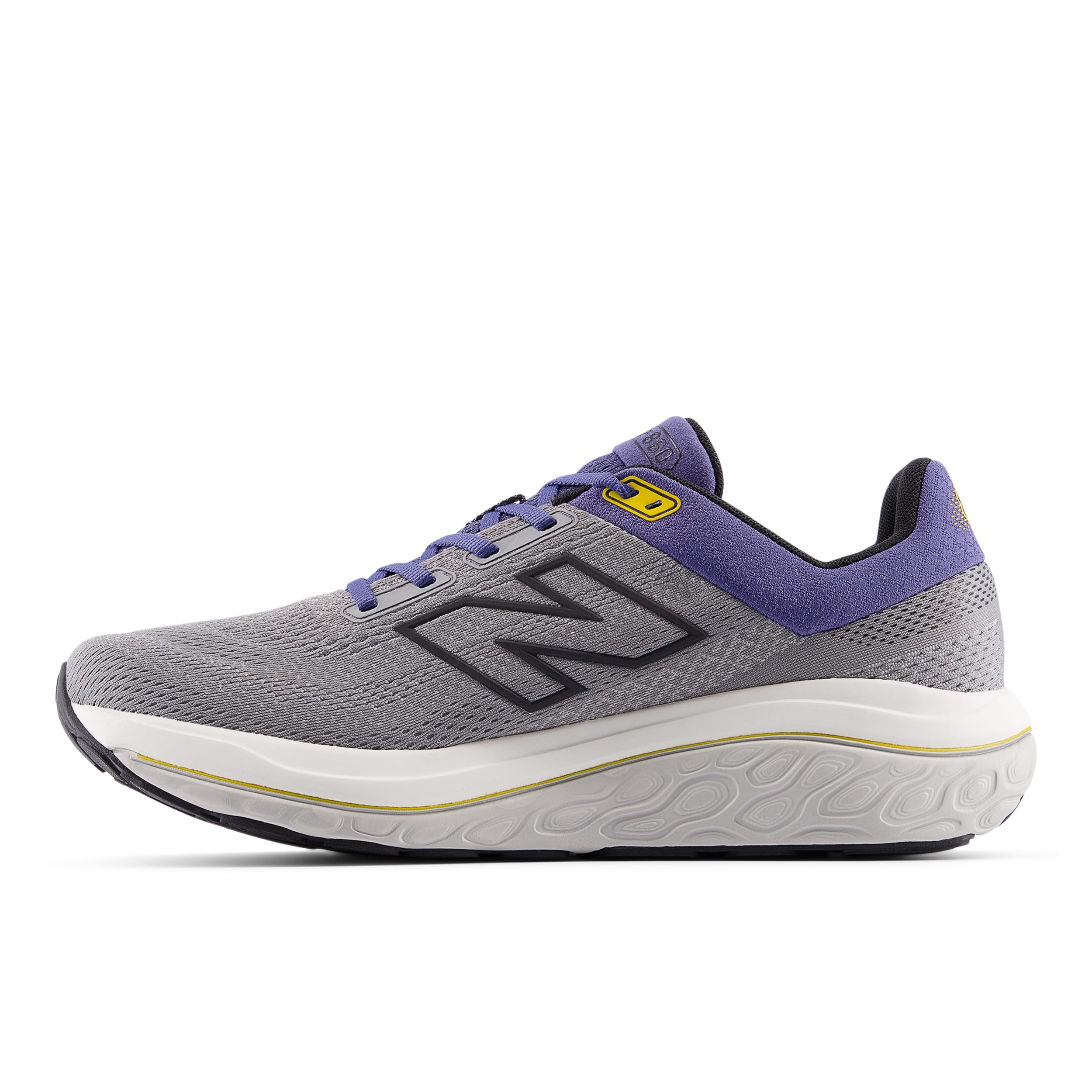
A stability shoe for overpronation with built-in arch and ankle support.
The Fresh Foam X 860 V14 is a road-running stability shoe, and that matters if your arches need holding. The Fresh Foam X midsole gives long-lasting comfort on pavement, while the built-in support structure targets overpronation — the inward roll that flattens an arch with every step. It weighs 3 pounds as listed, so it is heftier than the trail shoes here, but the structure that adds the weight is what keeps your foot from collapsing.
Fit is what buyers praise most, with comfort and support behind it. Nurses and hospital workers report the 860 V14 gets them through long shifts with good stabilizing support. A daily walker who covers 6 to 7 km finds it stable and secure with a locked heel, and buyers with hallux valgus or bunions report a perfect fit when they order the wider version. One runner with flat feet, heel spurs, and swelling prefers it over the Brooks 18.
The honest catch is break-in. Several buyers describe initial forefoot or midfoot pressure and a “pushy” forward feel that softens after a few wears. The colorway matters too — the orange shows dirt quickly, and neutral colors can cost more. If you want a shoe that feels broken-in on day one, this one needs a short adjustment period.
The overpronation pick: built-in stability plus Fresh Foam X cushioning makes the 860 V14 the most supportive road shoe on this list for flat or rolling arches.
Break-in required: expect a few wears before the forefoot pressure settles.
Best suited to: overpronators and flat-footed runners who want stability on road and light trail.
Not for you if: you want instant softness or run exclusively on technical trail.
10. ALTRA Men’s Lone Peak 9 Trail Running Shoe

The reengineered zero-drop legend with a Stoneguard insert and more grip.
Altra reengineered the Lone Peak 9 for more durability and better grip, and the updates land where it counts. The 0mm drop and roomiest toe box give your foot room to work naturally, while a Stoneguard insert adds underfoot protection over rocks and debris. The MaxTrac outsole is built for grip, traction, and durability across terrain types, and the recycled ripstop mesh upper with no-sew overlays takes high-mileage abuse. At 11.15 ounces (316 g) it is light for a shoe this protective.
Quality is what buyers praise most, with comfort second and the toe box third. One hiker backpacks the Grand Canyon from the start with no break-in period and calls it the best trail shoe ever. Another reports the upper running borderline waterproof on wet hikes, and mud sheds easily. The wider toe box than a Merrell 12W earns repeated mention from buyers with genuinely broad feet.
Two real limits. Cushion is on the firm side, so this is not a road-running shoe, and the zero-drop platform takes an adjustment period if you have spent years in traditional shoes. Durability splits — some buyers rack up 100-plus miles with minimal wear while a few report seams coming apart early. The updated upper is tougher than the previous generation, but it is still a trail shoe, not an armored boot.
The zero-drop argument: a Stoneguard insert plus 0mm drop gives you ground connection and rock protection at the same time.
Cushion note: firmer than most, so plan a few weeks to adapt your stride.
Right for: experienced zero-drop runners who want a wide, protective, grippy trail shoe for big miles.
Look elsewhere if: you are new to zero-drop or need plush cushioning.
11. Salomon Women’s Speedcross Trail Running Shoes
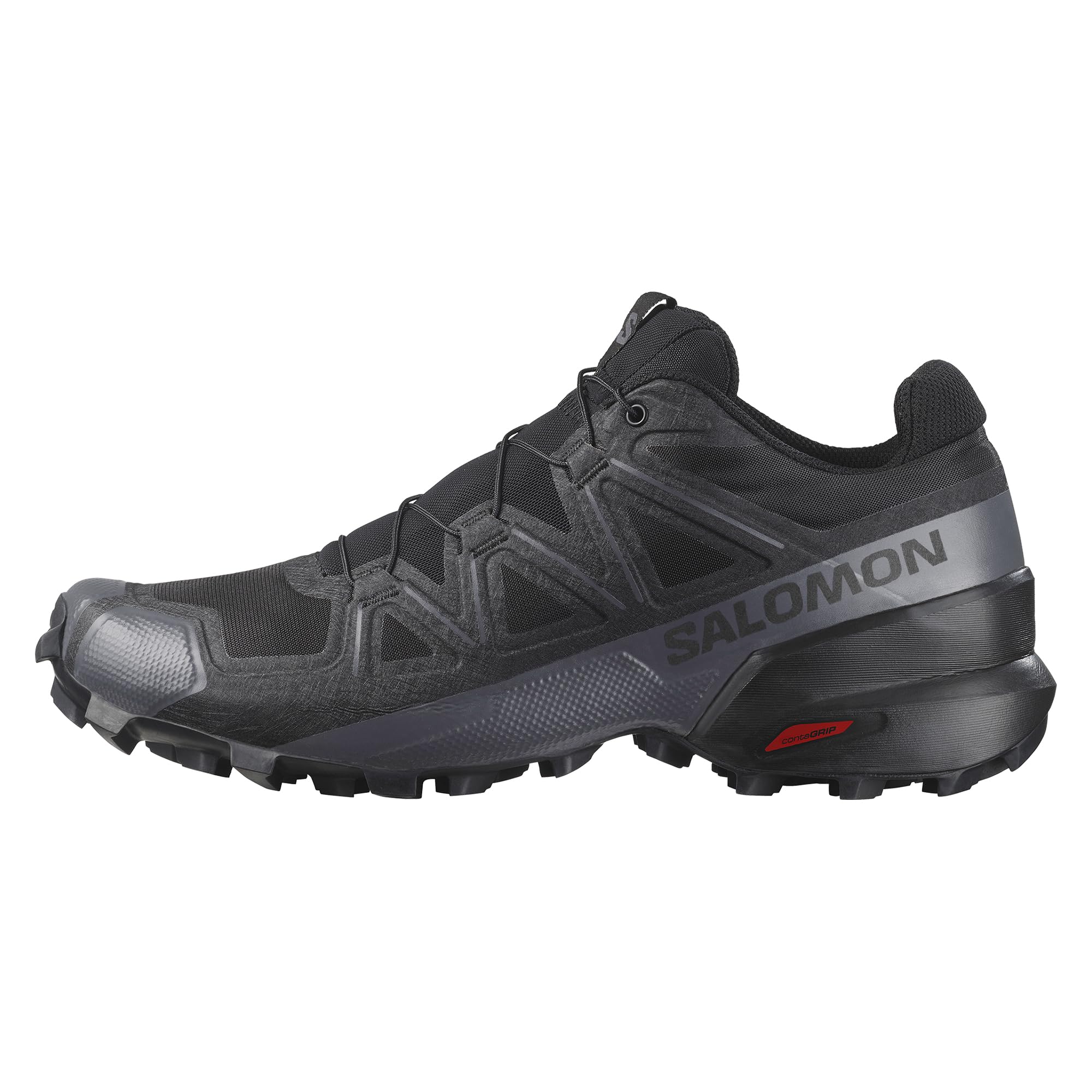
The narrow-foot trail shoe with grip that holds slick rock climbs.
If most trail shoes slosh around your narrow foot, the Speedcross is built for you. It fits like a glove — one buyer describes the fit as perfect for narrow feet with excellent arch support — and the aggressive lugs grip slick rock without slipping. The shoe holds a stable platform on steep inclines and loose gravel, and it cleans up easily after mud. Breathable material keeps it from turning into a swamp on a spring climb.
Comfort is what buyers praise most, with fit second and arch support third. A hiker who did 20 miles in a single day reports no blisters and minimal fatigue, with feet only wet from mud and creeks. Another hiker who has tried many brands calls it the best hiking shoe and is on her second pair. The tread includes a wear indicator so you know when it is time to replace. A long-time wearer of the line, eight years in, calls it the absolute perfect fit.
Two things to accept. The toe is slightly narrow even by Speedcross standards, so if you have a wide forefoot this is the wrong shoe. The lacing system also works well but loosens after a short while, so you will be adjusting it more often than a traditional lace. And these are not waterproof — they shed water and dry fast instead, which is a different kind of trail shoe. Weigh that against the grip.
The narrow-foot grip: a glove-like hold and aggressive lugs make the Speedcross the most confident shoe here on slick rock and steep gravel.
Not waterproof: it drains and dries fast rather than sealing water out, so plan accordingly on cold wet days.
Grab it if: your feet are narrow and you want the most confident grip on rocky, loose, and slick terrain.
Pass if: you have a wide forefoot or want a waterproof shoe.
Know the Specs
Midsole and arch support
The midsole is the foam layer between your foot and the ground, and its density decides how much your arch is held. A dual-density or guidance system, like the Gel-Kayano 32’s 4D GUIDANCE SYSTEM, firms up on the inner side to resist roll-in. Lighter, neutral foams like PWRRUN give cushioning but less roll resistance. The insole matters less — if it is removable, you can swap in a custom orthotic without changing the shoe.
Lugs, depth, and rubber compound
Lugs are the raised rubber teeth under the outsole, and their depth sets how well the shoe bites loose ground. Five millimeters, as on the Peregrine 15, bites deep into mud. Shallower or worn lugs skate on wet rock. Rubber compound matters just as much — MaxTrac and ASICSGRIP are built for sticky grip, which helps on slick surfaces where lug depth cannot save you.
Drop and toe box width
Drop is the height difference between heel and forefoot. A 0mm drop, as on both Altra Lone Peaks, puts them level and encourages a midfoot landing. Traditional trail shoes sit higher at the heel. A wide toe box, like Altra’s FootShape, lets your toes splay on descents and helps with bunions and hammer toes. Width only helps if the heel stays locked.
Cushioning and ground feel
Cushioning is the amount of foam under your foot and how soft it feels. Softer foams like PureGEL reduce impact but can compress over long runs; firmer foams give ground feel and stability. On rocky terrain, more cushion protects your foot from roots and stones; on smooth trail, too much cushion can feel vague. Match cushioning to your terrain: more foam for rocky ground, less for smooth trail.
Common Questions
Do I need a stability shoe or a neutral shoe for trail running?
Will a wide toe box fix my bunion pain on the trail?
How many miles should I expect a trail shoe to last?
Is zero drop better for arch support?
Can I put my own custom orthotics in these trail shoes?
Are these trail shoes waterproof?
Should I size up or stay true to size in trail shoes?
What is the difference between trail running shoes and hiking shoes?
Do aggressive lugs wear out faster on pavement?
Why do some trail shoes squeak on smooth floors?
How do I keep my heel from sliding forward on steep descents?
The Bottom Line
For most runners, the best trail running shoes with arch support winner is the Columbia Men’s Konos TRS because it pairs genuine arch support with a breathable mesh upper and wet-or-dry traction — one shoe for the trailhead and the rest of your day. It holds 4.5+ stars across 800+ owners, a rating that suggests the arch support holds up on real trails. If you need adaptive stability against overpronation (when your foot rolls inward too much), grab the ASICS Gel-Kayano 32 with its 4D GUIDANCE SYSTEM (a stability system that adapts to your stride). And for wide feet that need room at the front, the ALTRA Men’s Lone Peak 9 is the one to reach for, with its roomiest toe box and 0mm drop (a flat heel-to-toe height).
How we choose
We do not accept paid placement. Every pick is matched to a real buyer and a real use-case; we do not hands-on test units.
Sources
Specifications: manufacturer listings and product documentation. Review insights: verified customer reviews, as of October 2026. Pricing: not shown on this page (it changes often); check the current price via the retailer link.
As an Amazon Associate, Aappliancez earns from qualifying purchases. This does not affect which products we feature.