Disclosure: Some links in this post are affiliate links. As an Amazon Associate I earn from qualifying purchases, at no extra cost to you. Learn more
Specs are compiled from manufacturer listings and verified buyer reviews and can change over time — please confirm the key details on the product page before buying.
If your arches ache by mid-afternoon, your heel stings on hard floors, or wide feet get squeezed by most sneakers, the fix is a supportive midsole and a roomy toe box — not a stiffer shoe. Below you get seven picks that fit that brief, sorted so you can spot the right one fast. The crowd favorite leads the list, and it holds 4.5+ stars across 1,300+ owners.
This guide is built by comparing the manufacturers’ published specifications and the patterns across verified customer reviews, so you get each pick’s real strengths and trade-offs instead of marketing spin.
Each pick below targets a specific problem — flat arches, heel pain, bunions, or a job that keeps you standing — with support that holds through a long day.
Top Picks
How To Choose The Best Support Sneakers
Support is not one thing. On a sneaker it comes from three places: a midsole that cushions impact, a heel and arch structure that keeps your foot from rolling inward, and a toe box wide enough that your forefoot is not pinched. A shoe can be soft and still fail you if the arch does not hold. That is why the picks below vary so much in shape.
Midsole foam and the rocker shape
The midsole is the layer under your foot, and it decides how the ground feels. Saucony’s Guide 18 uses PWRRUN foam — a soft but springy material — over a rocker-shaped sole, which means the shoe rolls you forward toward toe-off instead of letting you slam down flat. On concrete or tile all day, that rocker roll is what spares your heels and knees. Skechers does the same job with its Glide-Step geometry on the Max Cushioning Glide Step.
Toe box width for wide feet and bunions
A wide toe box is the single most-requested feature among buyers with flat feet, bunions, or hammer toes. It gives your toes room to sit flat instead of curling. FitVille builds its walking shoe around extra-wide and wide widths, and Dr. Scholl’s Be True pairs a wide toe box with a cushioned insole in a low-profile shape. If you have ever felt a sneaker push your big toe inward, width is the spec to check first — before you look at color or brand.
Slip-on design and the heel pillow
Hands-free slip-ins let you step in without bending over — a real help if you have arthritis, back trouble, or a long shift where you change shoes twice. Skechers calls the rear structure its Heel Pillow, and both Skechers picks here use it. The trade-off: a slip-in still needs to lock your heel, so check the fit note before you buy.
Side-by-Side Comparison
| Model | Best For | Support Type | Toe Box / Width | Slip-On | Amazon |
|---|---|---|---|---|---|
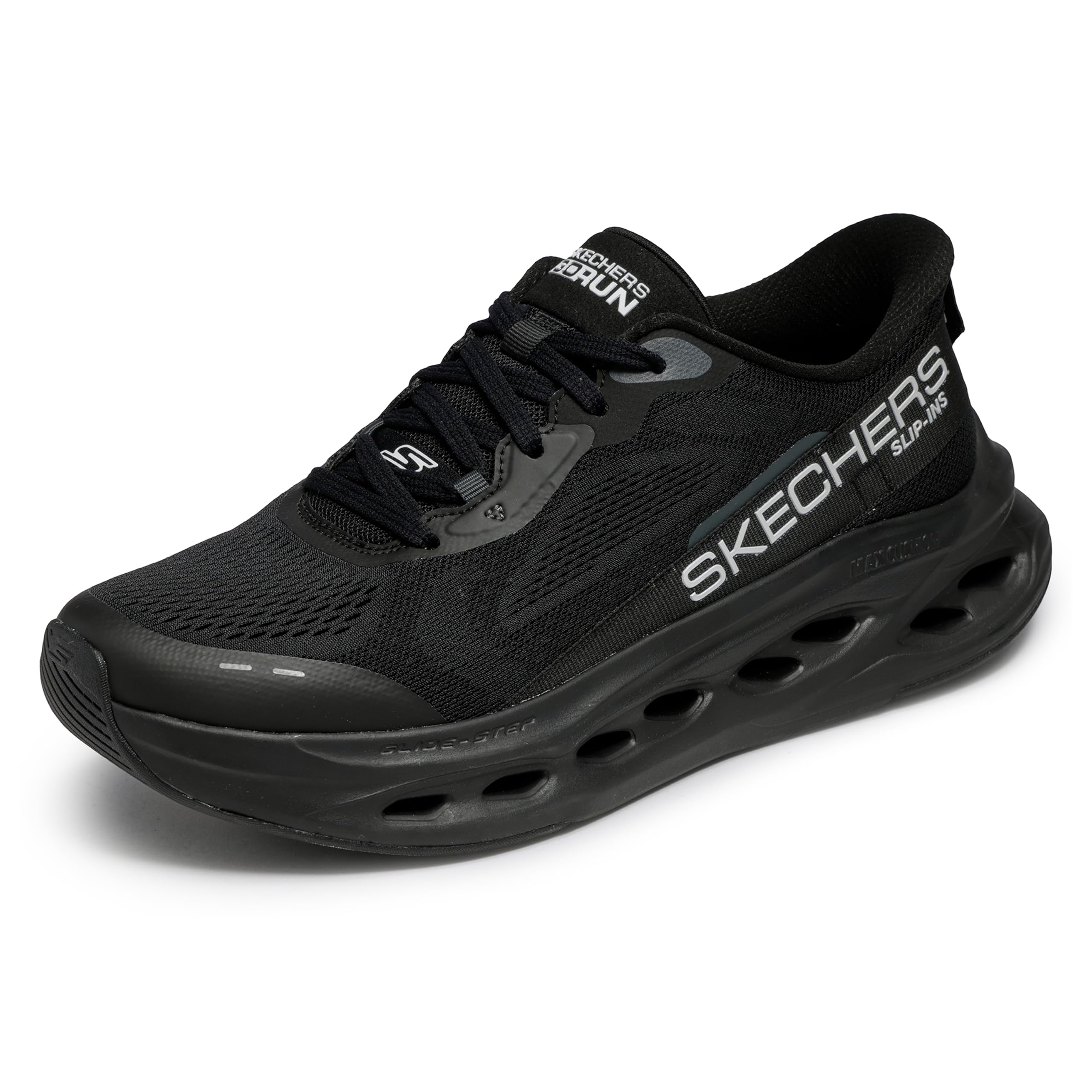
| Skechers Max Cushioning Glide Step★ Best Overall | All-day cushioning with hands-free entry | Max Cushioning + Glide-Step rocker | Wide / extra-wide fits | Yes (Heel Pillow) | Amazon |
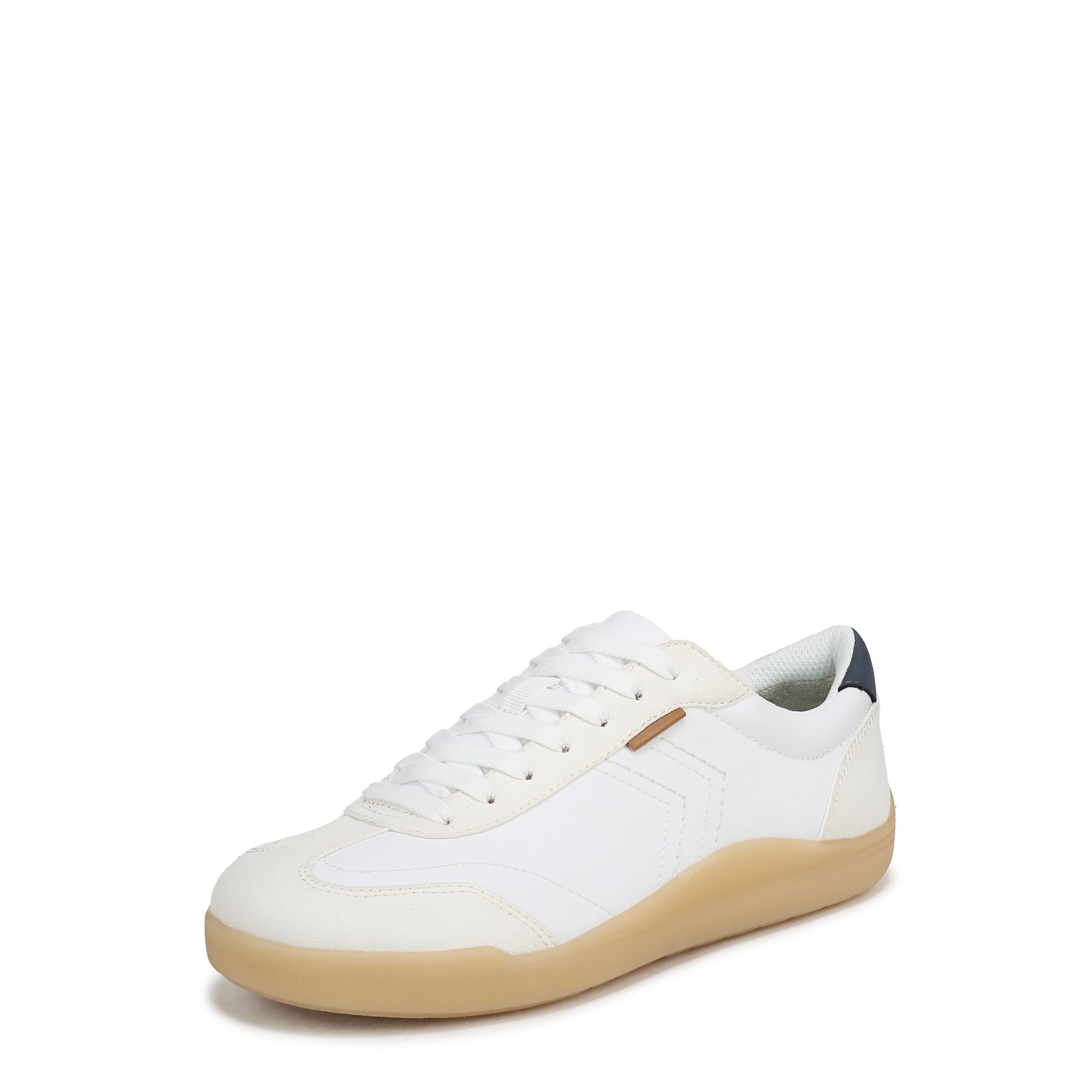
| Dr. Scholl’s Be True SneakerBest Everyday Value | Light everyday support with style | Cushioned insole + arch support | Wide toe box | No | Amazon |
| FitVille Extra Wide Walking Shoe | Genuinely wide feet and bunions | Thick supportive sole + arch support | Wide / extra-wide | No | Amazon |
| Skechers Go Walk Glide Step 2.0 Elektra | Nurses and long-shift standing | Ultra GO cushioning + Goga Mat | Standard | Yes (bungee closure) | Amazon |
| Saucony Guide 18 | Overpronation and stability | PWRRUN foam + Center Path Technology | Wide / 4E available | No | Amazon |
| ASICS Gel-Cumulus 27 | Cushioned arch support for walking | PureGEL + FF BLAST PLUS foam | Large toe bed | No | Amazon |
| New Balance Fresh Foam X More V5 | Plush support for joint pain | Fresh Foam cushioning | Wide / extra-wide | No | Amazon |
Detailed Reviews
1. Skechers Max Cushioning Glide Step Slip-ins
Our pick — 4.5+★ from 1,000+ verified ratings; the strongest balance of quality and price.
A 2.1-pound slip-in that behaves like a pillow with a support beam inside.
What this shoe does best is let you step straight into it and still get real midsole support — the Max Cushioning midsole and Glide-Step rocker work as a pair. The rocker is a curved sole that rolls you forward toward toe-off, so a hard floor never feels like it is punching up through your heel. At 2.1 pounds it is not the lightest shoe here, but the weight sits under a cushion that carries you.
The Air-Cooled Goga Mat insole is a breathable, cushioned footbed, and Skechers pairs it with a Goodyear Performance Outsole for grip underneath. Built and sold as a men’s shoe, it lands true to size, and the wide and extra-wide builds suit broader feet. Buyers describe it as walking on pillows, and a personal trainer working on their feet all day called the combination of cushion, fit, and quality “perfect along with the fit and qualtiy.” One buyer with orthopedic needs ordered extra-wide after foot surgery and wore them comfortably all day at work.
Here is the honest catch: durability is the one split verdict in the data, so treat the upper as a shoe you rotate rather than your only pair. A few buyers also expected the fake laces and got real shoelaces — the adjustable laces are part of the hands-free fit, not decoration. Neither point undercuts the cushioning that makes this the pick for long days.
Why this sits on top
- Max Cushioning midsole plus Glide-Step rocker eases long hours on hard floors
- Hands-free step-in with a Heel Pillow that still locks the rear of the foot
- Air-Cooled Goga Mat insole stays breathable and cushioned
- Goodyear Performance Outsole gives grip in daily use
Where it asks something of you
- At 2.1 pounds it is heavier than a bare mesh trainer
- Durability is the split point — rotate pairs rather than lean on one
- Adjustable laces, not the fake decorative kind some buyers expect
Best fit: anyone standing eight-plus hours who wants to step in and go, especially with wide feet.
Think twice if: you want the lightest possible shoe for speed work.
2. Dr. Scholl’s Shoes Women’s Be True Sneaker
The low-top you forget you are wearing until the day is over.
Dr. Scholl’s builds this women’s sneaker around comfort first, and comfort is what wins people over by a wide margin. The wide toe box matters here — it is the reason a buyer with tailor’s bunions could pack it for a Japan trip full of walking. The cushioned insole keeps your toes from pressing against the front of the shoe, and the low-profile shape sits under jeans, joggers, or a dress.
Support comes from a built-in arch structure rather than a rigid shank, so it feels more like a sock than a brace. One buyer put it plainly: “This is like wearing socks but with strong support.” That same buyer also noted the fit is excellent, and others have bought it for a parent dealing with plantar fasciitis and heard back that it stays comfortable. A light gray pair is on its third repeat purchase, machine-washed twice and still holding its shape.
What the spec buys you: a lightweight low-top with a wide toe box and a cushioned insole — enough for travel and errands, not built for aggressive stability.
The size question: sizing runs inconsistent for some, with the half size sitting long and the full size running snug in width, so measure before you commit.
Reach for it if: you want a light, versatile women’s sneaker you can wear with almost anything.
Look elsewhere if: you need a firm stability shoe for heavy overpronation.
3. FitVille Extra Wide Walking Shoes for Women

Built for the foot that every standard sneaker pinches at the toe.
FitVille makes this walking shoe in wide and extra-wide widths, and that is the whole point. A buyer reported it is the widest sneaker they have found, and the roomy toe box is what draws people with bunions or painful toes. The thick sole adds height and a cradle shape under the arch, and the padded tongue keeps the top of the foot from rubbing. One buyer with a doctor’s recommendation for a wide toe box wore them all day without foot pain.
What holds the support together is the firm arch structure and the reinforced ankle collar, which a buyer with a swollen foot described as the reason they finally found a shoe that fit. Comfort leads in owner feedback, with quality right behind it. The look also surprises people — several expected something clunkier and kept them after trying them on.
The fit note that matters: width runs genuinely wide, but length runs short for many, so sizing up half to a full size is the safer move — and the extra-wide build is not strong enough for a badly swollen foot.
Durability is the split verdict, with stitching around the toe reported as a weak point by at least one buyer after a few months of use. Set that against the width and arch support that keep people walking their daily steps, and the trade-off reads as fair for a shoe this roomy.
Go with this: genuine wide and extra-wide feet that need a roomy toe box plus firm arch support.
Skip it: if you need half-size precision in length or want a sleek silhouette.
4. Skechers Go Walk Glide Step 2.0 Elektra Slip-ins
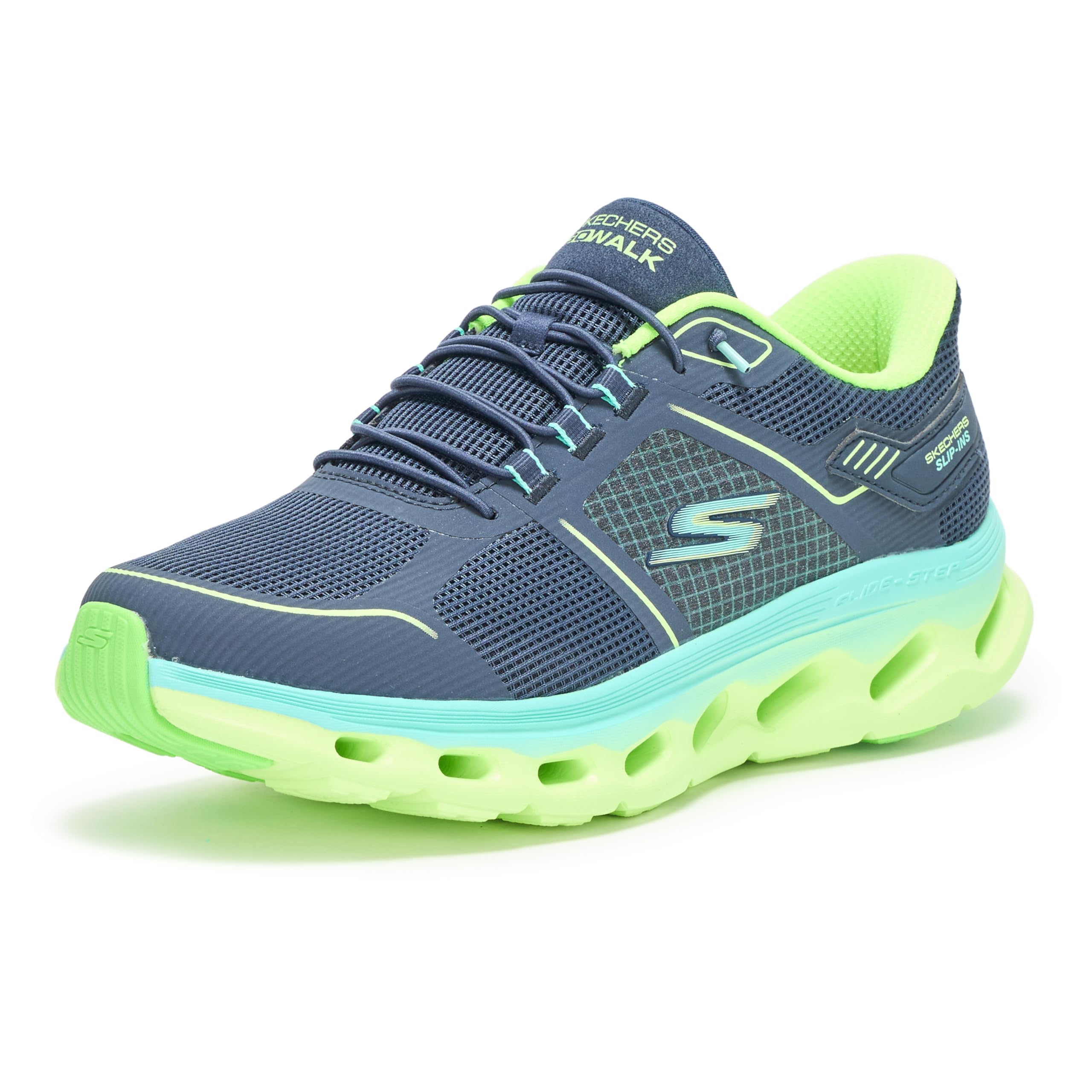
The twelve-hour-shift shoe that slips on without a bend.
If you are a nurse or a CNA, this is the shoe the data points to. One CNA wore them through 12-hour shifts and found them highly supportive and easy to slip on, and another buyer walked hours daily on a Nepal trip with no foot pain. The Ultra GO cushioning and Air-Cooled Goga Mat insole are what hold up under that kind of mileage — 1,000+ owners have put them through it and the comfort consensus is loud.
Hands-free entry is the other half of the appeal. The bungee closure is a stretch lace you pull on, which means one buyer with arthritis on top of the foot could skip tying altogether. Optional regular shoelaces come in the box if you want a tighter fit. At 2 pounds the shoe stays light, and the grid mesh upper keeps air moving.
Unlike the Max Cushioning Glide Step above, this women’s version runs a half size long for some and sits snug across the top of the foot for wider feet — size with that in mind. Sizing is the one mixed signal in an otherwise warm set of reviews, and the support is the reason this pick lands where it does.
The case for it: long hospital shifts and walking-heavy trips where you need cushioning and hands-free entry.
The caveat: run a half size long, so order your true size rather than sizing down.
5. Saucony Men’s Guide 18 Sneaker
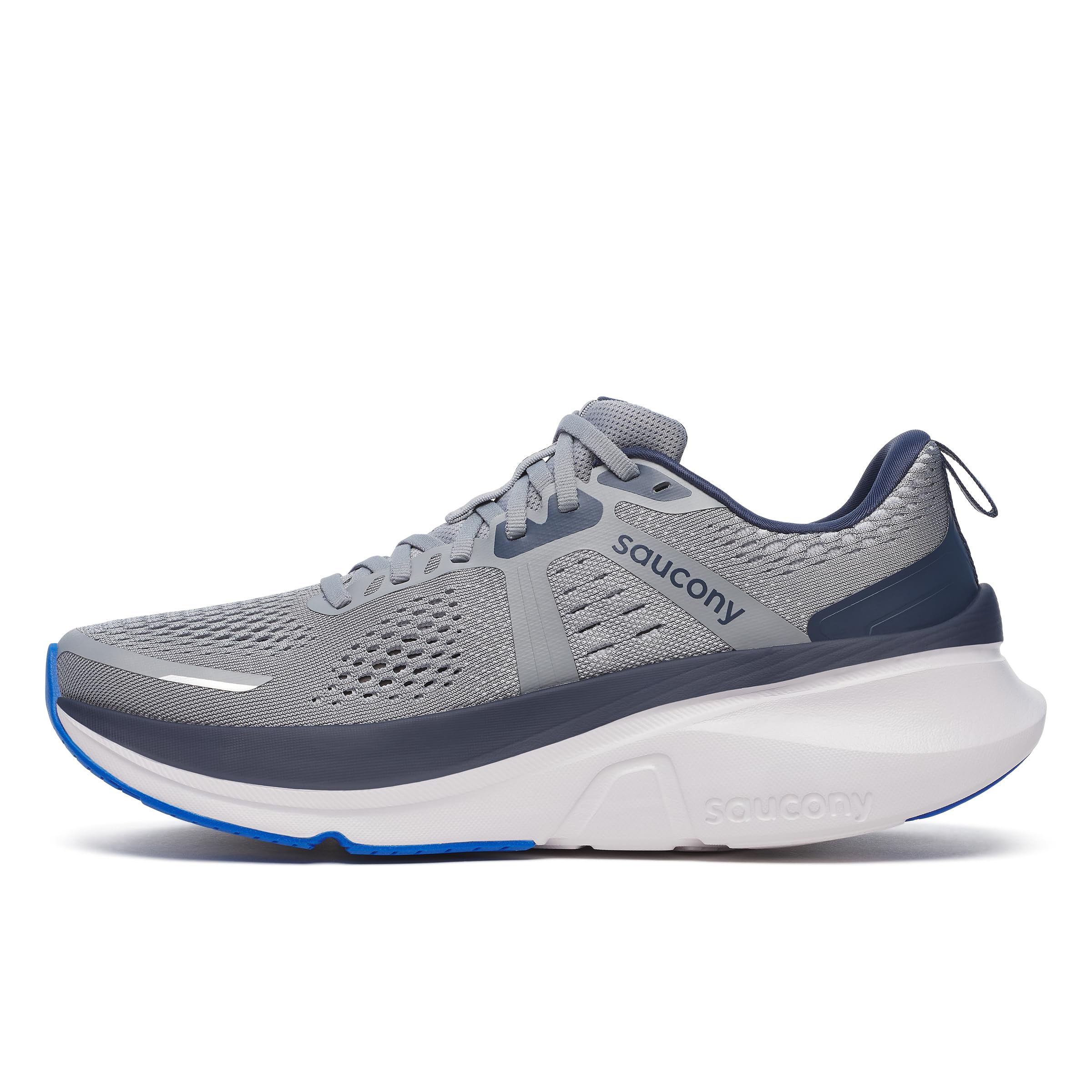
A trainer that quietly corrects a rolling ankle without a stiff cage.
Saucony’s Center Path Technology is the spec that earns this shoe its spot. It keeps the foot on a standard centerline, raises the sidewalls of the midsole, and builds the whole thing on a rocker shape — which is why a runner with severe overpronation and a collapsed arch found it matched the support of a Brooks Adrenaline GTS while giving more toe room. That is real guidance underfoot, not a rigid plastic wedge. The PWRRUN foam adds soft, springy cushioning on top.
The Guide 18 is built for men at 1.87 pounds, and it comes in wide up to 4E for broader feet. A runner with fifty years of experience took it out for a first run and called the stability “uncanny,” with even heel wear after the miles. A second ex-runner, now on the treadmill and elliptical, felt the difference on day one: no more shin splints. Quality is the single strongest thread through the feedback.
The honest trade-off: the upper and outsole wear faster than the price implies for some, and the toe box runs narrower than earlier Guide models — so if you have an extremely wide forefoot, size up or look at the FitVille instead.
Pick it for: overpronation, flat feet, or anyone who wants stability that still feels light and responsive.
Pass on it if: you have an extra-wide toe box or need a shoe that lasts many seasons.
6. ASICS Women’s Gel-Cumulus 27 Running Shoes
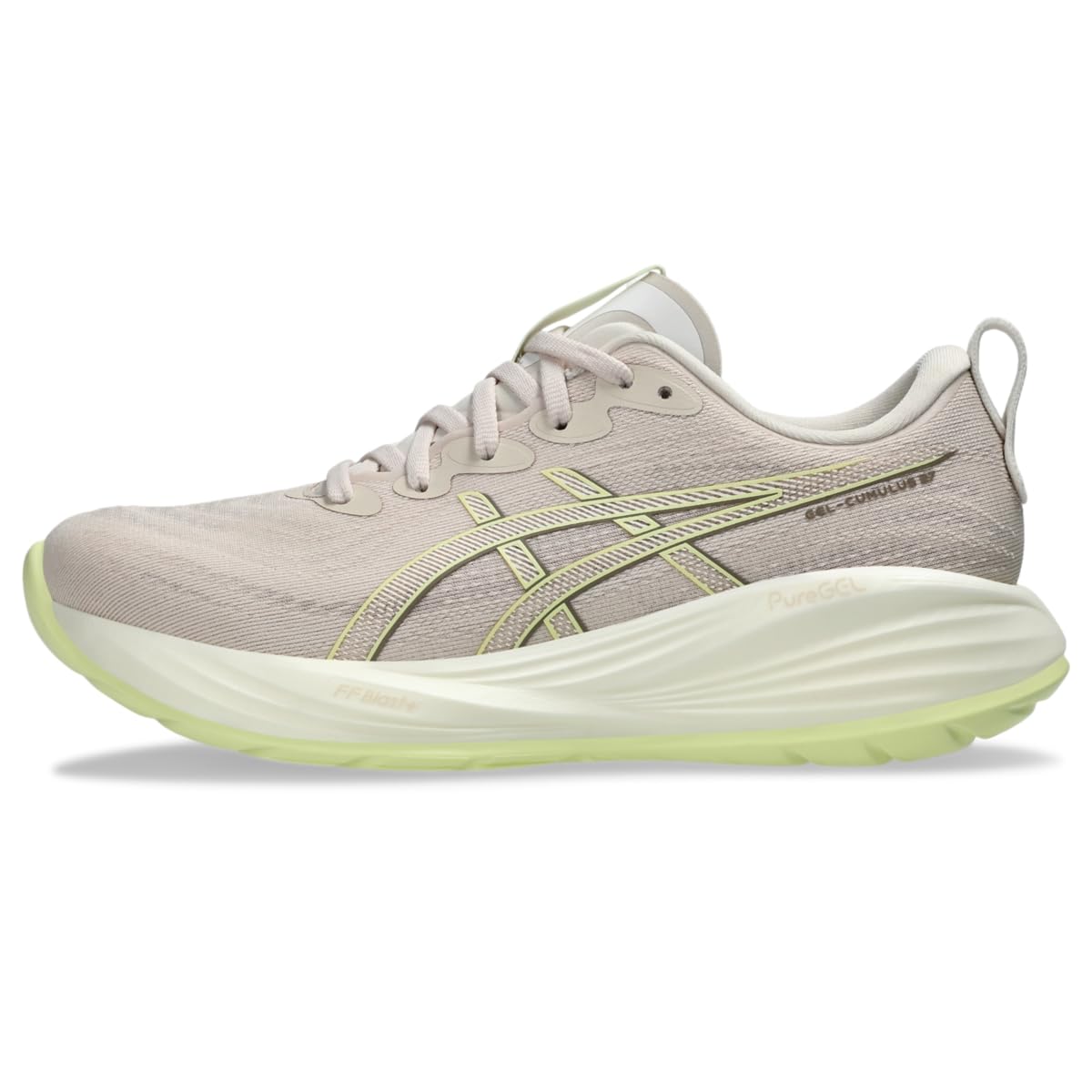
At 1.44 pounds, the lightest way to land on a cloud every step.
ASICS calls the Cumulus 27 its lightest and most padded GEL-CUMULUS model, and the weight backs that: 1.44 pounds for a women’s shoe. PureGEL is the shock-absorbing material in the heel that softens each landing, and FF BLAST PLUS foam is the midsole that returns some of that energy on the way up. One buyer walked all around Japan with hardly any aches, and another called them the most comfortable shoe they had ever worn — soft heel, strong arch support.
This is a women’s running shoe with a large toe bed, which matters for hammer toes and a wider forefoot. The removable insole is a real plus: pull it out and a custom orthotic drops straight in, and one buyer did exactly that with a good fit. Fit is the strongest part of the feedback by a wide margin.
Here is the fair caveat — cushioning and comfort get a mixed read. Some buyers find it soft and cloud-like, while a few feel it does not offer as much spring or arch support as a Brooks or a pricier brand. If you want maximum firmness under the arch, the Saucony or the FitVille above will do more for you.
The math on this one: a light, cushioned trainer with a large toe bed and a removable insole for orthotics.
The trade-off: cushioning feels softer than some runners want, so it suits walkers and gym days more than hard stability work.
7. New Balance Women’s Fresh Foam X More V5

The premium pillow that keeps heavy walkers on their feet.
New Balance builds the More V5 around a plush, stable Fresh Foam X midsole and markets it as 360 degrees of comfort, and comfort is what buyers notice first. A woman with bunions sized up in a wide width and found the well-padded upper kept her foot from sliding — her description was walking on cushions. Another buyer with sciatica wore them all day with no pain and bought four pairs.
The support here is knee and heel cushioning rather than hard correction, and that is why it works for joint pain. Buyers report less heel and knee ache — cushioning, not the corrective stability the Saucony Guide 18 delivers. It sits at the top of this list in weight at 2.1 pounds, and it runs bulky in appearance — a trade for the padding you feel underfoot.
Where it shines: cushioned support for long walking, high arches, and joint pain, in wide and extra-wide widths.
The honest limit: value and durability get a mixed read — some find it pricey, and a few feel the toe box is narrower than the previous version, so try before committing to a full-width build.
Choose it for: plush all-day support when your knees and heels need the softest landing on this list.
Weigh it against the field if: you want a firmer correction or a lighter shoe.
Know the Specs
Midsole foam and rocker geometry
The midsole is the cushioned slab between your foot and the ground, and its material decides how firm or soft each step feels. A rocker shape — a curved sole that rolls you toward toe-off — turns a flat-footed stomp into a forward glide. When you read “Glide-Step,” “PWRRUN,” or “FF BLAST PLUS,” you are reading the name of the foam and the sole shape that carries you. On hard floors, that combination is what protects your heels and knees over a long day.
Toe box width and wide or extra-wide sizing
The toe box is the front section that holds your toes. A wide toe box lets them lie flat instead of curling, which matters if you have bunions, hammer toes, or a broad forefoot. A shoe sold in wide and extra-wide widths gives you a second and third option beyond standard size, and the difference is real — two different shoes here are called the widest a buyer has owned. Always check whether the model runs long or short before you pick your width.
Common Questions
Do support sneakers help flat feet walk all day?
What is the difference between a wide toe box and a wide shoe width?
Do hands-free slip-on sneakers stay on while walking?
Which sneaker on this list is best for overpronation?
Can a podiatrist-recommended shoe fit a custom orthotic?
Do these support sneakers run true to size?
Which model is lightest for walking and travel?
How long should a support sneaker last before the sole wears out?
Are slip-on sneakers good for nurses and long shifts?
Can support sneakers help with heel pain or plantar fasciitis?
The Bottom Line
For most people, the support sneakers worth starting with are the Skechers Max Cushioning Glide Step — the Max Cushioning midsole, Glide-Step rocker, and hands-free Heel Pillow cover the long day without breaking you in. If overpronation is your problem, the Saucony Guide 18 is the real stability shoe on this list, with Center Path Technology keeping the foot centered. And for genuinely wide feet that pinch in everything else, the FitVille Extra Wide delivers a wide toe box plus firm arch support. The Skechers leads with 4.5+ stars across 1,300+ owners — the highest score here — so it earns the top slot by the numbers as well as the fit.
How we choose
We do not accept paid placement. Every pick is matched to a real buyer and a real use-case; we do not hands-on test units.
Sources
Specifications: manufacturer listings and product documentation. Review insights: verified customer reviews, as of October 2026. Pricing: not shown on this page (it changes often); check the current price via the retailer link.
As an Amazon Associate, Aappliancez earns from qualifying purchases. This does not affect which products we feature.