Disclosure: Some links in this post are affiliate links. As an Amazon Associate I earn from qualifying purchases, at no extra cost to you. Learn more
Specs are compiled from manufacturer listings and verified buyer reviews and can change over time — please confirm the key details on the product page before buying.
If you buy a phone purely for gaming, the one number to hunt for is the refresh rate — the times per second your screen redraws. A 165Hz panel redraws the action 165 times every second, so camera pans in a shooter stop smearing and your aim stays true. The second number is battery capacity in mAh (milliamp-hours, the size of the fuel tank). Every pick below has been matched to the games you actually play and the plugs you actually have access to.
This guide is built by comparing the manufacturers’ published specifications and the patterns across verified customer reviews, so you get each pick’s real strengths and trade-offs instead of marketing spin.
Heavy games drain a small battery in an afternoon, which is why the picks here pair fast chips with big cells. The trick is matching the chip and the screen to how hard you actually push your phone, which is exactly what this breakdown of the smartphone for gaming performance helps you do before you buy.
Top Picks
How To Choose The Best Smartphone for Gaming Performance
A phone that games well is not the same thing as a phone with a big number on the box. Four things decide whether your matches feel smooth or stuttery, and none of them is the camera.
Refresh rate and touch sampling rate
Refresh rate is how many times per second the screen redraws, measured in Hz (hertz). A 120Hz panel redraws twice as often as a standard 60Hz screen, so fast motion looks fluid instead of blurry. Touch sampling rate is separate — it is how often the screen checks where your finger is. A high touch sampling rate means your taps register sooner, which matters in games where a split-second decides the round.
Battery capacity and charging wattage
Capacity is measured in mAh (milliamp-hours), the size of the tank. Gaming is the single heaviest thing you can do to a phone battery, so a larger cell buys you more rounds before the low-battery warning. Charging wattage tells you how fast the tank refills — higher watts generally mean shorter stops at the outlet.
Chipset and cooling
The processor sets the ceiling for frame rates, and the cooling system decides whether the phone can hold that ceiling. A fast chip in a body that traps heat will slow itself down mid-match to protect the hardware, so a slightly slower chip that runs cool can feel steadier over a long session.
Side-by-Side Comparison
| Model | Best For | Battery | Display | Processor | Amazon |
|---|---|---|---|---|---|
| Samsung Galaxy S26 Ultra★ Best Overall | All-round flagship play | 5000 mAh | AMOLED | Fastest Galaxy processor yet | Amazon |
| OnePlus 15RMarathon Battery | Marathon sessions | 7400 mAh | 165Hz, 1.5K | Snapdragon 8 Gen 5 | Amazon |
| OnePlus 15Best All-Rounder | Storage-heavy libraries | 7300 mAh | 6.78″ 165Hz AMOLED | Snapdragon 8 Elite Gen 5 | Amazon |
| realme 16 Pro 5G | Budget 144Hz entry | 7000 mAh | 144Hz AMOLED | Dimensity 7300 Max 5G | Amazon |
| Xiaomi Redmi Note 15 Pro 5G | Value all-rounder | 6580 mAh | 6.83″ 120Hz AMOLED | Dimensity 7400-Ultra | Amazon |
| Nothing Phone (3a) Pro | Clean software play | 5000 mAh | 6.77″ AMOLED, 120Hz | Snapdragon 7s Gen 3 | Amazon |
| Motorola razr+ | Compact foldable play | 4000 mAh | 4.0″ external screen | Snapdragon 8s Gen 3 | Amazon |
| XIAOMI Poco X8 PRO MAX 5G | Bright-screen gaming | 6500 mAh | 6.83″ 120Hz AMOLED | Dimensity 9500s | Amazon |
| Samsung Galaxy S25+ | Mainstream gaming value | 4900 mAh | ProScaler display | Snapdragon 8 Elite | Amazon |
| Google Pixel 9 Pro Fold | Tablet-screen play | 4650 mAh | Foldable display | Google Tensor, Gemini built in | Amazon |
Detailed Reviews
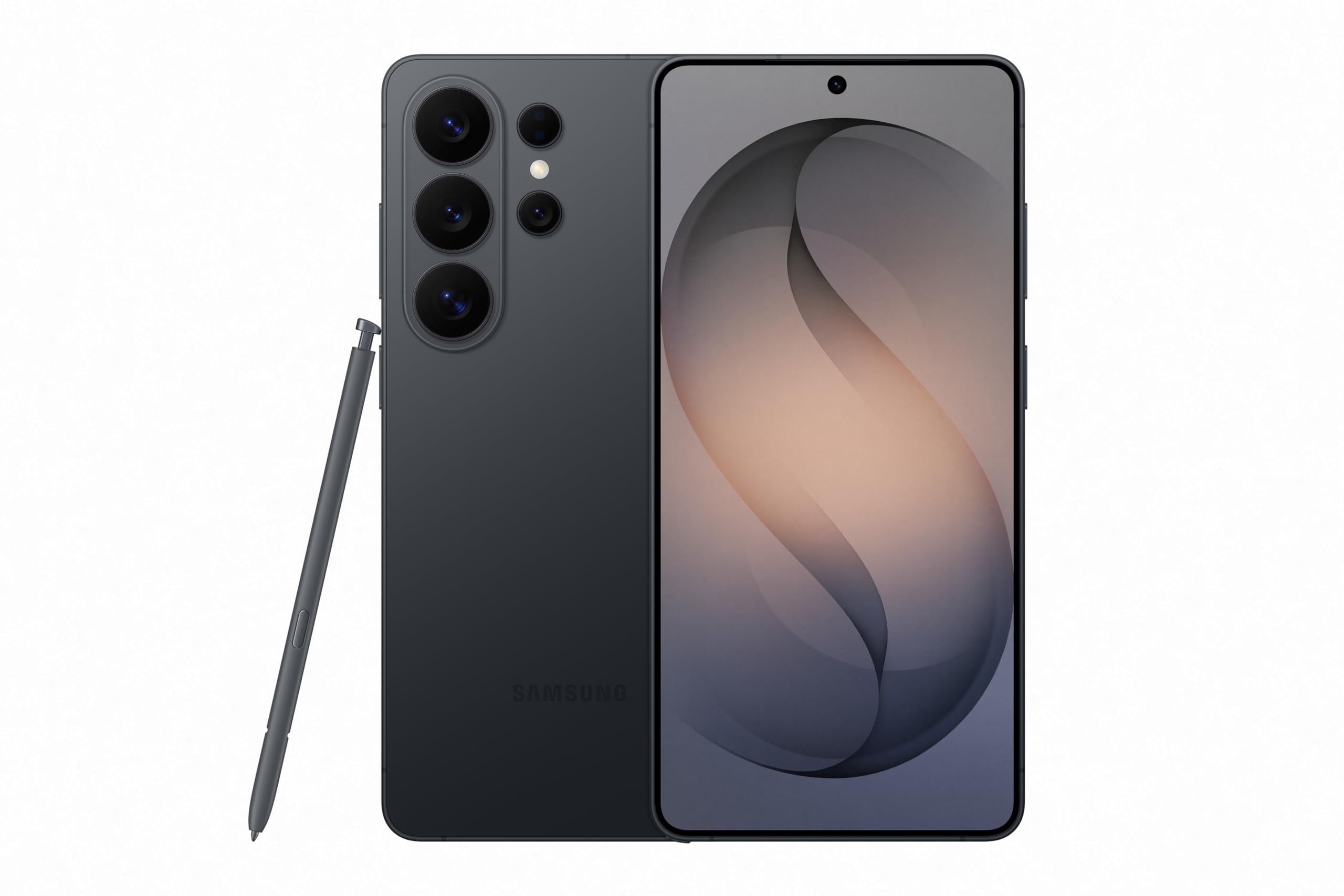
1. Samsung Galaxy S26 Ultra 512GB
Our pick — 4.5+★ from 2,000+ verified ratings; the strongest balance of quality and price.
The flagship that stays cool when the match runs long.
The S26 Ultra is the pick for a long library of demanding games and the budget to match. Storage is the first thing to solve: 512GB of on-board memory means a stack of large titles can sit installed without you deleting one to make room for the next. A 5000 mAh battery sits under that, and buyers report a full day of gaming away from the charger without battery-saving mode.
Super Fast Charging 3.0 is the real quality-of-life feature for a gaming session that drags on. Owners talk about how quickly the battery tops back up on the wired charger, and the wireless figure they mention sits at 25W. The fingerprint reader and the face open up are the other speed features you touch a hundred times a session.
What owners keep coming back to is the cooling. The processor is built to hold its speed, and owners mention the phone runs cool with no throttling mid-game. The crowd favorite sits at 4.5+ stars across 2,100+ ratings, and the trade a player should weigh is the number on the box rather than the experience: the battery is smaller than some rivals in this article.
What keeps it at the top
- 512GB of storage so a deep game library lives installed
- Snapdragon 8 Elite 5-class processor that stays cool through long sessions
- Fast wired and 25W wireless charging refill the 5000 mAh battery quickly
- Privacy Display works well straight-on for a screen you use in public
Where it gives ground
- The 5000 mAh cell is the smallest tank among the flagships here
- Privacy mode trims resolution, and off-axis blocking is partial
- Bloatware and AI features may need switching off before you see the top speed
Reach for it if: you want the fastest Galaxy experience with 512GB of room and are happy to charge daily.
Think twice if: battery capacity is your headline number — the 7400 mAh OnePlus 15R holds 48% more capacity.
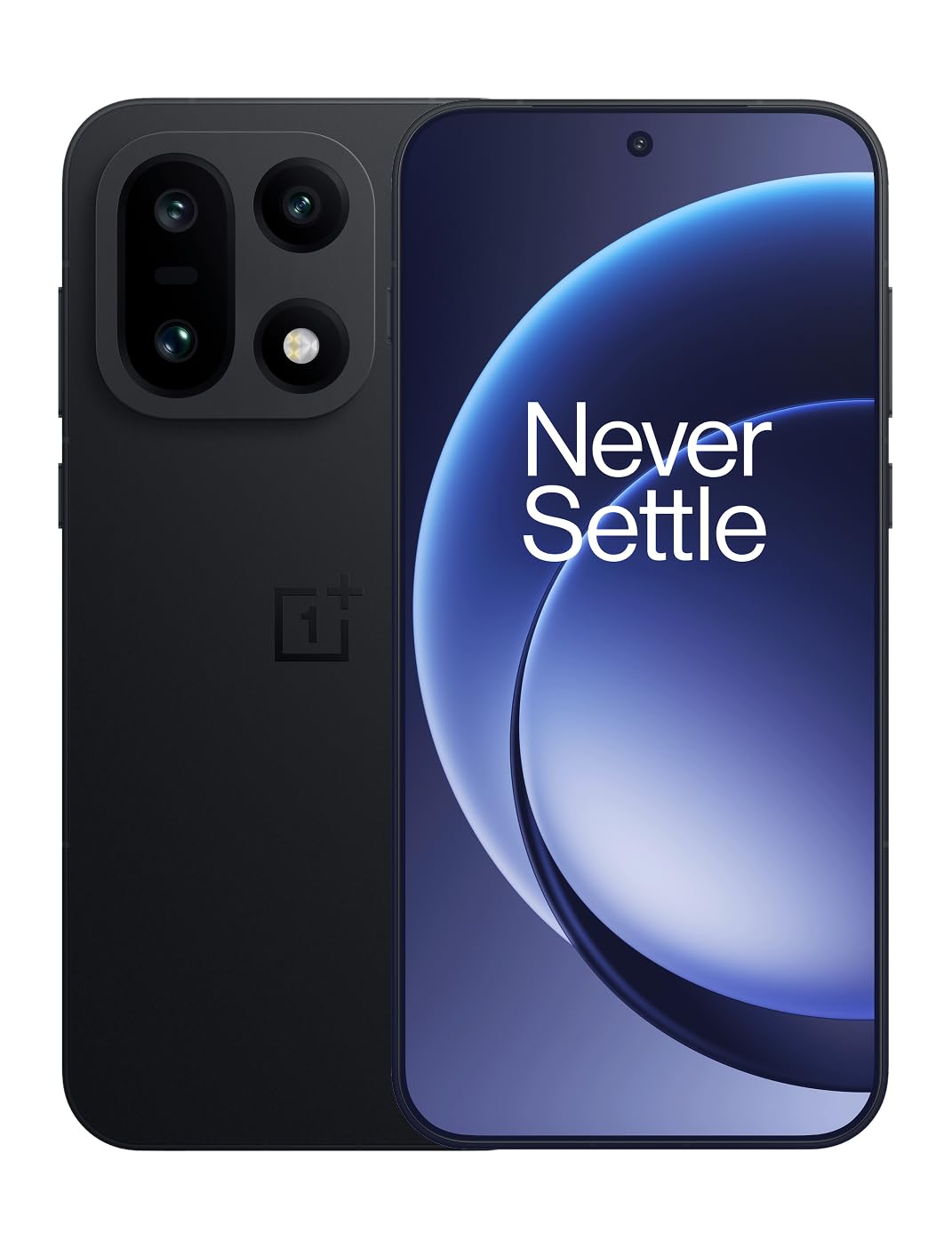
2. OnePlus 15R 256GB
The endurance king — 7400 mAh and a 165Hz panel built for long sessions.
If your gaming day runs from morning commute to a late-night raid, this is the one to beat on raw staying power. The headline is the 7400 mAh battery, the largest here, and it shoulders the load: customers note it lasting a full week of light use per charge. Put another way, one hour of screen-on gaming drains roughly 5%, so a multi-hour session barely dents it. For context, the S26 Ultra carries a 5000 mAh cell, so this OnePlus holds 48% more capacity.
The display is the other half of the story. A 165Hz refresh rate at 1.5K resolution keeps motion fluid, and a dedicated Touch Response chip at 3200Hz means your taps register almost instantly. The Snapdragon 8 Gen 5 chip is paired with a custom Wi-Fi chip, so online matches stay stable. What wins people over is the consistency — the phone never asks you to slow down, no matter how much you throw at it.
The honest caveat is the size. A battery this large makes the body big, and owners note the included case feels slick against the palm, sliding off smooth surfaces. The 8GB base model is also the floor here — this variant ships with 12GB of RAM. On network support outside the US market, check the listing carefully before you buy.
Where it shines: a 12GB/256GB build keeps background apps alive while the 165Hz display does its thing, and the charging spec tops a week-long tank back up fast.
Built for the long haul: pick the 15R if battery life and a high-refresh panel are your priorities.
Trade to know: the big-battery body is heavy and the default case is slippery on smooth tables.
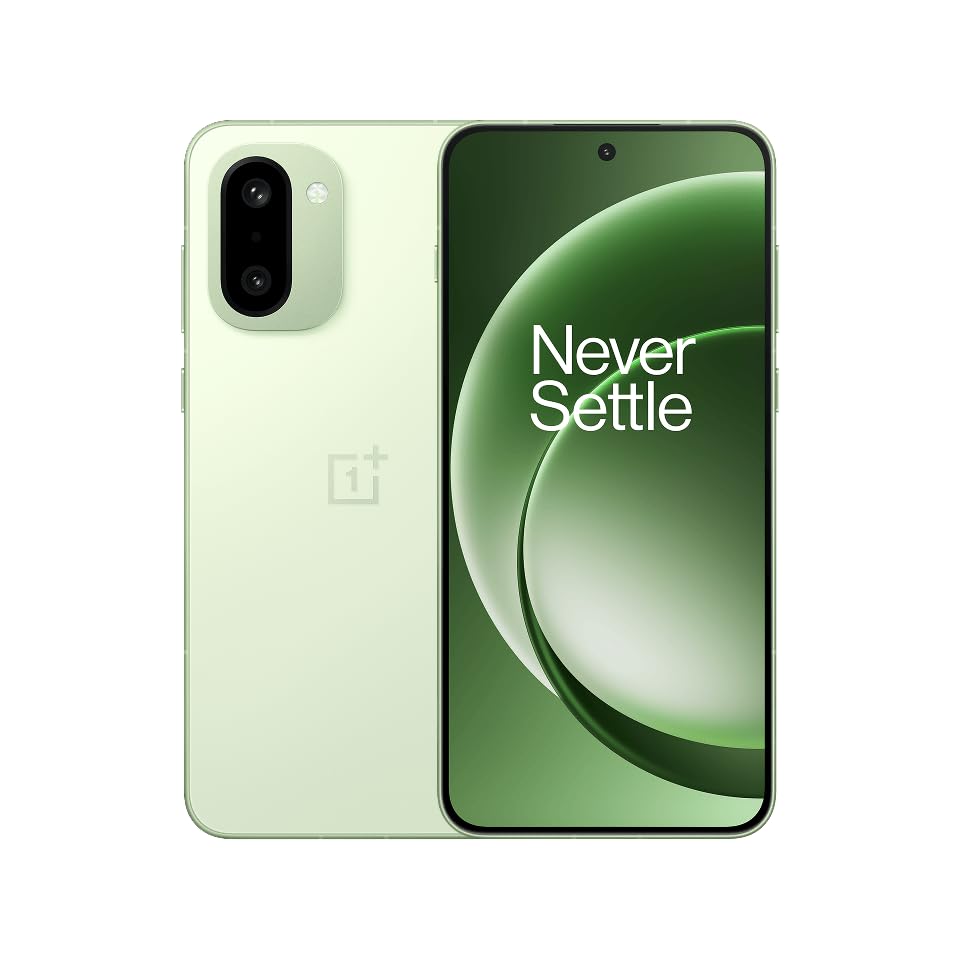
3. OnePlus 15 512GB
More memory than most gaming PCs, and a battery to match.
Sixteen gigabytes of RAM is the figure that separates this from nearly every phone in its bracket. That RAM is what keeps a game, a browser, a music app and a chat thread all resident at once, so switching between them mid-match does not trigger a reload. It runs alongside 512GB of storage — the same roomy ceiling as the S26 Ultra, so a large library of titles fits without a shuffle.
The battery is just as serious. A 7300 mAh cell pairs with 100W SuperVOOC charging that reviewers point out filling the 7300 mAh tank in about half an hour, and shoppers say a day and a half of gaming use and two days or more on light use. If you want numbers: that 7300 mAh sits within a whisker of the 15R’s 7400 mAh, but the RAM here is the upgrade — 16GB versus the 15R’s 12GB.
The chipset is the Snapdragon 8 Elite Gen 5, the top tier of Qualcomm’s gaming line, paired with a dedicated Wi-Fi chip and CPU scheduler for smoother online play. Buyers report games running without slowdown and heavy apps opening fast. The recurring note is that the camera is merely fine — below a Pixel, by the account of several long-term users. If you game first and shoot second, that is a fair trade.
Why it claws ahead
- 16GB RAM holds more apps and games in memory than anything else here
- Snapdragon 8 Elite Gen 5 is the top tier of the gaming-focused Snapdragon line
- 7300 mAh battery charges to full in about half an hour on 100W SuperVOOC
- Dust and water resistance rated IP66/IP68/IP69 and IP69K
The catches
- Camera trails Pixel and Samsung rivals in low-light and portrait shots
- Market availability outside the US and Europe is winding down, so support horizon is worth checking
Best for: heavy multitaskers who want the biggest RAM and near-top-endurance battery in one package.
Look elsewhere if: the camera is your second priority — it is fine, not class-leading.
4. realme 16 Pro 5G 256GB
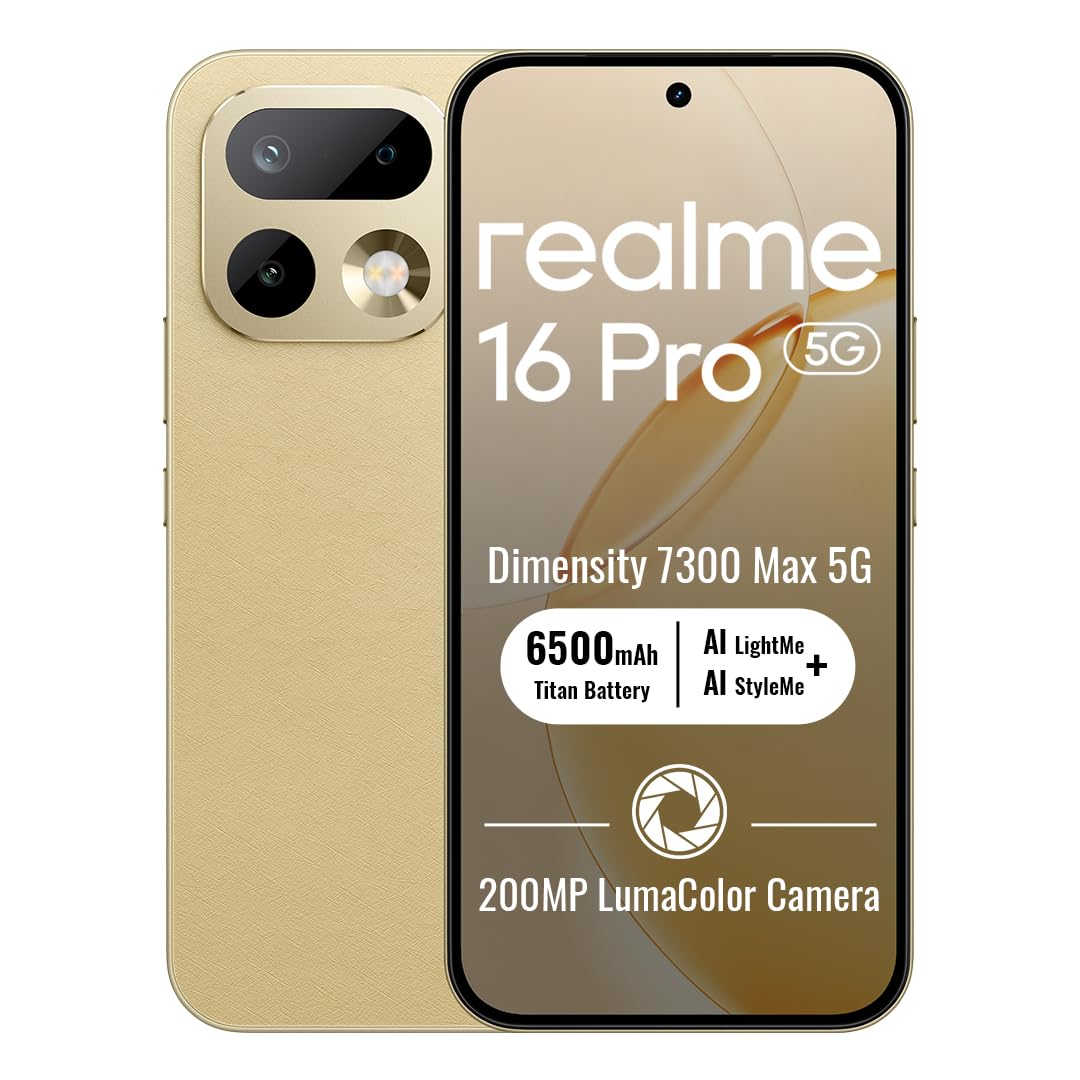
A 144Hz AMOLED and a 7000 mAh tank for buyers who count every dollar.
The 144Hz AMOLED screen is the first thing you notice — faster than the 120Hz panels on most mid-range phones, so fast motion stays fluid in shooters and racers. And at 7000 mAh the battery is the second headline, with 80W SuperVOOC charging refills more than half the 7000 mAh tank in ten minutes. That charging spec closes the loop for a heavy gaming day: short stop, long session.
The chip driving it is the MediaTek Dimensity 7300 Max 5G on a 4nm process, an octa-core part tuned for smoother gaming and day-to-day multitasking. IP69 is the toughest level of dust and water resistance here — it holds up to high-pressure water jets — and the body weighs 192g with a 7.8mm thickness, so it sits comfortably in hand during long sessions.
The honest catch is the RAM and the region. Eight gigabytes is the entry level in this article, and a gaming load that leans on 12GB can trip this up. And this variant is region-locked: outside the EU, EEA, UK and Switzerland it may need a network open up before calls and texts work, and the warning sits in small print. Buy it in-region or verify the open up status first.
The value proposition: 144Hz AMOLED, 7000 mAh, 80W charging and IP69 dust/water protection all in one phone puts this firmly in budget-flag-alternative territory for gamers who only need the basics done right.
Right pick if: you want a 144Hz panel and a 7000 mAh battery without flagship pricing, and you are buying inside the supported regions.
skip it if: you are in the US or need 12GB+ of RAM for demanding games — check region support before you buy.
5. XIAOMI Redmi Note 15 Pro 5G 256GB
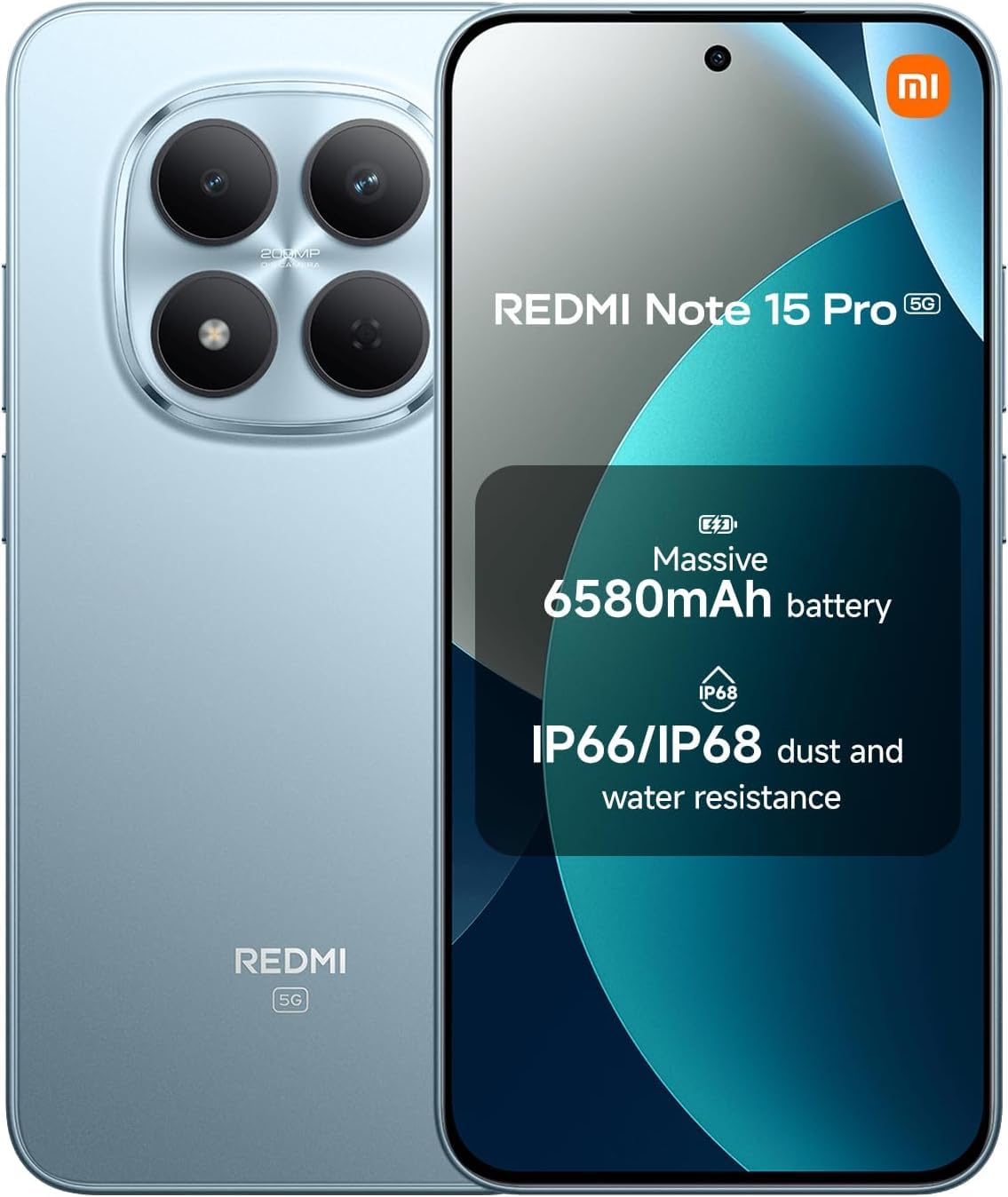
The mid-range all-rounder that punches well above its class in the gaming demo.
What makes this a gaming phone in practice is the combination of a 6.83″ 120Hz AMOLED screen and a 480Hz touch sampling rate that boosts to 2560Hz in Game Turbo mode — that high sampling rate is what turns a tap into an instant in-game action. The battery is 6580 mAh, and owners say a 45W charger fills it in minutes, which is what you want when a match is loading.
The MediaTek Dimensity 7400-Ultra runs on a 4nm process with an octa-core CPU up to 2.6GHz and a Mali-G615 GPU. On paper that is a step below the Snapdragon 8-class chips, but the owner experience is what sells it: the phone handles gaming and daily apps without issue, and multiple long-term Redmi owners describe it as a fast, comfortable daily driver.
The honest trade-off is the camera, where several customers call it merely adequate, and one owner noted a 20-second delay when waking the phone from idle. It is not a small issue, but it is not a pattern either — the majority of reviews focus on speed and value, and it works reliably on T-Mobile and its MVNO networks. Get a case that fits well; the screen curvature is a known fit issue.
What owners love
- 120Hz AMOLED with a 480Hz touch sampling rate that boosts to 2560Hz in Game Turbo
- 6580 mAh battery tops up in minutes on a 45W charger
- Works cleanly on T-Mobile, Mint, Tello, and other T-Mobile-network carriers
- Great value for the spec sheet, especially in the mid-range bracket
Points to weigh
- Camera is the mixed area — several owners call it fine, not exceptional
- Occasional wake-from-idle lag reported
- Screen-protector fit can be finicky on the curved edges
Made for: buyers who want a wide 120Hz AMOLED, clean gaming performance and strong battery value.
Not the one if: you need top-tier camera performance or you are on a non-T-Mobile US network — check band support first.
6. Nothing Phone (3a) Pro 5G open up Smartphone, 12+256GB, Grey

A 120Hz AMOLED and a Snapdragon 7s Gen 3 for gamers who hate bloat.
Nothing’s whole pitch is a clean Android experience, and for gaming that pays off in a way spec sheets do not show. There is no pre-installed junk to fight, so the phone gives you the processor’s full speed from day one. The Snapdragon 7s Gen 3 runs the show, and the 12GB of RAM with 256GB of storage is enough headroom for a healthy library of games alongside your everyday apps.
The screen is a 6.77″ Flexible AMOLED at 120Hz with a 2160Hz PWM dimming rate — that high dimming rate means less visual stress in long sessions, and the 3,000-nit peak brightness keeps the display readable even in direct sun. A physical Essential Key on the side kicks off capture or voice memo software from the Snapdragon chip, driven by the onboard Essential Space AI.
Battery is a 5000 mAh cell that pairs with 50W fast charging, which fills half the tank in about twenty minutes. The honest caveat: one owner felt the real-world battery runs shorter than the marketing claims suggest. The Nothing Phone (3a) Pro is a solid pick if you want a phone that acts like a clean slate, and the Glyph interface and transparent design are genuinely unlike anything else on this list.
The case for it: a 50MP periscope lens with 3x optical and 60x ultra zoom on a phone that also clears the bar for gaming via a Snapdragon 7s Gen 3 and a 6.77″ 120Hz AMOLED — you are getting a genuinely different phone with a genuinely game-ready engine. The transparent back and Glyph lighting are features no other pick in this article has.
Great fit if: you want a fresher-feeling Android experience with a clean software slate, distinctive design, and a chip that handles mainstream games smoothly.
Reconsider if: you need the biggest battery possible — the 5000 mAh cell here is average for the tier.
7. Motorola razr+ | 2024 | open up | Made for US 12/256 | 50MP Camera | Hot Pink

The foldable built for a pocket-sized play session on a 4.0″ cover screen.
If you want to game on a pocketable flip phone, this is the one worth considering. The 4.0″ cover screen is Motorola’s largest external display on a flip, and it runs a suite of apps without unfolding the phone — handy for checking messages or opening a lightweight title while you are out. Under the hood sits the Snapdragon 8s Gen 3 with a 3GHz clock speed, and 12GB of RAM paired with 256GB of storage gives you the memory ceiling of a flagship.
Owners describe the flip hinge as smoother and more durable than the Samsung equivalent, and one long-term user reports the battery lasting a day and a half of light to medium use — longer than the Galaxy Z Flip 5 they came from. On endurance, Motorola positions the battery as an all-day cell, and 45W TurboPower charging tops it back up fast, with the phone picking up roughly a day’s power in about twelve minutes on the charger.
The honest limitation: a 4000 mAh cell is the smallest battery in this article, and on a mixed-use day the flex is real. Heavy gaming sessions drain it fast, and one owner notes needing a midday charge. The flip form factor also demands careful handling — the small hinge of this class is a wear point, and the phone works best with a case fitted.
Where it earns its keep
- 4.0″ external display is Motorola’s largest cover screen on a flip — a rarity in this size class
- Snapdragon 8s Gen 3 with 3GHz clock speed plus 12GB RAM
- 45W TurboPower charging gets a day’s power in about twelve minutes
- Vegan leather finish and refined hinge feel
Trade-offs to note
- 4000 mAh is the smallest battery in this article, and heavy gaming days push it to a midday charge
- Flip hinge is a long-term wear point — a case is not optional for daily carry
Right for you if: you game in short bursts and want a phone that folds into your pocket between rounds.
Not your pick if: you need a marathon battery for hours of handheld gaming — 4000 mAh does not stretch that far.
8. XIAOMI Poco X8 PRO MAX 5G 512GB
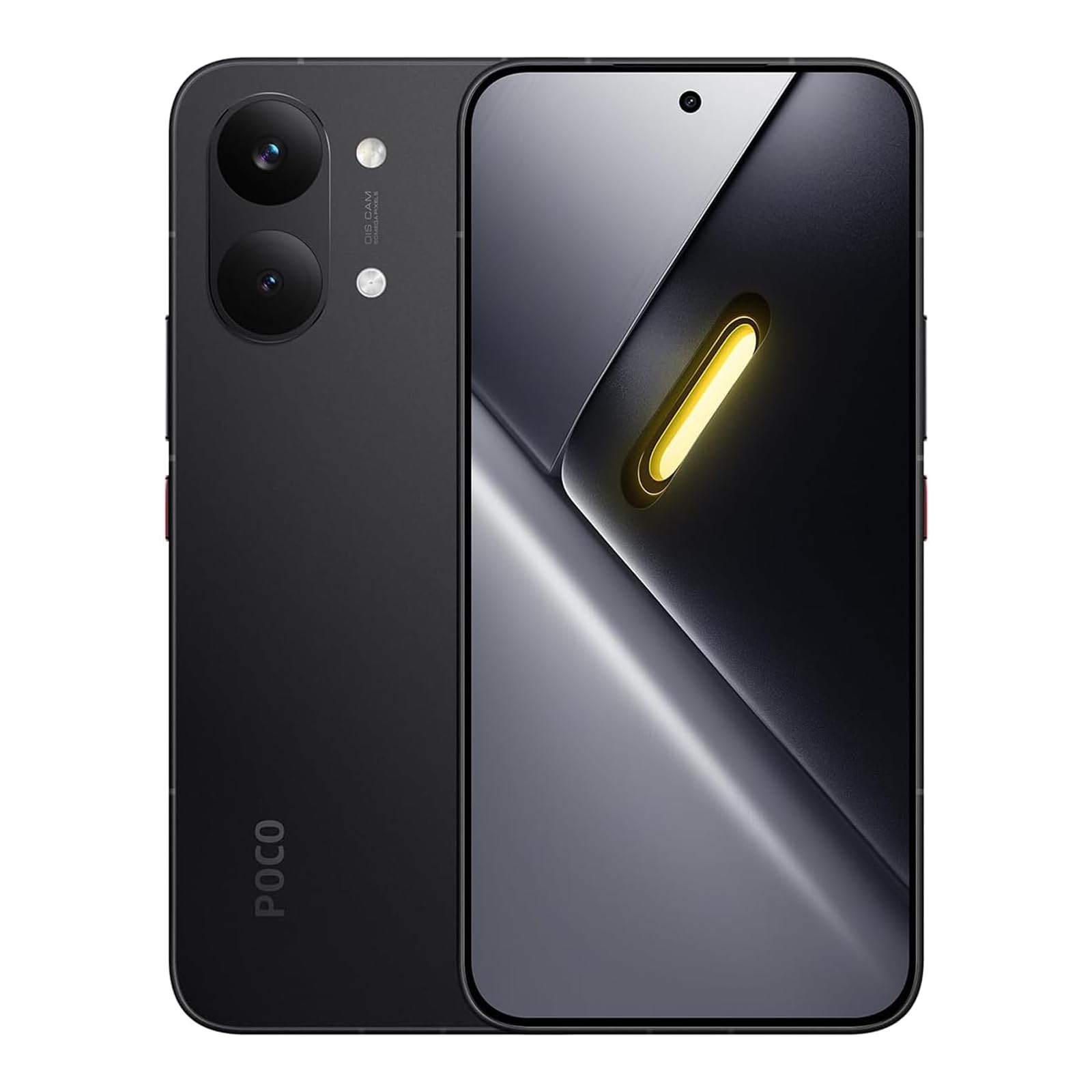
A gamers-first build with a 3nm chip and 100W HyperCharge refills.
Xiaomi built this one for the gaming crowd by name, and the 3nm MediaTek Dimensity 9500s chip is the core of it. With a Cortex-X925 prime core up to 3.73GHz and an Immortalis-G925 MC11 GPU, it has the processing headroom for demanding titles. Pair that with 512GB of storage and 12GB of RAM and this is a genuine gaming device that also happens to make calls.
The 6.83″ 1.5K 120Hz AMOLED screen pushes up to 3,500 nits peak brightness — that is bright enough to keep the display readable even in direct sun. The 2560Hz instant touch sampling rate (active in Game Turbo mode) turns taps into near-instant in-game actions. Charging is 100W HyperCharge on a 6500 mAh battery, with support for 27W reverse charging — the latter lets you top up another device from your phone, which is nice for a second screen or smartwatch on the go.
Owners describe it as a flagship-killer for the price and a genuine gaming performer, and the 100W charger, case and screen protector all come in the box. The honest caveats: HyperOS ships with a lot of bloatware and ads, and one owner notes third-party launcher gesture navigation is restricted. Compatibility is also fussy — some carriers need the phone to be provisioned, so verify your network before ordering.
Where it lands: a 6800mAh-class battery, 100W HyperCharge, an Immortalis-G925 GPU and Wi-Fi 7 all pointing at the gaming-first buyer. This is not a phone that happens to game; it is built around it.
Worth grabbing if: you want maximum frame-delivery from a 3nm chip with a 3,500-nit screen and 100W charging.
Confirm first: your carrier works with its 5G bands — provisioning varies by network.
9. Samsung Galaxy S25+ 256GB

The mainstream S-series that still beats most phones in gaming.
Upgrading from a budget Galaxy to the S25+ is the reviewer move that repeats itself across owner accounts: one describes the performance jump as “astounding” for gaming, Reddit, and social apps at once. That comes from the Snapdragon 8 Elite processor, which handles demanding titles at high frame settings — the same class of chip as the S26 Ultra, in a mainstream Galaxy body. The ProScaler display sampling keeps on-screen detail clean during fast movement.
The 4900 mAh battery underwrites the experience, and the phone reports up to 35 hours of talk time with owners describing needing a charge only every couple of days on light use. That is a fair daily driver rhythm for a gamer who charges overnight. The camera and One UI extras round out the package as a genuinely capable all-rounder.
Where this sits versus the S26 Ultra: you get the same core chip family, but the S26 Ultra wins on the 512GB ceiling and the privacy display. The S25+ holds its own for mainstream gaming and is a much easier entry point if you are stepping up from a mid-range Android. One owner notes the storage ceiling of 256GB is the tightest constraint if your game library leans big.
What earns it a slot
- Snapdragon 8 Elite processor that reviewers describe as a beast for gaming
- Bright ProScaler display keeps on-screen detail clean during fast motion
- Up to 35 hours of talk time and multi-day standby on light use
- US 1-year warranty and a mature One UI software stack
Where it stops
- 256GB is the storage ceiling on this model — a big game library will fill fast
- 4900 mAh is smaller than the OnePlus pair here (7300 and 7400 mAh)
Best for: buyers stepping up from mid-range Galaxy phones who want the Snapdragon 8 Elite chip and a familiar software experience.
Look elsewhere if: you need 512GB of storage or the biggest battery in the lineup — that is a step up.
10. Google Pixel 9 Pro Fold – open up Android Smartphone with Gemini – Advanced Triple Rear Camera System – Foldable Display – Hands-Free Video – Obsidian – 256 GB

A phone that opens into a tablet screen — the biggest display in this article.
The whole reason to consider the Pixel 9 Pro Fold as a gaming phone is the inner display. It opens into the largest screen on a phone, which for gaming means more field of view, a wider HUD, and controls you can move away from the corners. Owners describe the large and bright inner screen as great for gaming and streaming, and one says the experience matches what they expected from a proper tablet-style device. The phone also serves as its own stand in tabletop mode.
The Snapdragon-powered performance is more than enough for the mainstream, and the fold hinge and outer screen keep a full Android experience available without unfolding. A 4650 mAh battery backs it up, with USB-C charging on the go. As a camera, the triple rear array with a redesigned camera bar is a step up from most foldables, and the matte glass back gives a premium feel you keep with a case on.
But this is a foldable first and a gaming phone second. The one negative reviewers keep coming back to is a failure of the flexible panel — cracks at the crease or a black line are the pattern in a small but real slice of reviews on every foldable, this one included. It is not the majority experience, and the majority of buyers describe the phone as top of the line and worth the price. Just go in knowing the thin glass at the hinge is the trade for the extra display space, and treat the phone gently.
Sized for someone specific: the buyer who wants the biggest possible screen for games and streaming in a single device, and who will accept a flexible display’s handling demands in exchange. It wins on screen real estate, not on raw gaming throughput.
Right for you if: a tablet-sized inner display for games and video is worth the premium, and you will handle it carefully.
Not the one if: you push every title to maximum frame rate or you need the biggest battery — this is a foldable with a 4650 mAh cell, not a gaming powerhouse.
Know the Specs
Refresh rate (Hz)
Measured in hertz — the number of times the screen redraws each second. A 120Hz panel redraws twice as often as a standard 60Hz display, so motion looks fluid instead of blurry and fast camera pans stop smearing. Higher is smoother, but the gain tapers above 120Hz; 144Hz and 165Hz panels are noticeably sharper for top-tier competitive play.
Battery capacity (mAh)
A bigger figure in mAh (milliamp-hours) means a bigger fuel tank, and gaming drains that tank faster than any other activity. A cell above 6000 mAh handles a long session with room to spare; a 4000 mAh cell asks for a midday stop. Pair the capacity with charging wattage to see how quickly you are back in the action.
Touch sampling rate (Hz)
Separate from refresh rate, this is how often the screen senses where your finger is. High rates register taps faster, so a response arrives on the frame you meant it for. Look for the maximum figure the phone can hit, usually activated in a game mode, not the everyday number.
Processor and cooling
The processor sets the frame-rate ceiling; cooling decides whether the phone can hold it over a long session. A phone with strong cooling may run steady where a faster chip overheats and throttles. Look at the chip tier, the manufacturing process in nm, and the GPU name together.
Common Questions
What does refresh rate actually do for gaming?
Is 8GB of RAM enough for modern Android games?
Will a high-wattage charger damage the battery?
Should I buy a foldable for gaming or a regular phone?
Do I need a Snapdragon 8 series chip to game well?
Will these phones work with my US carrier?
How much storage do games need on Android?
Is a 120Hz display enough for competitive gaming?
Why do some phones throttle during long sessions?
The Bottom Line
For most players, the smartphone for gaming performance winner is the Samsung Galaxy S26 Ultra, because it pairs a top-tier processor that reviewers describe as cool-running and throttle-free with 512GB of storage for a deep game library. If battery life is the number you care about most, the OnePlus 15R brings a 7400 mAh cell and a 165Hz panel — 48% more capacity than the S26 Ultra’s 5000 mAh cell. And if you want the biggest possible screen for games and streaming, the Google Pixel 9 Pro Fold opens into a tablet-sized display, with the caveat that you handle the flexible inner panel with care.
How we choose
We do not accept paid placement. Every pick is matched to a real buyer and a real use-case; we do not hands-on test units.
Sources
Specifications: manufacturer listings and product documentation. Review insights: verified customer reviews, as of October 2026. Pricing: not shown on this page (it changes often); check the current price via the retailer link.
As an Amazon Associate, Aappliancez earns from qualifying purchases. This does not affect which products we feature.