Disclosure: Some links in this post are affiliate links. As an Amazon Associate I earn from qualifying purchases, at no extra cost to you. Learn more
Specs are compiled from manufacturer listings and verified buyer reviews and can change over time — please confirm the key details on the product page before buying.
Twenty thousand steps is roughly ten miles of pavement under your feet on a normal day, and the shoe that feels fine on a lap around the store can turn into a blister factory by mile six. What you need is simple: a roomy toe box, real heel cushioning, and a light enough build that your legs last past lunch. Below are nine shoes that hold up to that kind of daily mileage, sorted by who each one actually fits.
This guide is built by comparing the manufacturers’ published specifications and the patterns across verified customer reviews, so you get each pick’s real strengths and trade-offs instead of marketing spin.
Some of these have a generous toe box, some are built for arches that roll inward, and one slips on without any bending at all. Every pick here covers the staples of shoes for walking 20000 steps a day, from cushioning depth to heel support.
Top Picks


How To Choose Shoes for Walking 20000 Steps a Day
The core mistake buyers make here is shopping for running shoes when they plan to walk. Walking keeps your foot on the ground longer per stride, so you spend more total time standing on that cushioning than a runner does. That shifts what matters: heel comfort, a front that does not squeeze your toes, and a sole that stays stable when you are on your feet for hours.
Heel-to-toe drop explained
Drop is simply the height difference between the heel and the toe of the shoe. A shoe with zero drop puts your heel at the same level as your forefoot, which changes how your calf and ankle work through a long day. Higher drop takes strain off the Achilles and calf, which is why walkers with tighter calves tend to prefer it. Neither is better — a few of the picks here sit at zero and a few sit in the middle, so pick the one that matches what your body is used to.
The toe box width question
A roomy toe box lets your toes spread out and stops them from rubbing the side wall on every step. On a 20,000-step day that small friction compounds into hot spots, so the front of the shoe deserves more attention than the logo. The catch is that a very wide front can let your forefoot slide, which is why some buyers describe a shoe as feeling like a clown shoe. Fit the widest part of your foot to the widest part of the shoe, and size up half a step if your toes graze the front.
Cushioning, stability, and weight
Soft foam makes the first mile feel great and the tenth mile feel wobbly if there is no structure under it. Stability features — a wider base, a supportive heel counter, a foam that rebounds rather than squishes flat — are what keep you tracking straight when your legs get tired. Weight matters too: a shoe that carries a lot of bulk underfoot asks more of your legs over ten miles than a lighter one does.
Side-by-Side Comparison
| Model | Best For | Reported Weight | Heel-to-Toe Drop | Toe Box Feel | Amazon |
|---|---|---|---|---|---|
| Brooks Women’s Trace 4★ Best Overall | Everyday walking and gym class | 1.5 lb (package) | — | Roomy, wide option | Amazon |
| ASICS Women’s Gel-Kayano 32Best Arch Support | Overpronation and arch support | 1.44 lb | — | Snug, taller than some | Amazon |
| Hoka Womens Rincon 4Best for Long Shifts | All-day standing and 12-hour shifts | 3 lb (package) | — | Roomy | Amazon |
| Skechers Go Walk Glide Step 2.0 Elektra | Hands-free slip-on comfort | 2 lb | — | Standard | Amazon |
| ALTRA Men’s Escalante 4 | Wide feet and natural stride | 3 lb (package) | 0 mm | Extra roomy | Amazon |
| Saucony Women’s Ride 18 | Responsive cushioning for longer walks | 2 lb (package) | 8 mm | Standard | Amazon |
| ALTRA Women’s Lone Peak 8 | Trail walks and mixed terrain | — | — | Extra roomy | Amazon |
| OOFOS Oomy Stride | Tired arches and recovery days | — | — | Wide | Amazon |
| New Balance FuelCell Walker Elite V1 | Purpose-built walking miles | 1.7 lb | — | Standard, runs narrow | Amazon |
Detailed Reviews
1. Brooks Women’s Trace 4 Neutral Running Shoe
Our pick — 4.5+★ from 1,000+ verified ratings; the strongest balance of quality and price.
The crowd favorite for long days, and the one that stays quiet underfoot mile after mile.
What makes the Trace 4 the pick for most walkers is that it does not squeeze your toes. Owners describe a front that gives your forefoot room to spread, and the shoe is offered in a wide width (a second version built broader across the ball of the foot). One buyer with serious knee trouble put it plainly: “One buyer with two knee replacements said no other sneaker works for her.” Support and stability while walking come up again and again as the reason people stay loyal.
The build quality is the thing that wins people over here. Stitched panels and a firmer upper feel a notch above typical walking shoes, and owners describe them as very quiet on hard surfaces — a small detail that matters when you are on tile or hardwood for hours. The shoe is light enough to forget about, and buyers who use them for HIIT, step aerobics, and boot camp report the sole stays planted rather than wobbling.
Here is the honest catch: the cushioning under the sole is on the thin side, so if you want a pillowy, deep-foam ride you will find this one firm. Fit in the toe box also runs generous — buyers who like a snug front have called the width too roomy. Neither is a defect; it is a fit question. Size to your usual length and let the roomy front do its job.
What Walkers Keep Coming Back For
- Roomy front that leaves your toes free to spread through ten miles
- Build quality that reads firmer and more finished than typical walking shoes
- Available in a wide width and true to size for most buyers
- Stays quiet on hard floors — no slap underfoot
Where It Gives Up Ground
- Thin cushioning compared with deep-foam shoes — a firmer ride, not a plush one
- Toe box runs generous, so buyers who want a snug front may find it loose
- Laces are short if you use a heel-lock lacing pattern
Reach for this if: you want a stable, well-built daily shoe and your toes need room.
Think again if: you want a soft, sink-in cushion under the whole foot.
2. ASICS Women’s Gel-Kayano 32 Running Shoes
Built for feet that roll inward, with a guided stride that keeps a long day from drifting sideways.
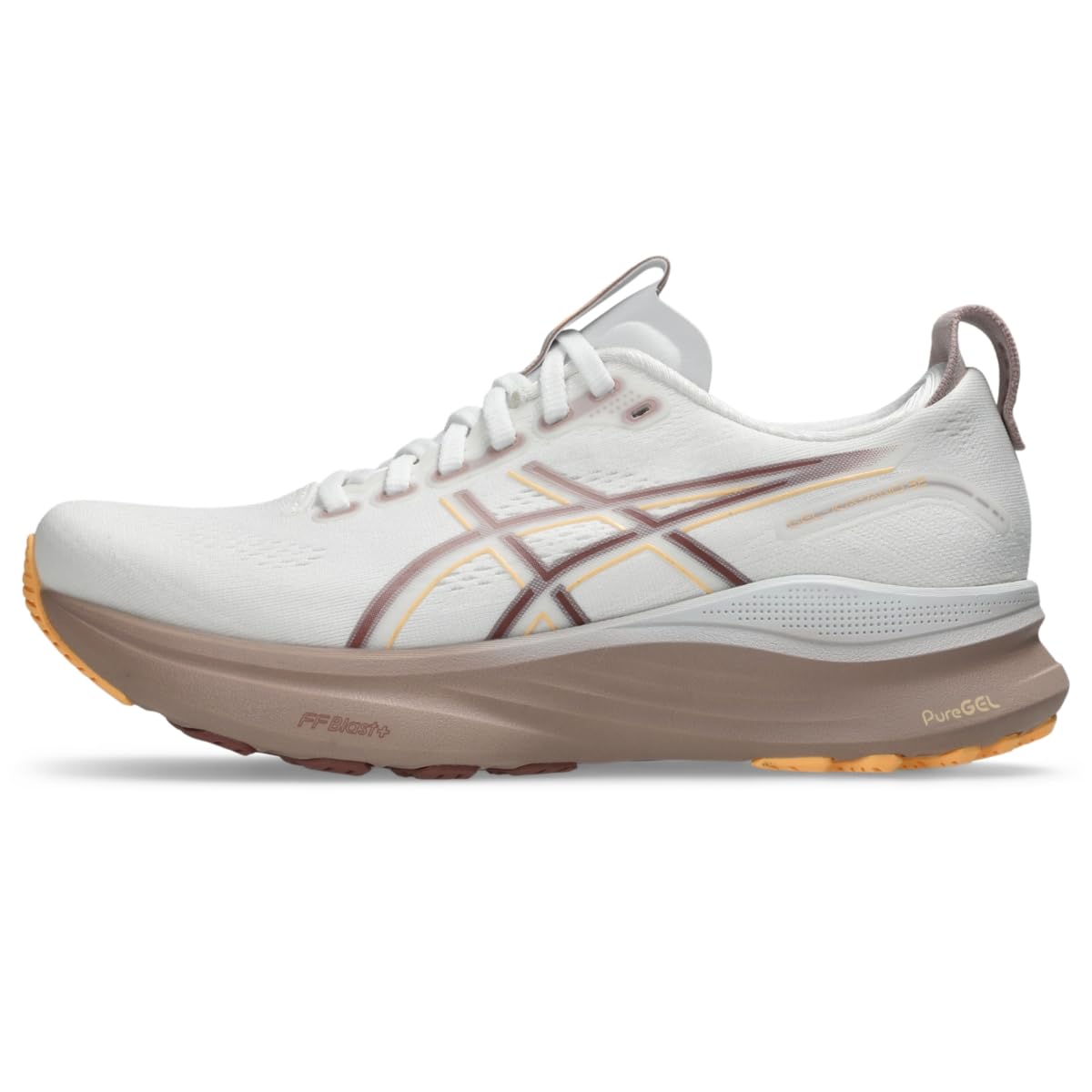
If your arches drop and your ankles roll toward the inside, this is the shoe that fixes the reason your feet hurt, not just the symptom. The 4D Guidance System is a set of stability features that adapts as you land, and the FF BLAST PLUS foam midsole is a lightweight cushioning layer ASICS raised in height for a more balanced feel underfoot. A reinforced wing along the tongue adds arch-side support over the top of your foot. At 1.44 pounds for the pair, it is also 1.56 pounds lighter than the Hoka Rincon 4’s 3-pound package — a noticeable gap when you are picking your feet up thousands of times.
Buyers who need that structure tend to be fierce about it. One described it this way: “One buyer with accessory navicular syndrome said the shoe eased the pain right away.” Another walked long distances on vacation and reported the feet held up. The upper is a lightweight mesh designed for warm weather, and the shoe gets worn with jeans and joggers as easily as with workout gear.
Know the fit before you order: the front is snug, and buyers with a bunion on one foot have found their toes pinched while the other foot felt perfect. Some also note the shoe feels heavier and firmer than a plush neutral trainer. Go true to size, or a half size up if you swell by evening.
The support story: arch support is the second most-praised thing about this shoe, and it is the reason buyers with inward-rolling ankles keep reordering it twice a year for daily walks.
The sizing caveat: a snug forefoot is the recurring fit note — if one foot has a bunion, expect the wider size to be the safer bet.
Best for: walkers with flat or rolling arches who want the shoe to correct their stride.
Look elsewhere if: you need a wide, uncrowded front for bunions.
3. Hoka Womens Rincon 4
The light-cushion standout that nurses and servers wear through a full shift without flinching.
The Rincon 4 is the pick when your day is measured in hours on your feet, not miles on a trail. Its two-layer midsole pairs a softer top layer with a firmer bottom one, and Hoka’s profile keeps the cushion-to-weight ratio high while adding a rear-foot-focused Active Foot Frame — a cradle that holds your heel steady. An early-stage MetaRocker curve at the front rolls your stride forward instead of letting you clomp flat. One buyer’s line says it best: “One buyer stands 6 to 12 hours a shift and reports no foot pain.”
A roomy toe box means no toe-holes worn through the front, and the engineered double-jacquard upper breathes. The rubberized EVA outsole and podular design — small separated pods instead of one slab — give the sole more flex as you push off. The shoe runs true to size for most, and scrub-wearers report it coordinates with uniforms without looking bulky.
Two honest fit notes. Some buyers find the shoe runs small, so if you are between sizes, go up. And the cushion is soft enough that a wearer with an unstable ankle may feel the shoe gives more than they want. The material is breathable but not waterproof, so puddle days are not its moment.
The Standout Wins
- Cushioning deep enough to carry a 12-hour shift without aching
- Roomy toe box protects toes from wearing through the front
- Light for its cushioning — the MetaRocker curve keeps the stride rolling
- Neutral colors that work with scrubs and everyday clothes
What to Plan Around
- Runs small on some feet — size up if you are between sizes
- Breathable upper is not waterproof
- Cushion is on the soft side, which some prefer firmer
Pick it for: long shifts on hard floors, all-day standing, or a walking commute.
Skip it for: wet weather or a foot that wants a much firmer sole.
4. Skechers Go Walk Glide Step 2.0 Elektra
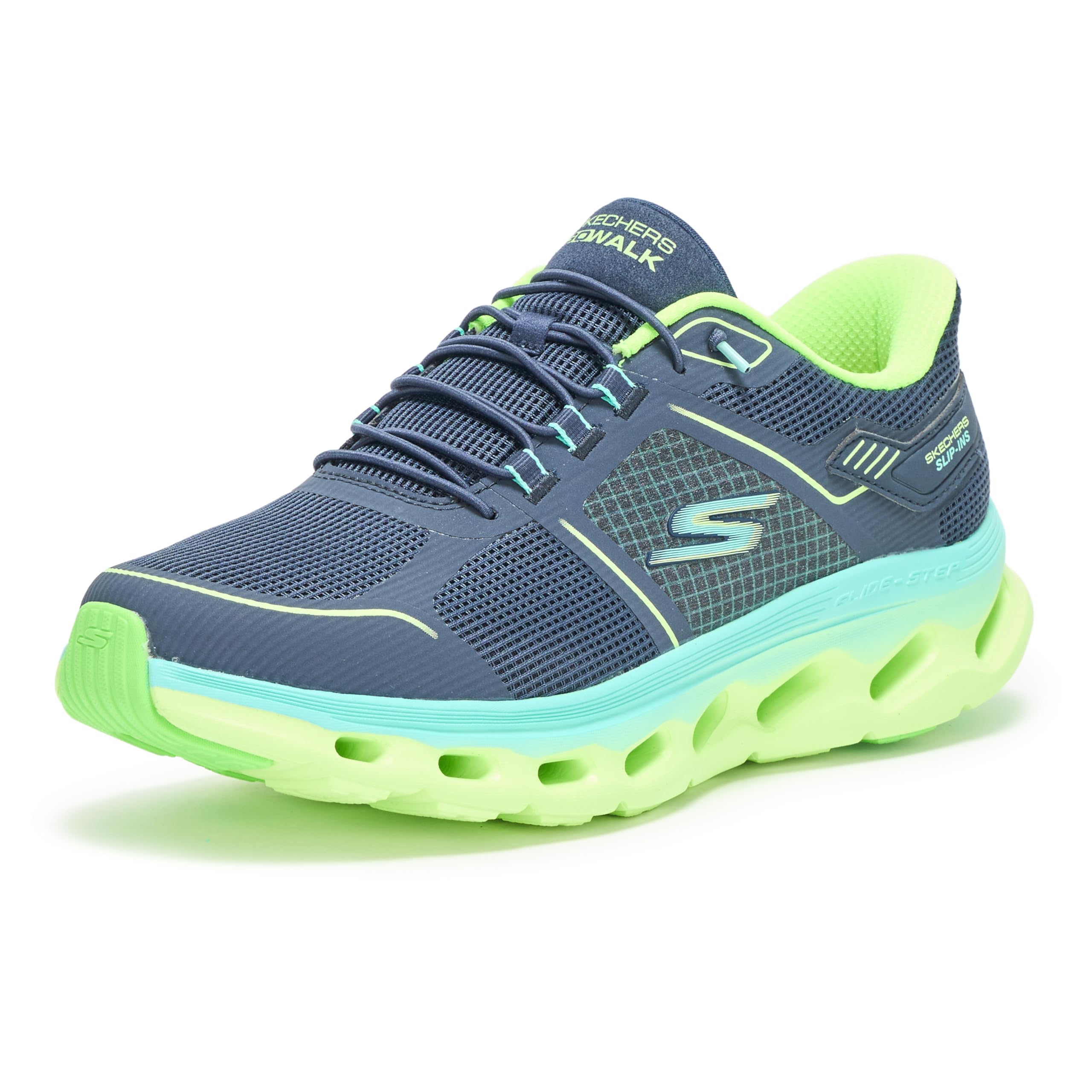
No bending, no laces to tie — step in, and glide through your miles.
For anyone whose hands or back make tying shoes a chore, this shoe is the practical answer. The hands-free slip-in design means you step down and the heel pops into place, and a bungee closure keeps it on your foot without a knot. The Air-Cooled Goga Mat insole is a cushioned, breathable footbed, and Ultra GO cushioning adds a springy layer under it. Buyers report walking long distances without pain, and several say it fits over a bulky ankle or foot brace.
The upper is a grid mesh for airflow, so your feet stay cooler over a long afternoon. It is vegan-friendly in construction. Appearance is a strong sell — owners pick up extra colors, and the shoe reads as a casual sneaker rather than a medical shoe.
Fit is the one thing to watch. Some buyers find the shoe runs about half a size long and slightly narrow across the top of the foot for wider feet. A few report the sizing varies from pair to pair. Order your true size first, and go half a size down only if your foot is narrow.
The convenience factor: the slip-in entry is the reason most people buy this one, and the comfort cushioned insole is the reason they keep wearing it past the office lobby.
The sizing note: buyers with wider feet often need to size down for a snug fit across the top of the foot.
Go for it if: you want a cushioned walking shoe you can step into without touching a lace.
Pass if: you have wide feet and want a generous front.
5. ALTRA Men’s Escalante 4 Road Running Shoe
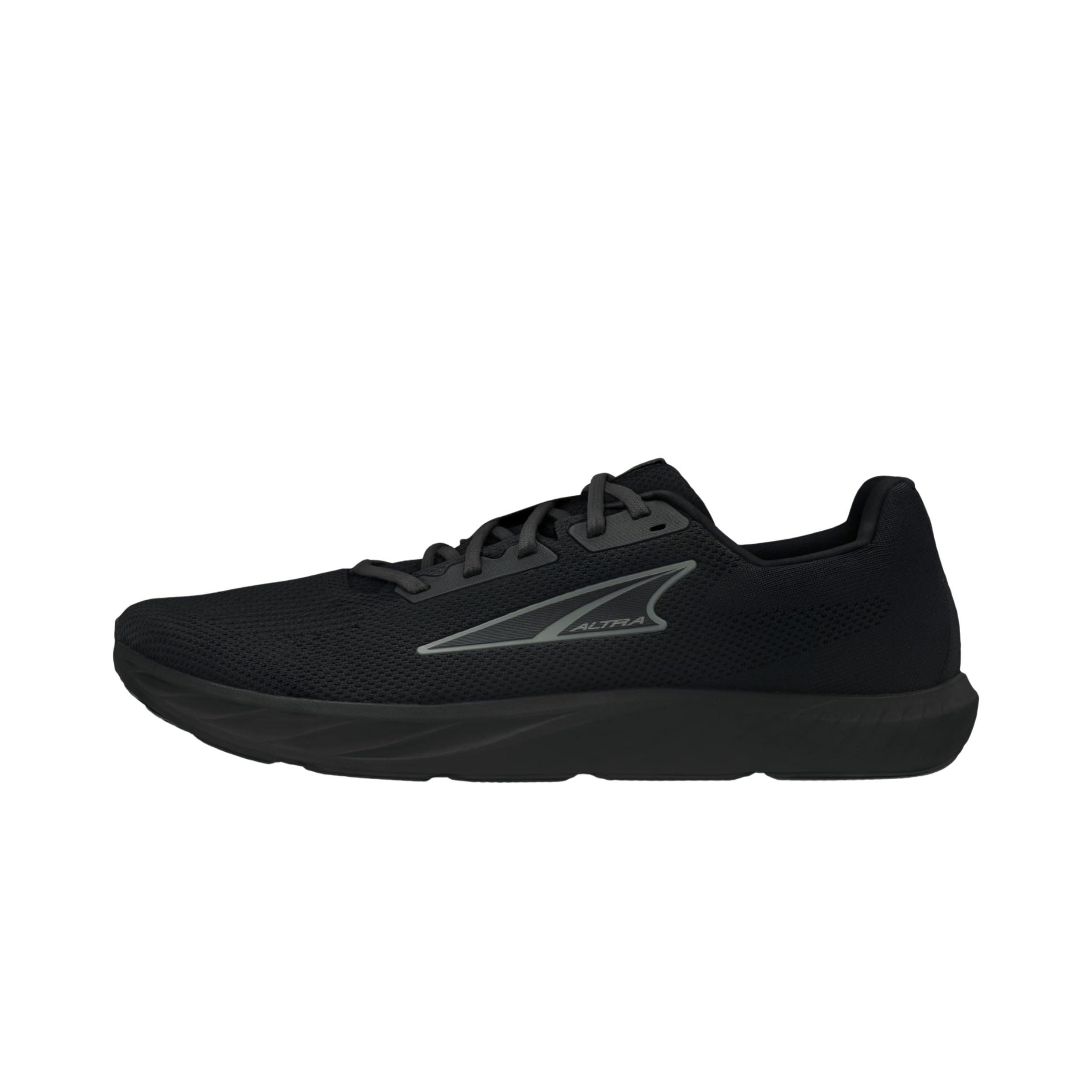
A flat, wide, sock-like shoe that lets your foot do the walking it was built to do.
Zero drop means your heel and forefoot sit on the same level, which changes how your whole leg loads through a long day. Pair that with Altra’s FootShape toe box — a front cut wider so toes can spread — and you get a shoe that lets a 4E-wide foot breathe without pressing on the outer edge. One buyer with that width reported no side-rail pressure at all. The knit upper stretches like a sock, and the knit tongue keeps the fit forgiving. At 0 mm drop it will feel unfamiliar if you have worn raised-heel shoes for years, so break in slowly.
The shoe is nimble because the rubber midsole was made lighter and more flexible, and the Altra EGO foam underneath returns energy on push-off. People wear it for everything from daily errands to gym work; one long-time buyer had kept a pair going past 300 miles. It holds a firm, grounded platform good for lifting and deadlifts, too.
Two things to know. The outsole is not built for wet, slick ground, and some report the upper and outsole separating after months of heavy use. The tongue is not gusseted, so it can slide to one side. Neither has to be a deal for you if you walk mostly on pavement and keep the shoe dry.
Why Wide-Footed Walkers Choose It
- FootShape toe box lets your toes move freely at zero drop
- Light and flexible underfoot for a natural, grounded step
- Knit upper stretches for a sock-like fit with no break-in drama
- Altra EGO foam gives rebound on push-off
What to Watch for on the Trail
- Outsole grip can slip on wet, slick surfaces
- Non-gusseted tongue can slide to one side
- Zero drop takes a slow break-in if you are used to heel height
Your match if: you have wide feet and want a natural, grounded stride.
Hold off if: you need arch correction or an outsole for slick roads.
6. Saucony Women’s Ride 18 Sneaker
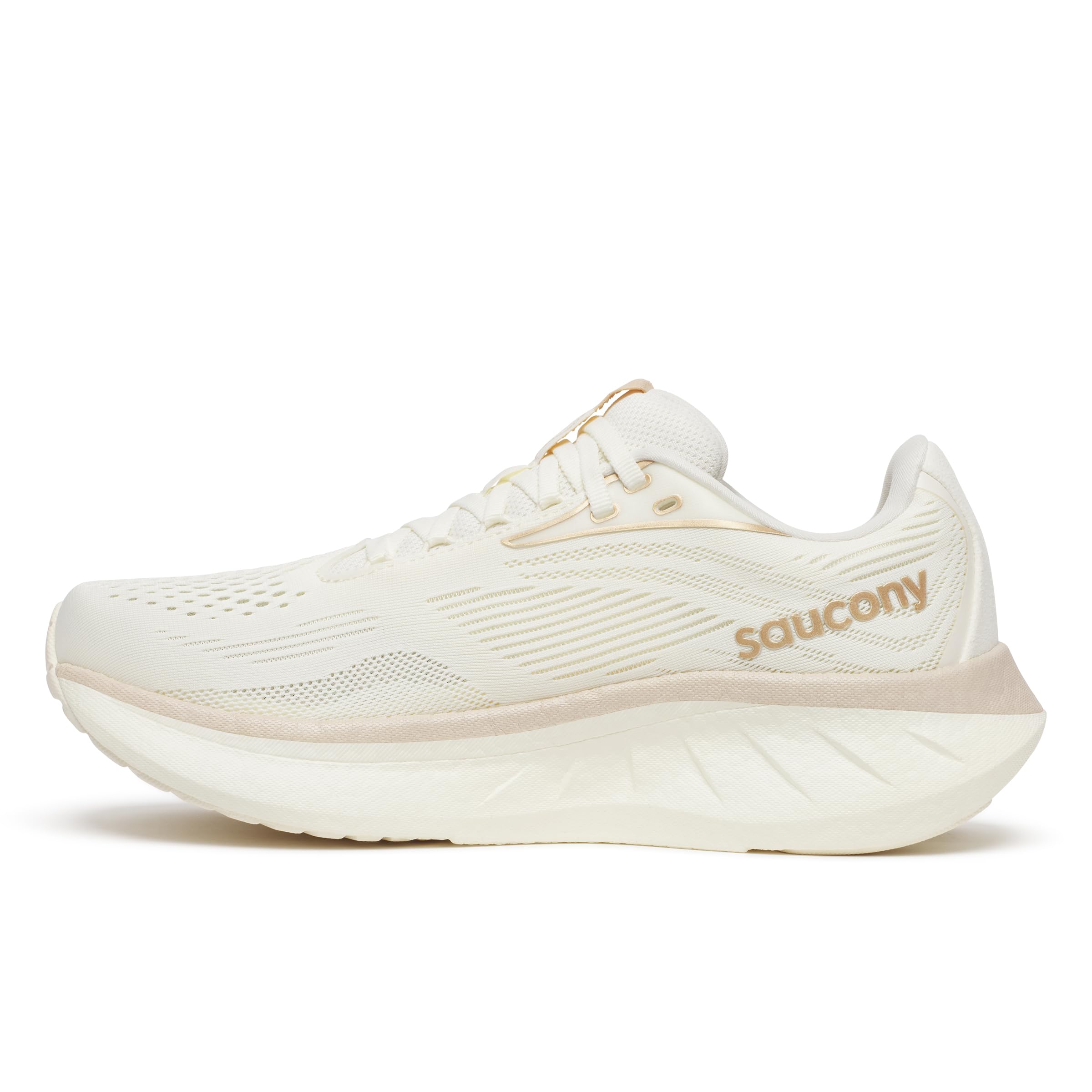
A springy, soft-riding shoe that makes the pavement feel more forgiving than it is.
At 8 ounces per shoe (228 g), the Ride 18 is one of the lighter pairs here, and that light build is part of why it feels easy over long distances. There is an 8 mm heel-to-toe offset, a moderate drop that eases the load on your calves while keeping a natural roll. The reformulated PWRRUN+ foam is designed to return more energy than a flat, dead cushion, and the engineered mesh upper breathes and stretches over the top of your foot.
Owners who have worn Saucony for years say the cushioning holds up over longer walks, and the toe box protects toenails on multi-hour carries. Traction grips walkways and trails alike. Buyers looking for stability without going to a firmer shoe rate the combination of softness and support well.
The trade-off is softness. One walker found the springy foam causes faster fatigue on walks over 2 miles and rotates these with a firmer shoe to keep their feet strong. Sizing also runs snug, so most buyers go a half size up or a wide fit. The fabric is hard to clean once dirt sets in.
The ride quality: the softened PWRRUN+ midsole and the added rubber at the front make the step springy and stable on long, flat stretches.
The honest limit: the foam is soft and welcomes extra width and a half-size bump, and the fabric traps heat and dirt on hot days.
Best if: you want a light, springy ride for long flat walks and you plan to go a half size up.
Choose another if: you want a firm, rock-solid sole or a shoe that stays clean-looking.
7. ALTRA Women’s Lone Peak 8 Trail Running Shoe
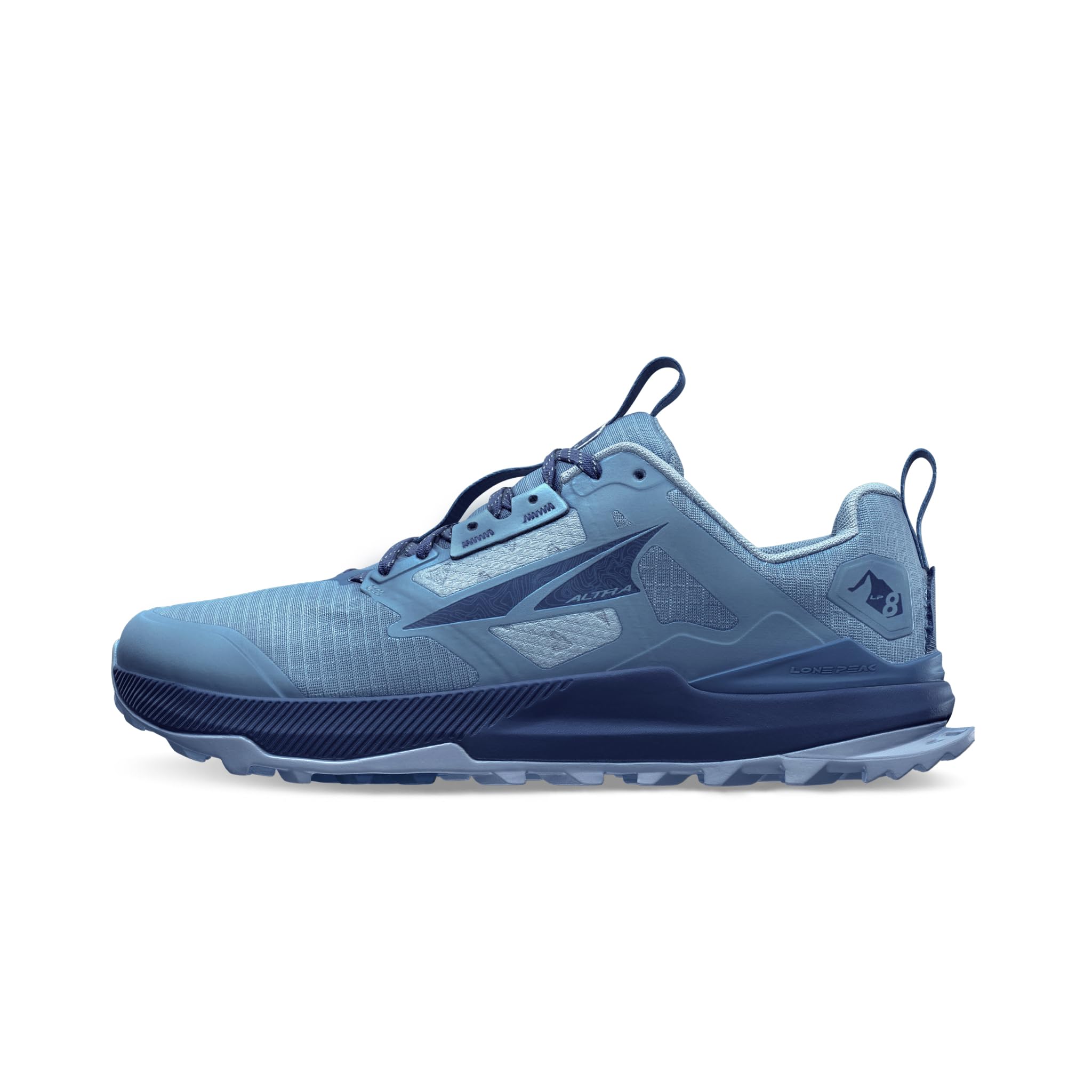
The wide-front trail shoe that lets your toes grab the ground on dirt and rock.
When your 20,000 steps happen on gravel paths, park loops, or hiking trails, this is the shoe built for the job. Its defining trait is a broad toe box — second only to overall build quality as the most-praised detail — so your toes stay spread out on uneven ground instead of curling under. Traction grips loose dirt and rocky paths, and the shoe sheds mud and drains water well. One reviewer noted less trail fatigue than in a comparable hiking shoe, and another hiked several national parks with no break-in.
The fit runs true to size for most and a half size up is a common call for anyone with a wide foot. The light build and neutral colors make it easy to wear off-trail, too. Rain is not a problem — owners mention they handle wet weather without issue.
The honest trade-off is durability and wet-rock grip. The upper and outsole can wear faster than a road shoe if you are hard on them, and the tread is not the surest on slick wet rock or tree roots. If your miles are mostly pavement and mostly dry, these trail strengths may be more than you need.
Trail-ready strengths: a roomy toe box, draining mesh, and real traction that suits muddy paths and rocky climbs.
Know before you buy: the outsole grip is weaker on slick wet rock, and heavy trail wear can shorten the shoe’s life.
Pick it for: dirt paths, gravel, and hiking miles where a wide front keeps toes comfortable.
Not for: slick wet rock or a walker who wants a road shoe’s lifespan.
8. OOFOS Womens Oomy Stride
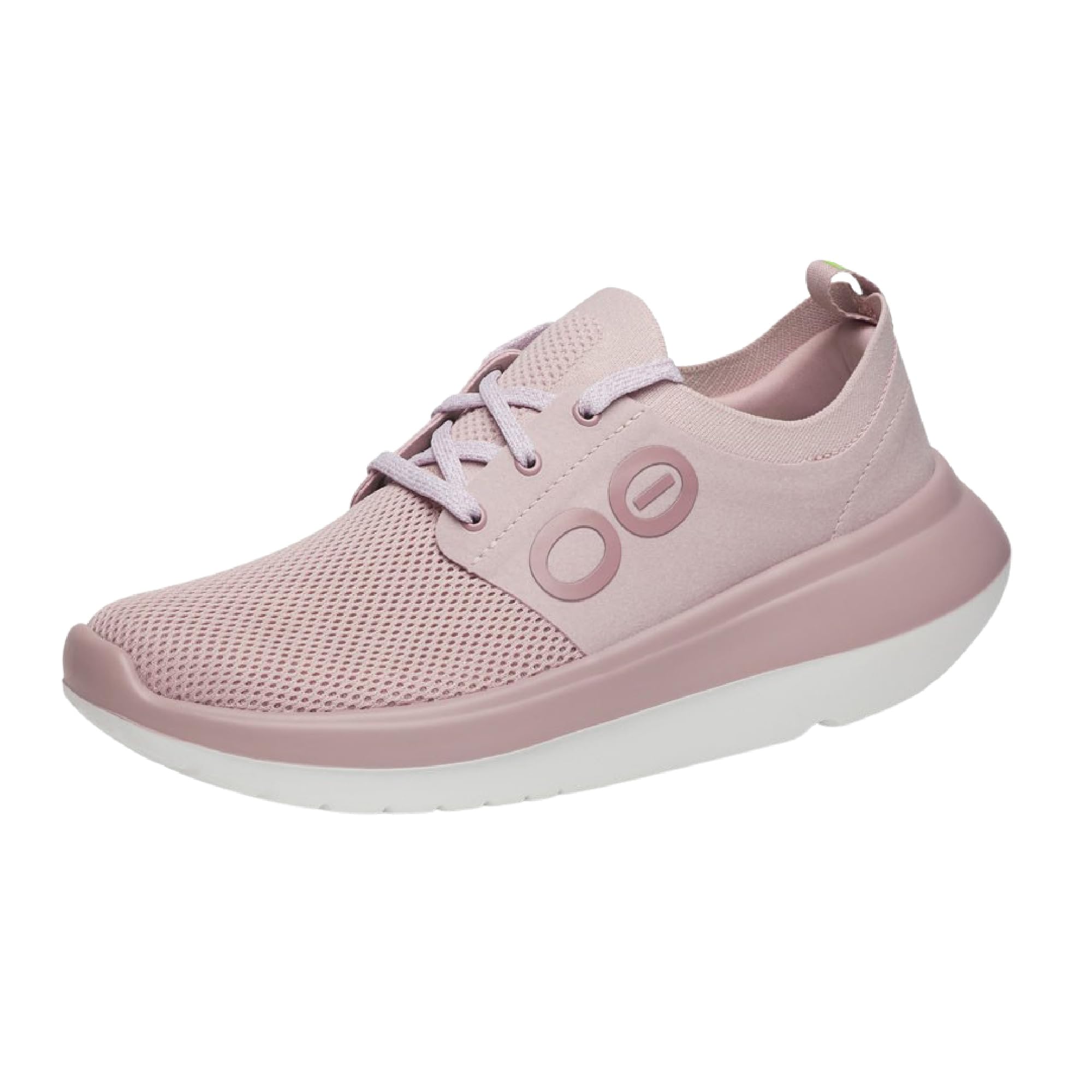
A rockered, cushioned shoe for the day after a long walk and the sore arch that needs support.
OOFOS builds this one as recovery footwear — a shoe whose job is to support your arch and take pressure off your feet and legs. The sole lifts toward the toe in a rocker shape, which helps carry your foot forward instead of letting you land flat, and the cushioned footbed is the kind of soft that sore arches want. One buyer with plantar fasciitis and bunions said it let them walk again. The wide toe area leaves room for toes to spread.
Comfort and arch support are what buyers rave about, and they also note the shoe is lightweight and easy to step into. Many come from this brand’s sandals and buy their first enclosed pair. The shoe works for 8-hour shifts and indoor classes too, and it looks like a sneaker with laces rather than a brace.
The one real caveat is durability. The foam is light, and some customers note the tread wearing through with regular use. That makes this a shoe to rotate with a harder one for long daily mileage, not the only pair in the rotation. The elastic collar can also rub thick ankles, so try it on indoors first.
Best for: sore arches, recovery days, and anyone who wants a cushioned, rockered step without a break-in.
What to size for: the foam is soft and the collar elastic — if your ankles are thick or your foot rubs, check that the collar sits comfortably.
Your pick when: the complaint is under your arch, not across your toes, and you want cushion on recovery days.
Not ideal if: you want one heavy-mileage daily shoe that will take years of abuse.
9. New Balance Women’s FuelCell Walker Elite V1 Walking Shoe
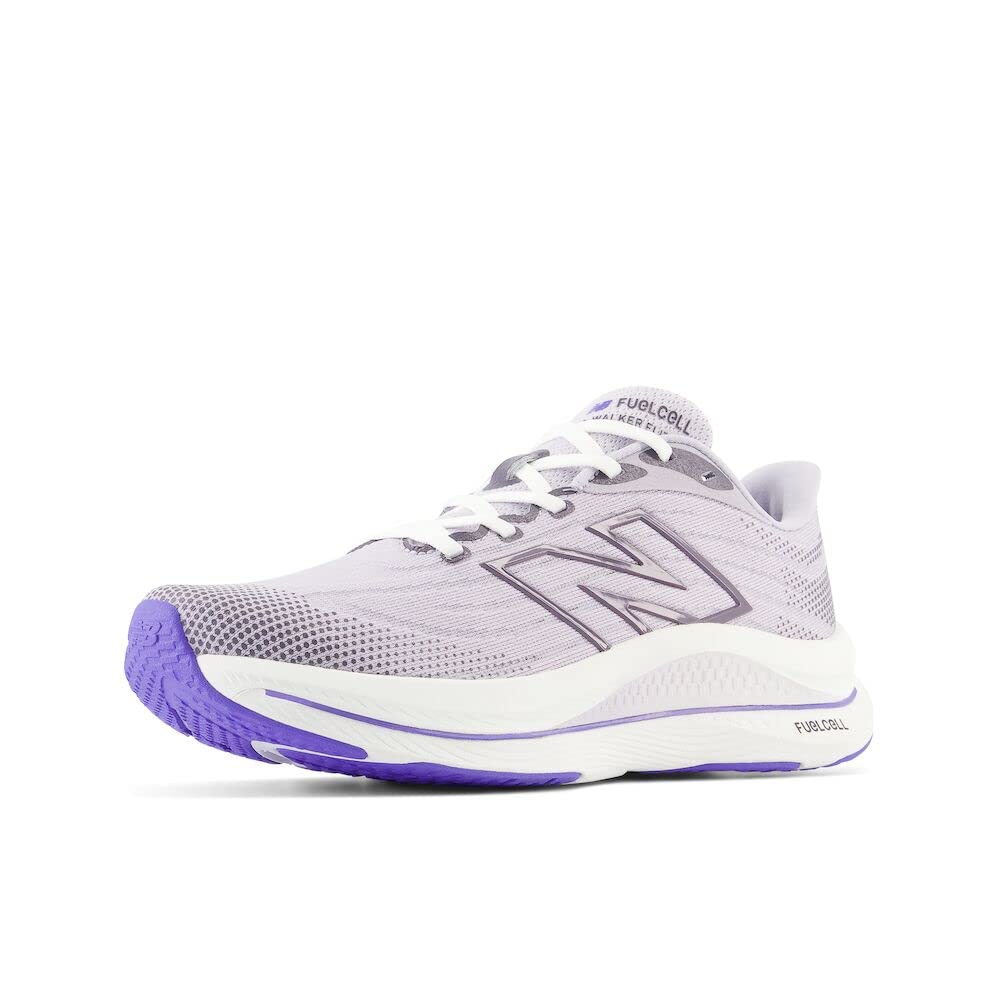
Engineered around the walking stride itself, not the running one.
Most shoes in this article began life as running shoes. This one did not — New Balance built it around the science of walking, which is why the FuelCell cushioning pushes you forward on each step and the Walking Strike Path outsole is shaped to guide your foot heel to toe. A Stability Plane feature underfoot keeps you grounded. That design is aimed squarely at the person who logs serious daily mileage rather than jogging. One power walker logging 30+ miles a week reordered a second pair.
Comfort and build quality are the strengths owners highlight. Arch support gives extra stability on long walks, and buyers who work in classrooms or on their feet all day report minimal pain by evening. The upper is a lightweight engineered mesh that breaths, and the shoe weighs 1.7 pounds per pair.
Fit is where this one asks you to pay attention. The run is short and narrow for many feet, so buyers sized up a half step and moved to an extra-wide for a wide foot. A snug shoe can be fixed with the right size, but order carefully.
Where It Earns Its Place
- Built specifically for the walking stride rather than borrowed from running
- FuelCell cushioning and the Walking Strike Path guide each heel-to-toe roll
- Breathable engineered mesh upper that keeps feet cooler
- Owners who log serious weekly mileage report it holds up
What to Plan Ahead For
- Runs short and narrow — buyers often need to size up half a step
- Wide feet may need the extra-wide option to fit comfortably
- Some owners find one shoe feels tighter than the other
The one for you if: you want a shoe designed for walking and you are willing to order a half size up.
Not your pick if: you want a generous, roomy fit straight from the start.
Know the Specs
Heel-to-Toe Drop
Drop is the height difference between the heel and the toe of the shoe, measured in millimeters. A zero-drop shoe like the Altra Escalante 4 keeps your heel level with your toes, which asks your calf and ankle to do more work and needs a slower break-in. A moderate drop like the 8 mm on the Saucony Ride 18 takes strain off the back of the leg. Neither is automatically better — match the drop to what your body already handles, and switch gradually if you change it.
Toe Box Width
The toe box is the front section of the shoe where your toes sit. A wide toe box, like the FootShape front on the Altra models, lets toes spread and reduces the side-wall rubbing that turns into hot spots over ten miles. A snug toe box can pinch if you have a bunion or a broad forefoot. The fix if you are between widths is usually a half size up, but a shoe that is already narrow will not stretch enough to fix a true wide foot.
Cushioning and Foam Type
Cushioning is the soft layer under your foot, and the foam inside it determines how the shoe feels. Softer, springy foams make the first miles feel easy but can feel unstable late in a long day. Firmer foams hold their shape longer but do not absorb as much impact. Most walkers do best with a moderate depth — deep enough to protect, firm enough to keep your foot from rolling.
Weight and Stability
Weight is given per pair or per shoe, and it matters because you lift your foot thousands of times on a 20,000-step day. A lighter shoe tires your legs less over distance; a heavier one can feel sturdier but adds work. Stability comes from the shape of the sole, the firmness of the heel counter, and the width of the base. Walkers with inward-rolling ankles want the stable end of the range.
Common Questions
How many miles is 20,000 steps in a walking shoe?
Should I buy walking shoes or running shoes for long daily walks?
Is a zero drop shoe good for walking 20,000 steps?
How do I know if I need a wide width?
How long should a walking shoe last before replacing it?
Do these shoes fit orthotic insoles?
What is the difference between the ASICS Gel-Kayano 32 and the Brooks Trace 4?
Are these shoes good for people with plantar fasciitis or knee pain?
Will a cushioned shoe make my feet weaker on long walks?
Can I wear the Skechers Go Walk Glide Step 2.0 for 20,000 steps in a day?
The Bottom Line
For most walkers logging a serious day on their feet, the shoes for walking 20000 steps a day pick to reach for is the Brooks Women’s Trace 4. It pairs a roomy, wide-width front with a quiet, firm, well-built ride, and that is exactly what you want when your feet keep moving long after lunch. If your arches roll inward and you want the shoe to correct your stride, the ASICS Gel-Kayano 32 earns its place with real adaptive support. And for a hands-free slip-on that gets you out the door without bending, the Skechers Go Walk Glide Step 2.0 is the one to pick up. The best move now is to try one on for a week before your next long walk.
How we choose
We do not accept paid placement. Every pick is matched to a real buyer and a real use-case; we do not hands-on test units.
Sources
Specifications: manufacturer listings and product documentation. Review insights: verified customer reviews, as of October 2026. Pricing: not shown on this page (it changes often); check the current price via the retailer link.
As an Amazon Associate, Aappliancez earns from qualifying purchases. This does not affect which products we feature.