Disclosure: Some links in this post are affiliate links. As an Amazon Associate I earn from qualifying purchases, at no extra cost to you. Learn more
Specs are compiled from manufacturer listings and verified buyer reviews and can change over time — please confirm the key details on the product page before buying.
If your feet roll outward and your shoes always wear down on the outside edge, buying a stiff stability shoe usually makes the problem worse. Underpronation (also called supination) means your foot lands hard on the outer heel and never rolls inward enough to spread the impact. What you actually need is generous cushioning and a neutral build that lets your foot move naturally, not a shoe that tries to correct it. That is exactly what this shortlist covers.
This guide is built by comparing the manufacturers’ published specifications and the patterns across verified customer reviews, so you get each pick’s real strengths and trade-offs instead of marketing spin.
Every shoe here is neutral, so none of them fight the way your foot already moves. Pick the wrong one though, and you get a soft shoe that punishes your outer edge instead of protecting it. Below are the shoes for underpronation men worth your money.
Top Picks
How To Choose The Best Shoes for Underpronation Men
The first thing to get right is the arch of the shoe, not the brand logo. A shoe built to stop overpronation (the inward roll) will push your already-outward foot even further out. You want a neutral trainer with soft, deep cushioning under the outer heel.
Look for neutral, not stability
Stability shoes add firm posts inside the midsole to control inward rolling. Your foot does the opposite, so those posts do nothing for you and can feel hard under the midfoot. Most runners with an outward roll do best in a plush neutral shoe that just absorbs impact.
Weight the heel cushioning
Underpronation concentrates force on the outer heel, so the heel needs the deepest cushioning in the shoe. A thick heel stack with a soft foam spreads that landing out over more of the sole instead of pinning it to one edge.
Check the toe box and upper
A snug, roomy toe box keeps your foot from sliding sideways as you land. A gusseted tongue (one stitched to the upper on both sides) holds the midfoot steady without pinching. Look for a secure heel collar so the back of your foot does not wobble.
Match the shoe to how you actually move
You can buy a race-day shoe with a carbon plate (a stiff insert that adds speed) or a cushioned shoe for daily walking on this list. First decide if you need a shoe for errands and commuting or a race-day shoe, then pick the foam and plate setup that fits.
Side-by-Side Comparison
| Model | Best For | Cushioning Type | Build Focus | Stated Weight | Amazon |
|---|---|---|---|---|---|
| ASICS SUPERBLAST 2★ Best Overall | All-round daily trainer | FF BLAST PLUS + FF BLAST TURBO | Responsive bounce, heel stabilizer | 1.44 pounds (stated) | Amazon |
| Mizuno Wave Rider 28Mileage Workhorse | High-mileage road running | MIZUNO ENERZY NXT | Jacquard Air Mesh, smooth transitions | — | Amazon |
| Brooks Glycerin StealthFit 22Slip-On Comfort | Slip-on all-day comfort | Glycerin cushioning (unspecified) | Sock-like StealthFit upper, no separate tongue | 3 pounds (package weight) | Amazon |
| Brooks Revel 8 | Budget daily running | Neutral road cushioning | Lightweight, arch support | 1.5 pounds (package weight) | Amazon |
| ASICS Gel-Cumulus 27 | Soft walking and jogging | PureGEL + FF BLAST PLUS | Heel stability, shock absorption | — | Amazon |
| New Balance Fresh Foam X 860 v14 | Long shifts on your feet | Fresh Foam X | Built-in stability, secure heel | 3 pounds (package weight) | Amazon |
| Saucony Endorphin Pro 4 | Race-day speed | PWRRUN PB + PWRRUN HG | Full carbon-fiber plate, Speedroll geometry | — | Amazon |
| ALTRA Torin 7 | Wide-footed neutral running | ALTRA EGO MAX foam | Zero drop, FootShape toe box | 3 pounds (package weight) | Amazon |
| ASICS Gel-Nimbus 28 | Premium daily comfort | Soft cushioned midsole | Built for outer-heel strikers | 1.44 pounds (stated) | Amazon |
Detailed Reviews
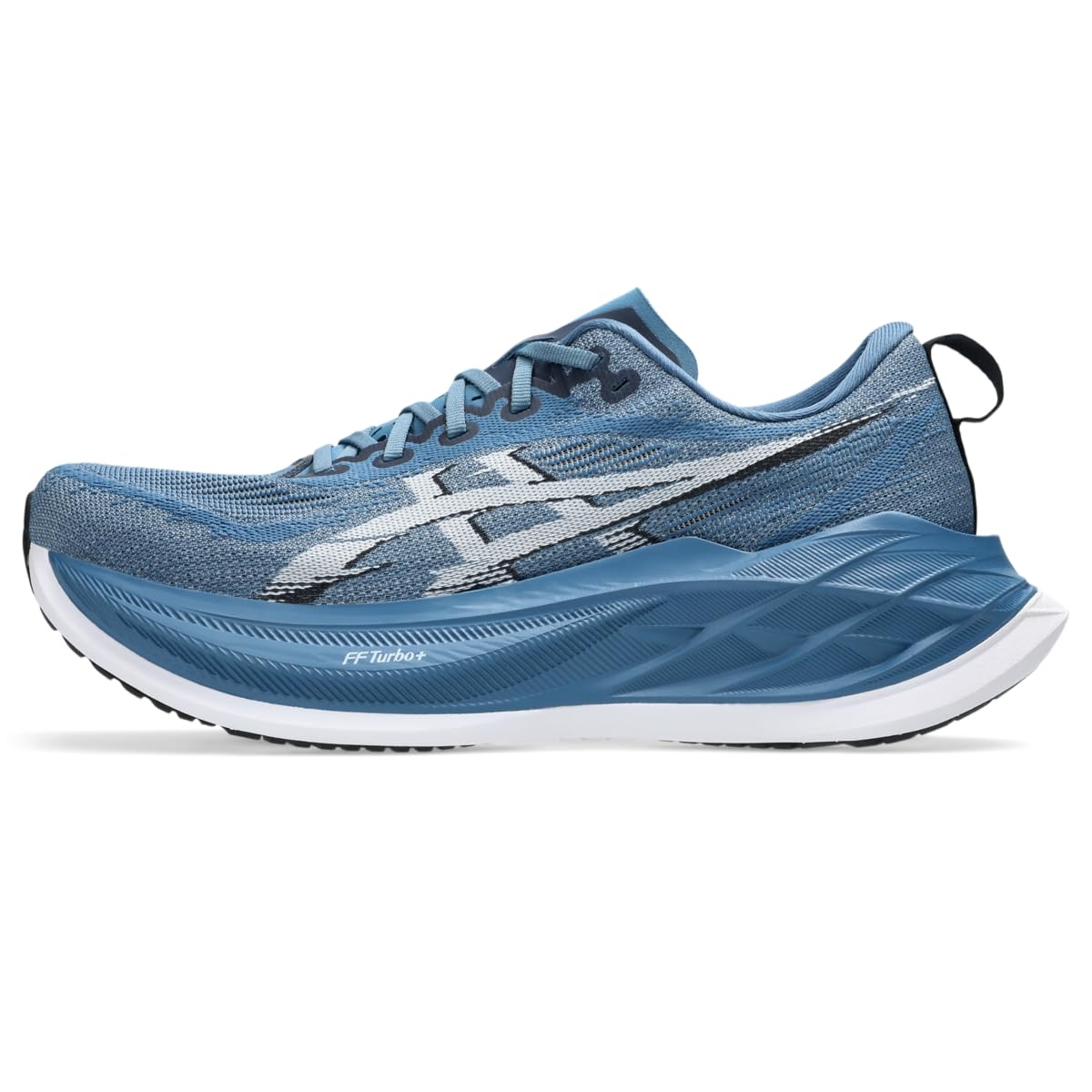
1. ASICS Unisex SUPERBLAST 2 Running Shoes
Our pick — 4.5+★ from 1,000+ verified ratings; the strongest balance of quality and price.
The rare trainer that springs back harder as the miles pile on.
Twin foam layers do the heavy lifting here. The midsole pairs FF BLAST PLUS (a light, bouncy foam) with FF BLAST TURBO, the same foam ASICS puts in its METASPEED racing shoes. That combination is what gives you the energized push-off. For a foot that lands hard on the outer heel, that rebound takes pressure off the edge of your strike instead of hammering it.
The heel stabilizer — a firming piece at the back of the shoe — keeps your foot centered as it lands and pushes forward in a more balanced line. A gusseted tongue (stitched to the upper on both sides) holds the midfoot snug without pinching. The engineered mesh upper breathes well on warm days, and the AHARPLUS heel plug rubber reinforces the spot that wears fastest — right where an outward-rolling foot grinds first.
What people love most is the midsole, and it holds up. Buyers report the cushioning “actually improves over time – feels better than new at over 120 miles,” and one owner logged roughly 500 miles with the foam barely worn. Some find the sizing generous, so try before you commit if you sit between sizes. At 1.44 pounds for a shoe this deep, the weight stays honest.
superbouncy daily trainer
- FF BLAST PLUS and FF BLAST TURBO foam together give a responsive, energized push-off
- AHARPLUS heel plug rubber reinforces the highest-wear zone
- Cushioning holds up past 120 miles and improves with use
- Gusseted tongue and heel stabilizer keep the foot centered
pricey for mileage
- Sizing splits buyers — some say true to size, others find it too big
- Its neutral build is a lot of shoe for a walker who just needs padding
daily runs: you want one trainer that handles fast 5Ks and slow 20-milers with deep, springing foam.
tight budgets: order your usual size only if you have tried ASICS recently — the fit runs generous for some.
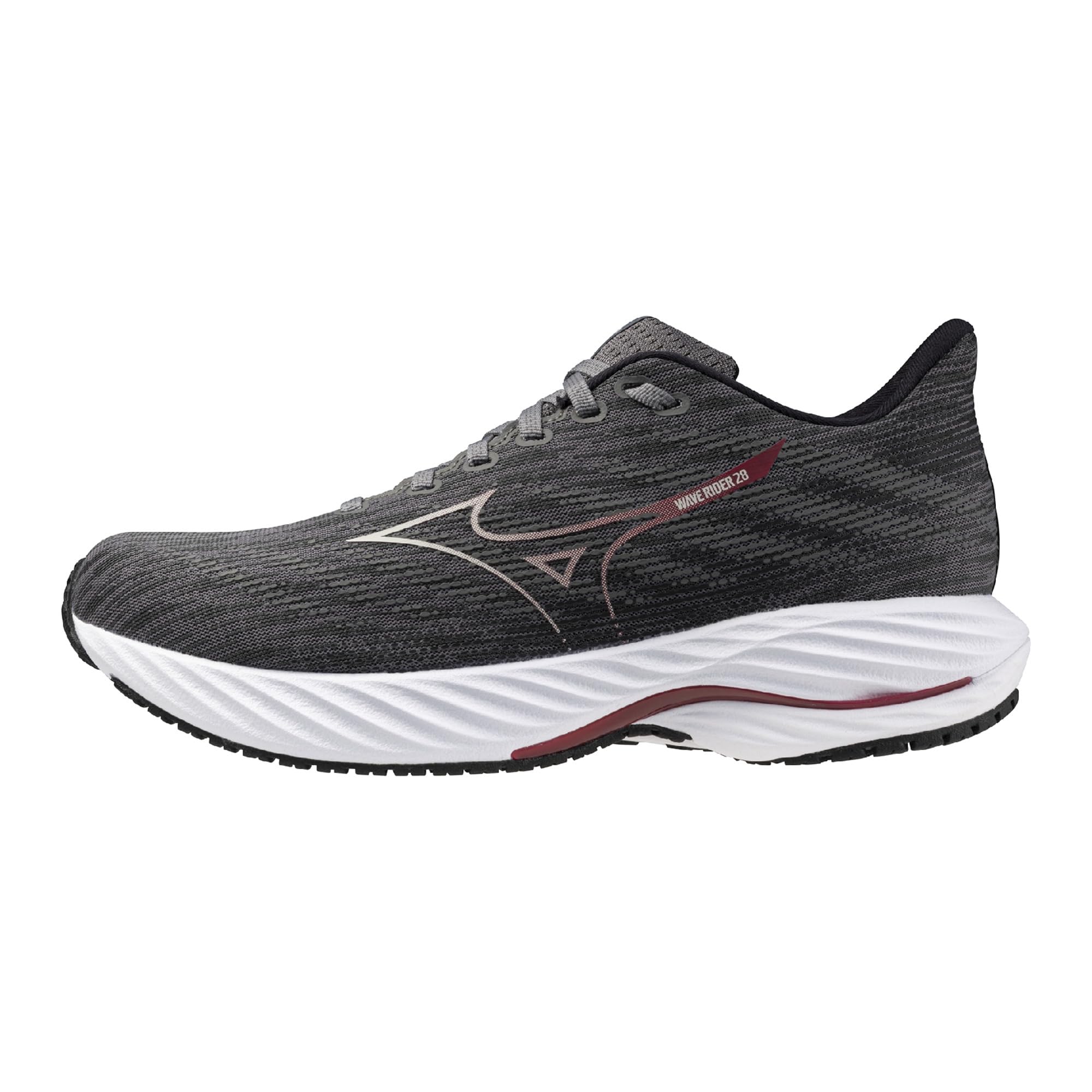
2. Mizuno Mens Wave Rider 28
Built to soak up serious weekly mileage without falling apart.
The Wave Rider 28 runs on MIZUNO ENERZY NXT foam, tuned for a soft landing that still pushes back. For a foot striking the outer heel, that softness takes the sting out of the landing while the foam returns some of that energy on the way out. The breathable Jacquard Air Mesh upper keeps the shoe from turning into a sauna on long summer runs.
Durability is where this shoe earns its keep. One buyer reports walking “2500+ miles a year and these hold up,” and another goes through two pairs a year covering that distance. That is a lot of landing and rolling from an outward-striking foot, and the shoe keeps coming back. Support is the second thing owners call out — enough structure through the midfoot to stop your foot from wobbling sideways as you push off.
The catch is forefoot width. Several buyers find the toe area narrow and had to go up from their usual size, and one long-time wearer noted the toe box is tighter than earlier versions. If your feet are broad up front, try this one before you commit — the shape is the thing to check, not the foam.
everyday miles: if you log heavy weekly mileage and need a shoe that survives the grind.
soft ride fans: if you have a wide forefoot and need space to spread your toes.
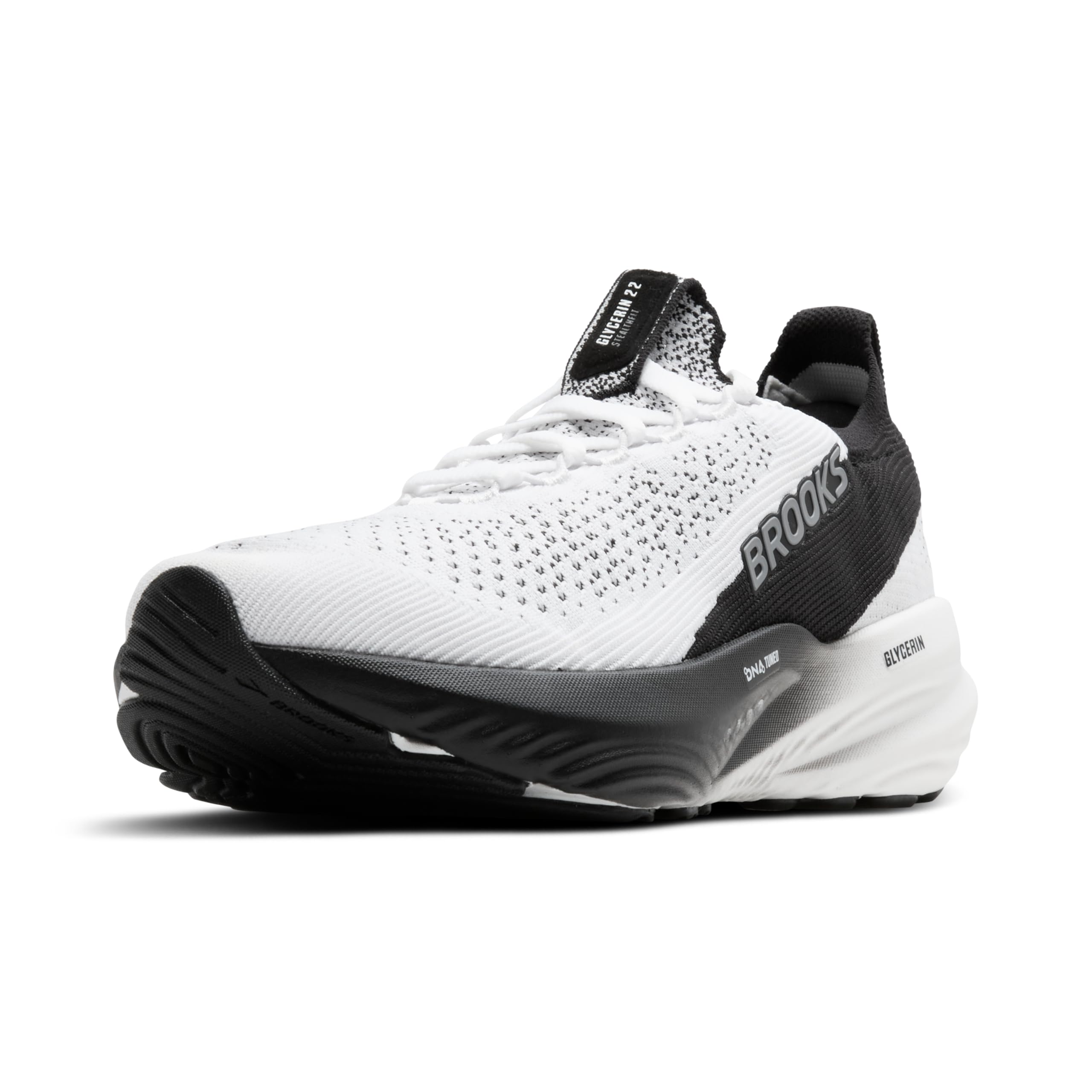
3. Brooks Men’s Glycerin Stealthfit 22 Neutral Running Shoe
A shoe you pull on like a sock and forget you are wearing.
The StealthFit build drops the separate tongue entirely and wraps the foot in one sock-like upper. There are no seams or loose flaps to push against your instep, which is a real win when your foot moves outward and needs to stay put inside the shoe. A secure heel loop helps you tug it on, and the upper molds to your foot without feeling tight.
This is the pick for standing on your feet all day. Owners in healthcare and custodial work wear these for full shifts and report no foot fatigue, and the cushioning keeps its spring for long walks and light jogs. A 10-out-of-10 comfort score from one buyer sums up the consensus. The generous cushioning softens how hard your outer heel hits the pavement.
The honest trade-off is support. Buyers needing strong arch support or stability control note the shoe is not built for that — which, for a neutral outward-striking foot, is exactly the point, but do not expect a rigid frame. The black-on-the-sole color can also wear off over time.
plush neutral comfort: the slip-on upper and cushioned ride suit teachers, nurses, and anyone on concrete for hours — no laces to tie every morning.
heavier build: no plate or rocker here, just a soft neutral trainer that favors comfort over speed.
easy recovery days: all-day standing and walking in a shoe you can step straight into.
tempo sessions: you want firm arch support or a shoe built for speed work.
4. Brooks Men’s Revel 8 Running Shoe
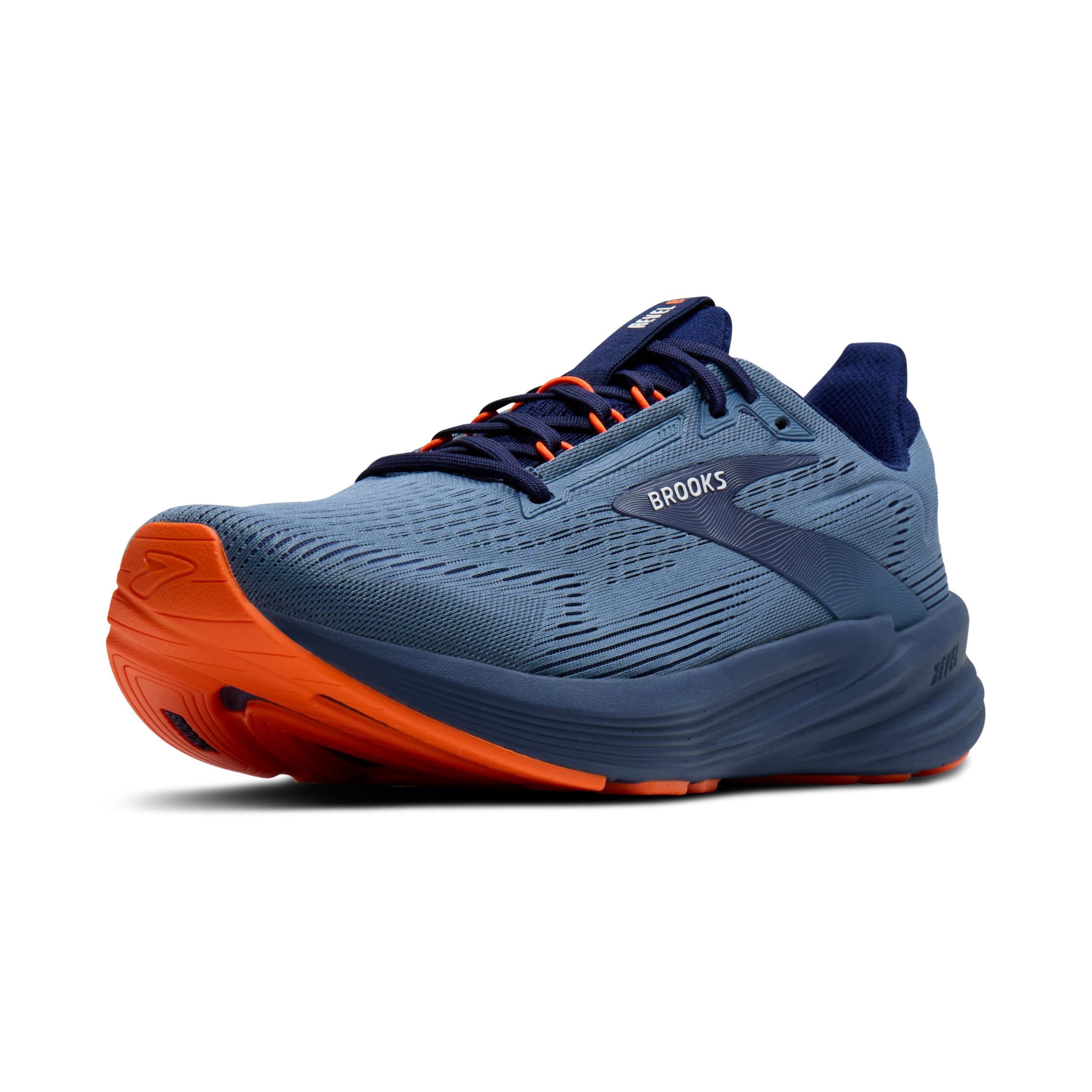
The lightweight entry point if you want neutral cushioning without paying for a plate.
The Revel 8 keeps things simple: a light, flexible neutral shoe with enough cushioning for daily runs and errands. Buyers describe the ride as walking on clouds, with good arch support built in. At a stated 1.5 pounds it stays easy on tired legs mile after mile.
For a newer runner with an outward roll, this is a sensible first pick. One buyer returning to running after 22 years found it supportive with enough ground feel to trust your footing, and it held up to all-day walking plus 10k–15k step days. Another wears the same pair on a home treadmill with a perfect fit.
Two things to watch. The sizing runs about a full size small for many people, so size up before you order. And the cushioning is on the firmer side — buyers with high arches on 10-hour standing shifts found it short on support and reached for insoles. If deep plush is what you want, spend up to the SUPERBLAST 2 instead.
new runners: a budget-conscious runner who wants a light neutral shoe and can size up.
long distances: you have high arches and stand all day — the support runs shallow.
5. ASICS Men’s Gel-Cumulus 27 Running Shoes
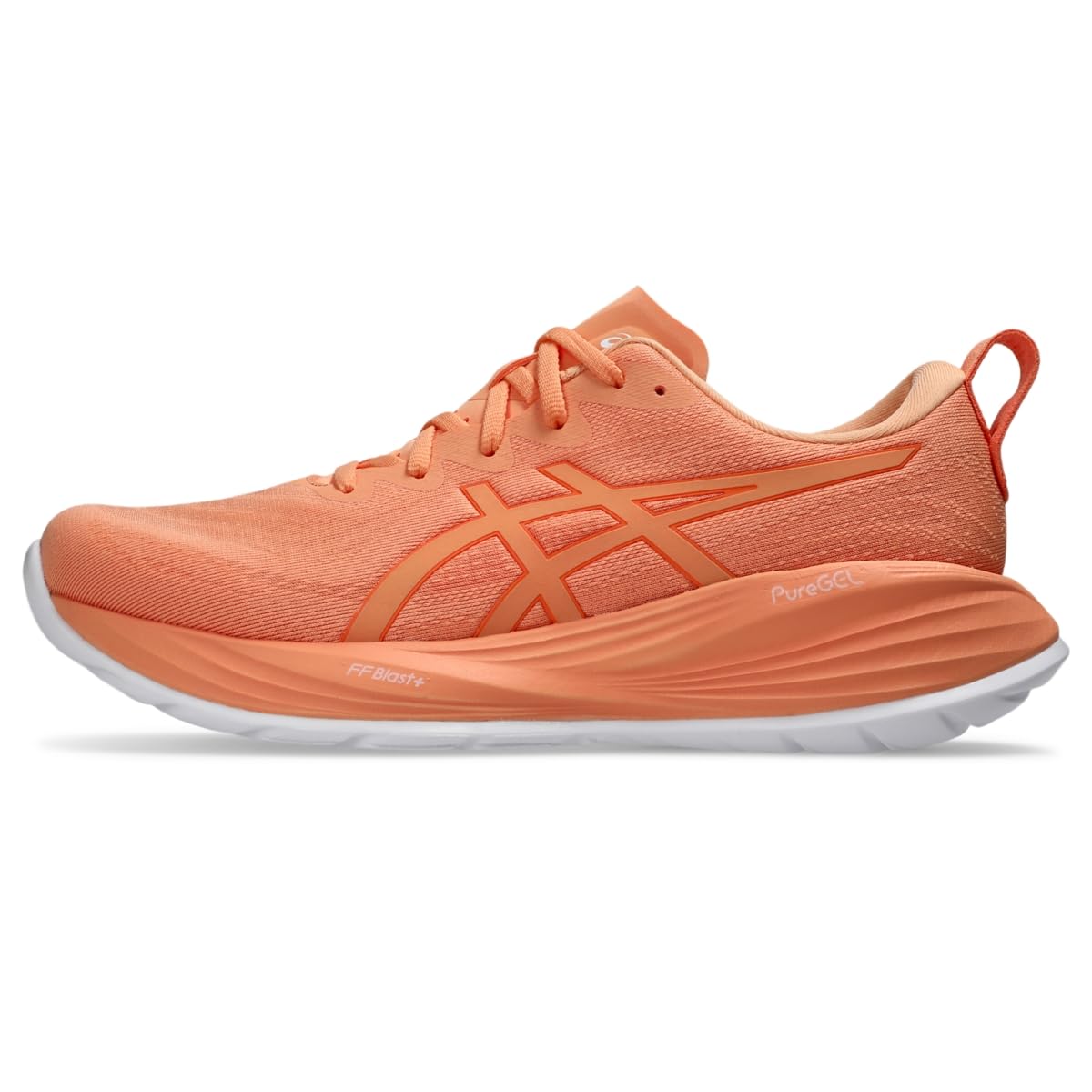
PureGEL under the heel, tuned for feet that come down hard on the outside edge.
The Cumulus 27 leans on PureGEL, a soft gel unit in the heel that absorbs impact before it reaches your joints. Combine that with FF BLAST PLUS foam in the midsole and a FluidRide outsole, and you get a smooth, cushioned landing. For an outward-striking foot, a soft heel and stable back end mean less jarring on that outer edge.
Owners find the cushioning “just right” — not too much, not too little — and the heel stability earns repeated praise. This is also a genuine everyday shoe. Nurses and healthcare workers wear them through 8–10 hour shifts on concrete, and they break in fast. True to size with extra toe room for most feet.
The honest limit is the outsole. Owners mention the tread is thin foam rather than rubber, so wet traction is weak and durability suffers on prolonged outdoor use. If you mainly walk indoors or on dry pavement, you are fine. If you want a shoe that holds up on wet roads, look at the Gel-Nimbus 28 instead.
heel-strike cushioning: PureGEL plus a stable heel is made to swallow a hard outer-heel strike — a good match for supinators who want a soft, grounded landing.
heel strikers: you want a soft, supportive walker or light jogger for dry surfaces.
midfoot landers: thin foam tread means wet pavement and heavy outdoor use wear it down fast.
6. New Balance Mens Fresh Foam X 860 V14
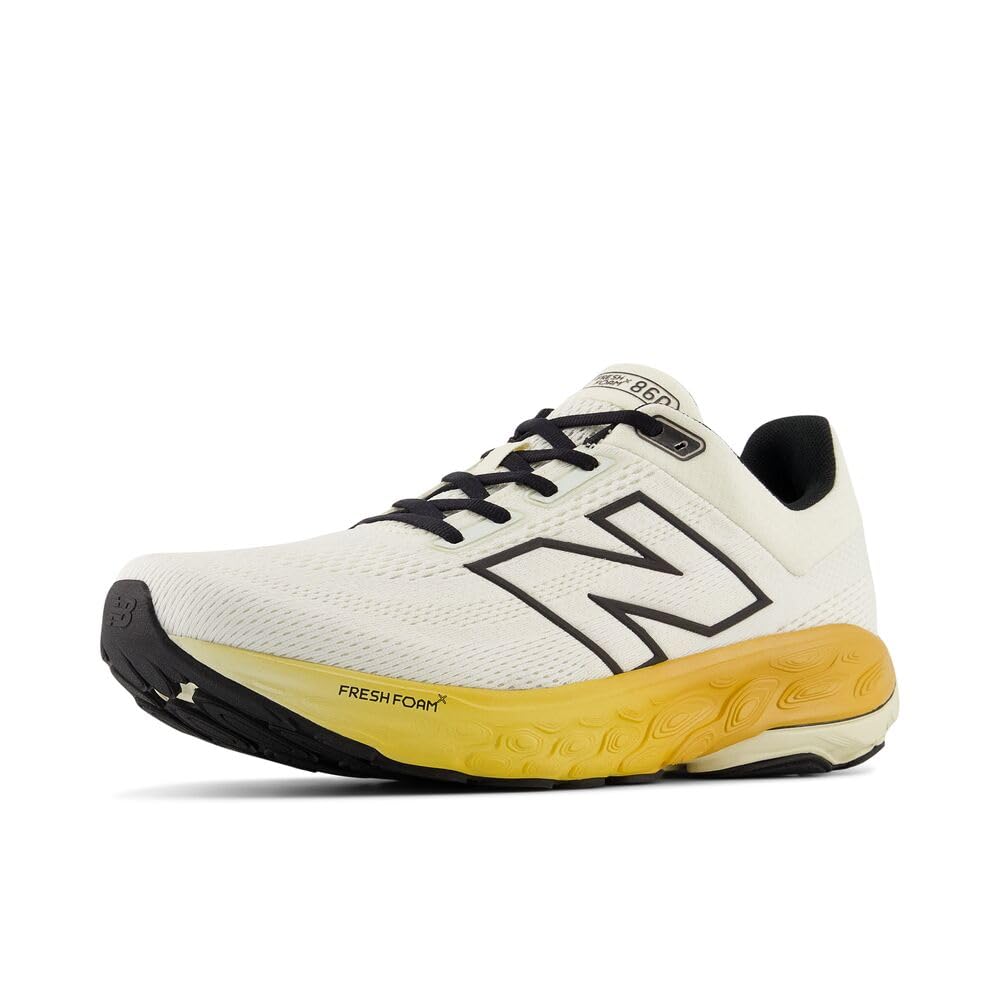
A stability shoe that earns its keep for long days on hard floors.
New Balance built the 860 v14 for road running on a Fresh Foam X midsole, a foam tuned for comfort that lasts a whole run. A secure heel and built-in support frame the foot, which matters when you are on your feet for hours. Two miles a day without pain is the pattern owners describe, along with solid arch and ankle support.
This one leans toward the stability end, and that is a point to weigh. It is designed more for an inward-rolling foot, so a strongly outward-rolling foot may find the support rail irrelevant. That said, the wide fit and cushioned landing still work well for heavy walking, and buyers in nursing and hospital work swear by the stabilizing feel through long shifts.
The fit is the strongest thing about it — wide sizes and a broad toe box help nonstandard feet, bunions, and swelling. One caveat: the cushioning can feel firm and pushy at first while it breaks in, so give it a few walks. And the brighter colorways show dirt fast.
overpronators: long shifts and daily walking when you want a secure, wide, supportive fit.
neutral runners: the support is tuned the other way — you will still get comfort, just not the neutral flex of the SUPERBLAST 2.
7. Saucony Men’s Endorphin Pro 4 Sneaker
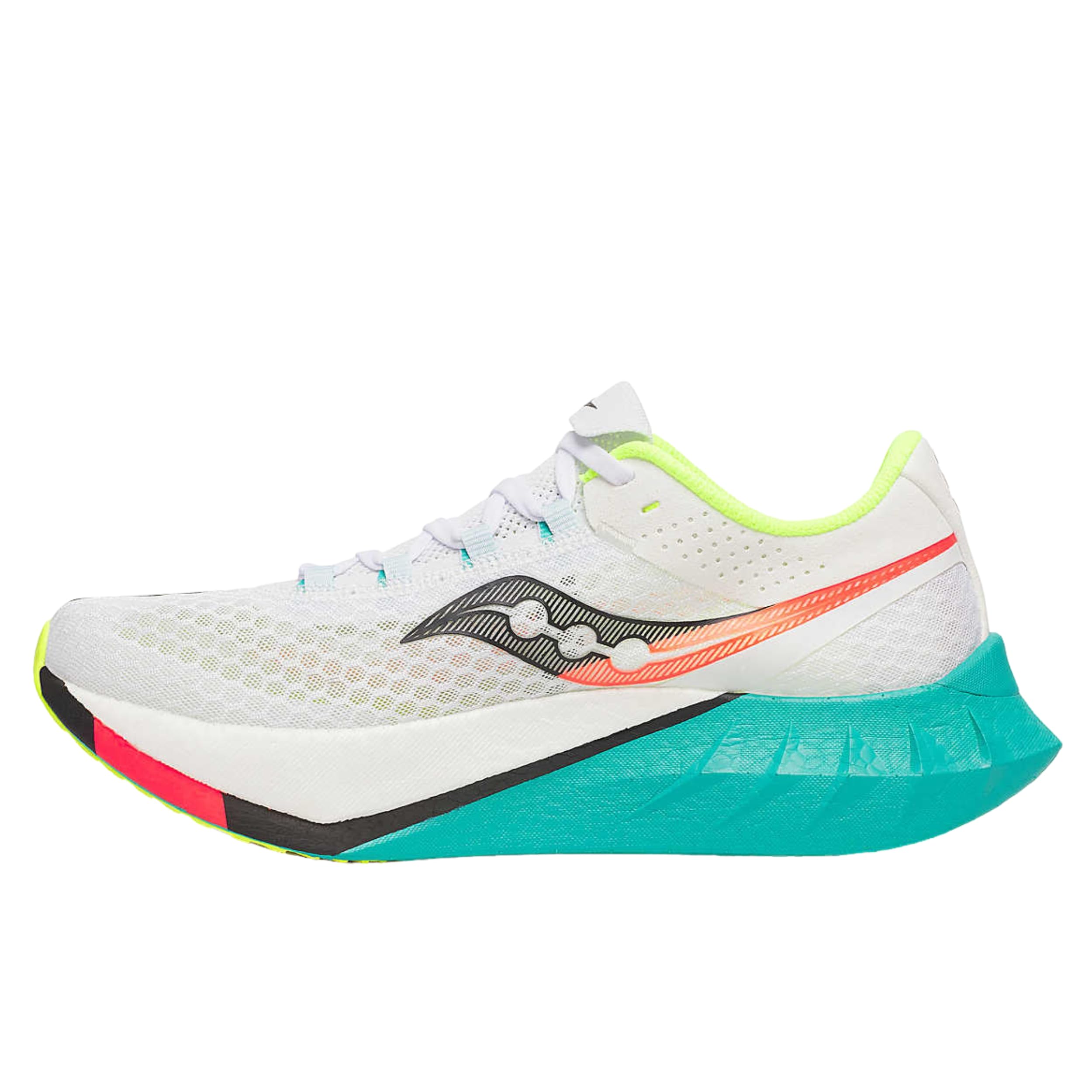
A carbon-plated racer that turns a stiff outward stride into forward motion.
Saucony fuses PWRRUN PB and PWRRUN HG foam underfoot — an industry first, in its words — and adds a full carbon-fiber plate for stiffness. Speedroll rocker geometry then rolls you forward with every step. For an outer-heel striker, that rocker smooths the hard landing into a quicker push-off instead of letting you stall on the edge.
Runners feel the difference on race day. One 74-year-old flat, wide-footed heel striker ran a 5K at 8:45/mile versus 10+ minutes in training, and calls the ride light but stable. One buyer logged well over 1500 miles on-road and off, crediting the carbon plate for a real difference. The engineered mesh upper stays airy and secure as the pace climbs.
Do not buy this as your daily trainer. The tall stack and stiffness are built for speed, and a muddy trail will have it slipping. It is best on road and hard surfaces, and the thin upper is not waterproof. Go in knowing it is a race shoe and it delivers.
carbon-plated racing speed
- Full carbon-fiber plate adds stiffness and energy return
- Speedroll rocker promotes quick, smooth transitions
- Light feel that stays stable for wider, flatter feet
- Breathable engineered mesh upper for race-day airflow
stiff break-in
- Grippy on road, but slips on muddy trails
- Thin upper is not waterproof
- Not a cushioned daily walker — this is a speed tool
race day: race day and tempo runs when you want a plate and rocker working for you.
easy jogs: you need one shoe for everything — you will want a plush neutral trainer alongside it.
8. ALTRA Men’s Torin 7 Road Running Shoe
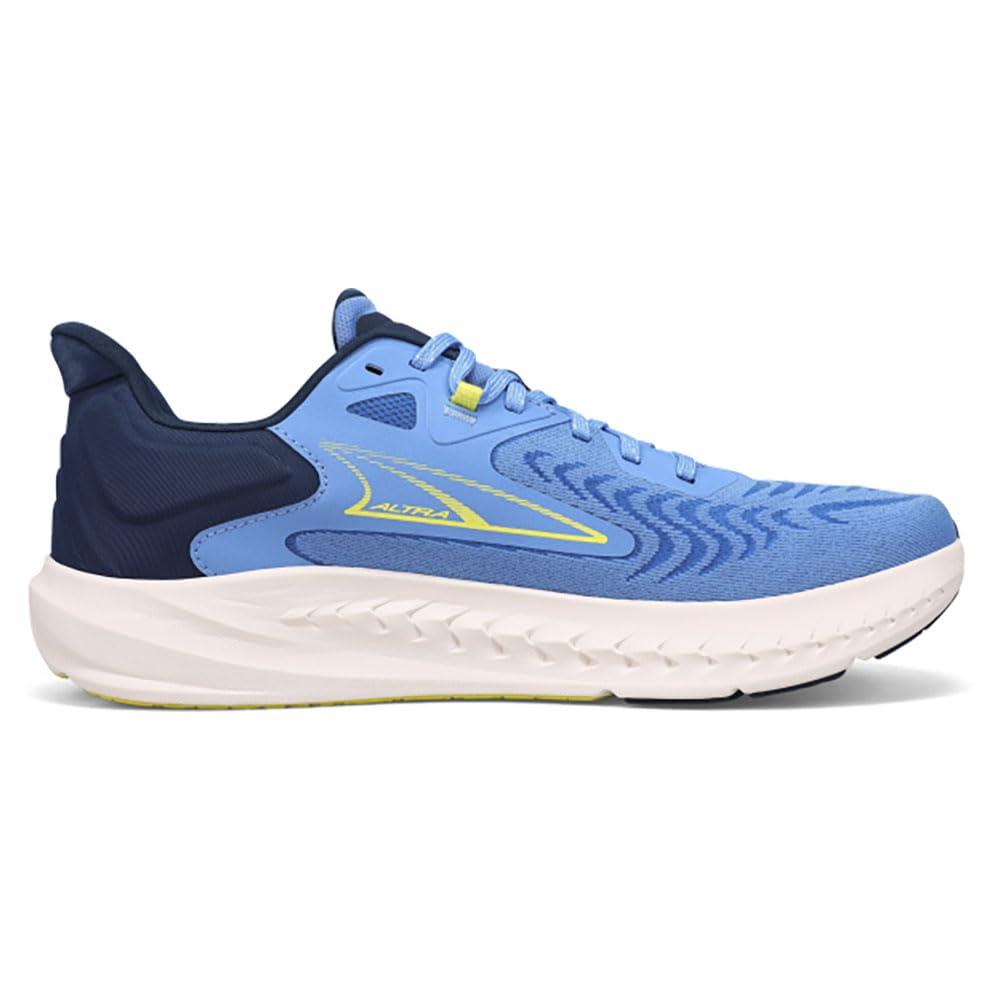
Zero drop and a toe box wide enough for your foot to do its own thing.
ALTRA redesigned the Torin 7 with two extra millimeters of ALTRA EGO MAX foam in the midsole for more bounce. The tongue is rebuilt for a plush feel, a molded heel collar locks the back of your foot down, and the mesh upper breathes. Balanced Cushioning and a Standard FootShape fit let the foot spread naturally as you land.
The wide toe box is the headline. Runners with wide feet finally get room, and one former ASICS and Brooks runner credits the toe spread and cushioning with fewer injuries. Even narrow-footed owners find the box wide but not sloppy. The zero-drop platform (heel and toe at the same height) changes how you land over time.
The real caveat is the upper. Long-time wearers note the fabric quality has slipped and can crack after about a year of use. That said, the foam and fit win a loyal following, and the zero-drop design is genuinely comfortable on day one.
wide feet: wide-footed runners who want room and a natural zero-drop landing.
heel strikers: if you want a long-wearing upper, watch for cracks — and if you prefer a supportive heel drop, this is flat by design.
9. ASICS Men’s Gel-Nimbus 28 Running Shoes
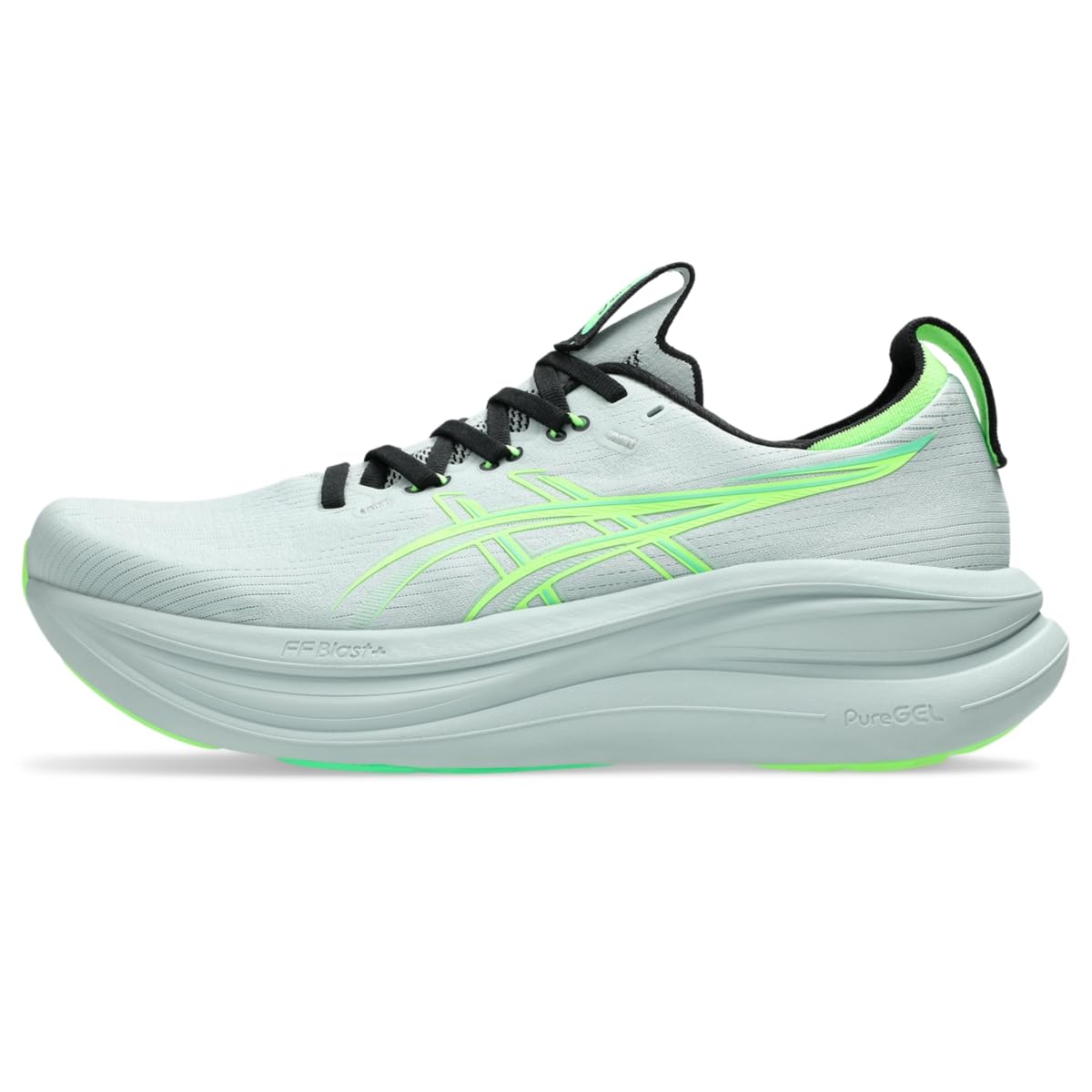
One of the few big-name trainers that explicitly names an outward-striking foot.
ASICS lists this shoe as built for runners whose feet strike the outer heel first and need more shock absorption — the honest definition of underpronation. The soft, cloudlike midsole takes the impact, and the design keeps the ride under control. ASICS also states the Nimbus 28’s carbon footprint is 27% lower than the industry average.
The cushioning and stability are what owners come back for. Runners logging about 26 miles a week with knee arthritis finish 10Ks and half-marathons in them, and the wide soles help prevent ankle twists in ruts and potholes. It suits marathon training, all-day wear, and healthcare shifts where you are on your feet for hours. Fit is true to ASICS sizing for most.
The two things to know: the fit runs narrow for some buyers, so try it if your foot is wide — one owner nearly returned it over the tightness before it broke in. And longevity is the weak spot, with sole separation showing up on very heavy daily step counts. It is a comfort-first premium shoe, not a mileage marathoner.
max cushioning comfort: cushioning tuned for an outer-heel landing is the exact job here, and the stability keeps it planted through long miles.
premium price: at 1.44 pounds it stays light for the stack, but heavy walkers should expect to replace it sooner.
long easy runs: your shoe needs explicit underpronation support and you want premium cushioning.
tight budgets: if you need a wide fit, since the Nimbus 28 runs narrow.
Know the Specs
What underpronation actually is
Underpronation — also called supination — means your foot lands on the outer heel and does not roll inward enough. That pushes all the shock onto one edge. A neutral cushioned shoe spreads the landing out instead of trying to correct the roll.
Why a carbon plate changes the landing
A carbon-fiber plate adds stiffness along the length of the shoe so it rolls you forward with less effort. It is a race-day tool, not something you want in a shoe for long walking days. It shifts the foot off that outer edge and onto a smoother path.
Rocker geometry, explained
A rocker (like the Speedroll shape) curves the sole so the shoe helps you tip forward. For an outward-striking foot it turns a stiff heel landing into a quick transition, cutting the stall on the outside edge.
Zero drop versus heel stack
Zero drop means the heel and toe sit at the same height, which lets the foot land flat and use its full width. A taller heel stack puts more foam under a hard outer-heel strike. Which you want depends on how much cushioning you need.
Common Questions
Are stability shoes bad for underpronation?
How do I tell if I underpronate?
Can a carbon plate help an outward-rolling foot?
What is the difference between underpronation and overpronation?
Do I need a wide toe box for underpronation?
How many miles will these running shoes last?
Should I size up in these shoes?
Is a zero-drop shoe good for underpronation?
Can I use a running shoe for all-day walking?
Do these shoes need a break-in period?
The Bottom Line
For most underpronators, the shoes for underpronation men winner is the ASICS SUPERBLAST 2 because its dual foam and heel stabilizer cushion the outer-heel strike while still springing back mile after mile. If you want explicit outward-strike support in a premium package, grab the ASICS Gel-Nimbus 28 — ASICS lists it for exactly that foot. And for race day, the Saucony Endorphin Pro 4 turns a hard outward landing into forward speed. Treat that as the one honest nudge here: the SUPERBLAST 2 is the crowd favorite that also earns its top spot on the spec sheet.
How we choose
We do not accept paid placement. Every pick is matched to a real buyer and a real use-case; we do not hands-on test units.
Sources
Specifications: manufacturer listings and product documentation. Review insights: verified customer reviews, as of October 2026. Pricing: not shown on this page (it changes often); check the current price via the retailer link.
As an Amazon Associate, Aappliancez earns from qualifying purchases. This does not affect which products we feature.