Disclosure: Some links in this post are affiliate links. As an Amazon Associate I earn from qualifying purchases, at no extra cost to you. Learn more
Specs are compiled from manufacturer listings and verified buyer reviews and can change over time — please confirm the key details on the product page before buying.
Iceland in winter punishes the wrong footwear fast — wet snow, sheet ice on Reykjavik pavements, and meltwater that soaks through in minutes. What you need is simple: a boot that stays dry, keeps your toes warm on a gusty shoreline, and grips when the path turns to glass. The Dryshod Arctic Storm Hi takes the top spot for the coldest, wettest days, and every pick below is chosen to survive real Icelandic winter conditions rather than a mild city commute.
This guide is built by comparing the manufacturers’ published specifications and the patterns across verified customer reviews, so you get each pick’s real strengths and trade-offs instead of marketing spin.
You’ll see what actually keeps feet dry on slush-covered lava trails and which pairs stay comfortable on a full day of driving the Ring Road. Read on for the boots that keep your feet dry and upright on slush, ice, and wet snow.
Top Picks

How To Choose The Best Shoes for Iceland Winter
Buying winter boots for Iceland is not the same as buying winter boots for a dry, cold city. You are dealing with wet snow, sudden rain, coastal wind, and pavements that turn slick within an hour of a thaw. The boot has to handle three jobs at once: keep water out, hold heat in, and grip ice.
Waterproofing beats warmth on most days
A boot rated for extreme cold but built without a proper barrier will still leave your feet soaked in an Icelandic slush puddle. Look for a boot that states it is fully waterproof — not water-resistant — with sealed seams or a liner membrane. That means the difference between dry wool socks at the end of a waterfall hike and a squelching walk back to the car.
Match insulation to the temperatures you will actually face
Insulation is often listed in grams, which tells you roughly how much fill sits between you and the cold. A 400-gram boot like the Oboz Bridger is a serious cold-weather boot, while a lower-gram boot works for milder days and active hiking where your feet generate their own heat. For most winter trips to Iceland, a mid-to-high gram boot with a warm sock is the safer bet.
Grip matters as much as heat
Icelandic ice is not uniform. You get glassy black ice on sidewalks, packed snow on trails, and wet rock near geysers. A deep, multi-directional lug pattern sheds mud and grabs uneven ground, whereas a flat sneaker-style sole will skid. If you plan to walk on glaciers, pair a grippy boot with a strap-on spike, since no rubber outsole replaces real crampons.
Side-by-Side Comparison
| Model | Best For | Insulation | Waterproofing | Weight | Amazon |
|---|---|---|---|---|---|
| Dryshod Arctic Storm Hi★ Best Overall | Deep cold and wet snow | 6 layers + EVA midsole | HydroKote, 100% waterproof | 16 ounces | Amazon |
| Oboz Bridger 10″ Insulated B-DRYBest for Trails | Winter hiking and trail work | 400g Freeze Guard | B-DRY membrane | 26.9 oz / 763 g | Amazon |
| Columbia FirecampBest Everyday Pick | Everyday city walking | Low-bulk insulation | Waterproof construction | — | Amazon |
| Helly Hansen Adore | Stylish lightweight wear | Primaloft insulation | Waterproof suede | — | Amazon |
| Kamik Momentum 3 | Extreme cold on a budget | 145g HeatMX | Seam-sealed 600D nylon | 2.13 lbs | Amazon |
| KEEN Revel III Mid | Wide feet and all-day comfort | Thermal heat shield | Waterproof, breathable | 1.31 pounds | Amazon |
| North Face Chilkat V Lace-up | Balanced warmth and weight | 200g insulation | Waterproof | — | Amazon |
| North Face Chilkat 400 | Long hours standing in cold | 400g insulation | Waterproof rubber and leather | 1.63 pounds | Amazon |
| Helly Hansen Garibaldi VL | Style plus winter protection | Faux fur lining | Waterproof nubuck, sealed seams | 2.6 pounds | Amazon |
Detailed Reviews
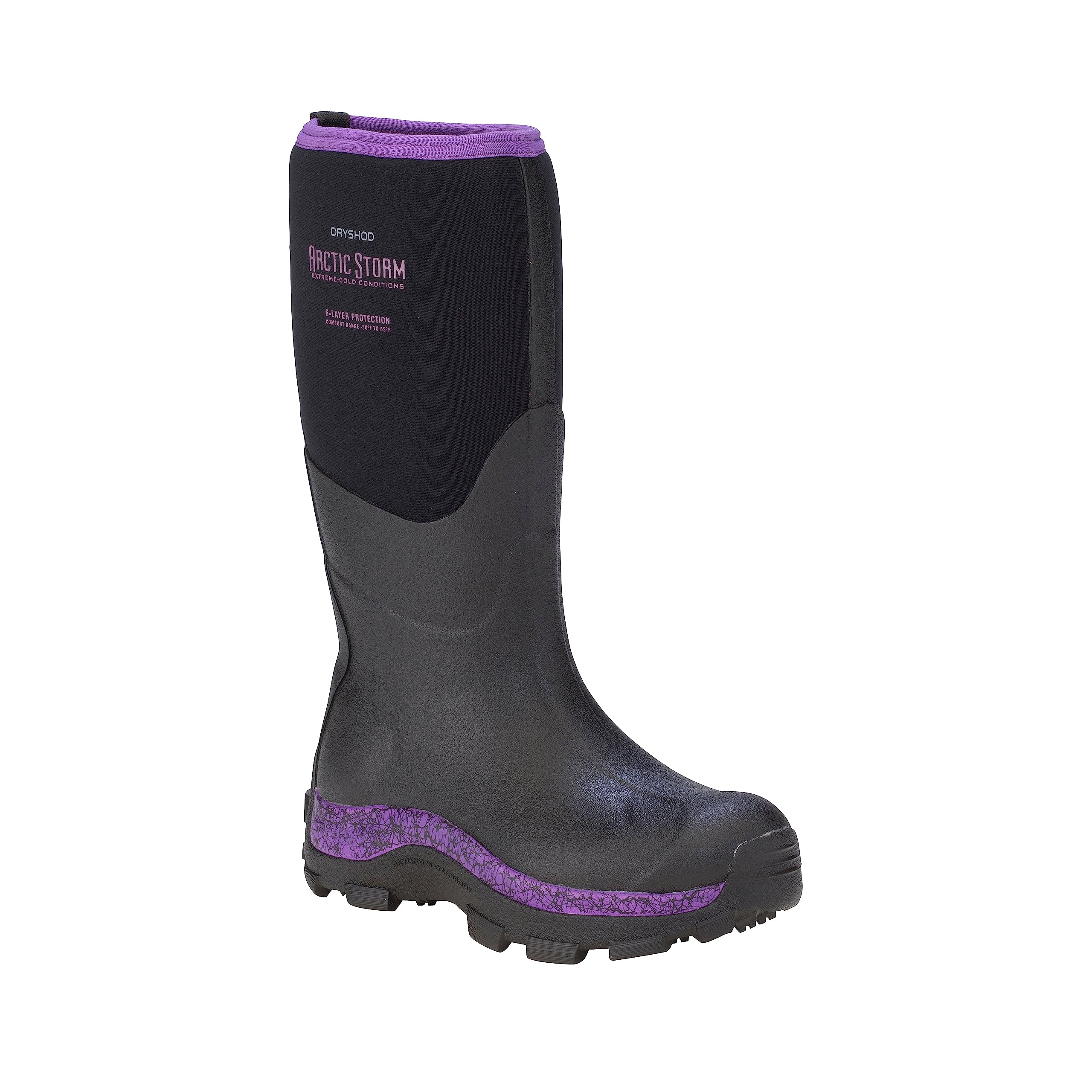
1. Dryshod Arctic Storm Women’s Winter Boot
Our pick — 4.5+★ from 450+ verified ratings; the strongest balance of quality and price.
Seven stacked layers and a cold-blocking sole for the days Iceland turns genuinely brutal.
The headline here is the layering: a 5.5 mm bootie, 2.5 mm DENSOPRENE XD foam, 2 mm airmesh, 2 mm warm fleece lining, and an EVA cold-blocking midsole add up to seven layers of protection. Rated for a comfort range of -50° to 65° F, this is a boot for standing in slush at a glacier lagoon, not just hopping between shops. At 16 ounces it stays light enough to walk in all day.
Water repellency is the other half of the Icelandic equation. HydroKote makes water roll off the nylon outer and dry in seconds, so the exterior textile resists icing up and stops holding water in the fibers. The DS1 two-piece outsole pairs natural rubber with a cold-blocking EVA midsole, and the lug design sheds mud and debris as you walk — a real help on a wet, churned-up trail.
On real feet, warmth and comfort carry the day. Buyers report sledding through knee-deep snow without cold toes, and the wide shaft fits tucked-in pants comfortably. Worth knowing: the boot arrives stiff, so the first couple of wears are a wrestle at the door. And while most owners get years out of them, one long-term farm worker found a small side crease opened into a 1-inch gap after two years of daily use, fixed with shoe glue and waterproof tape.
Where it earns its keep
- -50° to 65° F comfort range with seven layers of insulation
- 100% waterproof HydroKote shell dries in seconds
- DS1 natural rubber outsole with mud-shedding lugs
- Roll-down calf pipe and pull tabs for easy on and off
Where it asks a little patience
- Stiff at first — break-in takes a couple of wears
- Fit runs mixed on some feet, so try before you commit
- Not a true hiking boot for technical snow
Reach for these if: you want warm, dry feet standing around in deep snow and subzero wind.
Look elsewhere if: you need a flexible trail boot for scrambling — this one is built for standing and slogging.
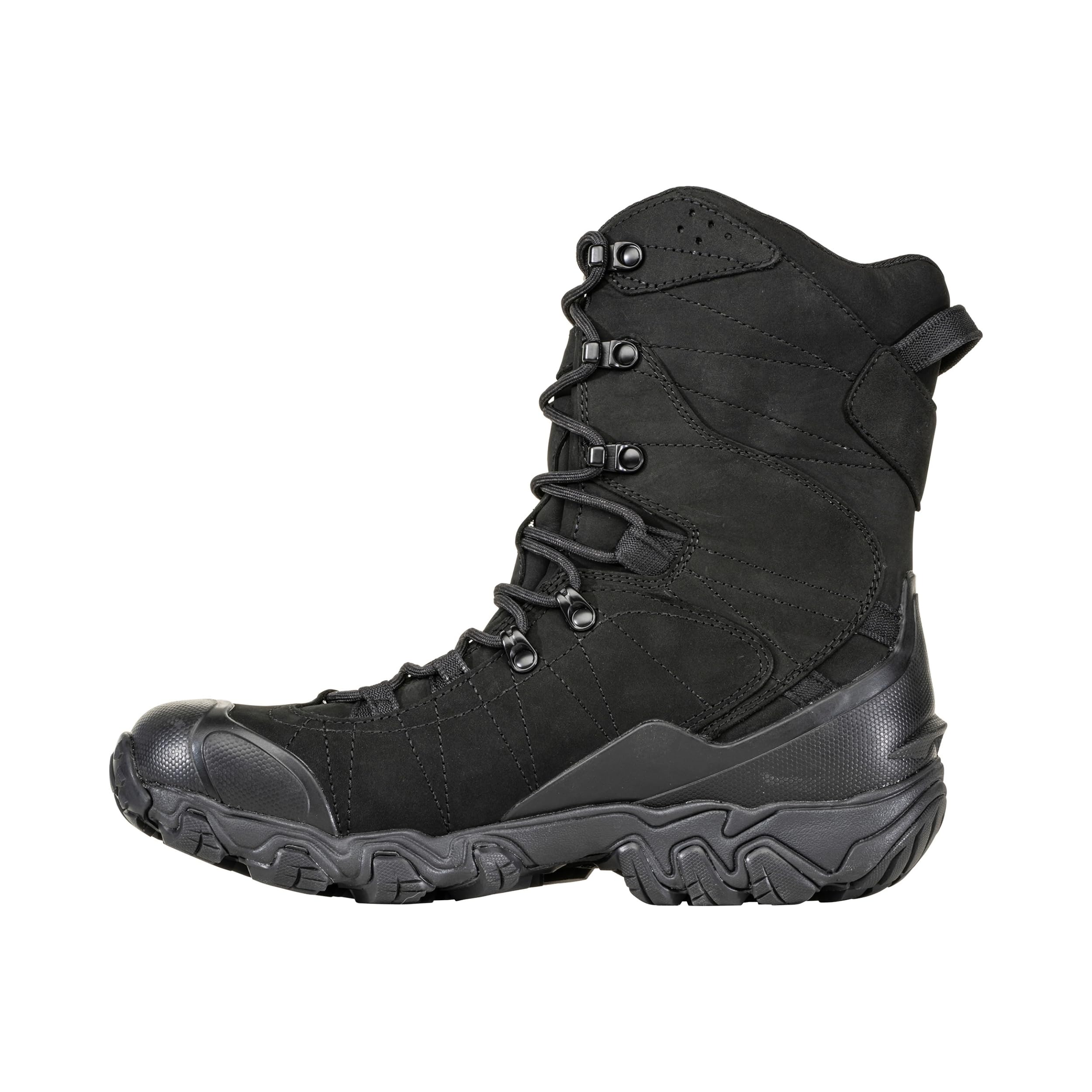
2. Oboz Men’s Bridger 10″ Insulated B-DRY
The 400-gram workhorse for hikers who plan to walk, not just stand around.
This is a proper winter boot: 400 grams of Freeze Guard insulation against a DWR nubuck leather upper with a B-DRY waterproof liner. The Granite Peak outsole with a TPU chassis gives you grip on snow, ice, and frozen tundra. That is a different build from the Dryshod above — where the Dryshod is a slush-stander, the Oboz is built for moving all day across a mountain trail.
What everyone comes back for is build quality, by a wide margin. The Bridger line earns repeat buyers who own several pairs and a second as a backup in case a model is discontinued. The 12 mm heel drop and O FIT thermal insole reflect heat, and the molded toe cap and gaiter D-ring make it a grab-and-go pair for dog walks and errands.
Two things to settle before you buy. First, sizing: it runs narrow and small for many feet, so a half-size up is the common move. Second, stiffness: it feels like a ski boot from the start, then loosens within weeks of steady wear. Owners mention one owner getting four years out of a pair before an L-shaped cut near the sole, glued and still in use.
Grip that keeps you upright: the Granite Peak sole holds on ice, so you stay steady on an Icelandic trail where a soft-soled sneaker would slide. Customers note adding micro spikes (small slip-on grips) over it when the ground is genuinely glassy.
Go ahead and buy the Bridger: if you are hiking, working outside, or covering serious ground in the cold.
One caveat to size for: the tight, stiff fit — take a half size up and give it a few weeks to loosen.
3. Columbia Men’s Firecamp Boots
A light, flexible boot that feels closer to a sneaker than a snow boot.
If your Iceland plan is Reykjavik streets, a few bus tours, and a walk to a waterfall, this is the boot that will not weigh your day down. Columbia builds the Firecamp with waterproof construction and low-bulk insulation to keep you warm up a mountain or downtown, plus plush cushioning where it meets the pavement.
Owners who work outdoors report wearing them through two East Coast snowstorms with over a foot of snow and staying warm and dry for an eight-hour shift. A regular wearer calls them the most comfortable boots owned and wears them half a size up for a perfect fit. Better still, a Sunday-morning tester reports them warm but not hot at 75°F, so they do not overheat on a milder day.
The catch is that this is a walking boot, not a mountaineering one. Owners note the sole is not the best for icy traction, and one warns the material likely will not keep feet dry in deep puddles. The boots also run small and come without a wide width, so size up if you have wider feet.
Value buyers keep praising: you get warm, waterproof, and flexible boots for the prices usually asked, which is why this is the everyday pick here. Reviewers single out the value as one of the best parts.
Ideal for the traveler who prefers walking to slogging: the lightweight, sneaker-like feel makes city days easy.
Skip it for ice and deep snow: the flat tread is better on wet pavement than frozen trails.
4. Helly Hansen Women’s Adore Boot Platform
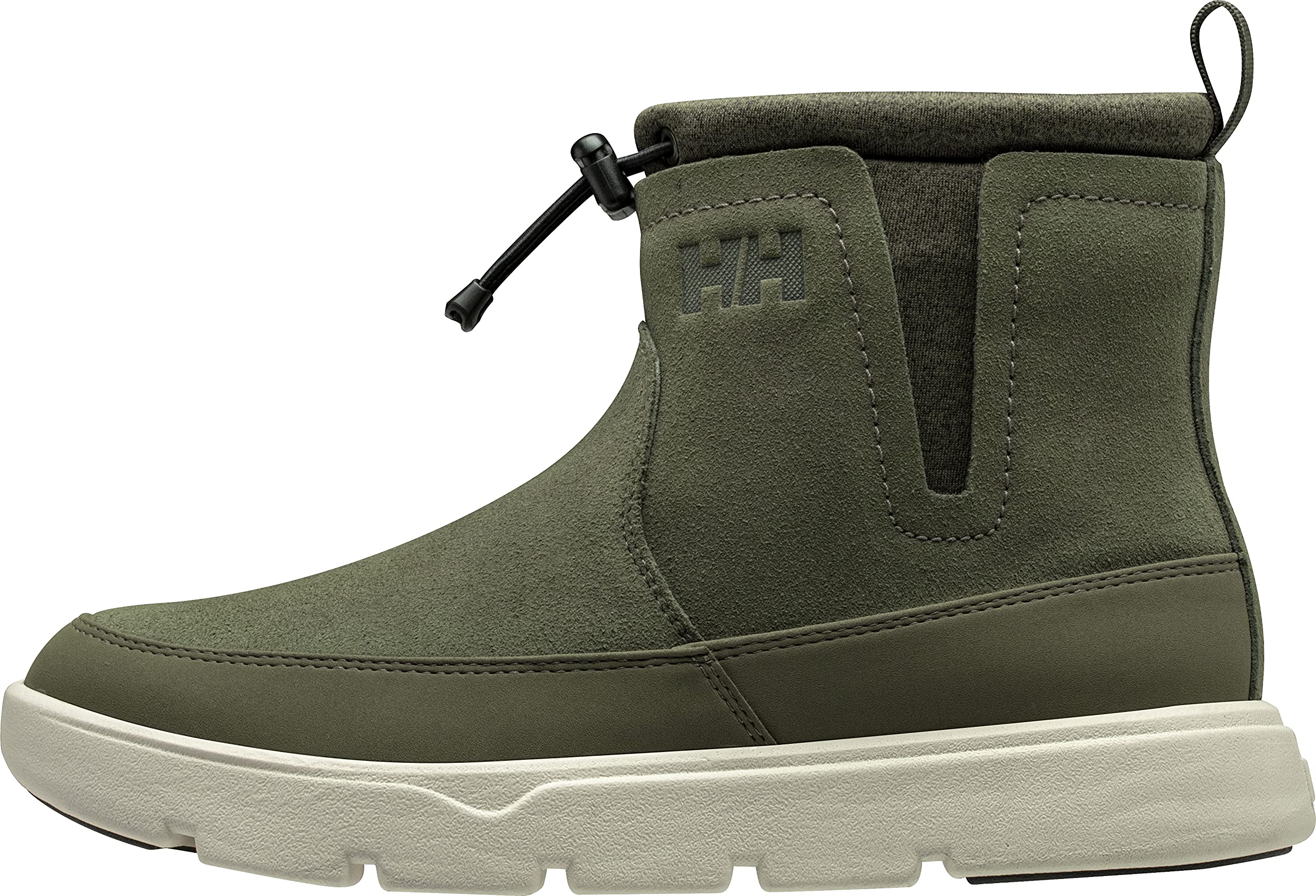
“A Chelsea silhouette with waterproof suede and Primaloft to keep toes dry on soft winter days.”
This boot takes a traditional Chelsea shape and gives it a sporty edge. Waterproof suede and Primaloft insulation handle the cold, while the light HH Hover Stride midsole keeps the walk comfortable. HH Max Grip rubber pods underfoot are meant to keep you steady on slick ground, and the whole boot stays airy for a winter shoe.
In practice, it suits light winter conditions and city wear. The reviews are few and mixed: one wearer finds it fits great but a little difficult to put on, and another finds it runs small and picks up scuff marks easily. If you have a narrow to regular foot and want a pair that looks good with jeans, it is a reasonable match.
Do not mistake the stylish cut for a deep-winter expedition boot. There is no stated gram rating or extreme temperature range here, so treat it as a polished everyday winter walker for milder metro days rather than a glacier-bound boot.
The pick for the style-conscious city traveler: waterproof suede and Primaloft in a Chelsea shape for mild winter days.
Consider the fit first: reviews note a small run and easy scuffing, so size up and keep them for gentler weather.
5. Kamik Women’s Momentum 3 Insulated Winter Boots
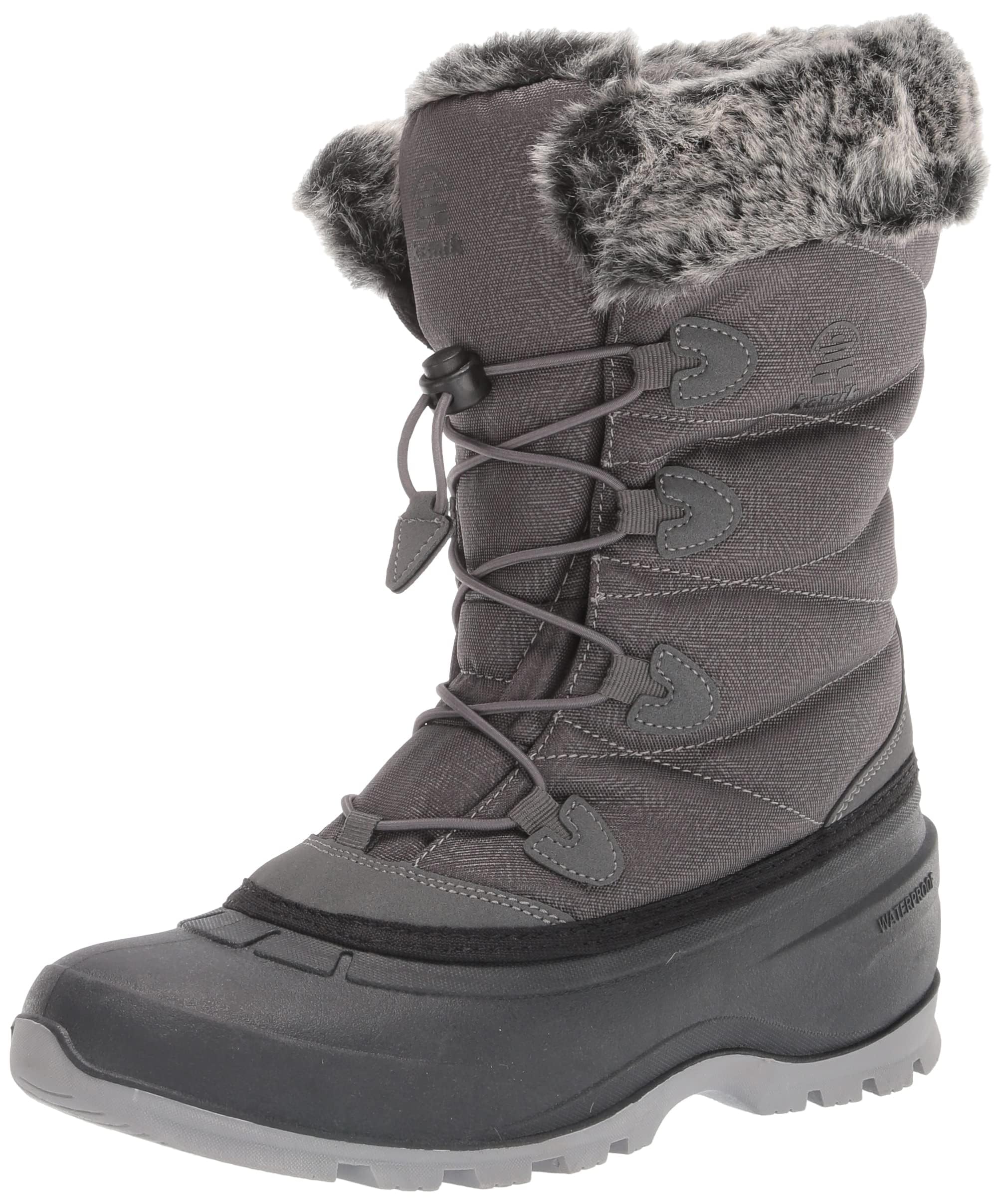
Rated down to minus 40 degrees Fahrenheit, with a fur cuff that keeps snow out.
Kamik puts a hard number on warmth: 145G HeatMX insulation with a fleece lining and faux fur cuff, rated down to negative 40 degrees Fahrenheit. The 10.5-inch-tall shaft and 11-inch circumference keep out deep snow, and the seam-sealed 600D nylon upper over a synthetic rubber shell base blocks slush and moisture. You get the bungee lace closure to dial in the fit with gloved hands.
Warmth is the whole reason people buy these, and it shows. Owners hit minus 26 degrees Fahrenheit on campus, walk 3-plus miles on a below-freezing day without pain or blisters, and wear them through snowmachine rides and winter dinners out. The EVA insole and synthetic rubber outsole handle ice and uneven ground. At 2.13 lbs, they stay manageable for a day of shoveling or walking.
Shell out for durability awareness: a small share of reviewers point out the seam letting go after several months of light use, and a few find the ankle cuts in when walking without extra support. Both are the exceptions rather than the rule, but size up for thick socks and treat them as a cold-weather wearer rather than a multi-year work boot.
What seals it: the price-to-warmth ratio is hard to argue with — a -40°F rating, waterproof shell, and fur cuff for less than most technical winter boots.
Best for: the bundled-up shopper who wants warmth for errands and walks without a hefty bill.
Worth monitoring: those who need a decade of hard service may prefer a leather build — this is a functional winter boot, not a lifetime one.
6. KEEN Revel III Men’s Hiking Boot
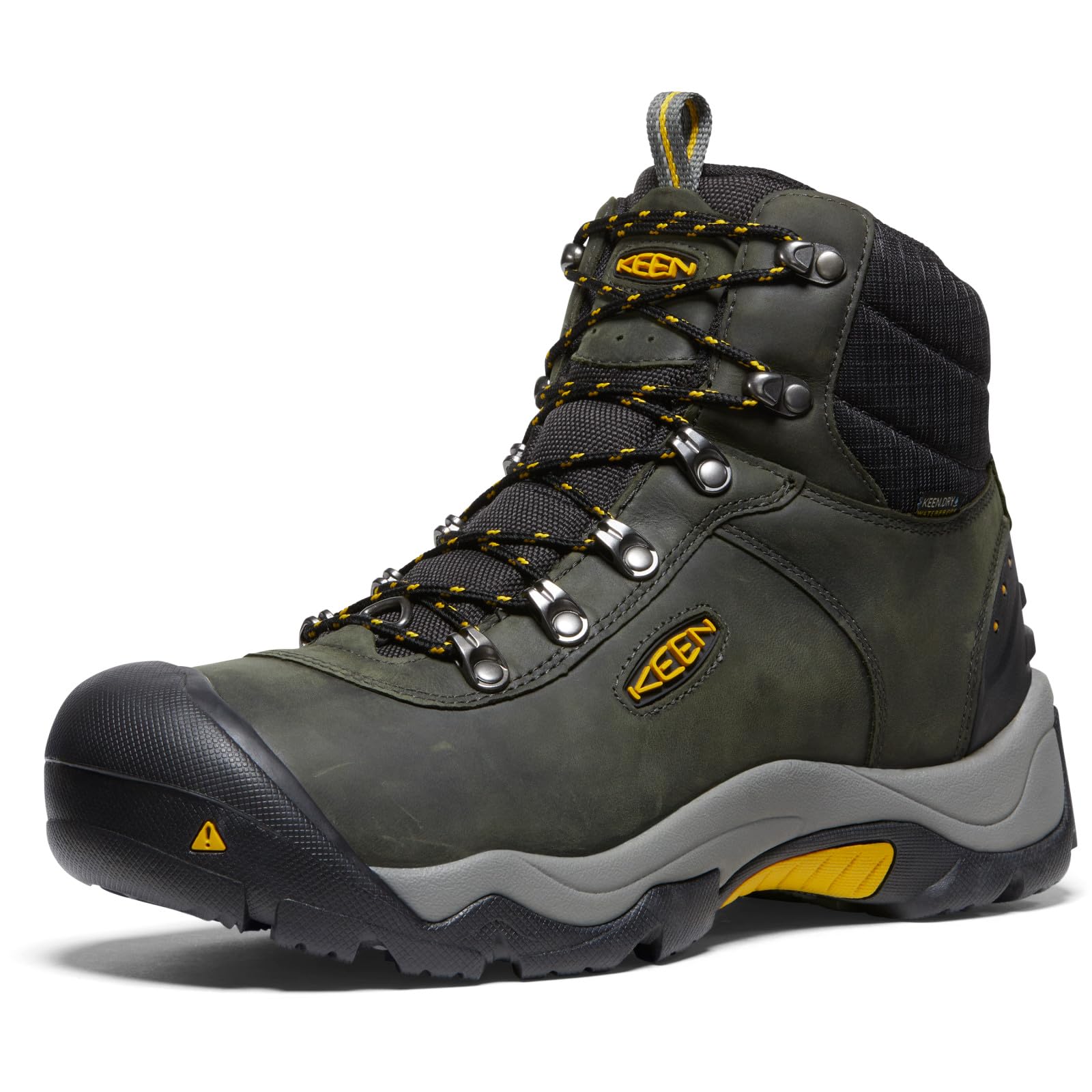
Built on KEEN’s wider form, with a roomy toe box for anyone whose feet ache in tight boots.
Comfort and fit are the two things owners talk about most on this boot, and the reason is the last: it is built on KEEN’s traditional wider form. The thermal heat shield traps warmth, the speed lace webbing locks you in, and the 1.31-pound weight keeps it light enough for all-day wear. It is a genuine hike-and-work boot rather than a look-good city boot.
Owners give it serious mileage. One delivery worker’s first pair lasted two winters of 12-hour days through Northeast weather; another put it through three years of heavy use; a third calls it the best of 13 boots tried in its range. Shoppers say the soles beat most on snow and ice, and the leather and stitching hold up when the sole gets glued after years of service.
Sturdiness cuts both ways. A few owners find the padding packs down and the boot needs re-tightening, and a couple of critical reviews report a pair falling apart within a month. The look is bulkier and softer than a mountaineering boot, so think of it as a winter walking boot with room for a thick sock.
The strong points
- Wide toe box and roomy fit for wider feet
- Thermal heat shield plus waterproof, breathable build
- Light 1.31-pound weight for a mid-height boot
- Grippy outsole on snow with a speed lace system
The honest qualifiers
- Padding packs down over time and needs re-lacing
- A handful report early durability problems
- Runs large — some need to size down
Choose the Revel III: when your feet need room to breathe on long winter walks.
Second guess it: if you want a rigid mountaineering boot for technical terrain — this one is softer underfoot.
7. THE NORTH FACE Men’s Chilkat V Lace-up Waterproof Snow Boot

A middle-ground 200-gram boot that handles a storm without becoming a brick.
With 200 grams of insulation and a waterproof build, this is the boot for shoulder-season weather and normal winter days, not prolonged sub-zero standing. A wearer who put it through a Northeast snowstorm came away warm, comfortable, and confident on traction. It is a lighter and more flexible option than the 400-gram Oboz above, which makes it easier to walk in.
There are heel ridges for snowshoe or crampon straps and a lower D-ring for gaiters, so you can pair them with a strap-on spike for ice.
Sizing is the sticking point. These run small enough that some buyers move a half or full size up, and a few find the fit tight across the top of the foot. There are also reports of the top heel pull loops tearing on first use, and one owner notes a tendency to slide in heavier snow. Add an insole if you plan on long days.
The balance that sells it: quality and comfort are rated highly and the light build keeps you going — the trade-off is that it is a solid mid-level boot, not a deep-cold specialist.
Best for: the traveler who wants one flexible boot for snow, creeks, mud, and light trails.
Plan around the fit: order a size up and keep it for normal winter days, not an Arctic expedition.
8. The North Face Chilkat 400

The 400-gram sibling for people who stand in the snow for a living.
For colder days than the Chilkat V handles, the Chilkat 400 doubles the insulation to 400 grams (a measure of warmth) and adds full-foot waterproof rubber over leather. At 1.63 pounds it stays reasonably light. One buyer chose it for the temperature rating, metal grommets (the reinforced lace holes), and rubber base, then wore it through snow, rain, sleet, and farm muck in 4-to-7 hour shifts with warm, dry feet.
Buyers report years of service from this pair. A Rocky Mountains owner put in five years of nine-month winters and still has intact soles and waterproofing. A Colorado mail carrier covering 8 to 12 hours a day in snow and ice normally burns through boots in six months and expects at least three winters from this pair. The cushioned inside does not pack down, so the comfort holds up.
Two things to know. Sizing runs tight at your normal size and quite a few owners go up a full size. And one report notes it is not fully waterproof in deeper puddles, so treat the rubber as a shield against slush, not a wading boot.
Zero-guess warmth: the 400-gram insulation is the reason to pick this over the V — it is the boot you reach for when the mercury dips and the snow is ankle-deep.
Perfect for: long outdoor days in cold, wet weather where your feet will be in the snow for hours.
Size up or step out: the snug cut means a full size up for many, so try before a big trip.
9. Helly Hansen Garibaldi VL
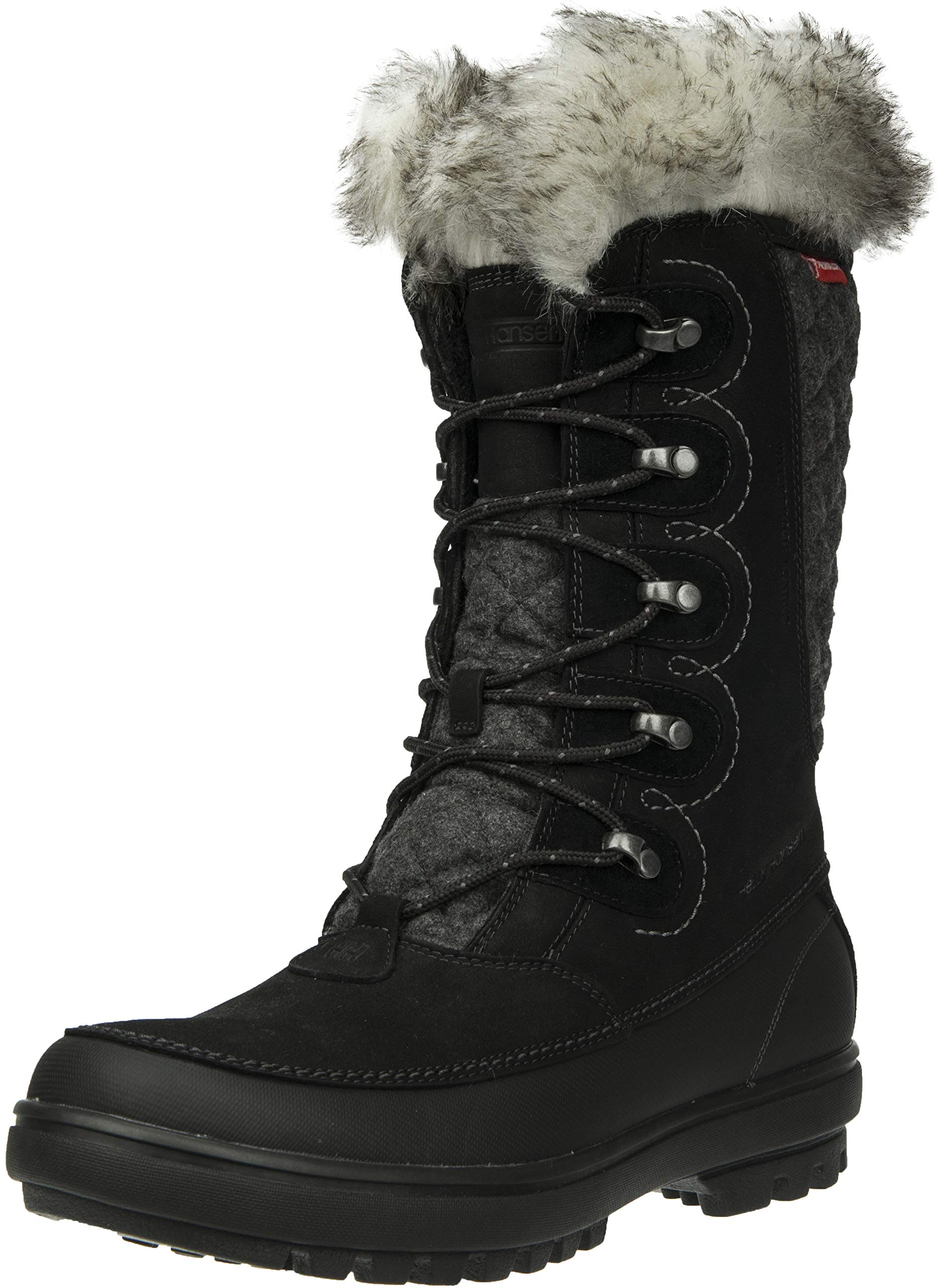
A proper snow boot that looks sharp enough for a Reykjavik dinner reservation.
You get looks and protection in one boot: a protective toe-to-heel rand (a rubber bumper around the base), waterproof nubuck leathers, and a warm faux fur lining, with fully sealed seams and an Eco Ortholite comfort footbed (a cushioned insole). The extra traction outsole is designed to keep you steady. Owners wear it to music festivals in ice and mud and count it among the best boots they have owned — light, warm, and not overly hot.
It is also the pick that has actually been to Iceland and Ireland, according to the field reports, and a wearer gave it three nights of eight-hour festival wear with no complaints. Footwear that looks like a slim snow boot rather than a bulky winter monster is a real bonus when you are packing light.
The mixed word is traction. Some find the grip solid, but one wearer at 27 degrees Fahrenheit with sleet felt the soles sliding and nearly slipped on a painted crosswalk, so budget for a strap-on spike on slick days. The fit also runs small for many, so size up half a size and break them in.
Buy it if: you want a winter boot that photographs as well as it performs on snowy city breaks.
Know the limits: the soles are not built for black ice, so pack slip-on spikes for the slickest days.
Know the Specs
Insulation Gram Rating
A boot’s gram number tells you roughly how much insulation sits between your foot and the cold air — 200 grams handles normal winter days and active walking, while 400 grams is for extended standing and severe cold. More grams means warmer feet, but also a heavier, stiffer boot. Pick the gram rating to match your thermostat, not just a marketing label.
Waterproof Membrane vs Water-Resistant
Water-resistant means the material sheds a light shower; waterproof means a liner or sealed seams stop water getting in across a long walk. When you cross slush and puddles in Iceland, look for the words “waterproof,” a membrane liner, or sealed seams and a rubber shell base — anything less will eventually let water through.
Outsole Lug Pattern and Compound
The outsole is the bottom layer of rubber your boot stands on, and its lugs are the raised ridges that give you grip. Deep lugs dig into packed snow and shed mud, while a flat sneaker-style sole skids on ice. For Iceland, favor a multi-directional lug pattern and a natural rubber compound over a rigid, slick outsole.
Boot Height and Shaft
Boot height measured at the shaft — mid, knee-high, or a 10-inch collar — controls how much snow you can step through without it spilling in. A taller shaft keeps snow out on a knee-high drift, while a mid-height boot stays easier to walk in. Match the height to whether you are standing in drifts or working a city pavement all day.
Common Questions
Will the Dryshod Arctic Storm Hi stay warm in Iceland’s cold and wind?
Do winter boots for Iceland need to be fully waterproof?
Should I size up in winter boots for thick wool socks?
Are 400g insulated boots too warm for city walking?
Will any of these boots handle ice on Reykjavik sidewalks?
How long should a pair of winter boots last before they wear out?
Are the Kamik Momentum 3 boots easy to get on and off?
Do I need a separate rain shell for the top of a winter boot?
Can I wear these boots for hiking on snow-covered Icelandic trails?
Which boots work best for a woman with wider feet?
The Bottom Line
On a winter trip to Iceland, keep one rule in front of you: warmth is easy, but staying dry and upright is what separates a good boot from a bad one. The shoes for iceland winter that balances those best is the Dryshod Arctic Storm Hi, with seven layers, a -50° to 65° F range, and a rubber outsole that sheds mud and grips wet ground. If you plan to hike rather than stand, the Oboz Bridger is the one to lace up, and value hunters should look to the Kamik Momentum 3 for its -40°F rating. Pack a warm sock, pick your boot for wet ground before warmth, and Iceland’s winter stays manageable.
How we choose
We do not accept paid placement. Every pick is matched to a real buyer and a real use-case; we do not hands-on test units.
Sources
Specifications: manufacturer listings and product documentation. Review insights: verified customer reviews, as of October 2026. Pricing: not shown on this page (it changes often); check the current price via the retailer link.
As an Amazon Associate, Aappliancez earns from qualifying purchases. This does not affect which products we feature.