Disclosure: Some links in this post are affiliate links. As an Amazon Associate I earn from qualifying purchases, at no extra cost to you. Learn more
Specs are compiled from manufacturer listings and verified buyer reviews and can change over time — please confirm the key details on the product page before buying.
You want to hem a pair of jeans or sew a cushion cover, and you do not want to spend your first weekend fighting a machine. That is the whole decision. A beginner machine needs three things above all: a needle threader that works, a bobbin that drops in without a fight, and enough motor to push through a seam without jamming. Everything else is a bonus. The picks below cover that range, from simple mechanical workhorses to computerized models with 100 stitches, and each one is here because it genuinely suits a first-time sewer.
This guide is built by comparing the manufacturers’ published specifications and the patterns across verified customer reviews, so you get each pick’s real strengths and trade-offs instead of marketing spin.
A first machine should make threading and bobbin changes boring rather than dramatic, so that is the standard each pick is measured against here. Below you will find the right sewing machines for beginners.
Top Picks

How To Choose The Best Sewing Machines for Beginners
You will likely use just three or four stitches as a beginner — straight, zigzag, a stretch stitch, and maybe a buttonhole. So the stitch count is not what decides whether you enjoy sewing. The features you touch every session do: threading, bobbin loading, and speed control.
Threading and the automatic needle threader
The needle threader is a small hook or lever that pushes your thread through the eye of the needle for you. On a beginner machine this is the difference between starting a project and giving up on one, because the needle eye is tiny and your eyes are not getting younger. Look for a one-step automatic threader, and expect to spend a little time learning it — several owners describe needing a few tries or a video before it clicked.
Bobbin loading: top drop-in versus front-loading
The bobbin is the small spool of thread that sits underneath the fabric and locks the stitch. A drop-in top bobbin means you lift a clear cover and drop the bobbin in, which is far easier to see and far harder to get wrong than a front-loading case you have to thread by feel. If you are brand new, a jam-resistant drop-in top bobbin removes one of the two classic beginner headaches.
Stitch count versus stitch applications
Some makers count the stitch patterns themselves, others count the total jobs those patterns can do. A machine with 23 built-in stitches can advertise 97 stitch applications because each pattern can be stretched, shortened, or mirrored for different jobs. When you compare two machines, check which number you are reading — the two are not the same measurement.
Speed control and motor power
A speed slider or two-speed switch lets you run the machine slowly while you learn where your fingers go. Motor power decides whether the needle pushes through a denim seam or stalls halfway. A heavier machine with a metal frame tends to stay put on the table, while a very light one can slide as you sew — a rubber shelf liner under the base fixes that.
Side-by-Side Comparison
| Model | Best For | Built-In Stitches | Weight | Threading | Amazon |
|---|---|---|---|---|---|
| Brother XM3700★ Best Overall | First machine, best all-round | 37 | 12.5 lb | Automatic needle threader | Amazon |
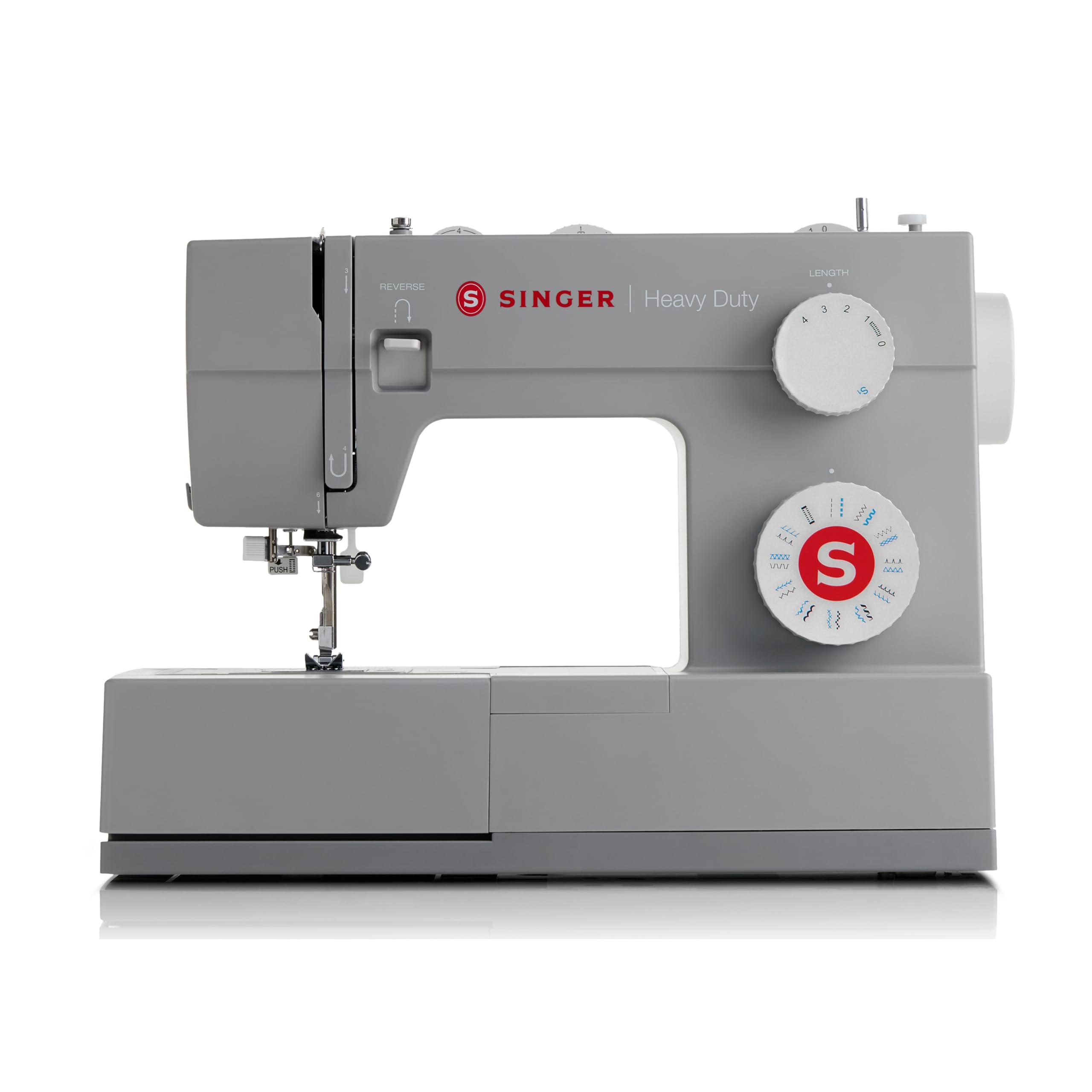
| SINGER 4423Denim Workhorse | Denim and heavy fabric | 23 (97 applications) | 17.1 lb | Automatic needle threader | Amazon |
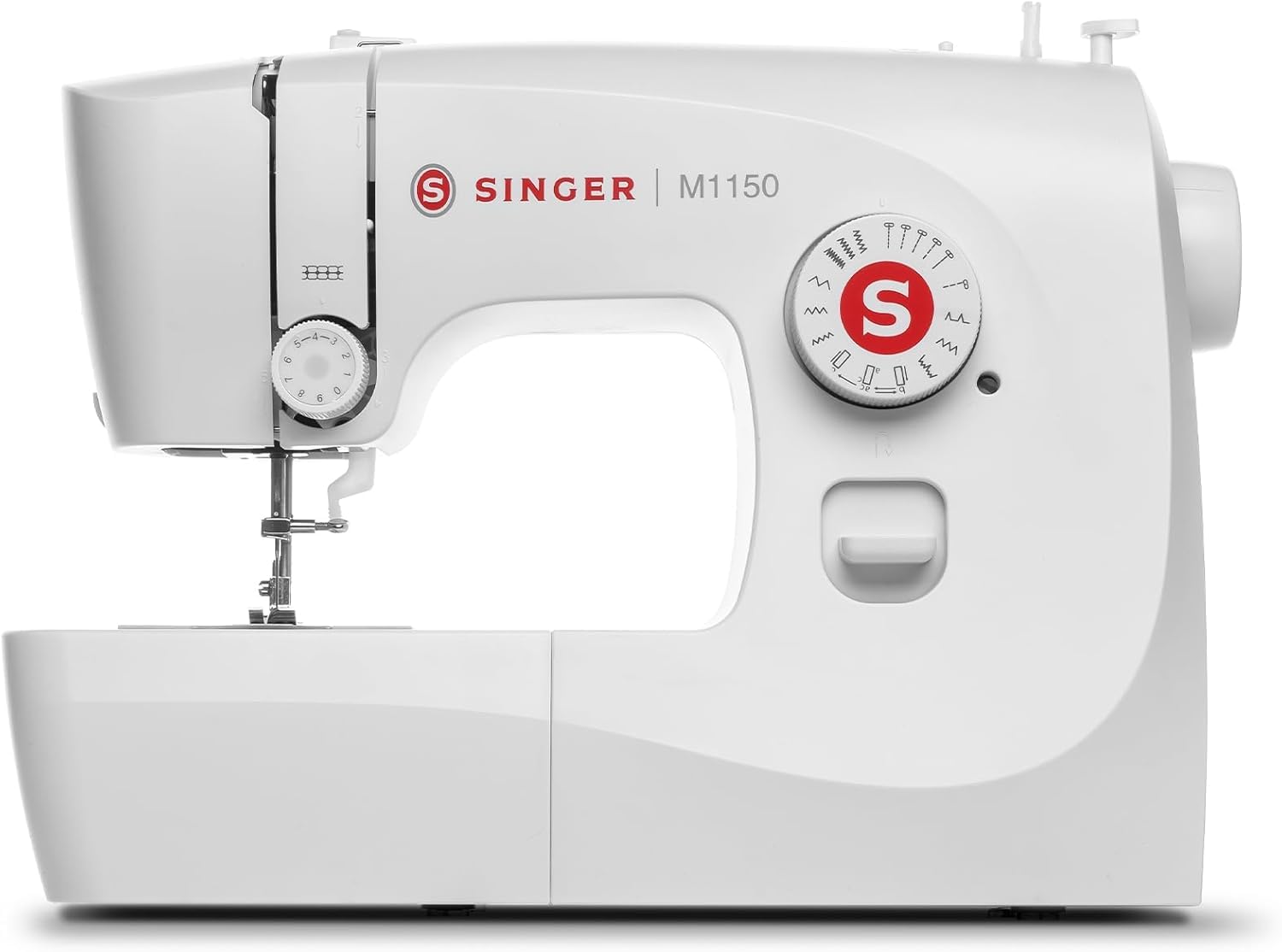
| SINGER M1150Best for Small Spaces | Small spaces and travel | 16 (45 applications) | 5 kg | Guided threading path | Amazon |
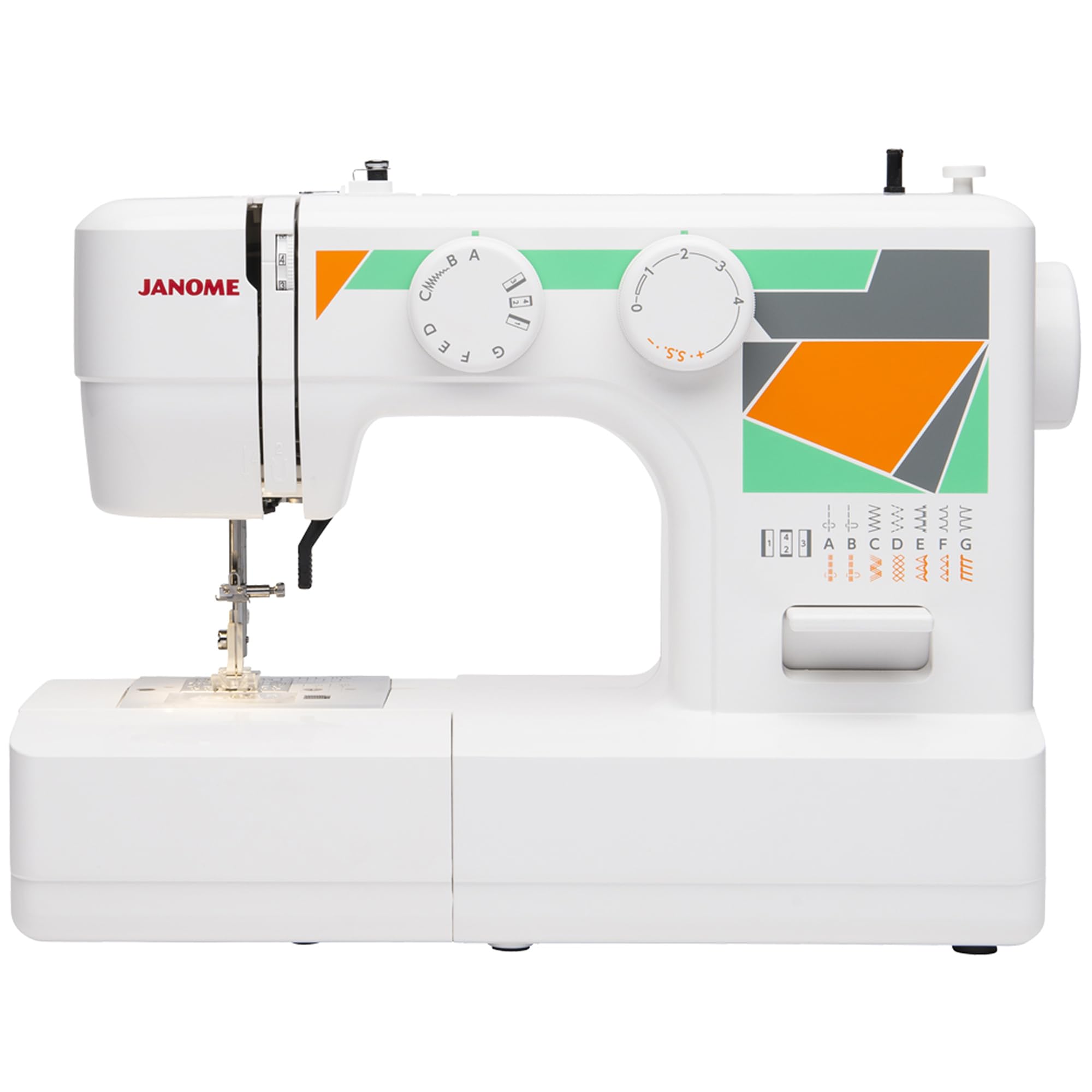
| Janome MOD-15 | Simple mechanical sewing | 15 | 11.7 lb | Automatic tension threading | Amazon |
| Brother CP100X | Quilting plus everyday sewing | 100 | 10.5 lb | 1-step automatic threader | Amazon |
| Janome JW8100 | Growing into garment making | 100 | 12 lb | Built-in threader | Amazon |
| Stoigeld SM-725 | Budget starter kit | 12 | 5 lb | Included threader | Amazon |
| Verdanika UFR-505 | Small repairs and storage | 12 | — | Manual threading | Amazon |
| Smartstitch S-1001 | Embroidery, not garment sewing | 10-needle embroidery | 93 lb | Auto thread trimming | Amazon |
Detailed Reviews
1. Brother XM3700 Sewing Machine 37 Built-in Stitches
Our pick — 4.5+★ from 950+ verified ratings; the strongest balance of quality and price.
Thirty-seven stitches, a one-step auto-size buttonhole, and a jam-resistant drop-in bobbin.
You get 37 built-in stitches here, more than double the 16 on the SINGER M1150. As a beginner you will reach for the practical ones far more than the decorative: a stretch stitch, a blind hem, a zigzag for finishing a raw edge, and a one-step auto-size buttonhole that sizes itself to the button instead of you measuring it.
What wins people over is how ordinary the machine feels to run. Buyers call it a basic model over and over in the feedback, and that is a compliment — the setup makes sense, the threading directions are clear, and the drop-in top bobbin (a bobbin you drop in from the top instead of threading underneath) is jam resistant, so the usual first-week tangle does not happen. The automatic needle threader pushes the thread through the eye for you instead of making you squint at it. At 12.5 pounds it lifts with one hand, which is 4.6 pounds lighter than the SINGER 4423, so carrying it to a class or clearing it off the kitchen table costs you nothing.
The honest follow-up question is durability. A small number of machines do not make it past the first few projects, which is why the durability comment sits apart from the chorus of praise rather than inside it. Buy from a seller with a clear return window and register the machine, because Brother’s own free technical support by chat or phone runs for the life of the machine. As one long-term brand buyer put it: “The other brother sewing I had it for over twenty years, so I treated my self to a new one, I love this brand!”
Why a beginner should start here
- 37 built-in stitches and a one-step auto-size buttonhole cover mending, hems, and stretch fabric
- Automatic needle threader plus a jam-resistant drop-in top bobbin removes the two classic first-week failures
- 12.5 pounds means you can lift it one-handed and put it away
- Five feet included — zigzag, zipper, blind stitch, buttonhole, and button sewing — plus 4 bobbins and a twin needle
- Free arm opens up cuffs, sleeves, and baby clothes
What to keep an eye on
- A few machines give out early; a real return window protects you
- The printed threading diagram has misled more than one buyer — follow the video instead
- One-step buttonhole is easy, but the automatic needle threader still takes a session to learn
Start here if: you want the widest stitch menu and the easiest threading at the entry level, with a machine you can actually carry.
Look elsewhere if: you plan to sew heavy denim daily — that job belongs to a heavier frame.
2. SINGER 4423 Sewing Machine
If your first project involves a denim seam, the motor matters more than the stitch menu.
This machine exists for one reason: speed of 1,100 stitches per minute, so thick seams keep moving instead of stalling. You get 23 built-in stitches that stretch to 97 stitch applications, but the real story is under the needle: a heavy duty metal interior frame, a stainless steel bedframe, and a motor the maker describes as 60% stronger for piercing thick seams. That is the difference between a machine that walks through six layers of cotton and one that stalls and skips.
Beginners do use it for gear rather than garments. One first-timer bought it specifically for nylon straps, had it sewing within minutes off the quick-start guide, and had the tension dialed in after three tries — the threading path is printed right on the machine with numbered steps, so you are never guessing which hook comes next. Another beginner pushed two layers of 10oz veg-tan leather (vegetable-tanned leather, a stiffer hide) through it without the machine bogging down, then moved on to six to eight layers of denim.
Where it stumbles is consistency at the edges — a small share of units arrive not working at all, and a few buyers find it less heavy duty than the name suggests. The machine is a mechanical, manual-control design, so expect to set stitch width and length yourself rather than letting a screen do it. What is not in question is how many people trust it for everyday fabric: quality is far and away the most-praised thing about it, with value for money a distant second. Buy it for the motor, not the badge.
The honest read: 97 stitch applications and a metal frame make this the pick for jeans, canvas, webbing, and bags, and the printed on-machine threading path is the friendliest setup aid on the market.
Mind the weight: at 17.1 pounds it is not a machine you move around casually, and the automatic needle threader still needs a slow first attempt.
Reach for this if: your projects involve denim, leather, or layered fabric and you want a mechanical machine with no screen to learn.
Pass if: you want a light machine to tuck into a closet between sessions.
3. SINGER M1150 Sewing Machine
Sixteen stitches and a dial — nothing to configure, nothing to scroll through.
On a machine this simple you turn a dial to pick your stitch and sew, because the stitch length and width come preset. Sixteen built-in stitches spread across 45 stitch applications, and there is a 4-step buttonhole for a shirt or a dress. Compare it to the Brother XM3700’s 37 stitches and the gap is real — 16 against 37 — but if you only ever use straight and zigzag, that gap costs you nothing.
The draw is where it lives. It is a compact white machine pitched at sewing classes, workshops, and apartments, and the setup stays steady: the feedback is consistent that it does not walk across the table even though it is light. Stitch quality is the thing that sells it — flat, even stitches straight from the start, on a machine you can carry to a friend’s house or take on a trip.
The honest caveat concerns the bobbin winder and the manual. The instructional booklet is largely pictorial, which suits some learners and leaves others hunting on YouTube for about an hour before the first stitch. Bobbin winding is the other point to watch — it can feed unevenly, and one machine was returned because of it. Treat a jam as a threading check rather than a machine failure and you will stay on good terms with it.
What it gets right: a preset stitch dial, a 4-step buttonhole, and an even stitch make this the least demanding machine here to just sit down and use.
The fit note: budget an hour and a video for the first setup, and wind your bobbins slowly.
Right for you if: your sewing space is a corner of a room and you want a machine that stows away and travels.
Not for you if: you want a printed manual that walks you through every step line by line.
4. Janome MOD-15 Easy-to-Use Sewing Machine with 15 Stitches
Fifteen stitches, four presser feet, and 5-piece feed dogs that keep knits feeding evenly.
A 25-year limited warranty covers the mechanical parts that fail first on a beginner machine. Under it sits a straightforward mechanical machine: 15 stitches including a 1 four-step buttonhole, adjustable stitch length, adjustable zigzag width, and a top-loading bobbin under a clear cover so you can see the thread sitting right.
The 5-piece feed dog system is the quiet hero. Feed dogs are the little teeth that pull the fabric past the needle, and five of them spread the grip so stretchy knits and slippery fabrics move evenly instead of skipping. Free arm and drop feed come standard, so cuffs and sleeves are as easy as flat seams, and you get four presser feet from the start.
The threading is automatic-tension, which means the machine handles the tension setting rather than you dialing it by ear — and that is exactly what owners single out. It threads easily, sews a clean straight stitch, and stays quiet while it does it. Two things to know: fleece is not its friend, because particles work inside and cause noise and thread breaks, and the light is dim enough that you will want a lamp beside you.
Where the money goes
- 25-year limited warranty on a mechanical machine with no screen to fail
- 5-piece feed dogs keep knits and layered fabric feeding evenly
- Adjustable stitch length and zigzag width give you control a preset dial does not
- Four presser feet, free arm, and drop feed all included
Two things to plan around
- Fleece sheds particles inside and fouls the mechanism — use a lint brush after each session
- The work light is dim; add a desk lamp
- Only 15 stitches, so decorative work is limited
Take this one if: you want a plain mechanical machine, adjustable settings, and confidence on parts. skip it if you need to carry your machine to class — at 11.7 pounds it is a desk machine, not a travel one.
Think twice if: fleece and heavy crafting are your main projects.
5. Brother CP100X Computerized Sewing and Quilting Machine

A hundred stitches, eight auto-size buttonholes, and a quilting bundle with a walking foot and extension table.
You get 100 built-in stitches — utility, decorative, and heirloom patterns — plus 8 auto-size buttonholes, the largest stitch menu here alongside the Janome JW8100. What turns it from a sewing machine into a quilting machine is the bundle: an extension table that supports a big quilt, 10 sewing feet including a walking foot (a foot that feeds fabric evenly from top and bottom) and a quilting foot, a quilt guide, and a hard protective case.
Computerized does not mean complicated on this machine. The needle bar is fixed in place so stitching comes out clean and even, the 1-step automatic needle threader is designed to press the thread through the eye, and a sliding speed control lets you run slowly while you learn. A durable metal frame handles the multi-layer work, which the maker says covers anything from thick denim to heavy quilts. One useful surprise for anyone with back trouble: the controls sit above the needle, so you can run the machine without the foot pedal at all.
Two fit notes keep it honest. The machine is light enough to shift while you sew, so a strip of rubber shelf liner under the base settles it, and the LCD screen is not backlit — usable, but dim in low light. Bobbin winding occasionally feeds thread underneath the bobbin and needs a guiding hand. Neither stops the machine from being the best-equipped option here for someone who wants to quilt and sew on one machine.
Why it earns its place: 100 stitches, 8 buttonholes, 10 feet, a wide table, and a hard case make this the most complete quilting-ready package in the mid tier.
The catch: it slides on a bare table and the screen has no backlight, so pair it with a liner and a nearby lamp.
Pick this if: you want one machine that sews garments this year and quilt blocks next year.
Skip this if: a backlit screen and a machine that stays put matter more to you than stitch count.
6. Janome JW8100 Sewing Machine

The machine you buy once — 100 stitches, 7 one-step buttonholes, and a 7-piece feed dog system.
Where the Brother CP100X gives you 8 auto-size buttonholes, this Janome gives you 7 one-step buttonholes, but the spec that separates the two machines is the 7-piece feed dog system. Seven sets of teeth moving fabric past the needle is why seams stay balanced and cotton, knits, and layered materials feed without puckering. Add a jam-proof drop-in bobbin, a built-in threader, and needle up/down control and the daily irritations are handled.
Quilting comes from the start rather than off an accessory list: an extra-wide extension table, an even feed foot, and a ¼” quilting foot for piecing blocks. The LCD screen with buttons lets you pick a stitch and adjust settings quickly, and a speed control slider sets the pace. The front drawer slides off to reveal a free arm for sleeves and tight spaces.
It runs quietly enough that a 30-year sewer describes it as purring, and it sews rock-solid straight lines through multiple layers without complaint. Longevity is the point of paying more — one owner has sewn several garments a day on it for a few years and reports it still running without issues. The one recurring note is the light, which several describe as dimmer than they would like. That is a lamp, not a repair.
The long-game argument: 100 stitches, 7 buttonholes, and 7-ply feed dogs mean this machine grows with you from first hem to quilted throw, and the hard cover and extension table come standard.
What you give up: a brighter light, and a spool of patience for the LCD menus.
Best fit for: someone who wants to skip the upgrade treadmill and learn on a machine with real headroom.
Consider other options if: you want mechanical dials and no screen at all.
7. Stoigeld Sewing Machine
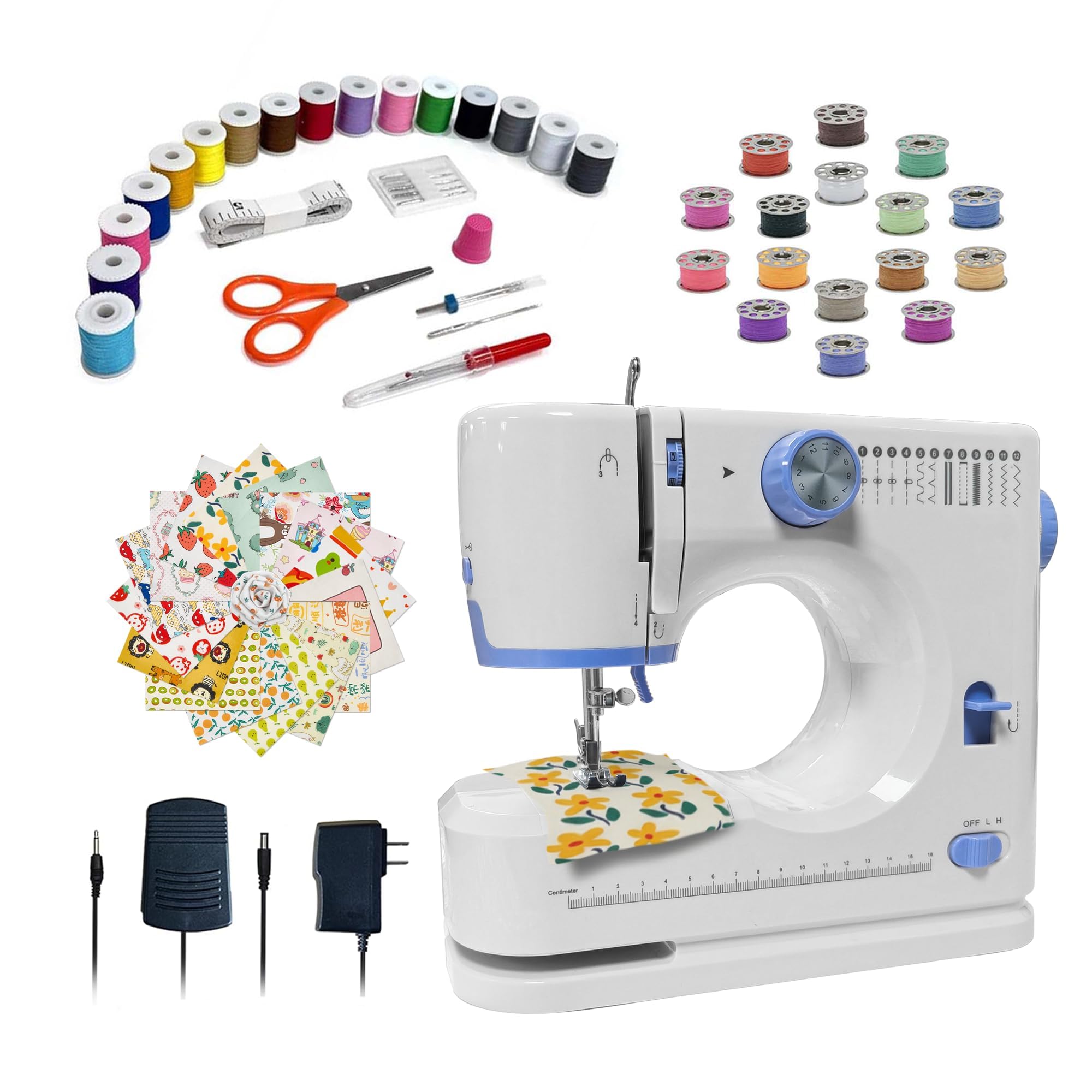
Practice fabric and thirty-two threads included — nothing to buy before your first stitch.
The kit is the whole pitch. Thirty-two spools of sewing thread and 20 pieces of practice fabric arrive with the machine, so a true beginner can sit down and learn without a separate shopping trip. The machine itself is a compact household model with 12 built-in stitches, a 4-step buttonhole, and reverse, and it weighs 5 pounds.
It is honest about what it is. The maker says plainly this is an entry-level machine for home or school use and not for commercial or industrial work. The fabric guidance follows: thin cotton, linen, and light woven fabrics up to 4-6 layers work well, while denim and thick or multi-layer fabric should stay at 2-4 layers. Stay inside that and it sews without drama — fine stitches, a self-guided fabric feed, and a little drawer for needles.
Push past the fabric limits and you will meet the jam, which is the fairest criticism of this machine. Heat and strain show up on long continuous runs. Power suits it to a beginner who wants to learn on cotton rather than someone planning a denim jacket. What buyers comment on most is the overall quality for the tier — and the compact footprint is a close second.
What lands in the box
- 32 spools of thread and 20 pieces of practice fabric included
- 12 stitches, 4-step buttonhole, and reverse cover basic mending and DIY
- 5 pounds and a compact footprint, so it stores on a shelf
Respect the limits
- Light fabric only — denim and thick layers need 2-4 layers maximum
- Long continuous sewing runs hot, so take breaks
- Sold as an entry-level home machine, not a heavy-duty one
Choose it if: you are buying your very first machine and want thread and practice fabric in the same box.
Choose otherwise if: your first project is a denim repair.
8. Verdanika 12 Built-in Stitches Portable Mini Sewing Machine
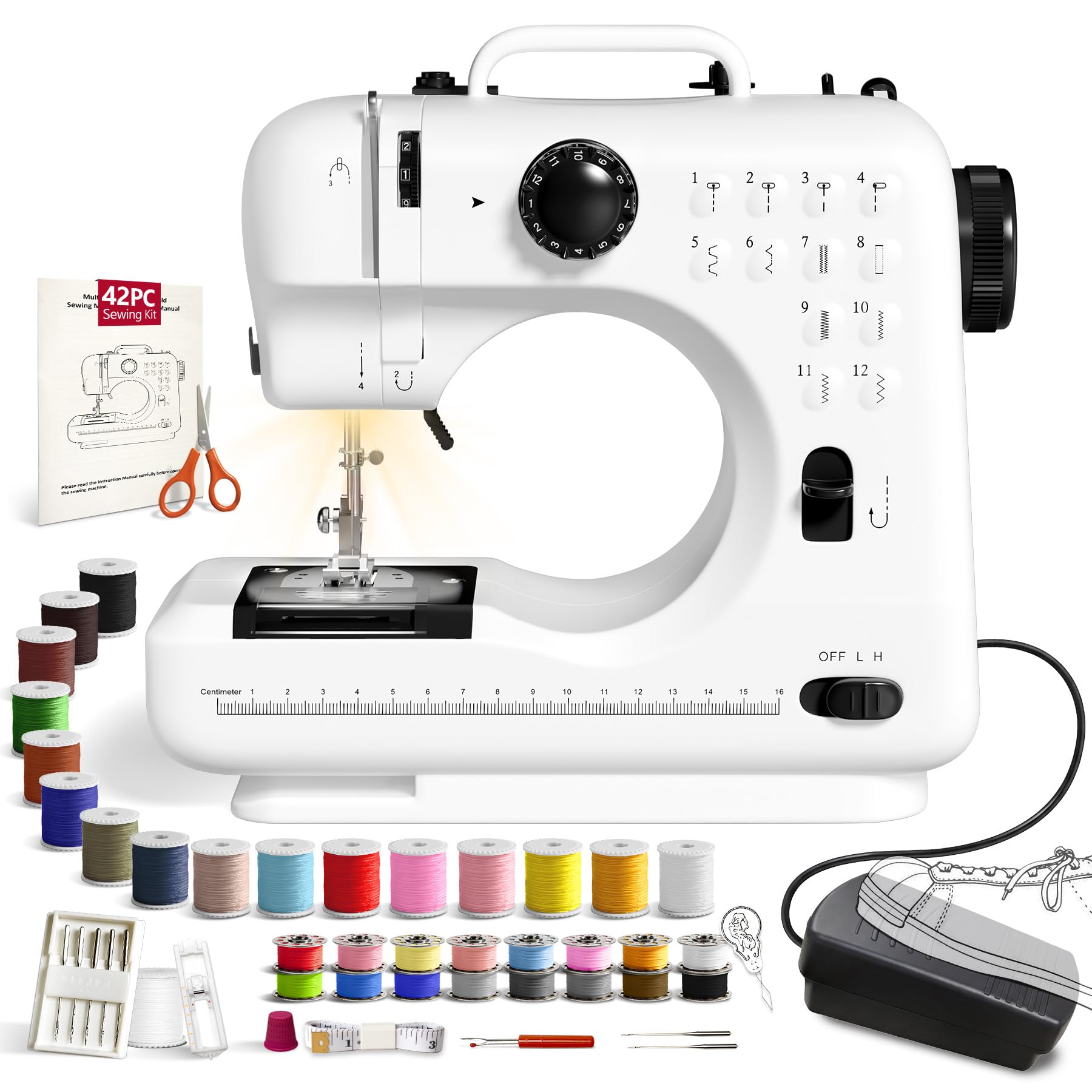
A 40-piece accessory kit, two speeds, and a foot pedal in a body small enough for a drawer.
Two things define this machine. First, 12 stitch options with dual-needle, dual-thread structure, which keeps the stitch stable and neat rather than looping. Second, the accessory kit — 40 pieces including thread spools, scissors, and a needle kit — which means a genuine beginner unpacks and starts. A foot pedal, LED light, auto bobbin winding, and adjustable thread tension round out the controls.
Treat it as an alterations machine rather than a garment factory. It works well for small repairs, hems, crafts, and lighter fabrics, and the compact size means it disappears into a drawer between sessions. Owners of the small-space kind of setup tend to be happy with the miniaturized design specifically because it does not demand a dedicated table.
The honest limit is power on thick material. Corduroy and heavy layered work stop it, and the maker’s own framing points to everyday home sewing rather than upholstery. The motor is small and the body is metal over plastic. Keep it to cotton, linen, and light woven fabric and it does the job it was built for. Expect a learning curve on threading that is slightly steeper than a full-size machine, because the parts are all closer together.
Straight answer: a full accessory kit, 12 stitches, two speeds, and a foot pedal make this a complete starter setup for hems and crafts.
Know before you buy: the size that makes it easy to store is the same size that limits it to light fabric.
Made for: students, hobbyists, and occasional sewers doing hems, patches, and small crafts.
Not the one for: a first denim or canvas project.
9. Smartstitch S-1001 Embroidery Machine

Ten needles, a 7″ touch screen, and 9.5″×14.2″ of embroidery area — it decorates fabric rather than sewing garments.
This is not a garment-sewing machine, and its numbers make that clear. Ten needles run in one pass, which means ten colors without stopping to rethread, at up to 1,200 stitches per minute on a 9.5″×14.2″ embroidery area. A 7″ touch screen runs the controls, auto thread trimming and auto color changing handle the handoffs, and a laser positions the design before the needle drops.
What makes it usable for a beginner is the training rather than the specs. Buyers describe one-on-one sessions, a trainer who walks them through step by step, and video access, with several running their machine within five days. The Facebook support group and the included starter pack of threads, stabilizers, and bobbin threads soften the learning curve considerably. It stitches on denim, canvas, leather, vinyl, caps, shoes, and bags, driven by DST/DSB files loaded from a computer over USB or WiFi.
The physical reality is 93 pounds on a wheeled cart — this occupies floor space, not a table. A self-lubrication system and thread break detection mean less babysitting once it runs, and the machine holds up to 100 million stitches in memory. Quality is the most-praised aspect of it, and it belongs in a home workshop or small business, not in a beginner’s sewing corner.
The real dividing line: 10 needles, 1,200SPM, and the 9.5″×14.2″ embroidery area put this in commercial territory — it decorates fabric rather than constructing garments.
Space and time: 93 pounds needs a home on a cart, and the training sessions are part of the purchase, not an optional extra.
The one to buy if: you are moving into embroidery for a business or a serious craft venture and want ten colors without rethreading.
Wrong tool if: your goal is a first sewing machine for hems and garments.
Know the Specs
Built-in stitches versus stitch applications
A built-in stitch is a single pattern the machine can produce — straight, zigzag, blind hem, a stretch stitch. A stitch application is a job you can do with those patterns once you adjust the length and width. That is why the SINGER 4423 carries 23 stitches but advertises 97 applications, and it is why two machines with very different stitch counts can do most of the same everyday work. When you compare, read the number the maker put first and ignore the bigger one until you know which is which.
Feed dogs and fabric feeding
Feed dogs are the small teeth that rise through the needle plate and pull your fabric forward one stitch at a time. More teeth in the set spreads the grip across a wider strip of fabric, which keeps knits and layered material from shifting or puckering. The Janome MOD-15 uses a 5-piece feed dog system and the Janome JW8100 uses a 7-piece system — a spec worth checking if you plan to sew stretchy or slippery fabric rather than plain cotton.
Drop-in bobbin versus front-loading bobbin
The bobbin holds the lower thread that locks each stitch from underneath. A drop-in top bobbin sits under a clear cover on the bed of the machine, so you can see it and drop it in with one hand. A front-loading bobbin hides inside a removable case you thread by feel. For a beginner, the drop-in design is the easier of the two and the standard on most picks here — it is also the design less likely to jam if the thread path is followed correctly.
Free arm and buttonhole feet
A free arm exposes a narrow cylindrical section of the machine so you can slide a sleeve, cuff, or trouser leg over it instead of trying to sew around a closed tube. A buttonhole foot guides the fabric in four steps to build a buttonhole the right size. Both are common on beginner machines, and both are the features you miss most if your machine does not have them.
Common Questions
Do beginner sewing machines come with everything needed to start sewing?
Is a drop-in top bobbin easier than a front-loading bobbin for a first machine?
How many stitches does a beginner actually need?
Can a beginner sewing machine sew denim or heavy fabric?
What does a heavy duty sewing machine actually mean?
How much space does a sewing machine need?
Do I need a foot pedal, or is a start/stop button better for a beginner?
What is a free arm for on a beginner machine?
Should a total beginner buy an embroidery machine instead of a sewing machine?
Is a computerized sewing machine harder to learn than a mechanical one?
The Bottom Line
For most people buying their first machine, the sewing machines for beginners winner is the Brother XM3700. Its 37 stitches, automatic needle threader, jam-resistant drop-in top bobbin, and 12.5 pounds of carryable weight make it the most forgiving combination here. It is also the crowd favorite of the group at 4.5+ stars across 900+ ratings, though the SINGER 4423 has been rated far more times. If your projects lean toward denim, webbing, and leather, take the SINGER 4423 and accept the 17.1 pounds. For a machine that sews garments now and quilts later, the Janome JW8100 is the one to reach for, with 100 stitches and 7 buttonholes on metal components. And if the real goal is embroidery rather than seams, the Smartstitch S-1001 handles that separate job properly.
How we choose
We do not accept paid placement. Every pick is matched to a real buyer and a real use-case; we do not hands-on test units.
Sources
Specifications: manufacturer listings and product documentation. Review insights: verified customer reviews, as of October 2026. Pricing: not shown on this page (it changes often); check the current price via the retailer link.
As an Amazon Associate, Aappliancez earns from qualifying purchases. This does not affect which products we feature.