Disclosure: Some links in this post are affiliate links. As an Amazon Associate I earn from qualifying purchases, at no extra cost to you. Learn more
Specs are compiled from manufacturer listings and verified buyer reviews and can change over time — please confirm the key details on the product page before buying.
If you are mixing formula for a newborn, filling a CPAP chamber, or just trying to drink water without a plastic aftertaste, the safest option is a purified distilled water bottled in a sealed, fluoride-free, BPA-free container. The longer answer matters because “spring water” and “purified water” mean different things in a formula bottle, a CPAP chamber, and a drinking glass. This guide breaks down five bottle choices by what is actually inside them, then names the one that fits your specific job.
This guide is built by comparing the manufacturers’ published specifications and the patterns across verified customer reviews, so you get each pick’s real strengths and trade-offs instead of marketing spin.
Some bottles are distilled for infant feeding, others are naturally alkaline spring water meant to be sipped cold. Matching the water type to the job is the whole decision. Below you will find the practical differences that separate a nursery water from a table water, plus the one honest trade-off that shows up again and again on each. Here is what actually separates the safest bottled water from water that just looks safe on the shelf.
Top Picks

How To Choose The Safest Bottled Water
“Safe” means a different thing depending on who is drinking. For a six-month-old on formula, you want water with no fluoride and no added minerals, because an infant’s kidneys and incoming teeth are sensitive to both. For a CPAP machine, you want distilled water specifically, because the steam distillation step strips out the dissolved minerals that would otherwise crust up the humidifier chamber. For an adult who just wants a clean-tasting bottle at the desk, naturally alkaline spring water is a perfectly reasonable, pleasant daily drink. Match the water type to the job first, then worry about the bottle.
Distilled, spring, alkaline, and hydrogen water
Distilled water has been boiled into steam and condensed back into liquid, which leaves behind sediment, chlorine taste, and hardness minerals. Spring water comes from a named underground source and keeps whatever natural minerals that source contains. Alkaline water is measured by pH, and hydrogen water has molecular hydrogen gas infused into it. None of these are better or worse in the abstract — they are built for different purposes.
Fluoride, minerals, and what to avoid for infants
For nursery use, look for bottles that state fluoride-free, chlorine-free, and mineral-free on the label. Added minerals are fine for adults and often pleasant in spring water, but they are not what you want in the water you measure into a formula bottle every morning.
Bottle material: plastic versus glass
Plastic bottles are lighter and ship better, which is why nearly every nursery water comes in BPA-free plastic. Glass bottles taste the cleanest and avoid any plastic contact with the water, but they are heavier and can chip in transit. If you are buying glass, plan for how the case will arrive.
Side-by-Side Comparison
| Model | Best For | Water Type | Unit Count | Bottle Material | Amazon |
|---|---|---|---|---|---|
| Bay Bay Water Purified Distilled Water for Babies★ Best Overall | Formula, CPAP, and everyday nursery use | Purified distilled, 7-step | 202.8 Fl Oz (Pack of 12) | BPA-free plastic | Amazon |
| Icelandic Glacial Natural Spring Alkaline WaterBest for Drinking | Everyday clean-tasting drinking water | Naturally alkaline spring, pH 8.4 | 133.2 Fl Oz (Pack of 2) | Recyclable BPA-free rPET | Amazon |
| ABC Baby Water Premium Distilled Water for Babies | Travel and on-the-go formula mixing | Purified distilled, 9-step | 202.8 Fl Oz (Pack of 12) | BPA-free plastic | Amazon |
| improve Premium Hydrogen Water | Athletes and recovery-focused drinkers | Hydrogen water, 9.5 pH | 152.4 Fl Oz (12-pack) | Aluminum can | Amazon |
| Mountain Valley Spring Water, Glass Bottle | Plastic-free daily drinking at home | Spring water | 12 Fluid Ounces (Pack of 12) | Glass | Amazon |
Detailed Reviews
1. Bay Bay Water Purified Distilled Water 16.9 Fl Oz
Our pick — over 4.5★ from 950+ verified ratings; the strongest balance of quality and price.
The one bottle that does nursery duty, CPAP duty, and sippy cup duty without breaking stride.
Here is the bottle that wins on the numbers. It runs through a 7-step steam distillation and purification process, and that extra pass is why the water tastes light rather than flat. Every 16.9 fl oz bottle is fluoride-free, chlorine-free, phosphate-free, and lead-free, with zero added minerals.
What people keep coming back to is the water quality itself. It shows up on the label as a nursery water and then quietly earns its place on an adult nightstand too — it is the same bottle that fills a CPAP machine and a Neti Pot. The single-serve size is the other quiet win. Clear, easy-grip 16.9 fl oz bottles slide into a diaper bag, a daycare cubby, a stroller caddy, or a carry-on without the gallon-jug wrestling match. On portability, it is the strongest pick in this lineup.
Where it sits against the others: this is the lightest case here at 1.06 pounds, while the ABC Baby Water case comes in at 13.98 pounds. That gap is the whole reason the Bay Bay case is the one you actually want to hand to a toddler’s grandmother before a flight. The formula-feeding parents sum it up: “no bloating for baby or fussiness,” mixed with the honest note that it can run a little pricey. Bottled in the USA in a CGMP-aligned, FDA-registered facility and produced in alignment with 21 CFR §165.110(b) bottled-water standards, so you know where it came from. Use as directed by your pediatrician for infant feeding.
What earns it the top slot
- 7-step steam distillation strips sediment, chlorine taste, and hardness minerals
- Fluoride-free, chlorine-free, phosphate-free, lead-free with zero added minerals
- 16.9 fl oz single-serve size — light and portable for travel and daycare
- Works beyond the nursery: CPAP machines, humidifiers, steam sterilizers, Neti Pot nasal cleansing
- Bottled in the USA in a CGMP-aligned, FDA-registered facility
Where it gives ground
- It is one of the pricier distilled waters per bottle — a recurring note in reviews
- Not the right pick if you want added minerals or a natural spring minerality
- Single-serve means more packaging to recycle than one large jug
Reach for this if: you want one bottle that covers formula feeding, CPAP machines, and toddler hydration without changing products mid-week.
Look elsewhere if: you specifically want the mineral profile of natural spring water — that is a different category of drink entirely.
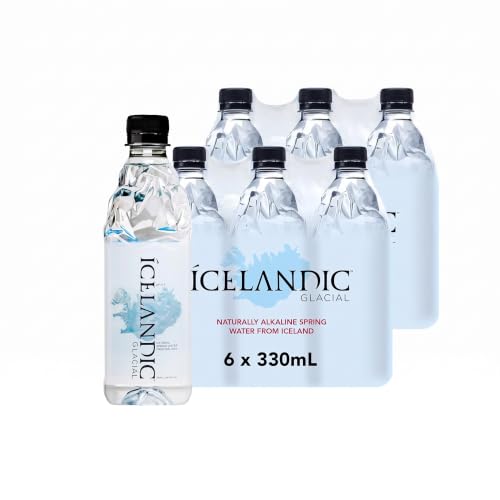
2. Icelandic Glacial Natural Spring Alkaline Water 330 ml
Water that arrives at its own pH, straight from a spring, with zero adjusting needed.
Most “alkaline” water you find on a shelf has had its pH pushed up after the fact. Icelandic Glacial does not work that way. It sits at a natural pH of 8.4 as it comes out of the ground, sourced from the Ölfus Spring in Iceland — one of the world’s largest natural springs. That is the specific number that earns this bottle its slot: an honest 8.4 that the source provides, not a chemistry-set adjustment.
The taste is where this one gets its reputation. The bubbles are clean, the finish is clean, and the bottles are built with the brand’s glacier-inspired design, which is a subtle aesthetic bonus on a dinner table. They are made from high-grade rPET (recycled plastic) that is BPA-free and entirely recyclable. If you want the sparkle, the same line also comes in classic sparkling and a selection of distinct sparkling flavors, all available in 330 mL aluminum cans. The cans are worth knowing about. When you want the taste without the plastic, they are the same water in a different container.
Compared side by side with the Mountain Valley case, this one packs the bigger volume. These 330 mL six-count packs work out to 133.2 fluid ounces, against Mountain Valley’s 12 fluid ounces — the Icelandic case gives you noticeably more water per case. The honest trade is that the value story is the weak spot. Several customers find it quite expensive for what it is. No added minerals, no chloride, no fuss — just clean spring water at a natural pH. If taste and sourcing are your two buying criteria, this is the bottle that delivers on both.
The sourcing story: A natural 8.4 pH from Iceland’s Ölfus Spring, with a sustainable rPET bottle and packaging that is entirely recyclable.
What you are trading: The bottles are designed to be savored rather than stocked up cheaply — the value for money on the price tag tends to come up short next to grocery-store water.
Anyone who sips seriously: this is the pick when the water itself is the point — the glass of water you pour yourself after a long day.
If you are buying by the case for a crowd: the value math runs the other way, and you are better served stocking a larger format.
3. ABC Baby Water Premium Distilled Water 16.9 oz
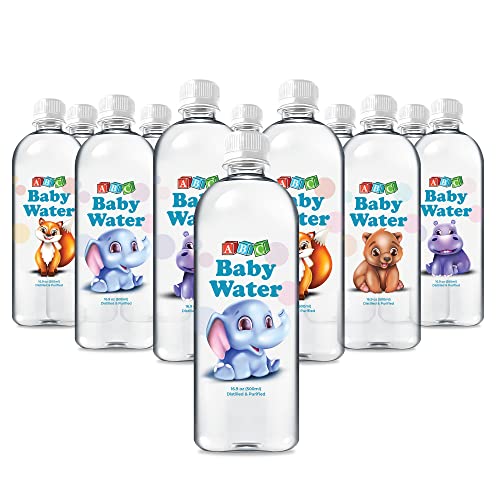
Built for the overseas trip, the backpack, and the toddler who has opinions about juice.
ABC Baby Water takes a slow path to clean. It is an 11-hour, 9-step distillation and purification process, and the payout is water free of pH additives, sodium, chlorine, fluoride, minerals, and metals. That is the label you want in front of you when you are mixing formula on a hotel room desk, hours from home, with no way to check the tap.
You can carry these 16.9 oz bottles anywhere—they slip into a diaper bag or backpack without weighing you down. The seals hold tight, so travelers who pack them for luggage and backpack trips report no leaks, even after the bottle has been rolling around since baggage claim. At home, you avoid heavy gallons because the pack comes in cases of 12 or 24. Each case has four unique labels with cute animal designs, and one owner’s toddler latched onto those labels so hard she forgot about juice entirely. That is a genuinely useful trick if you have a juice-first two-year-old on your hands.
This is also the heaviest case in the lineup — the ABC Baby Water case lands at 13.98 pounds, which is a fair bit of cardboard and water to carry up an apartment staircase. It packs the same 202.8 fluid ounces as the Bay Bay case, so the volume is identical. What differs is the water inside it. The distilled production is done in a state-inspected bottling facility that meets full FDA guidelines, quality-tested by a third-party accredited lab, and made and bottled in the USA. Some blend of reviews note the taste runs bitter for their household — a formula-mixing parent is going to taste-test it anyway, so this is worth knowing going in. If you are planning an overseas trip, this is one to load first.
Why traveling parents pack it
- 11-hour, 9-step distillation and purification removes pH additives, sodium, chlorine, fluoride, minerals, and metals
- Fluoride-free formula, so no fluoride reaches the bottle you mix for an infant
- Same 202.8-fluid-ounce volume as the Bay Bay case in a straightforward travel format
- 4 unique animal label designs that keep a toddler engaged with their own water bottle
- Made and bottled in the USA in a state-inspected facility meeting full FDA guidelines
What to weigh first
- Heavy case — 13.98 pounds is a real lift staircase by staircase
- Taste is a mixed bag; some households find it bitter where Bay Bay runs clean
- One of the pricier nursery options per case
Made for: the parent packing a suitcase for an overseas trip who needs sealed, distilled water that survives the journey and stays fresh.
Worth a second look: if you want the cleanest-tasting distilled water on the shelf and the animal-label trick is not a factor for you.
4. improve Premium Hydrogen Water 9.5 pH
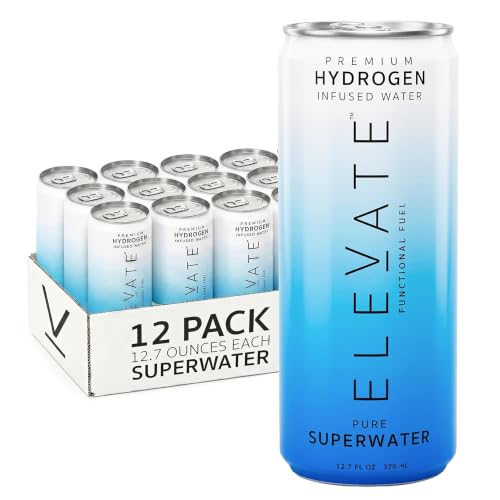
Two ingredients, one aluminum can, and a very specific kind of water inside.
improve is the odd one out — this is not water for formula or a CPAP machine, it is water for a person chasing a specific functional benefit. Each can gives you 3-5 PPM molecular hydrogen (H2, a gas that is dissolved into water), with an ORP reading of -650. The whole list of ingredients is two items: ultra-purified structured water and hydrogen gas. That is it. No flavoring, no sugar, no caffeine, no calories. The purification step itself is a 12-stage process, and the resulting water sits at a 9.5 pH alkaline.
What regulars describe is a drinking experience that is oddly easy. The recurring description is “drinking air” — no watery slosh, no warm funky taste, easy to drink fast. A non-water-drinker reportedly found the cans fresh and crisp ice cold and compared them to mountain water. Others noted a physical pick-me-up during demanding activity, and a few mentioned feeling better on soreness days. The honest caveat from those same committed drinkers is that the feel diminishes as they work through a case, and the cost keeps it in occasional-treat territory rather than daily-stock territory.
At 12.7 ounces, this case is the lightest option here, and it ships in aluminum cans rather than plastic—a real difference if microplastics are what pushed you away from standard bottled water. One buyer notes that any excess hydrogen is exhaled naturally with no buildup. The brand cites 1,600+ peer-reviewed studies on molecular hydrogen—a brand claim, not an independent verdict. If you already know what molecular hydrogen is and want it in a ready-to-drink can, this is the easiest path to it.
What makes it unique on this list: It is the only can here that markets a specific functional ingredient (3-5 PPM molecular hydrogen) rather than just source-of-water purity, and it is the lightest case here at 12.7 ounces. The aluminum cans are fully recyclable and sidestep plastic altogether.
What you are signing up for: The value question is legitimate — committed drinkers say the cost keeps them from stocking it very often, and the noticeable effect tapers across the case.
For the recovery-focused drinker: if you already drink alkaline water or use hydrogen tablets, this is a ready-to-drink aluminum can with no prep steps.
The person who should not buy it: anyone mixing formula or filling an appliance — distilled water is the better match for those jobs.
5. Mountain Valley Spring Water Glass Bottle 16.9 ounces
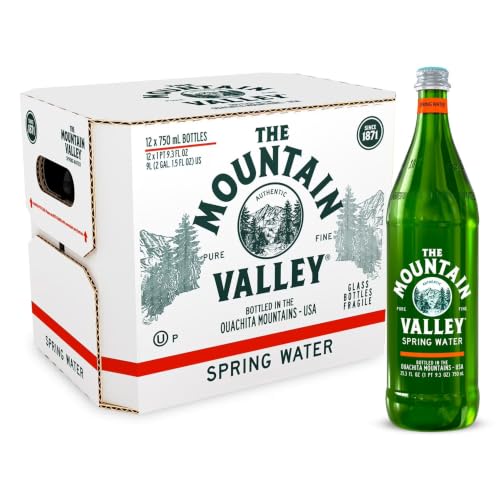
The one case on this list that exists because its container is the whole argument.
If you want to avoid plastic, this case is the one to pick. Mountain Valley puts its spring water in a glass bottle—16.9 ounces, sold in a pack of 12—because the container itself is the selling point. Reviewers describe a clean, refreshing taste with no plastic aftertaste, and many say they switched from another brand as soon as they found a glass alternative that ships. That is the whole point: glass does not carry the taste of what it holds the way plastic sometimes can.
The honest trade is weight and shipping. Glass is heavier than plastic, and it can chip in transit. The Mountain Valley case has gotten the most attention of anything on this list, and the recurring complaint in the negative reviews is about packaging and fragility, not the water itself. Some cases also arrived with what buyers describe as plastic bottles rather than glass — noting that the label says glass but what showed up was not. This is not a delivery problem to ignore. If you specifically want glass, order when you can check the shipment on arrival, and inspect each bottle’s rim for chips before you pour. When the case arrives intact, the water quality is the thing people come back for.
It compares directly with the Icelandic case on volume, and the math runs the other way — this one has a 12 fluid-ounce unit listing against Icelandic Glacial’s 133.2 fluid ounces, so per-case you are getting less water. You are paying, in effect, for the glass. If owning a genuinely glass-bottled spring water is the priority, this is the case in this lineup. If volume per case is the priority, the Icelandic case wins the comparison. What this case does better than anything else here is solve a specific problem — the microplastic concern — with a physical solution rather than a marketing claim.
The glass advantage
- Glass bottle means no plastic aftertaste and no microplastic contact with the water
- Clean, refreshing spring water taste that keeps bringing people back
- 16.9 oz bottle size is a good everyday drinking format
- Fully recyclable glass container
The glass tax
- Glass can chip in shipping — inspect rims before drinking
- Some cases arrive with what buyers report is plastic despite the glass label
- Heavier to handle than a plastic case
- Lower per-case volume than the Icelandic Glacial pack
Right for you if: your reason for buying spring water in the first place is to get away from plastic contact with your daily drink.
Think twice if: you need the case to arrive in perfect condition every single time — inspect each bottle as it comes from the start.
Know the Specs
Distillation steps and what they remove
Steam distillation boils water, captures the steam, and condenses it back into liquid. The sediment, chlorine taste, and hardness minerals stay behind. A 7-step process and a 9-step process are both doing the same fundamental job — pulling out the stuff that would otherwise crust up a humidifier chamber or land in a formula bottle. The exact count matters less than the fact that the process is distillation at all. If a label says “purified” without saying “distilled,” check whether it was distilled before you use it in a CPAP machine.
pH, PPM, and what those numbers really mean
pH is a scale from 0 to 14 that measures acidity versus alkalinity. A bottle at 8.4 sits on the alkaline side of neutral. PPM stands for parts per million, used for dissolved hydrogen gas in hydrogen water. Neither number alone tells you the water is better for you — they simply describe where the water sits on a specific measurement scale. Match the numbers to your use case rather than the highest number to any use case.
Common Questions
Is distilled water really necessary for a baby’s formula?
Can I use nursery water in a CPAP machine instead of distilled?
What does “no fluoride” actually mean on a baby water label?
Is glass-bottled water safer than plastic-bottled water?
How should I store bottled water once the case arrives?
Does alkaline water at pH 8.4 taste different from regular water?
Is hydrogen water actually different from regular bottled water?
What size bottle is best for travel and diaper bags?
Are the bottles recyclable and BPA-free?
Why do some people say bottled water tastes bitter?
The Bottom Line
The safest bottled water for most households is the Bay Bay Water Purified Distilled Water for Babies — a 7-step distilled, fluoride-free, mineral-free bottle that covers formula feeding, CPAP machines, humidifiers, and toddler hydration without changing products. It is the crowd favorite across 900+ owner ratings, and the only bottle here that covers both nursery duty and adult use.
For clean-tasting table water, the Icelandic Glacial Natural Spring Alkaline Water brings a naturally alkaline 8.4 pH from Iceland’s Ölfus Spring and fits dinner-table duty better than anything on this list. If you are a parent shipping out on a trip, the ABC Baby Water case is sealed, distilled, and built for luggage. And if you want to leave plastic behind entirely, the Mountain Valley glass-bottled spring water solves the microplastic problem with a physical container rather than a marketing line—inspect each bottle’s rim when it arrives, and the clean taste is what you will remember.
How we choose
We do not accept paid placement. Every pick is matched to a real buyer and a real use-case; we do not hands-on test units.
Sources
Specifications: manufacturer listings and product documentation. Review insights: verified customer reviews, as of October 2026. Pricing: not shown on this page (it changes often); check the current price via the retailer link.
As an Amazon Associate, Aappliancez earns from qualifying purchases. This does not affect which products we feature.