Disclosure: Some links in this post are affiliate links. As an Amazon Associate I earn from qualifying purchases, at no extra cost to you. Learn more
Specs are compiled from manufacturer listings and verified buyer reviews and can change over time — please confirm the key details on the product page before buying.
If your arch collapses inward with every step, the right shoe is the one that holds your foot steady without bruising it. That is the whole job here. Posterior tibial tendon dysfunction (PTTD) means the tendon that props up your arch is stretched or torn, so your ankle rolls in and your instep drops. A good stability shoe fights that roll with a firmer medial post and a wider base. Below are nine pairs that do this well, sorted by how much support and cushioning they actually deliver.
This guide is built by comparing the manufacturers’ published specifications and the patterns across verified customer reviews, so you get each pick’s real strengths and trade-offs instead of marketing spin.
You will see which shoes run narrow, which run heavy, and which ones people with flat feet keep buying again. The list starts with the strongest all-rounder and works down to budget-friendly picks that still hold your arch. Here is the honest breakdown of the running shoes for pttd that actually support a collapsing arch.
Top Picks
How To Choose The Best Running Shoes for PTTD
PTTD changes what you need from a shoe. Your foot wants to roll inward, so you need a shoe that pushes back against that roll and keeps your heel planted. The right pair protects the tendon while you run, walk, or stand.
Look for a stability platform, not just cushion
A stability shoe has a firmer section on the inner side of the midsole and a wider base under your foot. That combination resists the inward roll that strains a weak posterior tibial tendon. Cushioning alone will not stop your arch from collapsing, so check the shoe’s support system before you check how soft it feels.
Check the width and the toe box
Many people with PTTD also have flat, wide feet, and a narrow toe box can crowd your toes and push your foot further inward. Look for wide and extra-wide options if your forefoot spills over the standard width. A roomy toe box lets your toes spread and keeps your foot from sliding.
Decide if you need room for orthotics
If you wear custom inserts or an arch pad, the shoe needs enough depth and a removable insole. Some stability shoes fit orthotics easily, while others feel tight once you add an insert. Check the product description for a removable footbed before you commit.
Side-by-Side Comparison
| Model | Best For | Weight | Stability Type | Width Options | Amazon |
|---|---|---|---|---|---|
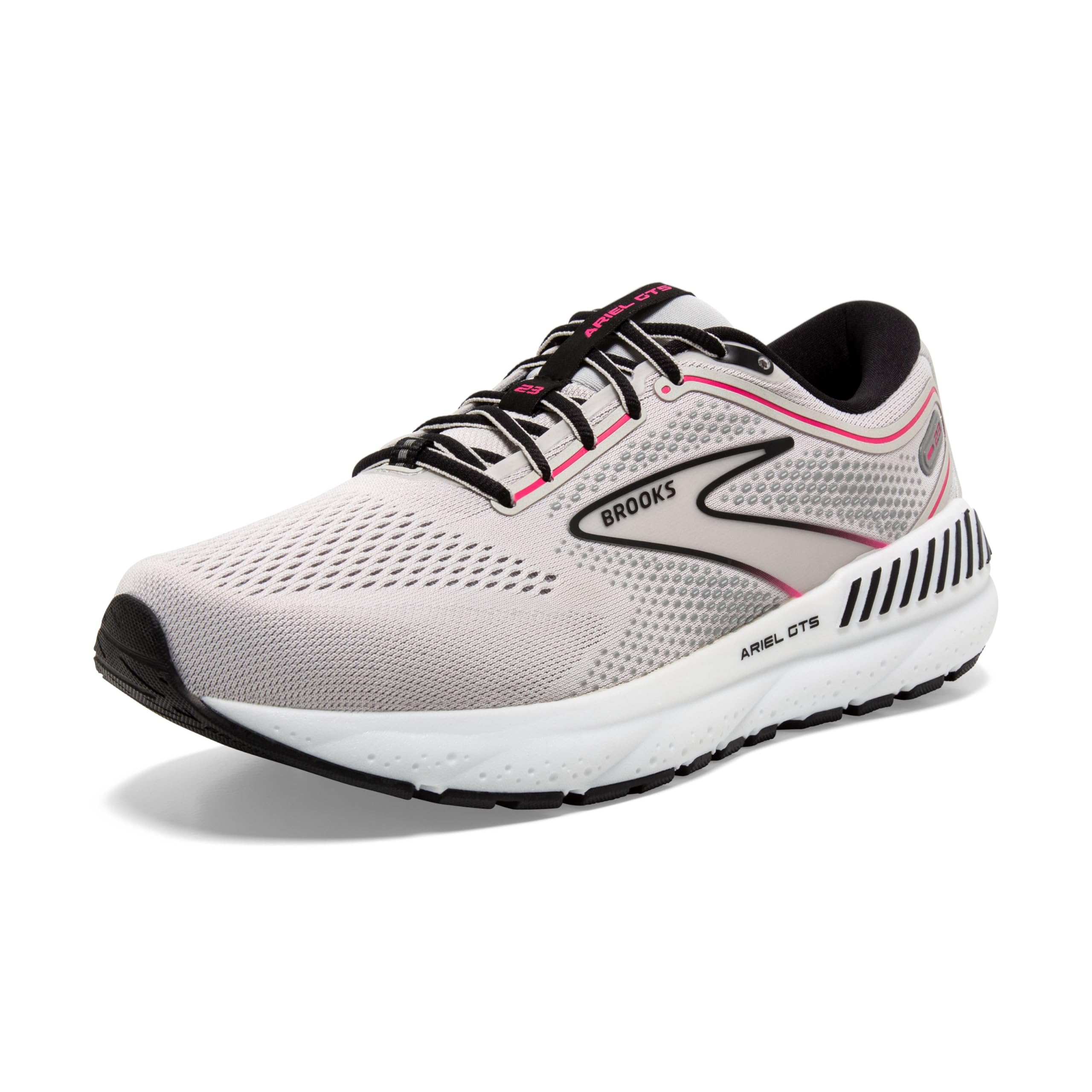
| Brooks Women’s Ariel GTS 23★ Best Overall | Everyday support with a firm heel | 1.5 pounds | GuideRails support system | Wide / Extra-wide | Amazon |
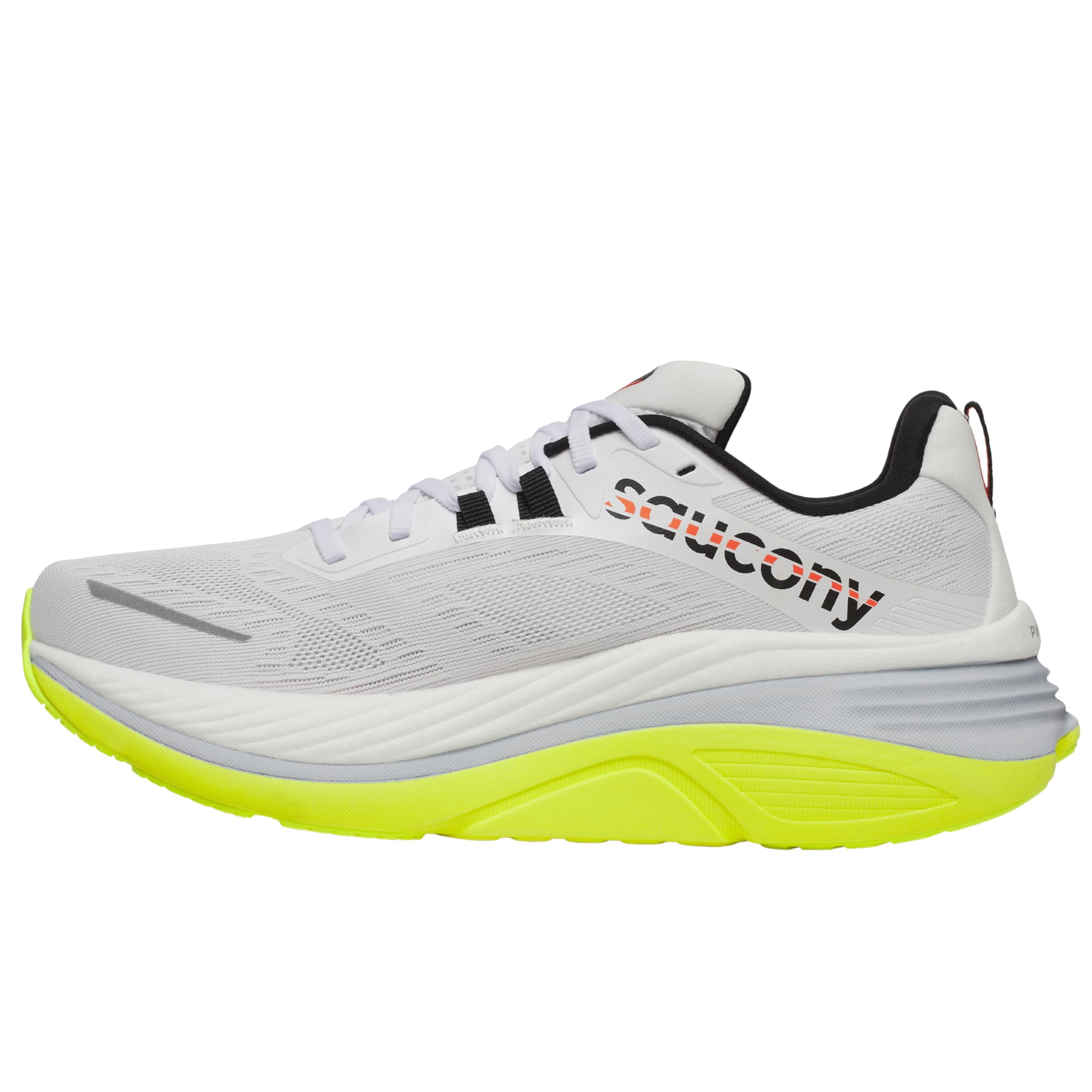
| Saucony Men’s Hurricane 24Max Cushioning | Max cushioning for long runs | 10.6 oz (302g) | CenterPath Technology | Wide fit available | Amazon |
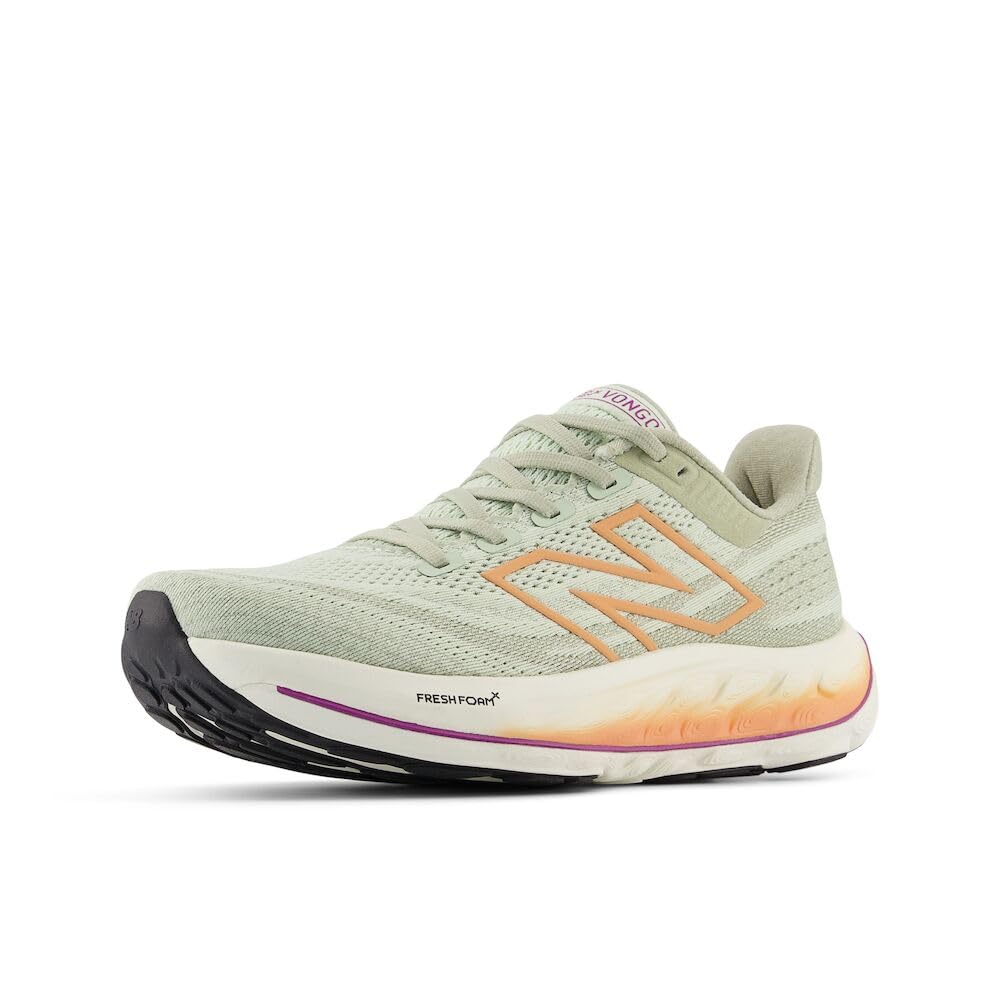
| New Balance Fresh Foam X Vongo V6Plush Support | Plush cushioning with medial support | 2.1 pounds | Medial zone stability | Wide | Amazon |
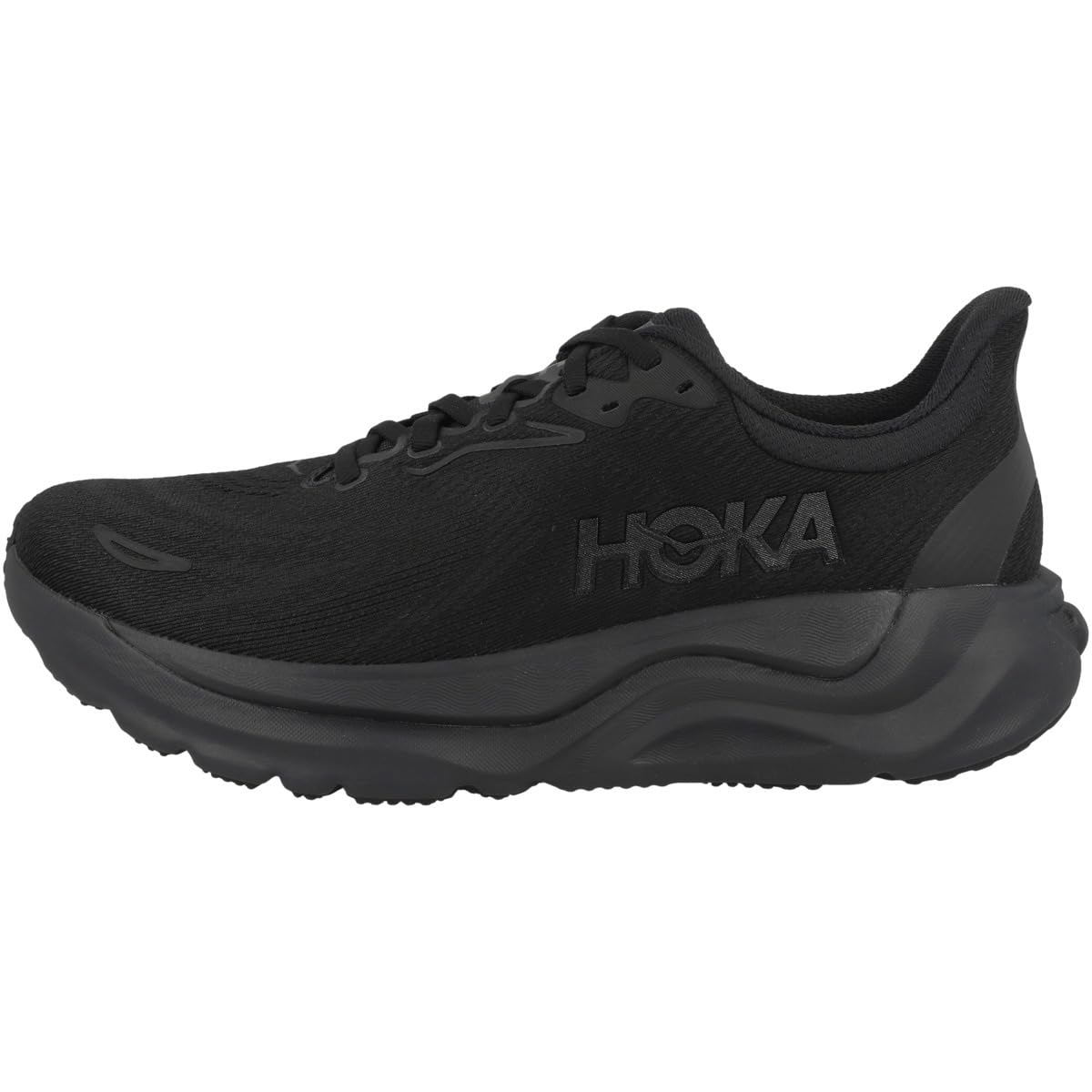
| Hoka Mens Arahi 8 | Lightweight stability for long shifts | 2.19 pounds | H-Frame stabilizing system | Standard / Wide | Amazon |
| Saucony Men’s Guide 18 | Cushioned daily trainer for overpronators | 1.87 pounds | Center Path Technology | Wide / Extra-wide | Amazon |
| Saucony Women’s Hurricane 24 | Maximum cushion for recovery days | 9.8 ounces | CenterPath Technology | Standard | Amazon |
| ASICS Men’s GT-2000 14 | Versatile stability for daily training | 1.44 pounds | 3D Guidance System | Standard / Wide | Amazon |
| ASICS Women’s GT-2000 14 | Stability for runners who need arch support | 1.44 pounds | 3D Guidance System | Standard / Wide | Amazon |
| Brooks Men’s Beast GTS 26 | Heavy-duty support for larger runners | 1.5 pounds | GuideRails support system | Wide / Extra-wide | Amazon |
Detailed Reviews
1. Brooks Women’s Ariel GTS 23 Supportive Running Shoe
Our pick — 4.5+★ from 750+ verified ratings; the strongest balance of quality and price.
The shoe that keeps a collapsing arch from rolling inward on every step.
The Ariel GTS 23 is built for the foot that wants to roll in. Brooks uses its GuideRails support system to keep your ankle tracking straight, and buyers with flat, wide feet say it holds them steady. At 1.5 pounds, it is lighter than the New Balance Vongo V6 at 2.1 pounds, so you get solid support without a heavy feel. If you have PTTD and need a shoe that keeps your heel planted, this is the first one to try.
The fit is where this shoe wins people over. Brooks offers it in wide and extra-wide widths, and people with broad midfoot feet who normally struggle to find a shoe that fits say this one works for them. The arch support is firm and noticeable right away, which is what your tendon needs. The upper wipes clean easily, and the neutral colors work with everyday clothes, not just running gear.
The trade-off is weight and break-in. This is not a featherweight racer, and if you are chasing a personal best, the 1.5 pounds will slow you down slightly compared with a lightweight trainer. Some buyers also note the fit runs true to size, so if you are between sizes, go with your larger size for toe room. It is a daily support shoe, not a speed shoe.
What holds up
- GuideRails support system fights the inward roll that strains a PTTD foot
- Wide and extra-wide options fit broad, flat feet that other shoes cramp
- 1.5 pounds, lighter than the New Balance Vongo V6 at 2.1 pounds
What to weigh
- At 1.5 pounds it is a support shoe, not a fast trainer
- Some buyers find the firm arch takes a few wears to get used to
Reach for this if: your arch collapses inward and you want firm, steady support for daily runs and walks.
Look elsewhere if: you need a lightweight racer for speed work and cannot spare the extra weight.
2. Saucony Men’s Hurricane 24 Sneaker
Double-layer foam that cushions a long run without letting your arch roll away.
Saucony stacked two foams here: a soft PWRRUN PB layer for energy return and a firmer PWRRUN frame underneath for support. That frame is the part that matters for PTTD, because it keeps your foot centered when you land. The weight is 10.6 oz (302g) with a 6mm offset (38mm heel, 32mm forefoot drop). That offset keeps your foot closer to level than a tall heel would, which helps a flat-footed runner stay balanced.
The cushioning stays firm instead of turning mushy, and that is what wins people over. Runners with flat feet report the built-in support holds without a pronounced arch poking into them. One buyer who dropped from a 13 4E to a 12.5 after weight loss calls it the most comfortable max-stack stability shoe he has worn. The wider base controls both inward and outward roll, which matters if your PTTD foot is unstable in both directions. Breathable mesh and a wide toe box keep your foot from feeling trapped.
The catch is fit. Saucony’s own customers disagree on sizing, with some finding it true to size and others saying it runs small. Try a half size up if you are between sizes, and note that one reviewer noted build differences between factory runs, so check the fit on your first pair. It is also on the heavier side at 10.6 oz, so it is a recovery and long-run shoe rather than a tempo shoe.
How it feels underfoot: soft on top, firm underneath, so your arch gets support without a hard edge digging in.
Best matched to: longer runs and recovery days where you want plush cushion plus a stability frame.
Think twice if: you want a true-to-size fit you can count on without trying a half size up.
3. New Balance Women’s Fresh Foam X Vongo V6 Running Shoe
A soft foam ride with a firmer medial zone to catch your arch as it drops.
New Balance put a supportive medial zone into the Fresh Foam X midsole, so the inner side of the shoe is firmer than the outer side. That asymmetry is exactly what a PTTD foot needs. The shoe suits treadmill 5k runs and daily walks, and buyers report the cushioning feels like running on pillows while the arch support still holds. It comes in at 2.1 pounds, which is heavier than the Saucony Hurricane 24’s listed 10.6 oz (302g), so expect a more substantial feel on your foot.
Comfort is the thing people rave about, with the quality of the build close behind. The wide-based sole gives a stable platform, and the shoe accommodates custom orthotics if you wear them. One buyer with back pain says the wide size fits her broad foot and stabilizes it, and the shoe is machine washable. Treadmill runners report less knee pain after a few months in it.
The honest note is the fit. New Balance’s own customers are split on it, with some finding it true to size and others needing a half size up. A few buyers also find the shoe stiff at first and not very breathable, so your feet may run warm. If you have severe bunions, the inner lining may rub, so break them in slowly.
Why flat-footed runners like it
- Firmer medial zone in the midsole supports a dropping arch
- Machine washable and fits custom orthotics
- Wide-size option fits broad feet
Where it asks patience
- Fit is split, so many buyers need a half size up
- Stiff at first and not very breathable
Great fit for: women who want a soft, pillow-like ride with a firmer inner edge for arch support.
Pass on it if: you need a breathable shoe for hot weather or have bunions that need a soft inner lining.
4. Hoka Mens Arahi 8
A stability shoe light enough for long shifts on your feet.
Hoka built the Arahi 8 around its H-Frame stabilizing system, a firm structure that combats overpronation while letting your foot enter the stride smoothly. The materials are softer than the previous version, so it does not feel like a rigid plank. At 2.19 pounds, it is a lighter stability option than the New Balance Vongo V6 at 2.1 pounds by a small margin, and owners mention it feels light on the foot. That matters when you are standing or walking for hours.
The support is what earns it a place here. People who have had foot surgery say it gives them the best support they have found, and a delivery driver wears them for a full workday. One runner returning after a two-year break says the Arahi 8 let him run pain-free and credits it for easing his plantar fasciitis and heel striking. The roomy toe box and secure heel keep your foot from sliding, and the wide, stable sole gives a solid platform.
The honest catch is durability expectations and the heel shape. One buyer reports minimal sole and interior wear after 1,000 miles of daily work and dog walking, while others question its long-term durability. The beveled heel takes some getting used to if you are coming from a flatter shoe. If you need a stability shoe for long days on your feet, this is a strong pick.
The defining strength: the H-Frame gives real stability without the weight of a traditional post, so you can wear it all day.
Pick this one for: long work shifts or a return to running where you want support without a heavy shoe.
Don’t count on it if: you dislike a beveled heel or want a shoe you can log thousands of miles in without checking the wear.
5. Saucony Men’s Guide 18 Sneaker
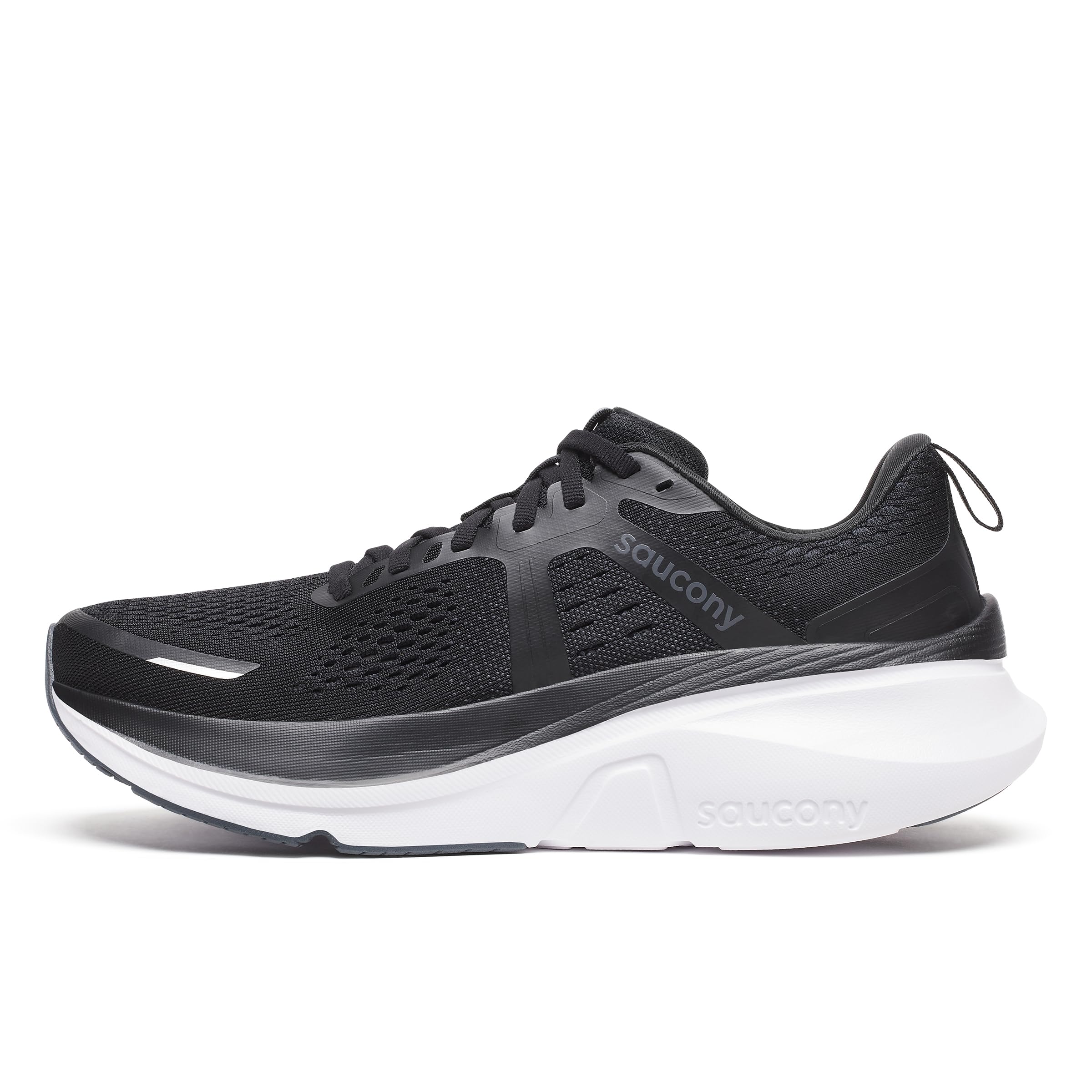
A cushioned everyday trainer that keeps your foot centered and supported.
Saucony’s Center Path Technology is the feature to know here. It builds a standard centerline, raises the sidewalls, and shapes the sole like a rocker to ease your toe off. For a PTTD foot, that means your foot stays cradled instead of sliding inward. The PWRRUN foam is soft and responsive, and at 1.87 pounds it is lighter than the New Balance Vongo V6 at 2.1 pounds. It is a daily trainer you can wear for miles without thinking about it.
Runners with severe overpronation say it matches the support of a Brooks Adrenaline GTS with a roomier toe box. A 50-year runner calls his first run on it light and cloud-cushioned while still stable on his heel strike. One flat-footed big guy wears them for all-day standing, and another buyer says the cushioning and guidance work well for larger runners. The 4E width and flexible upper give wide feet room to move.
The recurring gripe is durability. A few customers note the mesh upper wearing through at the big toe by about five months, and one says the sole wore out in under a month. This is a shoe to rotate with other pairs rather than wear as your only set. Also note the toe box runs narrower than earlier Guide versions, and the white midsole shows dirt quickly.
What the price buys: a stable, cushioned daily trainer that handles overpronation and fits wide feet at a fair value.
Worth it for: daily training and all-day standing when you want stability and a roomy toe box.
skip it if: you need one pair to last through heavy daily mileage without rotating in another shoe.
6. Saucony Women’s Hurricane 24 Sneaker, Flint/Viola, 8.5
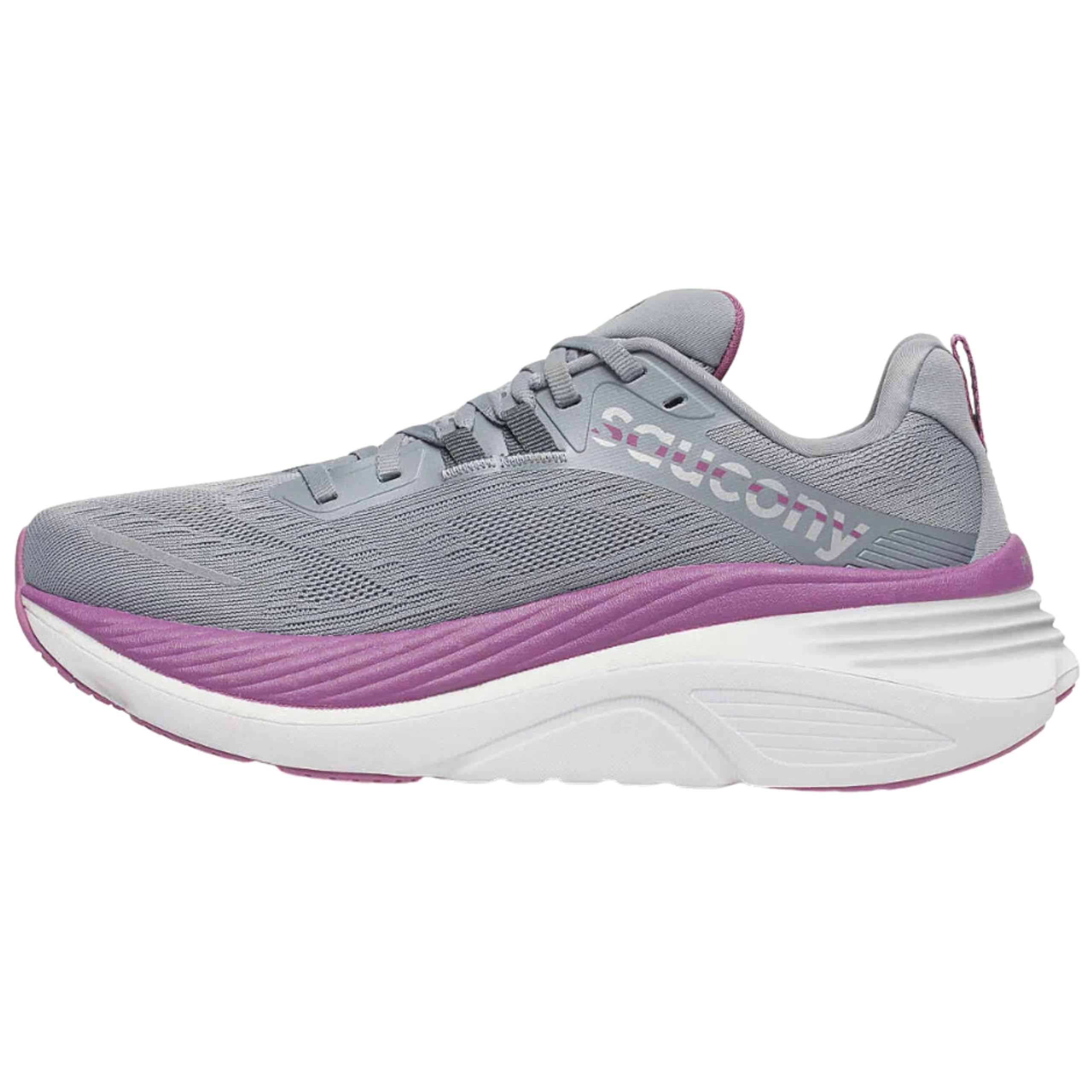
The women’s version of Saucony’s max-cushion stability shoe, in a lighter build.
This is the women’s Hurricane 24, and it carries the same dual-cushioning idea as the men’s model: a soft PWRRUN PB layer over a supportive PWRRUN frame. The weight is 9.8 ounces, which is lighter than the men’s 10.6 oz (302g). CenterPath Technology keeps your foot centered and gives a protective, stable ride. If your PTTD foot needs cushioning plus a firm frame under the arch, this is a natural fit.
It weighs less than the men’s version, and that is what separates it. You get the same protective geometry in a lighter shoe, so it is easier to wear on recovery days and long walks. The engineered mesh keeps it breathable, and the plush heel fit keeps your foot locked in place.
One note on this listing: it has very few reviews, so the feedback is limited compared with the other picks. Check the fit and weight against your usual running shoe before you commit. If you already like the Hurricane line, this is the women’s cut to try.
Where it fits in: a recovery-day shoe for women who want max cushion without the men’s heavier build.
Consider this if: you are a woman who wants the Hurricane’s rocker cushioning in a lighter 9.8-ounce package.
Hold off if: you need plenty of buyer feedback to feel confident before you buy a new model.
7. ASICS Men’s GT-2000 14 Running Shoes
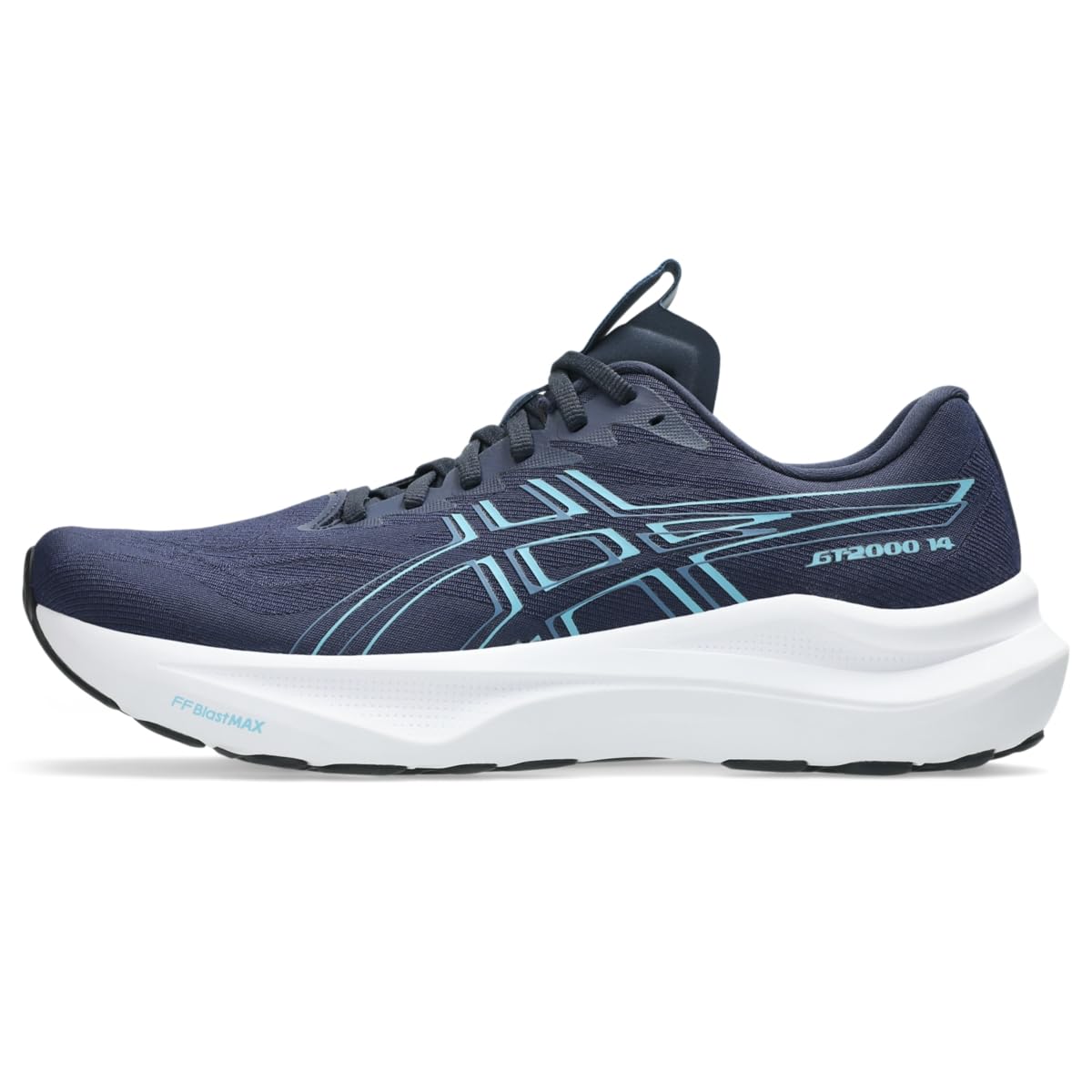
The daily stability shoe that walks and runs equally well.
ASICS builds the GT-2000 14 for runners who overpronate, adding extra support for feet that roll inward. The American Podiatric Medical Association has accepted it for promoting good foot health. At 1.44 pounds it is one of the lighter pairs here, and the cushioning stays responsive. You can wear it for a treadmill session, a walk, or a jog without changing shoes.
The support and comfort are what buyers return for. People with flat feet say the cushioning and support work together, and one runner says leg pain on long walks disappeared after switching. A parent bought a pair for a son who loves them and calls them lightweight and waterproof. A loyal user says hand-washing daily pairs over the years brings them out spotless and like-new.
The durability story is mixed. Some reviewers point out the shoe does not hold up well, so keep an eye on the outsole. A few also find the soles slippery on a treadmill until they scuff them, and one runner preferred the older model’s heel loop. If you need a versatile stability shoe for mixed walking and running, this is a solid choice.
What you will value
- Stability built for overpronation, backed by APMA acceptance
- 1.44 pounds, one of the lighter pairs here
- Works for walking, jogging, and treadmill days
What to keep in mind
- Some shoppers say the sole does not hold up well over time
- Soles can feel slippery on a treadmill at first
Best for: one shoe that covers your walks, treadmill sessions, and light runs with real support.
Look elsewhere if: you want a shoe you can trust for heavy weekly mileage without watching the outsole.
8. ASICS Women’s GT-2000 14 Running Shoes
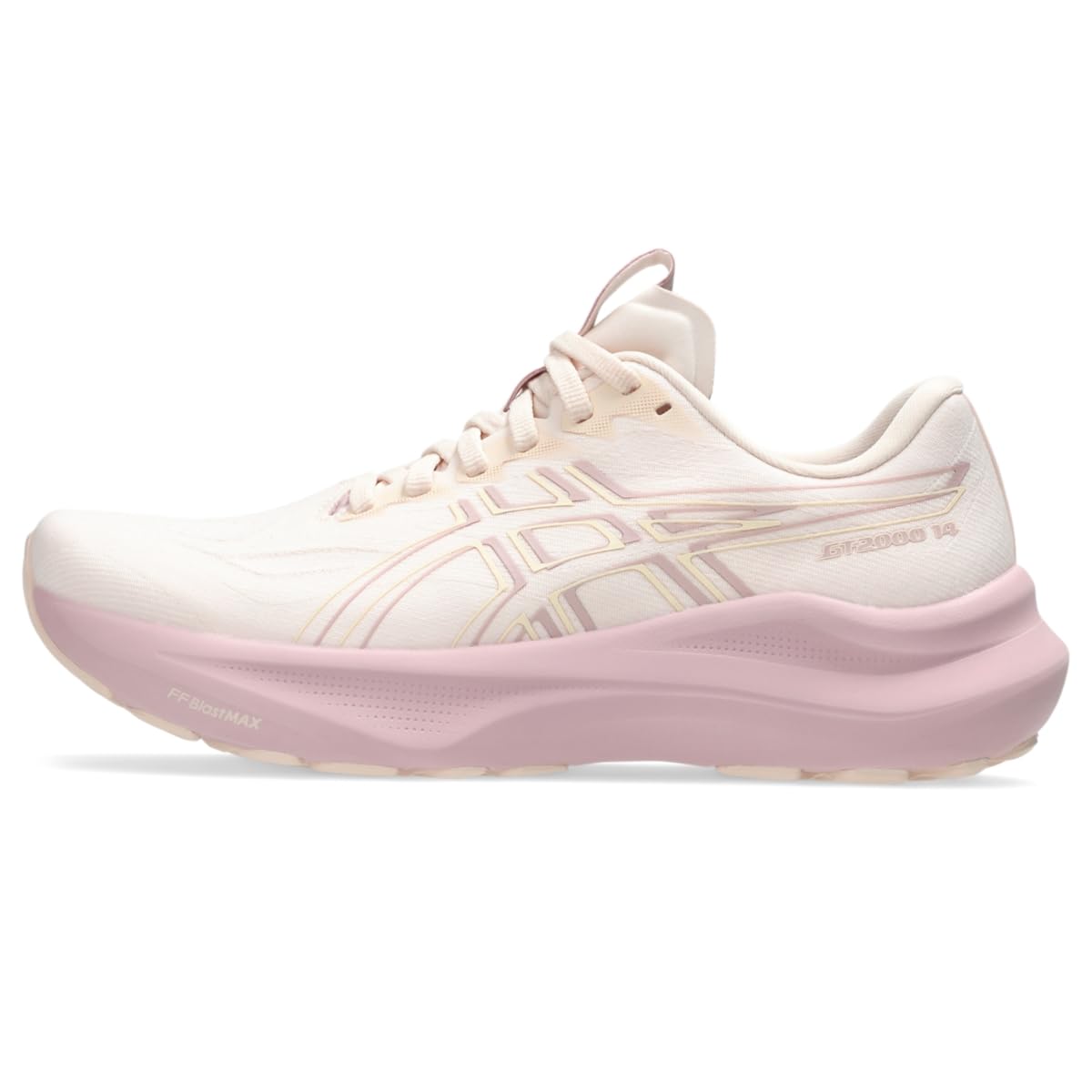
Women’s stability for speed walking and jogging, with support built in.
This is the women’s GT-2000 14, and it brings the same overpronation support as the men’s shoe. ASICS notes the American Podiatric Medical Association accepts it for promoting good foot health. The weight is 1.44 pounds, matching the men’s version. It suits speed walking, jogging, and everyday runs where you want stability without reaching for insoles.
The standout for PTTD is the built-in stability. One overpronator says she appreciates the support without needing her own inserts, and the shoe is comfy from the start. A 75-year-old wearer upgraded from an older GT-2000 and wants every color. The breathable mesh and secure fit keep your foot in place, and the tongue stays where you put it. Buyers who broke a toe sized up a half size in a wide width and ran pain-free.
The fit and arch support are the contested parts. Some find the medium width too snug and say the shoe tilts the foot outward, so try a wide width if your foot is broad. A few buyers dislike the thinner tongue and find it rubs the ankle. The cushioning also feels less plush to some than a premium model.
The deciding detail: built-in stability for overpronators who do not want to add insoles, at a light 1.44 pounds.
Fits best: women who overpronate and want a supportive shoe for speed walking and jogging.
Reconsider if: you have a broad foot that needs extra width, since the medium can feel snug.
9. Brooks Men’s Beast GTS 26 Running Shoe

Max support for heavier runners whose feet need a firm, stable base.
The Beast GTS 26 is Brooks’ heaviest-duty stability shoe, with GuideRails to keep your foot from rolling inward and a wide base to prevent outward roll too. At 1.5 pounds it stays reasonable for a support shoe, and the firm foam gives a stable ride rather than a bouncy one. If you are a larger runner with flat feet and PTTD, this shoe is built for your weight and your stride.
The support and cushioning are the reasons buyers pick it. One 225-pound runner who has worn Brooks for 25 years says the fit matches an older Beast model and gives solid stability for heavy overpronators. A reviewer with flat feet says the guard rails and heel support prevent his foot from rolling outward. People who stand for hours say it keeps them comfortable all day. The contoured insole and grippy tread add to the secure feel.
The fit is where you need to pay attention. Some buyers report the shoe runs narrow and recommend checking the width, and others needed to size up. One long-time Brooks wearer found this model runs a half size too big and returned it. Try your true size first and move up or down only if the width feels off.
What makes it dependable
- GuideRails and a wide base control both inward and outward roll
- Firm, stable foam supports heavier runners without bouncing
- Contoured insole and grippy tread for all-day standing
What to check before buying
- Several buyers find the fit runs narrow
- Sizing is inconsistent across buyers, so confirm your width
Go with it if: you are a heavier runner or stand all day and need firm, wide support for flat feet.
Think again if: you have a broad foot and cannot try the shoe on, since the fit can run narrow.
Know the Specs
Medial Posting and GuideRails
A medial post is a firmer section on the inner side of the midsole that resists your foot rolling inward. GuideRails work differently, using rails along the sides to keep your ankle tracking straight. For PTTD, either one helps, but the guiding style tends to feel less intrusive on a flat foot. Look for whichever a shoe actually lists, and check that the support is built into the sole rather than added as a separate insert.
Heel-to-Toe Offset
The offset is the height difference between the heel and the forefoot. A lower offset, like the 6mm on the Saucony Hurricane 24, keeps your foot closer to level. A higher heel can feel more cushioned but may make a flat foot feel less stable. If your arch drops, a lower offset usually helps you stay balanced.
Cushioning Versus Stability
Soft cushioning absorbs impact, but too much softness can let your foot roll. A shoe with a firmer frame under soft foam gives you both. Look for a model that pairs a soft top layer with a supportive base, rather than one that is uniformly soft.
Width and Toe Box Room
Flat feet are often wide feet, so a roomy toe box keeps your toes from being squeezed. Wide and extra-wide options give you room for orthotics too. A narrow toe box can push your foot inward and worsen the roll, so check the width options before you buy.
Common Questions
What kind of running shoe is best for PTTD?
Can I wear running shoes for PTTD all day at work?
Should I size up in stability running shoes for a flat foot?
Do running shoes for PTTD work with custom orthotics?
Is a softer shoe better for a collapsing arch?
How long do stability running shoes last?
Can I run in a stability shoe if I am a heavier runner?
What is the difference between a neutral and a stability shoe for PTTD?
Will a wide width help my PTTD foot?
Can I wear running shoes for PTTD on a treadmill?
The Bottom Line
For most people dealing with PTTD, the running shoes for pttd winner is the Brooks Women’s Ariel GTS 23. Its GuideRails support system (side rails that guide your foot straight) keeps a collapsing arch from rolling inward, and it comes in wide and extra-wide widths. Want max cushioning for long runs? Grab the Saucony Men’s Hurricane 24. Heavier runners who stand all day should reach for the Brooks Beast GTS 26.
How we choose
We do not accept paid placement. Every pick is matched to a real buyer and a real use-case; we do not hands-on test units.
Sources
Specifications: manufacturer listings and product documentation. Review insights: verified customer reviews, as of October 2026. Pricing: not shown on this page (it changes often); check the current price via the retailer link.
As an Amazon Associate, Aappliancez earns from qualifying purchases. This does not affect which products we feature.