Disclosure: Some links in this post are affiliate links. As an Amazon Associate I earn from qualifying purchases, at no extra cost to you. Learn more
Specs are compiled from manufacturer listings and verified buyer reviews and can change over time — please confirm the key details on the product page before buying.
Afternoon sun is the hardest light to garden under. It hits hardest between roughly noon and four, when the soil in a pot is already warm and the leaves have been working all morning. The five plants below are the ones that take that beating and keep their color. If you want the short answer: the Southern Living 2 Gal. Obsession Nandina Shrub is the toughest all-rounder here, because it holds bright red foliage in every season and asks for almost nothing once it is settled. The rest of the list covers flowers for pollinators, mint for the kitchen, and one dramatic climber for a patio wall.
This guide is built by comparing the manufacturers’ published specifications and the patterns across verified customer reviews, so you get each pick’s real strengths and trade-offs instead of marketing spin.
What matters most with a plant that sits in harsh afternoon light is matching it to your pot, your zone, and your watering habits — not chasing the biggest specimen. The picks below are ranked with exactly that in mind, and this shortlist of potted plants for afternoon sun covers the sun-baked patio, the hot balcony, and the dry front step.
Top Picks

How To Choose The Best Potted Plants for Afternoon Sun
A pot in afternoon sun gets hotter than the ground around it. The sides bake, the soil dries from the top down, and roots that would be cool underground are pressed against warm plastic. That single fact separates plants that thrive on a hot step from plants that limp through August. Before you order anything, check three things: your hardiness zone, the plant’s stated sun exposure, and how big it will eventually get.
Match the plant to your hardiness zone first
Your USDA hardiness zone is a number that tells you the coldest winter temperature your area normally reaches. It decides whether a plant comes back next spring or dies at the first hard freeze. Some picks here grow as perennials across all US zones; others are listed for zones 6 to 10, or zones 9b and 10, or zones 6 and 7. If a plant is marked for warmer zones than yours, treat it as a seasonal container plant and plan to move it indoors or shelter it.
Read the sun exposure line literally
“Full sun” means six or more hours of direct light a day. “Sun to part shade” means the plant tolerates the hot stretch but would also accept some afternoon relief. A plant labelled full sun is the safer bet for a west-facing balcony that cooks from noon onward. A plant that wants part shade may scorch on that same balcony, so put it where the wall shadows it after mid-afternoon.
Check pot size and final height before you commit
A potted plant lives within the limits of its container, so the numbers that matter are the pot the plant ships in and the height it reaches once grown. Something expected to reach 8 feet needs a trellis and a heavy pot. Something that mounds to about 24 inches wide and tall fits a smaller patio corner. Read both figures before you buy, because a plant that outgrows its spot gets repotted or given away.
Decide how much watering you will actually do
Water needs are listed as moderate, regular, or little to no watering. In afternoon sun those categories behave very differently: regular watering in a small pot can mean a daily pass with the can, while little to no watering means the plant prefers to dry out between deep soaks. Be honest about your routine. A drought-tolerant plant in a hot pot forgives a missed day; a thirsty one does not.
Side-by-Side Comparison
| Model | Best For | Sun Exposure | Hardiness / Type | Stated Height | Amazon |
|---|---|---|---|---|---|
| Southern Living 2 Gal. Obsession Nandina Shrub★ Best Overall | Year-round foliage color | Sun to part shade | USDA zones 6–10 | 48 inches | Amazon |
| Clovers Garden Blanket Flower (Gaillardia) Arizona SunPollinator Favorite | Pollinator flowers in pots | Full sun | Perennial in Zones 3 and warmer | About 24 inches wide and tall | Amazon |
| Bonnie Plants Sweet Mint (4 Pack) | Kitchen herbs on a hot patio | Full sun to partial shade | Perennial in Zones 5 to 11 | — | Amazon |
| Yellow 16″ Bougainvillea | A climbing patio showpiece | — | Perennial in zones 9b and 10 | 8 feet | Amazon |
| 3 Miss Huff Lantana Camara | Heat-proof flowering color | — | USDA hardiness zones 6, 7 | — | Amazon |
Detailed Reviews
1. Southern Living 2 Gal. Obsession Nandina Shrub
Our pick — 4.5+★ from 900+ verified ratings; the strongest balance of quality and price.
Red foliage that holds its color through every season, not just a pretty week in spring.
This is the pick for the front step that nobody has time to fuss over. It grows in sun to part shade, which means it handles a hot west-facing wall but also tolerates some afternoon relief, and it is listed for USDA zones 6 to 10. In plain terms, that zone range covers a big stretch of the country, so most buyers can plant it knowing it is meant to survive their winter. It ships in a 2-gallon pot with a stated expected height of 48 inches — tall enough to anchor a doorway without swallowing a small porch.
The leaf color is the reason it belongs on an afternoon-sun list. The foliage is listed as bright red, and it holds that color in every season rather than flaming out after one cold snap. There are no blossoms to wait for, which is a bonus if you want structure instead of a flowering plant that sulks in heat. Water it twice a week until it is established, then once a week — a routine that fits a pot on a hot wall far better than a daily soak.
Shipping weight separates it from the pack: 8.8 pounds here versus 3 pounds for the Bonnie Plants Sweet Mint four-pack. That extra heft points to an established root ball rather than seedlings, which helps the shrub cope with transplant shock better than small plugs do. The honest trade-off is size expectation. Amazon’s own summary notes that some buyers find it much smaller than advertised, so measure your space against that 48-inch expected height and buy knowing it may start modest. The good news: buyers report the shrub arrives “in great healthy condition” and often “bigger than anticipated.”
What earns it first place
- Color that persists in every season, with no bloom cycle to babysit
- USDA zones 6–10 covers a wide spread of winter cold
- Twice-weekly watering until established, then just once a week
- 2-gallon pot and a stated 48-inch expected height — real presence
What to plan around
- Size is the most debated point — expect it to start smaller than the finished height
- It is a foliage plant, so no blossoms at any point in the year
- Regular watering is still required through its first season in the ground
Go for it if: you want one plant that looks deliberate in every month and asks for a single weekly watering once it settles.
Look elsewhere if: cut flowers or pollinator visits are the reason you are planting, because this one delivers leaf color only.
2. Clovers Garden Blanket Flower Arizona Sun Two Live Plants
Two live Gaillardia in 4-inch pots that want the hottest spot you have.
For a balcony that takes direct afternoon sun with no shade at all, this is the plant that does not flinch. It is listed as full sun, so six or more hours of direct light a day is its normal working condition rather than a stress test. You get two live plants, each between 4 and 8 inches tall in a 4-inch pot, and they mound to roughly 24 inches wide and tall once grown. That compact size makes them easy to slot into a pair of matching containers flanking a door.
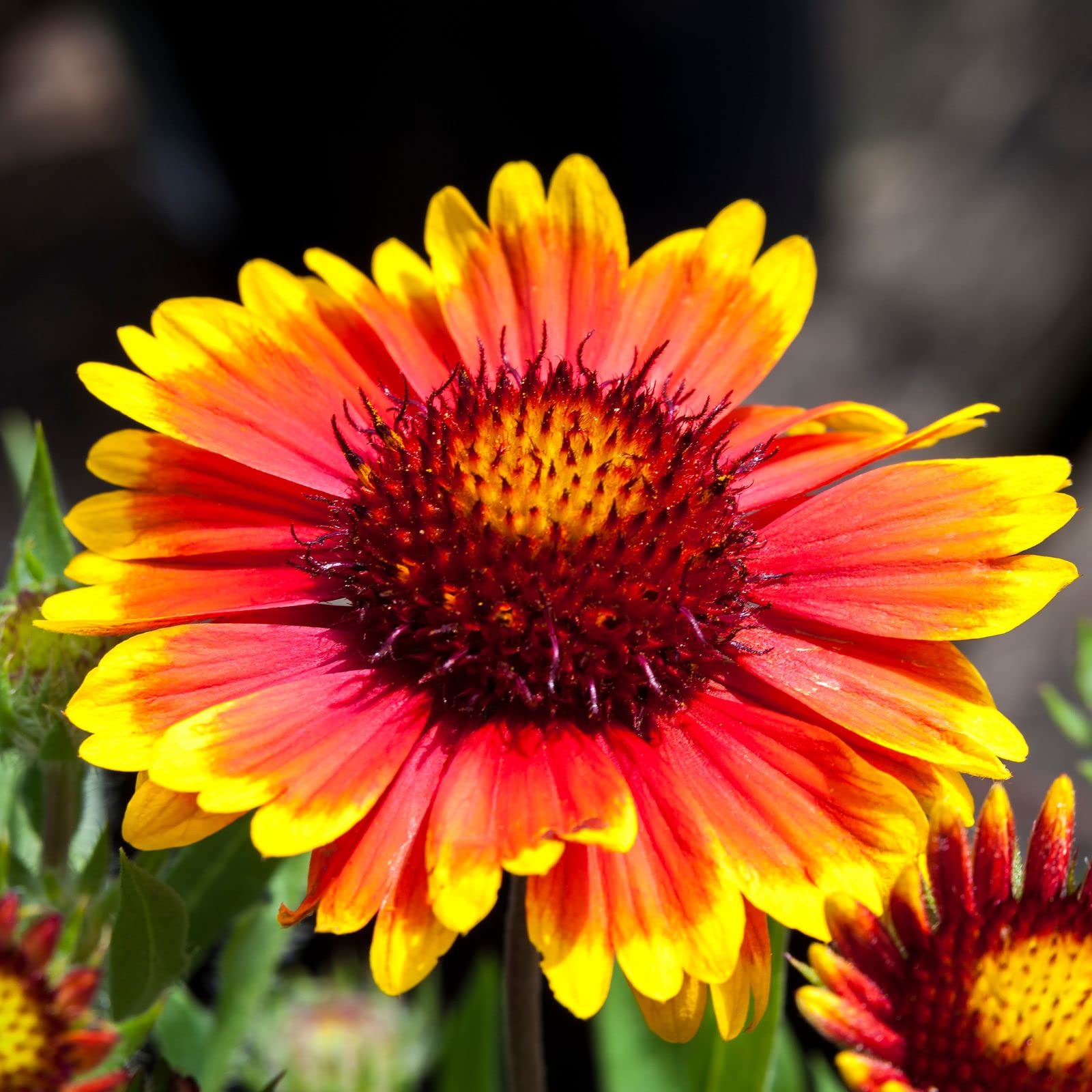
The flowers are the sell. Arizona Sun produces yellow, orange, and pink variegated petals around a large dark seedhead, and the blooms are described as season-long, running through summer. Bees, butterflies, and hummingbirds are named as the visitors it attracts, so it earns its spot on a patio where you want movement. Sturdy stems also make it a usable cut flower. It is grown in the Midwest and listed as a perennial from Zone 3 and warmer.
Set your expectations on speed. Some owners mention the plants are “very slow to grow and produce flowers,” with flowers that stay small at first, and Amazon’s own summary flags bloom duration as the mixed point. That is normal for a young perennial putting roots down before it puts on a show — the listing claims 10x root development to support exactly that early phase. Water regularly and give it loam soil and full sun, and the honest read is that year one is about establishment while year two is about flowers.
What buyers respond to: ordering two healthy plants that show up in 4-inch pots and go straight into the garden is the whole appeal, and the satisfaction level around that is what stands out most in the feedback.
Where it can disappoint: first-season flower volume. If you need instant color, buy a plant already in bloom rather than a young perennial.
Right choice when: you want bees and butterflies over a sunny patio and can give the plants a full season to settle.
Think twice when: the pot is your only growing space and it sits in shade after lunch, because this one is built for full sun.
3. Bonnie Plants Sweet Mint Live Edible Aromatic Herb Plant 4 Pack

Four mint plants that turn a hot patio corner into a drinks station.
Mint is the herb that earns its keep on an afternoon-sun patio, and this pack gives you four plants for it. It is listed for full sun to partial shade, which means it takes the hot stretch but also accepts some relief later in the day — helpful if your containers sit against a wall that traps heat. It is a perennial in zones 5 to 11, so the zone coverage here is the widest in this article. The leaves are aromatic and edible, and the listing names teas, other beverages, salads, garnish, jelly, and desserts as the uses.
At 3 pounds for the four-pack, these are small starter plants, which is exactly what you want for mint. It spreads fast and will outgrow a small pot within a season. A buyer who kept them on a patio with direct sun for a couple of hours a day found they needed daily watering there and were soon branching out and asking for a bigger container. Plan on repotting. Regular watering is the listed need, and in a hot pot that can mean a daily pass with the watering can during the peak weeks.
The catch is consistency. Mint shipped in warm weather is a live plant in transit, and the experiences split — some arrive “very hardy and green,” while others fail within a couple of days of arrival. Treat that as a shipping risk to manage rather than a fault of the plant: order when your local forecast is mild, open the box the day it lands, and give it water and shade for its first day before it goes into full sun. The four-pack also means you have backups if one plug struggles.
The strongest argument: you get four edible, aromatic plants that come back year after year in zones 5 to 11, and the harvest goes straight into a glass.
The honest limit: mint in a pot in afternoon sun drinks fast, so regular watering is a daily commitment in the hottest weeks, not a weekly one.
Pick this one for: a sunny kitchen door where you want to snip leaves for drinks and salads without a trip to the store.
Pass it by for: a low-maintenance spot you visit once a week, since this plant will be thirsty long before then.
4. Yellow 16″ Bougainvillea

Eight feet of yellow bloom that would rather dry out than be pampered.
If your patio wall gets hammered by sun and you rarely reach for the watering can, this is the plant built for it. Bougainvillea is listed as drought resistant and prefers to dry out between deep waterings, which is the opposite of what most flowering plants want. The stated expected height is 8 feet, and it is described as a strong container-grown plant — so a big pot plus a trellis turns a bare wall into a screen. It carries a stated weight of 3 pounds and arrives in a plastic container.
Growth is the part that surprises people. Buyers describe it as extremely fast, needing taller trellises on a weekly basis, and one report has it tripling in size in about a month in the ground. The yellow color is the draw here, and the blooms arrive in many-week-long cycles followed by a shorter rest period. That cycle is worth understanding before you buy: a quiet stretch does not mean the plant has failed, it means it is regenerating.
Two practical notes before you order. First, this listing states plainly that the item cannot legally ship to California, so check that before anything else. Second, it is a perennial only in zones 9b and 10, or when protected from a freeze — in colder areas you are growing it as a seasonal container plant and moving it in. The condition on arrival does split: some plants show up big and flowering, others arrive with few leaves and recover slowly after repotting. Ordering outside extreme heat or cold gives you the best odds.
Where it shines on a hot wall
- Drought resistant and happy to dry out between deep waterings
- Stated 8-foot expected height makes it a real screen or trellis plant
- Yellow blooms in repeating cycles rather than one short flush
- Fast growth — trellis space gets used quickly
Ground rules to accept
- Cannot legally ship to California
- Perennial only in zones 9b and 10, or with freeze protection
- Arrival condition varies — a sparse, leaf-dropping plant is normal after transit
- Expect a rest period between bloom cycles
Choose it for: a warm-climate patio wall that needs height and drama with very little watering.
Not the one for: a cold-winter garden, where you would be treating it as a seasonal potted plant and sheltering it every year.
5. 3 Miss Huff Lantana Camara Flowers – 3.5 inch Pots
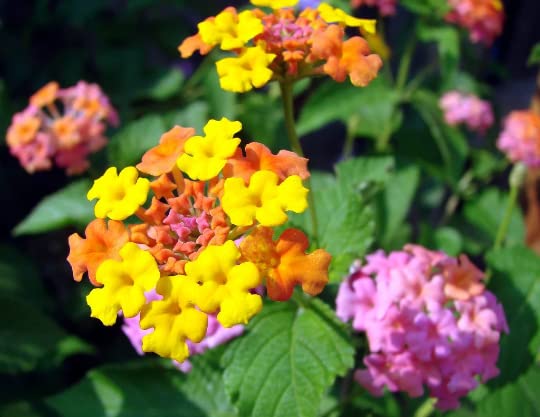
Three young lantana that wilt at noon and stand back up by evening.
That midday droop is the defining behavior of this plant, and it is not a sign of failure. Lantana planted into six hours of hot sun will sag in the worst of the afternoon and recover by early evening on its own — one grower watched exactly that happen and later reported it standing strong through brutal heat. You get three plants in 3.5-inch pots, listed for USDA hardiness zones 6 and 7, and the color is described as multi. Moderate watering and sandy soil are the stated needs.
Feedback centers on plant quality: clean, no bugs, no damage to leaves or stems, and often larger than expected. One grower ordered six and found every one at least 5-6 inches tall with no broken stems. Most arrive well-watered and bloom on the porch the next day, and the packing holds up even when the outer box takes a hit. Bloom comes on fast once the roots settle.
The fair warning is timing. This seller asks you to use judgment before ordering in extreme temperatures — below 32 degrees F, or above 95F for shipping — because plants in transit are vulnerable at both ends. Mid to late spring, past the danger of hard frost, is named as the best planting window. Size is the other variable, since some plants land good-sized and others read small. Order within a sensible weather window and both issues mostly disappear.
The case for it on a hot step: three flowering plants that tolerate intense afternoon heat, recover from a midday wilt on their own, and ask only for moderate watering in sandy soil.
The timing catch: shipping in extreme heat or cold can set the plants back, so the order date matters as much as the plant itself.
Best fit: a zone 6 or 7 garden that needs flowering color in a spot baked by afternoon sun.
Wait for better weather if: your order would sit in a delivery truck below freezing or above 95F.
Know the Specs
USDA Hardiness Zones Explained
A hardiness zone is a number that maps to the coldest temperatures your area reaches in winter. It tells you whether a plant is expected to survive outdoors year after year or only for one season. Zones 6 to 10 cover a broad band of the country; zones 9b and 10 sit in warm regions. If you plant outside its zone range, plan on treating it as a seasonal container plant and moving it to shelter before the first freeze.
Full Sun Versus Sun to Part Shade
Full sun means six or more hours of direct light daily, so a plant with that label can sit in the hottest exposure you have. Sun to part shade means it can take strong light but also accepts some afternoon relief, which is useful on a wall that traps heat. Part shade alone is not the same thing — a full-sun plant that gets shaded after lunch will grow thinner and bloom less.
Pot Size and Stated Height
The pot a plant ships in tells you how developed its roots are, and its expected height tells you how much room it will eventually need. A 2-gallon shrub and a 4-inch perennial are at completely different stages, and a plant listed to reach 8 feet needs support and a heavy container. Read both numbers before choosing a spot so nothing outgrows its corner.
Moisture Needs in a Hot Pot
Listings use moderate, regular, and little to no watering to describe thirst. In afternoon sun, a pot dries much faster than garden soil, so a plant that needs regular watering may want a daily check during the hottest weeks. A drought-resistant plant prefers to dry out between deep waterings and forgives a missed day. Pick the moisture level that matches the routine you will actually keep.
Common Questions
Which of these plants handles the hottest afternoon sun best?
Will the Southern Living Nandina survive a cold winter in my zone?
Can I grow the bougainvillea if I live in California?
How often do I need to water mint in a pot on a sunny patio?
Why did my lantana wilt in the afternoon sun?
Do the blanket flowers come back every year?
Is it safe to order live plants in very hot or very cold weather?
Do any of these plants need full sun rather than part shade?
What size pot should I move these plants into?
Why does my bougainvillea have very few flowers?
The Bottom Line
For most people planting into afternoon sun, the potted plants for afternoon sun winner is the Southern Living 2 Gal. Obsession Nandina Shrub, because it holds bright red foliage in every season across zones 6 to 10 and settles into a once-a-week watering routine. If you want flowers and pollinators over a hot patio, reach for the Clovers Garden Blanket Flower. And for a warm-climate wall that needs height with almost no watering, the Yellow 16″ Bougainvillea is the one to order. One last nudge: the Nandina is the crowd favorite here at 4.5+ stars across 900+ ratings, the strongest arrival-condition signal on this list.
How we choose
We do not accept paid placement. Every pick is matched to a real buyer and a real use-case; we do not hands-on test units.
Sources
Specifications: manufacturer listings and product documentation. Review insights: verified customer reviews, as of October 2026. Pricing: not shown on this page (it changes often); check the current price via the retailer link.
As an Amazon Associate, Aappliancez earns from qualifying purchases. This does not affect which products we feature.