Disclosure: Some links in this post are affiliate links. As an Amazon Associate I earn from qualifying purchases, at no extra cost to you. Learn more
Specs are compiled from manufacturer listings and verified buyer reviews and can change over time — please confirm the key details on the product page before buying.
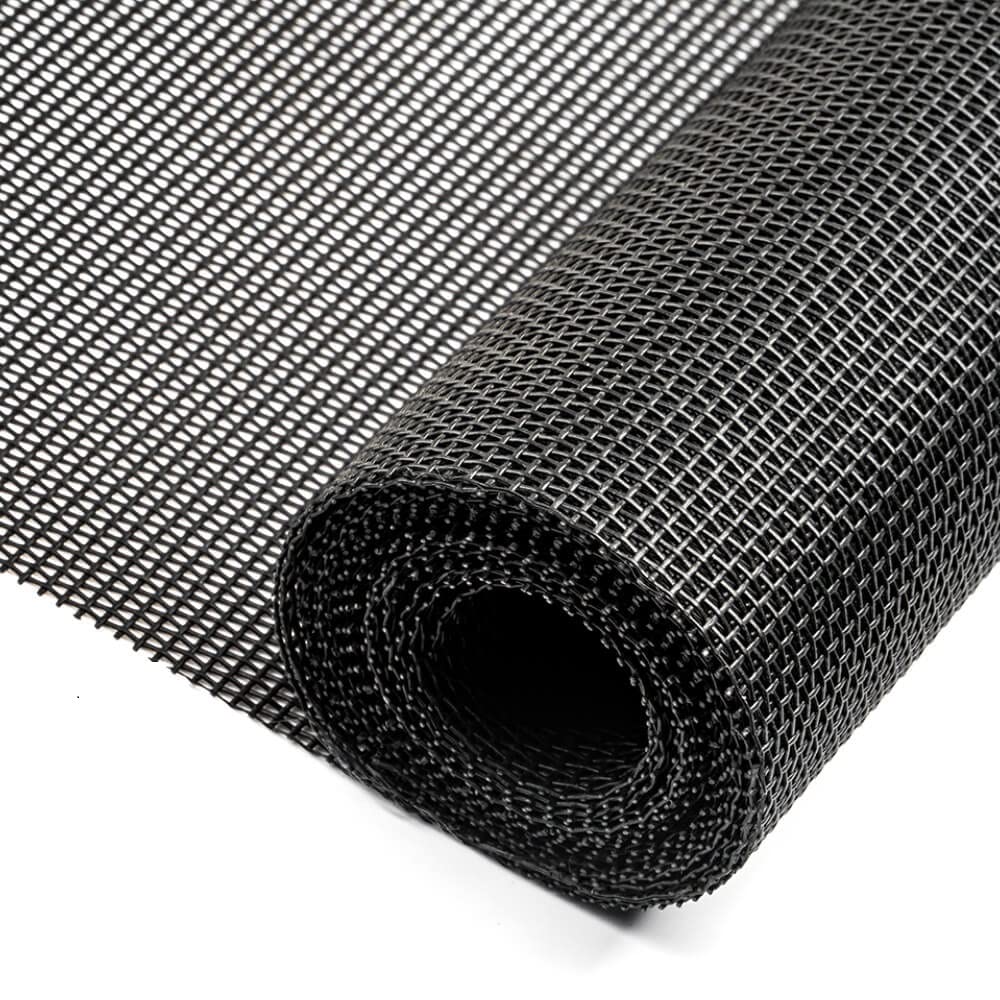
If your porch screen keeps getting shredded by a cat, a dog, or a squirrel, the fix is not another cheap nylon roll — it is picking the right material for the damage you actually face. A pet-clawed patio door needs thick vinyl-coated mesh. A rodent-chewed garden window needs steel wire. A plain bug barrier on a three-season room just needs a fine, easy-to-cut fiberglass weave. This guide walks you through five rolls that each solve one of those jobs, in plain English, so you buy once instead of three times.
This guide is built by comparing the manufacturers’ published specifications and the patterns across verified customer reviews, so you get each pick’s real strengths and trade-offs instead of marketing spin.
Before you scroll, know the one number that matters most: mesh weave, written as two figures like 18 x 16, which tells you how fine the holes are and therefore how small a bug it stops. The right roll for your porch depends on matching weave and material to your pets, your climate, and your frame — and the picks below cover every one of those cases for a porch screen replacement job you can do yourself.
Top Picks

How To Choose The Best Porch Screen
Most people buy screen by the foot instead of by the damage. A porch screen is not one product — it is a material choice, and each material answers a different threat. Get that match right and the roll lasts years. Get it wrong and you are re-screening the same door every summer.
Match the material to what is breaking your screen
Cats and dogs push and rake at mesh, so you want thickness and a tight weave that resists tearing — a vinyl-coated poly mesh built for pet pressure. Squirrels, birds, and rodents chew and peck, so you want metal they cannot bite through, like 304 stainless steel wire. If your only enemy is mosquitoes on a quiet porch, standard fiberglass does the job at the lowest weight and the easiest cut.
Read the weave before you read anything else
Weave is listed as two numbers, like 18 x 16 or 14 x 11, and it counts the threads per inch in each direction. A finer weave blocks smaller insects such as no-see-ums. A coarser weave like 14 x 11 uses thicker strands, which is exactly why it stands up to claws. There is a trade-off: the heavier strand blocks a little more light and airflow.
Size the roll to your frame, not your ambition
Rolls here run 36 inches or 59 inches wide and 100 or 200 feet long. A 36-inch width covers most single window frames with a trim margin. A 59-inch width lets you span a patio door or a wide porch opening in one piece, so you avoid a seam. Length is about how many openings you plan to do: a 100-foot roll handles a whole house of windows, while 200 feet is for a full porch or several doors.
Side-by-Side Comparison
| Model | Best For | Material | Roll Size | Weave / Weight | Amazon |
|---|---|---|---|---|---|
| Lengtimo Pet Proof Roll★ Best Overall | Homes with cats and dogs | Vinyl-coated poly | 59″ x 200″ | 14 x 11 weave / 6.64 lb | Amazon |
| Lengtimo 304 Stainless Steel MeshRodent Defense | Rodent and bird damage | 304 stainless steel | 36″ x 200″ | — / 2.94 lb | Amazon |
| Gardenova Fiberglass Roll | Whole-house window repair | Fiberglass | 36″ x 100′ | 18 x 16 weave / 7.43 lb | Amazon |
| Houseables Screen Roll | First-time DIY re-screening | Fiberglass | 36″ x 100′ | — / 7.68 lb | Amazon |
| RhymBar Fiberglass Mesh | Large porch and sun exposure | Fiberglass | 36 in x 100 ft | 110g/m2+ / 7.73 lb | Amazon |
Detailed Reviews
1. Pet Proof Window Screen Roll 59″ x 200″
Our pick — 4.5+★ from 400+ verified ratings; the strongest balance of quality and price.
The roll that finally survives a dog barreling through the patio door all summer.
This roll wins because of a number: a 14 x 11 weave (thread count per inch — coarser and thicker than standard screen). Fewer, heavier strands mean claws meet more material, so a cat cannot rake it open the way it opens thin mesh. The vinyl coating gives each strand some give instead of a snap. You trade a sliver of airflow for that strength, which is the right trade on a pet door and the wrong one on a fine-bug porch.
The 59-inch width is the quiet hero here. It spans a patio door or a wide porch opening in a single piece, so you skip the seam that always ends up the weak point. At 6.64 pounds the roll has real body and is built to sit flat in one sheet. Compare that to the Gardenova fiberglass roll further down at 7.43 pounds: this one is the lighter of the two despite being far wider, which tells you the weight is in width, not bulk.
Durability against pets is what wins people over. The screen is thick enough that large dogs push through the door all season with no tears. Owners who burned through multiple thin rolls say this is the one that finally held. The catch is the install: this mesh is stiffer than standard screen, so pulling it tight in the spline (the rubber cord that locks mesh into the frame groove) takes more patience. That is the honest trade for a roll that does not rip.
What earns the top spot
- Thick 14 x 11 weave built to resist claws from cats and dogs
- 59-inch width covers a patio door in one smooth piece
- Rolled packaging keeps the mesh flat and free of creases
- 6.64 pounds — lighter than the narrower fiberglass roll below despite the extra width
The honest catch
- Stiffer than plain screen, so expect a slower, more deliberate install
- Coarser weave lets a bit less light and airflow through than a fine bug screen
- 200-foot length means leftover material you may never use
Reach for this if: you have cats or dogs and want to stop re-screening the same door every year.
Think twice if: your only problem is tiny evening mosquitoes — a finer weave screens those better.
2. 304 Stainless Steel Mesh Window Screen Roll 36″ x 200″
The steel-wire answer when something with teeth is winning the fight.
You only need this roll if something with teeth is winning. It is 304 stainless steel (a corrosion-resistant wire mesh) that a rodent cannot gnaw through the way it chews plastic. Buyers report that squirrels gnawed through nylon and aluminum screens, while this steel mesh resisted breakthrough for a month of heavy gnawing. The roll measures 36 inches by 200 feet at 2.94 pounds, so it hangs far lighter than the 6.64-pound pet roll above.
Owners praise the steel’s substance, and it has weathered major storms without failing. It doubles as a barrier against birds that peck at spun screen for nesting material, since they cannot punch a hole through metal. For a garden apartment window that eats lawnmower debris, or a screen door that takes abuse, this is the one that stays intact.
Here is the part the listing does not stress: steel is hard to cut. You need tin snips or heavy-duty scissors, not a razor blade, and the job takes time. The 36-inch width is narrower than the pet roll, so a wide porch doorway needs more than one pass. The finish is bright steel, not black — one buyer planned to paint it black to cut the shine. Know that before you hang it.
Where it shines: unbeatable against chewers and peckers — steel outlasts anything a rodent can do to plastic mesh.
The workaround: cutting steel is a real job, so line up proper snips and budget extra time for the install.
Buy this one for: squirrel, bird, or rodent problems where soft screen keeps failing.
Not your roll if: you want a five-minute afternoon re-screen with a razor blade and no special tools.
3. Window Screen Mesh 36 inch x 100 feet Fiberglass

Fine 18 x 16 mesh that shuts out the smallest biting bugs without blocking your view.
Its 18 x 16 weave (threads per inch — finer than the pet mesh) is the reason this roll earns a place. Smaller holes stop the tiniest biters. Owners mention it keeps out all bugs, including no-see-ums (tiny biting midges), while leaving the view wide open. For a plain porch where the enemy is mosquitoes — not claws or teeth — this fiberglass roll is the sensible pick.
Fiberglass is the easy material to live with. It resists corrosion, handles high heat, and rinses clean with water. At 36 inches by 100 feet and 7.43 pounds, this roll gives you more coverage per pound than the steel option. The 36-inch width fits standard window frames and trims to size for a pool, patio, or porch screen. Cutting is a breeze next to steel; sharp scissors or a razor blade handles it.
The trade-off is animals. Fiberglass is flexible and forgiving, but a determined claw can still get through it. A buyer who used it to enclose a patio for cats found the mesh kept out bugs beautifully but was not a chew barrier. So size it to the job: this is the bug and weather screen, not the pet-proof one. Keep that distinction in mind and it delivers exactly what it promises.
Why it belongs here
- Fine 18 x 16 weave blocks mosquitoes and no-see-ums
- Easy to cut with scissors and staple to frames
- Holds up through sun, rain, snow, ice, and wind
- Does not block your visibility outside
Know before you buy
- Standard fiberglass, so it is not the first choice against pets or rodents
- The 36-inch width needs multiple pieces on a wide porch doorway
- UV protection is not listed on this roll, so harsh sun exposure is worth weighing
The right fit: a bug-focused porch, patio, or pool screen where you want fine mesh and easy cutting.
Look elsewhere if: something with paws or teeth is the real threat to your screen.
4. Window Screen Mesh 36 in x 100 FT

A matte black fiberglass roll that a total beginner can actually install straight.
A 36-inch by 100-foot fiberglass roll is more than most first projects need, and that surplus is the point. Houseables built this roll for people who have never re-screened anything. Buyers rate screen quality highest, with ease of use a close second. That read holds: the mesh cuts cleanly with a sharp razor blade or scissors, and it lies flat against the frame.
At 7.68 pounds it is the heaviest roll in this group, and that weight is a good sign — it feels substantial in hand rather than papery. The matte black finish blends into a window frame, stays easy to see through, and arrives without odors or visible defects. A roll this size redoes a whole home’s worth of windows and then some, so it earns its keep on a full-porch project.
Two honest notes. First, durability is mixed — this is standard fiberglass, so it handles bugs and weather well but is not built for pet claws, despite the word “Pet” in the title. Second, the occasional roll ships with a flaw running through the material; the maker’s customer service has replaced those rolls. Neither is a reason to pass, but plan your project knowing you might need to email for a swap.
What makes it a smart start: first-time installers report straight, tight results with basic tools — a roller and a sharp razor blade do most of the work.
The honest caveat: give the roll a quick scan for a flaw line before you cut, and keep your receipt close.
Best for: a homeowner tackling window and porch screen repair for the first time.
skip it if: your screens have to survive a pet — go with the thick poly roll at the top instead.
5. RhymBar 36 in x 100 ft Fiberglass Window Screen Mesh
Radial strength over 320N/Inch — fiberglass with real muscle behind the weave.
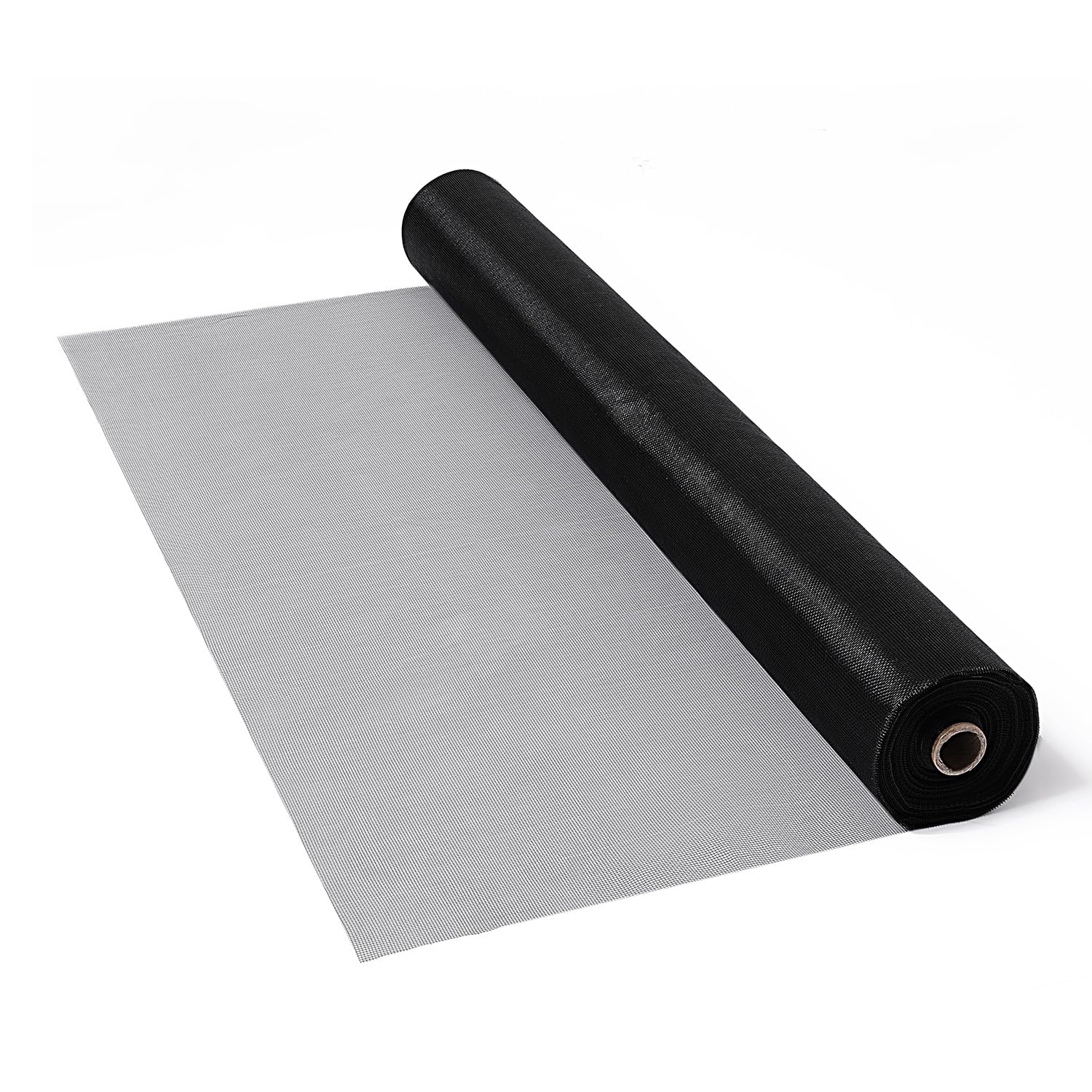
The spec sheet makes this the strongest fiberglass roll here: radial strength of over 320N/Inch (how hard the strands resist being pulled apart in any direction) and a mesh weight of over 110g/m2. In practice, the screen holds tight at the corners instead of tearing. Customers note the mesh holds staples without tearing, the usual failure point on weekend installs.
The maker rates it for at least five years of washing and sun exposure, so it suits a porch that bakes in the afternoon sun. At 36 inches by 100 feet and 7.73 pounds it covers a whole porch run or a stack of sliding doors. It cuts easily and stays wrinkle-resistant, resisting the creases and dents that plague thinning mesh.
The one thing to plan around is width. Unlike the 59-inch pet roll at the top, this is a 36-inch roll, so a wide patio doorway needs two passes and a seam. There is also a small honesty check in the reviews: a handful of buyers find the mesh on the thin side for heavy use. It shines on bug protection, easy install, and appearance — rescreening a set of windows leaves them looking new — so treat it as a premium sun-and-weather fiberglass screen, not a pet barrier.
The case for RhymBar
- Radial strength over 320N/Inch resists pulls and corner tears
- Mesh weight over 110g/m2 gives it real body
- Listed five-year lifespan built for washing and sun exposure
- Staples hold without tearing and wrinkles resist creasing
The limits to weigh
- 36-inch width means a seam on wide porch doorways
- Some owners find it thin for heavy-traffic use
- Fiberglass, so it is not the answer to a chewing pet
Pick this for: a sun-baked porch or a whole-house rescreen where strength and longevity matter.
Choose differently if: you need one-piece coverage of a wide door — the 59-inch roll above saves you the seam.
Know the Specs
Mesh Weave (18 x 16 vs 14 x 11)
Weave counts the threads per inch in each direction. A finer weave like 18 x 16 blocks smaller insects, so it is the right call for mosquitoes and no-see-ums. A coarser weave like 14 x 11 uses thicker strands, which stands up to claws and pressure but passes a little less light and air. Match the weave to your threat, not to the number alone.
Material Type (Poly, Steel, Fiberglass)
Vinyl-coated poly flexes and resists tearing, so it suits pet doors. 304 stainless steel is wire mesh that resists chewing and corrosion, so it suits rodent and bird problems — but it is hard to cut. Fiberglass is the lightest and easiest to work with, resists corrosion and heat, and is the standard choice for a bug-and-weather porch screen.
Roll Width and Length
Width decides whether you cover an opening in one piece or need a seam. A 59-inch width spans a patio door; a 36-inch width fits standard window frames and needs two passes on a wide doorway. Length decides how many openings you can do: 100 feet covers a house of windows, 200 feet covers a porch and several doors.
Tools and Installation Method
Fiberglass cuts with sharp scissors or a razor blade and staples or splines into a frame. Steel wire needs tin snips or heavy shears and more time. Either way, pull the mesh tight and straight, trim the excess, and keep a roller or spline tool on hand for a clean edge.
Common Questions
Which screen material stops a cat from clawing through?
Will steel mesh keep squirrels and birds out permanently?
Do I need a 59-inch roll or a 36-inch roll for a patio door?
What tools do I need to install a porch screen roll?
Does a finer weave block more airflow or light?
How long should a fiberglass porch screen last?
Can I use one roll for both windows and a porch?
Is fiberglass mesh safe around pets and kids?
How much waste should I expect from a 100-foot roll?
The Bottom Line
For most homeowners replacing a porch screen, the winner is the Pet Proof Window Screen Roll because its thick 14 x 11 weave and 59-inch width handle pets, wide doorways, and weather in one roll. If you are fighting squirrels or birds, grab the 304 Stainless Steel Mesh Roll, since steel is the only thing that stops a chewer. And for a sun-baked porch or a whole-house rescreen, the RhymBar Fiberglass Mesh is the one to reach for, with radial strength over 320N/Inch behind it. If you just want the cleanest, easiest start on a bug-focused porch, the fine-weave Gardenova Fiberglass Roll delivers smooth cutting and a clear view — the kind of all-purpose pick that quietly does the job.
How we choose
We do not accept paid placement. Every pick is matched to a real buyer and a real use-case; we do not hands-on test units.
Sources
Specifications: manufacturer listings and product documentation. Review insights: verified customer reviews, as of October 2026. Pricing: not shown on this page (it changes often); check the current price via the retailer link.
As an Amazon Associate, Aappliancez earns from qualifying purchases. This does not affect which products we feature.