Disclosure: Some links in this post are affiliate links. As an Amazon Associate I earn from qualifying purchases, at no extra cost to you. Learn more
Specs are compiled from manufacturer listings and verified buyer reviews and can change over time — please confirm the key details on the product page before buying.
If you bake gluten free, you already know the letdown: a loaf that rises like a brick or a cake with a sandy, powdery bite. This shortlist focuses on the organic gluten free flours that actually behave like wheat in the bowl — the ones that rise, hold moisture, and hide any hint of grit. Every pick here is mapped to the baking job it does best, so you can stop guessing and start baking.
This guide is built by comparing the manufacturers’ published specifications and the patterns across verified customer reviews, so you get each pick’s real strengths and trade-offs instead of marketing spin.
Whether you’re new to gluten-free baking or a seasoned bread baker, the difference between a gritty blend and a smooth one depends on how finely the rice and starches are milled. This guide to the best organic gluten free flour breaks down the top options and exactly who each one is for.
Top Picks

How To Choose The Best Organic Gluten Free Flour
Baking without wheat is a test of texture. A cup-for-cup gluten free flour should swap straight into familiar recipes without extra binders, because the xanthan gum is already in the bag. Before you grab a bag, start with the flour’s primary job.
Cup-for-Cup vs. Single-Grain Flours
Some blends are designed to measure one-to-one with wheat flour. They already include the binding agents (like xanthan gum) that hold baked goods together. That means you can take your grandmother’s cookie recipe and swap the flour without changing an ounce of anything else. Single-grain flours work differently — they are the raw ingredient you blend yourself, or the star of one specific recipe like potato rolls.
Certified Organic vs. Certified Gluten-Free
These are two different guarantees. USDA Organic means the grain was grown without synthetic pesticides and herbicides. Certified gluten-free means the product was tested and handled to keep gluten traces below a safe threshold. The best organic gluten free flours carry both seals, plus specialty certifications like top-9 allergen-free.
Checking the Grit Before You Bake
The most frequent complaint about gluten free flour is a sudden sandy crunch. It happens when the grains are coarsely ground or the starches blend unevenly. A good blend uses very fine rice flour and tapioca starch to go as smooth as regular flour. Read the reviews for honesty about grit, not just flavor.
Side-by-Side Comparison
| Model | Best For | Certification | Units | Grain Base | Amazon |
|---|---|---|---|---|---|
| Sunrise Flour Mill Heritage Organic Bread Flour★ Best Overall | Sourdough & artisan loaves | 100% USDA Organic | 80 Ounce | Turkey Red & White Sonora Wheat | Amazon |
| gfJules Gluten-Free All Purpose FlourCup-for-Cup Champion | Cakes, cookies, and breads | GFCO & Top-9 allergen-free | 24 Ounce | Rice flour, tapioca, potato & corn starch | Amazon |
| Multi Blend Gluten-Free Flour | Everyday cooking & cookies | Gluten-free | 48 Ounce | Brown & sweet rice flour | Amazon |
| BIG BOLD HEALTH Himalayan Tartary Buckwheat Flour | Grain-free nutrition | 100% USDA Organic | 32 Ounce | Himalayan Tartary Buckwheat | Amazon |
| Bob’s Red Mill Potato Flour | Pie crusts & rolls | Non-GMO, Vegan, Kosher | 96 Ounce | Whole Russet Potatoes | Amazon |
Detailed Reviews
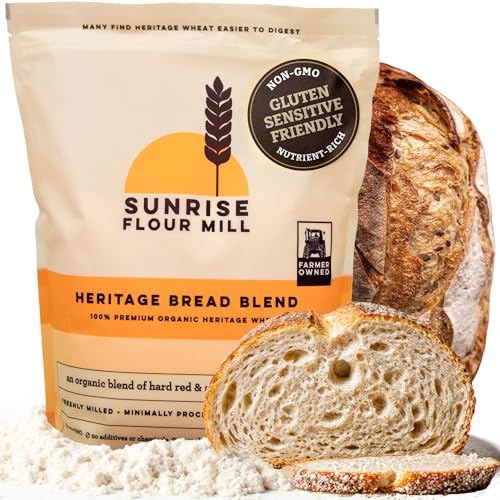
1. Sunrise Flour Mill Heritage Organic Bread Flour Blend
Our pick — 4.5+★ from 1,000+ verified ratings; the strongest balance of quality and price.
The heritage wheat blend that brings back real bread rise, even for sensitive stomachs.
Most gluten free flours are built for someone avoiding wheat altogether. This one takes a different path, because it is milled from pre-hybridized Turkey Red and White Sonora wheat — older varieties that many people with modern gluten sensitivity find easier to digest. It is certified 100% USDA Organic. It comes in a generous 80 Ounce bag, which makes it the biggest bag on this list for the price.
What wins people over is the bread itself. The high protein content produces a loaf with a golden crust and a soft, airy middle. It does not crumble into dust after the first slice. The flour goes through a single-pass milling process called unifine milling, and that is why it is super-fine and fluffy instead of coarse. The flavor finishes smooth and nutty, with no bitter edge. As buyers report, Using this flour to make bread is so satisfying because it’s great quality and packed with nutrients, unlike traditional flour you find at the store.
The catch is that this is a bread flour, not a cup-for-cup baking blend. You will get the best results in sourdough starters, bread machines, sandwich loaves, dinner rolls, and artisan breads. If your plan is cakes and cookies, reach for a blend made for that job instead. Also weigh the size: 80 Ounce is plenty for frequent bakers, but pantry space for a five-pound bag is something to check before you order.
What Earns the Top Slot
- Milled from heritage Turkey Red and White Sonora wheat, which many sensitive eaters handle more easily
- High protein content for real loaf rise and a soft, airy crumb
- 100% USDA Organic, with no synthetic pesticides or herbicides
- The biggest bag at 80 Ounce
Where It Stops Short
- Built for bread, not for cakes or cookies
- A five-pound bag needs real pantry shelf room
The Bottom Line: If you have missed a real crusty loaf and want to bake bread at home again, this is the pick that brings the bakery back into your kitchen.
One Thing to Know: Its strength is bread dough. For sweet baking, pair it with a dedicated all-purpose blend.
2. gfJules Gluten-Free All Purpose Flour
The closest thing to wheat flour for someone who wants their recipes to just work.
Here is a flour that removes the guesswork. Made from a fine blend of modified tapioca starches, potato starch, corn starch, white rice flour, corn flour, and xanthan gum, it measures cup for cup with all-purpose wheat flour. Take a familiar cake recipe, swap this in at the same measurement, and it turns out without tinkering. Breads, bagels, flatbreads, pizza dough, cookies, biscuits, and even pasta are all on the table. At 24 Ounce, it is a mid-sized pouch, so you are not committing to a bulk bag while you test it.
The smooth mixing is the stand-out. This flour stirs evenly into batter, and the finished bite never turns grainy. Reviewers rave about the quality first and the gluten-free performance second. The certifications back the formula up: certified gluten-free by GFCO, certified kosher by OU, and certified top-9 allergen-free by Menutrinfo. It is also vegan and non-GMO. As buyers put it, Excellent product. Substitutes 1 for 1 and acts like traditional flour.
What will sting is the value. This pouch is billed at a premium for its weight — smaller than that 80 Ounce bag on the list — so a cake tester may find the math frustrating. Even with that gap, the formula is designed for results over savings, and fans say it delivers on that promise with excellent, consistent bakes from cakes to breads.
The Quality Payoff: A cake, a batch of cookies, and a pizza dough all pull from the same pouch with no rebalancing of ingredients. Indistinguishable from regular flour is the whole point, and the certification list makes it a safe pick for a shared kitchen.
The Honest Trade-Off: Per-bake, this is one of the pricier ways to bake gluten free, and the 24 Ounce pouch runs small for frequent bakers who go through flour quickly.
Reach For This If: You want a single bag that covers cakes, cookies, and bread without adjusting any measurement.
Look Elsewhere If: The pouch size is your priority — a bulk bag will go further for bread-heavy baking.
3. Multi Blend Gluten-Free Flour

One bag that handles gravies, muffins, and cookies without a single compromise.
The blend inside this bag is built from brown rice flour, sweet rice flour, tapioca starch, cornstarch, potato starch, and xanthan gum. It is gluten-free, soy-free, wheat-free, dairy-free, and nut-free, which makes it the most allergen-forgiving bag in this lineup. At 3 pounds, it is a larger mid-size bag built for cooks who go through flour weekly, and it is even sized for restaurant and food-service kitchens.
Versatility is the top of the list for good reason. The standout use is gravy, soup thickening, and quickbreads, all from the same scoop. Chocolate chip cookies come out chewy and soft with just a faint outer crisp. That chewy-soft cookie texture is why bakers making the switch keep this bag on hand. As owners mention, This gluten free flour blend is easy to bake with. It tastes good and is used in breads, cakes, and gravy.
A word of advice: the bag recommends 3/4 cup of this flour per 1 cup of wheat flour. Treat that as the safer starting point — bake with that ratio first and adjust only if your family prefers a denser crumb.
One caveat is consistency. The brand recommends avoiding regular yeast recipes with this blend unless the recipe is written for gluten-free flour. One frequent comparison is between this bag’s generous volume and the smaller premium pouches. It does not go as fine as a milled bread flour; it is built for a light, airy bake rather than a rustic artisan crust. For a gluten-free quickbread, it holds moisture well and stays together when sliced.
Strongest Use Cases
- Free of gluten, soy, wheat, dairy, and nuts in one bag
- Thickens gravies and soups as easily as it bakes cookies
- 3-pound bag suits weekly baking and shared kitchens
Plan Around This
- The 3/4-cup substitution ratio is not cup-for-cup, so follow the bag
- Not the best choice for yeast-bread recipes unless the recipe is gluten-free
Best Fit For: A household that bakes everything from cookies to chicken coating and wants one safe bag on the shelf.
Not the One For: A dedicated baker chasing a crusty artisan loaf, who should look to a bread-specific flour.
4. BIG BOLD HEALTH Organic Himalayan Tartary Buckwheat Flour
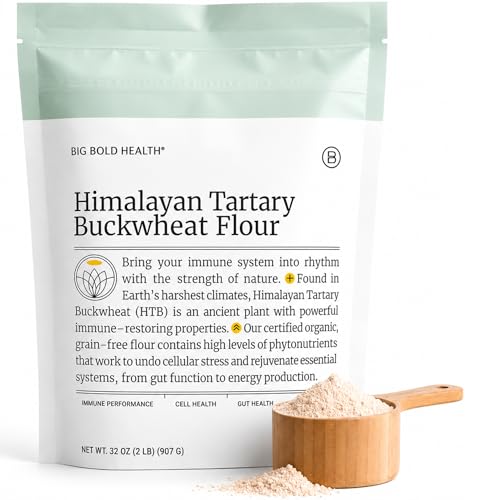
A whole grain for the baker who cares as much about phytonutrients as flavor.
This flour comes from Himalayan Tartary Buckwheat, a high-altitude plant grown in the USA. It is grain-free, gluten-free, non-GMO, and 100% USDA Organic, and it lands in a 2-pound bag. The draw is the nutritional profile. It is naturally rich in antioxidants including rutin, quercetin, and 2-HOBA. It also carries magnesium, zinc, and B vitamins, and it is independently analyzed for phytonutrient content.
The flavor is deeper than a standard gluten free blend. Expect a slightly bitter, earthy note and a slightly drier texture than regular buckwheat flour, but with more flavor depth. Many buyers offset that bitterness with almond flour, spices, or a little sweetener, and it works beautifully for pancakes, cereal flakes, and French crepes. It also shines in a 2:1 ratio with coconut flour for a bread with a softer crumb. It brings rutin, quercetin, and 2-HOBA to a pantry that usually runs on rice starch.
Here is the honest catch: this is not a sweet, neutral flour. The bitterness and dryness mean it works best as one component of a blend rather than a solo substitute in delicate cakes. Also note the bag is small by weight at 2 pounds, so frequent use empties it quickly. What it gives back is a nutritional profile you will not find in a conventional rice-flour blend — soluble fiber, resistant starch, and those plant compounds all in one bag.
What It Brings to the Bowl: A grain-free whole grain with a standout nutrition story — rutin, quercetin, and 2-HOBA alongside magnesium, zinc, and B vitamins — plus a real earthy flavor that pancakes and crepes love.
Bake Around This: The bitter edge and drier texture mean it needs a partner flour or a bit of sweetener, and the 2-pound bag is modest for everyday baking.
An Easy Yes For: Anyone going grain-free who wants a flour rich in naturally occurring phytonutrients rather than empty starch.
Pause First If: You need a neutral flour that disappears into light, sweet cakes — this one is bold enough to be tasted.
5. Bob’s Red Mill Potato Flour, 24oz (Pack of 4)
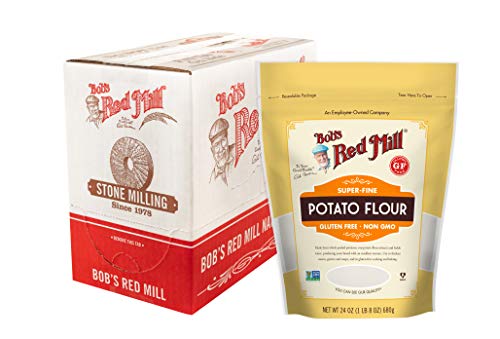
The secret weapon that keeps a gluten free pie crust from crumbling to dust.
Bob’s Red Mill grinds this flour from whole peeled and dehydrated russet potatoes. It is not a full replacement for all-purpose flour — it is a supporting ingredient. The thing to understand up front is the difference between potato flour and potato starch. Potato flour brings a soft, binding quality that keeps pie crust from turning gummy, and this one is a reliable workhorse for that job. It also makes an excellent potato soup, and the bag includes a recipe.
A 3-tablespoon boost in a gluten-free pie crust gives you a crust that browns nicely and holds a good texture under a covered fruit pie. It is non-GMO, vegan, and kosher, and it is a strong source of fiber and potassium compared to an empty refinery starch. It also works in bread, rolls, pizza, and pancakes.
The honest catch is consistency. Potato flour can clump if it sits too long or picks up moisture in the pantry, so keep the extra bags sealed. And a crust built with this is delicate — the recipe will hold together, but do not plan an elaborate woven lattice top on the first try. As customers note, Like All Bob’s products this potato flour is excellent. All natural, nice fine texture and perfect for cooking and baking,
which is the experience you can expect.
Why It Earns Its Place
- Ground from whole russet potatoes for a soft, binding crumb
- Four-bag pack means you stop reordering mid-season
- Non-GMO, vegan, kosher, and a source of fiber and potassium
Worth Knowing Before You Buy
- A supporting flour, not a cup-for-cup all-purpose swap
- Needs to be resealed and stored dry to keep it from clumping
Pick It Up If: Gluten-free pie crusts, rolls, and loaded potato breads are on your regular baking list.
Pass It Up If: You want one bag that covers all your baking — this is a specific ingredient with a specific job.
Know the Specs
Cup-for-Cup Certification
A cup-for-cup blend is formulated to measure one-to-one with regular all-purpose wheat flour. It already includes its own binding agents, so you don’t need to add extra binders or adjust measurement. If you want to bake old family recipes with a straight swap, look for this label on the bag.
Protein Content and Rise
Protein is what builds structure in a loaf. A higher protein bread flour gives dough the strength to trap air and rise into a tall, airy crumb instead of collapsing. If you are baking sandwich bread or pizza dough, check the protein level and choose a flour made for bread.
Grit and Milling
The texture of a finished bake depends on how finely the flour is milled. Coarse grinding leaves tiny sandy flecks in cookies and cakes. Fine milled flours, especially those blended with super-fine rice and tapioca starch, produce a bite that feels like regular flour.
Organic and Allergen Seals
USDA Organic tells you the grain was grown without synthetic pesticides or herbicides. The GFCO seal says the product is certified gluten-free. A Menutrinfo top-9 allergen-free seal adds another layer for a multi-allergy household. Read the bag to know exactly which certifications you are getting.
Common Questions
Which gluten free flour actually holds together in a loaf of bread?
Is organic gluten free flour the same as certified gluten-free flour?
Can I use gluten free flour in a bread machine?
Why does my gluten free flour taste bitter?
What is the difference between potato flour and potato starch?
How much gluten free flour do I swap for regular flour?
Can kids or guests tell the cake was baked with gluten free flour?
How should I store gluten free flour so it stays fresh?
What recipes work with buckwheat flour?
The Bottom Line
The winner for most bread baskets is the Sunrise Flour Mill Heritage Organic Bread Flour, because heritage Turkey Red and White Sonora wheat give you a loaf that rises and stays soft, and the 80-ounce bag goes the distance. For a bag that turns family cakes and cookies into something nobody pegs as gluten free, the gfJules Cup-for-Cup Blend removes the measuring anxiety. And if grain-free nutrition is your priority, the BIG BOLD HEALTH Buckwheat Flour delivers plant compounds you will not find in a rice-starch blend. Match the flour to the job: bread flour for loaves, a cup-for-cup blend for cakes, and buckwheat for grain-free baking.
How we choose
We do not accept paid placement. Every pick is matched to a real buyer and a real use-case; we do not hands-on test units.
Sources
Specifications: manufacturer listings and product documentation. Review insights: verified customer reviews, as of October 2026. Pricing: not shown on this page (it changes often); check the current price via the retailer link.
As an Amazon Associate, Aappliancez earns from qualifying purchases. This does not affect which products we feature.