Disclosure: Some links in this post are affiliate links. As an Amazon Associate I earn from qualifying purchases, at no extra cost to you. Learn more
Specs are compiled from manufacturer listings and verified buyer reviews and can change over time — please confirm the key details on the product page before buying.
If you want a bowl of instant ramen that tastes deep and savory without setting your mouth on fire, the Sapporo Ichiban Tonkotsu 24-pack is the safest bet on this list. It delivers a milky pork-and-chicken broth that cooks in about three minutes. The trick with non-spicy ramen is that flavor has to come from broth and noodles, not from chili heat. This guide covers five picks that do exactly that, from a Japanese pouch classic to a Korean beef-bone bowl and a restaurant-style kit.
This guide is built by comparing the manufacturers’ published specifications and the patterns across verified customer reviews, so you get each pick’s real strengths and trade-offs instead of marketing spin.
You will see which bowls actually skip the burn, how long each one takes to make, and which flavors are worth buying in bulk. Every pick below is mild by recipe, not by a heat level you have to gamble on.
Top Picks

How To Choose The Best Non-Spicy Ramen
Buy a ramen labeled mild and you can still end up with a bland bowl, because the label only tells you what is missing, not what is there. You can always add heat later, but you cannot take it out, so on mild versions the broth recipe does all the work. First, find out where the flavor comes from: a rich pork bone broth, a beef broth, a miso base (a fermented soybean paste), or a chicken base. Then decide if you want a pouch you boil on the stove or a cup you just add hot water to.
Broth type tells you more than the label does
Tonkotsu means pork bone broth, and it is normally milky, savory, and full-bodied. Beef bone broth tends to taste cleaner and roastier. Miso brings a fermented soybean paste flavor that reads as salty and earthy rather than hot. All three are naturally mild, so the flavor has to come from simmering and seasoning instead of peppers. Match the broth style to what you already like at a restaurant, and the mild version will taste much closer to what you expect.
Pouch or cup changes your whole routine
A pouch of dry noodles gives you the most control: you boil it in a small pot and add the seasoning yourself. That lets you use a partial seasoning packet if you want less sodium in the bowl. A cup is faster and needs no pot, but the noodle texture is limited by how it rehydrates in hot water. Bulk packs make sense if you eat ramen a few times a week, since a case gives you many single servings in one box.
Watch the sodium and the added-veggie habit
Instant ramen is salty by design, so the smart move is to add fresh ingredients rather than empty the packet. Cabbage, spinach, a boiled egg, or sliced meat all stretch a single serving into a real meal. That habit matters more for mild ramen, because you are not covering anything up with spice. If sodium is a concern for you, use half the seasoning and let the broth and your add-ins carry the rest of the flavor.
Side-by-Side Comparison
| Model | Best For | Format | Prep Time | Pack Size | Amazon |
|---|---|---|---|---|---|
| Sapporo Ichiban Tonkotsu★ Best Overall | Everyday mild bowls | Pouch (dry) | 3-4 minutes | 24 packs | Amazon |
| OTOKI Jin Ramen MildTop Performer | Chewy noodle fans | Pouch (dry) | 4 minutes | 18 packs | Amazon |
| Snapdragon Miso Ramen Cup | No-pot desk lunch | Cup | Hot water or microwave | 6 cups | Amazon |
| Sapporo Ichiban Beef | Pantry bulk buyers | Pouch (dry) | 3-4 minutes | 24 packs | Amazon |
| ICHIRAN Take-Home Kit | Restaurant-style at home | Kit (3 servings) | 3 minutes | 3 count | Amazon |
Detailed Reviews
1. Sapporo Ichiban Ramen Noodles Tonkotsu
Our pick — over 4.5★ from 900+ verified ratings; the strongest balance of quality and price.
The milky pork broth that keeps its bite without a single pepper flake.
This is the bowl to start with if mild is a hard rule in your house and you still want real depth. The broth blends chicken broth, pork flavor, roasted leeks, garlic, spices, and sesame seeds, so the savoriness comes from the recipe rather than from heat. You boil the noodles for about three to four minutes, stir in the seasoning packet, and you are done. No chili oil packet to skip, no guessing whether it will be too hot.
What wins people over is the taste itself. It is the flavor buyers single out most, and the noodles hold up well enough that they do not fall apart if you toss in vegetables or tofu. That matters here, because mild ramen leans on texture and broth body. Add a seven-minute egg and some nori to a bowl, and it stops tasting like a quick snack and starts tasting like a proper noodle lunch.
The catch is sodium. One serving carries 1530mg, which is 67% of a day’s value, though buyers report you can use only part of the seasoning packet and adjust to taste. The ingredients list draws mixed feedback, so read the label if you avoid specific additives. If you eat ramen a few times a month rather than a few times a week, the 24-pack size is more than you may want on a pantry shelf.
Where this one earns its keep
- Rich tonkotsu broth with no heat to work around
- Noodles resist going mushy in the bowl
- Ready in three to four minutes on the stove
- Stretches well with eggs, vegetables, or tofu
What to keep in mind
- 1530mg sodium per serving if you use the full packet
- Ingredients draw mixed feedback from buyers
- A 24-pack is a lot if you eat ramen occasionally
Reach for this if: you want the richest everyday mild broth and value a bulk case you can dip into all month.
Look elsewhere if: you cook for one person rarely, or you need to keep sodium down and prefer a cup you can season half at a time.
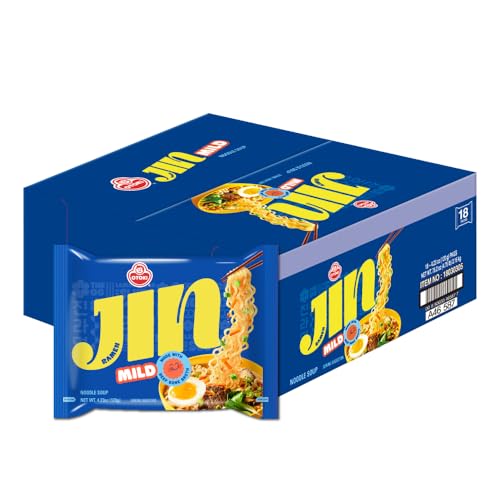
2. OTOKI Jin Ramen Mild
A slow-simmered beef bone broth built for people who want chew, not burn.
The defining number here is the simmer: the broth is made from New Zealand beef bones cooked for 13 hours. That long cook is what gives the bowl its savory depth, and it is the reason this one tastes fuller than a plain chicken packet. The noodles are thick and chewy by design, so they keep their bounce after four minutes in hot water. It is a Korean-style bowl at 4.23 ounces per pack, with 18 servings in the box.
The mild flavor is a gentle savory base rather than a hot one, though the brand notes a bit of spice comes through. That is worth knowing if you are strictly avoiding any warmth. Value lands well with buyers too, and a case this size suits anyone who eats noodles at work or preps meals for the week. Because these noodles are sturdy, they handle a run under the tap or an extra minute of sitting better than thin ones.
Taste and flavor are the two things buyers praise most, and the chewy texture gets its own steady share of credit. The honest note is that a thick noodle absorbs broth fast, so eat it soon after it is ready rather than letting it sit. The box is also large on the shelf, at 12.6 x 11.8 x 5.5 inches, so plan cabinet space before it arrives.
The verdict: the pick for anyone who judges ramen by the chew of the noodle first and wants a savory beef base that stays gentle.
Think twice if: you want zero warmth at all, or you only have a narrow shelf to store an 18-pack.
3. Snapdragon Miso Ramen Cup Noodles, 6 Pack Instant Ramen Bowl
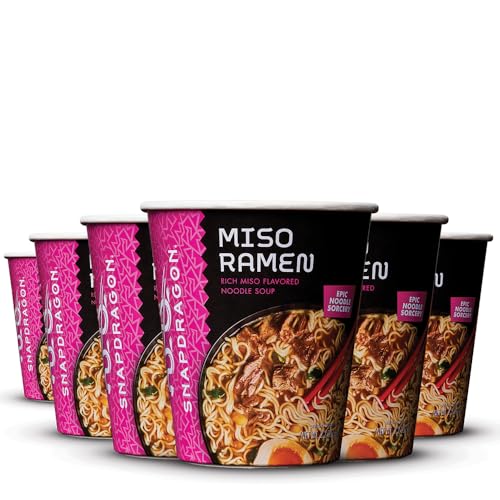
A cup where the heat ships separately, so the mild version is fully in your hands.
Here is the clever part for anyone avoiding spice: the chili oil arrives as a separate flavoring pack. Leave it out and you have a savory miso bowl; add a drop and you get a little warmth. That single design choice makes this the most flexible pick on the list. The cup packs noodles, soup sauce, dried veggies, and the oil pack all together, ready with hot water or a quick microwave run. At 2.2 ounces per cup, it is the lightest option here.
Compared with the pouches, this one trades heft for convenience. There is no pot and no straining, which is why it keeps showing up as a desk lunch or a late-night snack. Buyers describe it as a genuine non-spicy cup noodle that works well with added vegetables and an egg. The flavor leans salty and earthy from the miso base, and the noodles soak up that broth as they sit.
The recurring gripe is portion size. These cups are small, and some buyers find the serving tiny for a full meal. The recipe has also shifted over time, with the oil packet removed in one version and later brought back, so what arrives may vary. It is also the priciest way to eat ramen per serving on this list, which makes it a treat rather than a daily staple.
Why the cup wins: leaving the chili oil out gives you a clean, savory miso bowl, and the whole thing needs nothing more than a kettle or a microwave.
One honest note: the serving is small, so treat it as a snack or bulk it up with your own add-ins.
Best for: the person who wants a no-fuss mild cup at their desk with total control over any heat.
Not the fit if: you want a filling meal straight from the package or you are watching your cost per serving.
4. Sapporo Ichiban Ramen Noodles Beef

The beef pouch that earns its shelf space on quality and a bigger-than-usual portion.
If you are stocking a pantry and want a single case to cover a lot of meals, this is the one. The broth balances beef, soy sauce, spices, leeks, and onions for a savory base with no heat in the mix. Noodles cook in under three minutes, and the 3.5-ounce package runs slightly larger than most ramen, which buyers notice right away. It is a straightforward stove-top pouch: hot water, noodles, seasoning, done.
Quality is the thing buyers call out most on this case, with taste close behind. The texture holds better than the cheapest dry noodles, and the broth comes out full-bodied rather than thin. That combination is why it works as a base you build on. Add protein or vegetables after cooking, and a single pouch turns into a real dinner instead of a snack.
The comparison buyers keep making is against cheaper brands: this costs more, but the noodle texture and broth come out noticeably better. One honest caveat is that the seasoning carries a salty edge, so taste before you add anything else, and consider using part of the packet. The case itself is also a commitment at 24 packs, so it suits households that eat noodles often.
Pick this when: you want a beef-flavored mild pouch in a big case and you plan to build meals around it with your own add-ins.
Hold off if: you prefer a smaller starter quantity or a lighter touch on salt.
5. ICHIRAN Take-Home Ramen Kit
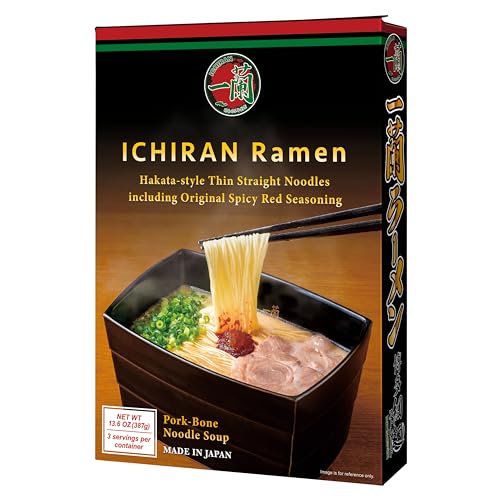
Restaurant-grade pork bone broth in a box that skips the chili heat entirely.
This kit is about one thing: turning a pot of water into a bowl that tastes like a real tonkotsu shop. It ships with three packs of liquid soup concentrate made from the brand’s recipe, three packs of dried straight noodles, and three packs of its spicy red seasoning blend. Leave the red pack out and you have a rich pork bone broth with no heat at all. The noodles are Hakata-style: thin, straight, never fried, and formed to release less starch into the cooking water. You are looking at roughly three minutes from water to bowl.
What separates this from the pouches is the noodle itself. It has a firm, chewy bite that holds up rather than going soft, and the broth is a concentrate rather than a powder, so it comes out smooth and savory. Taste is the runaway favorite among buyers, and the ease of a three-minute bowl keeps it in rotation. It is the closest thing on this list to the flavor of the actual restaurant.
The trade-off is cost per serving. This is the priciest way to eat ramen here, and buyers openly call the price high even while saying it is worth it. The red seasoning is a pleasant medium rather than a hot blast, so if you want any warmth you still control how much of the packet goes in. Some find the broth runs salty with the standard water amount and prefer a little extra water instead.
The standout: liquid soup concentrate plus never-fried straight noodles is what gets this close to a real tonkotsu shop bowl at home.
The trade-off: you pay a premium per serving, and the spice packet is the only heat source, so keep it out for a fully mild bowl.
Worth it if: you want a restaurant-style tonkotsu experience at home and do not mind a high cost per bowl.
Skip if: you want cheap everyday ramen or you need more than three servings in a box.
Know the Specs
Broth Base and Flavor Depth
The broth is where a mild ramen lives or dies. Tonkotsu means pork bone broth, and it usually comes out milky and savory. Beef bone broth reads cleaner and roastier, while miso brings a salty, earthy fermented note. None of these are spicy, so the flavor has to come from simmering time and seasoning blends like leeks, garlic, and sesame. Pick the broth style you already enjoy at a restaurant and the bowl will meet your expectations.
Prep Time and Noodle Texture
Prep time tells you how the bowl fits your day. Pouch ramen typically needs a pot and a few minutes of boiling, while a cup just needs hot water or a microwave. Texture is the other half: thick, chewy noodles hold up better and resist going mushy, but they also soak up broth faster. Thin, straight noodles give a firmer bite. If you plan to add an egg or vegetables, favor a noodle that keeps its chew.
Common Questions
Is Sapporo Ichiban Tonkotsu spicy at all?
How do I make the Snapdragon Miso cup non-spicy?
What does 13-hour simmered broth mean for OTOKI Jin Ramen Mild?
Are the Sapporo Ichiban Beef noodles a bigger portion?
Can I control the heat on the ICHIRAN Take-Home Kit?
How long does each of these take to make?
Which of these has the least sodium risk?
Should I pick a cup or a pouch for mild ramen?
How should I store a 24-pack of instant ramen?
Can I add egg or vegetables to these bowls?
The Bottom Line
For most people, the non-spicy ramen winner is the Sapporo Ichiban Tonkotsu, because its milky pork-and-chicken broth delivers real depth with zero heat and noodles that hold their bite. If you want the most flexible option with control over every bit of warmth, grab the Snapdragon Miso Ramen Cup, where the chili oil ships on the side. For a restaurant-style pork bone bowl at home, the ICHIRAN Take-Home Kit is worth the premium per serving if you want that shop-quality flavor. And if you judge ramen by chewy noodles, the OTOKI Jin Ramen Mild is the one to reach for. Whichever you choose, add an egg or some greens to turn a light bowl into a full meal.
How we choose
We do not accept paid placement. Every pick is matched to a real buyer and a real use-case; we do not hands-on test units.
Sources
Specifications: manufacturer listings and product documentation. Review insights: verified customer reviews, as of October 2026. Pricing: not shown on this page (it changes often); check the current price via the retailer link.
As an Amazon Associate, Aappliancez earns from qualifying purchases. This does not affect which products we feature.