Disclosure: Some links in this post are affiliate links. As an Amazon Associate I earn from qualifying purchases, at no extra cost to you. Learn more
Specs are compiled from manufacturer listings and verified buyer reviews and can change over time — please confirm the key details on the product page before buying.
If you want pasta that holds a firm bite, keeps its shape in sauce, and skips the added vitamins, minerals, and folic acid you find in most grocery-store boxes, this list narrows it down fast. The short answer: the Sicilian busiate is the one to beat, because 100% whole grain durum semolina, bronze-drawn and slow dried, gives you real al dente texture without a single additive. The others here cover high-protein, gluten-free, and low-carb needs, so there is a bag for almost every kitchen.
This guide is built by comparing the manufacturers’ published specifications and the patterns across verified customer reviews, so you get each pick’s real strengths and trade-offs instead of marketing spin.
Plain pasta starts with good grain, the right dry time, and a rough surface that grabs sauce. That is the whole game. Here is what separates the genuinely good bags of non-enriched pasta from the ones that go gummy in the pot.
Top Picks
How To Choose The Best Non-Enriched Pasta
Choosing well here is mostly about reading two things: the ingredient line and the cook time. Everything else on the bag is a story. Get those right and you will not waste a pot.
Start with the ingredient line, not the front label
Non-enriched pasta skips the added vitamins and minerals manufacturers pump into standard boxes to replace what milling strips out. The cleanest bags list one ingredient. The Sicilian busiate reads “organic durum whole wheat semolina” and water, full stop. A red lentil rotini lists red lentil flour. When the list is that short, you are tasting grain, not filler.
Look for bronze-drawn and slow-dried
Bronze-drawn means the pasta was pushed through a bronze die, a metal plate that leaves the surface rough and porous. Rough surface equals grip, and grip equals sauce that stays on the noodle instead of pooling on the plate. Slow drying at low temperature preserves the wheat’s natural color and flavor, so it cooks up golden rather than dark and heavy.
Match the cook time to how you eat it
A thick twisted spiral like busiate needs its full time, taste at 11, pull at 12. A thin gluten-free noodle can be done in 3 to 5 minutes and will turn to mush if you walk away. Bean pastas run 8 to 9 minutes and stay firm even if you go a touch long, which is why they survive as leftovers.
Side-by-Side Comparison
| Model | Best For | Ingredient Base | Total Units | Cook Time | Amazon |
|---|---|---|---|---|---|
| Organic Whole Wheat Pasta Busiate★ Best Overall | Purists who want a single-ingredient Sicilian durum semolina with real bite | Organic durum whole wheat semolina | 35.2 Ounce | 12 minutes | Amazon |
| Explore Cuisine Organic Edamame Spaghetti, 8 oz, Pack of 6Top Performer | High-protein, low-carb eaters who still want a spaghetti twirl | Organic edamame & water | 48 Ounce | 3–5 minutes | Amazon |
| Baron’s Whole Wheat Couscous | Soup, salad, and side-dish cooks who want a hearty whole wheat grain base | Whole wheat, pearled into toasted orbs | 42.28 Ounce | 10 minutes | Amazon |
| Jovial Grain-Free Cassava Penne Rigate, 8 Oz, 3 Pack | Grain-free and AIP eaters who control what goes on the dish | Organic cassava flour & water | 24 Ounce | Cook longer than usual | Amazon |
| Barilla Red Lentil Rotini Pasta, Vegan & Gluten Free, 8.8oz. (10PK) | Protein-focused and gluten-free households who eat pasta often | Red lentil flour | 88 Ounce (10 x 8.8oz) | 8 minutes | Amazon |
Detailed Reviews
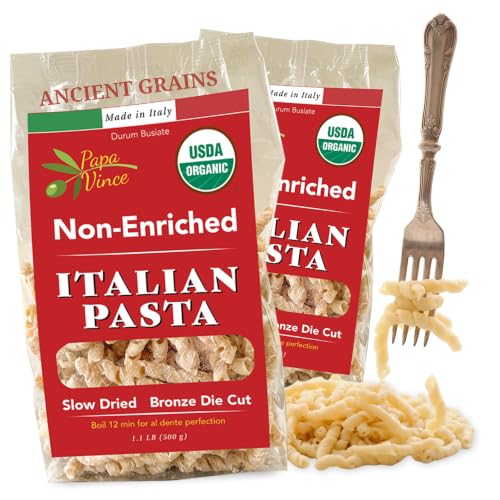
1. Organic Whole Wheat Pasta Busiate
Our pick — over 4.5★ from 450+ verified ratings; the strongest balance of quality and price.
The bag that keeps the whole wheat intact, one twist at a time.
This is the pick for anyone who has given up on whole wheat because it always cooked up dark, heavy, and bitter. The Busiate is 100% whole grain durum, stone-milled in a single pass at one family mill in Sicily so the bran and germ are never split apart and blended back — the flour never gets taken apart or reconstituted. What lands on your plate is a golden spiral, not a grey one. The difference between this and ordinary whole wheat shows up on the very first bite.
The spiral itself is the real story. Busiate is a hand-twisted Sicilian shape from Trapani, pressed through a bronze die, so the surface comes out rough and porous. That roughness traps tomato sauce, ragu, and pesto alla trapanese inside every curl rather than letting it slide to the bottom of the bowl. Cook it exactly 12 minutes, taste at 11, and it stays firm through the center with a springy bite thin spaghetti cannot match. The water leaves in the drying room, so the label reads a single ingredient: organic durum whole wheat semolina. No additives, no preservatives, USDA Organic seal on every bag. Slow drying at low temperature keeps the wheat’s natural B vitamins and its flavor intact, which is why Italians dress this simply — olive oil, a little garlic, a few fresh tomatoes, done.
Two full 17.6-ounce bags, 35.2 ounces total, sealed at the mill so they arrive fresh and keep in the pantry. Weighed against the Explore Cuisine Edamame Spaghetti, this is the smaller, denser box: 1.1 pounds versus 3.66 pounds, on a 5 x 2 x 6.75-inch pack versus a 10 x 6 x 8-inch one. The recurring note from long-time buyers is that it is worth it for occasional, deliberate dinners rather than a nightly staple. One honest caveat worth knowing: the bag is short on explicit cooking directions beyond the printed 12 minutes, so set a timer on the first boil.
What earns it the top slot
- Single-ingredient label: organic durum whole wheat semolina, nothing else added
- Bronze-drawn and slow-dried, so the rough surface grabs sauce and holds it
- Golden color and nutty flavor instead of the dark, bitter cast of ordinary whole wheat
- Thick busiate spiral stays firm through the center at 12 minutes, truthfully al dente
- Sealed at the mill in controlled drying rooms for a fresh, aromatic bag
The honest trade-offs
- Bags are smaller than a bulk multi-pack — 35.2 ounces total across two
- Cost per serving runs above a generic grocery box; buyers call it a splurge pasta
- The print on the bag is thin on cooking guidance beyond the 12-minute boil
Reach for this if: you want a single-ingredient Sicilian whole wheat semolina that cooks to a genuine al dente and makes simple olive-oil-and-garlic dinners sing.
Look elsewhere if: you want a bulk-larder buy to feed a big family on a tight weekly budget — the per-serving math favors the ten-box Barilla pack instead.
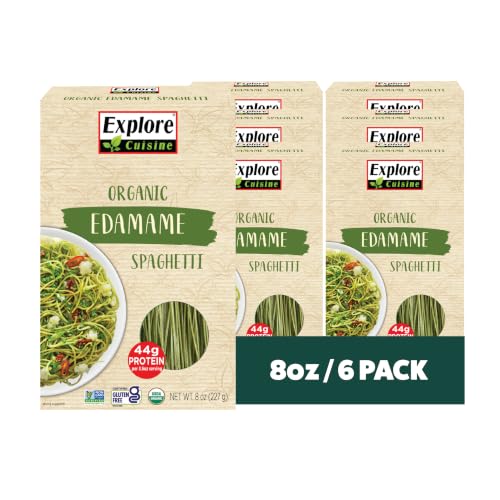
2. Explore Cuisine Organic Edamame Spaghetti, 8 oz, Pack of 6
The one that turns a low-carb dinner into a legitimate spaghetti night without the crash.
If you gave up pasta years ago to keep the carbs down and you miss the twirl, this is the bag built for you. It is made from two things: organic edamame and water. That is the whole ingredient line. No flavorings, no binders, no gums. Each 3.5-ounce serving carries 24g of protein and 13g of fiber, which is a very different nutritional story than a standard white-flour spaghetti. Cook it 3 to 5 minutes — noticeably faster than traditional pasta — and it comes out slightly al dente with a texture closer to whole wheat than to a sad gluten-free imitation.
The six-pack goes big. At 48 total ounces across six bags, the shipment weighs 3.66 pounds and arrives as a 10 x 6 x 8-inch box — vastly more pantry depth than the Sicilian busiate’s single 1.1-pound, 5 x 2 x 6.75-inch pack. If you are cooking this several times a week for a household, that math works out. It holds tomato, pesto, and a heavy garlic-and-cheese toss the way you would hope. One compact note: it is vegan, non-GMO, USDA Certified Organic, gluten-free, and kosher.
Most buyers report it eats like real pasta rather than the “substitute” most alt-pastas turn out to be. Sauce, cheese, and a heavy dose of garlic work here because the edamame base does not fight the flavor. The recurring caution from owners is texture: because it is not a wheat noodle, it does not have the same chewy bite as a durum semolina like the busiate above. Think of it more as a serving vessel for whatever you want to pour over it, not a noodle you would shower with just olive oil.
Why it climbs the list: a 48-ounce six-bag box with a two-ingredient label, 24g protein and 13g fiber per serving, and a cook time that fits dinner-table reality. It is the protein play.
The one caveat: the mouthfeel is closer to whole wheat than true durum spaghetti, so if you want a pasta that carries a simple olive oil dressing by itself, the busiate above still wins that fight.
Best served to: the low-carb or plant-protein cook who wants six bags of spaghetti waiting in the pantry and does not mind a slightly softer bite.
Pass if: you want a spaghetti you can eat with nothing but olive oil and salt — the edamame build is designed to carry sauce, not stand alone.
3. Baron’s Whole Wheat Couscous
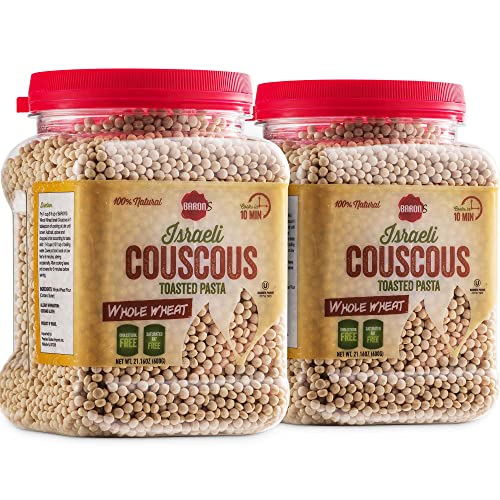
Couscous with the soul of a pasta — toasted, pearled, and built to soak up sauce, broth, or dressing.
This jar belongs in any kitchen that cooks Italian wedding soup, cold summer salads, or layered bakes. Baron’s shapes whole wheat into little spheres, dusts them in fine wheat flour, and toasts them, so you get that same chewy bite and hearty body of a good pasta without the long boil. Two 21.16-ounce twist-off jars is 42.28 ounces total — enough to make this a pantry staple rather than an occasional purchase. It cooks in 10 minutes, drains easily, and holds up under cold applications like a traditional wheat noodle would not.
What wins people over here is the taste-to-fuss ratio. Long-time fans toast the orbs in oil before adding broth, which gives you a cross between pasta and couscous that soaks up sauce, broth, and dressing alike. It stands in for rice, potatoes, and pasta in the same week without anyone at the table noticing. It is certified kosher pareve, so it works for a broader set of households than the average pasta. And it is free of saturated fat, trans fat, and cholesterol.
An important setup tip comes straight from the review pages: this couscous needs frying, then boiling. The recurring complaint some buyers file is a musty smell or a jar that tastes stale, and the buyers who have learned the process say the fix is usually a skipped toasting step, not the grain itself. Treat the jar as a two-stage cook — bloom the orbs in a bit of oil, then add liquid — and the fresh, nutty character comes through. One more note: it arrives as a 1.32-pound, 7.64 x 5.75 x 3.7-inch package, so it lives comfortably in a cabinet.
Where it stands out: a 42.28-ounce double-jar package, a 10-minute cook, and a toasted whole wheat base that soaks up sauce, broth, and dressing better than most pasta shapes on this list.
Fair warning: this is a two-stage cook, not a dump-and-boil grain. The musty notes some buyers log likely trace back to that skipped toasting step, so follow the directions and you get the good version.
Built for: the cook who wants a whole wheat substitute for rice, potatoes, and pasta that disappears into soups and cold salads with zero fuss after the toast.
skip it if: you want a single-ingredient, one-ingredient-pasta, one-minute grab — this grain expects a fry-then-simmer step.
4. Jovial Grain-Free Cassava Penne Rigate, 8 Oz, 3 Pack
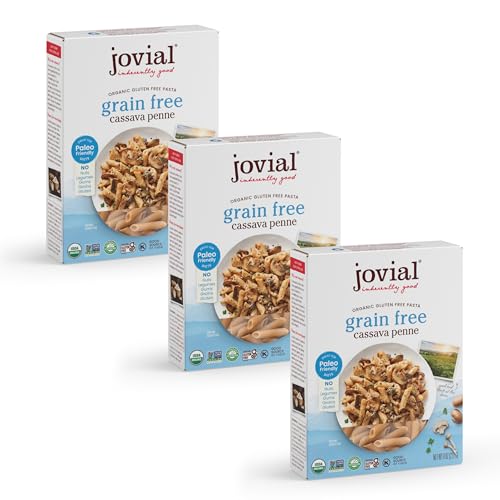
Penne for the eaters who cannot do grain — and need a tube pasta that still holds a bake.
For households navigating paleo, AIP, or a grain restriction, most penne is off the table. This one is made from organic cassava flour and water — no grains, no legumes, no gums, no lectin. It is USDA Certified Organic, Non-GMO Project Verified, and tested for glyphosate. Made in Italy by pasta artisans who press it through bronze dies and slow dry it, so the tubes come out with that rough, sauce-grabbing surface you want in a rigate. Three 8-ounce boxes, 24 ounces total.
The penne holds a bake, which is the real test for a grain-free tube. It works as baked ziti, and the medium-boil-then-oven method — five minutes in the pot, then finish under sauce and cheese — keeps it from going soft. Leftovers reheat without turning to mush. Flavor-wise, it is neutral by design; owners mention that this pasta invites whatever seasoning and sauce you bring, rather than standing on its own. If you like a penne that exists to carry the dish, this is the one.
Here is the honest side. Texture on this pasta divides buyers. Some find it close to regular pasta, others find it firmer and slightly starchy — and the neutral cassava base really does let the sauce do all the talking. The packaging is also worth flagging: several customers note the boxes arriving dented because of the shipping container, not the pasta itself. Buy the three-box pack, store it in your own airtight jar, and you sidestep the whole issue.
The case for it: a genuinely grain-free penne that survives a bake and reheats cleanly, with bronze-die texture and a real Italian pedigree for the AIP and paleo kitchen.
Know before you buy: the cassava base is neutral by design, so plan to season and sauce it fully, and expect the occasional dented box from shipping.
Worth it for: grain-free, paleo, and AIP cooks who want a rigate penne that stands up to a baked pasta night.
Think twice if: you want a pasta with pronounced wheaty flavor on its own — cassava is the quiet canvas here, so the sauce has to be the star.
5. Barilla Red Lentil Rotini Pasta

A ten-box stack of single-ingredient lentil rotini that survives pasta salad and heavy meat sauce alike.
If pasta is a weekly habit in your house and you cannot eat wheat, this ten-box pack is the one that gets you through the month. Every box is just red lentil flour — one ingredient, no gums, no binders, kosher certified, Non-GMO Project Verified, naturally gluten-free. Each 3.5-ounce serving carries 25g of protein and 11g of fiber. Ten 8.8-ounce boxes means you are not restocking every week; you just grab a box when dinner calls.
The rotini’s real strength often comes out in the fridge the next day. Reviewers point out it does not go soggy in pasta salad, holds firm when reheated with sauce, and stands up under a heavy meat sauce without breaking apart — the failure point for rice and chickpea pastas. Boil 4 to 6 quarts of salted water, add the dried pasta, and cook for 8 minutes; add 1 to 2 extra minutes if you like a softer bite. That 8-to-9-minute window is what most people use, and the noodles land firm and intact.
The texture, honestly, is where this pasta divides people. Fans call it the best gluten-free pasta they have tried — nothing like the slimy texture that turns them away from other bean pastas. Others find it chewier and want a longer boil. Both camps agree on the flavor: this is what a good lentil pasta tastes like. One small thing worth knowing before you commit — box size runs generous on quantity but you may need two boxes per main-dish meal, which is why the ten-pack is the smart buy rather than the single.
The reasons this earns a place
- Single-ingredient label: red lentil flour, and nothing else
- 25g protein and 11g fiber per 3.5-ounce serving
- Ten boxes of 8.8 ounces, so you stock once and cook for weeks
- Holds firm in pasta salad, reheats without going soggy, survives heavy meat sauce
- Cook time is forgiving: 8 minutes, add 1-2 for a softer bite
What to know going in
- The texture is chewier than a wheat rotini — some buyers want a longer boil
- One box may not cover a main-dish pasta dinner for a hungry household
- Flavor is legume-forward by design, so it wants a full sauce and seasoning build
For the household that: eats pasta multiple times a week, needs it gluten-free, and wants a ten-box pantry in one click with a real protein number per serving.
Skip if: you want a single elegant dinner pasta — the ten-box pack is a rotation play, not a special-occasion buy.
Know the Specs
Al Dente Cook Time
Al dente means the pasta is tender on the outside but still has a firm bite at the center, not raw. It is not a preference — it is a number on the bag. The Sicilian busiate carries 12 minutes; the edamame spaghetti cooks in 3 to 5 minutes; the Barilla red lentil rotini runs 8 minutes; the Baron’s couscous runs 10 minutes. Set a timer on the first boil of any new pasta. Going past the printed minute count is what takes a good noodle from firm to limp.
Protein and Fiber Per Serving
Protein and fiber are listed as grams per 3.5-ounce serving, and they are the fastest way to compare one bag against another honestly. The edamame spaghetti carries 24g protein and 13g fiber per serving; the Barilla red lentil rotini carries 25g protein and 11g fiber. The Barilla pasta pack totals 88 ounces across ten boxes; the edamame pack totals 48 ounces across six. Compare the protein numbers when the pasta is a protein source for you, not a side dish.
Bronze Die and Slow Drying
Bronze-drawn means the pasta was pushed through a bronze die, a rough metal plate that leaves a porous, pitted surface. That surface is why sauce clings instead of sliding to the bottom of the bowl. Slow drying at low temperature preserves the grain’s color and natural character, so a real whole wheat pasta cooks up golden rather than grey and heavy. The Sicilian busiate and the Jovial cassava penne both use bronze dies and slow drying — look for the phrase on the label if sauce grip is what you want.
Single-Ingredient Versus Blended Flours
The cleanest pasta labels list one ingredient plus water. The Sicilian busiate reads organic durum whole wheat semolina and water. The Barilla red lentil rotini reads red lentil flour. The Explore Cuisine edamame reads edamame and water. When a label starts adding gums, binders, and flavorings, you are tasting the blend, not the grain. Single-ingredient is the shorthand version of “non-enriched” — nothing was stripped out, so nothing has to be put back in.
Common Questions
What does non-enriched pasta actually mean?
Will whole wheat pasta always taste bitter or heavy?
How long should I cook busiate pasta for a true al dente bite?
Which of these pastas actually cooks fastest?
Why do some shoppers say a musty smell from couscous jars?
Is cassava penne suitable for a grain-free or AIP diet?
How does the Barilla red lentil rotini hold up in a cold pasta salad?
Do I need to add anything to grain-free or legume pasta while cooking?
Will the Jovial cassava penne boxes arrive damaged?
Can I use these pastas in baked dishes rather than boiled-and-sauced only?
The Bottom Line
For most people buying non-enriched pasta, the clear winner is the Organic Non Enriched Whole Wheat Pasta Busiate from Sicily, Italy, 2-Pack because it delivers exactly what the label promises: a single-ingredient Sicilian durum semolina, bronze-drawn and slow dried, cooking to a genuine 12-minute al dente bite. If you want a protein-forward rotation with 24g protein and 13g fiber per 3.5-ounce serving across a six-bag pantry, reach for the Explore Cuisine Organic Edamame Spaghetti. And if pasta is a weekly gluten-free habit, the Barilla Red Lentil Rotini ten-box pack carries 25g protein per serving and stands up to leftovers night after night.
How we choose
We do not accept paid placement. Every pick is matched to a real buyer and a real use-case; we do not hands-on test units.
Sources
Specifications: manufacturer listings and product documentation. Review insights: verified customer reviews, as of October 2026. Pricing: not shown on this page (it changes often); check the current price via the retailer link.
As an Amazon Associate, Aappliancez earns from qualifying purchases. This does not affect which products we feature.