Disclosure: Some links in this post are affiliate links. As an Amazon Associate I earn from qualifying purchases, at no extra cost to you. Learn more
Specs are compiled from manufacturer listings and verified buyer reviews and can change over time — please confirm the key details on the product page before buying.
If your ankles roll inward with every step and your knees ache after a walk around the block, you need a shoe with real stability built in — not just soft foam. That inward roll is called overpronation, and it is the single thing a motion control shoe exists to correct. The right pair puts a firmer structure under your arch and a wider base under your foot, so your stride lands straighter and your legs feel less beaten up by dinner time. This guide breaks down nine stability and support shoes by what each one actually does for a rolling foot, so you can match the shoe to your body instead of guessing.
This guide is built by comparing the manufacturers’ published specifications and the patterns across verified customer reviews, so you get each pick’s real strengths and trade-offs instead of marketing spin.
Every pair here has a different answer to the same problem, from a firm medial post to a rocker that rolls you forward. Read on for the motion control shoes that actually keep a rolling foot in line.
Top Picks

How To Choose The Best Motion Control Shoes
Start with your foot, not the shoe. If your arch collapses inward when you stand and your old sneakers wear down on the inner edge of the sole, you are the buyer these shoes are built for. A motion control shoe uses firmer material on the inside of the midsole — the medial side — to resist that collapse. Your job is to pick how much correction you want, because too much firmness under a foot that does not need it feels like walking on a plank.
Match the correction to your pronation
Mild roll calls for a light guidance system, while a heavy collapse wants a firmer post and a wider base. The ASICS GT-1000 13 leans on a 3D GUIDANCE SYSTEM to steady the stride without a hard block under the arch. A max-stability shoe like the Hurricane 24 goes further with higher sidewalls and a broader footprint. If you have worn custom orthotics for years, check that the shoe’s built-in arch is not so high it fights your insert.
Check heel drop and toe box room
Heel drop is the height difference between the heel and the toe, measured in millimeters. A lower drop tends to suit a flatter foot, while a taller drop takes load off a tight calf. Toe box room matters just as much — a wide forefoot lets your toes spread on landing, and several picks here are sold in wide widths. If your feet swell through the day, size for the swollen foot, not the morning one.
Side-by-Side Comparison
| Model | Best For | Stability Tech | Stated Weight | Cushioning | Amazon |
|---|---|---|---|---|---|
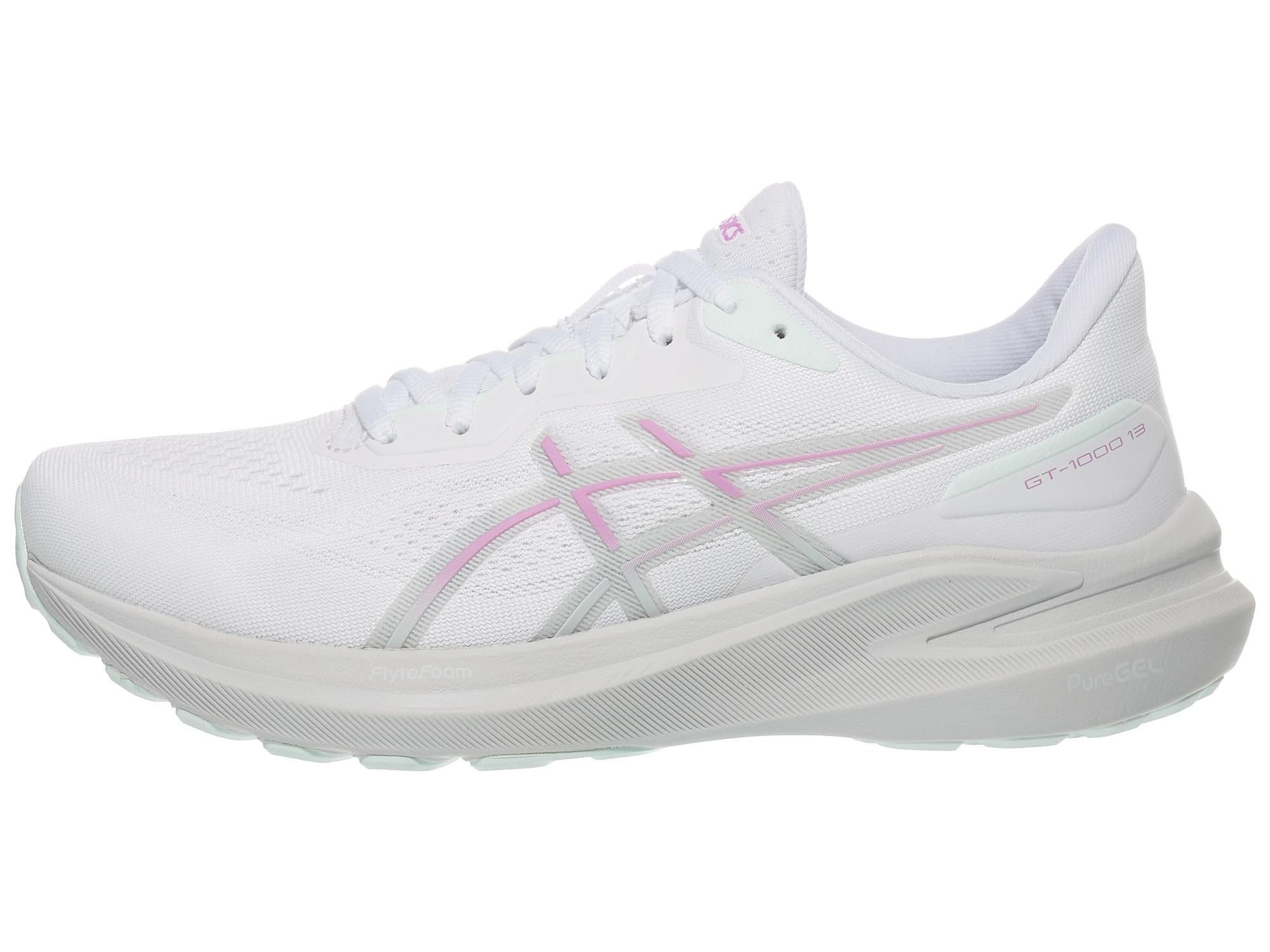
| ASICS Women’s GT-1000 13★ Best Overall | Everyday support on a budget | 3D GUIDANCE SYSTEM | 1.44 lb | FLYTEFOAM + PureGEL | Amazon |
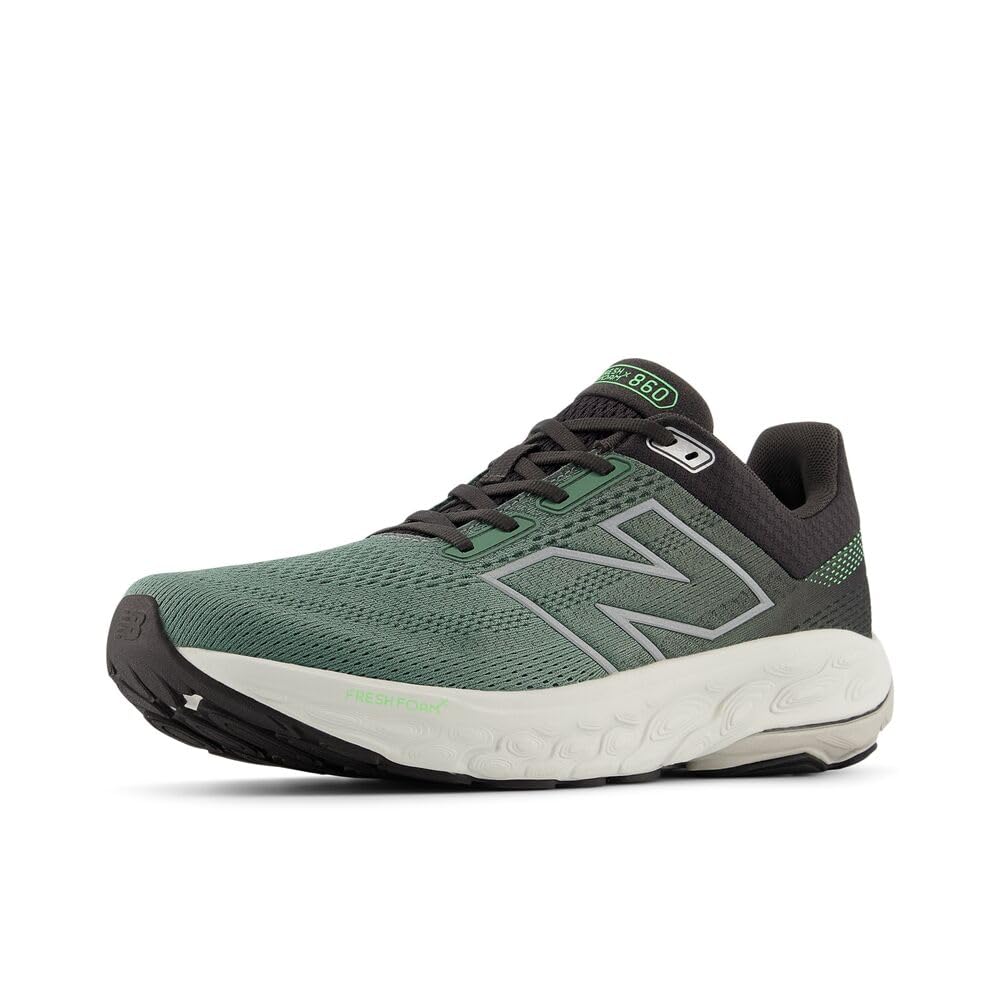
| New Balance Fresh Foam X 860 V14Best for Long Shifts | Long days on your feet | Fresh Foam X medial support | 3 lb | Fresh Foam X | Amazon |
| New Balance Fresh Foam X Vongo V6Plush Stability Pick | Overpronators wanting plush foam | Supportive medial zone | 2.1 lb | Fresh Foam X | Amazon |
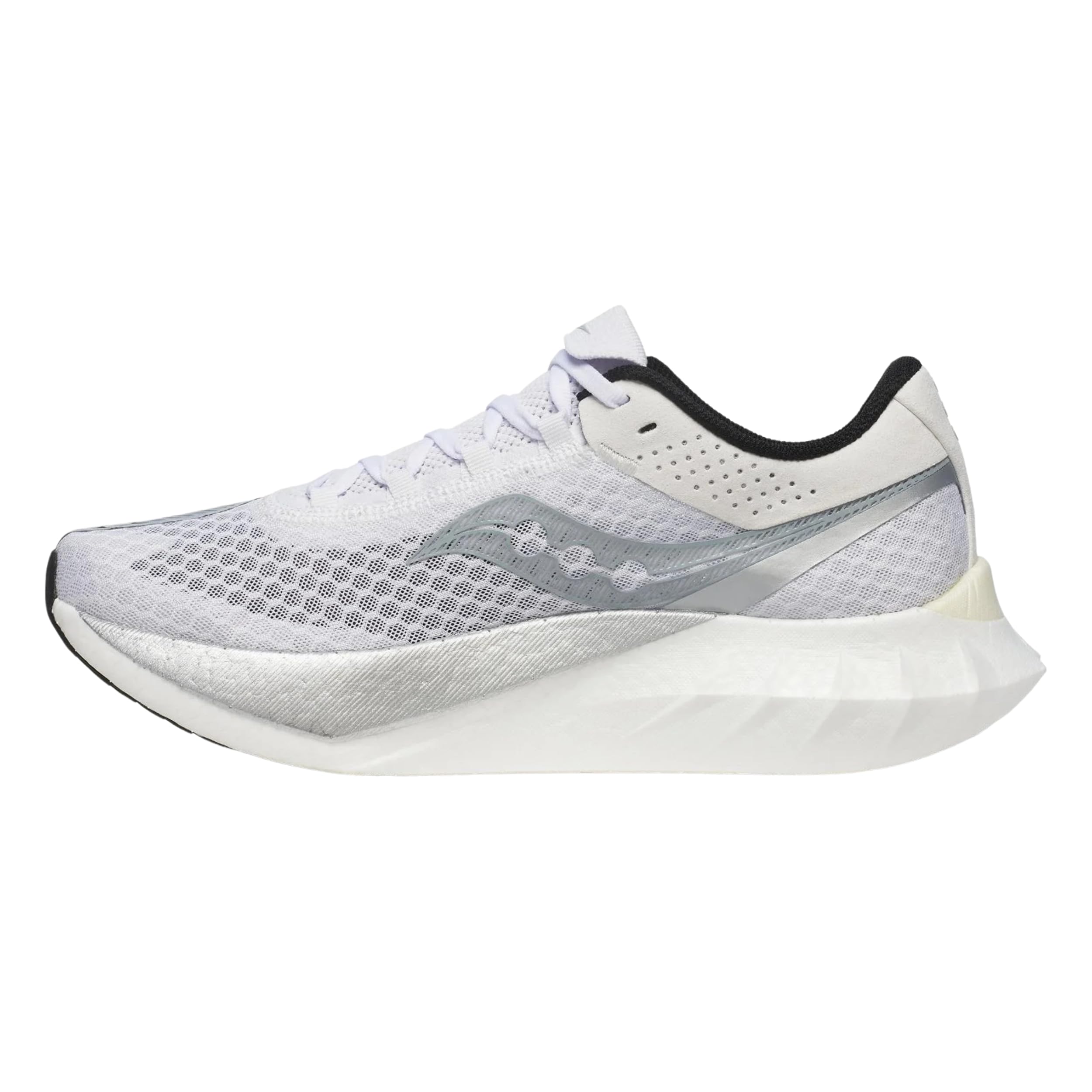
| Saucony Endorphin Pro 4 | Race day speed | Full carbon plate | 7.5 oz (212g) | PWRRUN HG & PWRRUN PB | Amazon |
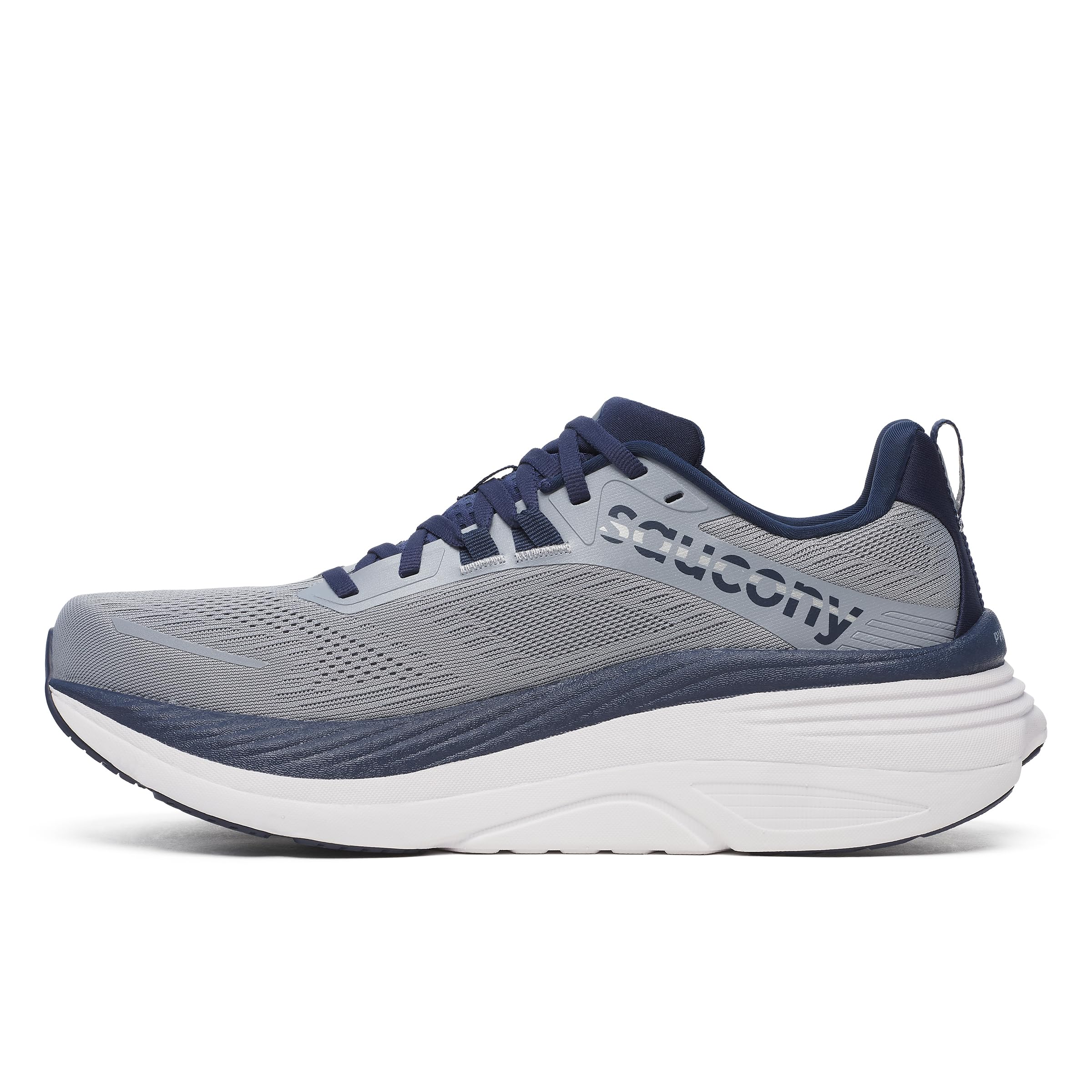
| Saucony Hurricane 24 | Max cushion with control | CenterPath Technology | 10.6 oz (302g) | PWRRUN PB & PWRRUN frame | Amazon |
| Mizuno Wave Inspire 21 | Flat feet, moderate support | Moderate medial support | — | MIZUNO ENERZY NXT | Amazon |
| Hoka Arahi 8 | Sleek stability for shifts | H-Frame technology | 2.19 lb | Dual density compression molded EVA | Amazon |
| ASICS Gel-Kayano 32 | Support plus deep cushion | 4D GUIDANCE SYSTEM | 1.44 lb | FF BLAST PLUS + PureGEL | Amazon |
| Brooks Adrenaline GTS 25 | All-day stability for wide feet | GuideRails support | 1.5 lb | Soft cushioning | Amazon |
Detailed Reviews
1. ASICS Women’s GT-1000 13 Running Shoes
Our pick — 4.5+★ from 850+ verified ratings; the strongest balance of quality and price.
The everyday stability shoe that steadies a rolling stride without feeling like a plank.
What makes the GT-1000 13 the pick for most people is balance. Its 3D GUIDANCE SYSTEM — a structure under the midfoot that keeps your foot from rolling inward — corrects the stride without a hard wedge under your arch. FLYTEFOAM in the midsole keeps the shoe soft on landing, and PureGEL adds a gel pad for shock absorption. All of that sits on a modest 1.44-pound frame, which stays light enough for a morning run or a full shift on your feet.
Fit is where this shoe wins people over. The shoe is sold in wide widths, and the mesh upper stretches enough to give a swollen foot room without pinching your toes. A teacher who stands all day reports a pair lasting 2 to 3 years of heavy use. That durability is the reason so many buyers come back to the same model, in the same size, pair after pair.
The catch is the sole. A few buyers training for long distances find the cushioning too thin under the forefoot and worry about the toe hitting the ground first on a fast run. Treat this as a support shoe for walking, gym work, and shorter runs — not a marathon trainer. For everything from errands to an all-day standing job, it holds up well.
What holds your foot steady
- 3D GUIDANCE SYSTEM steadies a rolling stride without a hard block under the arch.
- Sold in wide widths, with a mesh upper that gives swelling feet room.
- Adds up to 1.44 pounds of shoe, light enough for all-day wear.
Where it stops short
- The sole feels thin under the forefoot on long runs.
- Not built for high-mileage training days.
Reach for this if: you want real correction for an inward roll and you spend most of your day walking, standing, or on light gym work.
Look elsewhere if: you log long-distance runs and need a thicker cushion under the forefoot.
2. New Balance Mens Fresh Foam X 860 V14
The stability trainer that carries nurses, walkers, and overpronators through a full day on concrete.
If your job keeps you on hard floors for hours, the 860 V14 is the one to size up for. It pairs a Fresh Foam X midsole — a soft foam that cushions the landing — with a firmer section on the inside of the foot that resists pronation. A nurse who owns multiple versions of this shoe describes it as a reliable stabilizer through long shifts. That pattern of repeat buying tells you more about the fit than any spec sheet can.
Overpronation is exactly the problem this shoe was tuned for. Buyers with flat feet, heel spurs, and wide forefeet find the wide version roomy enough to fit without squeezing. The heel sits secure, and the shoe stays stable through a full walking stride. Expect a short break-in period: the forefoot feels pressured at first and softens after a few walks.
One honest note on weight. The shoe is listed at 3 pounds, versus 1.44 pounds for the ASICS GT-1000 13 — a real difference you feel when you pick both up. That heft comes with the stability structure, and it is the trade for a shoe that keeps your knee and ankle in line. The orange colorway also shows dirt quickly, so pick a darker shade if that bothers you.
Who this fits: nurses, warehouse staff, and heavy walkers who need a stable base under a rolling foot for hours at a time.
The honest trade: it carries more mass than a light everyday trainer, so speed sessions are not its job.
Buy it for: shift work, long walks, and mild to moderate overpronation where cushion and control both matter.
Pass on it if: you want a featherweight shoe for fast interval training.
3. New Balance Men’s Fresh Foam X Vongo V6
A stability shoe that feels like a soft neutral trainer with a supportive wall tucked inside.
The Vongo V6 answers a common wish: a shoe that corrects pronation but still feels cushiony. Its Fresh Foam X midsole is built soft, and a firmer medial zone on the inside of the foot resists inward roll without a hard wedge. The upper wraps the foot for a locked-in feel, so the support comes from both underfoot and the sides. At 2.1 pounds it sits lighter than the 860 V14, which suits a walker who wants cushion without the bulk.
What wins people over here is the quality of the build — buyers describe a shoe that takes a beating and keeps its shape. Wood-floor walkers and warehouse workers say it stays supportive through a full shift. One runner 100 miles into a pair still found the Fresh Foam X cushion fresh. The toe box has room, and wide-footed buyers report it accommodates a high arch.
The recurring gripe is heel lock. A buyer who ties the laces loosely finds the heel slips out, so cinch them down. A long-time 1540 user also found the built-in arch too high for custom orthotics, which is worth knowing if you wear inserts. Beyond those two points, this is a comfortable, well-made stability shoe for daily mileage.
Why it earns the spot
- Fresh Foam X midsole feels soft underfoot while the medial zone resists pronation.
- Upper wraps the foot for a secure, locked-in feel.
- Lighter at 2.1 pounds than the 860 V14.
The points to know
- Heel slips if you tie the laces loosely.
- The built-in arch can fight a custom orthotic.
Choose this one for: soft, cushioned stability on long walks, work shifts, and easy jogs.
skip it if: you wear thick custom inserts or prefer a firm, locked-down heel without extra lacing effort.
4. Saucony Men’s Endorphin Pro 4 Sneaker
A featherweight carbon-plated racer for the day you want to go fast and stay stable.
This is not a daily trainer — it is the shoe you save for race day or a fast tempo. A full carbon plate runs the length of the shoe, adding stiffness that pushes you forward with each step. The midsole blends two foams, PWRRUN HG and PWRRUN PB, for a springy, energy-returning feel. At 7.5 ounces (212 grams) it is the lightest shoe on this list by a wide margin, so your legs lift it easily over the miles.
Stability is the surprise. Runners with flat, wide feet report it stays planted even on a hard 5K effort, and one 74-year-old heel striker raced well below his easy training pace in it. The SPEEDROLL geometry — a curved sole that rolls you forward — takes the load off tired legs. Owners mention their legs feel far less beaten up after a workout than in a regular shoe.
The honest caveat: this shoe is built for pavement, not dirt. It slips on muddy trails, and the thin upper is not waterproof. It is also a race tool, so the durability is not meant for daily-wear mileage. Use it for hard efforts and let a separate trainer handle the long easy days.
The standout spec: 7.5 ounces (212 grams) with a full carbon plate, which is the combination that makes it feel so quick.
The catch: save it for road and track — mud and rain are not its friends.
Built for: racers and speed work on pavement where you want a light, snappy, plate-assisted stride.
Not for: wet, muddy trails or all-day wear — pick a trainer for those days.
5. Saucony Men’s Hurricane 24 Sneaker
Max cushion with a built-in guardrail — soft foam that still catches a rolling foot.
The Hurricane 24 layers two foams to do both jobs at once. A plush PWRRUN PB layer cushions the landing, while a firmer PWRRUN frame wraps the inside and bottom to control pronation. CenterPath Technology adds a broader base with more ground contact and higher sidewalls on each side. That combination keeps a heavy pronator from spilling inward without the shoe feeling like a stiff brick. At 10.6 ounces (302 grams), it is a substantial shoe.
People who stand all day call it comfortable in a way that lasts. A teacher coming from a Hoka found it less cushioned but more stable, and sized up half a size for a perfect fit. A warehouse worker wearing it across shifts reports the support holds up. The stability is described as non-intrusive — the foam handles the correction rather than a hard post poking into your arch.
The trade is pace. This shoe is heavy and slow, so it suits recovery days, walking, and long easy efforts, not fast speedwork. Some buyers also find it runs a touch narrow, so try the wide fit if your forefoot is broad. The one consistency note is build quality — one pair made in China ran wider and firmer than a pair from Vietnam.
What you get underfoot
- Two-foam system cushions the landing while the frame controls pronation.
- CenterPath Technology adds a broad base and higher sidewalls for side-to-side support.
- Lighter than the listed competitor sets, at 10.6 ounces (302 grams).
What to weigh first
- Heavy and slow at faster paces.
- Some buyers need the wide fit for a broad forefoot.
The right match for: heavy pronators and all-day standers who want maximum cushion plus real side support.
Think twice if: you run fast intervals or need a light shoe for race day.
6. Mizuno Women’s Wave Inspire 21 Running Shoe
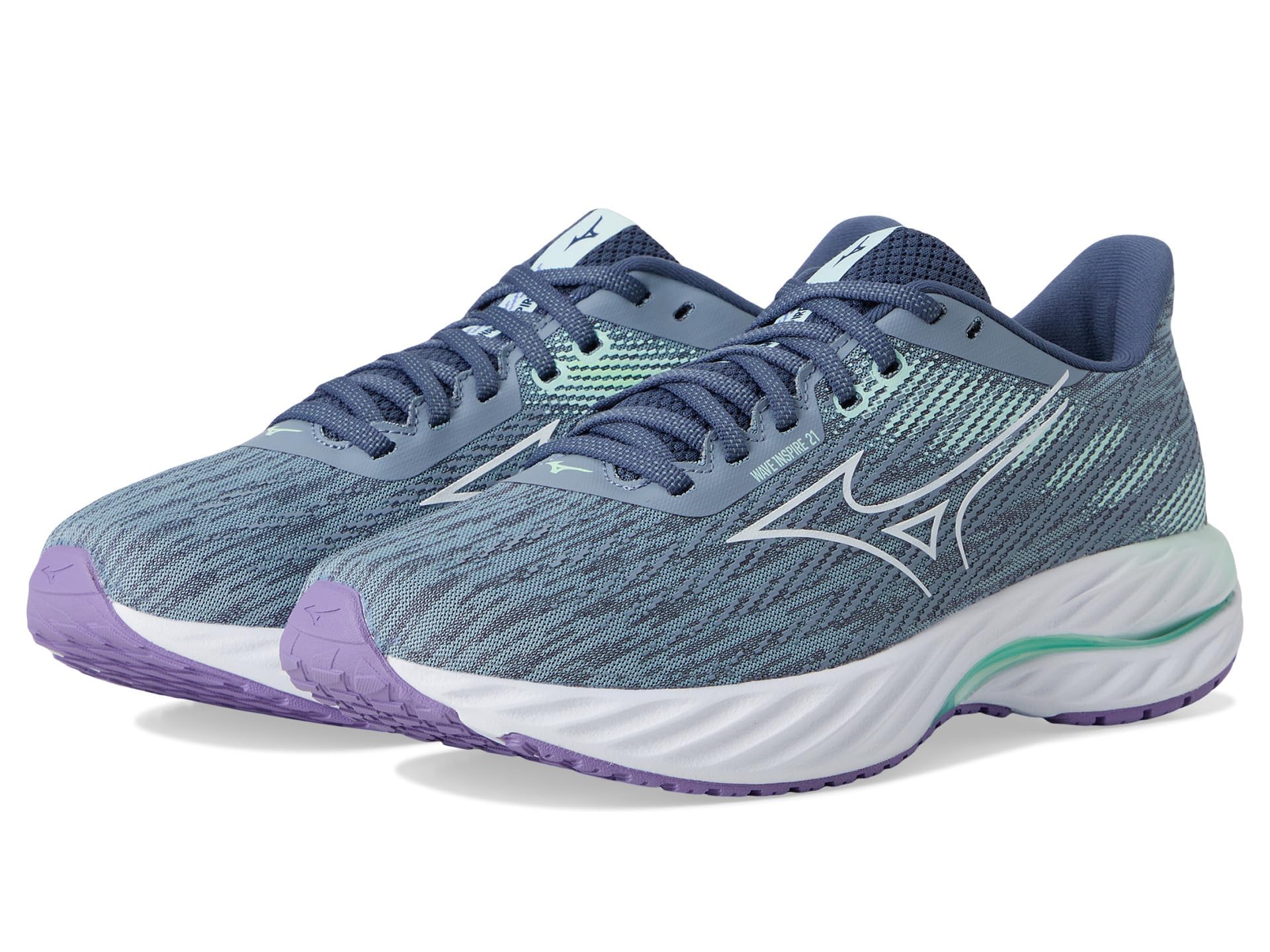
Refined, moderate stability for the flat-footed walker who wants support without firmness.
The Wave Inspire 21 is the mellow option on this list. MIZUNO ENERZY NXT foam softens the heel landing, and a moderate medial support — a firm section along the inside of the foot — gently resists pronation. The build is aimed at one thing: a smooth, balanced stride with a little correction, not a heavy block. If you have tried a max-control shoe and found it too stiff, this is the step down.
The people drawn to it are flat-footed walkers and hikers. Support through the arch is the quality that keeps buyers coming back, and long-time Mizuno wearers say the shoe fits the same way pair after pair. Long-time Mizuno wearers report getting close to a thousand miles from a single pair. For walking and hiking that is a lot of ground for one shoe, which makes it a solid long-term buy.
A couple of notes worth knowing. It runs slightly narrow at the sides compared with older versions, so consider going up half a size if your foot is wide. And it is not the plushest shoe you have ever worn — its strength is steady support, not pillowy cushion. For flat feet and a stable stroll, that trade is exactly right.
Best for this: flat feet, moderate pronation, and walkers or hikers who want steady support.
Watch for: a slightly snugger side fit than older versions.
Pick this one if: you have flat feet and want gentle correction that does not feel stiff.
Move on if: you need maximum control or a deep, plush cushion.
7. Hoka Mens Arahi 8
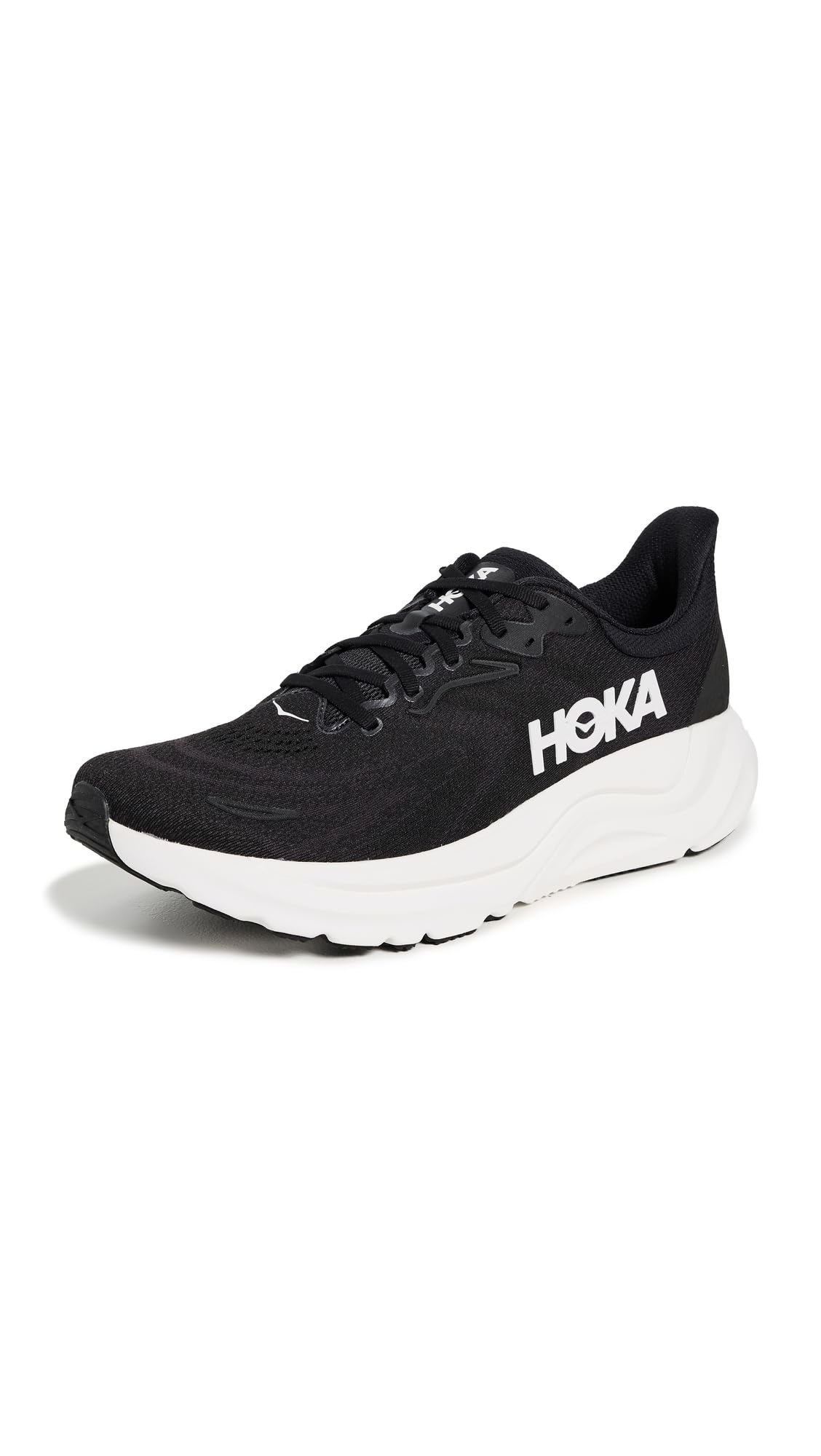
The stability shoe that looks like a trainer but steadies your stride from the first step.
The Arahi 8 keeps its correction subtle. Its H-Frame technology — a firmer frame built into the foam on both sides of the foot — keeps a rolling foot in line while letting the shoe flex. Dual density compression molded EVA foam gives cushion under a firmer outer layer, and a podular outsole adds grip. The double jacquard mesh upper is part recycled material, and reflective details help in low light.
For men who stand through a shift, this is the pick that stays light. Delivery drivers, warehouse crews, and hospital staff say their feet and back feel better after a hard day. A walker who logged a thousand miles of daily work and dog walks reports the sole and interior barely worn. If you wear it for long hours on your feet, the wide sole and secure heel hold up.
Two things to know. The shoe has a heavy feel thanks to the stabilizing frame, and the beveled heel takes a little getting used to when you first walk in it. If you are returning to running after a break and your knees complained in a lighter shoe, this one makes the miles feel neutral again. That is the core of what it was built for.
Why shift workers choose it: H-Frame support keeps a rolling foot steady while the mesh upper stays breathable.
The adjustment: a heavier feel and a beveled heel you notice for the first few days.
Fits best: men on their feet all day, or runners coming back from a break who want gentle stability.
Not ideal for: anyone after a featherweight shoe for speed.
8. ASICS Men’s Gel-Kayano 32 Running Shoes

Deep cushion stacked on adaptive stability — the support shoe for a high-mileage walker.
The Gel-Kayano 32 pairs adaptive stability with a lot of foam. The 4D GUIDANCE SYSTEM — a support structure that adjusts to your foot’s angle — helps keep your stride balanced mile after mile. FF BLAST PLUS in the midsole adds soft, springy cushioning, and PureGEL in the heel absorbs impact. The result is a shoe built to take the sting out of long days on hard pavement.
For flat feet, the arch support does real work. A walker logging 10 to 15 miles a day says the arch support needs no added insoles and leaves little soreness by day’s end. Buyers who bought it for arch issues say it keeps them walking without real pain. It is equally at home as a walking shoe and a running shoe, which is why it shows up in so many repeat buyers’ closets.
The honest caveat is tread life. A recurring concern is that the thin rubber strips and foam wear faster than they should, and buyers running high miles say the foam fades after roughly 250 miles on pavement. Rotating it with another pair stretches its useful life. If you want a deeply cushioned support shoe and you can rotate it, this is a strong fit.
What the foam does for you
- 4D GUIDANCE SYSTEM adjusts to keep a rolling foot balanced.
- FF BLAST PLUS and PureGEL add cushion under the heel and forefoot.
- Handles long walking days without requiring an added insole.
The trade you accept
- Tread and foam wear faster on high pavement mileage.
- Rotating with a second pair is the fix for heavy use.
Worth it for: walkers who log serious daily miles and want a deep, cushioned support shoe.
Look elsewhere if: you expect one pair to hold its tread through heavy daily pounding.
9. Brooks Men’s Adrenaline GTS 25 Running Shoe
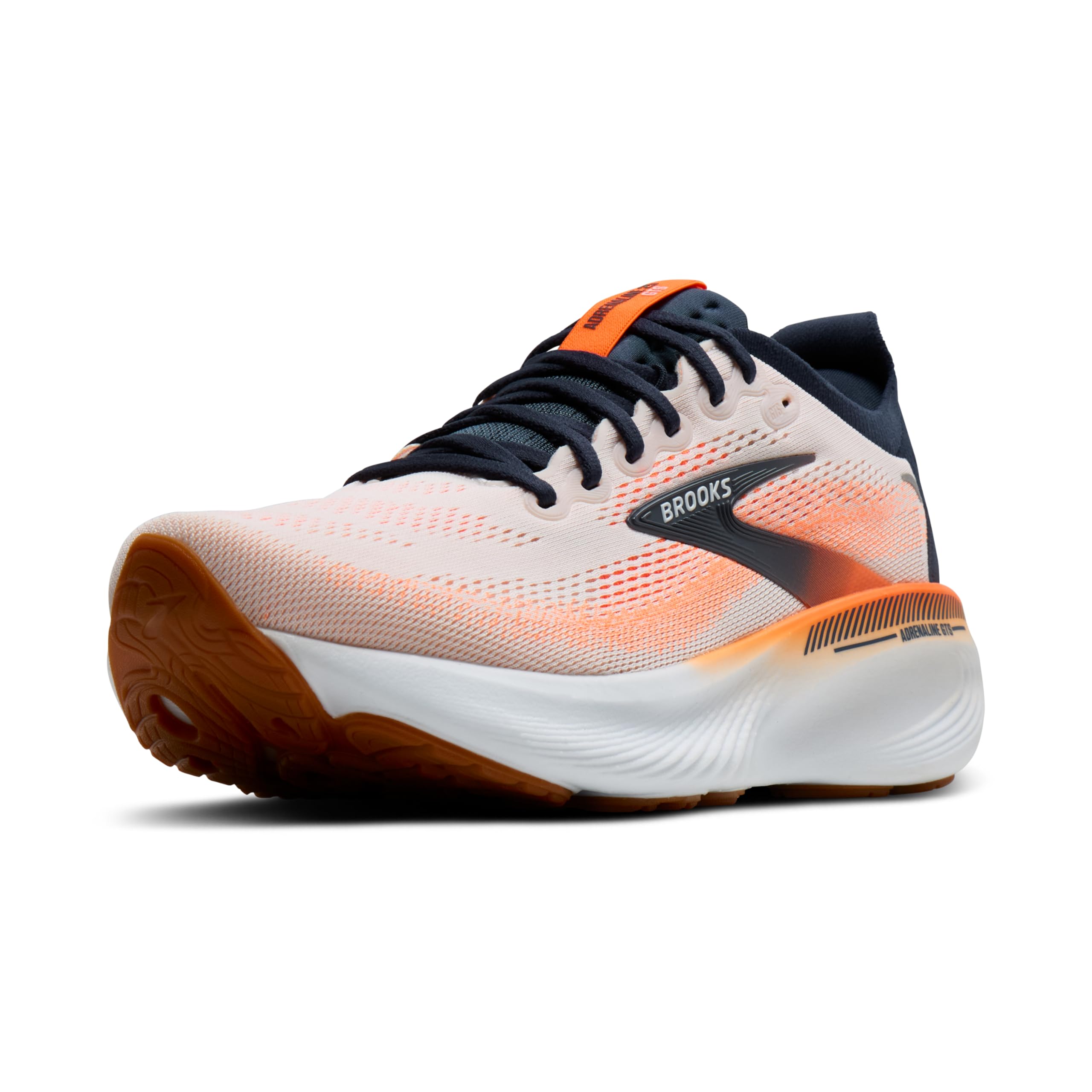
The support shoe that feels soft and neutral on day one, yet keeps a rolling foot in line.
The Adrenaline GTS 25 is the crowd-pleaser of support shoes. It uses GuideRails support — firmer posts on each side that catch your foot if it rolls too far — while the midsole cushioning stays soft and forgiving. The idea is that you only feel the correction when you need it, so a normal stride feels like a soft neutral trainer. That is why so many buyers call it comfortable right from the start. Fit runs true, and it is built with a wide toe box for wide feet.
Brooks has a loyal following for good reason, and this model lands as a return to form. A 5-foot-11, 180-pound male runner says it carries him through paved five-mile runs with no knee or ankle pain. Buyers who wear it for 8 to 12 hour shifts report their feet still feel fine at the end. Soft cushion, firm support edges, and a wide forefoot make it an easy shoe to live in.
A small thing to plan for: it runs slightly snug, so a half size up helps some runners. And durability is not yet proven for the heaviest users — the soft feel may mean it wears sooner under constant pounding. For most buyers, though, it is the shoe that finally lets a full day pass without foot pain, which is the point.
what separates it: GuideRails (side supports that only step in when your foot rolls inward) keep the shoe feeling soft the rest of the time, so you get correction without a stiff ride.
One fit note: runs slightly snug, so a half size up suits some runners.
Ideal for: wide feet, all-day standing, and runners who want soft cushion with side support.
Choose a firmer shoe if: you want maximum control over a heavy pronation.
Know the Specs
Medial support and guidance systems
A medial post is a firmer section of foam on the inside of the shoe, the side closest to your other foot. It resists the inward roll of overpronation, the moment your arch collapses and your ankle rolls in. Guidance systems, like the ASICS 3D and 4D systems, go further by shaping the whole sole to keep your foot steady through the stride. More correction suits a heavy roll; a light correction suits a mild one.
Heel drop and base width
Heel drop is how much taller the heel sits than the toe, in millimeters. A guideline is that a lower drop lets a flat foot land flatter, while a taller drop eases load on a tight calf. A wider base and higher sidewalls — like the CenterPath geometry on the Hurricane 24 — also help keep a rolling foot from tipping sideways. Together, drop and base width decide how stable the ride feels.
Common Questions
How do I know if I actually overpronate?
Will a stability shoe stop my knee pain?
Are motion control shoes good for flat feet?
Can I wear my own orthotics with these shoes?
What is the difference between a stability shoe and a neutral shoe?
Should I size up in a motion control running shoe?
How many miles can I expect from a support shoe?
Are carbon-plated shoes good for overpronation?
Can motion control shoes be used for walking only, not running?
How long does it take to adjust to a stability shoe?
The Bottom Line
If your foot rolls inward and you want it steadied, start with the motion control shoes in the ASICS Women’s GT-1000 13. Its 3D GUIDANCE SYSTEM (a support frame that guides your foot straight) steadies your stride without a hard block under the arch, and it fits wider feet. Stand on hard floors for hours? The New Balance Fresh Foam X 860 V14 adds a little weight for a stable base that carries long shifts. For a flat-footed walker who wants gentle support, the Mizuno Wave Inspire 21 is the smooth, moderate pick. Match the level of correction to how much your foot rolls, and you land in the right shoe.
How we choose
We do not accept paid placement. Every pick is matched to a real buyer and a real use-case; we do not hands-on test units.
Sources
Specifications: manufacturer listings and product documentation. Review insights: verified customer reviews, as of October 2026. Pricing: not shown on this page (it changes often); check the current price via the retailer link.
As an Amazon Associate, Aappliancez earns from qualifying purchases. This does not affect which products we feature.