Disclosure: Some links in this post are affiliate links. As an Amazon Associate I earn from qualifying purchases, at no extra cost to you. Learn more
Specs are compiled from manufacturer listings and verified buyer reviews and can change over time — please confirm the key details on the product page before buying.
Varroa mites are the top reason a strong fall colony dies before spring. You do not have to guess which treatment to use. Pick one that fits your hive setup, your daytime temperatures, and whether you have honey supers on. Those three things decide which strips work and which ones sit in the box doing nothing.
This guide is built by comparing the manufacturers’ published specifications and the patterns across verified customer reviews, so you get each pick’s real strengths and trade-offs instead of marketing spin.
Treating a hive is a timing game as much as a product choice. A strip that is gentle during the honey flow looks very different from one that needs the brood nest wide open and cool weather. Below you will find the plain-English rundown of the Best Mite Treatment for Bees so you can match a strip to your apiary instead of your credit card.
Top Picks
How To Choose The Best Mite Treatment for Bees
Every strip on this list attacks Varroa destructor — a tiny parasite that feeds on your bees and spreads disease through the colony. But the way each one delivers that attack is completely different, and that difference is what decides whether it fits your hive right now.
Temperature windows decide more than the label does
Formic acid treatments depend on hive temperature to vaporize and reach mites under the brood cap. That means they have a working window, and if you apply them outside it, you can lose bees. Oxalic acid strips in a controlled-release format work year-round with no temperature window at all, which matters a lot if your season swings between hot and cold. Amitraz strips work on their own schedule once they are hung in the brood chamber.
Match the strip count to your colony count
A ten-strip pack is not the same purchase as a twenty-strip pack, and the math is simple once you know your hive count. If you run five to ten colonies, a twenty-strip pack covers a full round. If you keep one or two hives, a smaller pack gets you through the season without leftover strips aging in the shed — though resealable packs do let you store the rest.
Check whether honey supers stay on
If you are mid-flow and cannot pull supers, your options narrow fast. Look for a treatment explicitly labeled safe to run with honey supers in place, and check whether the maker lists it as suitable for organic beekeeping. Pulling supers mid-season is disruptive — a strip that works with them on saves you an entire extra manipulation.
Side-by-Side Comparison
| Model | Best For | Active Ingredient | Unit Count | Temperature Rule | Amazon |
|---|---|---|---|---|---|
| Mann Lake Formic Pro★ Best Overall | Fast in-hive knockdown | Formic acid | 2-Dose | Window applies | Amazon |
| Apivar 2.0 Amitraz StripsLowest Effort | Low-effort brood-chamber control | Amitraz | 4 Strips | No mixing needed | Amazon |
| Varroxsan Oxalic Acid Strips | Year-round treatment, supers on | Oxalic acid dihydrate | 20 Count | None — works hot or cold | Amazon |
| Mann Lake HopGuard 3 | Honey-flow season, natural formula | Hop compounds | 10 Strips | Above 50°F daytime | Amazon |
| CheckMite+ Strips | Mites and small hive beetles | — | 10 Count | Apply at lowest brood rearing | Amazon |
Detailed Reviews
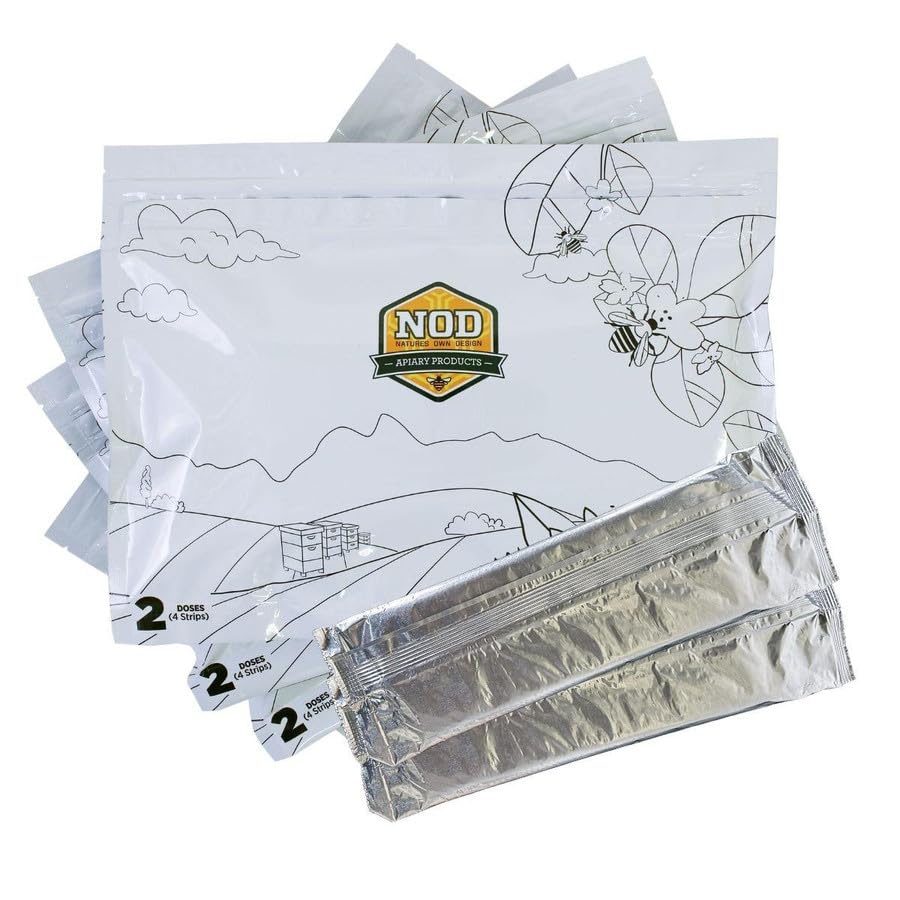
1. Mann Lake Formic Pro Varroa Mite Treatment, 2-Dose
Our pick — 4.5+★ from 450+ verified ratings; the strongest balance of quality and price.
The fall-treatment workhorse that reaches mites hiding under the brood cap
If your colony is heading into the cold months and the brood nest is still active, Formic Pro is built for exactly that job. Formic acid is an organic miticide, which means it is a naturally occurring compound rather than a synthetic chemical. It vaporizes inside the hive and reaches mites that are sealed under the cell cap where they reproduce — the ones most treatments cannot touch.
The job itself is fast: placement takes minutes and the two-dose format keeps it simple. Placement in the hive takes minutes, and the whole thing is a two-dose format. When the treatment is complete, the material dries out and is safe to handle, and it can go straight into the compost. Weighing 1.54 pounds and packed in a box measuring 13.66 x 8.74 x 0.87 inches, it stores flat on a shelf without eating much space.
Here is the catch, and it is a real one worth reading twice. Formic acid is potent — the review pages put it bluntly: “Nasty stuff, great directions, all my hives survived till spring. Killed the mites!!” That is the honest picture, because bee survival is genuinely mixed across owners. Some see significant losses, others sail through with no issues. Temperature is the variable that matters most, so read the label carefully before you crack the box.
formic acid fumigation
- Reaches mites under the brood cap where they reproduce — the deepest hit on this list
- Placement takes minutes and the two-dose format keeps the job simple
- Compostable once dry, so cleanup is a non-issue
temperature restrictions
- Bee survival is genuinely mixed — some buyers report heavy losses
- Potency means temperature discipline is mandatory, not optional
- Value for money draws both praise and pushback depending on how many hives you run
spring treatment: you are treating a strong colony in cool weather and want the deepest penetration into capped brood.
hot weather: your daytime temperatures are swinging wildly or you have never run a formic treatment before.
2. Apivar 2.0 Amitraz Strips
Hang the strips and walk away — no mixing, no measuring, no fuss
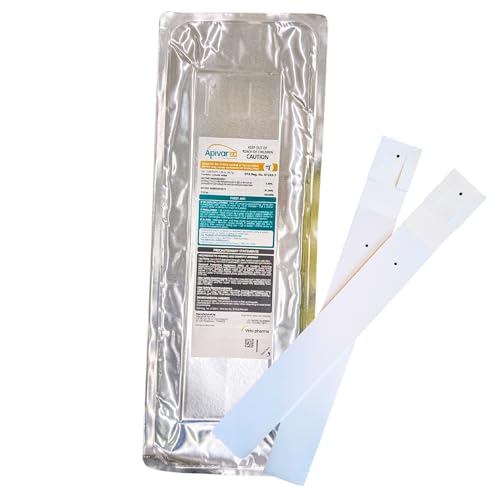
For beekeepers who want the treatment done in one visit, Apivar 2.0 is the simplest install here. You hang the strips directly between the brood frames according to the label directions, and that is the whole job. The amitraz — the active compound that kills the mites — is carried in a controlled-release polymer strip that lets it out gradually across the labeled treatment window.
Each strip weighs just 3.2 ounces, so a whole box is lighter than a coffee mug and easy to stash in a hive tool bag. The appeal is the simplicity: no vapor, no temperature window, no measuring. You hang the strips, wait, and remove them.
The trade-off is the chemistry. Amitraz is synthetic, it stays in the hive, and mites can develop resistance over time. Several owners say you should check for mites after treatment, and if the hive is still infested, switch options before winter. Another common note is shelf life: the strips last about two years, so do not stockpile a season ahead. One buyer describes dead and disoriented bees the day after application in four of five hives. With hundreds of ratings, that is the outlier, not the norm, but it is why you should follow the label exactly instead of guessing the dose.
amitraz slow release: strip count per hive is decided by colony size and brood chamber configuration, and the label is where that number lives.
residue concerns: retest for mites after the treatment window closes. If the count is still climbing, rotate to a different active ingredient.
broodless period: beekeepers running multiple hives who want the lowest possible manipulation count.
honey supers: you need strips that will still be good three seasons from now.
3. Varroxsan Oxalic Acid Strips
The temperature-proof strip that keeps working whether it is July or January
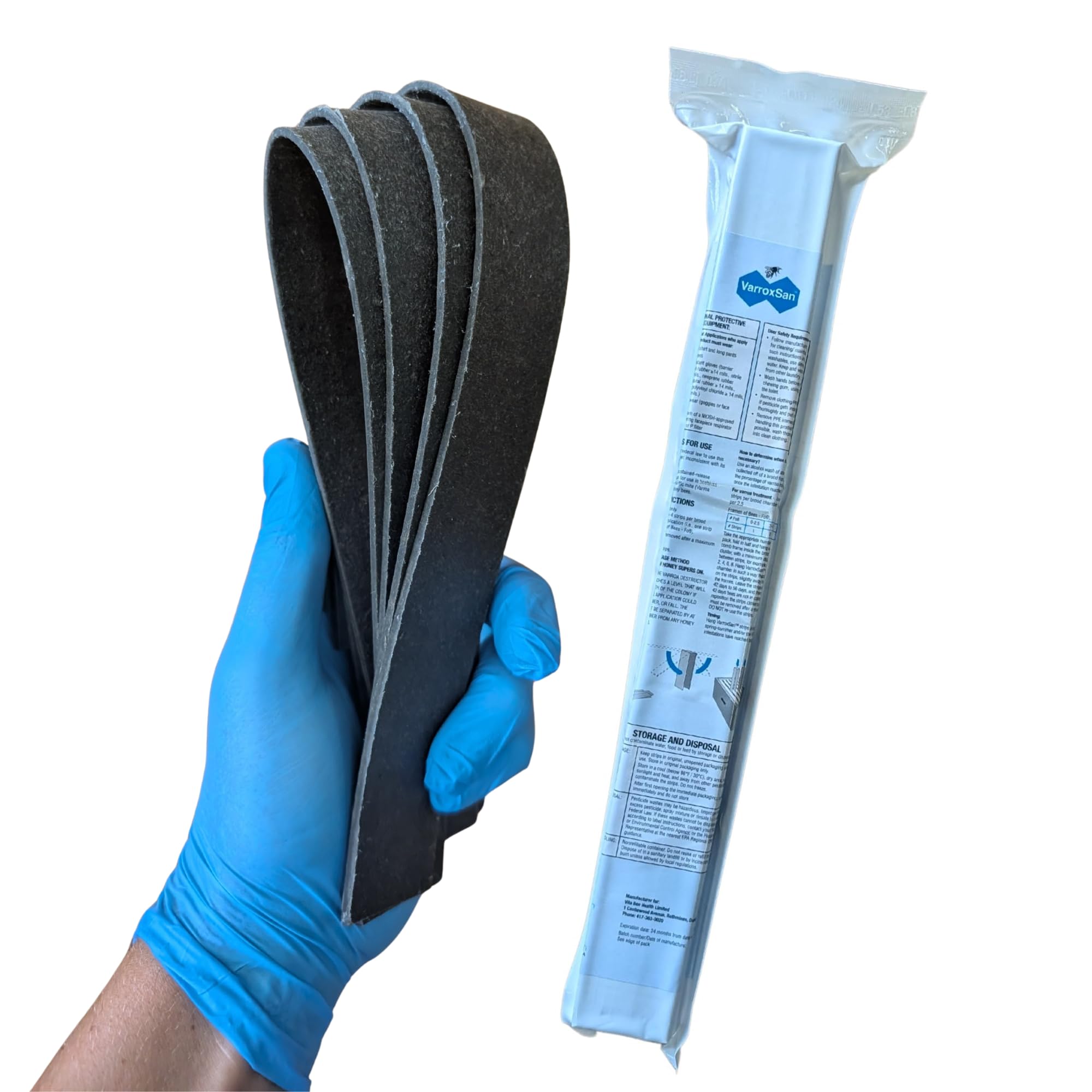
Most mite treatments have a season. This one does not. There are no temperature restrictions on Varroxsan — it works year-round, even in heat or cold, which is the single biggest reason it earns a spot near the top for anyone in a variable climate. You hang it between frames and the oxalic acid dihydrate, carried in a glycerin-and-cardboard matrix, releases steadily for 42 to 56 days.
The pack math is refreshingly clear. Twenty strips treat five to ten colonies, with 60-strip and 600-strip options for larger operations. That 20-count pack is worth spelling out against the smaller Apivar box above — this one carries 20 strips versus 4, and the packs reseal so leftovers stay usable for a later round. The steady 42–56 day release is the draw, and it holds up across spring, summer, and fall.
Two details make this unusually friendly. It is safe for use with honey supers still on the hive, so you are not pulling supers mid-flow. And it is listed as safe for bees, brood, and queens, and suitable for organic beekeeping, which matters if you sell under an organic label. The maker claims up to 98.6% mite reduction, though results vary with timing and hive conditions.
The honest snag is physical, not chemical. The cardboard strips stick to each other and can break apart during installation, and pieces have a habit of dropping into the hive. Trimming is needed for medium boxes, and removal is messier than a rigid plastic strip. Value draws split opinions too — some owners see it as an excellent deal at the 20-count, others find it steep. With dozens of owners rating effectiveness as the standout strength, that is a fair trade for most setups.
mite drop: your season does not cooperate temperature-wise, or you cannot pull supers mid-flow.
cold climates: if you want a rigid strip that installs and removes cleanly, the cardboard matrix will feel fiddly.
4. Mann Lake HopGuard 3 Strips
For beekeepers who refuse to pull supers and want a gentler chemistry
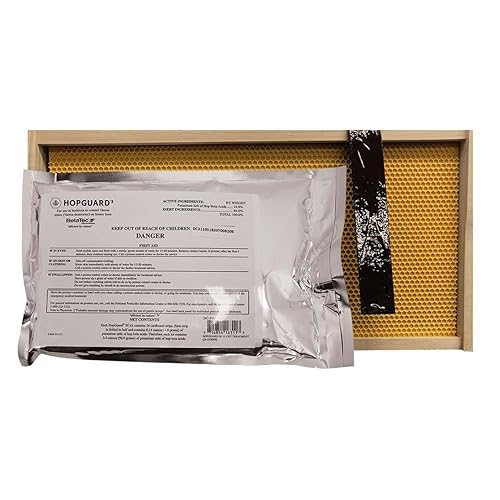
HopGuard 3 is the natural option. The miticide is derived from hop compounds — the same plant family that flavors your beer — and it is positioned as a gentler alternative to traditional harsh chemical treatments. The big selling point for anyone mid-season is that it is safe to run during the honey flow, which means the supers stay on and you skip a whole extra hive manipulation.
The application is genuinely simple. Use two strips per ten frames of bees, or one strip per five frames. You hang the strips between the brood frames when daytime temperatures stay above 50°F. That single 50°F threshold is the number to remember. Once you are under it, this treatment stops being the right tool.
The hive compatibility list is what makes it unusually flexible. It is labeled for Langstroth hives, top bar hives, mating nucs, drone mother colonies, nuclei, splits, and newly installed packages — which covers practically any setup a backyard beekeeper runs. The 10-strip pack covers five treatments, and a 24-strip pack for 12 treatments exists for bigger apiaries.
The honest caveat is that owner results are genuinely split. Effectiveness draws both praise from beekeepers who see it work and pushback from those who watch it do nothing, and there are reports of bee damage alongside the positive ones. That mixed picture means HopGuard 3 is best treated as a mid-flow, low-aggression tool rather than your only line of defense against a heavy mite load. If your hive is already crawling, reach for one of the stronger options first.
organic hives: you are mid-honey-flow, want a natural formula, and you are treating a moderate mite load rather than a crisis.
heavy infestation: daytime temps are below 50°F or you need heavy knockdown in a single pass.
5. CheckMite+ Bee Hive Pest Control Strips | 10-Pack
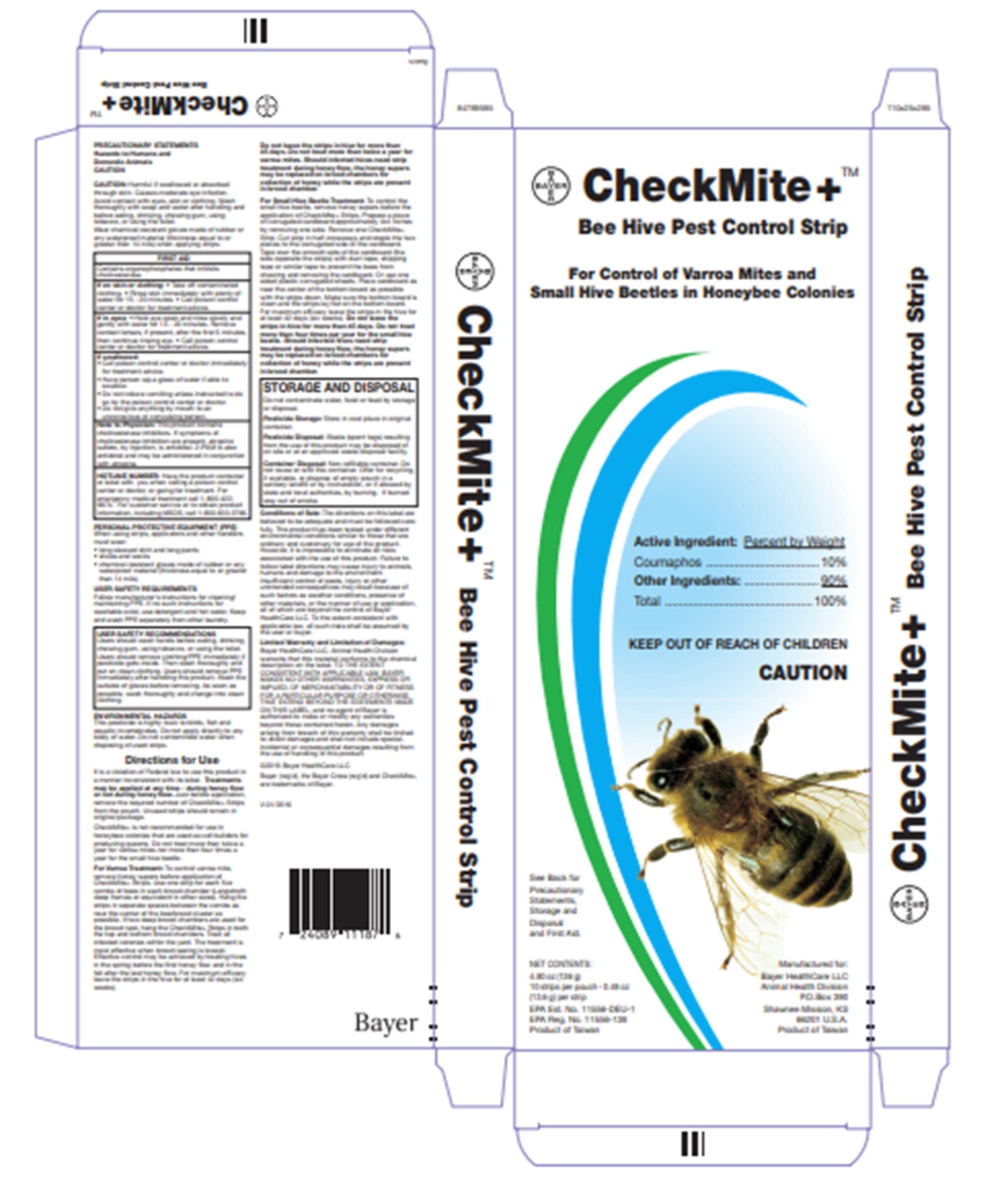
One strip, two jobs — mites and small hive beetles in the same pass
Most treatments on this list have one target. CheckMite+ has two. The strips are labeled for both Varroa mites and small hive beetles, which is genuinely useful if you have pulled a bottom board and found more than one problem staring back at you. It ships as a 10-count pack and is manufactured by Elanco, stocked by Mann Lake.
The application is strip-and-wait: use one strip per five frames of bees and remove after 42 to 45 days for optimal results. Timing matters, though — the label calls for application when brood rearing is at its lowest, so this is a late-season tool by design. Always test for mites before you apply, because there is no point running a treatment you do not need.
Beetle duty works differently and is worth flagging because it is easy to miss. You attach half a strip to a corrugated square and place it on the bottom board to take on a beetle infestation. That is a separate, targeted job from the in-hive mite strip, using the same product two different ways. For beekeepers dealing with both pests, that dual capability saves buying a second product entirely.
The beetle knockdown is the standout: one owner with five or six badly infested hives reported the beetles cleared thoroughly and quickly, though the same owner admitted their mite results were unclear. The most common practical gripe is packaging: the strips arrive loose rather than individually wrapped, so a whole pack gets exposed the moment you open it. That is a small thing until you only need two strips. Availability can also be spotty, since it is a less commonly stocked item.
varroa control: small hive beetles are your other headache, or you want one product covering two hive pests in a late-season pass.
queen rearing: the strips are not individually packaged, so plan to use the whole pack in one treatment cycle.
Know the Specs
Active Ingredient
This is the compound doing the actual killing. Amitraz is a synthetic acaricide delivered through controlled-release polymer strips. Formic acid is an organic miticide that vaporizes inside the hive — which is why temperature discipline matters with it. Oxalic acid dihydrate is commonly embedded in a glycerin-and-cardboard matrix for slow release. Hop compounds are plant-derived and positioned as a gentler option. Each one behaves differently in the hive, and mites can build resistance to any of them, so rotation between ingredients is a smart long-term habit.
Treatment Duration
The number of days a product stays active in the hive. Varroxsan publishes a 42 to 56 day release window. CheckMite+ calls for removal after 42 to 45 days. Longer windows mean fewer visits to the hive and more consistent control, but they also mean the strip is sitting in there while brood cycles turn over. A longer window is not automatically better — it is simply a different trade against hive manipulation count.
Temperature Rule
Some treatments depend on ambient hive temperature to work, and some do not. Formic acid vaporizes more aggressively in warmth, which is why the season and weather window matters. HopGuard 3 requires daytime temperatures to stay above 50°F. Varroxsan lists no temperature restriction and works year-round even in heat or cold. The practical upshot: if your climate swings hard between seasons, a temperature-independent strip removes one whole variable from your treatment plan.
Unit Count vs Colony Count
Strip counts only matter against the number of colonies you keep. A 20-strip pack covers five to ten colonies. A 10-strip pack covers five treatments of two strips each. A 4-strip pack is a small hive count. Resealable packs let you store what you do not use, but strips do carry shelf-life limits, so buying the pack size that matches your actual hive count beats buying the biggest box on the shelf.
Common Questions
Can I treat my bees while honey supers are still on the hive?
How many strips do I need per hive?
Do mite treatments stop working in cold weather?
Will formic acid kill my bees along with the mites?
How long does a mite treatment stay active in the hive?
Can mites become resistant to a treatment I use every year?
What is the difference between oxalic acid and formic acid treatments?
Do I need to check for mites before applying a treatment?
Can one product treat both Varroa mites and small hive beetles?
How long can I store mite treatment strips before they go bad?
The Bottom Line
For most beekeepers, the mite treatment for bees winner is the Mann Lake Formic Pro because it reaches mites under the cell cap where they reproduce — the deepest hit in a single treatment. It solves the problem most people face when they open a hive and see mites. If you want something you can hang and forget with zero mixing, grab the Apivar 2.0 Amitraz Strips. For treating mid-season with supers still on, no temperature window, and no reapplication, reach for the Varroxsan Oxalic Acid Strips — its 20-count pack is worth the extra cover if you run more than a couple of hives.
How we choose
We do not accept paid placement. Every pick is matched to a real buyer and a real use-case; we do not hands-on test units.
Sources
Specifications: manufacturer listings and product documentation. Review insights: verified customer reviews, as of October 2026. Pricing: not shown on this page (it changes often); check the current price via the retailer link.
As an Amazon Associate, Aappliancez earns from qualifying purchases. This does not affect which products we feature.