Disclosure: Some links in this post are affiliate links. As an Amazon Associate I earn from qualifying purchases, at no extra cost to you. Learn more
Specs are compiled from manufacturer listings and verified buyer reviews and can change over time — please confirm the key details on the product page before buying.
Buying the wrong training shoe shows up fast: your heels lift on a heavy squat, your toes jam the front on a box jump, and the sole rolls inward on a lateral drill. Shoes built for the gym solve that with two things — a flat, wide base under the foot and a firm heel that keeps you planted. The nine picks below are all real cross-training shoes, not running shoes dressed up, and the guide sorts them by what each one actually does well so you can match a pair to your training instead of guessing.
This guide is built by comparing the manufacturers’ published specifications and the patterns across verified customer reviews, so you get each pick’s real strengths and trade-offs instead of marketing spin.
Stability, toe box room, and heel support decide whether a shoe survives leg day or fights you through it, and each pick here is judged on those three alone. Read on for the shortlist of the best Metcon shoes for lifting, HIIT, and cross-training days.
Top Picks

How To Choose The Best Metcon Shoes
The first thing to get right is what you actually do in the gym. A shoe built for heavy barbell work is stiff and low to the ground; a shoe built for jump rope and cardio is lighter and more flexible. Most people need something in the middle, which is exactly the space these Metcon Shoes occupy. Pick the wrong side of that line and you get a shoe that feels like a brick on the treadmill, or one that lets your heel wobble under a loaded bar.
Start With Your Main Lift
If squats and deadlifts dominate your week, look for a shoe with a flat, firm base and minimal cushioning. The Under Armour TriBase Reign 6 spells this out in its build — a dual-density midsole that is softer in the forefoot and firmer in the heel, so the back of the shoe stays solid when you drive through the floor. A shoe with a thick, squishy heel will let you sink and shift, which is the opposite of what you want under load.
Check Toe Box Width Before Anything Else
Your toes spread when you land and when you push, and a tight toe box turns that into pinching. The Nike Metcon 10 runs narrow at the arch, which is fine for some feet and a poor match for others. The TriBase Reign 6 goes the other way with a wide toe box that still looks normal. If you have wide, flat feet, that room matters more than any weight figure on the box.
Plan For What The Shoe Cannot Do
Almost none of these are running shoes, and the makers are upfront about it. They are built for short treadmill stints at best. If your week mixes a 5-mile run with lifting, either keep a separate running pair or accept that your gym shoe should stay in the gym bag. Keeping the two pairs separate saves you from the knee and shin complaints that come from logging distance in a stiff-soled trainer.
Side-by-Side Comparison
| Model | Best For | Stability Build | Fit Notes | Sole & Grip | Amazon |
|---|---|---|---|---|---|
| Nike Women’s Free Metcon 5★ Best Overall | Women wanting one shoe for lifting and cardio | Cushioned with rubber outsole traction | True to size, roomy toe box, slightly narrow forefoot | Rubber outsole | Amazon |
| Reebok Nano X4Built For WODs | CrossFit and daily gym wear | Molded TPU heel clip | Runs small versus older Nanos | High-traction outsole | Amazon |
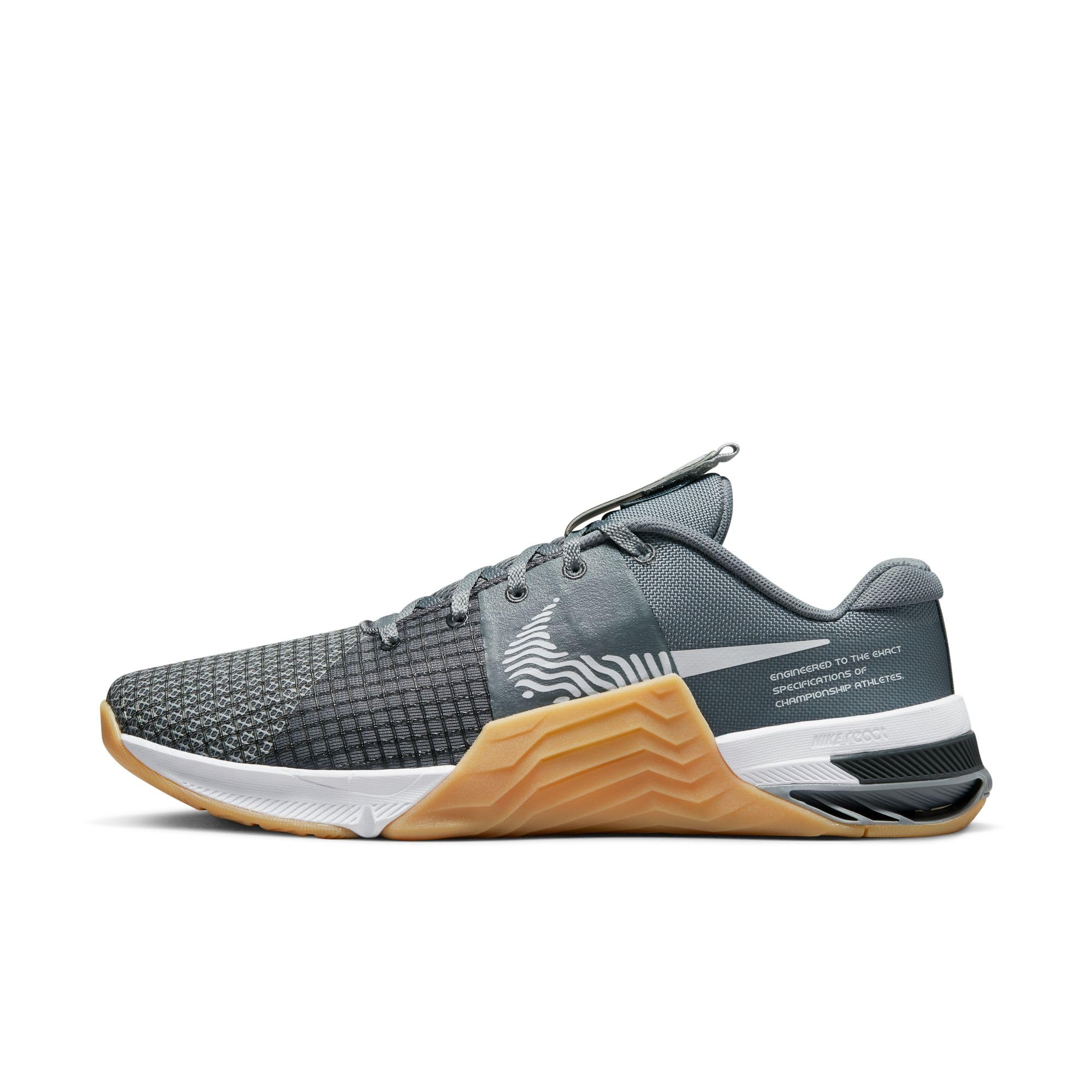
| Nike Metcon 8Everyday Trainer | Everyday gym and walking | Supportive flat base | Compact upper, snug instep | Grippy training outsole | Amazon |
| New Balance Minimus TR V2 | Barefoot-style HIIT and functional work | Flexible low-profile sole | Runs small, size up | Flexible grip sole | Amazon |
| Nike MC Trainer 3 | Gym and everyday wear on a budget | High flat stable base | Wide toe box, breaks in fast | Flat platform with forefoot flex grooves | Amazon |
| Nike Free Metcon 5 (Men’s) | Versatile lifting plus short runs | Medial and heel support for heavier sets | True to size, snug mid-foot at first | Chain mesh upper, flexible front | Amazon |
| Under Armour TriBase Reign 6 | Heavy lifting and rope work | External heel clip, dual-density midsole | True to size, wide toe box | Full-rubber outsole with medial rope grip | Amazon |
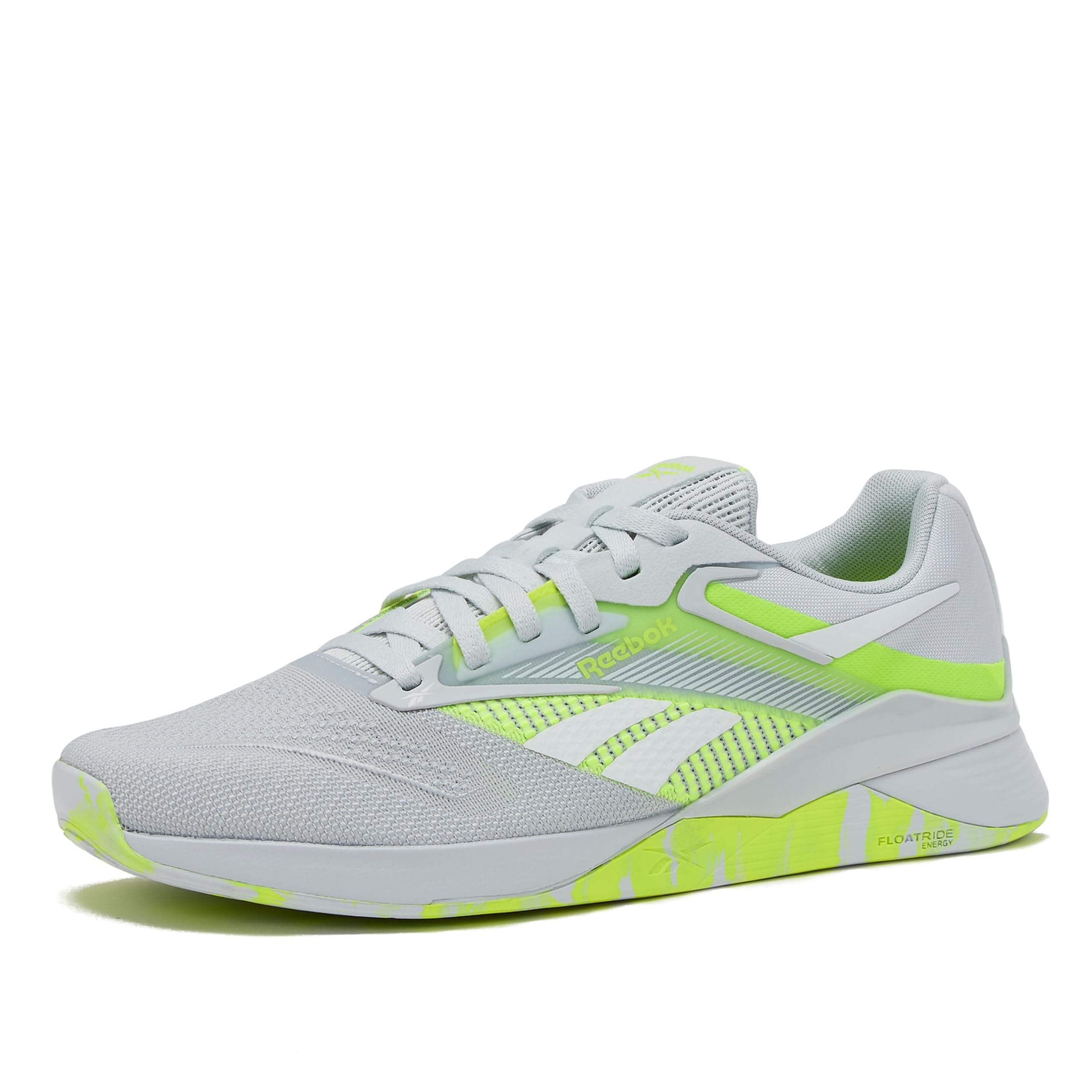
| Reebok Nano X5 | CrossFit classes and mixed sessions | Stable sole for single-leg and lateral work | True to size, slightly narrow toe box | Firm flat sole with grip | Amazon |
| Nike Metcon 10 | Serious lifters wanting a stiff platform | Hyperlift plate | Narrow at the arch | Grippy outsole, ReactX foam | Amazon |
Detailed Reviews
1. Nike Women’s Free Metcon 5 Workout Shoes
Our pick — 4.5+★ from 400+ verified ratings; the strongest balance of quality and price.
The women’s shoe that moves from a barbell set straight into a jump rope round.
This is the women’s version of the Free Metcon line, and it is cut for people who want one pair to cover the whole session. The rubber outsole grips the floor for stability work, while the cushioned midsole and breathable fabric upper keep the shoe light enough for cardio. A lace-up closure with adjustable fit lets you snug the midfoot for lifting and loosen it for everything else. It is not a single-purpose lifting shoe, and that flexibility is the point.
What wins people over is the build quality — it is the thing that gets singled out far more than anything else across the reviews, and comfort lands right behind it. The toe box gets noted for room, which keeps your toes from pinching on lateral drills. Owners use these for weight lifting and for switching between lifts and cardio, and the support gets credit for holding the heel and forefoot steady during exercise. The Smokey Mauve and Light Bone colourway is also clean enough for casual wear, so you are not carrying a second pair of shoes around.
The catch is width. The fit runs true to size overall, but the forefoot is a touch narrow for some feet, and owners who want to wear these as walking shoes between workouts say the fit is best kept to the gym. That is a fit mismatch, not a flaw in the shoe — if your forefoot is genuinely wide, the TriBase Reign 6 below is the wider cut to look at.
What Gets Singled Out
- Quality is the standout strength by a clear margin, with comfort next in line
- Room in the toe box so your toes spread during lateral work
- Rubber outsole keeps you gripped on gym floors
- Supports the heel and forefoot through both lifting and cardio
- Breathable fabric upper and moisture-wicking build keep heat down
Worth Knowing First
- Forefoot runs a little narrow for wider feet
- Best treated as a gym and training shoe rather than a walking pair
- One owner had the box arrive ripped, though the shoes were fine
Reach for this if: you want one women’s shoe that covers lifting, HIIT, and cardio without swapping footwear mid-session.
Look elsewhere if: your forefoot needs real width — the TriBase Reign 6 gives you a wider toe box for that.
2. Reebok Nano X4 Mens Shoes
The heel clip and grippy outsole that hold their ground when you shift sideways under load.
Reebok built the Nano X4 around lateral movement, and it shows. A molded TPU heel clip — a stiff plastic cup that wraps the back of the heel — anchors your foot when you cut and pivot, and it pairs with a high-traction outsole for grip. The upper is a breathable Flexweave engineered mesh, soft against the foot but tough enough that it does not give way, and a plush foam collar keeps the ankle comfortable through a long session. Men’s sizes run 6.5 to 14 in black and white.
Quality and looks are what people talk about most here, and stability comes in close behind. The solid base gets credit for squats and deadlifts without the mushy feel of a running shoe, and owners rate it as versatile across HIIT, jump rope, and short runs. Rope climb grip comes up specifically — the outsole bites the rope rather than sliding. If you came from an older Nano and drifted away from the line, this generation is what pulled a lot of people back.
Two honest notes. The fit runs smaller than earlier Nanos, so several people needed a half size up and a few found their usual size simply did not work — try before you commit if you are between sizes. And durability is the mixed bag: the sole is solid for most, but one buyer wore through the rubber at the balls of the feet within a week of football workouts. That is an outlier, not the pattern, but it is the one weak point worth watching.
Where it earns its place: the heel clip and traction outsole make it a genuine CrossFit shoe rather than a gym sneaker with a training label on it.
What to watch: size up half a step from your previous Nano, and keep an eye on the forefoot rubber if you log heavy running volume in them.
Who it beats: anything in this list that lacks a reinforced heel for lateral work.
Who should pass: lifters who already know their old Nano size and cannot be bothered exchanging a half size down the line.
3. Nike Metcon 8, Low Men
A cross-trainer light enough to float through cardio and still plant your feet for lifts.
Nike rebuilt this generation on a lighter, more breathable base than the version before it, and the result is a shoe that does not drag through a conditioning circuit. The low-cut shape keeps the ankle free to flex, and the support runs through the midfoot and heel rather than piling on cushioning. It is a true cross-trainer by design — one shoe for lifting, walking, and short runs instead of three pairs for three jobs.
Owners keep coming back, and repeat buys are the theme: this is the kind of shoe a parent replaces every time a kid outgrows a pair, several times over. The every-day angle holds up too — people wear them for gym sessions and then out for errands without changing. Comfort gets described as something you can put through anything you want, whether that is a workout or a walk.
The fit is where opinions split. Sizing is faithful to the size chart for many, but the upper is compact enough that a high instep can feel the squeeze, and the shape has drawn at least one complaint about a listed size running off. If you have a tall instep, try these on with the socks you train in. Everything else about the shoe is straightforward and well built.
The real draw: a light, breathable upper that survives double duty as a training shoe and an everyday shoe — something the heavier lifters here cannot claim.
The one snag: the compact upper pinches a high instep, so a roomier last like the MC Trainer 3 may serve you better.
Best fit for: the lifter who wants one shoe for the rack, the treadmill, and the walk home.
Think twice if: you have a high arch or instep and hate a snug midfoot.
4. New Balance Men’s Minimus Tr V2

A flexible sole that puts you close to the floor and lets your feet do the work.
New Balance made the Minimus TR V2 for explosiveness, and the whole shoe follows from that: a thin, flexible sole so your foot can move naturally, with enough grip and balance to stay stable under functional exercises. It is aimed at HIIT and bodyweight work rather than max-effort barbell days. If you like feeling the floor through your feet, this is the closest thing on the list to a barefoot trainer.
The fit is the thing to get right, and it is also the loudest source of frustration. Owners are clear that these run small and a little narrow — going up a full size plus a width fixes it for a lot of people, and if you put footbeds in, the guidance is to go further. Once the fit is sorted, the shoe is exactly what it promises: light, flexible, and stable for functional work, with a simple sporty look. People who dialed in the size bought a second pair.
Not everyone gets there. A few people found the support thin and the tongue bunched up when tying, and these are not built for long runs. That is a design trade-off, not a fault — a shoe this close to the ground gives up cushioning on purpose. But you should go in knowing the sizing ritual is part of the deal.
The barefoot case: a flexible sole with real grip gives you a planted, ground-connected feel for functional work that a thick trainer blocks out.
The sizing ritual: order up at least a full size and consider a width, because the out-of-box fit catches plenty of people short.
Made for: anyone who trains barefoot-style in HIIT or functional fitness and wants their toes to feel the floor.
Skip the hassle if: you refuse to deal with sizing — the Nike MC Trainer 3 below runs far closer to standard.
5. Nike MC Trainer 3
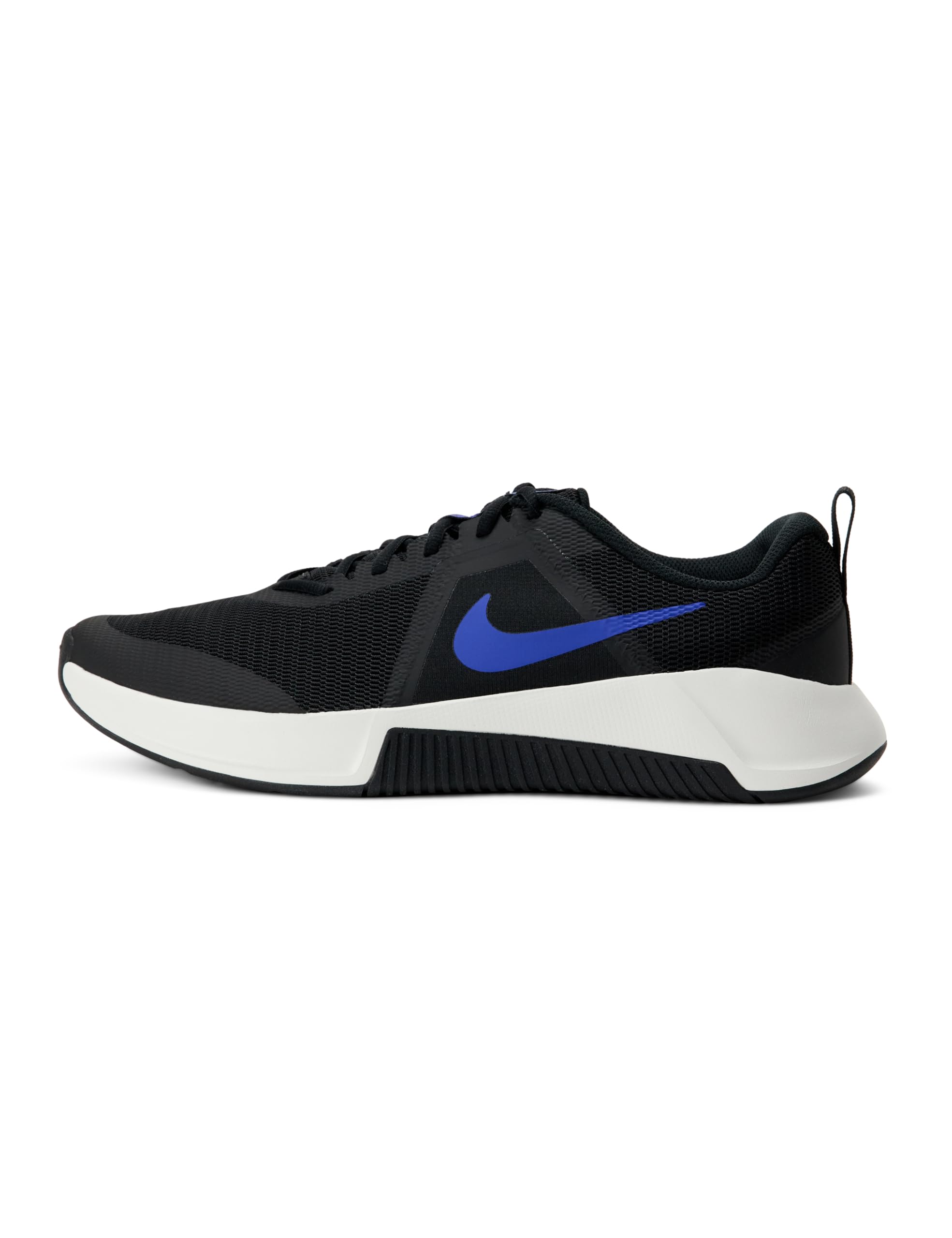
A flat, wide platform for the price of an ordinary everyday sneaker.
Nike rates the MC Trainer 3 for high stability, driven by a flat, stable base that stays grounded through lateral movements. Cushioning is rated moderate — enough foam midsole to keep the shoe comfortable without turning it mushy. Moderate forefoot flex grooves let the front of the foot bend where you need it, so you can push off rather than clop. It is a sensible first training shoe for someone who does not want to learn to lift around a stiff sole.
Quality is what people talk about most, and appearance is next up. The wider, more comfortable toe box than a typical Nike gets called out, and the rigid sole earns its keep for stability during active movement. A first impression of tightness usually gives way within an hour or two of wearing as the shoe breaks in. Plenty of people wear them for gym and daily use, and some have replaced the same pair several times over across years of use.
Fit lands mixed for some feet, and durability gets a mixed note as well. The trick is to size with the break-in in mind rather than judging the first ten minutes. For gym work and everyday wear, this is the value play on the list — a flat, stable base at an entry-level price without the rope guard and lifting plate you would only use on a lift day.
Where This Shoe Lands
- Flat, stable base that keeps you grounded in lateral work
- Wider toe box than typical Nike models
- Breaks in around the hour mark, not over weeks
- Build quality is the top talking point, with looks close behind
Before You Order
- Some find the fit off by a bit — give it the break-in window
- Durability reports vary across longer-term owners
The value case: a genuinely stable, flat platform at an easygoing price for a first training shoe.
Not the pick for: max-effort lifters who want a dedicated lifting platform and rope guard.
6. Nike Mens Nike Free Metcon 5 Sneaker
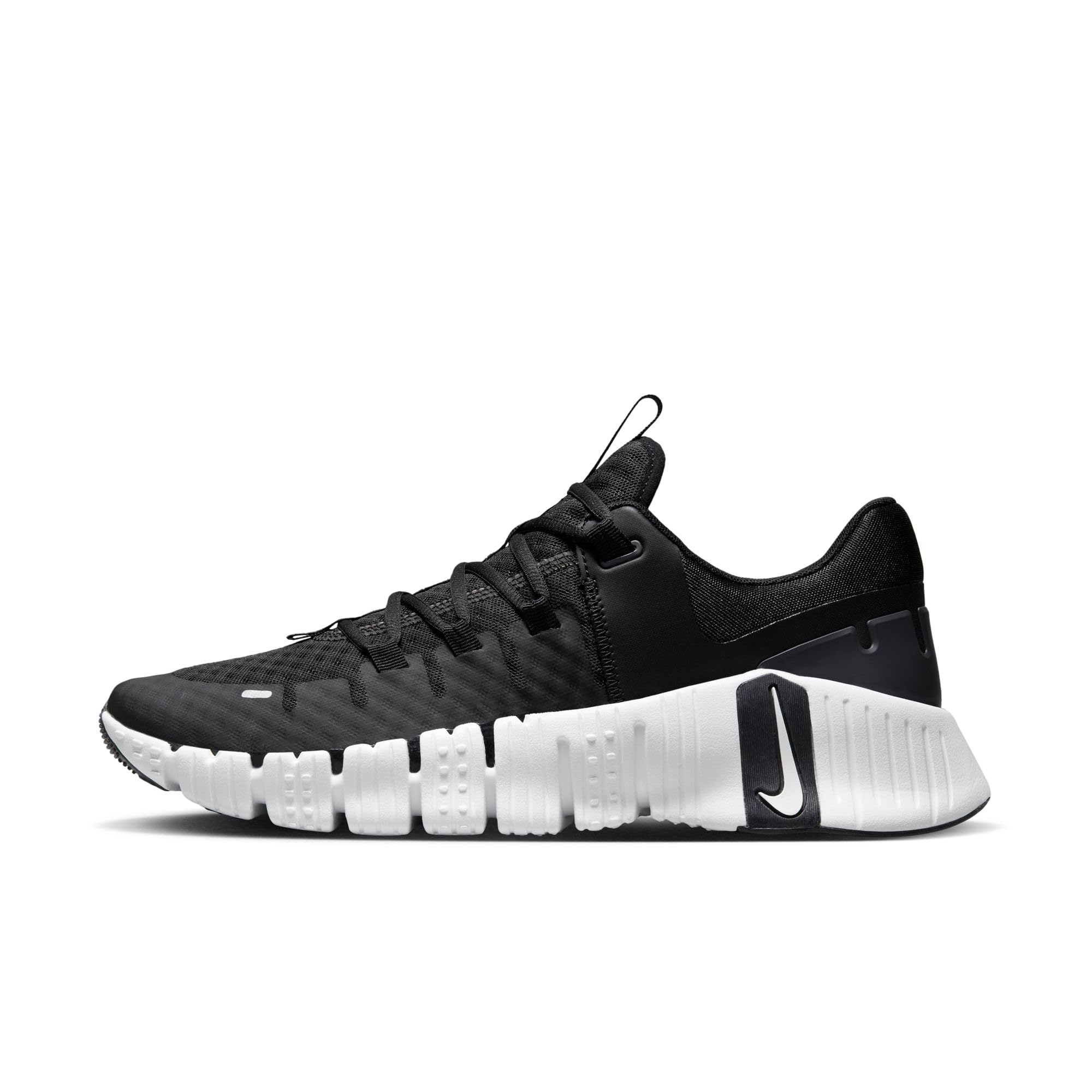
The do-most-of-it shoe that flexes for agility work and firms up for heavier sets.
This is the men’s Free Metcon 5, and its trick is that it does not commit to one kind of training. An upgraded chain mesh upper gives around the foot for agility work, while medial and heel support is built for heavier sets in the weight room. So the front flexes when you run and the back holds when you squat — which is why it keeps getting called well-rounded.
Quality is the top line in the feedback by a wide margin, and fit comes second. Buyers report the front bending freely while the rear stays stable, and a few say it works well enough for treadmill work that it saved them buying a second pair of running shoes. The lace system has three positions so you can trade tightness for freedom mid-foot, which helps if the upper feels firm at first. Some mention a break-in period of about a week before the mid-foot plastic settles.
Where it does fall short is distance. It handles runs up to a few miles fine, but this is not a long-run shoe, and heavier runners may find it brick-like at pace. One owner also found the upper simply too tight for a full size up. Call it a great gym shoe, not a replacement for a real running shoe.
The versatility argument: flexible front, firm rear, and a chain mesh upper that keeps the shoe from feeling clamped in one posture.
Where it tops out: short treadmill stints only — the firm rear makes long runs a miserable proposition.
Pick it for: mixed-week training where you lift, swing a kettlebell, and jog a couple of miles.
Leave it if: your runs are your main training, not a between-sets afterthought.
7. Under Armour Men’s TriBase Reign 6 Trainer Shoes

Three points of ground contact and a rubber wrap that grabs the rope on every climb.
Under Armour built this one for contact: three points of ground contact, an external heel clip paired with an internal heel counter, and a dual-density midsole that is softer in the forefoot and firmer in the heel. The full-rubber outsole wraps up the sides for abrasion resistance, with a medial rope grip and a strategic rubber build under the toe box for floor grip. The UA WARP upper uses TPU mesh for durability and breathability, and the whole shoe sits low for better power transfer.
Quality is the leading talking point here by a stretch, with fit and appearance right behind. The wide toe box gets consistent credit for giving room without excess slop, and the arch support feels planted rather than pillowy. Owners who switched from running shoes to fix ankle complaints say the complaints eased, and a heavier lifter with wide, flat feet says the shoe needs about five sessions to soften before it settles. The one-piece molded sole with no edges to snag is a quieter win people keep noticing.
The honest weight note is that this is slightly heavier than other gym shoes, and it feels stiff on the first few wears. That stiffness is the stability you paid for — it is the firm heel and flat base that keep you planted under load. If you want a soft, flexible shoe on day one, this is not it.
What Earns The Praise
- Medial rope grip and wrapped rubber outsole hold up to rope climbs
- Dual-density midsole runs firm in the heel, softer up front
- Wide toe box handles broad, flat feet
- Durability ranks among its strongest categories
- Low stack supports better power transfer on lifts
The Honest Trade-Off
- Runs slightly heavier than lighter gym shoes
- Stiff from the start — allow about five sessions to soften
- White colourways show dirt quickly
Suits you when: rope climbs, loaded carries, and heavy squats are your week and you want the shoe to feel like a platform.
Wrong pick if: you want a sock-soft shoe on the first wear — this one needs time to soften.
8. Reebok Nano X5 Men’s Shoes, Cross Training Sneakers for Men

The class shoe that stays stable through single-leg work and holds shape after months.
Comfort is what people talk about first with the Nano X5, and that is unusual for a shoe this firm. The sole is flat and hard enough for lifting, yet the insole is cushioned enough that class formats — the kind that mix lifting, treadmill intervals, and lateral drills — do not leave your feet angry. It is a true-to-size fit for most, with a secure lock through the midfoot rather than a sloppy slip-on feel.
The other thing that keeps coming up is durability. Owners mention months of use with no sole separation and no collapse in shape, which is more than can be said for plenty of gym shoes at this level. The black colourway holds up better than lighter options over time. Grip on the floor is solid, and people coming off a running shoe for their first cross-trainer notice the stability on single-leg and lateral movements right away.
The compromise is run-friendliness. The firm sole is meant for lifting and not for distance, and someone who tried a short running interval in them reported it feeling strange enough that they swapped back. The toe box is a bit narrow, and going up a half size can introduce heel slip. Order your true size and you should be fine, but the foam and laces do not feel premium.
Why it lasts: no sole separation and no shape loss after months of class work makes this one of the sturdier options in the list.
The class-shoe caveat: the firm sole punishes running intervals, so the treadmill half of your class will feel like a chore.
The one to grab if: you take HIIT or CrossFit classes that put a premium on lateral stability and you plan to keep the same pair for a year.
Not for you if: your workout is more running than lifting — the sole is built for the other way round.
9. Nike Mens Metcon 10
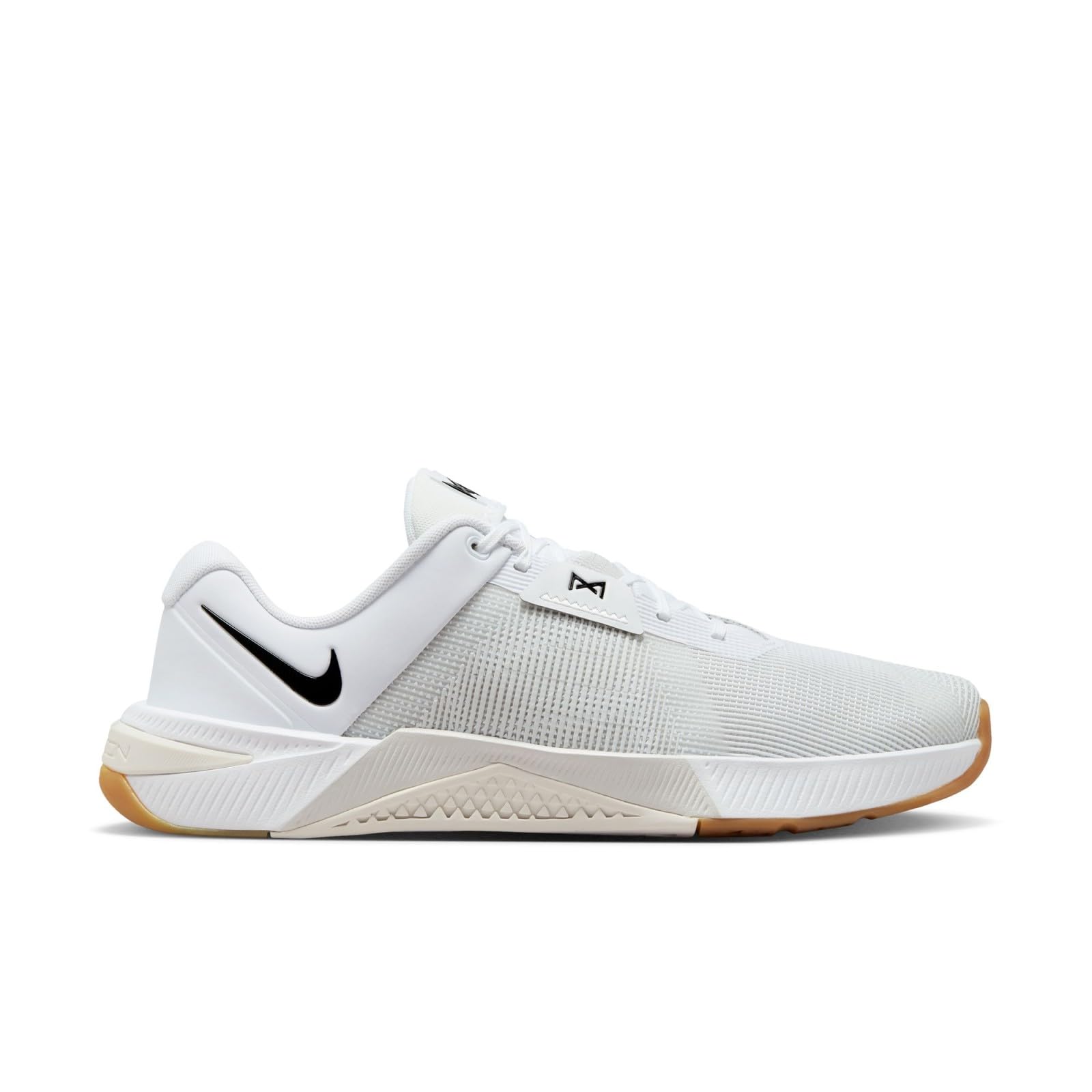
The lifting-first Metcon with a stiff plate under the heel and a lighter frame than its predecessor.
The Metcon 10 leads with an ultra-strong Hyperlift plate — a rigid insert under the heel that stops the back of the shoe compressing when you drive through it on a heavy squat. Nike pairs that with responsive ReactX foam, which is meant to give some energy back through the front of the foot, and the whole shoe is lighter than the Metcon 9. The narrow, low build is deliberate: less cushioning means less to squish between you and the floor.
Owners describe the platform as rooted in place, with grip and support holding the hips and ankles still through heavy lifts. Comfort rates close behind quality here, and the lifting experience is what people praise — one owner calls it top-tier when lifting. It looks sharp, and the build quality matches the design, with materials that hold up to regular sessions.
The flaw is arch width. The shoe runs narrow at the arch, which is exactly right if you feel planted and exactly wrong if you distribute weight inward and want these as a daily-wear shoe. It is also not a running shoe — fine for short treadmill stints, not for mileage. If your foot shape matches the last, this is the most lifting-focused shoe on the list.
Where it stands out: a stiff Hyperlift plate plus firm, low build gives you the most direct power transfer on this list for heavy lifts.
The arch warning: the narrow arch fit is a dealbreaker for flat feet looking for an all-day shoe — wear it for training only.
The lift-first pick: serious barbell work where the Hyperlift plate and the firm platform do the talking.
The wrong buyer: runners or flat-footed walkers who want one shoe for a whole day on their feet.
Know the Specs
Stability and the Heel Clip
A heel clip is a stiff cup that wraps the back of the shoe and keeps your heel from rolling sideways when you cut or pivot. It is why shoes like the TriBase Reign 6 stay put on lateral movements and why a plush running shoe does not — the clip and the internal counter resist the roll. On a lifting shoe, look for a flat, firm base and a low stack; you want minimal material between your foot and the floor so power goes down, not into a foam cushion. If your heel lifts on a squat, the shoe is not for you.
Toe Box and Forefoot Flex
The toe box is the room at the front of the shoe, and it needs to be wide enough that your toes can spread when you land or push off. A tight box turns every lateral drill into a pinch, which is why wide-footed owners single out the TriBase Reign 6 for its room. Forefoot flex grooves are the cuts in the sole under the ball of the foot — they let the shoe bend where your foot actually bends, so you can push off a box jump instead of clipping your stride. The MC Trainer 3 uses moderate grooves, which is a sensible middle for mixed work.
Cushioning and the Running Trade-Off
Cushioning is the foam underfoot, and in a cross-training shoe it is a compromise by design. Too much and you sink under a loaded bar; too little and your joints take every landing on a jump. The Free Metcon line splits the difference by keeping the front more flexible than the rear, which is why it copes with short treadmill runs but not distance. The Metcon 10 goes the other way with minimal cushion and a stiff plate — best for lifting, poor for mileage.
Upper Material and Breathability
The upper is the fabric or mesh around your foot, and it decides how hot the shoe runs and how quickly it wears. Chain mesh and Flexweave both let air through while holding their shape under load. TPU mesh, as on the TriBase Reign 6, adds toughness against rope abrasion and floor scuffs. If your feet run hot, a breathable upper matters more than any cushion spec — a humid gym makes a padded shoe unbearable by set five, and the lighter mesh options here keep the temperature down.
Common Questions
What makes a Metcon different from a running shoe for the gym?
Do metcon shoes run small or true to size?
Can I run in a Metcon shoe?
Which shoe is best for rope climbs and rope work?
Are wide toe boxes important in a training shoe?
How long should a pair of metcon shoes last?
Is a flat sole better than a cushioned one for lifting?
What if I have wide or flat feet?
Are these good for HIIT classes like Orangetheory or F45?
Do I need a dedicated lifting shoe instead of a cross-trainer?
The Bottom Line
The safe bet for most training weeks is the Nike Women’s Free Metcon 5, because it handles lifting and cardio in one shoe and its build quality is what quietly decides the purchase. For raw lifting, the Nike Metcon 10 brings the stiffest platform on the list with its Hyperlift plate. If rope work and wide feet drive your choice, the Under Armour TriBase Reign 6 is the one to reach for.
On value, the Nike MC Trainer 3 gives you a flat, stable base at an entry-level price without the specialised features you may never use. If you have been putting off a new pair while your heels lift on every squat, the wider-toed TriBase Reign 6 is the fix worth starting with — it earns the most consistent quality praise of any shoe here.
How we choose
We do not accept paid placement. Every pick is matched to a real buyer and a real use-case; we do not hands-on test units.
Sources
Specifications: manufacturer listings and product documentation. Review insights: verified customer reviews, as of October 2026. Pricing: not shown on this page (it changes often); check the current price via the retailer link.
As an Amazon Associate, Aappliancez earns from qualifying purchases. This does not affect which products we feature.