Disclosure: Some links in this post are affiliate links. As an Amazon Associate I earn from qualifying purchases, at no extra cost to you. Learn more
Specs are compiled from manufacturer listings and verified buyer reviews and can change over time — please confirm the key details on the product page before buying.
You want to tap your own trees and get thick sap, not thin, watery sap. The sugar maple (Acer saccharum) is the species that matters for syrup. The fastest way to waste three years is buying a shade maple that looks right in the photo but yields weak sap. This guide sorts the real syrup trees from the pretty impostors, so you plant the right species once.
This guide is built by comparing the manufacturers’ published specifications and the patterns across verified customer reviews, so you get each pick’s real strengths and trade-offs instead of marketing spin.
Live trees arrive small and ship dormant, so the picks below are ranked by how reliably they wake up and grow in that first month in the ground. Here is the honest shortlist of maple trees for syrup.
Top Picks
How To Choose The Best Maple Trees for Syrup
Not every maple makes syrup — only the sugar maple carries syrup-grade sap. A red or hybrid maple can be gorgeous in October and still give you almost nothing worth boiling. The species, the zone, and the size at delivery are the three things that decide whether you are tapping in a few years or just mowing around a shade tree.
Species first: sugar maple is the syrup tree
The American sugar maple is the classic syrup species, and its sap carries the sugar content that makes boiling worthwhile. Red maples and the Autumn Blaze hybrid (Acer x freemanii) are faster growers and stunning in fall, but they are shade and landscape trees first. If your goal is a syrup crop, plant a sugar maple. If your goal is a beautiful yard tree that also happens to be a maple, a red or hybrid maple earns its place.
Match the tree to your hardiness zone
USDA hardiness zones tell you the coldest winter a tree survives. Sugar maples thrive in zones 3 through 9 with full sun, while the Autumn Blaze types are listed for zones 3 through 8. Planting outside your zone is the most common reason a mail-order maple fails. Check your zone number before you click buy — a tree that cannot take your winter will not take your spring tapping either.
Understand what arrives in the box
Live trees ship dormant in winter, meaning a bare stem with no leaves. That is normal, not a dead stick. Sizes vary widely — some arrive at 2 to 3 feet, others at 4 feet or taller — and a larger shipped tree means fewer seasons before it is big enough to tap. Read the shipped height in the listing, not the picture of the mature tree.
Plan for the first month in the ground
Almost every failure happens in the first weeks. Plant in well-draining soil with full sun, water regularly, and follow the included directions. Many growers offer a transplant guarantee (often 30 days) if you plant correctly — read that clause before you order, because it is your safety net if the tree does not take.
Side-by-Side Comparison
| Model | Best For | Species | Mature Height | Hardiness Zone | Amazon |
|---|---|---|---|---|---|
| The Maple Autumn Blaze Tree★ Best Overall | Fast fall color | Autumn Blaze hybrid | 50 feet | Zones 3-8 | Amazon |
| Six Tree Farm Maple SaplingsPure Vermont Taste | Pure Vermont syrup | Finished syrup | — | — | Amazon |
| Autumn Blaze Maple (TriStar) | Established roots | Autumn Blaze hybrid | 50 feet | Zones 3-8 | Amazon |
| American Sugar Maple (DAS Farms) | Actual syrup tapping | Acer saccharum | 60 feet | Zones 3-9 | Amazon |
| American Red Maple (DAS Farms) | Shade and reliability | Acer rubrum | 60 feet | Zones 3-9 | Amazon |
| Red Maple 10-Pack (Florida Foliage) | Bulk planting | Acer rubrum | — | — | Amazon |
| Perfect Plants Brandywine Maple | Big, cold-hardy plant | Brandywine maple | 25-35 feet | — | Amazon |
Detailed Reviews
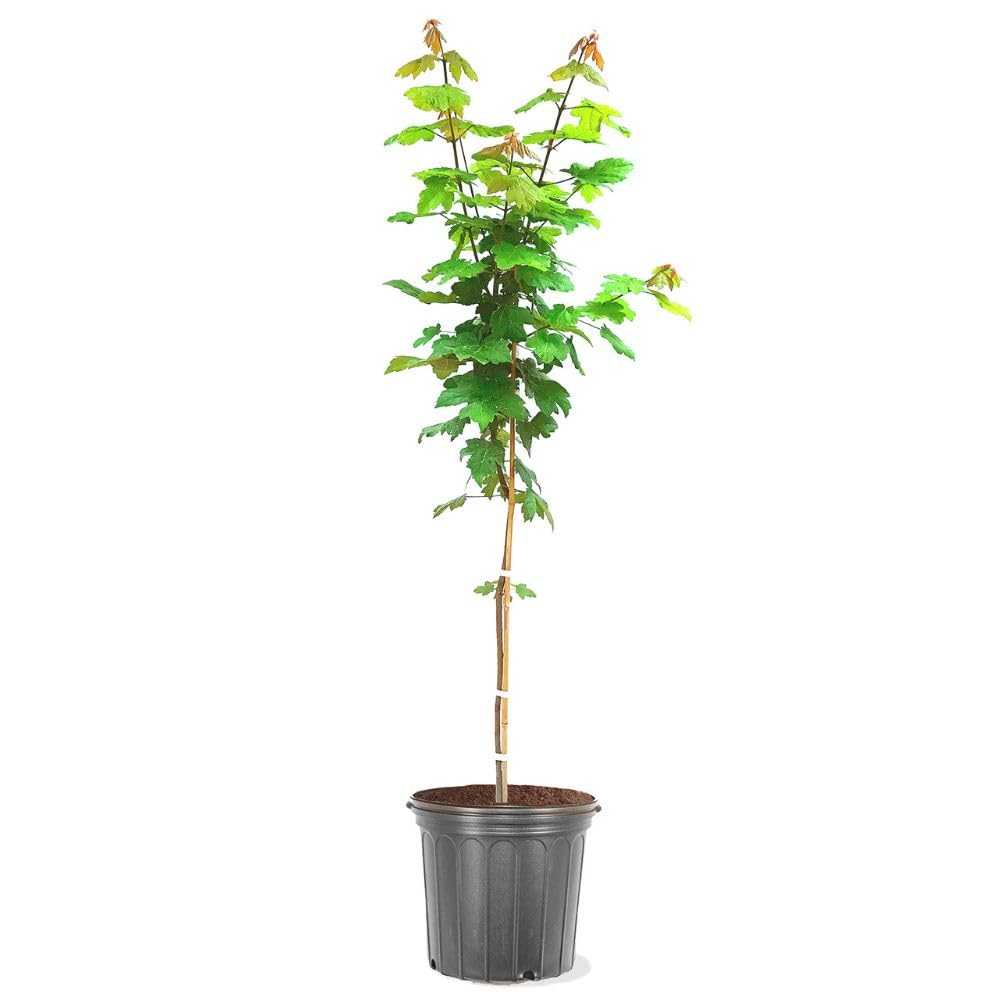
1. Maple Autumn Blaze Tree 1 gal
Our pick — 4.0+★ from 80+ verified ratings; the strongest balance of quality and price.
The hybrid that turns a bare yard into an orange canopy while you are still young enough to enjoy it.
Here is the tree that leads this list, and the reason is simple: it delivers the most visible change for the effort. This is an Autumn Blaze hybrid (Acer x freemanii), bred to be fast-growing, and it matures at 50 feet tall with a 30-to-40-foot spread, forming a symmetrical rounded crown. That height also beats the 40-to-50-foot ceiling on the smaller potted Autumn Blaze further down this list.
What it does for you in fall is the headline. The leaves shift from green to orange and red, so you get the autumn display without waiting for a slow grower to fill out. It is listed for USDA zones 3 through 8, and it wants full sun and regular watering, with moderate drought tolerance once it is established. Plant it in late fall or early spring in acidic, well-draining soil and cut a clean shape in late winter.
The honest catch: this is a landscape and shade tree, not a sugar maple. Its sap is not the syrup-grade stock you would tap. The listing also notes shipping limits — California, Arizona, Alaska, and Hawaii are excluded. What wins people over is growth; owners talk about it thriving almost immediately. The 4.0+ star rating across 80+ reviews backs that up — the crowd favorite, in a lineup of much smaller operations.
What earns it the crown
- Fast growth and a wide 50-foot mature height, so you get landscape impact quickly.
- Orange-to-red fall color from a 1-gallon nursery pot.
- Moderately drought tolerant once established, which cuts down on summer watering.
What to weigh first
- Not a syrup-grade tree — this is a shade and fall-color pick.
- Cannot ship to California, Arizona, Alaska, or Hawaii.
- Needs regular watering for the first few years until it settles.
Pick this if: you want fast fall color and wide shade from a one-gallon nursery pot, and syrup is not your goal.
skip it if: you are planting for the syrup pot — go for the sugar maple below instead.
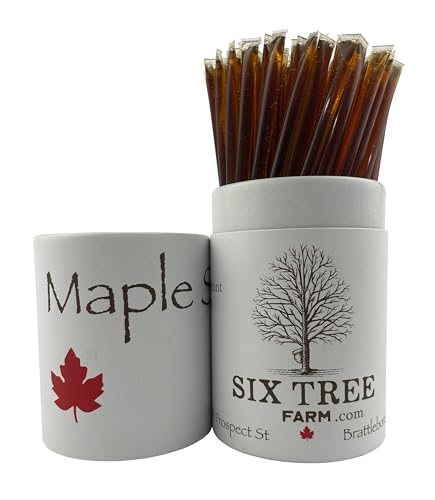
2. Maple Syrup Grade A Dark
Syrup in your pocket before your first tree is even planted — pure Vermont flavor, no tap required.
Not everyone has land for a sugar maple, and that is exactly where this pick earns its spot. These are single-serving maple syrup sticks — Grade A Dark, 100 to a box, and 8 fluid ounces total — handcrafted in Vermont. That is the real finished syrup, so you get the taste you are chasing while a young tree grows.
In day-to-day use, they shine for what you cannot do with a bottle. Kids get an all-natural, preservative-free sweetener in a lunchbox. Portability is the other win — drop a few in coffee, oatmeal, or a gift basket without a sticky glass bottle. The 4.5+ star rating across 30+ reviews is the highest in this group, and the recurring note is that they are delicious, though the serving size is small and a hearty pour means using two sticks at once.
Weight here is the lightest of the bunch: this box weighs 1.43 pounds, against the 6 pounds of the live sugar maple further down — a 4.2x gap. The main thing to know is that this is flavor, not propagation. You cannot plant these; you eat them.
The flavor angle: Grade A Dark pours a deeper, more sturdy maple taste than lighter grades. That stronger flavor is why people who pour syrup into coffee and oatmeal like it.
Reach for it if: you want pure Vermont maple taste in a portable, kid-friendly form right now.
Look elsewhere if: you want an actual tree to plant — this box is syrup, not saplings.
3. Autumn Blaze Maple Tree 1 Gallon

Pre-established roots in a one-gallon pot — the head start that gets a fast grower moving sooner.
Fifty feet tall, 30 to 40 feet wide, fast growth, and color that runs red and silver — that is the spec sheet on this TriStar Plants Autumn Blaze. It arrives potted with established roots in a one-gallon container, which is a different starting condition than a bare-root bundle. If the maple quality here is your priority, the growth is what the reviews keep circling back to.
The tree is listed for USDA zones 3 through 8, wants full sun, and asks only for moderate watering. That is a modest ask for a tree this size. One practical detail worth knowing: these plants ship dormant in winter, so a leafless stem on arrival is expected, and the listing is clear that pictures show mature plants, not what lands at your door.
Size is the honest variable here. Some trees arrive smaller than the one-gallon promise suggests. Weigh that against the growth: a well-packaged arrival that progresses steadily over the first year is the typical outcome, and buyers find the tree pretty once it fills out. The 4.0+ star rating across 50+ reviews reflects that mixed-size reality.
The packaging note: these ship boxed for safe transport, which matters for potted roots.
Best for: a gardener who wants potted roots and accepts a slow first year for a fast-growing shade maple.
Watch for: the possibility of a smaller-than-expected tree on arrival.
4. American Sugar Maple

The one tree here that is actually grown to make syrup — sugar maple, shipped 2 to 3 feet tall.
Every other pick on this list is a shade or flavor product. This is the syrup tree. It is the American sugar maple — the species that makes real maple syrup — and it ships at 2 to 3 feet tall in a gallon container, double boxed. It reaches 60 feet at maturity and thrives in zones 3 through 9 with full sun, so it tolerates a wider range than the hybrids above.
What you get on arrival is the deciding factor for most buyers. Buyers report the sugar maple arriving via UPS in a 4.5-foot box, 4 feet tall, strong, healthy, green, and moist, with healthy roots and planting directions printed right on the box — considerably bigger than expected. That is a genuine head start toward a tree you can tap.
The honest limit: it is a slow grower, so patience is the price of admission. Some arrivals come smaller than promised, and there is a 30-day transplant guarantee if you follow the planting instructions with the right location and water. Its 4.0+ star rating across 80+ reviews tracks with that: people love the quality and health, and a few wish the tree were bigger on day one.
Where it delivers
- True sugar maple — the actual syrup species.
- Ships 2 to 3 feet tall in a gallon pot, double boxed.
- Wide zone range (3 through 9) and full sun tolerance.
Where to set expectations
- Slow growth — it takes years before it is tap-ready.
- Size at delivery can vary from the listing.
Buy it for: actual syrup production — this is the species that matters.
Hold off if: you want instant shade, because slow growth is the trade-off.
5. American Red Maple Shade Tree

Four hundred and fifty reviews deep, and the red maple still wakes up and sprouts leaves within a week.
This is the most-reviewed tree in the entire lineup at 450+ ratings, and its 4.0+ star average holds up across that much feedback. The redeeming story is arrival and establishment. Owners mention new leaves sprouting within a week of planting, with several branches showing healthy-looking leaves. It ships at 3 feet tall, boxed, and reaches 60 feet at maturity in zones 3 through 9.
If your yard has deer or pets, this one is worth a second look. It is listed as deer resistant and pet friendly, and its soil needs are adaptable. The soil type is adaptable — it does not demand the acidic mix the Autumn Blaze does — and it wants full sun with regular watering. Deciduous, so no leaves in winter, and a dormant stick on a cold-weather delivery is normal.
Size is the one mixed signal. Some readers find it smaller than they hoped on day one, and opinions there are split. For the price tier, it is the safest bet in the group for a first-time live-tree buyer.
The reliability read: the sheer volume of feedback makes this the pick to trust if you have never planted a mail-order tree before.
One thing to note: it is red maple, not sugar maple, so plan it as shade, not syrup.
Choose this if: you want a proven red maple for shade with the lowest risk of a failed first planting.
Think again if: syrup is the goal — go sugar maple instead.
6. Red Maple Tree 10 Live Trees
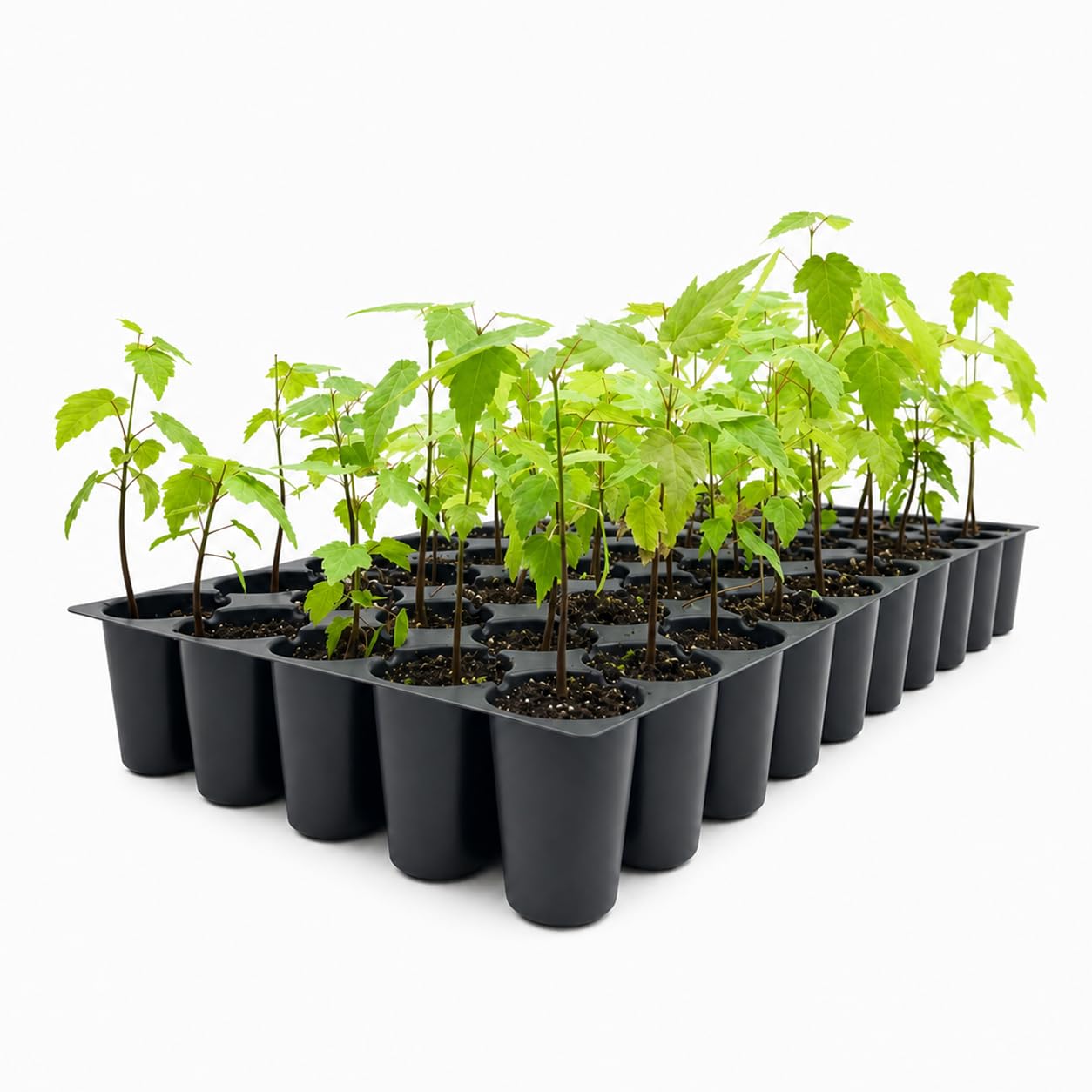
Ten Acer rubrum seedlings for a hedgerow, a windbreak, or a whole lot of planting weekend.
This is a numbers play. You get 10 live red maple seedlings — Acer rubrum, the native shade and fall-color tree — for a fraction of the per-tree cost of a single larger plant. The seedlings are very small, and the appeal is scale: plant a cluster, fill a property line, or grow a wildlife habitat that draws songbirds and squirrels. All 10 ship together, drought tolerant once established, for year-round planting.
You buy here for replacement margin: with 10 seedlings, losing one or two does not sink your plans. But the honesty matters more here than anywhere else on this list: these are tiny, fragile seedlings. In arid conditions, some customers note losing most of a batch within days, even with protection from wind and sun. The common advice is to start them indoors in planters until they are sturdy, then transplant. When they do take, they grow fast, and reviewers point out the seedlings arrived healthy and taller than expected.
The 3.0+ star rating across 20+ reviews is the lowest here, and it is the honest reflection of a fragile format rather than a bad species. Treat this as a growing project, not a guaranteed instant tree.
Worth it for: bulk plantings and patient growers who will baby tiny seedlings indoors first.
Not for: anyone who wants a reliable single tree in one season — buy a larger potted plant.
7. Perfect Plants Brandywine Maple, 4-5 ft, Fall Shade Tree
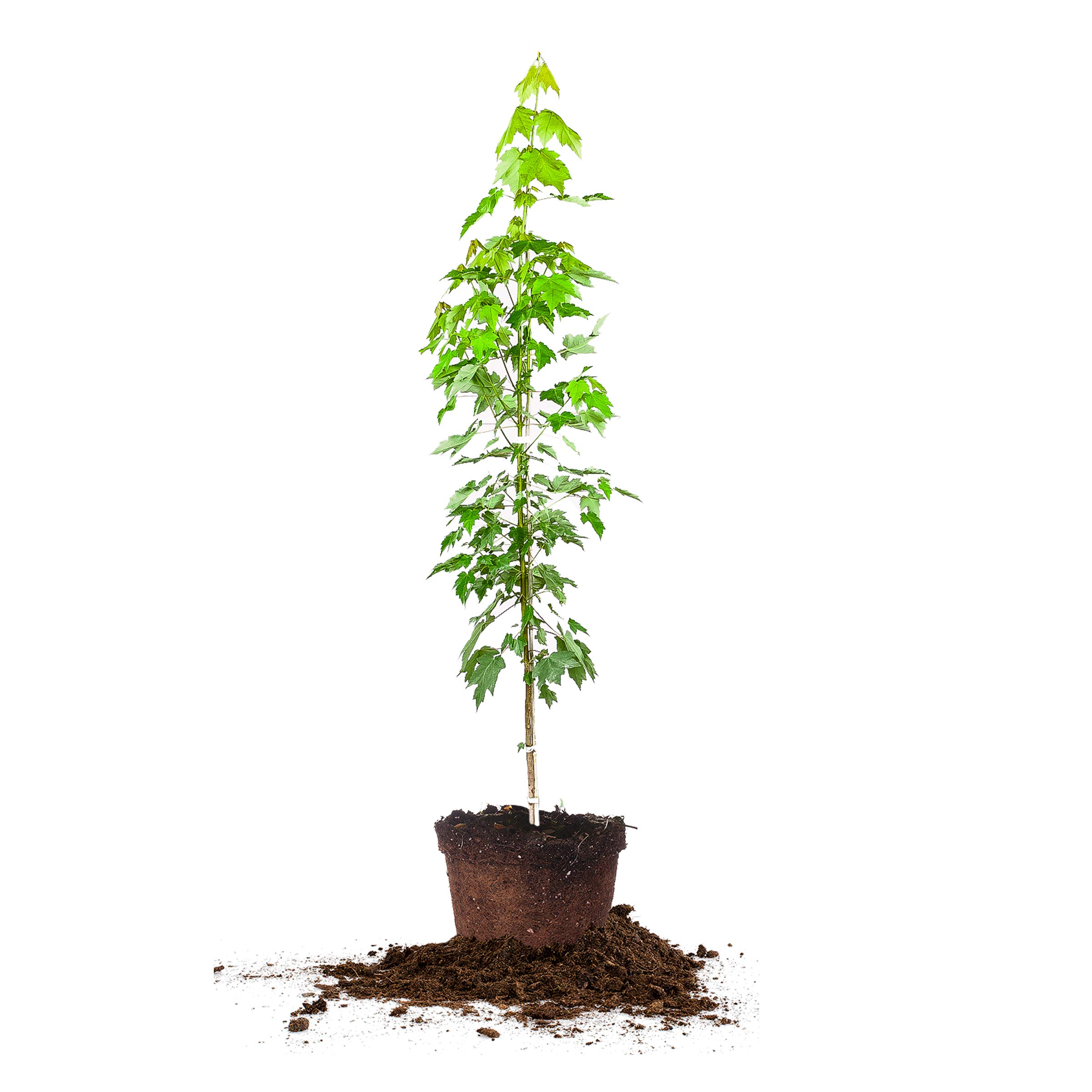
The hefty one — ships at 4 to 5 feet with thick branches built for hard winters.
Where most live trees on this list arrive as a slim 2-to-3-footer, this Brandywine ships at 4 to 5 feet in a box with real weight behind it — 27 pounds, the heaviest live plant here. It is a cold-tolerant northern grower, built on a strong central trunk with thick branches, and it turns rich red in early to mid fall. Mature size runs 25 to 35 feet tall with a 15-to-25-foot spread, so it fits a smaller yard better than a 60-foot giant.
Size on arrival is its biggest selling point. Shoppers say the tree arriving fast, in great shape, taller than expected, and healthy looking, with strong follow-up growth. That combination — bigger shipped size plus tougher winter build — makes it the pick for northern growers who want to skip a few years of babying a twig.
The trade-offs are real but small. A care guide was promised and not always included, and one early delivery showed wilted leaves though the tree stayed alive. There is a 15-day warranty, so inspect promptly on arrival. It cannot ship to California or Arizona. This is a landscape and shade maple, not a syrup species.
The winter angle: a strong central trunk and thick branches make it tough against harsh cold, which is why it is aimed at northern yards.
Best for: cold-climate gardeners who want a bigger tree from the start and a smaller mature footprint.
Caveat: inspect it the day it lands, given the short warranty and occasional missing care guide.
Know the Specs
USDA Hardiness Zone
A hardiness zone is the cold-weather range a tree can survive, numbered from colder to warmer. A sugar maple listed for zones 3 through 9 takes a wide span of winters, while the Autumn Blaze hybrids are typically listed for zones 3 through 8. Planting outside your zone is the fastest route to a dead tree, so confirm your zone number before you order.
Dormant Shipping
Live trees often ship dormant — a bare, leafless stem in cold months. This is normal, not a sign of failure; the tree is resting and should leaf out when warmth returns. Sellers usually note that dormant plants are expected to leaf out in spring, and many offer a guarantee if you follow the planting and watering instructions.
Mature Height and Spread
Mature height tells you how much room the tree will ultimately claim. The sugar and red maples here reach about 60 feet, the Autumn Blaze hybrids around 50 feet, and the Brandywine a more compact 25 to 35 feet. Pair that number with the spread — the side-to-side width — so the tree does not crowd a house, a driveway, or a power line.
Container Size and Shipped Height
The container size (like one gallon) and the shipped height (2 to 3 feet, or 4 to 5 feet) tell you how much of a head start you are buying. A larger, taller plant usually means fewer seasons of waiting before it fills out and, for a sugar maple, before it is big enough to think about tapping.
Common Questions
Which maple tree is best for making syrup?
Can I tap a red maple or an Autumn Blaze for syrup?
Why did my tree arrive as a bare stick with no leaves?
What hardiness zone do these maples need?
How fast do these maples actually grow?
Can I plant a live maple tree in a pot instead of the ground?
Which states can’t these trees ship to?
Do these trees come with a warranty or guarantee?
What does Grade A Dark mean on the maple syrup sticks?
The Bottom Line
For most people, the maple trees for syrup winner is the Maple Autumn Blaze Tree — it grows fast, fills out wide, and turns a bare yard into an orange canopy sooner than anything else here. But if actual syrup is the goal, the American Sugar Maple is the species you want, shipped 2 to 3 feet tall and ready to plant. And for pure Vermont taste while your tree grows, the Six Tree Farm Maple Saplings put the real thing in your coffee today.
How we choose
We do not accept paid placement. Every pick is matched to a real buyer and a real use-case; we do not hands-on test units.
Sources
Specifications: manufacturer listings and product documentation. Review insights: verified customer reviews, as of October 2026. Pricing: not shown on this page (it changes often); check the current price via the retailer link.
As an Amazon Associate, Aappliancez earns from qualifying purchases. This does not affect which products we feature.