Disclosure: Some links in this post are affiliate links. As an Amazon Associate I earn from qualifying purchases, at no extra cost to you. Learn more
Specs are compiled from manufacturer listings and verified buyer reviews and can change over time — please confirm the key details on the product page before buying.
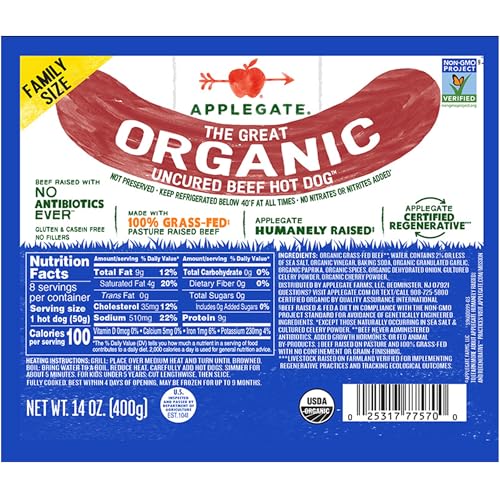
If you are cutting back on salt but still want a hot dog that tastes like a hot dog, start with the Applegate Organic Beef Hot Dog Uncured. It is the pick most people should buy first. If you want something shelf-stable you can stack in the pantry, the SPAM 25% Less Sodium cans are the runner-up. The hard part is that the words on the front of the package — “uncured”, “organic”, “plant-based”, “low fat” — do not tell you how much sodium is actually inside. That number lives in the small print on the back panel.
This guide is built by comparing the manufacturers’ published specifications and the patterns across verified customer reviews, so you get each pick’s real strengths and trade-offs instead of marketing spin.
Some of these are beef, some are pork, and some are built from soy protein — so the choice is really about which one fits the meal you are actually cooking. Read on for the practical breakdown of low sodium hot dogs.
Top Picks

How To Choose The Best Low Sodium Hot Dogs
Most shoppers walk into this aisle looking for one word on the front of the package. That word is usually “uncured”, and it is not the word that matters. What matters is the sodium number in the nutrition panel on the back, measured per serving, and whether the package tells you exactly what a serving is.
Read the sodium line, not the front label
“Uncured” on a hot dog package means the maker used a naturally occurring source of nitrite, like celery juice or sea salt, instead of a synthetic one. That is a real difference in ingredients. It is not a promise about salt. A hot dog can be uncured and still be a salty product, because salt is doing the preserving and the flavoring at the same time.
So flip the pack over. Find the sodium figure and the serving size next to it. Then check whether the serving is one frank or two, because a two-frank serving will show a bigger number that is not actually a bigger per-dog hit.
Match the format to how you actually eat them
Canned and shelf-stable products keep for a long time without refrigeration, which is why the SPAM cans and the Loma Linda franks hold up so well in a pantry. Refrigerated beef franks like the Applegate pack need cold storage but usually get eaten within a week or two of opening anyway. Smoked sausage sticks in a bulk jar sit somewhere in the middle — shelf-stable, but they dry out once air gets to them.
Decide beef, pork, or soy before you decide brand
This is the fork in the road that trips people up. Beef franks have a firmer snap and a beefier flavor. Plant-based franks built on soy protein are softer and lean on onion and natural smoke flavor for their taste. Neither is a compromise on the other — they simply are not the same food, and no amount of label reading changes that.
Side-by-Side Comparison
| Model | Best For | Base Ingredient | Pack Size | Storage | Amazon |
|---|---|---|---|---|---|
| SPAM 25% Less Sodium★ Best Overall | Pantry stocking | Pork with ham | 12 cans, 144 oz total | Shelf stable | Amazon |
| Applegate Organic Beef Hot Dog UncuredTop Performer | Weeknight cookouts | 100% grass-fed beef | 14 oz pack | Refrigerated | Amazon |
| Tillamook Country Smoker Hunter’s Sausage | Desk-drawer snacking | Beef and pork | 36 sticks, 16 oz | Shelf stable, sealed jar | Amazon |
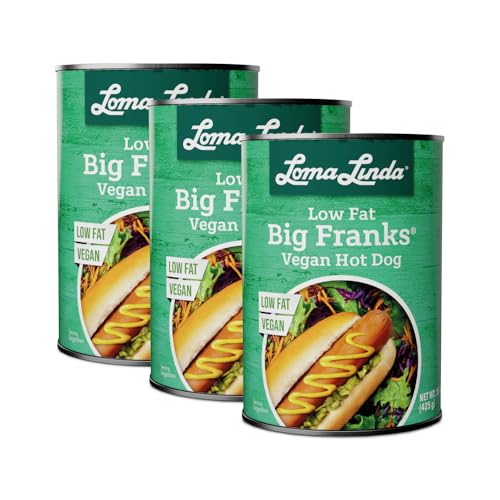
| Loma Linda Big Franks, Low Fat | Meatless meals | Soy protein | 3 cans, 45 oz total | Shelf stable in can | Amazon |
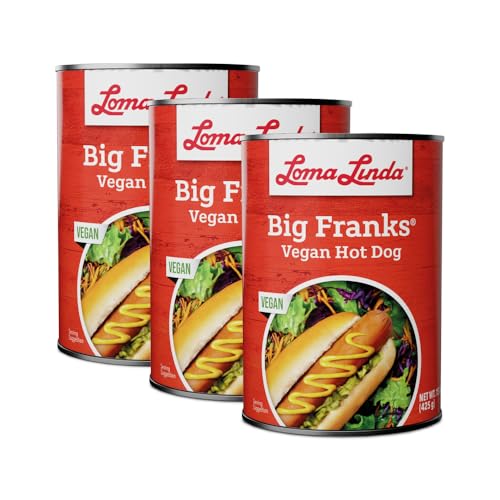
| Loma Linda Big Franks Vegan | Grill nights, no meat | Soy protein, onion, smoke flavor | 3 cans, 45 oz total | Shelf stable in can | Amazon |
Detailed Reviews
1. SPAM 25% Less Sodium Canned Meat, 12 oz (12-Pack)
Our pick — over 4.5★ from 4,000+ verified ratings; the strongest balance of quality and price.
The pantry anchor that trims the salt without asking you to change how you cook.
Four thousand ratings average 4.7 stars for this twelve-can case, the strongest buyer signal in the group. The version in the box is the 25% Less Sodium recipe, so you get the same fully cooked, shelf-stable pork-and-ham loaf as the classic blue can, just with a quarter of the sodium dialed out. Every can is 12 ounces, and the case totals 144 ounces.
Where this earns its place is in the cooking, not the eating straight from the pan. It browns in a skillet for musubi, cubes into scrambled eggs, and folds into mac and cheese or a casserole without anyone at the table noticing they are eating the reduced-salt version. Reviewers report less gas with the reduced-sodium recipe and say they don’t notice the difference. It also needs no refrigeration until you open it, which is the whole point of a shelf-stable pantry food.
This case holds 144 ounces, compared to the Loma Linda three-can pack at 45 ounces. That is far more food, and it will outlast nearly anything else in this guide on a pantry shelf. The one honest caveat is shipping damage — a can or two can arrive dented in transit, so check before you stack the case away.
What wins people over
- Twelve 12-ounce cans, 144 ounces total, all shelf stable with no refrigeration needed until opened
- The 25% Less Sodium recipe keeps the taste people already know from the original
- Fully cooked straight from the can, so it works in omelets, tacos, pasta, and casseroles
- Versatile enough to brown in a skillet for musubi or scramble into eggs
Where it asks patience
- A can or two occasionally arrives dented from shipping
- Reduced sodium is still not low sodium — check the panel against your own daily target
Reach for this if: you want a long-keeping pantry protein that goes into breakfast, lunch, and dinner without a trip to the fridge.
Think twice if: you are cooking for one — twelve cans is a serious commitment of cabinet space.
2. Applegate Organic Beef Hot Dog Uncured, 14 oz
Where the ingredient list does the talking and the beef flavor follows.
This is the frank for the cookout host who reads the back of every package. The beef is 100% grass-fed and pasture raised, the product is Certified Regenerative, and it carries no antibiotics ever, no nitrates or nitrites added, and humane raising standards on the label. A 14-ounce pack sits right alongside the Loma Linda three-pack at 15 ounces, so the two run nearly the same size despite one being beef and one being soy.
Flavor is where opinions split, and the split is honest rather than alarming — the beefy character lands well with most people, while some eaters find it leans saltier than they expected. In a head-to-head taste test against four other top brands, buyers picked it as the family favorite, and the ingredient list has no preservatives, MSG, or added phosphorus.
Price is the recurring grumble, and it is a premium one — the fair way to read that is as a cost-of-ingredients gap rather than a quality problem. It is a refrigerated product, so plan on fridge space and a shorter window than the canned picks here. If you value a clean ingredient panel over a pantry-stable can, this is the one that fits.
The ingredient-first case: grass-fed pasture-raised beef, Certified Regenerative, no antibiotics ever, and no nitrates or nitrites added is about as clean a frank label as this aisle offers.
The bill that follows: the ingredient sourcing shows up in the cost, and this is the least budget-friendly way to get a hot dog on the table in this lineup.
Best for: a family cookout where taste has to satisfy picky eaters and the label has to satisfy you.
Look elsewhere if: you want something that lives in a cabinet, not a fridge.
3. Tillamook Country Smoker Hunter’s Sausage

A grab-and-go protein stick that behaves like a snack and not like a sandwich.
Not every low-sodium hot dog moment happens at a grill. This one is a 36-count bulk jar of hardwood-smoked beef and pork sticks, 16 ounces total, each carrying 8 grams of protein with 0 grams of sugar and 0 grams of total carbs. They are gluten free, made without artificial sweeteners, and smoked in Oregon since 1975 using traditional smokehouse methods.
Quality is the most-praised trait in the feedback, followed by the flavor — subtle rather than spicy, which suits people who get digestive trouble from heavily seasoned snack meats. They travel well, too. The most common routine is a sealed jar in the fridge or a handful thrown in a desk drawer, gym bag, or road trip cooler, then repacked into a sealable container once the vacuum seal is broken.
Here is the trade-off worth knowing before you buy: texture and moisture are genuinely divisive. Some sticks come out of the jar firm and pleasant, and some eaters find them harder or drier than they prefer, especially once the jar has been open a while. Repacking them airtight after opening is the single best thing you can do to keep them on the good side of that line.
The everyday case: 8 grams of protein, 0 grams of sugar, and 0 grams of carbs per stick in a 36-count vacuum-sealed jar — a real alternative to jerky, protein bars, and chips.
The texture gamble: firmness and moisture vary from stick to stick, and an opened jar left loose will dry out faster than you would like.
Worth grabbing if: you want shelf-friendly, no-refrigeration protein for hunting season, road trips, or the office drawer.
Not the one for you if: you want a bun-length frank for dinner — these are snack sticks, not cookout dogs.
4. Loma Linda Big Franks Plant-Based Meats
The low-fat green-can frank that people who grew up on it will not trade away.
There is a specific diner these are for, and they know it. Loma Linda has made meat alternatives long enough that a generation grew up on them, and those eaters tend to love this low-fat version. Taste leads the feedback, followed by the low-fat build, and longtime buyers describe topping one with vegan chili and serving it to a mixed table without anyone noticing.
The honest warning belongs right here: if you did not grow up on plant-based franks, do not expect a beef dog. Even a vegetarian-raised eater who prefers these among all veggie dogs says so plainly — meat-eaters should not look for meat taste here. Even within the Loma Linda line, the full-fat red-can version is described as the better-tasting of the two.
Two practical things stand out. The cans are small — six franks to a can across a three-can, 45-ounce pack — and some buyers find that a thin portion for the money. On the other side, they drain and eat straight from the can, heat is optional, and they hold up in both an air fryer and a microwave, which is more convenience than most plant-based dogs offer.
The plant-based case: a vegetarian frank that works as a base for meat sauce, comes out surprisingly good from the microwave, and skips the fat of a traditional hot dog.
Who it is not for: anyone shopping for a beef flavor profile — this is a soy-based frank with its own character, and a small can yields only six.
Pick this up if: you eat meatless and want a frank with a low-fat build and zero fuss at the stove.
Look past it if: a burger-night crowd is at the table expecting a classic hot dog taste.
5. Loma Linda Big Franks Vegan Hot Dogs, 15 oz Cans (Pack of 3)
Built from soy protein and smoke flavor, and asked to pass for the real thing.
Flip this can over and the recipe is short: soy protein, onion, and natural smoke flavor, assembled into a vegan frank that the maker positions as a lower-fat stand-in for a traditional hot dog. It grills or boils any time of year, which makes it the more flexible of the two plant-based cans in this group — the low-fat pick has its own fan base, but this one is the version built for a grill grate.
Buyers report these hold their own against regular hot dogs on taste, and mustard and relish on a bun is the usual way they eat them. Reviewers describe the texture as genuinely soft and cuttable with a plastic fork, with none of the dense, clay-like chew that turns some people off plant-based meat. The best practical tip from that camp: drain the can and eat them cold. Heating is optional, and there is no boiling, frying, or sticking to worry about.
Two size notes matter before you plan dinner. These run finger-length rather than bun-length, so they sit shorter in a standard bun than a beef frank would. And the three-can pack is priced at a premium per ounce, which is the most common gripe in the feedback — the trade-off for convenience and a soy-based formula that people who want it will not find easily elsewhere.
The flavor and texture case: soy protein with onion and natural smoke flavor, a soft fork-cuttable bite, and heating that is entirely optional.
The sizing reality: finger-length rather than bun-length, which leaves a gap in a standard bun and can feel like a short serving.
Made for you if: you want a vegan frank you can grill or boil, eat cold from the can, and serve with mustard and relish.
Pass on it if: bun-length franks are non-negotiable in your house.
Know the Specs
Sodium Per Serving
This is the one number that actually answers the question you walked in with. It sits in the nutrition panel on the back of the package, listed per serving, with the serving size right beside it. Always read the two together. Canned and shelf-stable products list a serving as a measured portion of the can or stick, while a pack of franks lists it per dog or per link. If one package counts two franks as a serving and another counts one, the raw numbers are not comparable until you’ve done that division.
“Uncured” and “No Nitrates Added”
These phrases describe the curing method, not the salt level. An uncured hot dog uses a naturally occurring nitrite source, often celery juice or sea salt, instead of a synthetic one. Whether that matters to you is a personal call, but it does not make the product low sodium on its own. Plenty of uncured franks are still salty. Read the label for the sodium figure if that’s what you’re watching, and treat “uncured” as a separate, ingredient-focused decision.
Protein Per Serving
Protein is what makes a hot dog or sausage stick actually hold you over between meals. The standout here is the Tillamook Hunter’s Sausage at 8 grams per serving. It’s a genuinely useful number if you’re using these as a snack rather than building a whole meal around them. Plant-based franks made from soy protein also carry protein, since soy is a complete protein source, which is worth knowing if you’re swapping one for the other.
Shelf Life and Storage
Storage type decides how long a pack actually lasts. Canned and vacuum-sealed products are shelf stable and need no refrigeration until opened, which is what makes a big can or jar worth stocking. Refrigerated franks need cold storage and are best used within a short window of opening. Once a bulk jar of sausage sticks is unsealed, repacking the remainder into a sealable container is the single biggest thing you can do to keep them from drying out and turning tough.
Common Questions
Does “uncured” mean a hot dog is low in sodium?
Are plant-based hot dogs lower in sodium than beef ones?
Will a big canned meat case stay good without refrigeration?
How do I keep a bulk jar of sausage sticks from drying out?
Can you eat Loma Linda Big Franks without heating them?
Why do some hot dogs taste much saltier than others?
Is a nitrate-free hot dog the same as a low sodium one?
How many franks come in a can of Loma Linda Big Franks?
Can you grill plant-based hot dogs the same way as beef ones?
Are smoked sausage sticks a substitute for hot dogs at dinner?
The Bottom Line
If you want one pick and you want it to cover the most meals, the SPAM 25% Less Sodium 12-Can Case is the one to start with. It holds 144 ounces, needs no refrigeration until you open a can, and works in breakfast, lunch, or dinner without changing how you cook. If a clean ingredient panel matters more than pantry space, the Applegate Organic Beef Hot Dog Uncured is the beef-forward answer, with 100% grass-fed pasture-raised beef and no nitrates or nitrites added. And if the point is a meatless frank for the grill, the Loma Linda Big Franks Vegan 3-Pack covers that ground with soy protein and natural smoke flavor. Whichever way you go, read the sodium line before you buy — the front label will not tell you what you need to know.
How we choose
We do not accept paid placement. Every pick is matched to a real buyer and a real use-case; we do not hands-on test units.
Sources
Specifications: manufacturer listings and product documentation. Review insights: verified customer reviews, as of October 2026. Pricing: not shown on this page (it changes often); check the current price via the retailer link.
As an Amazon Associate, Aappliancez earns from qualifying purchases. This does not affect which products we feature.