Disclosure: Some links in this post are affiliate links. As an Amazon Associate I earn from qualifying purchases, at no extra cost to you. Learn more
Specs are compiled from manufacturer listings and verified buyer reviews and can change over time — please confirm the key details on the product page before buying.
If your doctor has told you to watch your cholesterol, the protein aisle is a minefield of whey and casein blends. Many powders lean on whey and casein, dairy proteins that can carry saturated fat and dietary cholesterol. The fix is simple: choose plant-based or carefully filtered powders, and read the nutrition panel before you buy. This guide covers seven low cholesterol protein powders, ranked by protein per scoop, saturated fat, and mixability.
This guide is built by comparing the manufacturers’ published specifications and the patterns across verified customer reviews, so you get each pick’s real strengths and trade-offs instead of marketing spin.
You will see which powders keep protein high while staying plant-based or low in saturated fat. You will also learn how to read a label in seconds. Here are the seven low cholesterol protein powders worth your counter space.
Top Picks
How To Choose The Best Low Cholesterol Protein
Picking a low cholesterol protein powder starts with two questions: where does the protein come from, and what else is in the scoop? A plant-based source like pea, rice, or chia will almost always carry less saturated fat than a dairy whey. But the label matters just as much as the source, because added oils, sweeteners, and fillers can change the picture.
Protein source and saturated fat
Whey and casein come from milk, and milk fat can include saturated fat. Pea, rice, chia, and fava bean proteins are plant-based and generally lower in saturated fat. If your goal is to keep cholesterol in check, start with plant-based options and check the nutrition facts panel for the saturated fat line.
That said, some whey powders are filtered to keep fat low. Read the panel rather than assuming, and look at the per-serving numbers, not the per-container ones.
Protein per scoop and serving size
A 25g protein scoop sounds great until you see that a serving is two scoops. Check how many scoops make one serving, then how many servings are in the bag. A powder that delivers 25g in one scoop is more efficient than one that needs two scoops for 20g.
Also look at the total servings in the container. A big bag with 68 servings goes further than a small tub with 17, even if the per-scoop protein looks similar.
Added sugar and sweeteners
Low cholesterol eating often pairs with watching sugar. Many flavored powders add sugar or sugar alcohols to mask the taste of pea protein. Look for “0g sugar” or “no added sugar” on the label. If you see stevia, monkfruit, or thaumatin listed, that is a natural sweetener, not added sugar.
Unflavored powders skip sweeteners entirely, which gives you control but means you taste the base protein. That is a fair trade-off for some buyers.
Mixability and texture
Plant proteins can be gritty or clumpy if the grind is coarse. Finely milled powders mix into water, milk, or smoothies without chunks. If you plan to drink your shake with just water, prioritize a powder that customers describe as smooth, not chalky.
Some powders are better in baking than in a shaker bottle. If you plan to add protein to pancakes, oats, or soup, an unflavored powder gives you more flexibility.
Side-by-Side Comparison
| Model | Best For | Protein Per Serving | Source | Servings | Amazon |
|---|---|---|---|---|---|
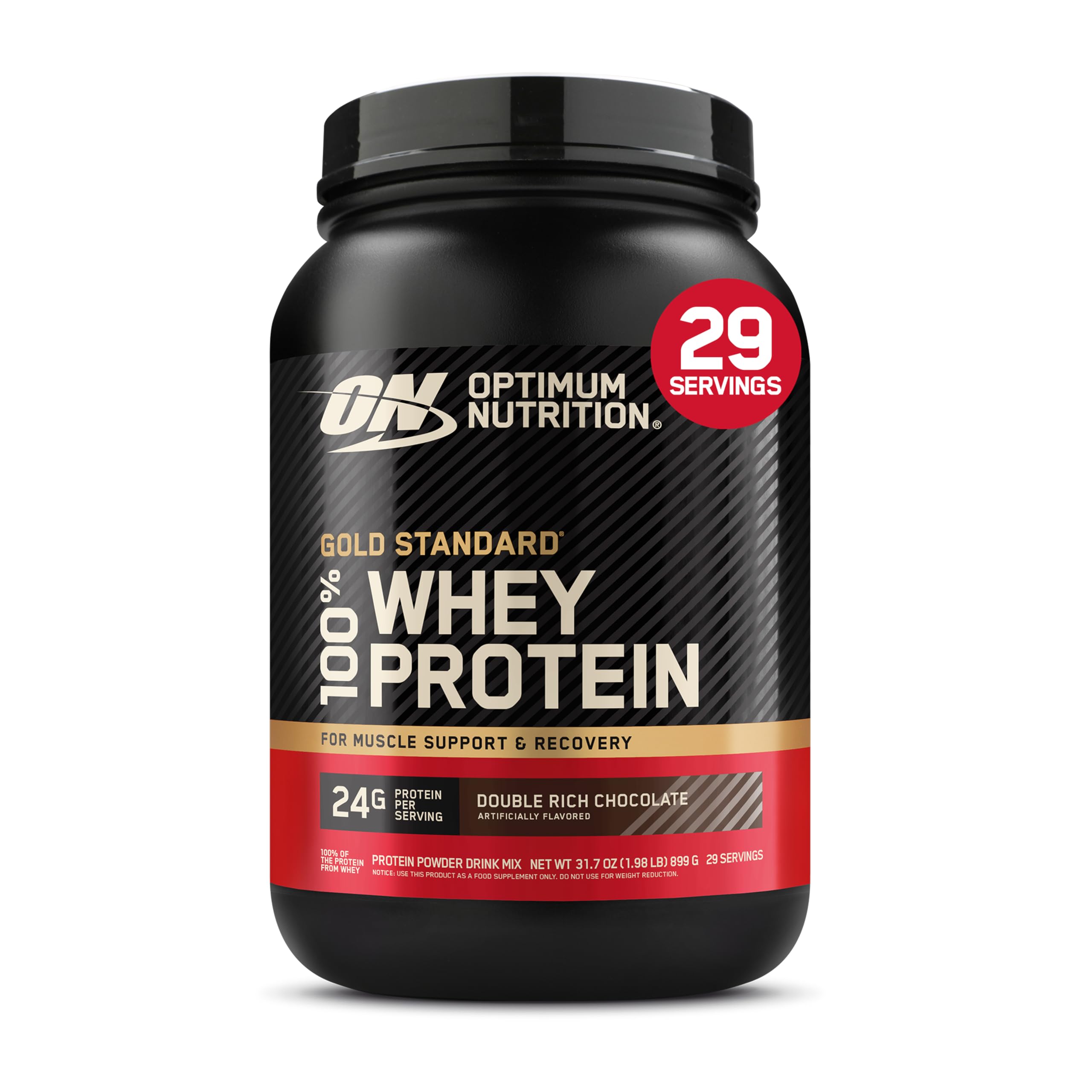
| Optimum Nutrition Gold Standard Whey, Double Rich Chocolate★ Best Overall | Best overall taste and mixability | 24 g | Whey isolate and concentrate | — | Amazon |
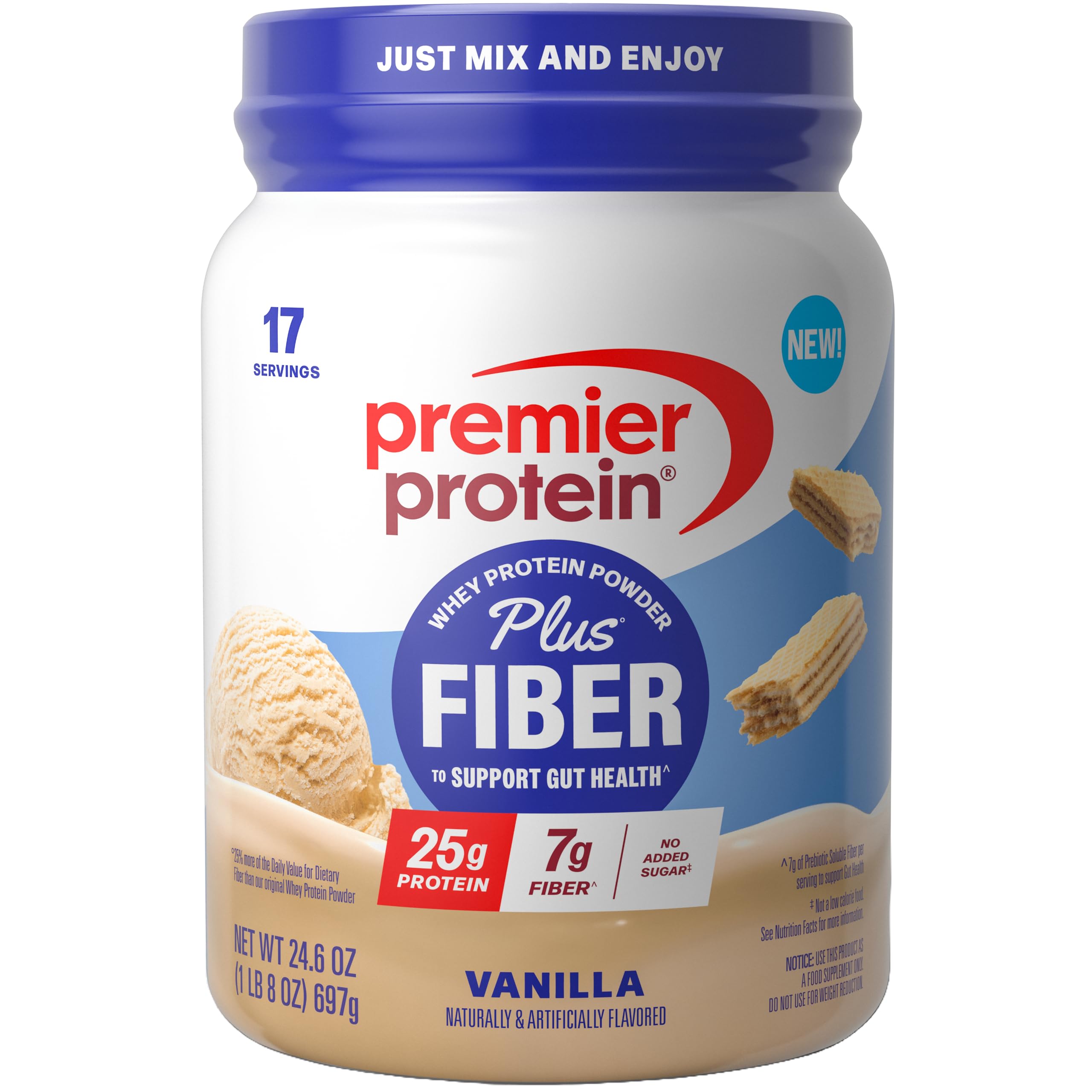
| Premier Protein Powder Plus Fiber, VanillaBest for Gut Health | Gut-friendly fiber boost | 25 g | Whey | 17 | Amazon |
| Orgain Organic Vegan 21g Protein Powder, Creamy Chocolate Fudge | Clean organic plant ingredients | 21 g | Pea, brown rice, chia | 20 | Amazon |
| Optimum Nutrition Gold Standard Plant Based Protein, Creamy Vanilla | Vegan option from a trusted brand | — | Pea, rice, fava bean | — | Amazon |
| Garden of Life Raw Organic Protein & Greens, Lightly Sweet | Greens and probiotics in one scoop | 20 g | Organic peas, sprouted grains | 20 | Amazon |
| Micro Ingredients Pea Protein Powder, Unflavored | Best value bulk bag | 27 g | Pea | 68 | Amazon |
| Nuzest Clean Lean Protein, Smooth Vanilla | Minimal ingredients, easy digestion | 20 g | Pea isolate | — | Amazon |
Detailed Reviews
1. Optimum Nutrition Gold Standard Whey Protein 2 LB
Our pick — 4.5+★ from 100,500+ verified ratings; the strongest balance of quality and price.
The chocolate whey that made the category famous, and still the one most lifters reach for.
If you want a whey powder that keeps saturated fat in check without sacrificing flavor, this is the pick that earns the top spot. It delivers 24 g of protein per scoop from whey protein isolate and concentrate, the two most filtered forms of milk protein. Isolate in particular is processed to remove much of the fat and lactose, which is why it lands on low cholesterol shortlists. The instantized formula means you can shake, stir, or blend one scoop with 6–8 oz of water or milk for about 20 seconds and get a smooth drink with no clumps.
The taste is what wins people over. The Double Rich Chocolate flavor is smooth and rich without being overly sweet or chalky, and it mixes easily with water, milk, or coffee. Buyers report it blends into a thick texture with genuine chocolate flavor and no chalky aftertaste. One long-term user noted it delivers 6 g more protein per scoop than their prior brand. The 5.5 g of naturally occurring BCAAs (branched-chain amino acids, the building blocks your muscles use during recovery) and 11 g of essential amino acids support post-workout recovery, so it works as well after a run as it does between meals.
The catch is that this is still a dairy product, so if your doctor has told you to avoid whey entirely, it is not the right fit. The other honest note is that a small number of buyers find the chocolate flavor too mild with plain water and prefer it with milk. That is a taste preference, not a defect. For anyone who tolerates dairy and wants a proven, great-tasting whey, this is the safest bet on the list.
What earns it the top spot
- 24 g of protein per scoop from whey isolate and concentrate, two filtered forms of milk protein
- 5.5 g of BCAAs and 11 g of essential amino acids support recovery after training
- Instantized formula mixes in about 20 seconds with no clumps
- Double Rich Chocolate flavor is smooth and not overly sweet
Where it asks you to compromise
- Still a dairy product, so not suitable if you are avoiding whey entirely
- A few buyers find the chocolate flavor too mild with plain water
- No fiber or added digestive support in the formula
Reach for this if: you tolerate dairy and want the best-tasting, easiest-mixing whey powder for post-workout recovery.
Look elsewhere if: your doctor has told you to cut dairy protein completely — the plant-based picks below are built for you.
2. Premier Protein Powder Plus Fiber Vanilla
A vanilla whey that pairs 25g of protein with 7g of prebiotic fiber in every scoop.
Most protein powders ignore fiber entirely, which is a missed opportunity if you are watching your cholesterol. This Premier powder packs 25 g of whey protein and 7 g of prebiotic fiber into one serving, with no added sugar. That is 7 g more dietary fiber than Premier’s original whey powder, which carried 0 g. The fiber comes from three types of prebiotic fiber, which feed the good bacteria in your gut. The powder also delivers 25% of your daily value of fiber per serving.
The numbers stack up well against the Orgain pick below. Premier gives you 25 g of protein versus Orgain’s 21 g, and 7 g of fiber versus Orgain’s 6 g. It also comes in a lighter 1.54-pound tub versus Orgain’s 2.03 pounds, so it takes up less shelf space. With 17 servings per tub, it is a tighter supply than Orgain’s 20, but each serving does more work. The vanilla flavor is light and mixes fairly well in a shaker with only a few chunks.
The recurring gripe is digestibility. Some buyers find the fiber blend takes a few days to adjust to, which is common with prebiotic fiber. Start with half a scoop if your stomach is sensitive. The other note is that it dissolves slowly in coffee, so stir it into water or milk first. For anyone who wants protein and gut support in one scoop, this is a smart two-in-one.
What the label delivers: 25 g of whey protein, 7 g of prebiotic fiber, and no added sugar in one serving. The 7 g of fiber is a real step up from the original formula’s 0 g.
The honest trade-off: prebiotic fiber can take a few days for your gut to adjust to, and the powder dissolves slowly in hot coffee. Mix it into cold liquid first.
Pick this one if: you want protein and fiber in a single scoop without added sugar, and you like a light vanilla flavor.
Look past it if: you need a dairy-free powder — this one is whey-based.
3. Orgain Organic Vegan Protein Powder 2.03 lb
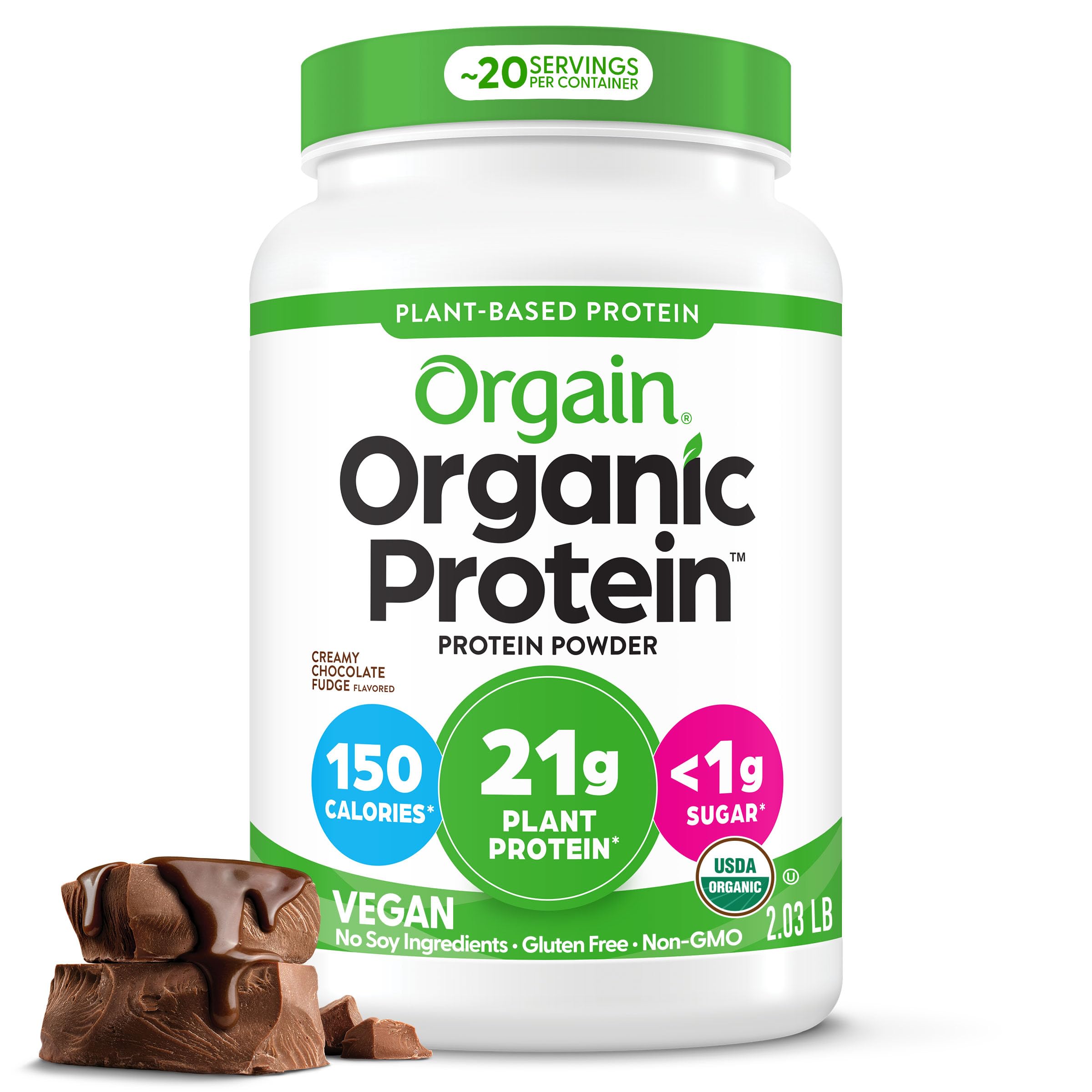
A clean, organic plant protein that delivers 21g per scoop without any dairy or soy.
For a plant-based powder that keeps ingredients simple, this Orgain tub is the value leader. It delivers 21 g of organic plant protein per serving from a blend of organic peas, brown rice, and chia seeds, with all 9 essential amino acids. Each serving also has 6 g of prebiotic fiber for gut support and 0 g of sugar. The formula is vegan, gluten-free, kosher, Non-GMO, and made without soy, carrageenan, lactose, or artificial sweeteners. That clean label is why it shows up on so many low cholesterol shortlists.
But the bag is heavier too — 2.03 pounds versus Premier’s 1.54 pounds — so it takes up more cabinet space. The Creamy Chocolate Fudge flavor has a rich cocoa aroma and tastes like real cocoa rather than a chemical chocolate. It blends smoothly with almond milk, chia, flax, or banana into a thick shake. A seven-year user called it the top vegan protein they have tried, with outstanding flavor and no aftertaste.
The honest note is a slight stevia or erythritol aftertaste that some buyers detect, even though the label says no erythritol. That is a taste preference, not a flaw. If you are sensitive to sweetener aftertaste, start with a half scoop and mix it with a stronger-flavored liquid like oat milk. At 21 g of organic plant protein and 0 g of sugar per scoop, this is the cleanest plant-based value on the list.
Why the label stands out
- 21 g of organic plant protein from peas, brown rice, and chia with all 9 essential amino acids
- 0 g of sugar and 6 g of prebiotic fiber per serving
- USDA Organic, vegan, Non-GMO, and free from soy, carrageenan, and artificial sweeteners
- 20 servings per tub, more than Premier’s 17
What to know before you buy
- A slight stevia or erythritol aftertaste bothers some palates
- Heavier 2.03-pound tub versus Premier’s 1.54 pounds, so it takes more shelf space
- Chocolate flavor is milder than some dairy-based powders
Go with this if: you want organic, plant-based protein with a clean label and 0 g of sugar at a budget-friendly price.
Think twice if: you are sensitive to natural sweetener aftertaste — the stevia note is the most common gripe.
4. Optimum Nutrition Gold Standard Plant Based Protein
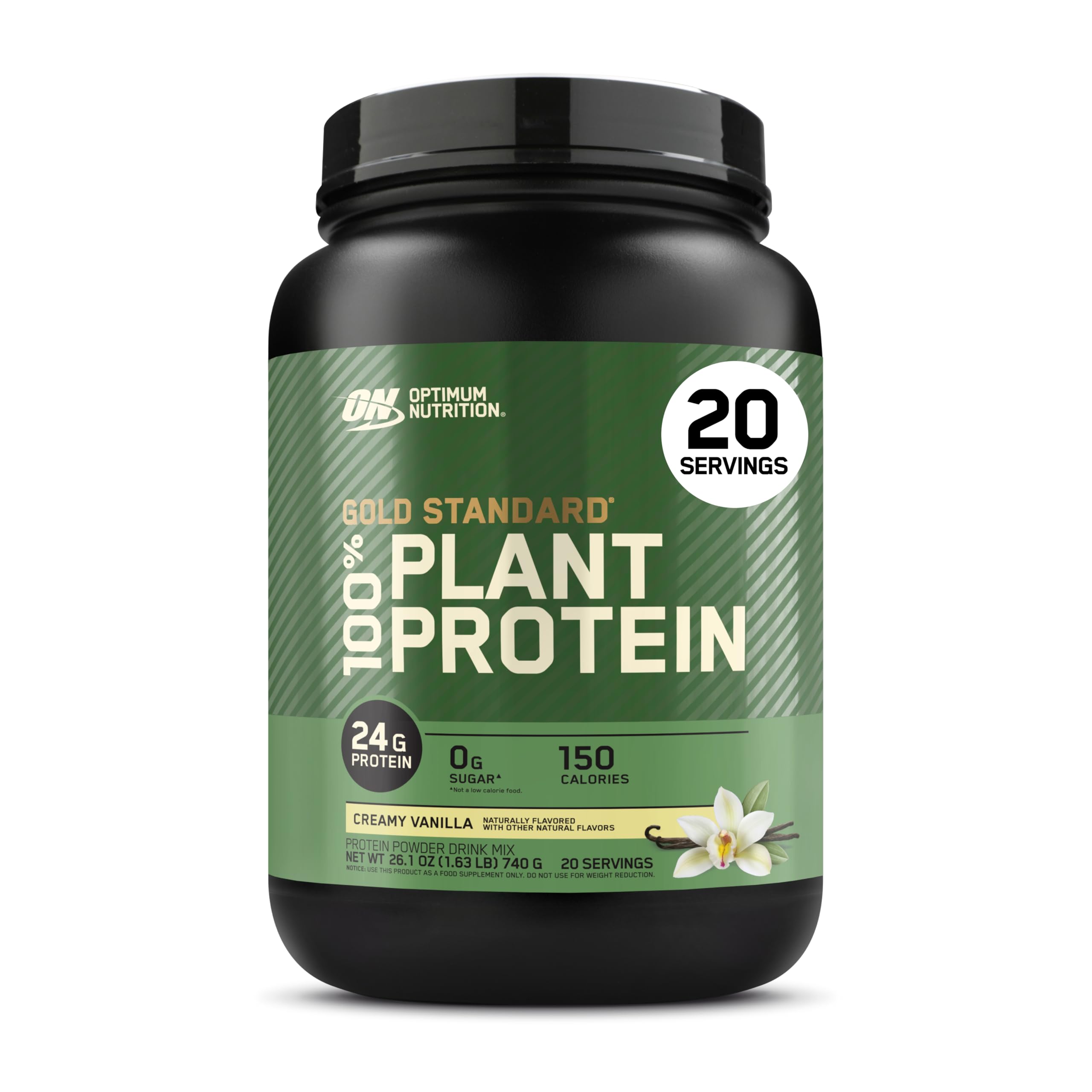
The brand that built its name on whey takes a swing at plant protein with a pea, rice, and fava bean blend.
If you trust the Optimum Nutrition name but need to avoid dairy, this is the bridge. It uses a blend of pea, rice, and fava bean proteins to deliver a complete amino acid profile with all 9 essential amino acids. The formula has 0 g of sugar per serving, no artificial colors, flavors, or sweeteners, and is gluten-free. You mix about one scoop with 10–12 fl oz of cold water or almond milk for a silky-smooth shake, using just a glass and spoon.
The honest picture here is mixed. The flavor lands well for many buyers — creamy vanilla, not overly sweet, with a smooth texture. One vegetarian drinker called it the best supplement they had tried, with all 9 essential amino acids and no stomach upset. But the texture draws complaints too. Some describe it as extra sticky, and others find it gritty. A small number of long-time buyers miss the old green-label version and find the new formula tastes off. That is a formula change complaint, not a universal flaw, but it is worth knowing before you buy.
Compared to the Orgain pick above, this Optimum tub holds 1.5 pounds versus Orgain’s 2.03 pounds, so you get a smaller supply. The trade-off for the lighter tub is convenient storage. If you want a trusted brand’s take on plant protein and you are not picky about texture, this is a solid choice.
The ingredient story: pea, rice, and fava bean proteins combine for all 9 essential amino acids, with 0 g of sugar and no artificial sweeteners.
What to watch: texture is the divisive point — some find the shake silky, others call it sticky or gritty. The 1.5-pound tub is also smaller than Orgain’s 2.03-pound bag.
Worth it for: vegetarians and vegans who want a complete amino acid profile from a brand they already trust.
Skip if: texture is your dealbreaker — this one draws mixed notes on mouthfeel.
5. Garden of Life Raw Organic Protein & Greens
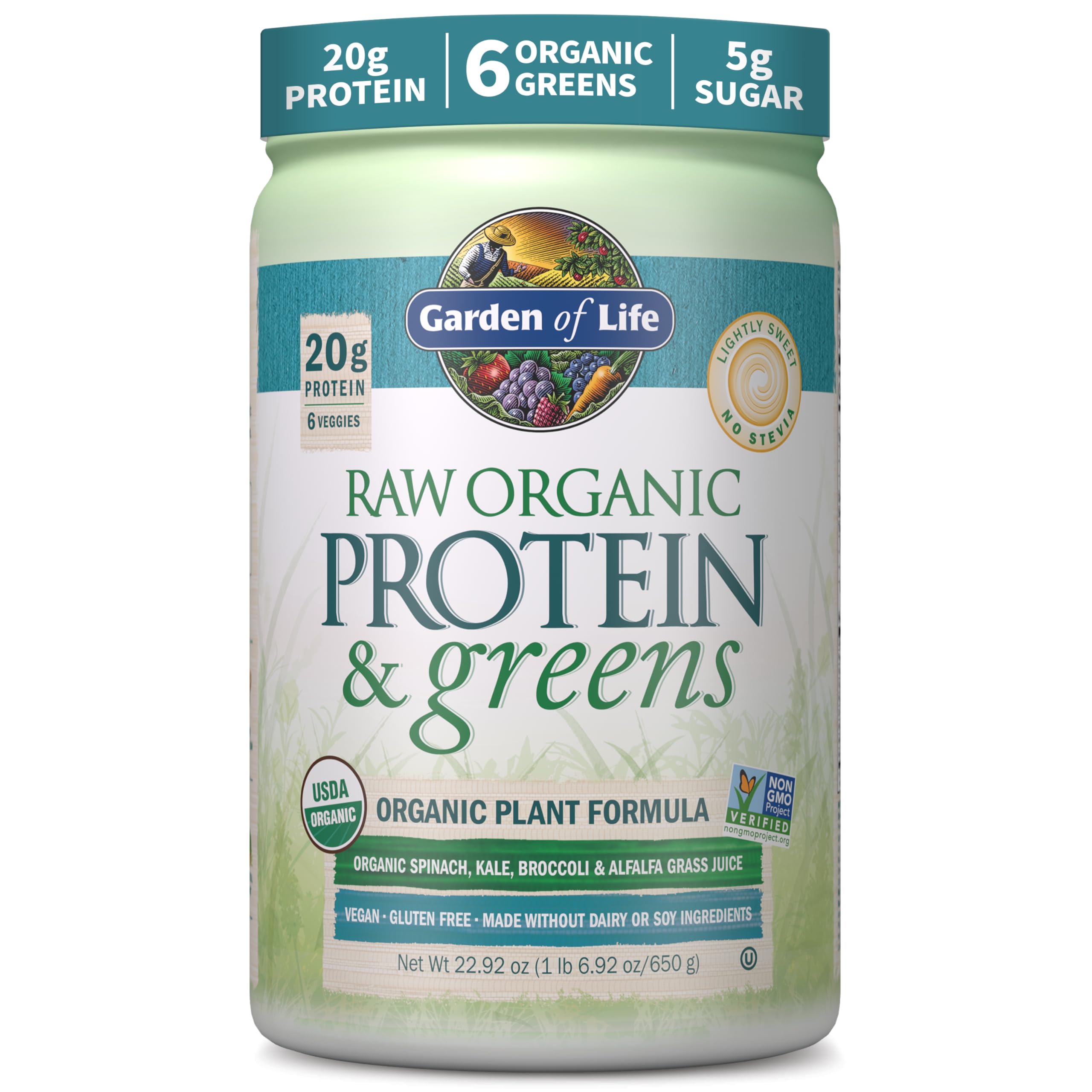
Protein plus six organic greens and probiotics in one scoop, for buyers who want more than just protein.
This is the powder for anyone who treats a shake as a full nutrition hit, not just a protein top-up. Each serving packs 20 g of raw plant protein from organic peas and sprouted organic grains, seeds, and legumes, plus 6 organic greens and veggies. The greens include spinach, kale, broccoli, and alfalfa grass. It also adds 1.5 Billion CFU probiotics (live beneficial bacteria) and 13 non-GMO enzymes for easier digestion.
The quality is the star here. The formula is USDA Organic, NSF Certified Gluten Free, Certified Vegan, Kosher, and Informed Choice Trusted by Sport. That is a long list of certifications for a plant powder. It mixes easily into water or almond milk and works well in smoothies. The Lightly Sweet flavor has a mild taste and a small amount of sugar, which avoids the chemical aftertaste that sugar substitutes can leave. One buyer who had searched extensively for a natural option said it was the best plant-based powder they found, with no graininess or clumps.
The catch is texture and taste. Some buyers describe the powder as very gritty, and the flavor reads slightly offbeat to palates used to sweeter powders. If you mix it with whole-milk yogurt or refrigerate it for 30 minutes before drinking, the texture improves. For the certifications and the greens-probiotics combo, this is a fair trade.
What the certifications buy you
- 20 g of raw plant protein plus 6 organic greens and veggies per scoop
- 1.5 Billion CFU probiotics and 13 non-GMO enzymes for digestion
- USDA Organic, NSF Gluten Free, Certified Vegan, and Kosher
- Lightly Sweet flavor avoids the chemical aftertaste of sugar substitutes
The texture question
- Some buyers find the powder very gritty in plain water
- Flavor reads slightly offbeat compared to sweeter powders
- Only 20 servings per tub, a tighter supply than the bulk bag
Best match for: buyers who want protein, greens, and probiotics in one scoop and value organic certifications.
Not the one if: you drink your shake with plain water and need a smooth texture — mix this one with yogurt or milk instead.
6. Micro Ingredients Pea Protein Powder, 5lb, Unflavored
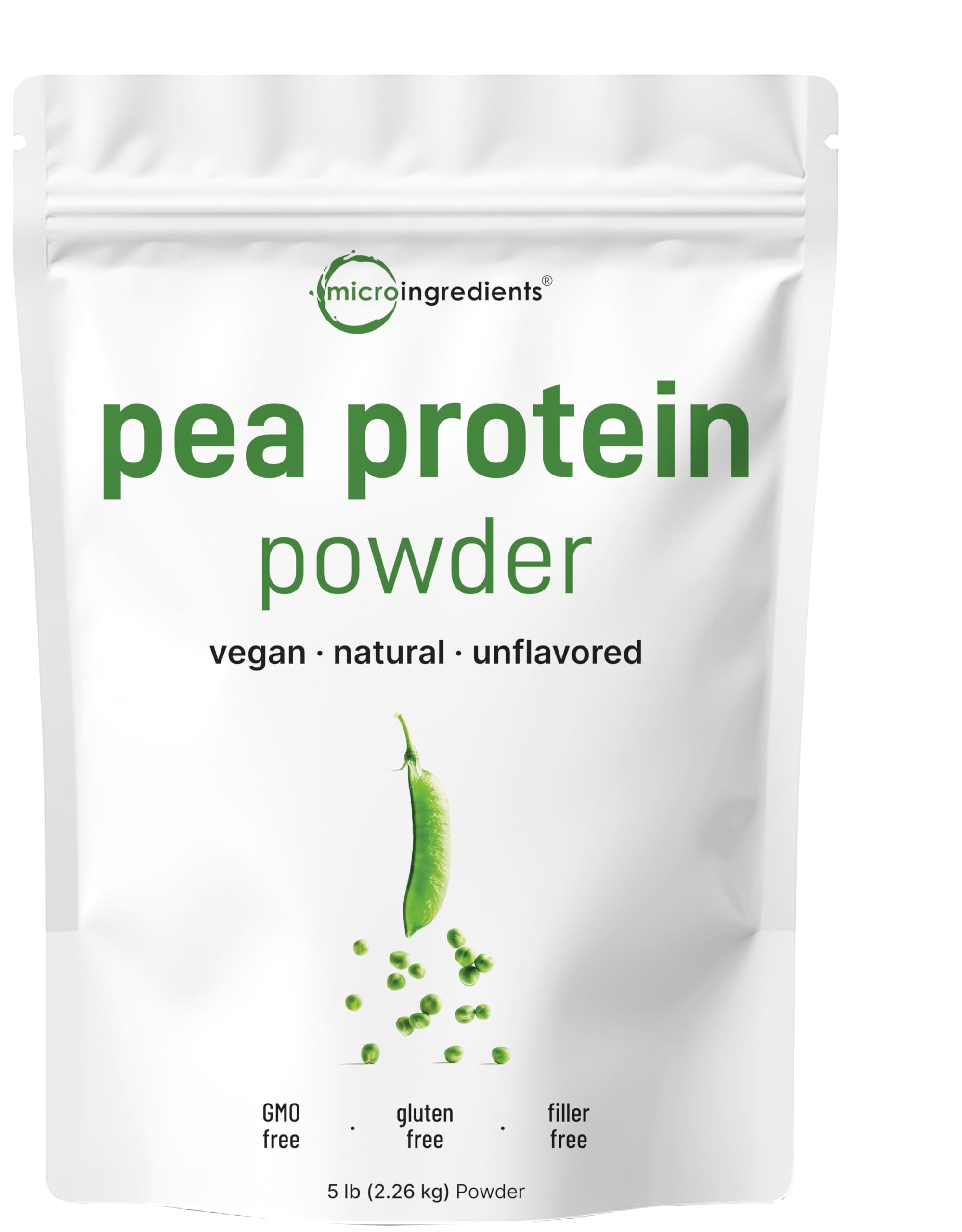
A five-pound bag of unflavored pea protein that delivers 27g per serving and 68 servings total.
If you care more about protein per dollar than flavor, this is the value play. The five-pound bag holds 68 servings, with 27 g of pea protein per two-scoop serving. That is the highest protein-per-serving count on this list. The powder is unflavored, so it mixes into smoothies, soups, oats, or baked goods without altering the taste. It is vegan, Non-GMO, and free from soy, dairy, and gluten. A scoop is included so you can measure accurately.
The value is the headline. One buyer who bakes with it said the neutral taste makes reaching their protein goal easy, and called it amazing value. Another described it as a workhorse powder with no weird flavors or aftertaste and no additives. The 27 g per serving beats the Orgain pick’s 21 g and the Garden of Life pick’s 20 g, so you get more protein per scoop. The bag is also the largest on the list by far at five pounds.
The honest trade-off is texture and taste. Unflavored pea protein tastes like pea protein, and some buyers find it gritty or clumpy. It is better in baking than in a plain water shake. A few buyers also note that pea isolate lacks some B vitamins, so pair it with a varied diet. For a five-pound bag at 27 g per serving that goes into recipes rather than a shaker bottle, it is hard to argue with.
The bulk-buy math: 27 g of pea protein per serving and 68 servings per five-pound bag — the highest protein count and largest supply on the list.
Where it falls short: unflavored pea protein tastes like pea protein, and the texture can be gritty in water. It shines in baking and smoothies, not as a standalone shake.
Choose this if: you want the most protein per serving and the largest supply for the lowest cost, and you plan to bake or blend it.
Pass if: you want a flavored shake you can drink with plain water — this one is best hidden in recipes.
7. Nuzest Clean Lean Protein, Smooth Vanilla, 1.1 lb

A three-ingredient pea protein isolate for buyers who read every line of the label.
For the shortest ingredient list on this list, Nuzest is the pick. It is made with just a handful of premium natural ingredients and no gums, fillers, masking agents, or unnecessary additives. The protein comes from European golden peas, isolated with a gentle water-based process. Each 25-gram serving delivers 20 g of plant protein, only 1 g of carbs, and only 100 calories. It is naturally sweetened with thaumatin, a fruit extract, rather than sugar or artificial sweeteners.
The clean formula is the draw. It is 100% plant-based and free from dairy, lactose, gluten, soy, and major allergens. The vanilla flavor is pleasant without being overly sweet, and the texture is smooth and not grainy when mixed with water and ice. The 1.1-pound tub is the smallest on the list, which makes it easy to store but means fewer servings per container.
The honest note is price and taste. Some buyers find it pricey for the number of servings, and a few describe it as grainy and powdery compared to other powders. The pea odor is faint but present. If you want the shortest ingredient list and you have a sensitive stomach, this three-ingredient pea isolate is worth the splurge.
The minimalist case: three natural ingredients, 20 g of pea protein, 1 g of carbs, and 100 calories per serving — the shortest label here.
What it costs you: the 1.1-pound tub is the smallest on the list, so you get fewer servings, and some buyers find the texture grainy and the price high.
Made for: buyers with sensitive stomachs or dairy intolerance who want the cleanest ingredient list available.
Not ideal if: you want the most servings per tub — the 1.1-pound size is the smallest here.
Know the Specs
Protein Source and Saturated Fat
Whey and casein are dairy proteins that can carry saturated fat. Pea, rice, chia, and fava bean proteins are plant-based and generally lower in saturated fat. If your goal is to keep cholesterol in check, start with plant-based options and read the saturated fat line on the nutrition panel. A whey isolate is more filtered than a concentrate, which can lower the fat content.
Protein Per Serving and Scoop Size
A 25 g protein claim means little if the serving is two scoops. Check how many scoops make one serving, then how many servings are in the bag. A powder that delivers 25 g in one scoop is more efficient than one that needs two scoops for 20 g. The serving count tells you how far the tub will go.
Added Sugar and Sweeteners
Flavored powders often add sugar or sugar alcohols to mask the taste of pea protein. Look for “0 g sugar” or “no added sugar” on the label. Stevia, monkfruit, and thaumatin are natural sweeteners, not added sugar. Unflavored powders skip sweeteners entirely, which gives you control but means you taste the base protein.
Mixability and Texture
Plant proteins can be gritty or clumpy if the grind is coarse. Finely milled powders mix into water, milk, or smoothies without chunks. If you plan to drink your shake with just water, prioritize a powder that buyers describe as smooth, not chalky. Powders that are better in baking than in a shaker are still useful, just not for a quick drink.
Common Questions
Is whey protein bad for cholesterol?
Which protein powder is lowest in saturated fat?
Can I drink protein powder if I have high cholesterol?
How much protein do I need per day?
Do plant-based proteins have all the amino acids?
Why does my protein powder taste gritty?
Is unflavored protein powder better for you?
How long does a tub of protein powder last?
Can I mix protein powder into hot coffee or soup?
What is the difference between whey isolate and whey concentrate?
The Bottom Line
For most people watching cholesterol, the low cholesterol protein winner is the Optimum Nutrition Gold Standard Whey, Double Rich Chocolate because it delivers 24 g of protein per scoop from filtered whey isolate and concentrate with the best taste and mixability on the list. If you want fiber and protein in one scoop, grab the Premier Protein Powder Plus Fiber with its 7 g of prebiotic fiber. And for a clean organic plant protein at a budget-friendly price, the Orgain Organic Vegan Protein Powder is the one to reach for. Any of these seven will help you hit your protein goals without loading up on saturated fat.
How we choose
We do not accept paid placement. Every pick is matched to a real buyer and a real use-case; we do not hands-on test units.
Sources
Specifications: manufacturer listings and product documentation. Review insights: verified customer reviews, as of October 2026. Pricing: not shown on this page (it changes often); check the current price via the retailer link.
As an Amazon Associate, Aappliancez earns from qualifying purchases. This does not affect which products we feature.