Disclosure: Some links in this post are affiliate links. As an Amazon Associate I earn from qualifying purchases, at no extra cost to you. Learn more
Specs are compiled from manufacturer listings and verified buyer reviews and can change over time — please confirm the key details on the product page before buying.
If you want the short answer: buy a shoe that feels right the moment you pull it on, because the best lightweight hiking shoes for women skip the break-in torture entirely. You shouldn’t need two weeks of heel taping before a trip. You shouldn’t have to guess whether the toe box will pinch your pinky by mile four. Every pick below is judged on three trail specs: cushioning that lasts a full day, grip that holds on wet rock, and a weight low enough to spare your legs on the climb.
This guide is built by comparing the manufacturers’ published specifications and the patterns across verified customer reviews, so you get each pick’s real strengths and trade-offs instead of marketing spin.
Most buyers assume a roomy toe box means a sloppy fit, but the right cut gives your toes room while locking your heel down. That heel-lock-with-toe-room balance is what keeps your foot from sliding forward into the front of the shoe on descents. Below you’ll find the full rundown on the lightweight hiking shoes for women that actually earn their place on the trail.
Top Picks


How To Choose The Best Lightweight Hiking Shoes for Women
Choosing a trail shoe isn’t about buying the stiffest or the cheapest — it’s about matching toe room, heel lock, and underfoot protection to your feet and terrain. It is about matching three things to your feet and your terrain: how much room your toes get, how well your heel stays put, and how much protection you need underfoot. Here is how to think about each one.
Start with the toe box, not the size chart
A toe box is the front section of the shoe where your toes sit. A wide or roomy toe box (sometimes called a FootShape or anatomical toe box) lets your toes spread out on a descent. That extra room is what prevents your big toe from jamming into the front of the shoe on a long downhill. Several picks here are built around exactly that idea. Your usual size is the right starting point, but expect to go half a size up in brands whose toe box runs especially generous.
Make sure the heel locks down
Heel lock is how snugly the back of the shoe holds your heel. If your heel slides up and down while you walk, you get friction, and friction means blisters. A good heel counter and a well-padded ankle collar keep your foot from sliding. Test it before you hike: lace up, walk up and down stairs, and check that your heel barely lifts.
Weigh cushioning against ground feel
Cushioning is the foam under your foot; stack height is how far that foam lifts you off the ground. More foam means softer landings on rock, while less foam means you feel the trail and can react faster. A zero-drop shoe places your heel and forefoot at the same height, which changes how your calves work. If you are new to zero drop, ease into it over several shorter walks rather than a big mountain day.
Know the difference between water resistant and waterproof
Water-resistant uppers handle puddles, wet grass, and brief rain. Waterproof shoes keep water out of the shoe itself, but they breathe less, so your feet can run hotter. For wet climates or stream crossings, prioritize waterproofing; for dry, hot trails, a breathable mesh upper that dries fast is often a better call.
Side-by-Side Comparison
| Model | Best For | Toe Box / Cut | Water Protection | Stated Weight | Amazon |
|---|---|---|---|---|---|
| Columbia Peakfreak II Outdry★ Best Overall | All-day comfort with no break-in | Roomy, flat-foot friendly | Waterproof | — | Amazon |
| Columbia Vertisol TrailBest Grip | Grip on slick trails | Roomy, wide-foot friendly | Dry-feel stated in reviews | — | Amazon |
| Columbia Novo TrailMost Versatile | Trail and street crossover | Wide toe box | Water-and-stain resistant | — | Amazon |
| Brooks Divide 4 | Standing all day, light trails | Blocky, wide toe box | Water resistant | — | Amazon |
| Salomon Alphacross 5 | Muddy, rugged scrambles | Narrow heel, runs long | Rain-shower resistant | 3 pounds | Amazon |
| Saucony Peregrine 13 | Fast, agile trail days | Tapered toe, roomy | Water-resistant model available | 2.43 pounds | Amazon |
| New Balance Dynasoft Nitrel V6 | Budget-friendly daily trails | Wide fit for bunions | Not stated | 2.1 pounds | Amazon |
| Altra Lone Peak 8 | Wide feet, natural movement | Roomiest toe box | Drains and sheds mud | 11.15 oz / 316 g | Amazon |
| Merrell Moab 3 Waterproof | Rocky trails, ankle support | Runs big | Listed waterproof | 2.09 pounds | Amazon |
| New Balance Fresh Foam X Hierro V8 | Long cushioning on trails | Very wide, tapered heel | Mesh, fast-drying | 1.5 pounds | Amazon |
| Danner Mountain 600 | Ankle support on rough terrain | Accommodating toe box | Danner Dry waterproof | — | Amazon |
Detailed Reviews
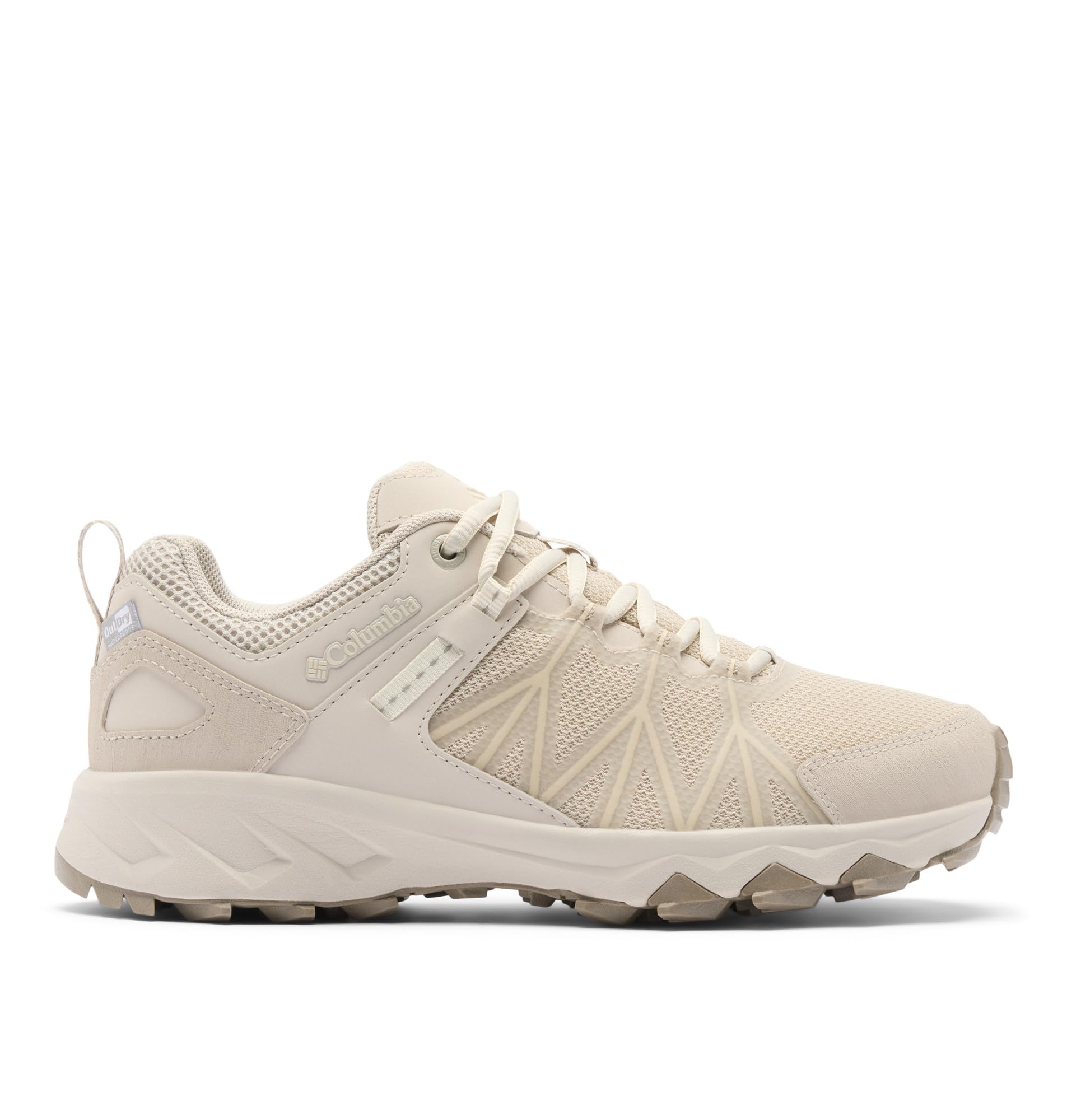
1. Columbia Womens Peakfreak Ii Outdry
Our pick — 4.5+★ from 700+ verified ratings; the strongest balance of quality and price.
The waterproof trail shoe that walks from the start like it’s already been yours for a season.
The Peakfreak II Outdry is the pick here for one simple reason: you can wear it on a long trail day without a break-in. The Outdry construction keeps water out while the shoe stays light enough to walk in all day. What wins people over is comfort — the soft cushioning and support underfoot come up again and again, with owners reporting no blisters and no sore feet even after a multi-week trip abroad. As buyers sum it up: “Was able to do a 20 mile hike without having to break them in.” That is the whole pitch in one sentence.
Waterproofing is the second thing that earns its place. The Outdry layer needs no spray-on treatment, so your feet stay dry when you stand in a cold puddle or cross wet grass. The traction holds on loose ground too, and the heel stays put without slipping, which is what keeps blisters away on a descent. One honest note: a few owners find it stiff at first, and an odd unit has turned up with handling marks rather than box-fresh condition — so check yours over as soon as it arrives.
Outdry sealed upper
- Waterproof Outdry build with no re-spray needed
- Zero break-in — one owner hiked 20 miles fresh from the box
- Support suits wide and flat feet without heel lift
Firm underfoot
- Can feel stiff while it softens up
- Occasional handling marks on arrival
Wet singletrack: you want a waterproof shoe you can hike a long day in immediately, wide feet included.
Cushion seekers: you want a soft, slipper-soft flex from the very first step.
2. Columbia Women’s Vertisol Trail
The trail shoe that hiked Machu Picchu in the rain and never slipped once.
Grip is the reason to look at the Vertisol Trail. The traction rubber sole is built to hold on wet, slick surfaces, and it does that without turning your foot into a rigid brick. Owners have walked it up slippery slopes and through heavy rain with dry feet and no slide. Its underfoot system is engineered to give back comfort, stability, and rebound in each step, so the shoe feels springy rather than flat on long days. Quality is the thing buyers come back to praise most — the build holds up across trails, cobblestones, and steep inclines.
Arch support comes through strongly here, which makes it worth considering if weak ankles have made you nervous on uneven ground. The regular fit is generous enough to accommodate a wide foot without feeling sloppy, and the looked-after upper keeps the shoe presentable for everyday wear as well as trail days. What to expect: some owners describe it as slightly stiff at the start, so give it a couple of walks before a serious mountain day.
Grippy Vertisol outsole: Wet, slippery terrain is this shoe’s comfort zone, and the arch support earns repeated praise.
Narrow toe box: It is on the stiff side from the start and needs a walk or two to soften.
Mixed day hikes: wet, slippery slopes and weak ankles are your main worry.
Wide feet: you want a flexible, slipper-like feel from step one.
3. Columbia Novo Trail™
A crossover shoe that behaves on pavement and rock without changing its personality.
The Novo Trail is built with comfort zones shaped specifically for women’s feet, and that shows up where it matters: room. The wide toe box gives your toes space to move, and owners wearing a regular size find there’s plenty of room up front without the shoe looking bulky. A water-and-stain resistant upper shrugs off a rainy morning walk, and foam in the heel hugs the back of your foot so it stays put. Comfort is what buyers mention most often, with no break-in period showing up again and again.
Where it slips is on a wet cement path — the grip holds well on rock and soil, but a few owners notice it can feel less confident on slick pavement. That’s a fair trade-in for a shoe this genuinely flexible. Durability gets mixed reviews: some owners find it tough, while a handful report it didn’t last as long as they hoped. For daily walks, forest paths, and the odd rocky scramble, it does the job without fuss.
City to trail flex
- Roomy toe box shaped for women’s feet
- Heel foam holds your foot steady
- Water-and-stain resistant upper
Modest lug depth
- Less sure-footed on wet cement
- Durability gets mixed feedback
Commute and roam: you want one shoe for daily walks and weekend trails.
Technical descents: you log heavy miles on slick, wet pavement.
4. Brooks Women’s Divide 4 Running Shoes

The trail shoe that calms foot pain for people who stand all day long.
For anyone who is on their feet for a living — teachers, nurses, anyone with a long shift — the Divide 4 is worth a serious look. Its block-shaped toe box doesn’t squeeze your toes, so a wide foot gets room instead of pressure. Arch support is consistent, and the traction holds on soft sand, roots, uneven trails, and even road running. A water-resistant upper handles wet grass, so you’re covered for light trail days. Owners find it light, well-made, and comfortable enough to wear every day.
One thing to know on sizing: the fit runs about a quarter size big, which owners say actually helps — the roomy toe box gives your foot space to shift on uneven ground. The versatile cut means it works as a trail shoe and an everyday sneaker, with one owner calling the fit her go-to. If you have a heel or Achilles issue, the heel-to-toe drop in this shoe is a point worth checking against what you usually wear.
Budget trail runner: The wide, blocky toe box and steady arch support make it a good match for wide feet on long trail days.
Thin rock plate: It runs roughly a quarter size big, so size accordingly.
First trail miles: you’re on your feet all day and want a roomy toe box with a light feel.
Rocky terrain: you need a lot of cushioning underfoot.
5. Salomon Women’s ALPHACROSS 5 Trail Running Shoes for Women

Deep lugs built to chew through mud and shed it as your stride picks up.
The Alphacross 5 is a trail and all-round running shoe with deep, aggressive lugs for grip and mud shedding. A softer midsole compound adds comfort and long-lasting cushioning, so the shoe works as well on a neighborhood lap as it does on a muddy scramble. Owners who travel with it find it comfortable for long walks and hiking, and the arch support is a highlight. It kept its shape across a three-month trek spanning three continents: “I wore these shoes almost every day of a three month trip traveling across Europe, Africa, and Asia.”
Two things to weigh. First, sizing: owners disagree, with some finding the width and heel perfect and others saying it runs too big — a fair number size down half a size. Durability draws mixed feedback as well, so treat it as an all-rounder rather than a shoe you expect to last a decade.
Aggressive mud grip
- Deep aggressive lugs for grip and mud shedding
- Comfortable enough for long walking days and trips
- Strong arch support
Stiff break-in
- Runs long for many owners — consider sizing down half
- Heavier than lighter trail rivals
Sloppy conditions: you run muddy, rugged scrambles and want heavy-duty grip.
All-day comfort: you want the lightest shoe possible on the trail.
6. Saucony Women’s Peregrine 13
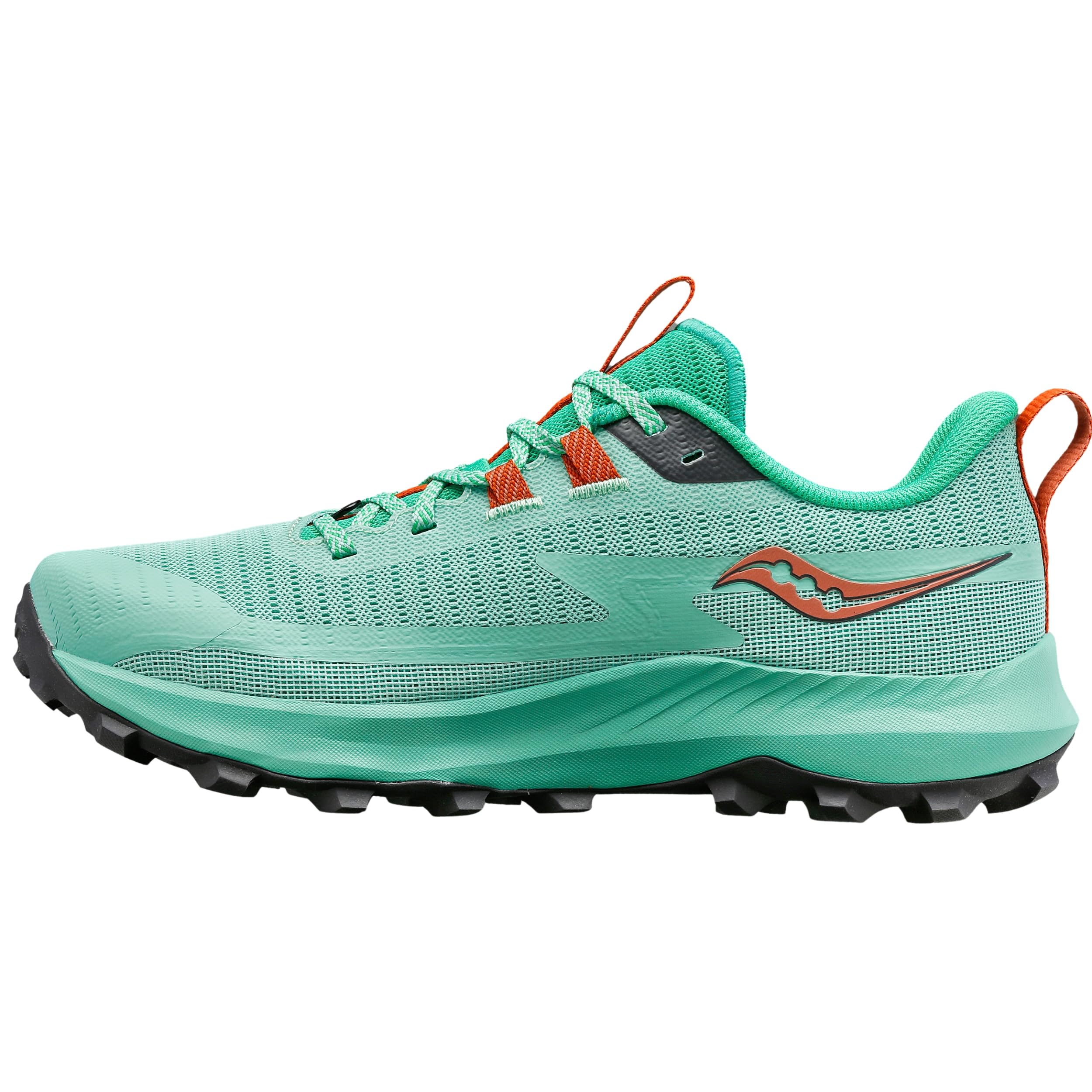
The fast, nimble trail runner that covered 27 miles in a day straight from the start.
At 2.43 pounds, the Peregrine 13 is the lighter end of the trail-shoe scale, and that shows up in how quick it feels underfoot. Cushioning comes from PWRRUN foam (Saucony’s performance midsole foam) that takes the sting out of hard landings while letting you feel the ground. Grip is strong on slippery muddy hills and wet rocks, and the stability keeps your ankle from rolling on uneven surfaces. Comfort is the top reason this one lands here — owners wore it for a 27-mile day with zero discomfort, and one put it plainly: “wore for 27 miles in one day without break-in, no discomfort or pain.”
The version 13 runs lighter and more nimble than the earlier v11-12, though a little less sturdy for big hikes. Durability is the honest weak spot: the upper material above the top lace holes has started to come apart for some owners after a few months of weekly use, and one saw the rubber on the mesh separate within days. Treat it as a performance shoe you’ll replace sooner than a workhorse hiking boot.
Peregrine trail pedigree: Light, agile, and gripping on wet and dry trails, with a tapered fit that locks the foot in.
Snug fit: Durability is mixed — the upper and mesh can wear faster than you’d expect.
Fast trail runs: you want an agile, light trail shoe for fast days out.
Roomy toe fans: you need one pair to last several seasons of hard hiking.
7. New Balance Women’s Dynasoft Nitrel V6 Trail Running Shoes
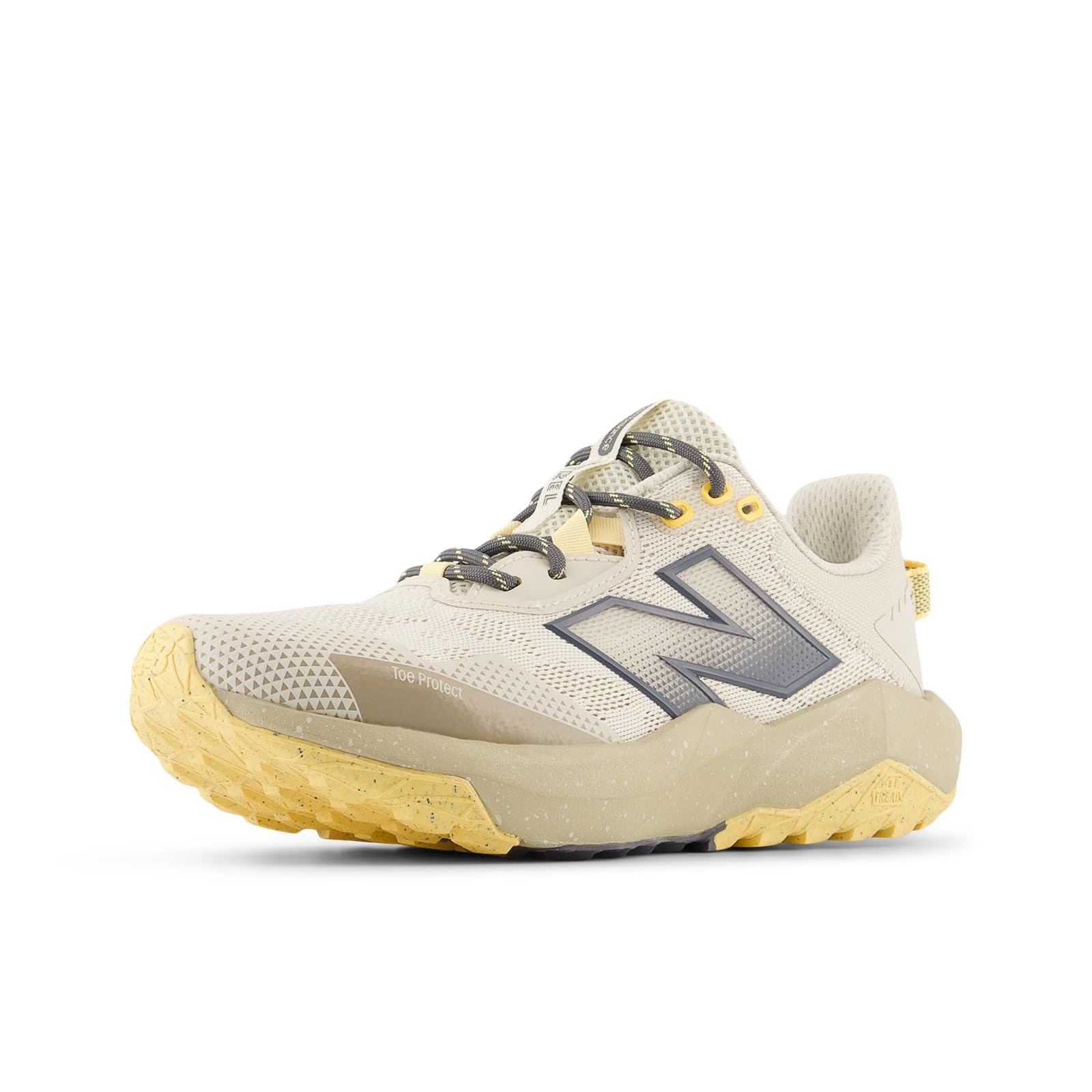
A budget-friendly trail shoe that pulls off comfort and light weight without the sticker shock.
Weighing 2.1 pounds, the Nitrel V6 is a relatively light option, and it brings responsive comfort to the trail without the price of a premium shoe. Comfort and quality both land well: owners find it light and comfortable on road and trail, with a wide fit that keeps bunions from rubbing into blisters. The style also earns praise, with colors that owners say go with plenty of outfits. Walking all day, or walking on different terrains, is exactly where it fits.
The main thing to plan for is fit. Owners widely recommend sizing up — some go half a size, others a full size — because the shoe runs narrow across the standard cut. Cushioning is on the low side too, so if you want a pillowy, soft-landing feel, this may feel thin underfoot. On the plus side, it handles varied terrain with a sole that absorbs shocks, and one owner reports the tread lasts hundreds of miles. At this price, few trail shoes handle road, trail, and all-day walking as willingly.
Value Nitrel cushioning
- 2.1 pounds keeps it light on the trail
- Wide fit helps prevent bunion blisters
- Sole handles varied terrain and softens the bounce
Heavier build
- Runs narrow — size up for the correct fit
- Low cushioning, not for soft-landing fans
Entry trail runs: you want a light, budget-friendly shoe for daily walks and light trails.
Speed work: you need lots of cushioning underfoot.
8. ALTRA Women’s Lone Peak 8 Trail Running Shoe
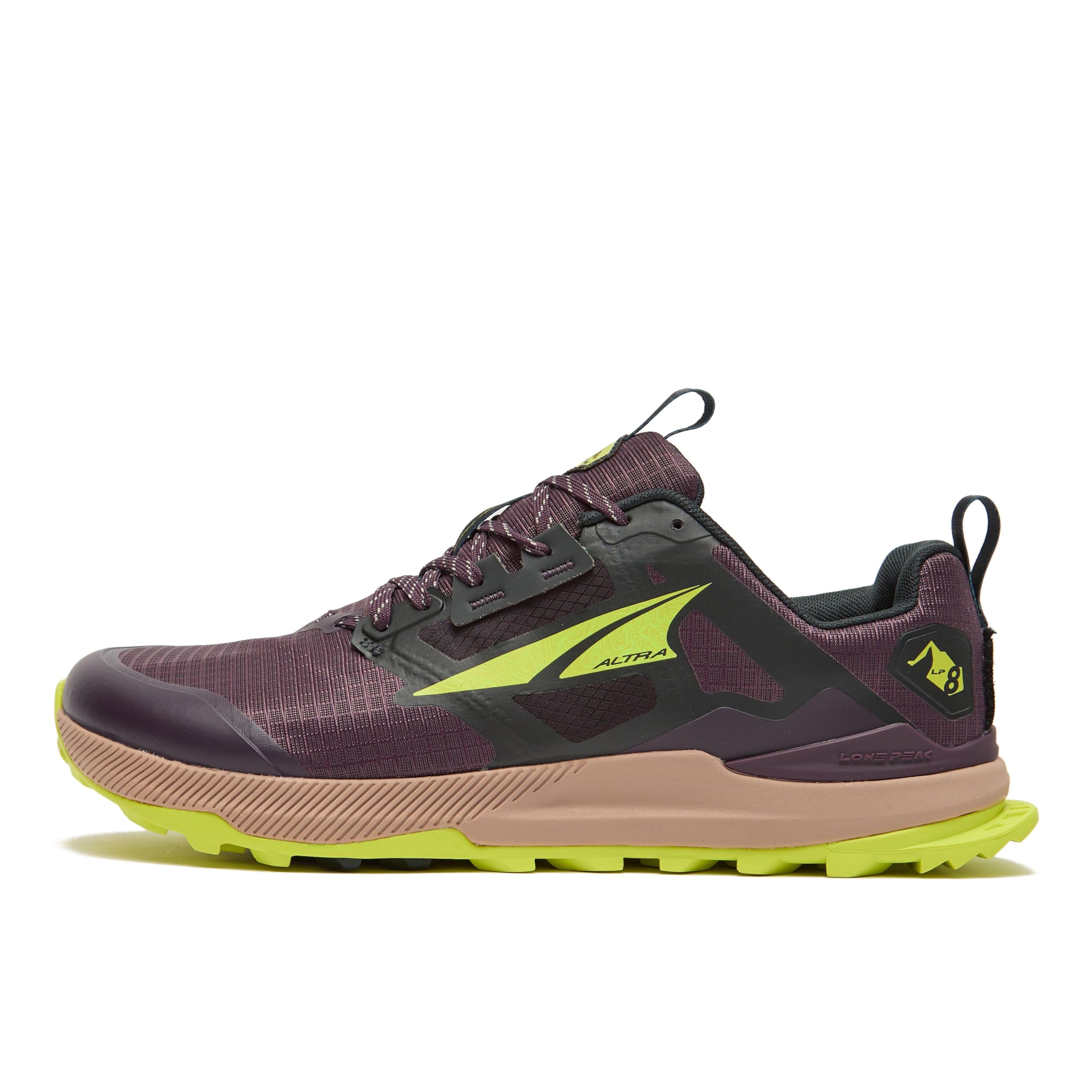
For anyone whose toes have been squeezed by every trail shoe they’ve ever tried.
The Lone Peak 8’s defining feature is its roomiest toe box — the brand’s signature FootShape design gives your toes room to sit naturally and move freely, with extra space through the midfoot. If wide or flat feet have made hiking painful, this is the shoe most likely to fix it. A refined ripstop mesh upper handles the rough stuff, and a MaxTrac outsole gives a sticky grip underfoot. At 11.15 oz / 316 g, it’s a light-to-middling trail shoe, and a zero-drop, balanced platform places your heel and forefoot the same distance from the ground.
The zero drop is the thing to understand before you buy. It changes how your calves and Achilles work, so ease into it rather than heading straight up a mountain. Cushioning is the other mixed point: some owners find it enough for comfort, while others want more foam underfoot. Durability is honest too — one owner reported a seam blow-out at 230 miles while another wore it for two months with the shoe barely marked. On wet rocks and roots, the grip is only mediocre; it shines on mud, loose dirt, and rocky paths.
Lone Peak foot shape: A wide FootShape toe box that lets wide, flat feet and bunions breathe, plus zero-drop natural movement.
Soft midsole: Mixed cushioning and a zero-drop learning curve your calves will notice.
Long trail days: wide feet and toe pressure have blocked you from finding a trail shoe.
Firm ride fans: you want deep cushioning or are new to zero-drop and heading straight out for a big mountain day.
9. Merrell Women’s Moab 3 Waterproof Hiking Shoe

The rock-solid hiker people come back to for a second and third pair.
Firm footing is what the Moab 3 is here for. A grippier Vibram outsole handles rocky trails and uneven ground well, and the new insole adds support through the arch. It’s been through farm work, hiking, creek wading, and rock climbing for owners who have owned several pairs, and it cleans up with a simple hose-down. Weighing 2.09 pounds, it stays a manageable weight for a supportive hiker, and its partially recycled fabrics add a touch of everyday appeal.
The fit is a bit of a coin toss: a fair number of owners say it runs big, so consider ordering half a size down. Comfort divides people too — some love the support, while a handful find it clunky. Water resistance draws the most concern, with the listing offering a waterproof label while a few owners question how well it actually seals. For rocky terrain and a stable, planted feel, it’s a solid choice as long as you size thoughtfully.
Waterproof Moab build
- Grippier Vibram outsole for rocky trails
- Supportive insole and stable footing
- Easy to hose down after muddy days
Clunky weight
- Runs big for some owners
- Waterproofing is questioned by a few owners
Wet hikes: you want stable, supportive footing on rocky trails.
Fastpacking: you want a light, flexible feel or a sure half-size fit.
10. New Balance Women’s Fresh Foam X Hierro V8
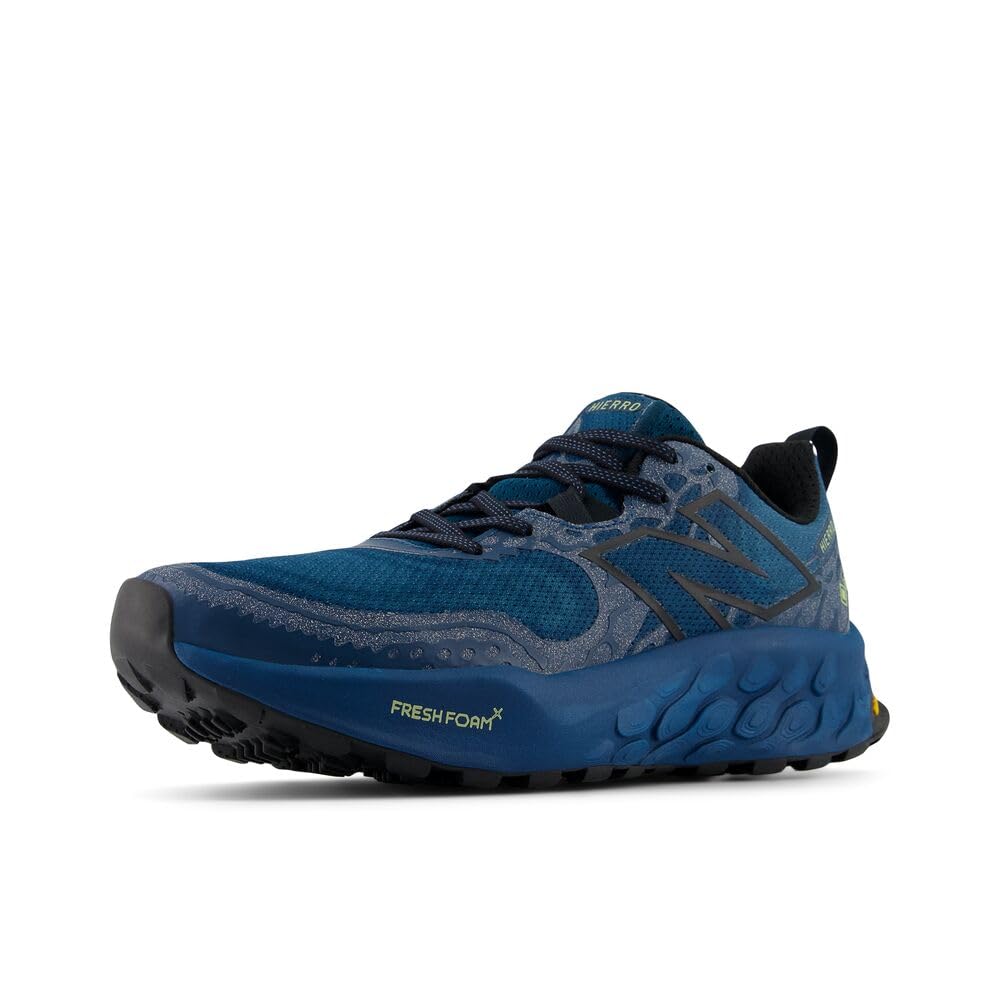
Cushioning that lasts the whole trail, wrapped in a shell that shrugs off rocks and rain.
The Hierro V8 pairs a Fresh Foam X midsole with a Vibram Eco-Step Natural Outsole, and the result is a protective shell of traction around a plush, cushy ride. At 1.5 pounds, it’s the lightest shoe on this list, so a full day out doesn’t punish your legs. Appearance is the thing owners love most, with colors that work on the trail and around town. Comfort and foot support come through strongly too, and several owners wear it for hiking as readily as for walking.
Wet weather is where it gets interesting. The mesh toe has zero water resistance, so a wet winter day will soak through — but buyers report the shoe stays dry in heavy rain for a few hours, and the fast-draining mesh keeps it breathing when the sun is out. Sizing runs small for some and wide for others; this version has a noticeably wider fit than the last. Grip is mixed, with confident handling on dry trails and some complaint about the tongue sliding down.
Fresh Foam comfort: 1.5 pounds, a cushioned Fresh Foam X ride, and a sturdy Vibram outsole make for a light shoe with real comfort.
Loose heel hold: The mesh upper has no water resistance for wet climates, and the tongue can wander on long walks.
Daily trail miles: you want the lightest cushioned ride and mostly dry trails.
Technical footing: you hike in wet, rainy conditions most of the year.
11. Danner Mountain 600 Women’s Hiking Boots

A leather boot that anchors your ankle on uneven ground while barely adding weight.
If your ankles have rolled one time too many, this is the pick. A combination of a Vibram SPE midsole and Fuga outsole gives grip on wet and dry surfaces, and a leather or suede upper with Danner Dry waterproof protection keeps the weather out. Ankle support and arch support are both strong, and owners mention the boots last up to three years with no break-in needed. Fit is what buyers praise most, with one 74-year-old owner calling them “fantastic and comfortable right from the start.”
Despite the rugged build, owners describe it as surprisingly light — close to sneaker weight. On a six-hour hike straight from the box, it produced no blisters or bruises, and on wet granite it stayed planted. The trade-offs are real: it runs a touch warm, so your feet can overheat on a summer hike, and a few owners want more cushioning at the top of the ankle. One owner suggests sizing up half a size for foot swelling, which is worth considering if you hike in thick socks.
Ankle-locking support
- Strong ankle and arch support
- Danner Dry waterproofing for rain and streams
- Vibram grip that holds on wet granite
Stiff leather
- Can run warm in summer heat
- Ankle collar could use more cushioning
Rugged backpacking: you need real ankle support on rough, wet terrain.
Casual walks: you hike mostly in hot weather and want maximum breathability.
Know the Specs
Stack Height and Drop
Stack height is how high the foam sits under your foot, while drop is the height difference between heel and toe. A zero-drop shoe, like the Altra Lone Peak 8, puts your heel and forefoot the same distance from the ground, which encourages a flatter, more natural stride. If you’re used to a raised heel, give yourself several short walks to adjust before a big mountain day.
Toe Box and FootShape
The toe box is the front of the shoe. A roomy, anatomical toe box lets your toes spread and stops them jamming on a downhill. Brands like Altra build their shoes around a wider FootShape, and several offerings here use a wide-toe design for exactly that reason. If bunions or wide feet have kept you in uncomfortable shoes, this is the spec to prioritize.
Outsole and Lugs
The outsole is the bottom layer of the shoe, and lugs are the raised teeth that bite into dirt and rock. Deeper, aggressive lugs (the Salomon Alphacross 5 is built around them) grip mud and shed it as you go. A stickier rubber outsole, like Vibram on the Merrell Moab 3 or Danner Mountain 600, trades a little mud-shedding for better grip on wet rock.
Waterproofing Explained
Waterproof shoes use a sealed membrane to keep water out — good for streams, wet grass, and rain. Water-resistant shoes handle brief splashes but breathe better. For hot, dry trails, a breathable, fast-draining mesh upper can be more comfortable than a fully sealed shoe, even if it soaks through faster.
Common Questions
Do lightweight hiking shoes for women need a break-in period?
What does zero drop mean, and is it right for me?
Will a wide toe box make the shoe feel too big?
Is waterproof better than water resistant for hiking?
How much does shoe weight actually matter?
Should I size up or down in trail shoes?
Can I wear lightweight hiking shoes for trail running too?
How do I stop my heel from slipping in a roomy shoe?
Are these shoes good for wide feet and bunions?
The Bottom Line
For most walkers, the winner in lightweight hiking shoes for women is the Columbia Peakfreak II Outdry because it combines waterproof protection with a no-break-in fit that carries you through a long trail day. If you want the roomiest toe box and natural movement,the Altra Lone Peak 8 is the one to reach for. And for wet, slippery trails where grip matters most, the Columbia Vertisol Trail keeps you plant-footed even in the rain.
Whichever pick you choose, take ten minutes to check the heel and toe room before your first big outing — that single step catches most fit problems early. The Columbia Peakfreak II Outdry is the crowd favorite here — 4.5+ stars across 700+ owners — and the safest bet if you want a waterproof shoe you can hike in straight from the box.
How we choose
We do not accept paid placement. Every pick is matched to a real buyer and a real use-case; we do not hands-on test units.
Sources
Specifications: manufacturer listings and product documentation. Review insights: verified customer reviews, as of October 2026. Pricing: not shown on this page (it changes often); check the current price via the retailer link.
As an Amazon Associate, Aappliancez earns from qualifying purchases. This does not affect which products we feature.