Disclosure: Some links in this post are affiliate links. As an Amazon Associate I earn from qualifying purchases, at no extra cost to you. Learn more
Specs are compiled from manufacturer listings and verified buyer reviews and can change over time — please confirm the key details on the product page before buying.
If you want the oil that gives you the throat-catching peppery burn on the way down, buy a single-variety Koroneiki — and the one to start with is the Iliada Kalamata PDO. That burn is a sign of freshly pressed, high-polyphenol oil, not a defect. Below you will find five Greek and California bottles, sorted by what each one actually does best in a kitchen.
This guide is built by comparing the manufacturers’ published specifications and the patterns across verified customer reviews, so you get each pick’s real strengths and trade-offs instead of marketing spin.
You will learn which bottles are meant for sipping and finishing, which ones handle the frying pan, and where the harvest-date trap hides. Read on for the koroneiki olive oil picks that earn their spot in your cupboard.
Top Picks
How To Choose The Best Koroneiki Olive Oil
Koroneiki is a Greek olive variety that tends to produce small fruit and oil with a green, grassy aroma and a bitter, peppery finish. The variety tells you what style to expect. It does not tell you whether the bottle in your hand is fresh, so keep an eye on the details below instead of the marketing on the front.
Start with the harvest date, not the label art
Olive oil is a juice, and it fades with age. A bottle that prints the harvest year and presses the fruit within hours or within a day of picking is telling you something useful. A bottle where the harvest date is missing or vague leaves you guessing, and freshness is the single biggest driver of that lively peppery kick.
Understand what the burn means
That sting at the back of your throat comes from polyphenols, plant compounds most concentrated in oil pressed from early-harvest fruit. A mild, buttery bottle can still be pleasant for baking or sautéing. Just know going in that you are trading the bite for neutrality.
Match the bottle to how you cook
Drizzle a sturdy, pungent oil raw over fish, salad, or warm bread to get its full flavor. If you plan to fry at higher heat, check the product’s own notes about smoke point (the temperature where oil starts to burn) and intended use rather than assuming every bottle behaves the same. Buy a small bottle if you cook for one, since oil degrades once opened.
Check the packaging
Light speeds up spoilage, so dark glass or an opaque tin is doing quiet work for you. A well-sealed screw cap and a thoughtful pourer keep the oil away from air between uses. Budget-tier bottles often skip these touches, so it is worth looking for.
Side-by-Side Comparison
| Model | Best For | Origin / Variety | Capacity | Extraction | Amazon |
|---|---|---|---|---|---|
| Corto TRULY Extra Virgin Olive Oil★ Best Overall | Everyday cooking and dipping | California blend of 3 olive types | 17 Fluid Ounces | Cold Extracted | Amazon |
| Iliada Kalamata PDO Extra Virgin Olive OilPure Koroneiki | Sipping and finishing | Kalamata PDO, single-region Greece | 16.9 Fluid Ounces | Cold Press | Amazon |
| Liokareas Organic Extra Virgin Olive Oil | Organic daily driver | Single-source Greek, USDA Organic | 16.9 Fluid Ounces | Unfiltered Cold Pressed | Amazon |
| Kosterina Original Extra Virgin Olive Oil | sturdy finishing drizzle | 100% Koroneiki, southern Greece | 16.9 Ounce | Cold Pressed, early harvest | Amazon |
| théa Premium Greek Extra Virgin Olive Oil | Cooking and gifting | Koroneiki, Kalamata family groves | 25.4 Fluid Ounces | First Cold Pressed | Amazon |
Detailed Reviews
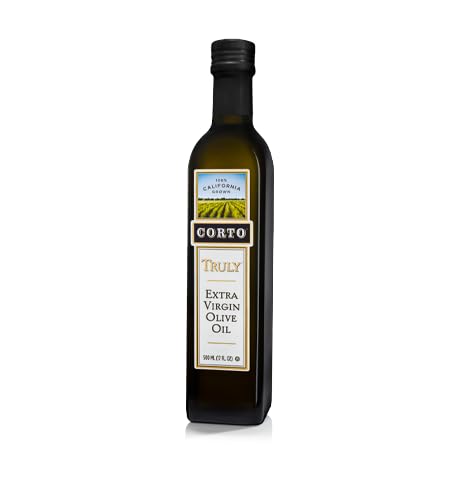
1. Corto TRULY Extra Virgin Olive Oil 17 oz
Our pick — 4.5+★ from 950+ verified ratings; the strongest balance of quality and price.
A California bottle that tastes clean from the first drizzle and behaves well in the pan.
You get 17 Fluid Ounces of oil, cold extracted from three olive types grown in Lodi, California — and that means one bottle covers both your salad and your skillet. Cold extraction here means the fruit is pressed without high heat, so the oil keeps its fresh, grassy flavor instead of tasting cooked. Owners reach for it as a dressing and a dipping oil with bread, and the narrow bottle pours without glugging all over the counter.
What wins people over is the cleanliness of the flavor — this is the bottle that converts people who thought olive oil tasted muddy. The heaviest praise lands on quality, then versatility, which tracks with a bottle that works in three or four different dishes a week. As buyers report: “I tried this olive oil in a restaurant as a dipping oil and you could really taste the quality of the olives.” One practical note: this is a mild California-style oil, so if you want the fierce peppery punch of a Greek Koroneiki, look at the Kosterina below instead.
The honest catch is freshness. This bottle weighs 3.04 pounds against 1.05 pounds for the Liokareas, so it is a substantial package — and one batch shipped as the prior year’s harvest, which the company made right with a full refund. That is a service complaint, not an oil complaint. The recurring grumble is value: some buyers feel the price is steep for a bottle that pours faster than they expected.
What earns the top spot
- Cold extracted within hours of harvest, so the flavor stays fresh
- Works as both a dipping oil and a cooking oil
- Narrow bottle pours cleanly without spilling
- Transparent harvest and production information on the label
Where it gives you pause
- Mild, neutral style — not for peppery-burn seekers
- A heavier 3.04-pound bottle than most Greek 500ml options
- Some buyers feel the value does not match the cost
Buy this if: you want one versatile bottle for salads, bread, and sautéing without a sharp bite.
Think twice if: your whole reason for buying Koroneiki is the throat-sting — grab the Kosterina instead.
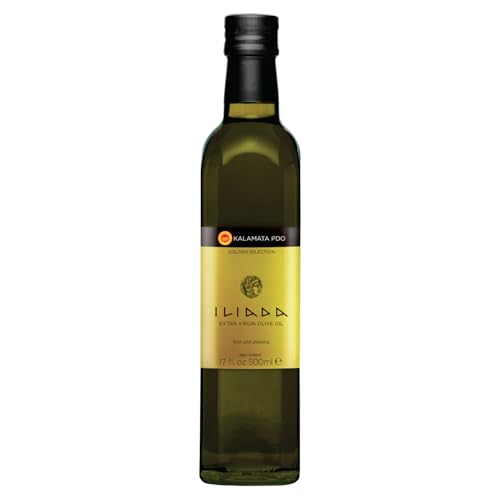
2. Iliada Kalamata PDO Extra Virgin Olive Oil 500mL
The one bottle on this list that is Koroneiki and nothing else, from one Greek region.
Most “Greek” oil on a shelf is a blend. This one is monovarietal Koroneiki — meaning the oil comes from a single olive variety — grown, milled, and bottled under Kalamata PDO status (Protected Designation of Origin, an EU certification that ties the oil to a specific geographic region and traditional method). That is the closest thing to a guarantee that the peppery bite you are chasing is actually in the bottle.
Flavor is what wins people over here, and it is the aspect that dominates the review pages. The oil is milled within 24 hours of harvest, with free acidity at or below 0.2% at bottling — low acidity being the marker of clean, careful production. It has won Extra Virgin Olive Oil of the Year honors six years running, and the aroma runs to green banana, artichoke, and fresh-cut grass. Owners sip it straight for the polyphenols, pour it on salads, and tear off bread to dip. As owners put it: “This is Best Olive Oil Sipping Ever.”
The trade-off you should know: this is a 500mL bottle, which is roughly half a liter. One blunt buyer summed it up with “This is only a half Liter. but it’s good.” At 16.9 Fluid Ounces it is about a single percent smaller than the Corto’s 17 — but the Iliada is a finishing oil, not a fryer oil, so it disappears fast if you cook with it daily. Serve it raw over grilled fish, pasta, or vegetables and let the bottle last.
The real story: a single-varietal, PDO-certified Koroneiki that does the peppery, pungent thing Koroneiki is supposed to do — and does it consistently enough to have won top honors for six years running.
What to plan around: at 500mL it is a sipping and finishing bottle. If you want volume for everyday cooking, the théa’s 25.4 Fluid Ounces goes further.
Reach for this if: you want a textbook expression of the Koroneiki variety, from one region, in one bottle.
Look elsewhere if: you need a large-format cooking oil — this one is best saved for the good bread.
3. Liokareas Organic Extra Virgin Olive Oil 500ml

An organic Greek bottle that does the unglamorous work: a peppery drizzle on everything you cook.
Here is the paper-trail angle: Liokareas is USDA Certified Organic, OU Kosher, Non-GMO, Paleo and Keto friendly, and it is unfiltered and cold pressed. That is a lot of labels, but they are telling you the oil was pressed and bottled at the company’s own facility rather than bought on a commodity market. It is single-source Greek Koroneiki, so you still get the green-peppery character you came for.
Quality leads the feedback by a wide margin, with taste right behind it — buyers describe a mild peppery taste that shows up when the raw oil hits your tongue. It is the bottle people keep in the pantry for cooking, dressing, and even DIY hair or skin blends, since the label lists carrier-oil use. The 500mL size suits a small household that goes through a bottle in a month or two.
One thing to weigh: the harvest date is the weak spot in the feedback. Most bottles arrive fresh, but a few buyers mention an older harvest, so it is worth checking the printed date when the box lands. There is also a leak risk in transit. As owners mention: “My issue it was leaking in transit. The plastic spout was cracked.” The seal should hold, so inspect it on arrival. The oil itself has held up well, though — several owners note it works beautifully in couscous and caprese salads.
Your pick if: organic certification and a single-origin Greek source matter to you as much as the peppery taste.
Check on arrival: the plastic spout — inspect the seal before you put the bottle away.
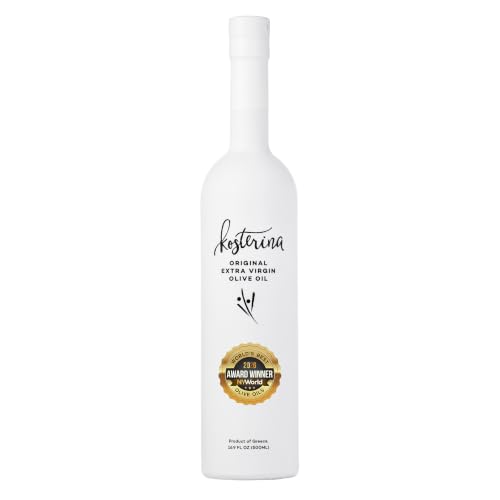
4. Kosterina Original Extra Virgin Olive Oil 16.9oz
If you want the oil that makes you cough, this is the bottle of Koroneiki you buy.
The draw here is the style. Kosterina presses early-harvest Koroneiki from 100% hand-harvested olives in southern Greece, cold, at the very start of the season — which is when the peppery burn is strongest. It is packaged in opaque glass or tin, the only way to store olive oil if you want it to keep, since light degrades it fast. At 16.9 Ounce it is an everyday bottle with a finishing oil’s personality.
Owners describe the taste as sturdy with a peppery finish that hits the back of the throat. Owners drink it neat for the polyphenols, pour it over pasta, or drizzle it on warm bread. If the Iliada is the measured, drinkable Koroneiki, the Kosterina is the loud one — the same variety with the volume turned up. That intensity is exactly what the core fan base wants, and the feedback reflects it: quality and taste dominate the conversation, with health benefits and polyphenol content close behind.
The honest caveat is that the intensity cuts both ways. A buyer who came for a mellow, buttery oil will find this sharply bitter instead. It is also priced as a premium bottle, and value is the one area where sentiment splits. Buy it because you want the bite, not because you want a bargain.
Who it is built for: anyone chasing that specific peppery sting, or adding a finishing oil with real personality to a charcuterie board.
Best for: the sipper who wants the burn and knows the difference between bitter and spoiled.
Not for: mild-oil fans who want a neutral base for baking.
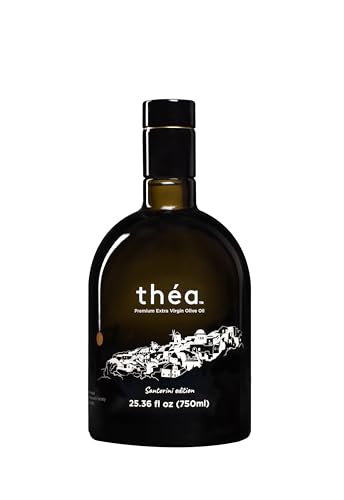
5. théa Premium Greek Extra Virgin Olive Oil, 750ml
A bigger 750ml bottle of family-grove Koroneiki that works as hard in the pan as on the table.
Where the other Greek picks are 500mL sipping bottles, théa gives you a full 750ml — 25.4 Fluid Ounces — from the family’s own groves in Kalamata. It is single-sourced and never blended, first cold pressed, and certified both Kosher and Halal. The bottle is a limited-edition design with a screw cap and a built-in pourer, sealed in dark glass to keep light off the oil.
Flavor here runs light and grassy rather than fierce. Owners call it balanced and mild, which makes it the one Koroneiki on this list you can bake with — an olive oil cake will not taste overwhelmingly of olives. It also works for cooking, dips, and dressings without overwhelming the dish. The bottle itself draws notice, and the gift box makes it an easy present for someone who has not discovered Greek oil yet.
The recurring frustration is freshness. Most bottles arrive pleasant, but some customers note the harvest date shown in the product photos is not printed on the bottle they receive, which makes it hard to judge age. A few find the price hard to justify for an everyday bottle, though others call it money well spent. Grab it if you want volume and a giftable bottle. Pass if the printed harvest date on the label is a must-have.
Worth grabbing if: you want a larger bottle of mild Greek Koroneiki that doubles as a handsome gift.
Worth skipping if: you need the harvest year printed on the bottle to feel confident.
Know the Specs
Polyphenols
These are natural plant compounds in olive oil, and the peppery sting at the back of your throat comes from them. Oil pressed from early-harvest fruit typically carries more, which is why a bitter, pungent bottle is often a sign of fresh oil rather than a flaw. A mild bottle like the Corto is still pleasant; it just trades that bite for a softer, buttery finish.
Cold Pressed / Cold Extracted
This means the olives are pressed without high heat. Heat speeds up extraction but degrades the delicate flavor and the antioxidants, so cold-processed oil tends to taste greener and fresher. It is the same idea as squeezing a lemon gently rather than boiling it. Look for the phrase on the label; every bottle on this list uses a cold process.
Free Acidity
Free acidity is a number that measures how carefully the oil was made — lower means the fruit was handled well and the oil is fresher. The Iliada lists free acidity at or below 0.2% at bottling, which reflects clean production. It is a spec to check if you are comparing bottles, not something you can taste directly.
Harvest Date
Olive oil is a juice and loses freshness with age, so the harvest year tells you more than any fancy label. A bottle pressed this season will taste brighter than one sitting from two years back. If the date is absent, you are guessing. That is why a printed harvest date is worth seeking out when you compare bottles.
Common Questions
What makes Koroneiki olive oil different from other Greek oils?
Is the peppery burn in Koroneiki olive oil a sign of quality?
Can I fry with Koroneiki extra virgin olive oil?
Why does the harvest date matter on a bottle of olive oil?
What does PDO mean on a bottle of Greek olive oil?
Should Koroneiki olive oil be stored in the fridge?
How long does an opened bottle of extra virgin olive oil stay fresh?
Is single-variety Koroneiki better than a blended olive oil?
Does organic certification matter for olive oil?
Can I use drinking Koroneiki olive oil on my skin and hair?
The Bottom Line
For most kitchens, the strongest starting point is the Corto TRULY Extra Virgin Olive Oil — it is cold extracted, versatile from salad to skillet, and the clean flavor makes it an easy first bottle. If you want the peppery throat-sting that defines the Koroneiki variety, the Iliada Kalamata PDO is the bottle to buy, with six years of Extra Virgin Olive Oil of the Year honors behind it. And if you need volume that doubles as a gift, the théa Premium Greek Extra Virgin Olive Oil at 750mL earns the spot.
How we choose
We do not accept paid placement. Every pick is matched to a real buyer and a real use-case; we do not hands-on test units.
Sources
Specifications: manufacturer listings and product documentation. Review insights: verified customer reviews, as of October 2026. Pricing: not shown on this page (it changes often); check the current price via the retailer link.
As an Amazon Associate, Aappliancez earns from qualifying purchases. This does not affect which products we feature.