Disclosure: Some links in this post are affiliate links. As an Amazon Associate I earn from qualifying purchases, at no extra cost to you. Learn more
Specs are compiled from manufacturer listings and verified buyer reviews and can change over time — please confirm the key details on the product page before buying.
You find the dead patches in late summer, tug the turf back like a carpet, and see the white C-shaped grubs curled in the soil. That is the moment you need a grub product chosen for one thing above all: whether it actually reaches the grubs where they live. This list covers the granule and liquid options that go into the soil, drench the root zone, or seed the lawn with a natural disease that targets beetle grubs — and it tells you plainly which one fits the stage your lawn is in right now.
This guide is built by comparing the manufacturers’ published specifications and the patterns across verified customer reviews, so you get each pick’s real strengths and trade-offs instead of marketing spin.
A granule you sprinkle and forget is not the same as one you have to water in, and a biological grub control behaves nothing like a chemical drench. Below you’ll find the honest differences between the leading insecticide for grub worms options before you put anything on your lawn.
Top Picks
How To Choose The Best Insecticide for Grub Worms
The grub problem in a lawn is really a timing problem. Grubs are beetle larvae that live in the top layer of soil and chew on grass roots from below, so anything that only touches the surface will miss them. What separates one product from another is how far the active ingredient travels down into that root zone and how long it keeps working once it is there.
Match the product to the grub stage
Early in the season, grubs are small and close to the surface, so a contact granule you water in can reach them. Later, when grubs are bigger and deeper, a systemic product that the grass roots draw up and hold into the plant gives you more reliable control. Milky spore works differently again — it is a natural bacteria that infects Japanese beetle grubs, and it builds up in the soil rather than knocking grubs down in a day.
Residual: how many months you get per application
Residual is the working life of the product after you spread it. A granule that holds for 2 to 4 months means fewer repeat passes with the spreader, while a shorter-lived option may need re-treating mid-season. If your grub pressure comes back every year, buying a product with a longer residual can save you labour even when the bag itself costs more.
Coverage and spreader settings
Check the square footage each bag covers before you commit, because a 20-pound bag and a 15-pound bag can treat very different areas. Most granules want a drop or broadcast spreader set to the bag’s label, followed by watering so the granules break down and sink into the thatch. Skipping the watering step is the most common way people waste a whole application.
Side-by-Side Comparison
| Model | Best For | Form | Coverage / Size | Target Pests | Amazon |
|---|---|---|---|---|---|
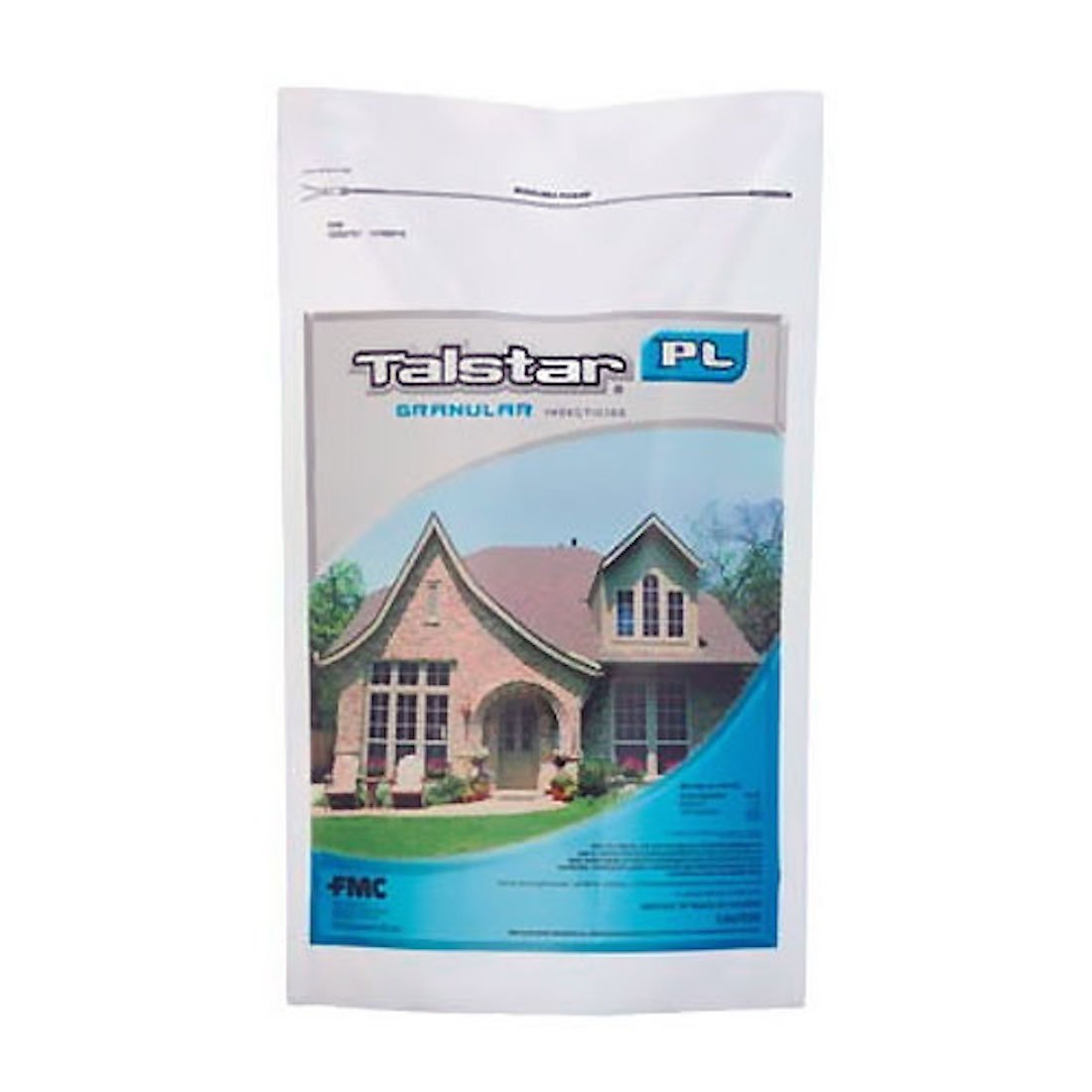
| Talstar PL Granules Insecticide★ Best Overall | All-around grub and ant control | Granules | 400 Ounce | Grubs, ants, fleas, spiders | Amazon |
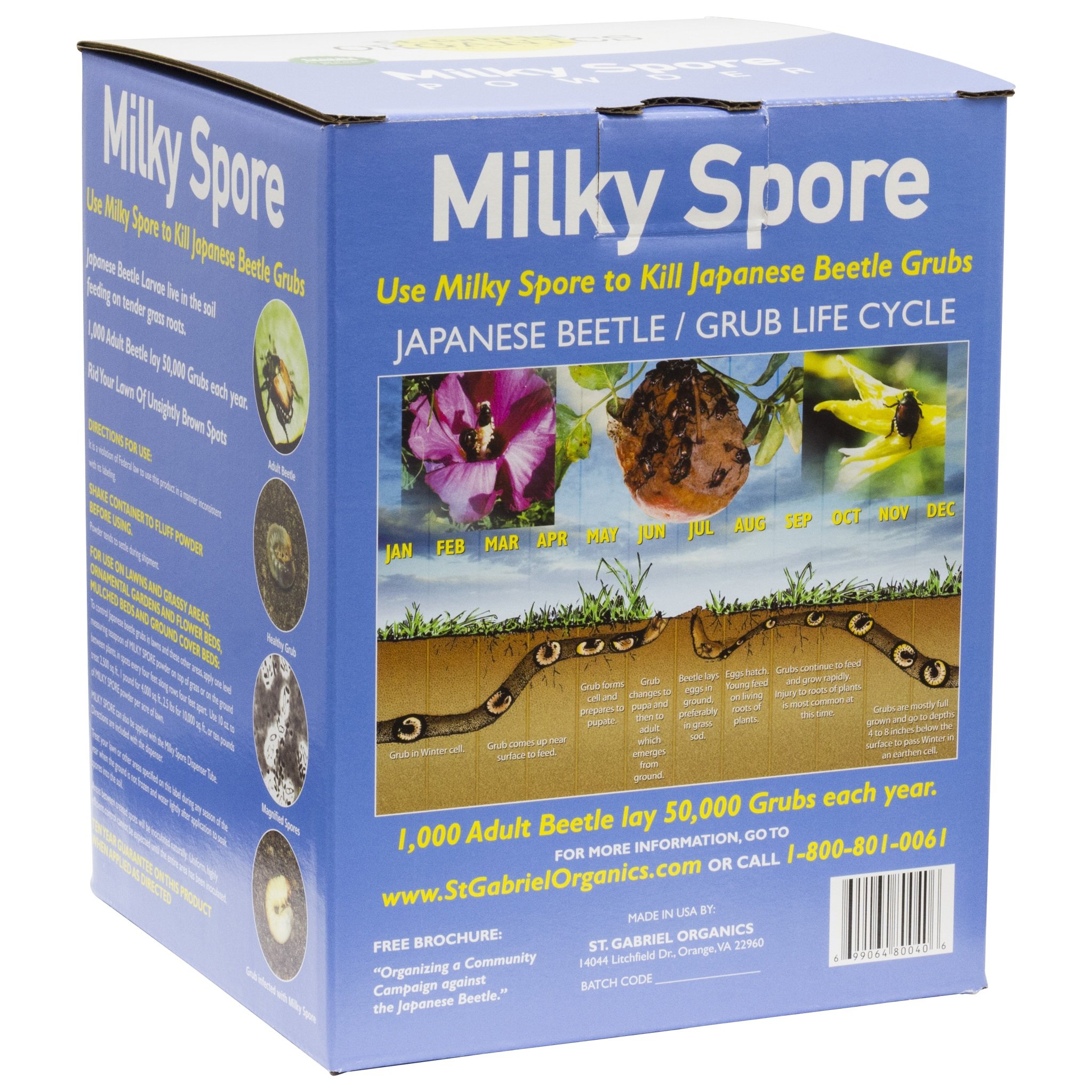
| Milky Spore 80010-9 Japanese Beetle KillerTiny Bag, Big Reach | Small-area Japanese beetle grubs | Powder | 1 Count (10.1 oz) | Japanese beetle grubs | Amazon |
| Ortho BugClear Lawn Insect Killer, 20 lb | Wide fast-kill coverage | Granule | 20 lb / up to 20,000 sq ft | Ants, ticks, armyworms, sod webworms, fleas, spiders | Amazon |
| Sevin Lawn Insect Granules, 20 Pounds | Budget multi-pest lawn treatment | Granules | 20 lb / 320 Ounce | Over 30 listed pests | Amazon |
| St. Gabriel Organics Milky Spore Granular Grub Control, 15lb | Long-term organic grub defense | Granules | 15 lb / 240 Ounce | Japanese beetle grubs | Amazon |
| Quali-Pro Imidacloprid T&O 2F Insecticide | Systemic liquid for tough grub spots | Liquid concentrate | 128 fluid ounces | Chafer, Japanese beetle, crane fly grubs | Amazon |
| Bayer Merit 0.5 Granular Systemic Insect Control, 30 lb | Premium large-lawn grub control | Granules | 30.1 lb bag | Grubs, chinch bugs, small turfgrass pests | Amazon |
Detailed Reviews
1. Talstar PL Granules Insecticide
Our pick — 4.5+★ from 750+ verified ratings; the strongest balance of quality and price.
The granule that keeps working through the season instead of quitting after a week.
What earns Talstar the top spot on this list is a working life of 2 to 4 months per application — the longest residual listed here for a granule. That number is the whole story. It means you spread once and the product keeps protecting turf through the weeks while grubs are feeding, rather than dying off and letting a second wave move in. Given the crowd that backs it — 4.5+ stars across 780+ ratings — it is also the pick most owners describe as genuinely effective on the pests they care about.
Talstar uses a sand core granular structure, which is the carrier that holds the active ingredient. The practical benefit is that it penetrates mulch and grass with no watering needed to activate, a genuine convenience if your outdoor water access is awkward or you are treating ground cover you cannot easily soak. Spread it and the granules work their way into the thatch on their own.
The honest catch: it is slow by design. Owners describe waiting roughly two weeks before the knock-down is obvious, and the reason matters. The active ingredient is meant to be carried back to the nest by the insects rather than killing them on contact, so a stronger mix on the surface would defeat that. Ant control is the secondary strength people call out — broadcast it along borders, edges, cracks, and baseboards, and the response is consistent. Owners treating infested cast trailers and long-standing colonies report it taking hold. It reaches ground-crawling insect grubs, fleas, crickets, and earwigs too, since those all spend time where the granules settle.
What earns it first place
- 2 to 4 month residual — the longest of any granule on this list, so fewer re-treatments
- Needs no watering to penetrate mulch and grass, which suits covered or hard-to-reach ground
- Targets grubs while also handling ants, fleas, crickets, and earwigs in the same pass
- Works as a perimeter barrier around borders, cracks, and baseboards as well as open lawn
The parts to go in knowing
- Slow by design — expect roughly two weeks before results show
- Not for fish ponds — the maker flags it as unsafe around water
- Mixing it stronger than directed kills surface ants only and undercuts the nest control
Reach for this if: you want one spread to hold a grub and ant problem through the season with minimal fuss.
Think twice if: you have fish or a pond nearby, or you need visible results inside the first week.
2. Milky Spore 80010-9
A powder so concentrated a light dusting treats far more lawn than its bag suggests.
Do not judge this one by the bag. The 10.1-ounce container is a fraction of the weight of the Sevin granules at 16 ounces — the Sevin bag is 58% heavier — yet the whole point of milky spore is that it spreads thin deliberately. Buyers report the kind of coverage that sounds like a misprint: a tiny bag, three-quarters of it spread thin over three-quarters of an acre, with one yard going its first year in nine clear of Japanese beetles. You rake it into the soil or apply it to the surface, and it works as a living control rather than a surface kill.
What it does over the long run is the real sell. Customers find it lasting for over six years, and it builds in the soil so the effect strengthens with time. Owners using it year after year note it kept moles and armadillos from digging for grubs. It also cleared a range of garden pests and brought a shady grass patch back in about a week.
Two practical notes. The fine powder needs a light hand — the label application is one teaspoon per 4 square feet, watered in gently, and it goes inactive below 50°F soil temperature. Instructions are not always in the bag, so find the rate online before you start. And the price draws mixed feelings; some consider it a bargain for a years-long fix, others find it steep up front. Budgets differ, and the longevity is the thing that justifies the spend for most.
Where it shines: the thinnest spread on this list by far, and a soil effect measured in years instead of months. If beetles have returned every season, that persistence is what you are buying.
Set it up right: apply when soil is above 50°F, mix to the label rate rather than eyeballing, and water gently. It is a long game, not a same-day knock-down.
Built for: anyone tired of re-treating Japanese beetle grubs every year who wants a one-time soil solution.
Not the fit for: a lawn already overrun — it works gradually, so pair a fast kill with it if the damage is active now.
3. Ortho BugClear Lawn Insect Killer 20 lb.

One 20-pound bag that treats up to 20,000 square feet in a single afternoon.
The headline figure is coverage: up to 20,000 square feet per bag, which is a serious amount of lawn for a single spreader pass. Ortho BugClear works by contact, killing above and below the ground, so it addresses grubs in the soil along with ants, ticks, armyworms, sod webworms, fleas, and spiders on top. It also creates a barrier to keep bugs from moving indoors, which makes it useful around a home’s perimeter as well as across open turf.
Getting it down is straightforward if you own the right tool. The label calls for a Scotts Drop, SpeedyGreen, or EdgeGuard spreader, then a watering in. You can also use it on ornamentals, in flower beds, and on listed vegetables. One bag covers almost any residential yard with room to spare, though it earns its place more as a broad multi-pest treatment than a dedicated grub specialist.
The honest split here is effectiveness. Some owners mention it works just as advertised and kills everything in reach, while others find it underwhelming on grubs specifically — a fair reminder that a contact product’s reach depends on whether it meets the grub in the soil. Value draws steady praise, and if your problem is a mixed pest population rather than grubs alone, the broad coverage stretches further.
Why it earns a place: 20,000 square feet of coverage at a value-minded price, in a single bag, for a lawn with more than just grubs to worry about.
Know the limit: it is a contact kill, so results on deep grubs vary — some lawns respond well, some owners want more punch.
Good match when: you have a large yard and a spread of surface pests to knock back all at once.
Rather not, if: grubs are your only target and you want a product built specifically around soil control.
4. Sevin Lawn Insect Granules, 20 Pounds

A bug-killing staple that handles grubs, fleas, ticks, and ants from one 20-pound bag.
Sevin is the name many homeowners reach for without thinking, and the spec sheet explains why: over 30 listed pests from a single bag, covering lawns, ornamentals, around the home, and even vegetables. Alongside grubs it knocks back ticks, fleas, worms, and ants. The 20-pound bag is the heaviest in the garden category here — at 320 ounces, it holds far more product than milky spore’s 240 ounces — so a big lawn gets a substantial spread before the bag runs dry.
Effectiveness is what wins people over, particularly against fleas and ticks, and the value-for-money argument comes up just as often. Owners use it year after year and report it clearing the bug problem around a garage and pole barn, with spiders, ants, and caterpillars gone. Spread it thickly and water it in for best results, since it is a contact product that has to reach the ground.
Like any contact granule, the grub results depend on the granules meeting the grubs. An occasional owner sees a thin response, which usually points to runoff, timing, or a grub population sitting deeper than the product can reach. Treat it as a versatile multi-pest granule rather than a grub-specific cure, and it earns its keep.
What makes it useful
- Over 30 listed pests — grubs, fleas, ticks, and ants in one bag
- Straightforward for lawns, ornamentals, home perimeters, and listed vegetables
- Heavy 20-pound bag gives generous coverage for a large yard
- Steady reputation for effectiveness against fleas and ticks
Where expectations can drift
- Grub results vary with timing and where the grubs sit
- Needs spreading thickly and watering in to hit the soil
Suits: the homeowner wanting one affordable granule for many pests, with grubs as one of several targets.
Look elsewhere if: your only problem is grubs and you want a product made specifically for them.
5. St. Gabriel Organics Milky Spore Granular Grub Control, 15lb

The one application that keeps working for up to 15 years on Japanese beetle grubs.
Here is a number that reframes how you think about grub control: up to 15 years of protection against Japanese beetle grubs from a single application. No other product on this list offers a working life measured in years at that scale. Its active ingredient, Bacillus Popilliae, is a natural bacteria that infects Japanese beetle grubs, and the product is USDA-certified organic — a real distinction if you garden around food crops or keep pets and kids in the yard. Nothing in it asks you to repeat the job season after season.
Applying it is as easy as it gets. Spread by hand or with a spreader, and it starts working as soon as it contacts grubs in the soil. The 15-pound bag covers a proper lawn, and it holds up in bad weather, so a wet stretch after you apply does not undo the treatment. With 4.5+ stars across 730+ ratings, the effectiveness people report lines up with that long view — grub counts drop and stay down.
The trade-offs are real but fair. It is dusty, so wear a mask and keep the granules out of the wind while you spread. Some find it pricey up front, though the years of coverage make the maths different from a one-season granule. And because it is a living bacteria, it can freeze out in cold soil, so time it for a warm stretch. Spread it and let it get to work building the soil’s own defense.
The long play: 15 years of grub protection and USDA-certified organic status in one bag — a single application that keeps paying off.
The small cost: it is dusty and needs warm soil, and the up-front spend feels high until you compare it against retreatment after retreatment.
The natural choice for: a garden where you will not use harsh chemicals and want a fix that lasts years not seasons.
Be aware: it needs warm soil to establish and a mask while you spread — it is dusty work.
6. Quali-Pro Imidacloprid T&O 2F Insecticide (Generic Merit)

A liquid concentrate you mix yourself, built to move through roots to the grubs below.
This is the one pick where the form does the work. Quali-Pro is a liquid concentrate at 21.8% Imidacloprid, mixed with water and poured as a soil drench so the grass draws the active ingredient down to the root zone where grubs feed. It targets the whole chafer and beetle grub family — southern masked chafer, northern masked chafer, Japanese beetle, European chafer, European crane fly, and green June beetle. For turf that has resisted surface granules, that below-ground reach is the difference.
The 128-fluid-ounce bottle goes a long way because the label uses low rates. You pour and dilute, then treat the soil. Owners get great results spraying it on beetle outbreaks; it also works on aphids, ants, and slugs when mixed for those jobs. It is a professional-tier product that homeowners can use, and once you dial in the mix ratio it becomes the workhorse of the collection.
Two things to plan for. The 21.8% concentration means you must measure precisely and wear gloves — it pours thick, and overshooting is easy. And the label warns it must not get near water with fish or aquatic life, so keep it well away from ponds and streams. Read the ratio, mix carefully, and apply as a drench.
Where the strength is: a 21.8% Imidacloprid concentrate that reaches grubs through the roots, at low rates that stretch the 128-fluid-ounce bottle over many treatments.
What it asks of you: precise measuring, gloves while you mix, and strict separation from ponds and streams.
Choose it if: you are comfortable mixing a concentrate and want the deepest soil reach for entrenched grubs.
Pick a granule instead if: you would rather not handle a potent liquid concentrate by hand.
7. Bayer Merit 0.5 Granular Systemic Insect Control

A 30-pound systemic bag built for big turf and serious grub pressure.
Merit is the heavyweight of this list at 30.1 pounds, and it is meant for exactly that — big lawns with grub pressure that keeps coming back. It moves systemically, meaning the grass absorbs the active ingredient through the roots and holds it in the plant, so grubs feeding on the turf take it in. Alongside grubs it handles chinch bugs and other small turfgrass pests, and it can be used around trees, shrubs, evergreens, and ground covers.
People who use it describe grub destruction reversing: bare spots filling in, mushy ground firming up, and the moles that chased the grubs moving on. Applied before a steady rain, it spreads easily by hand or seeder without a mess. It protected trees against emerald ash borer and pine borer, and it cleared a spittle bug problem that had blanketed a mower for months. With 4.5+ stars backing it, the effect is consistent when the timing is right.
Merit asks you to do your homework. Timing is critical — applied at the wrong stage or washed away by heavy rain, it underperforms, and one owner credits that to how you apply it rather than the product itself. The price is the other sticking point: buyers who love the results still call it pricey, and the few who see nothing often point to mistimed application. Get the window right and it holds its ground.
What it delivers
- 30.1-pound bag built for large lawns and persistent grub pressure
- Systemic action carries through roots to grubs feeding on turf
- Also handles chinch bugs, borers, and small turfgrass pests
- Works around trees, shrubs, evergreens, and ground covers
Where care is needed
- Timing is critical — wrong stage or heavy rain can wipe out results
- Price is high, and that cost is the recurring complaint
The fit for: a large lawn with a repeating grub problem where you want professional-tier systemic control.
skip it if: you want a set-and-forget product with no attention to timing, or a smaller bag.
Know the Specs
Residual: the working life of the product
Residual is how long a product keeps working after you spread it, measured in months. Talstar, for example, holds for 2 to 4 months on a single application. A longer residual means fewer repeat passes with the spreader across the season, which saves labour even if the bag itself costs more. When grubs are active for several weeks at a stretch, that window is what keeps your lawn protected without a second treatment.
Contact versus systemic action
A contact insecticide kills when it touches the pest directly, so it has to reach the grub in the soil. A systemic product is taken up through the grass roots and held inside the plant, so the grub absorbs it as it feeds. Granules are typically contact or a mix of both; a concentrate like the Imidacloprid liquid or a systemic granular like Merit works through the root zone. Match the action to how deep your grubs are sitting.
Coverage and spreader settings
Read the square footage on the bag before you buy, because 20 pounds of one granule and 20 pounds of another can treat very different areas. The label usually names a specific spreader — a drop, broadcast, or edge-guard type — and a set rate for that tool. Watering in after you spread is what activates most granules and sinks them toward the grub zone, so it is not a step to skip.
Biological grub control
Milky spore works by a different logic. It contains Bacillus Popilliae bacteria that infect Japanese beetle grubs and build up in the soil over time. It is USDA-certified organic, applies once, and can protect for years rather than months. The trade-off is speed and temperature: it establishes gradually and goes inactive in cold soil, so time it for warm ground. It is the long-term fix, not the same-day cure.
Common Questions
Will a grub insecticide also kill the grubs already eating my grass roots?
How long after applying granules should I wait before the grubs die off?
Do I need to water in grub granules after spreading?
Is milky spore safe around pets and children?
Why is my grub treatment not working?
Can a grub insecticide go on a vegetable garden?
How much area does one bag of grub granules cover?
What is the difference between grub granules and a liquid concentrate?
Can I use grub insecticide near a pond or fish?
The Bottom Line
For most lawns, the insecticide for grub worms winner is the Talstar PL Granules Insecticide, because its 2 to 4 month residual covers the whole grub feeding window on one spread and it needs no watering to sink in. If your goal is a years-long, organic fix for Japanese beetle grubs, the St. Gabriel Organics Milky Spore delivers up to 15 years of protection from a single application. And for a large lawn with entrenched grubs and a repeating problem, the Bayer Merit 0.5 Granular brings 30.1 pounds of systemic control that the roots carry down to the grubs. Pick the one that matches your timing and how deep your grubs are sitting — that choice, not the label, is what turns a spread into a fix.
How we choose
We do not accept paid placement. Every pick is matched to a real buyer and a real use-case; we do not hands-on test units.
Sources
Specifications: manufacturer listings and product documentation. Review insights: verified customer reviews, as of October 2026. Pricing: not shown on this page (it changes often); check the current price via the retailer link.
As an Amazon Associate, Aappliancez earns from qualifying purchases. This does not affect which products we feature.