Disclosure: Some links in this post are affiliate links. As an Amazon Associate I earn from qualifying purchases, at no extra cost to you. Learn more
Specs are compiled from manufacturer listings and verified buyer reviews and can change over time — please confirm the key details on the product page before buying.
If you roll your ankle on loose rock, the shoe you picked just cost you a season. A true high-top trail shoe pairs a collar that wraps above the ankle bone with an outsole that bites into wet roots and gravel, and that combination is exactly what separates the picks below from low-cut trail runners. The list ahead covers eleven shoes with real ankle coverage and trail grip, sorted by what each one does best.
This guide is built by comparing the manufacturers’ published specifications and the patterns across verified customer reviews, so you get each pick’s real strengths and trade-offs instead of marketing spin.
You will see which collars wrap high enough to matter, which outsoles hold on slick granite, and which sizing quirks to expect before you order. The picks below make choosing among the high top trail running shoes far less of a guess.
Top Picks
How To Choose The Best High Top Trail Running Shoes
Most trail shoes sold today are low-cut, so the cuff height is the first thing to verify before anything else. A mid-height collar sits above the ankle bone and gives you something to brace against on sidehill traverses and rocky descents. If you have ever turned an ankle on a root, that coverage is the feature you are really paying for.
Match the collar to the terrain you actually run
Rocky, root-tangled singletrack rewards a higher, more structured cuff because it limits sideways roll. Smooth fire roads and groomed dirt need far less, and a stiff collar there just adds weight and heat over the miles. Be honest about where most of your miles happen — that answer narrows the field fast.
Read the outsole before the upper
Grip comes from two things: how deep the lugs are (the raised rubber teeth underneath) and what rubber compound they are made from. Deep lugs shed mud and bite into loose gravel; a sticky compound like Vibram Megagrip or MaxTrac holds on wet granite where a hard rubber simply slides. A beautiful upper on a slippery sole will let you down on the first wet descent.
Decide how much waterproofing you want
A waterproof membrane keeps rain and puddle splash out, which matters on cold, wet mornings. The trade-off is breathability — a sealed shoe traps heat, and if water gets in over the collar it drains slowly. Runners in hot, dry climates often prefer a breathable mesh upper and let their feet get wet on purpose.
Sort out sizing before you lace up
Trail shoes swell your feet over distance, and many models run short or narrow. Check whether the model you want is true to size or needs a half size up, and pay attention to whether a wide option exists. Getting the length and width right prevents the blackened toenails that end a long day early.
Side-by-Side Comparison
| Model | Best For | Cuff Height | Waterproofing | Outsole / Grip | Amazon |
|---|---|---|---|---|---|
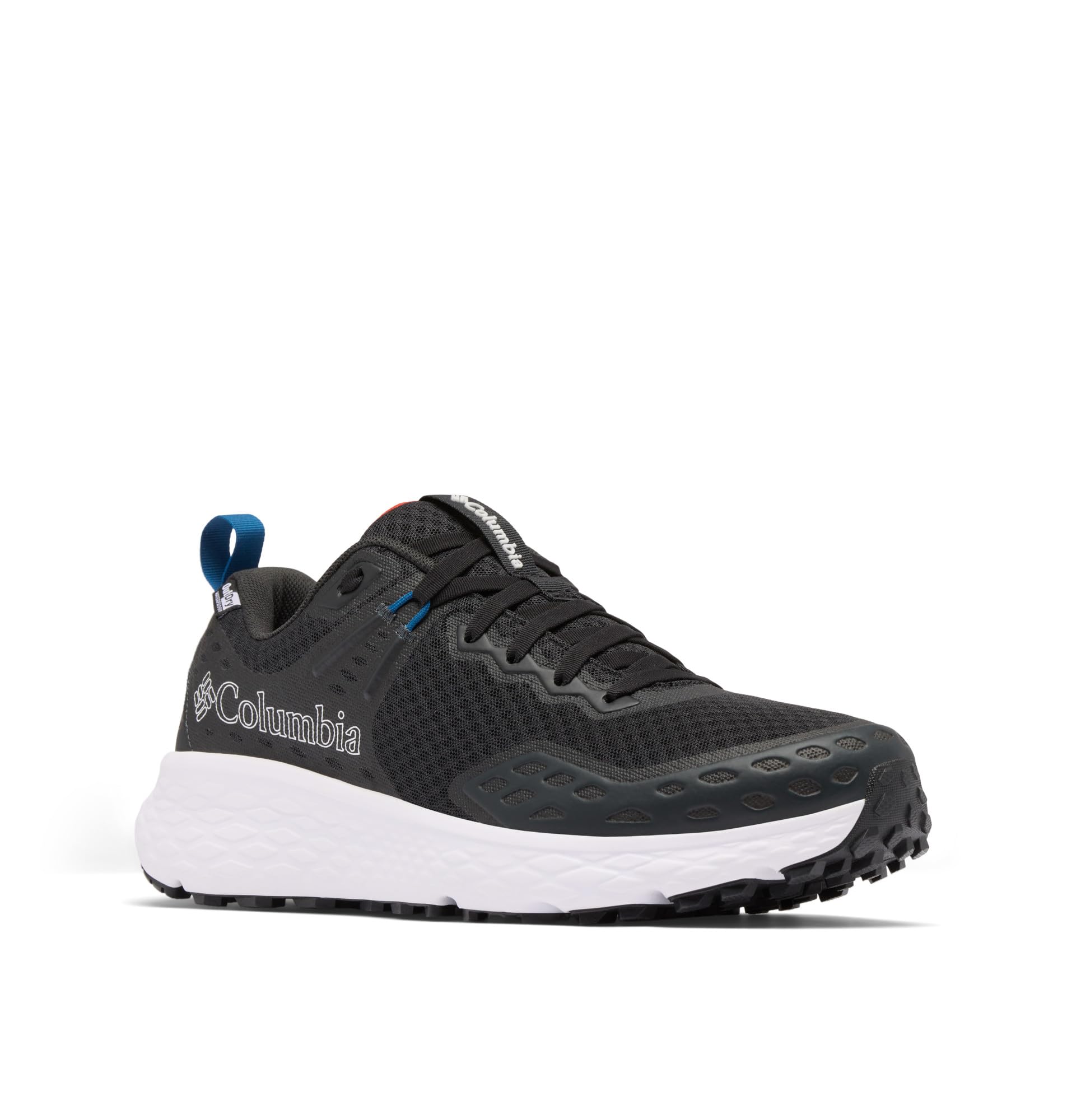
| Columbia Konos TRS Outdry Waterproof Shoe★ Best Overall | All-weather daily trail miles | Low-cut | Outdry waterproof | Wet-or-dry traction system | Amazon |
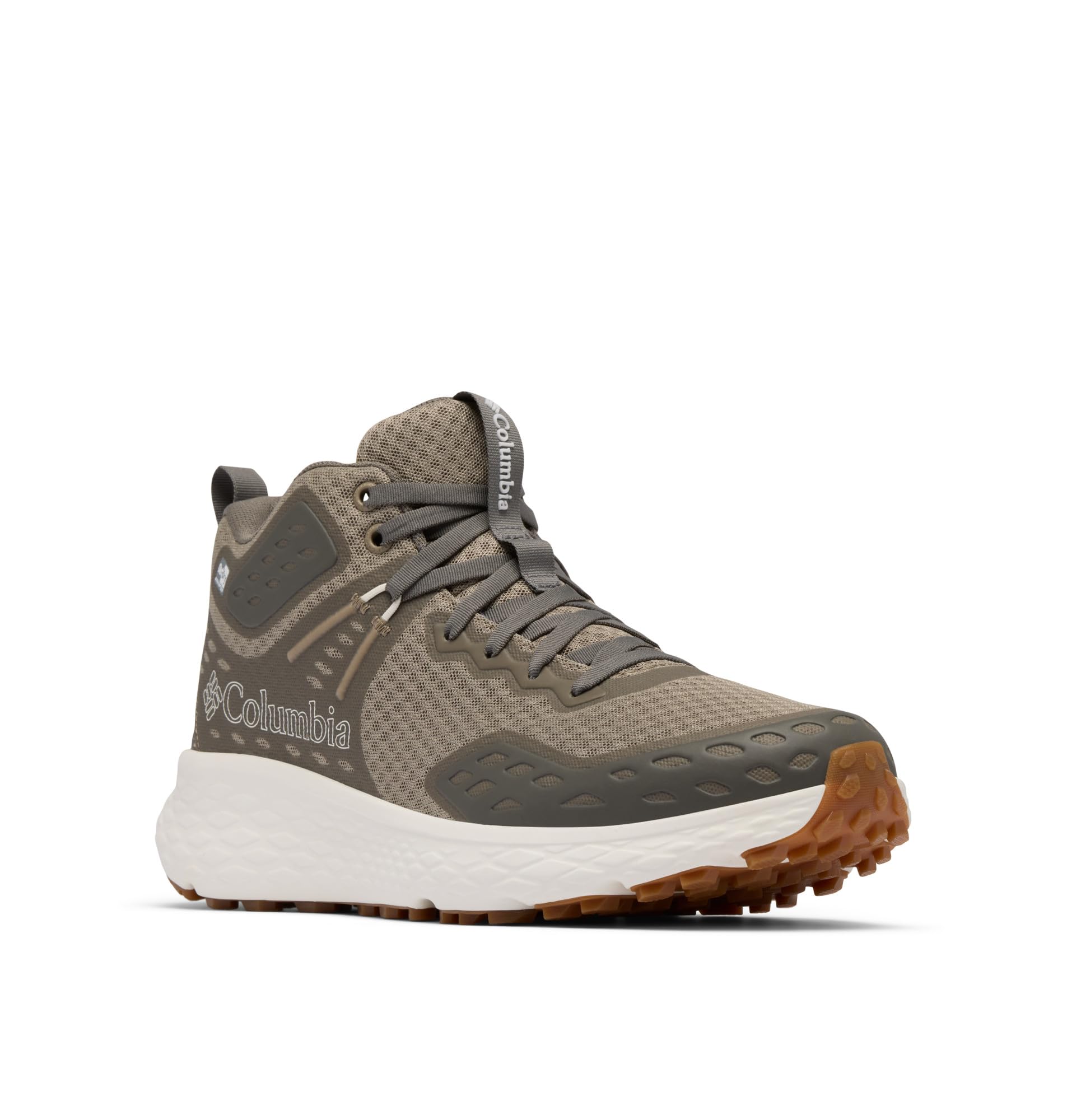
| Columbia Konos TRS Outdry MidAnkle Coverage Pick | Ankle coverage without weight | Mid | Outdry waterproof | Sneaker-like trail sole | Amazon |
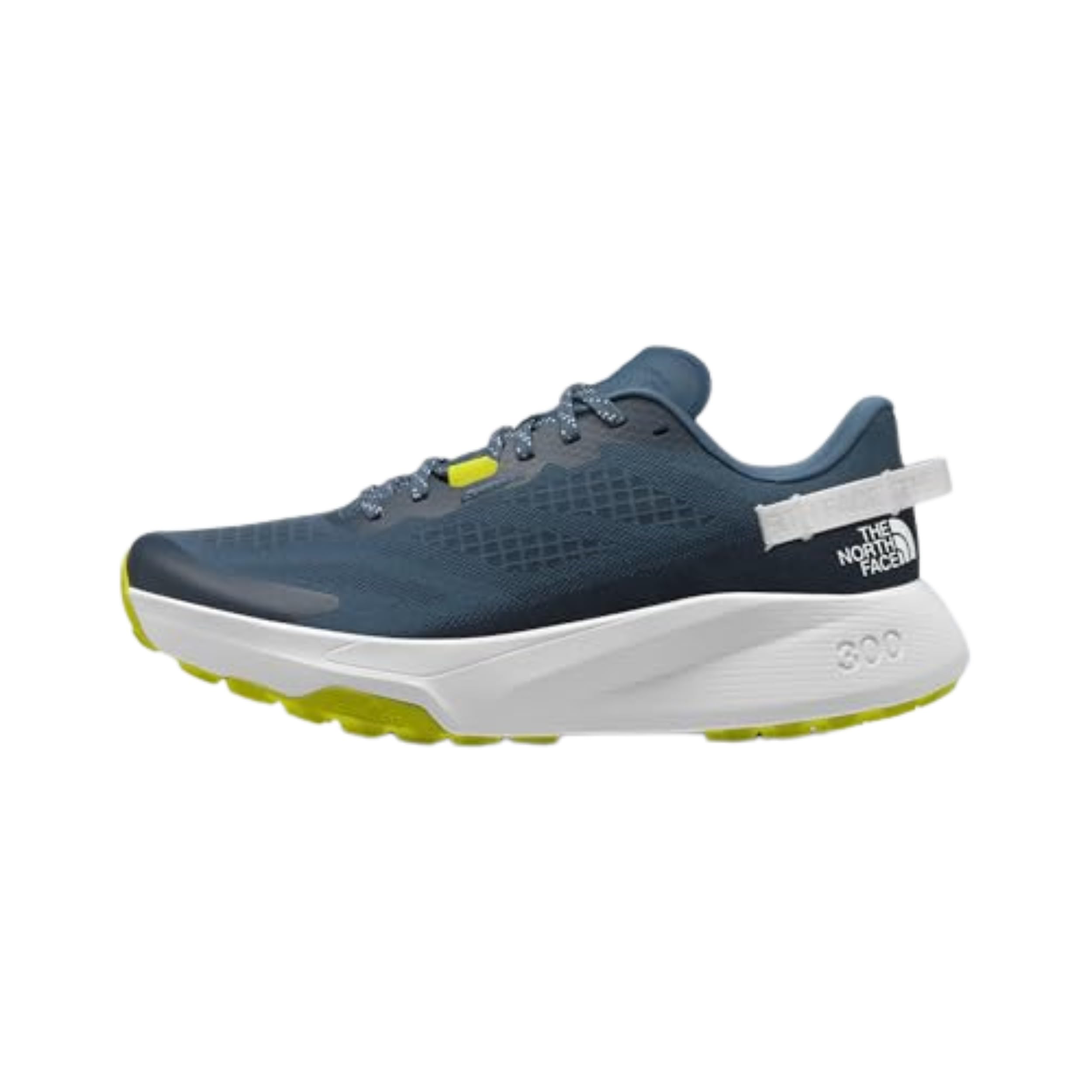
| The North Face Altamesa 300First Trail Pick | First-time trail runners | Low-cut | Not stated | Surface Control rubber | Amazon |
| Columbia Crestwood Mid Waterproof | Budget day hikes | Mid | Waterproof (mixed reports) | Trail outsole | Amazon |
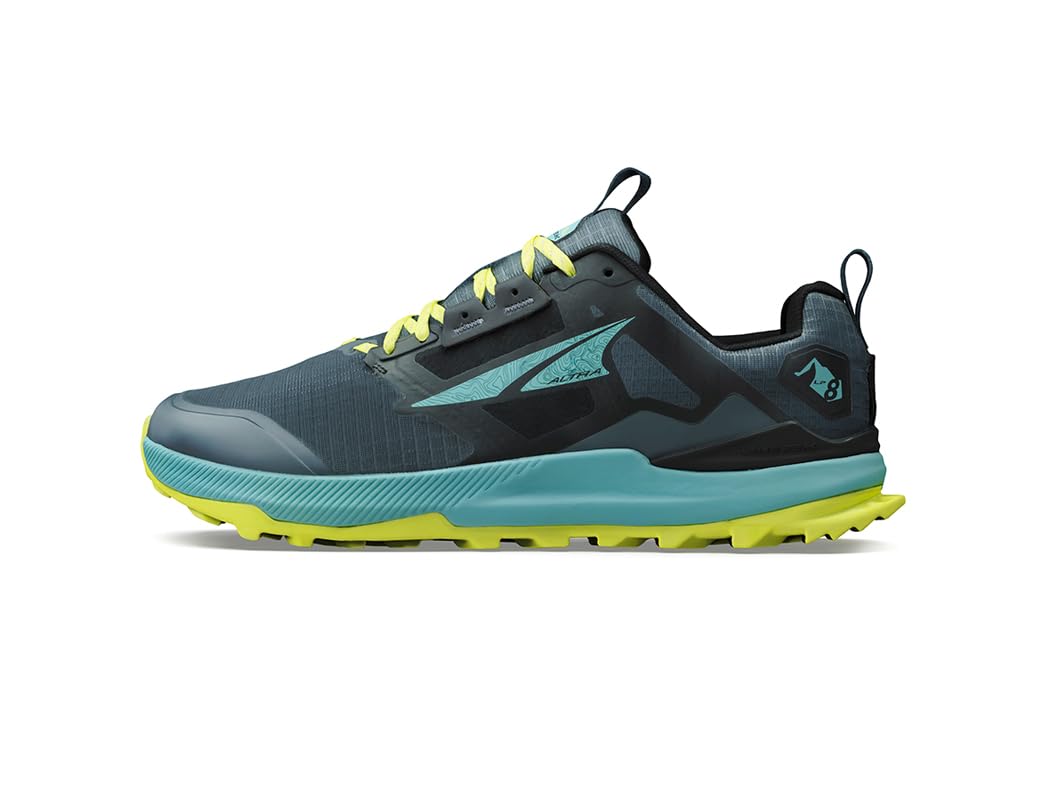
| ALTRA Lone Peak 8 | Wide feet and zero-drop fans | Low-cut | Water resistant | MaxTrac with TrailClaw | Amazon |
| Merrell Speed Strike 2 Mid Waterproof | Fast hiking and travel | Mid | Waterproof (mixed reports) | Sticky trail outsole | Amazon |
| KEEN Hightrail Mid Waterproof | Secure ankle hold | Mid | Water-resistant leather | Lugged trail outsole | Amazon |
| Timberland White Ledge Mid Waterproof | Lifetime workhorse | Mid | Seam-sealed waterproof leather | Multi-directional lug rubber | Amazon |
| New Balance Fresh Foam X Hierro V9 | Long-mile rugged trail grip | Low-cut | Not stated | Vibram Megagrip, 6mm lugs | Amazon |
| Salomon X-Adventure Recon Gore-TEX | Wet-weather hiking | Low-cut | Gore-TEX | Trail outsole | Amazon |
| adidas Terrex Trailmaker 2.0 Mid Gore-Tex | Sneaker feel with ankle wrap | Mid | Gore-TEX | Continental Rubber | Amazon |
Detailed Reviews
1. Columbia Men’s Konos TRS Outdry Waterproof Shoe
Our pick — 4.5+★ from 600+ verified ratings; the strongest balance of quality and price.
The everyday trail shoe that shrugs off rain without the stiff, sweaty feel.
What earns this shoe the top spot is the build quality owners keep coming back to — a mesh upper with no-sew overlays (heat-bonded panels that add structure without stitched seams that can rub) sitting on an underfoot system tuned for cushioning, stability and wet-or-dry traction. In real terms: you get a shoe that stays planted on slick surfaces and feels broken-in the first day.
The waterproofing is the other headline. A buyer who stood and walked through steady heavy rain across a three-hour event reported dry feet and “no break-in needed”, and the size 10.5 fit landed right. For pavement-to-trail commutes and damp dog walks, that matters more than any weight figure.
Cushioning runs toward firm-and-supportive rather than plush — one long-time owner likened the sole to moderate cushioning with high shock absorption, not the pillow feel of a Hoka. Sizing is the one place to pay attention: the footwear runs true to size against Adidas, Nike, Brooks and ASICS, but buyers who wear Skechers, Reebok or New Balance are advised to go a half size up.
What holds up over miles
- Outdry waterproofing keeps feet dry in drizzle and steady heavy rain
- Grippy outsole holds on wet grass and trail surfaces
- No break-in period — comfortable on the first walk
- No-sew overlays add support without stitched seams that rub
Where it asks something of you
- Runs true to size against some brands, half size up against others
- Firm cushioning rather than plush — not a pillow-soft ride
- One owner expects the sealed upper to feel hot in summer
Worth grabbing: if you want one waterproof trail shoe for wet commutes, dog walks and mixed terrain that feels right from day one.
Try a half size up instead: if you normally wear Skechers, Reebok or New Balance widths.
2. Columbia Men’s Konos TRS Outdry Mid
All the Konos comfort, now with a collar that wraps the ankle bone.
If the low-cut Konos above is the daily driver, this mid version is the one for terrain that rolls. The extra collar height gives you something to brace against, and one buyer who walked a 20+ mile forest hike at 6 ft and 300 lbs finished with no blisters — where their hiking partners had some. The support and ankle hold did real work over that distance.
The sole feels sneaker-like underfoot — a mid-height boot that does not feel like a brick. Waterproofing held up against one buyer’s comparison with Gore-Tex, and the rubberized toe resists scuffs from rocks. A bread-route worker logging 70-80 stops a day in all weather still got 3-4 months out of a pair, which tells you what the upper is built for.
The honest catch is that the material has a working life. That same route runner had a seam open and leak after months of hard daily use — Columbia replaced it quickly by mail. For weekend hikers, the shoe will last far longer; for commercial daily wear, treat it as a consumable.
The cuff earns its keep: true mid-height ankle support on a sneaker-soft sole, with firm-yet-spongy cushioning over rocks.
Sizing note: buyers consistently call it true to size — a size 13 wearer and a 6 ft, 300 lb hiker both landed their normal fit.
Reach for this if… you want ankle coverage for rocky, uneven trails without giving up the slipper feel of a running shoe.
Look elsewhere if… you log industrial mileage every single day — the seam is the first thing to go.
3. The North Face Men’s Altamesa 300 Trail Running Shoe
The crossover trainer for anyone stepping off pavement onto dirt for the first time.
Three things do the work here: DREAM foam (a responsive midsole cushioning that gives back more energy than a plain foam block), rock plates (thin shields underfoot that spread the pressure of a sharp stone), and Surface Control rubber outsole (a grip compound tuned for varied terrain). The hybrid-ready sole also handles asphalt-to-dirt transitions, so you are not punished for the walk to the trailhead.
Owner feedback splits cleanly into two camps. The first flat-out loves the comfort — buyers call it “very comfortable” after trying most of the major brands, with an all-day comfort that holds up through physical work. The second notes the shoe is functional rather than fashionable: one buyer was turned away from a Berlin bar in the white version, and another called the looks “definitely not stylish.”
Durability is the genuine question mark. Some buyers report the shoe holding up fine, while others doubt it will last long, and one noted a sharp tongue edge that needed taller socks to avoid rubbing. Runners looking for serious trail support should know it is a walking-and-easy-trail shoe first.
Where it shines: plus cushioning and a rock plate underfoot make packed dirt and gravel feel forgiving on longer outings.
The honest limit: this is not a support runner — one buyer found the support insufficient for running and the tongue edge sharp enough to demand taller socks.
Best for the newcomer: someone easing onto trails who wants cushioned comfort and a versatile look on the drive home.
Not for the looks-conscious or high-mileage runner: the style divides opinion and the durability record leaves room to doubt.
4. Columbia Men’s Crestwood Mid Waterproof Hiking Boots

The mid-height boot that gets you onto the trail without the premium price tag.
What you get for an entry-level spend is a genuinely well-made boot: buyers describe the construction as very good, the materials durable, and the lightweight build as the opposite of “wearing a brick.” One hiker logged roughly 50 miles across two months on muddy Rhode Island trails and the rocky White Mountains and reported reliable grip, dry feet and soles still looking nearly new.
The catch is the fit. This is a narrow boot — one buyer with a high arch and a 5E-wide foot found it snug “like a glove” but noted it works only because that shape suited them. Several owners mention it runs small and recommend going up a half size, and the water resistance feedback divides between those who stayed dry and those who did not. Mid-height ankle coverage is present, but the protection is closer to a day-hike boot than a technical scramble shoe.
Break-in is close to nonexistent. Several customers note the boot comfortable straight from the box, which is rare for a leather-and-mesh hiker. For a first pair of trail boots, that out-of-the-box comfort matters.
Why owners keep buying it
- Lightweight for a mid boot — no brick-like feel on the foot
- Comfortable right from the start with minimal break-in
- Durable construction and materials that hold their look over miles
- Mid-height cut gives basic ankle coverage
Size and fit realities
- Runs narrow — wide-footed buyers will feel the squeeze
- Many recommend sizing up a half size
- Waterproofing reports are split
Grab this one: for easy day hikes and wet-weather walks where a mid boot and a friendly fit matter more than technical grip.
Skip the gamble: if you have wide feet — order up or look elsewhere.
5. ALTRA Men’s Lone Peak 8 Trail Running Shoe
A roomy zero-drop shoe that lets your toes spread and your foot land flat.
Altra’s signature here is the FootShape toe box — the widest in their lineup — paired with a zero drop (heel and forefoot sit level to the ground, so your foot lands flatter than in a raised-heel shoe). Runners with bunions, wide forefeet or a history of cramped toes feel the difference immediately. The MaxTrac outsole with TrailClaw canted lugs (angled teeth under the ball of the foot) is the other hero, and it earns raves for grip on dirt, gravel and slick rock.
Where the Lone Peak gives something back is durability. Several owners note the mesh wears at the toe box and around bony prominences, and the heel lining goes before the rest of the shoe. One clearly weighs the trade-off in their own words: they accept the mesh wear because the grip and comfort are worth it. Sized right, the fit is true to size against Brooks and runs a tad bigger.
The cushioning is light rather than soft, so this is a ground-feel shoe — you sense the trail under you. That is a feature if you want a natural stride and a drawback if you want a plush ride. It transitions well to daily walking once the trail miles are done.
The zero-drop payoff: a level, low-to-the-ground platform encourages a flatter landing — one buyer at 225 lbs ran 3-4 mile stretches over dirt and gravel with good traction.
The wear caveat: the mesh and heel lining are the soft spots; plan on shoe goo or an early replacement if you are hard on the toe box.
Made for the wide forefoot: anyone who has ever squeezed their toes into a pointed trail shoe.
Pick a different shoe if: you want plush cushioning or expect years out of a mesh upper.
6. Merrell Men’s Speed Strike 2 Mid Waterproof

An athletic hybrid that wears like a sneaker and wraps the ankle like a boot.
The Speed Strike 2 is billed as an athletic hybrid hiker — a durable outdoor mesh upper over a sticky trail outsole, with a mid-height collar that supports the ankle without bulk. Owners take it on far bigger trips than that suggests: one buyer walked three weeks of cobblestone and sidewalk across Europe, staying dry in rain and never overheating in merino socks.
The comfort story is the one that repeats. Reviewers point out plenty of toe space, an easy break-in, and zero foot pain after long days — one buyer finished a five-mile mix of sand, packed dirt, rock and blacktop with a roomy toe box and laces that felt loose but held support. For a stiff-footed traveler, the ankle support plus a light build is the specific draw.
The honest read on waterproofing is mixed. Some buyers stayed dry through wet weather; another found the fabric soaked like a sponge on a wet lawn. The sizing note to know: this model runs about half a US size large, so many buyers size down for the best fit.
The travel case: lightweight enough for a packing list, comfortable enough for full days of city walking, with enough ankle support for uneven ground.
The sizing heads-up: half a size large is worth planning for, and waterproofing opinions vary by the day you wear them.
Wear these if… your trips mix city pavement and light trail, and you want a sneaker feel with boot-like ankle support.
Size down half a step: if you normally order a snug fit.
7. KEEN Men’s Hightrail Mid Waterproof Hiking Boots

Leather durability with a sneaker pace, wrapped in KEEN’s contoured ankle fit.
The Hightrail blends a leather hiking boot with a snappier, sneaker-like build, and the ankle hold is the feature that gets noticed. One buyer returned a pair and then regretted it — the snug, secure collar was the thing they missed when they later sprained an ankle in a different boot. If you have weak or easily turned ankles, that structured mid-height collar is the reason to buy.
The durability story is solid: a construction worker on roofs all day called them light and waterproof, and another buyer wore them through boot-deep snow above the treeline in the Swiss Alps with feet warm and no fatigue. The Contoured Fit curves with the shape of the foot for a more secure hold, so the boot moves with you instead of sliding around.
The fit is where this shoe divides. Some buyers call it true to size; others find the toe box narrows versus other KEEN models. The tongue padding rubbed on one ankle, and another buyer sized a half size up to accommodate the waterproof lining. If you normally take half a size up in KEEN, plan on it here too.
What the ankle needs
- Firm, secure mid-height ankle hold
- Water-resistant leather handles wet snow and cold
- Sneaker-like build moves quicker than a traditional leather boot
- Well-made construction that holds up to construction work
Fit matters here
- Toe box narrower than other KEEN models
- Some buyers need a half size up for the waterproof lining
- Tongue padding can rub at the ankle initially
Your ankle’s best friend: for hikers who want real mid-height stability in a boot that still moves at a quick pace.
Order half a size up: if you have a wide forefoot or take a waterproof lining.
8. Timberland Men’s White Ledge Mid Waterproof Hiking Boots

The boot people own for a decade — premium leather, seam-sealed and built for weather.
The White Ledge is the one long-term buy on this list. Uppers come from 100% premium waterproof leather sourced from an LWG Silver-rated tannery, with seam-sealed construction, a fully gusseted tongue, EVA footbed and EVA midsole, plus rustproof speed-lace hardware. In plain terms: sealed leather that keeps water out and lace hardware that will not rust.
Owners treat these as a decade-plus investment. One pair from 2008 lasted 18 years. Another owner’s first pair lasted 15 years and the next lasted five years while remaining waterproof even as seams tore. Laces last the life of the boot, and the lugs grip well without adding noticeable weight — one woman happily wears a men’s size.
The sole is cemented rather than stitched, which limits resoling, and the leather benefits from a mink-oil treatment to reach full waterproofing. Runners chasing speed should look elsewhere: the White Ledge is a walking and field boot, not a trail runner, and one buyer explicitly flags it as not an ankle-support step-in.
The long game: this is the pick if you want one pair of leather boots to cover warm, dry and snowy days for many years.
The small asks: mink-oil the leather, replace the insoles after roughly six months of use, and accept that an occasional pair separates at the sole.
Buy once, walk for years: the field-and-road walker who wants premium leather and does not need a running-shoe sole.
Go a different way if: you need a re-soleable mountain boot or true high-mileage trail support.
9. New Balance Men’s Fresh Foam X Hierro V9
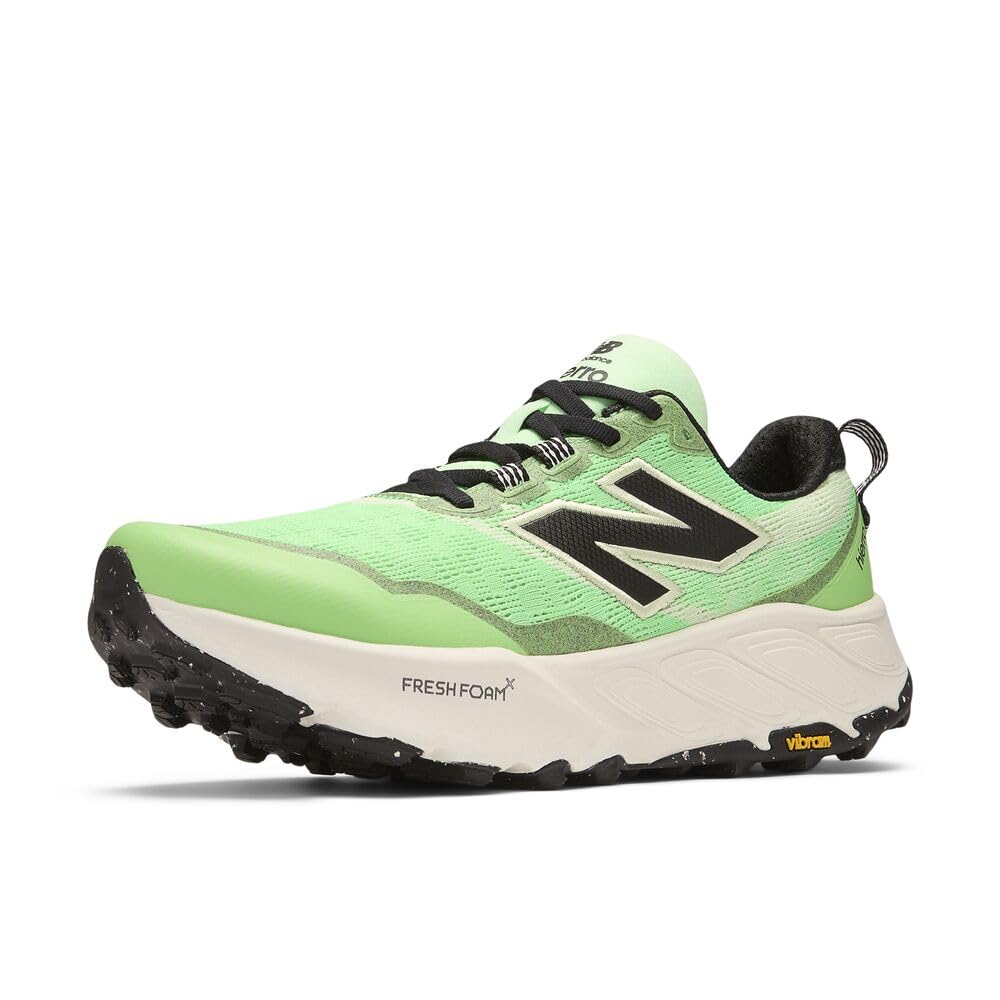
Deep 6mm lugs and Vibram Megagrip for terrain that fights back.
Grip is the whole point of the Hierro V9. Its Vibram Megagrip outsole uses a revamped tread with deeper 6mm lugs (the raised rubber teeth underneath), which is what gives you edge on wet and dry rocky terrain. A dual-density Fresh Foam X midsole pairs plush comfort with a more stable underfoot feel, and Toe Protect shields the toes from rocks and roots. On a 14,000-foot Colorado hike, one buyer credited the shoes with saving them from twisting an ankle on angled rock.
The fit is the one wrinkle. New Balance buyers describe this model as running short — one had to go a full size up, another a half size up in a wide version — and the toe box tapers sharply enough that a wide-footed buyer felt cramping. The heel and midfoot fit fine, and cushioning earns praise on long 10-12 mile runs.
Longevity is a realistic question. One runner logging 20+ miles a week on rocky terrain noticed grip starting to slip after six to eight weeks. That is a lot of miles in a short span, but if you log serious distance you should expect to replace these sooner than a leather boot.
The grip story: 6mm lugs and Vibram Megagrip hold on wet rock and steep angles where a shallower sole would give up.
The size trap: runs short and tapers at the toe — order up at least half a size and consider the wide fit.
For the distance runner: someone logging serious weekly miles who wants maximum bite on technical rock.
Better elsewhere if: you have a wide forefoot or expect a long lifespan from one pair.
10. Salomon Men’s X-Adventure Recon Gore-TEX Hiking Shoes
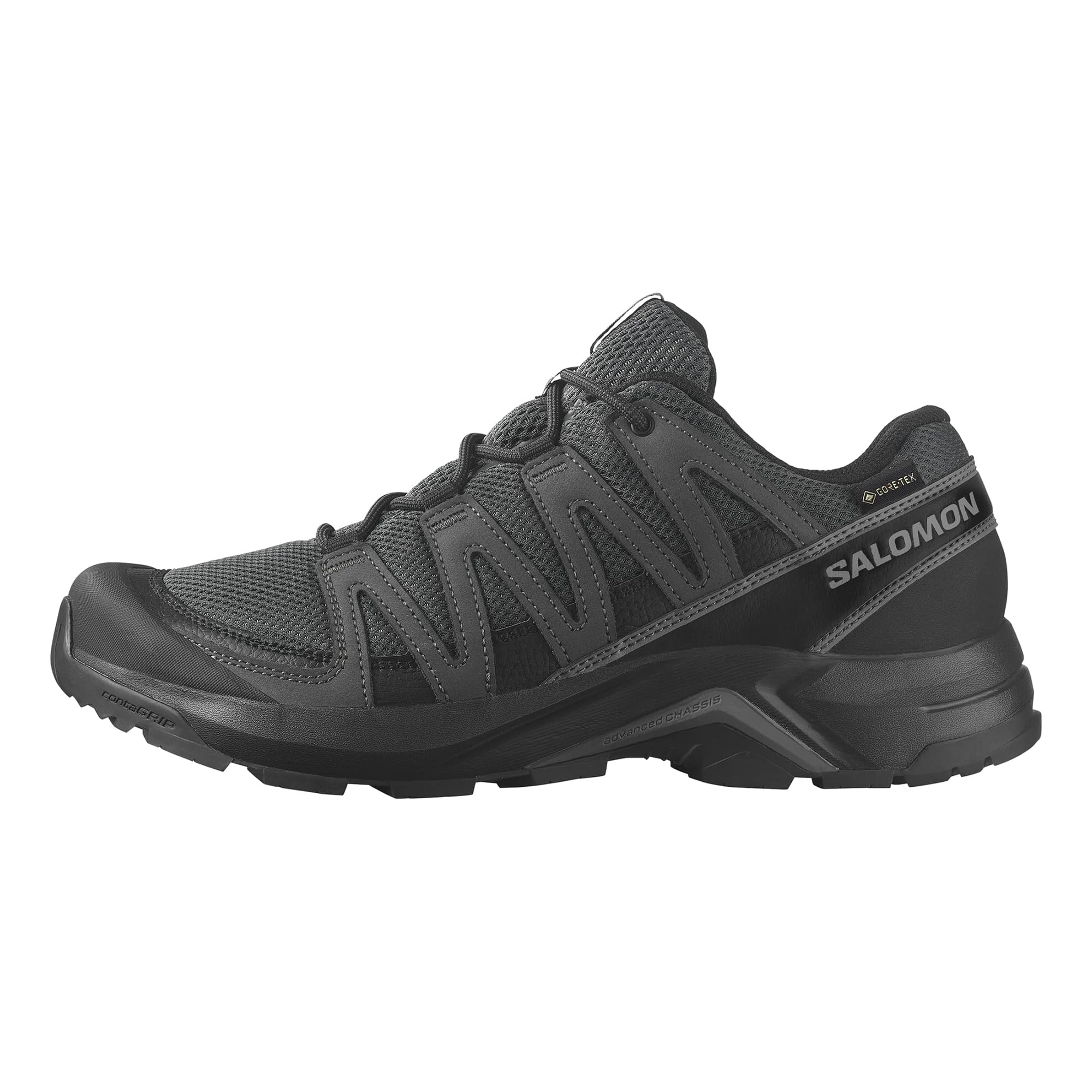
A Gore-TEX shield for the days the trail turns into a creek.
Gore-TEX is the trusted name in waterproofing — a breathable membrane that blocks rain and puddle splash while letting vapor escape. On the X-Adventure Recon it means a hiking shoe you can trust in wet weather, and long-time Salomon shoppers say this recent run matches the build quality of their older pairs after a wobble period.
The fit is the thing to sort out before ordering. Buyers describe this last as roomy, and several had to size down from their usual Salomon number because it runs wider than the Speedcross line. One buyer found the arch support painful on the first try and returned theirs — a single-unit issue, but worth knowing your arches before you buy.
This is a low-cut shoe, so it does not provide the high collar that keeps ankle roll contained on rough descents. What it offers instead is comfort at the foot level and Gore-TEX protection in a shoe that handles daily wear and wet trail days. The fit runs big for many feet; size accordingly.
The wet-day value: a Gore-TEX shell inside a hiking shoe that handles rain, puddles and muddy trail.
The fit warning (honest, not fatal): many buyers find it runs wide and a size too big — if you have a narrow foot, try before you commit.
Pick this for the wet days: a hiking shoe that handles rain and wet trail with a Gore-TEX barrier at the foot level.
Only if the fit suits: it runs wide, so narrow feet should try before they buy.
11. Adidas Mens Terrex Trailmaker 2.0 Mid Top Gore-tex Hiking

Running-shoe comfort and a mid-height cuff, sealed inside a Gore-TEX shell.
This is the pick for someone who wants the feel of a running shoe with the ankle support of a hiking shoe — the mid-height cuff delivers ankle stability on uneven trails, while ultra-soft midsole cushioning keeps long days comfortable. The GORE-TEX membrane handles rain and wet grass, and a Continental Rubber outsole bites into rugged terrain.
The travel record is a strong argument. One buyer wore them daily through an Iceland vacation — light, sneaker-comfortable and gripping well on wet streets and rocky trails. A mail carrier called them the best all-terrain shoe, water-proof to a point, and very lightweight across long delivery days.
The fit caveat cuts the other way here: the toe box is narrow and the fit snug. One buyer found pressure on the top of the foot painful until adjusted, and a wide-footed walker should expect to size up. The mid-height cuff earns praise for stability, but if a snug top-of-foot squeeze is a deal for your feet, it is worth a half-size bump.
What earns the praise
- GORE-TEX waterproofing for rain and wet trails
- Continental Rubber outsole for traction on rugged terrain
- Mid-height cuff gives ankle stability on uneven ground
- Light enough to wear daily through a whole vacation
What fits does to you
- Narrow toe box squeezes a wider foot
- Some buyers need a half size up
- The style runs only in limited color choices
Best for a light hiker: someone who wants sneaker comfort, ankle wrap and rain protection in one shoe.
Try a size up: if you have a wider forefoot or need extra room over the toes.
Know the Specs
Cuff Height and Ankle Support
The collar is what makes a high-top trail shoe different. A mid-height cuff sits above the ankle bone to limit sideways roll on loose rock and sidehill traverses. A low-cut shoe gives more freedom and less weight, but it asks your ankle to do the stabilizing alone. On technical descents and rocky terrain, the higher collar earns its place.
Outsole Lugs and Rubber Compound
Lugs are the raised rubber teeth underneath; deeper lugs (like the 6mm on the Hierro V9) shed mud and bite into gravel. The rubber compound is the second half — sticky compounds such as Vibram Megagrip, MaxTrac, Continental Rubber and Surface Control grip wet rock, while cheaper hard rubber slides. A shoe with deep lugs in a soft compound handles the widest range of terrain.
Waterproofing vs Breathability
Waterproof membranes like Gore-TEX and Outdry keep rain and puddle splash out, which matters on cold, wet days. The trade-off is heat: a sealed shoe traps warmth, and water that gets in over the collar drains slowly. Runners in hot, dry climates often choose breathable mesh and accept wet feet.
Toe Box, Drop and Sizing
The toe box width decides whether your toes spread naturally or get pinched. Wide-toe designs like Altra’s FootShape help wide forefeet and bunions. Drop measures heel-to-forefoot height difference: zero drop (level) encourages a flatter landing, while a raised heel shifts load forward. Many trail shoes run short or narrow, so check the fit advice for your chosen model before ordering.
Common Questions
Do high top trail running shoes actually prevent ankle rolls?
Can I wear trail running shoes for hiking instead of boots?
How do I know if a trail shoe runs narrow or wide before ordering?
Is zero drop better for trail running than a raised heel?
What does 6mm lug depth mean on a trail shoe?
How long do trail running shoes usually last?
Should I size up or down in trail running shoes?
Is Gore-TEX better than Outdry for trail shoes?
Can I use high top trail shoes for road running too?
Do waterproof trail shoes make my feet sweat more?
The Bottom Line
For most runners and hikers, the high top trail running shoes winner is the Columbia Konos TRS Outdry Waterproof Shoe because it pairs Outdry waterproofing with wet-or-dry traction and a comfortable fit right from the start. If ankle coverage is your priority, the Columbia Konos TRS Outdry Mid adds a mid-height collar without giving up the sneaker-soft sole. And for a roomy zero-drop fit that lets your toes spread, the ALTRA Lone Peak 8 is the one to reach for.
How we choose
We do not accept paid placement. Every pick is matched to a real buyer and a real use-case; we do not hands-on test units.
Sources
Specifications: manufacturer listings and product documentation. Review insights: verified customer reviews, as of October 2026. Pricing: not shown on this page (it changes often); check the current price via the retailer link.
As an Amazon Associate, Aappliancez earns from qualifying purchases. This does not affect which products we feature.