Disclosure: Some links in this post are affiliate links. As an Amazon Associate I earn from qualifying purchases, at no extra cost to you. Learn more
Specs are compiled from manufacturer listings and verified buyer reviews and can change over time — please confirm the key details on the product page before buying.
You want one bike for a paved commute on Monday and a crushed-limestone rail trail on Saturday. A gravel bike is that machine, and you can get one without spending four figures. The trick is knowing which parts makers downgrade at this price: usually the fork, tires, and brakes. The drivetrain (the gears and shifting parts) is usually Shimano, and the frame is usually aluminum. The fork, tires, and brakes are where the real money difference shows up. Below are ten bikes and gravel-ride essentials, sorted by what each one does well.
This guide is built by comparing the manufacturers’ published specifications and the patterns across verified customer reviews, so you get each pick’s real strengths and trade-offs instead of marketing spin.
You are about to see which frame material, gear count, and tire width actually change how a bike feels on loose ground. If you want a machine that climbs, commutes, and still takes a wider tire, this is the shortlist of gravel bikes under $1000 that holds up.
Top Picks


How To Choose The Best Gravel Bikes Under $1000
The single most common mistake first-time gravel buyers make is treating this like a road bike purchase and chasing the lowest weight number. Gravel is not a smooth surface. A bike that feels twitchy and fragile on tarmac often feels worse on loose stone, and the components that survive real unpaved miles are the ones worth paying for.
Start with the drivetrain, not the paint
The drivetrain is the gears, derailleurs, and shifters that move your chain. Shimano Tiagra (a 2×10 setup, meaning two chainrings up front and ten cogs at the back) gives you tighter steps between gears than Shimano Claris (3×8, three chainrings and eight cogs). More gears does not automatically mean better — a 2×10 keeps the shifting simpler and the chain line cleaner, while a 3×8 gives you a wider spread for steep climbs.
Tire width decides where you can actually ride
Wider tires run at lower pressure, which lets the rubber absorb chatter instead of passing it into your wrists. A 38c or 40mm tire floats over gravel and packed dirt; a 25mm tire is a road tire and will feel harsh and sketchy the moment the surface breaks up. If the bike you like comes with narrow tires, budget for a swap.
Frame and fork material shape the ride quality
An aluminum frame is stiff and light-ish; a carbon fork soaks up high-frequency buzz from rough surfaces and shaves weight. A steel fork is heavier but takes the edge off bumps. None of these is “bad” — they just suit different riders and different trails.
Brakes are where budget bikes hide their compromises
Mechanical disc brakes (cable-actuated, not hydraulic) are standard at this level and are perfectly usable in dry weather. They need periodic cable adjustment and can feel wooden in wet conditions. Hydraulic brakes cost more and stop better, but you will not find them on most bikes at this tier.
Get the fit right before anything else
A bike that does not fit will never feel right, no matter what components it carries. Schwinn sizes the Sporterra RX for riders from 5’6″ to 6’0″ tall, and RoyalBaby publishes a size chart for its kids’ line — use those numbers, not guesswork. If you are between sizes, a quick-release seatpost (which Schwinn includes) makes height adjustment painless.
Side-by-Side Comparison
| Model | Best For | Drivetrain / Gears | Frame & Fork | Tire Width | Amazon |
|---|---|---|---|---|---|
| Schwinn Sporterra RX★ Best Overall | Mixed-terrain commuting and light gravel | 14-speed, trigger shifters | Aluminum frame, rigid fork | 700 x 38c | Amazon |
| Tommaso IllimitateBest Drivetrain | All-terrain riding on a tighter budget | Shimano Tiagra, 20 speeds (2×10) | Aluminum frame, carbon fork | 40mm | Amazon |
| Tommaso SentieroBest Starter Gravel Bike | First road and gravel bike | Shimano Claris, 24 speeds (3×8) | Aluminum frame, steel fork | 40mm | Amazon |
| Tommaso Siena | Beginners on mixed terrain | Shimano Tourney, 21 speeds (3×7) | Aluminum frame, steel fork | 40mm | Amazon |
| Tommaso Siena (alt listing) | Same bike, alternate frame size | Shimano Tourney, 21 speeds (3×7) | Aluminum frame, steel fork | 40mm | Amazon |
| CATEYE BM-45 Bar End Mirror | Seeing traffic behind you | — | Aluminum arm, glass lens | — | Amazon |
| Muc-Off Tubeless Rim Tape | Switching to tubeless tires | — | Semi-transparent adhesive tape | 25mm width | Amazon |
| Gorilla Force CO2 Cartridges | Roadside flat repair | — | Alloy steel, threaded 3/8-24 | — | Amazon |
| 2 Pack Bike Tube (20″) | Spare tubes for family bikes | — | Butyl rubber | 20 x 1.75–2.125 | Amazon |
| RoyalBaby Freestyle Kids Bike | Getting a young rider started | Chain drive, caliper + coaster brakes | Carbon steel frame | 2.4″ | Amazon |
Detailed Reviews
1. Schwinn Sporterra RX Gravel Bike
The mixed-terrain all-rounder that fits riders from 5’6″ to 6’0″ without a single frame swap.
The Sporterra RX carries a 14-speed trigger-shifter setup — trigger shifters mean you flick a lever with your thumb instead of twisting a grip, which keeps your hands planted on the drop bar. Schwinn’s alloy double crank spreads those 14 gears across a range wide enough for climbs, flats, and everything in between. The 700 x 38c multi-terrain tires are the number that should catch your eye: 38c is wide enough to float over packed dirt and crushed stone, yet narrow enough to roll efficiently on tarmac.
Alloy mechanical disc brakes give you consistent stopping in wet weather, which matters more on gravel than on clean pavement — mud and grit eat rim brakes alive. The rigid fork keeps the front end stiff and predictable under load. And the quick-release seatpost is a genuinely useful touch: you can raise or lower the saddle by hand during a ride, no tools, perfect if you share the bike or you are dialling in a fit.
Owners praise the build quality first, and the silver finish draws compliments too. The recurring honest note is that assembly splits people — some find it straightforward, others describe it as a job for a shop. Quality and gear-shifting feedback land in mixed territory, so go in expecting to spend an evening on setup or to pay a local mechanic to check your work before the first long ride.
Where it earns its keep
- 700 x 38c tires handle both pavement and unpaved road without a swap
- Alloy mechanical disc brakes work in wet, gritty conditions
- Quick-release seatpost adjusts by hand, no tools needed
- Aluminum frame with rigid fork for fast riding on pavement or light gravel
What to plan around
- Assembly divides opinion — budget time or a shop check
- Gear shifting draws mixed feedback, so test the derailleurs early
- Fits riders 5’6″ to 6’0″ only — outside that window, look elsewhere
Reach for this if: you want one aluminum gravel bike for neighborhood loops and light dirt trails, and you fall between 5’6″ and 6’0″ tall.
Look elsewhere if: you refuse to touch a hex key — the assembly step is the one recurring friction point here.
2. Tommaso Illimitate Sport Performance Aluminum Gravel Bike
Carbon fork and Shimano Tiagra gearing — the component upgrade the cheaper aluminum bikes skip.
Two numbers separate the Illimitate from the rest of the Tommaso family. First is the Shimano Tiagra 2×10 drivetrain — 20 speeds across two chainrings and ten cogs, which gives you cleaner, more consistent shifts than the 3×7 Tourney setup on the Siena. Second is the carbon fork: carbon soaks up high-frequency vibration from washboard gravel in a way steel and aluminum simply do not. The 40mm tire width is the same class-leading figure across the Tommaso gravel line, so you get genuine float over loose surface.
On the road, owners consistently find the Tiagra shifting crisp and the bike more capable on climbs than its weight suggests. Buyers report the frame, drivetrain, and fork hold up after 1,200 miles of commuting, cyclocross racing, and trails, though one spoke loosened and the wheel needed truing after a bumpy ride. Owners call the mechanical disc brakes adequate on 50mph descents, with the caveat that hydraulic brakes would stop better.
The catch, and it is a real one, is weight. The aluminum frame is heavy, and that is the most-discussed downside in the feedback. There is also mixed word on whether this is a fast bike — some love the ride, others caution it is not built for speed. If you live somewhere hilly and light weight is your top priority, the Illimitate is not the bike for you; if you want Tiagra and a carbon fork without crossing four figures, it is.
What the numbers say: 40mm tires and a carbon fork put this ahead of the Siena’s steel fork on rough surfaces, and Tiagra’s 2×10 beats Tourney’s 3×7 for shift quality.
Fit note: riders who are tall or carrying extra weight may want a shorter stem and wider bars — the stock cockpit runs narrow for larger frames.
The verdict: the best component value in this group if you care about shift feel and a smooth front end more than a scale reading.
Trade-off to accept: heavy aluminum frame — you feel it on long climbs, not on the flats.
3. Tommaso Sentiero Sport Performance Aluminum Gravel Bike
Twenty-four gears and 40mm rubber — the widest range and the fattest tires in the Tommaso lineup.
The Sentiero runs Shimano Claris at 24 speeds (3×8), the highest gear count of any bike here. Three chainrings up front mean a very low climbing gear for steep, loose pitches — useful when your legs are fresh but the terrain is not. It shares the 40mm tire width with the Illimitate, so traction and float are the same. The fork is steel rather than carbon, which is the main cost difference between this and its more expensive sibling.
Reviewers consistently describe the Sentiero as a confidence-inspiring first drop-bar bike. Ride quality draws praise for feeling faster and more fun than the price suggests, and the build itself gets consistent credit for being good quality. Riders stepping up from a hybrid or a heavy department-store bike notice the difference immediately — the drop bar and the gearing encourage longer rides.
The honest caveat is that a 3×8 setup with a steel fork is not lightweight, and the extra chainring adds complexity to maintain. If you are mechanically inclined and want the most gears for climbing, the trade is worth it; if you want the simplest possible drivetrain and a lighter front end, look at the Illimitate above instead.
Who it suits: a rider buying their first proper gravel bike who wants maximum climbing range and does not mind a steel fork.
Where it gives ground: 24 speeds across three chainrings means more front-derailleur adjustment than a 2×10 setup.
4. Tommaso Siena Sport Performance Aluminum Gravel Bike

The entry ticket to the Tommaso gravel family — Tourney gearing, but the same 40mm tire footprint.
Twenty-one speeds on a 3×7 Shimano Tourney drivetrain is the simplest gear system in this article. Fewer cogs at the rear means a narrower spread and a more budget-oriented rear derailleur, but a 40mm tire and an aluminum frame keep the fundamental gravel geometry intact. If your rides are short, flat-ish, and mostly on packed dirt rather than steep loose climbs, 21 speeds is genuinely enough.
Novice riders are the ones who get the most from this bike, and the feedback is kind to it on exactly that front — good quality, well suited to beginners, strong value. The brakes are the honest split: some find the stopping power fine, others want more bite. Mechanical disc brakes on any bike at this level need a proper bed-in period, so give them a few rides before you judge.
If you already know you will be riding steep fire roads every weekend, the Sentiero’s 24-speed Claris setup is the better long-term buy. For everything else — bike-path loops, canal towpaths, a mixed commute — the Siena does the job and leaves money for tires and a spare tube.
Closest rival: the Sentiero above has three more gears and a Claris derailleur; the Siena trades that for a lower entry cost. Both share the 40mm tire and aluminum frame.
One thing to check on arrival: brake feel. Give the mechanical discs several rides to bed in before deciding they are weak.
Go for this if: your gravel is gentle and your priority is getting onto a real drop-bar bike for the least money.
Think twice if: your local terrain is steep — Tourney’s seven rear cogs leave bigger jumps between gears.
5. Tommaso Siena Sport Performance Aluminum Gravel Bike
The same Siena package on a different listing — check the frame size before you pick one.
This is the Siena again, listed separately, with the same parts: 21-speed Shimano Tourney gearing (3×7, meaning three front chainrings and seven rear gears), a 40mm tire width (about 1.6 inches), mechanical disc brakes (cable-pulled brakes that stop you in wet weather), and an aluminum frame with a steel fork. The real reason to pick this listing over the one above is your frame size. Tommaso sells the same bike on multiple product pages, and the size you need may only be in stock on one of them.
Because the hardware is the same, the experience is the same. New riders take to it well, quality is the standout note, and the value is what buyers mention most after that. The brake performance is the one mixed item, and the sensible approach is the same: bed the pads in properly and check cable tension after the first few rides.
For a flat-bar hybrid owner thinking about a drop-bar gravel bike, either Siena listing is a low-risk way to find out. The 3×7 drivetrain is forgiving to learn on, and the 40mm tires mean you can explore dirt without a second wheelset.
Buy this listing when: it is the one carrying your frame size — the mechanicals are identical to the Siena above.
Note before ordering: confirm the size on the listing itself, since Tommaso splits this model across several product pages.
6. CATEYE BM-45 Bar End Mirror
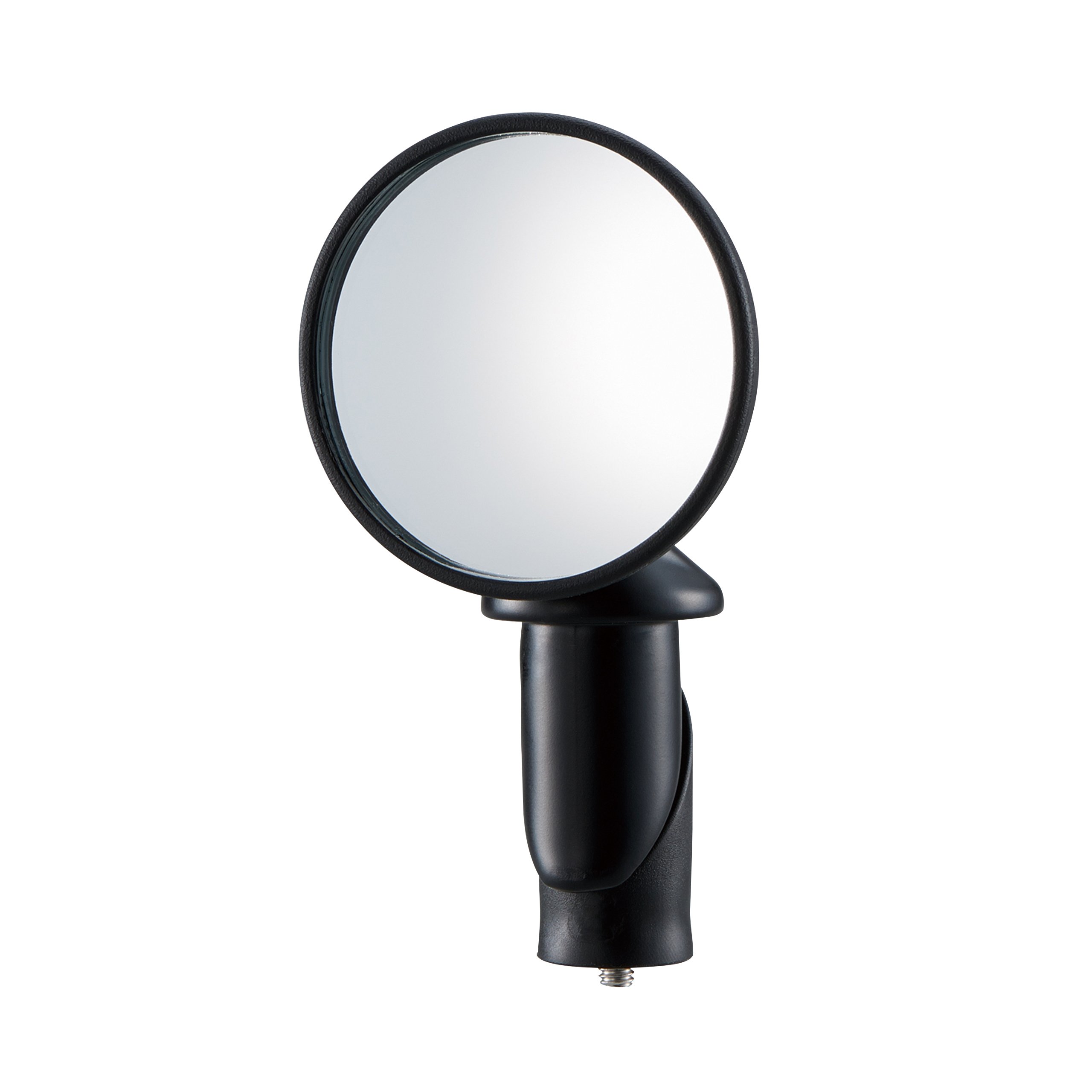
One and a quarter ounces of glass and aluminum that lets you watch traffic without turning your head.
Gravel riding puts you on narrow lanes with fast cars and faster club riders, and a shoulder check at speed on loose stone is a genuine risk. The BM-45 mounts into the end of your bar — drop or flat — and gives you a steady rear view with a flat glass lens at 1.28 ounces. The included 3mm Allen key is all the tooling you need, and the expander mount tightens solidly inside the bar without marking it.
What owners single out most is the build quality, and stability is right behind it — the stiff ball joint holds its angle through rough roads, and the mirror does not wander on bumpy rides. The low-profile arm sits close to the bar end, so it barely protrudes and does not interfere with your hand positions. On drop bars it tucks out of sight until you glance down.
The trade-offs are honest and small. Size draws mixed reactions — this is a small mirror, so the field of view is less panoramic than a helmet or glasses-mounted mirror. And because it is discrete, it is easy to knock out of position when you wheel the bike through a doorway. Neither is a reason to skip it; both are reasons to check the angle before you set off.
The case for it: aluminum and scratch-resistant glass, universal fit across drop and flat bars, and an Allen key in the box.
The small catch: at 2 x 2 x 1 inches the lens is compact, so it shows the lane behind you clearly but does not cover a whole panorama.
Worth adding if: you commute or ride rural roads where knowing what is behind you changes your line choice.
Skip if: you already ride with a helmet-mounted mirror and prefer a wider panorama.
7. Muc-Off Tubeless Rim Tape
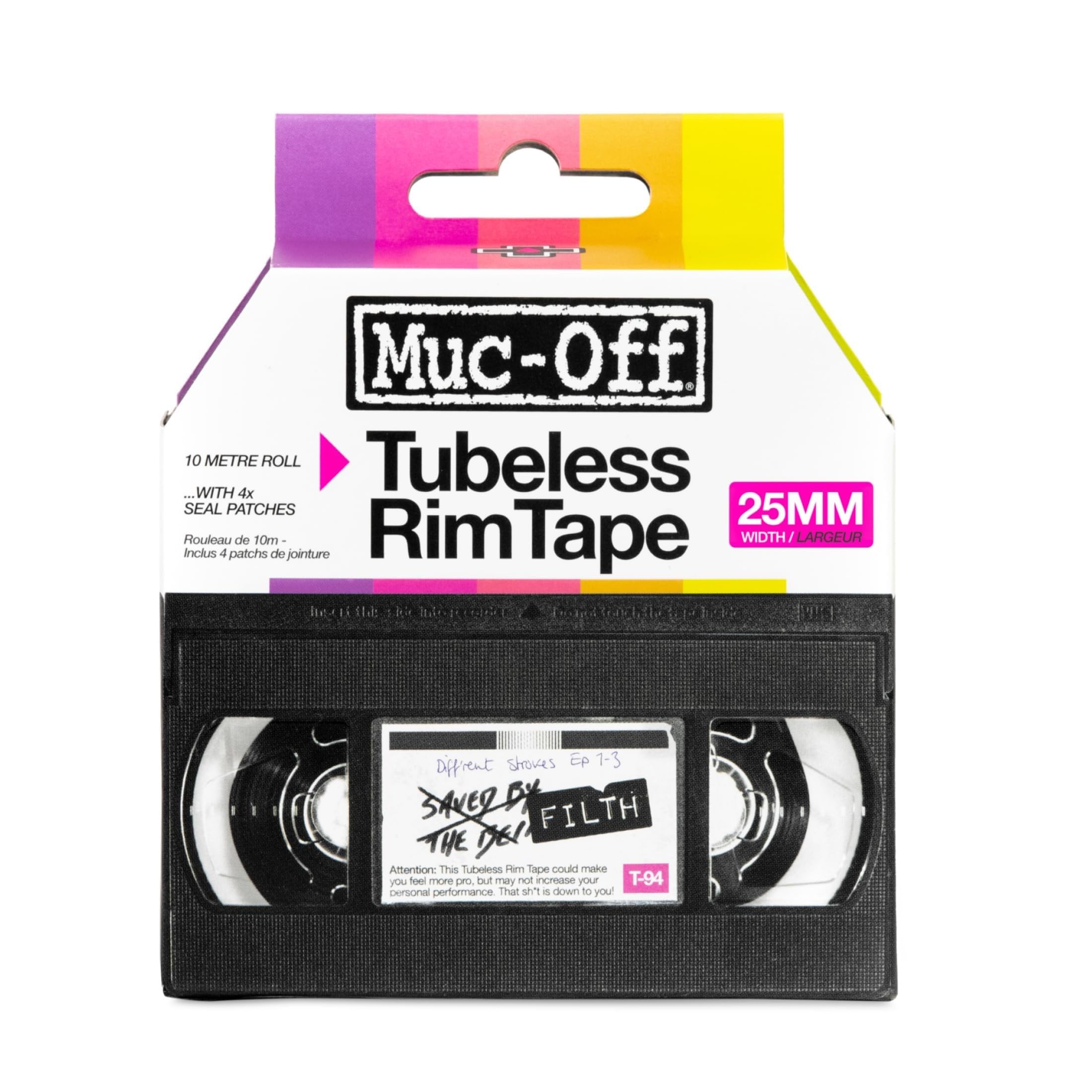
The airtight seal that decides whether your tubeless gravel conversion holds air or leaves you walking.
Tubeless is the single biggest comfort upgrade you can make on a gravel bike — no pinch flats, and you can run lower pressure for grip. But tubeless only works if the rim bed is sealed properly, and that is what rim tape does. This 10-metre roll of 25mm tape uses a pressure-sensitive adhesive that stretches just enough to contour into the rim channel without tearing. The semi-transparent material means you can still see the valve hole through the tape while you install it.
What wins people over is quality and effectiveness in roughly equal measure — the tape does not tear under a hard pull the way some tubeless tapes do, and it contours cleanly to the rim bed. It handles higher pressure than most competitors, though for 100+ psi setups with tubes you would run two wraps. Four branded seal patches come in the box to cap the tape end for a firm final seal.
The friction point is adhesion removal: this tape sticks hard, and getting it off later takes patience. Leakage reports split too, so clean the rim bed thoroughly first — a wipe with isopropyl alcohol before wrapping makes the biggest difference. Size matters more than anything: measure your internal rim width and go one size up if you cannot find an exact match.
The strong points
- Does not tear when pulled tight — contours into the rim channel
- Semi-transparent tape lets you locate the valve hole
- Four branded seal patches included for a finishing seal
- Available in six widths to suit most rims
The honest friction
- Adhesion is strong enough that removal takes real patience
- Leak results vary — a clean rim bed is essential
- Needs two wraps for high-pressure tube setups
Pick this up when: you are converting a gravel wheelset to tubeless and want a tape that survives the install without tearing.
Prepare for: a slower removal later — that same grip is what makes it seal.
8. Gorilla Force CO2 Cartridges for Bikes

Fifteen threaded refills that turn a twenty-minute pump session into a thirty-second fix.
A flat twenty miles from the car with a hand pump is a chore; with CO2 it is a stop-and-go. These cartridges use the standard 3/8-24 thread, which fits virtually every inflator head built for threaded cartridges. Both sizes share that thread — the 16g is sized for road and smaller-volume tires, while the 25g carries more air for larger high-volume gravel and MTB tires. The 16g measures 3.5 inches long and 0.87 inches across; the 25g runs 4.1 inches by 0.98 inches.
Functionality is what buyers talk about most, and value right behind it. One buyer reports a single 16g cartridge inflating a 700×25 road tire without drama. The rolled threads and flat sealing surface are the bike-shop-grade details that stop a cartridge venting sideways as you screw the head on. The cartridges hold 99.99% pure CO2 with no additives, and the single-use alloy steel bodies are recyclable where accepted.
The catch worth knowing: some inflators with built-in cartridge storage are sized for 16g diameter only, so the 25g may not fit inside the housing. And CO2 is pressurized — store it cool and dry, and never leave a cartridge in a hot car, since it may rupture if heated beyond 120°F. Use gloves, because discharge can cause a cold-burn.
Why it belongs in your bag: 15 threaded cartridges, universal 3/8-24 fit, and pure CO2 with no additives. One 16g fills a road tire; the 25g handles the fatter gravel rubber.
Check before you buy: confirm your inflator head accepts threaded cartridges, and confirm whether it can physically hold a 25g inside its storage sleeve.
Grab a pack if: you ride tubeless or with tubes and want a flat fixed in under a minute without pumping.
Keep in mind: cartridges are single-use and not refillable — this is a consumable, not a tool.
9. 2 Pack Bike Tube 20″

Two butyl tubes and two levers — the spare-kit staple that saves a family ride from ending early.
This pair of 20-inch tubes fits tires between 1.75 and 2.125 inches wide, which covers most kids’ bikes and a good number of folding and compact bikes. Butyl rubber is the standard tube material — it holds air well and absorbs shock, so a bumpy path feels less harsh under a small rider. The 32mm Schrader valve is the fat, common valve type you find at any gas station pump, which is a real convenience for a kid’s bike. Two tire levers come in the box so you can lift the tire bead off the rim without pinching the tube.
Ease of installation is what people praise most, and the included levers are a big part of that — the job can be done in under ten minutes at home. Air retention is solid, with no leaks after both road and trail rides, and the double-bagged packaging keeps the tubes safe in transit.
Durability is the split point in the feedback: some tubes last fine, while a few report a seam failure right after install. That is worth knowing before you ride — inflate gently to the tire’s rated pressure and check the bead is seated evenly all the way around. A minor note is that tire-size compatibility labelling could be clearer; use the 1.75–2.125 inch range on the listing rather than the printed model number.
Stock up if: you maintain one or more 20-inch bikes and want a tube on the shelf before you need it.
Be careful with: the initial inflate — seat the bead fully and inflate in stages to avoid pinching the tube.
10. RoyalBaby Freestyle Kids Bike
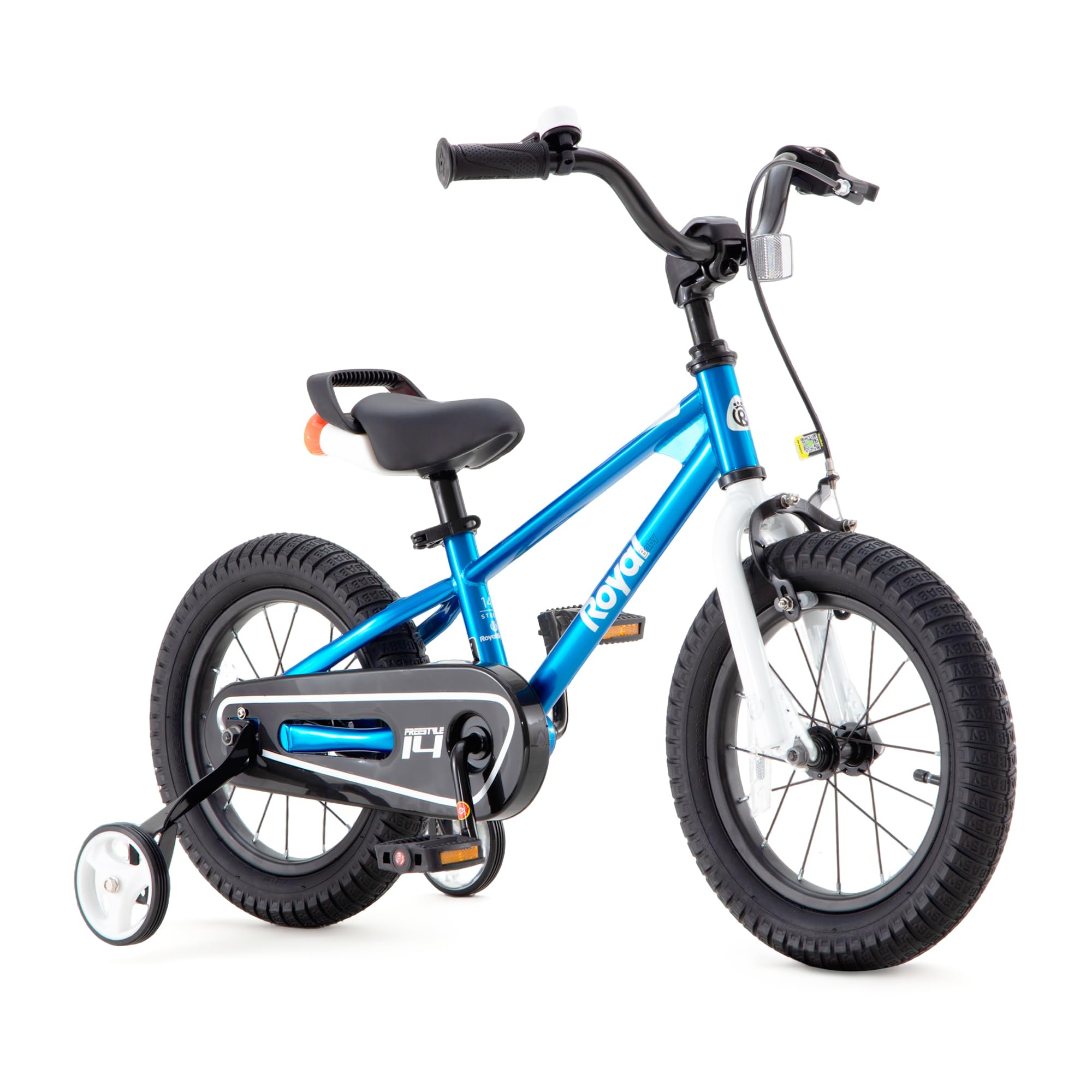
Ninety-five percent assembled from the start, with a seat handle that makes teaching far easier.
Most kids’ bikes arrive at 85% assembled and leave you fighting a brake caliper on the kitchen floor. RoyalBaby ships this one at 95%, so the front wheel and brake are the only real jobs — and tools plus instructions are in the box. The 2.4-inch pneumatic tires are wide and stable, a helpful detail on grass and gravel where narrow tires bog down. A carbon steel frame and enclosed chain guard round out the safety picture.
Two braking systems matter here: a front caliper brake for the hand and a rear coaster brake that you activate by pedalling backwards. New riders pick up the reverse-pedal idea quickly, and having a hand brake as backup builds confidence. The bike runs on sealed bearings, which makes the wheels roll more freely than plain bearing setups. Sizes run from 12 to 20 inches, and using the size chart with your child’s height is the right move.
The friction points are the ones parents flag most: it is heavy for its size at 18.4 pounds, and it can tip when a small rider is learning, so pads are a sensible add. Some find the hand brake lever firm for very small hands. Note that no kickstand is included.
Where it shines: 95% pre-assembled, sealed bearings, wide 2.4-inch tires, and a rear seat handle for carrying or steadying a learner.
Parent note: at 18.4 pounds it is not a featherweight, and the supplied water bottle holder is on the small side — plan on a backpack bottle instead.
Choose it for: a first pedal bike where quick assembly and stable, wide tires matter more than low weight.
Not the one for: a child already confident on two wheels — step up to a bigger frame size from the same chart.
Know the Specs
Drivetrain and gear count
The drivetrain is everything that moves your chain: the chainrings at the front, the cassette at the back, the derailleurs, and the shifters. A 2×10 setup like Shimano Tiagra uses two chainrings and ten cogs. A 3×7 like Shimano Tourney uses three chainrings and seven cogs. More cogs means smaller jumps between gears, so you can find the right effort for the slope. A third chainring gives you a lower climbing gear at the cost of more front-derailleur upkeep.
Tire width and pressure
Tire width is the single number that decides where a gravel bike can go. A 40mm tire can run at low pressure, which lets the rubber conform to loose stone and packed dirt instead of skittering over it. A 38c tire (c means the same width figure in millimetres) sits just below that, still wide enough for unpaved road. Anything in the mid-20s is a road tire and will feel harsh and unstable the moment the surface turns rough.
Frame and fork material
Aluminum frames are stiff and reasonably light, and they dominate at this price tier. A carbon fork takes vibration out of the front end and trims weight; a steel fork is heavier but damps road buzz. The fork is often the first place a budget build saves money, so it is worth checking what you are actually getting.
Brake type
Mechanical disc brakes pull a cable to squeeze the pads; hydraulic brakes push fluid. Mechanical discs are standard at this level and work well in dry conditions, but they need cable tension checks and can feel less precise in the wet. Bedding in new pads with a few firm stops makes a noticeable difference.
Common Questions
Is a 40mm tire too wide for riding on pavement?
Do I need Shimano Tiagra or is Claris good enough?
Can I convert a gravel bike to tubeless myself?
How many CO2 cartridges should I carry on a gravel ride?
Will a bar-end mirror block my hand positions on drop bars?
Is mechanical disc braking good enough for wet gravel?
What size gravel bike should a 5’8″ rider buy?
Can I fit a 25g CO2 cartridge in any inflator?
How long does tubeless rim tape last before it needs replacing?
Do gravel bikes come with pedals?
The Bottom Line
Your gravel bikes under $1000 choice depends on how much drivetrain you need. The Schwinn Sporterra RX is the safest all-round buy. It has 700 x 38c tires (about 1.5 inches wide, a common gravel size), alloy mechanical disc brakes (cable-pulled brakes that work in wet weather), a quick-release seatpost (no tools needed to change saddle height), and fits riders from 5’6″ to 6’0″. If you want better gearing and a carbon fork (a lighter fork that soaks up rough surfaces), the Tommaso Illimitate gives you Shimano Tiagra at 20 speeds. Pick it if shift quality matters to you. For the first-time rider who wants the widest climbing range, the Tommaso Sentiero brings 24 speeds and 40mm tires. Whichever frame you choose, add a CATEYE bar-end mirror and a pack of Gorilla Force CO2 cartridges before your first unpaved ride. The bar-end mirror and the CO2 flat kit are the two additions that change how a gravel ride actually goes.
How we choose
We do not accept paid placement. Every pick is matched to a real buyer and a real use-case; we do not hands-on test units.
Sources
Specifications: manufacturer listings and product documentation. Review insights: verified customer reviews, as of October 2026. Pricing: not shown on this page (it changes often); check the current price via the retailer link.
As an Amazon Associate, Aappliancez earns from qualifying purchases. This does not affect which products we feature.