Disclosure: Some links in this post are affiliate links. As an Amazon Associate I earn from qualifying purchases, at no extra cost to you. Learn more
Specs are compiled from manufacturer listings and verified buyer reviews and can change over time — please confirm the key details on the product page before buying.
Most GPS tracking jewelry fails for one boring reason: it gets taken off. A pendant that clashes with a dress, a band that snags on a cardigan, a chain that irritates skin — and the safety device ends up in a drawer by week three. So the real question isn’t which tracker has the cleverest app. It’s which one a person will actually keep on their body at 6am and at midnight, and which one reaches a human fast when something goes wrong.
This guide is built by comparing the manufacturers’ published specifications and the patterns across verified customer reviews, so you get each pick’s real strengths and trade-offs instead of marketing spin.
Below you’ll find wearables split by who they suit: a monitored necklace for hands-off families, a smartband that pings relatives directly, and a watch built for wandering. Every pick here needs a monthly plan to work, so read the plan details as carefully as the hardware. This breakdown of gps tracking jewelry focuses on what stays on the body and what reaches help fastest.
Top Picks

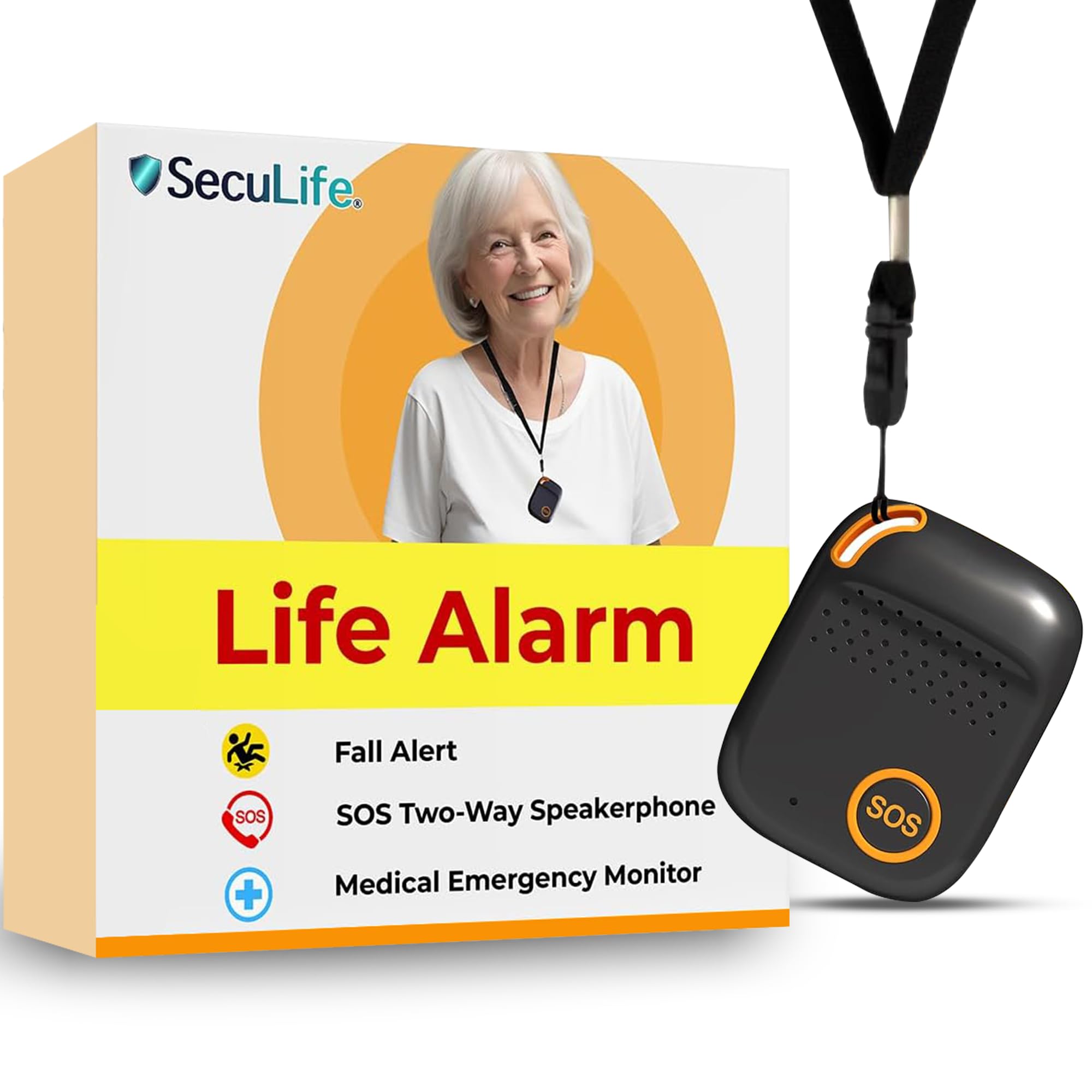
How To Choose The Best GPS Tracking Jewelry
Start with the one thing every listing buries: who gets the alert. Some of these wearables route an SOS to a professional monitoring center staffed around the clock. Others skip the call center entirely and ring or text the family contacts you program in yourself. Neither is wrong — they just fit different households. A monitored plan suits a senior living alone with relatives far away. A direct-to-family plan suits a caregiver who is ten minutes down the road and wants the ping on their own phone.
Check the monthly plan before the hardware
Every device on this list needs a paid subscription to function, and the prices vary widely between them. A plan bundles the cellular SIM card, live tracking, and voice minutes. If you cancel, the jewelry becomes a piece of jewelry. Read the cancellation terms before you buy, because some plans are annual contracts while others run month to month.
Match the form factor to the wearer
A neck pendant is the easiest thing to put on and the hardest to forget. A wristband suits someone who already wears a watch. A necklace that looks like ordinary jewelry works for a teenager or an adult who does not want to look like a patient. Weight, band material, and skin irritation decide whether a tracker stays on past week three — more than any spec sheet admits.
Understand what fall detection can and cannot do
Fall detection uses motion sensors to guess when a body has hit the ground hard. It is genuinely useful but not perfect. Sensitivity set too high flags arm stretches and sitting down hard. Sensitivity set too low misses a real fall. Look for a device that lets you adjust the sensitivity, and treat it as a backup to the SOS button rather than a replacement.
Side-by-Side Comparison
| Model | Best For | Battery Life | Alert Route | Form Factor | Amazon |
|---|---|---|---|---|---|
| ADT On-The-Go Mobile Medical Alert★ Best Overall | Hands-off monitoring | 40 hours | 24/7 ADT call center | Pendant or wristband | Amazon |
| SecuLife GPS Tracker with Fall DetectionBudget Caregiver Pick | Budget caregiver alerts | 24 hours | Up to 4 family numbers | Clip, bag, or neck | Amazon |
| Seculife Medical Alert Smartband | Wrist-worn tracking | 1 day | Direct to family | Smartband | Amazon |
| SecuLife Medical Alert Pendant | Long battery on a necklace | 5 days | Direct to family | Necklace pendant | Amazon |
| invisawear Smart Jewelry Necklace | Discreet personal safety | — | 5 contacts plus 911 | Necklace | Amazon |
| invisawear Smart Jewelry Necklace (Alt. Listing) | Campus and dating safety | — | 5 contacts plus 911 | Necklace | Amazon |
| AngelSense GPS Watch | Autism and dementia wandering | 48 hours | Guardian app alerts | Wrist watch | Amazon |
Detailed Reviews
1. ADT On-The-Go Mobile Medical Alert System
Our pick — 4.0+★ from 30+ verified ratings; the strongest balance of quality and price.
The one that puts a trained human on the line instead of hoping a relative picks up.
For a household where nobody is nearby during the day, the deciding feature here isn’t the pendant — it’s the answering desk behind it. One press of the button opens a call over the nationwide AT&T cellular network to ADT’s U.S.-based monitoring center, staffed around the clock by agents trained in senior sensitivity. Those agents then update your emergency contacts with whatever first responders report back. That chain of people is the product.
Battery is where this pick separates itself from the cheaper clip-on trackers. It runs 40 hours between charges, which beats the SecuLife tracker’s 24 hours for a meaningful margin — enough to cover a full day out plus an overnight without hunting for the cradle. The wearable itself is genuinely small at 0.63 x 1.75 x 2.75 inches, and at 1.76 ounces it disappears under a collar. You get both a wristband and a necklace in the box, so the wearer picks the style. The enclosure mixes plastic and rubber, and the device is rated waterproof, so a shower or a rainy walk doesn’t mean taking it off.
What wins people over is how painless the handover is. You call the activation number printed on the box, an agent walks you through pairing, and they run a live test on both devices so the family sees it work before trusting it. As buyers report of a parent setup: “Very easy to set up, I just called the activation number on the box and they walked me through everything.” The honest catch is the small print on the packaging itself — the print runs small, which is awkward for the very people likely to open the box. Budget for the required monthly monitoring plan too, since nothing functions without it.
What earns the top slot
- Professional monitoring answers the SOS, not just a family group chat
- 40-hour battery outlasts the 24-hour SecuLife tracker
- 1.76 ounces and waterproof, so it stays on in the shower
- Live test call at activation proves it works before you rely on it
Where it asks for patience
- Requires a monthly monitoring plan to operate at all
- Packaging print is small for older eyes
- Fewer Amazon reviews than some cheaper alternatives here
Built for: a senior living independently with family too far away to respond in minutes — the call center is the whole point.
Think twice if: you want a one-time purchase with no monthly bill, or you’d rather the alert went straight to your own phone.
2. SecuLife GPS Tracker
A clip-on tracker that turns your phone into the monitoring center.
If you’re the caregiver and you want the alert on your own screen, this is the entry point. It skips the call center and instead rings the family numbers you program in from the app — the listing notes support for up to four family members’ numbers. Location refreshes on a 30-second or 5-minute interval, so you can loosen the tracking rate to stretch battery. Geofencing is the standout: draw a zone around the house or the day program, and you get a push notification, text, or email when the wearer crosses it.
At 2.4 x 1.7 x 0.7 inches it’s noticeably chunkier than the ADT pendant, and the 850 mAh battery is a modest cell that the listing rates at 24 hours. Real use with heavy geofence updates and fall detection running will eat into that, so the magnetic charger needs a nightly routine. The fall detection leans sensitive by design — one family found it fired a little too easily, but said they’d rather that than miss a real event.
Setup is genuinely quick, and audio comes through better than the small body suggests. One reviewer described testing it with a 92-year-old mother with poor hearing and being surprised the call quality held up. The trade-off to plan around is the service agreement: this runs on a monthly plan, and cancellation terms are the recurring sore point in the feedback. Read that contract before you activate, and know that the SOS routes to your chosen contacts rather than straight to 911.
The app-first advantage: geofence zones, historical location, and push alerts all live in one phone app — perfect if you’re already glued to your phone and want the ping the second your parent leaves the driveway.
Charge it daily: 850 mAh and a 24-hour listing rating mean this is a nightly-plug device, not a set-and-forget one. Build the charging habit before you hand it over.
Reach for this if: you’re a nearby caregiver who wants direct phone alerts and geofence pings without paying for a call center.
Look elsewhere if: nobody in the family can reliably answer a phone alert, or you need a plan you can walk away from easily.
3. Seculife Medical Alert Smartband for Seniors

A silicone smartband for the parent who’d never accept a pendant on a chain.
Some people will wear a watch and absolutely will not wear a necklace. That’s the entire case for this one — a black silicone band with a large SOS button, a heart-rate monitor, and an IP67 rating that shrugs off splashes. Hold the heart button for three seconds and it places an emergency call to your pre-selected contacts; a fall triggers the same response without anyone pressing anything. When an approved contact calls in, the band auto-answers hands-free, which makes it a stripped-down phone substitute for someone who won’t carry a smartphone.
The battery math is the piece to understand. The 680 mAh cell is the smallest here — the ADT pendant’s 40 hours is a different league entirely — and with fall detection and frequent GPS pings running, expect to dock it daily. Ease the tracking interval back and it stretches; leave geofencing hammering away and it won’t. Users report dialing back fall sensitivity after arm stretches tripped it, and slowing the GPS interval to stop the drain. Both adjustments are worth making in the first week.
What lands with owners is the build and the tracking accuracy — that’s the consensus in the review pages, with location reporting called out again and again as the reason people keep it. The mixed part is everything around it: some find setup fiddly and volume control limited. If you want the simplest possible device, this isn’t it. If you want a watch-shaped tracker for a tech-comfortable senior, it’s a fair fit.
Why people keep wearing it
- IP67 splash resistance covers handwashing and rain
- Auto-answer calling works without the wearer pressing a button
- Heart-rate monitor adds a health readout beyond location
- 1-year location history available in the app
Friction points to know
- 680 mAh cell needs a daily charge with features on
- Fall sensitivity and GPS interval both need tuning
- Volume is fixed, which is loud for some wearers
Suits: the watch-wearing senior who wants wrist-based calling and fall alerts routed to family, no call center in the loop.
Not for: anyone who won’t remember a nightly charge, or a household that needs a monitoring agent to answer.
4. SecuLife Medical Alert Pendant for Seniors
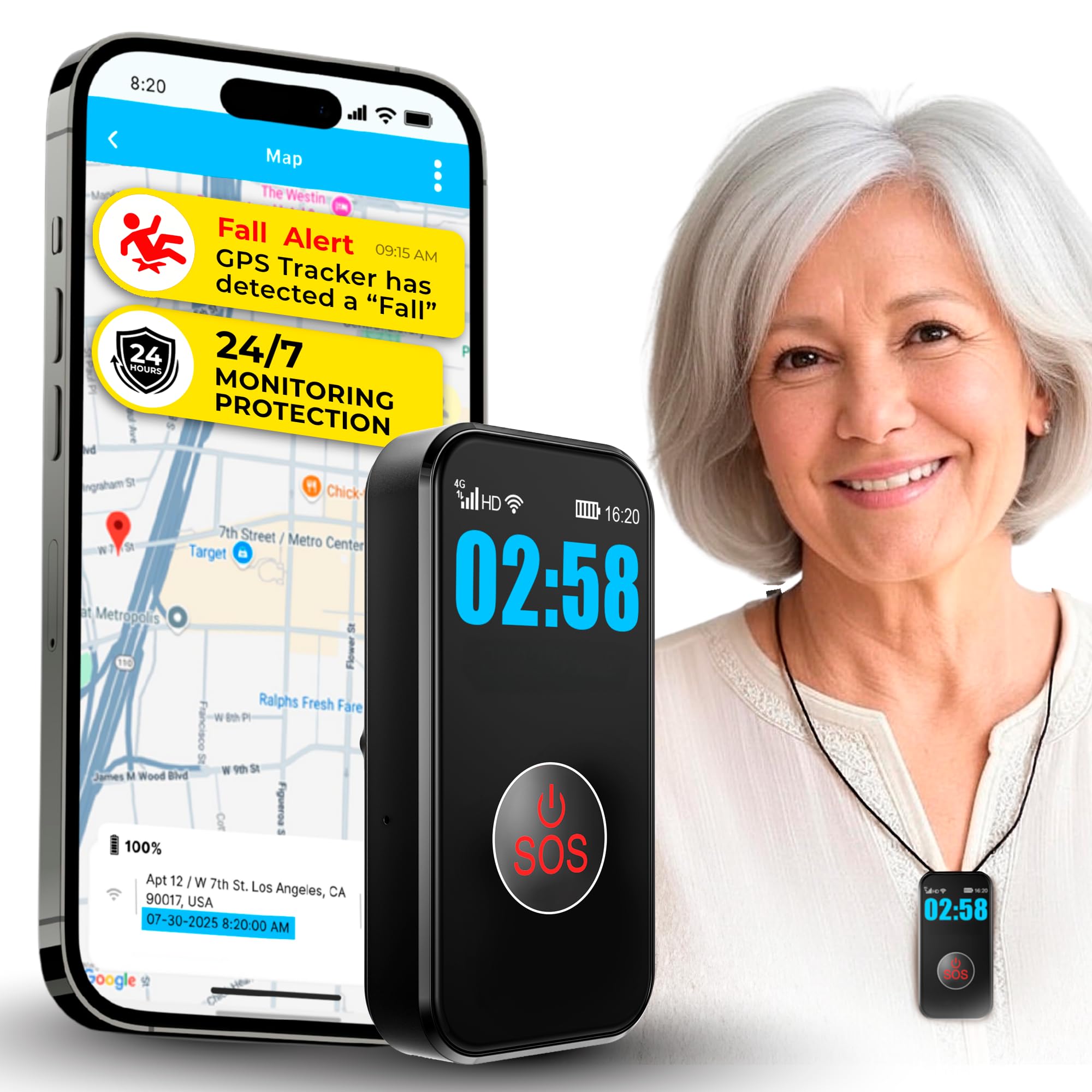
Six days between charges on a pendant that shows its own battery level.
The number worth circling here is battery life, and it’s the biggest on this list. The 1000 mAh cell is rated at up to 6 days with 24-hour tracking intervals, with a 5-day average in the spec sheet. Nobody else in this lineup comes close to that — the SecuLife tracker above tops out at 24 hours, and the smartband needs daily dock time. For a senior who’ll forget the charging cradle exists, that gap is the whole buying decision.
It’s a proper necklace rather than a clip: fully waterproof IP67, wearable in the shower and the rain, with a clear display on the pendant showing time, battery, and signal at a glance. The large SOS button places a two-way cellular call over 4G LTE, and when you call the wearer it auto-answers hands-free. Geofence zones send an alert when the wearer enters or leaves a set area, and 1 year of location history is stored in the app.
Owners describe the setup as simple and the app as well designed, with the loud speaker volume helping hard-of-hearing wearers hear a call. The recurring caveat is the documentation — activation runs off a QR card rather than printed instructions, and the alert-sequence operation takes some working out. Battery drain spikes when geofence updates are set to hourly, so leave them at the longer interval if you want the six-day figure. And like the rest of this family, it needs a monthly plan before the pendant does anything.
The charging freedom: at up to 6 days between charges, this is the one you can hand to someone who genuinely won’t remember a nightly routine.
The setup speed bump: there’s no printed manual, only a QR activation card, so plan to be on the phone for the first activation.
Pick this one when: forgetful charging is the biggest risk in the household and you want a necklace, not a band.
Pass when: you need a printed instruction booklet or a call-center agent on the other end.
5. invisawear Smart Jewelry – Personal Safety Device – Necklace

A gold necklace nobody clocks as a safety device until you press the back.
This is the pick for someone who’d be insulted by a medical alert pendant. It’s designed as a piece of jewelry first — a gold necklace that sits inside or outside clothing without announcing itself. A press of the hidden button sends an alert with GPS location to up to five contacts plus 911. That combination — family plus emergency services — is something the senior-focused pendants here deliberately don’t do. One buyer chose it for a daughter heading to campus, picking it over a taser or pepper spray because it’s easier to reach in a crisis.
A gold necklace that reads as jewelry is the reason a teenager keeps it on. It looks good enough to wear daily, which beats a better-spec device left in a drawer. It’s also been a lifeline for adults leaving domestic abuse situations, with one wearer choosing it because it’s functional and looks fine worn over or under clothes, and confirming the messages reach her contacts as advertised. Customer service gets its own credit: a broken clasp was replaced with a new chain without a fight.
Now the honest part, because this pick has a real catch and it isn’t small. The necklace needs an ADT monthly plan before the button does anything, and the listing doesn’t say so plainly — more than one buyer activated expecting family contact to work free. Beyond that, the hardware is the weak link: there’s a fixed one-year battery that can’t be swapped, and some units have broken within months with the finish wearing through. It’s still a fine necklace for the right person, but treat it as a subscription product with a wearable attached.
The case for it
- Alerts five contacts plus 911, not one or the other
- Real jewelry appearance means it actually gets worn
- Fast clasp replacement from customer service
- Clear GPS location included in the alert
The honest catch
- Requires an ADT monthly plan to function
- Fixed one-year battery you can’t replace
- Durability is the recurring weak spot in feedback
Worth it for: teens, students, and adults who want a security button that passes as jewelry and reaches both family and 911.
Not the one if: you want a medical alert for a senior, a replaceable battery, or a device that works without a subscription.
6. invisawear Smart Jewelry Necklace

Same necklace, second listing — buy whichever one is in stock.
This is the same invisawear necklace as the pick above, sold under a separate Amazon listing, so the specs and the story are identical. What it does: a hidden press alerts up to five contacts plus 911 with a GPS location. What it looks like: an attractive gold necklace that doesn’t read as a panic button. The difference between the two listings is basically availability, not hardware. If one is out, check the other.
The people who get the most out of it are younger wearers who want a safety plan that fits into normal life. It’s been used on campus in place of a taser or pepper spray, and by adults leaving domestic abuse situations who want a button that reaches help without a visible device. The alert reaches both family and emergency services, which separates it from the senior pendants that call relatives only.
Same catch as its twin: activation requires an ADT monthly plan, and the listing doesn’t spell that out. There’s also a fixed one-year battery rather than a replaceable one, and the finish and clasp are the recurring durability gripes in the feedback. Buy it as a subscription product and the necklace is genuinely nice; the mistake is assuming the button works on its own.
Why people choose it: one hidden press reaches five contacts plus 911 with location attached — no phone, no visible device, no explaining yourself in a crisis.
Know before you buy: the monthly ADT plan is mandatory, the battery can’t be swapped at home, and the chain is the most fragile part.
Great fit for: a student or young adult who wants discreet, always-worn security that calls both family and emergency services.
Skip if: you’re shopping for an elderly parent’s fall detection, or you won’t pay a monthly plan.
7. AngelSense GPS Watch
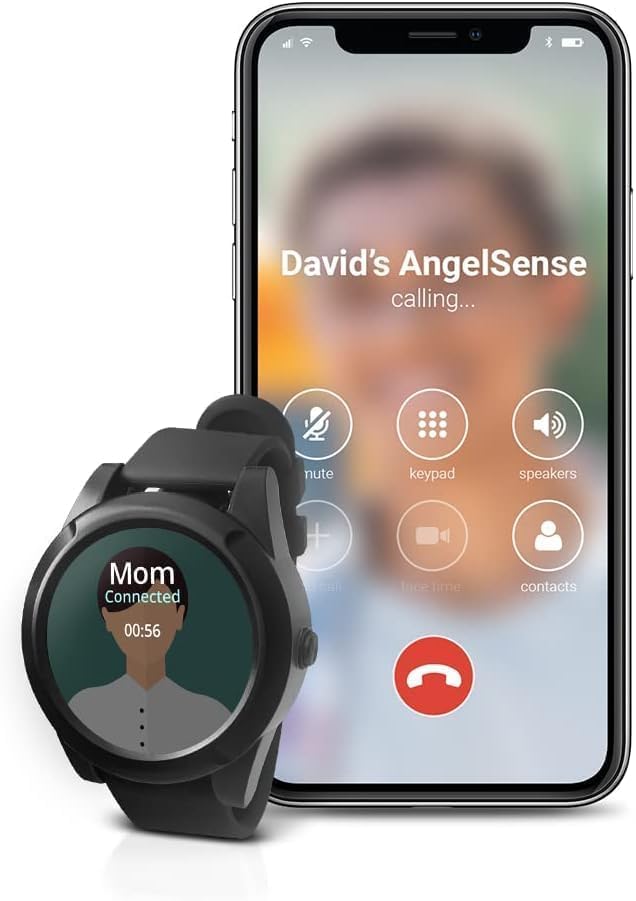
The tracker that watches the whole route home, not just the front door.
Most GPS jewelry alerts you when someone crosses a line you drew yourself. This watch goes further, and that’s the reason it’s here. It learns a wearer’s daily routine and flags not just geofence crossings but early departures, late arrivals, unexpected stops, and a change in travel speed — so you know when the school bus doesn’t show or a teen gets off at the wrong stop. Safe-ride monitoring reports live route, max speed, and ETA. For a child or adult who wanders, that’s a fundamentally different layer of coverage than a pendant with geofences.
The hardware suits the job. The 48-hour battery is the longest here by the spec sheet, and the watch weighs 1.6 ounces with a soft silicone band 22 mm wide — light enough that a sensory-sensitive child may tolerate it, though one family ended up pinning the unit to shoes because of sensory issues with the watch itself. The 0.96 inch OLED screen runs under toughened organic glass, and it’s water resistant and easy to charge. There’s an SOS button, assistive speakerphone with auto pickup, a one-way listen-in feature, and an audible alarm for finding someone hiding in a crowd or lost in a crowd.
What wins people over is the accuracy of the live location and the way routine-based alerts remove the guesswork — the review pages are dominated by how closely the tracking follows the actual route. The catch is cost and commitment: this is the most expensive plan here at a month on a 1-year contract, though it comes with unlimited US customer care staffed by people who raise special-needs kids themselves. Battery also drops under heavy daily tracking, so nightly charging is part of the deal.
What sets it above the pendants
- Auto-learns routine and alerts on deviations, not just geofences
- 48-hour battery is the longest of any pick here
- Live route, max speed, and ETA for school-bus monitoring
- Listen-in and audible alarm for finding someone in a crowd
The real cost of the coverage
- Highest monthly plan here, on a 1-year contract
- Battery drops fast under heavy daily tracking
- Some sensory-sensitive wearers may resist a watch on the wrist
The pick for: families managing autism, dementia, or elopement risk who need to see the whole journey, not a single fence line.
Not worth it for: a generally independent senior doing errands, or anyone unwilling to commit to a year-long plan.
Know the Specs
Battery Life vs. GPS Refresh Rate
Battery life is measured in hours or days between charges, and it’s directly tied to how often the device reports its location. A tracker set to update every 30 seconds will drain a cell far faster than one set to every 24 hours. That’s why two devices with the same battery capacity can have very different real-life runtime — and why the longest-rated pick on this list specifies a 24-hour tracking interval. If you want maximum days between charges, loosen the refresh rate and keep fall detection as the only always-on feature.
Who Answers: Call Center vs. Family Contacts
There are two alert routes in this category, and the difference changes the whole plan. A monitored device (like the ADT pendant) sends the SOS to a staffed professional center that then calls your emergency contacts and updates them with first-responder information. A direct-to-family device (like the SecuLife pendants and smartband) rings or texts the phone numbers you program in yourself. The monitored route costs more per month but doesn’t depend on someone being free to answer. The direct route is cheaper and puts the alert on your own screen, but if nobody picks up, nothing happens.
Fall Detection Sensitivity
Fall detection is a motion sensor that guesses when a body has hit the ground hard. Sensitivity is the variable — high settings catch more real falls but also flag arm stretches and sitting down hard. Look for a device whose sensitivity you can adjust in the app, and treat the SOS button as the primary trigger with fall detection as backup rather than the other way round.
Water Resistance Ratings
An IP67 rating means the device is sealed against dust and survives being briefly submerged, so it can stay on in the shower and the rain. Not every device here carries that rating, and a wearable that has to come off for a shower is a wearable that can get forgotten on a bathroom counter. Check the rating before assuming it can stay on through a full day.
Common Questions
Does GPS tracking jewelry work without a monthly subscription?
Will a GPS pendant call 911 directly?
Can I wear these in the shower or the bath?
How accurate is the location on a GPS necklace?
Is fall detection reliable enough to trust on its own?
Can a GPS tracker battery be replaced?
Is a GPS necklace better than a smartband or watch?
Do these devices work outside the US?
How do I cancel a subscription if the device doesn’t work out?
The Bottom Line
For most families, the gps tracking jewelry that makes the most sense is the ADT On-The-Go Mobile Medical Alert — it puts a trained monitoring agent on the line instead of relying on a relative picking up. The 40-hour battery outlasts the 24-hour SecuLife tracker, and the live test call at activation lets you see it work before you trust it. If you’re a hands-on caregiver who wants alerts on your own phone, the SecuLife Medical Alert Pendant stretches to up to 6 days per charge and skips the call center entirely. And if your priority is a device a teenager or adult will actually keep on, the invisawear Smart Jewelry Necklace passes as ordinary jewelry while reaching five contacts plus 911.
How we choose
We do not accept paid placement. Every pick is matched to a real buyer and a real use-case; we do not hands-on test units.
Sources
Specifications: manufacturer listings and product documentation. Review insights: verified customer reviews, as of October 2026. Pricing: not shown on this page (it changes often); check the current price via the retailer link.
As an Amazon Associate, Aappliancez earns from qualifying purchases. This does not affect which products we feature.