Disclosure: Some links in this post are affiliate links. As an Amazon Associate I earn from qualifying purchases, at no extra cost to you. Learn more
Specs are compiled from manufacturer listings and verified buyer reviews and can change over time — please confirm the key details on the product page before buying.
If you have ever taken zinc and felt queasy twenty minutes later, the problem was probably the form, not the mineral. Zinc only helps you when it actually crosses into your bloodstream, and the cheap oxide version often does not. The picks below all use chelated or picolinate forms that are designed to absorb well and stay gentle on your stomach.
This guide is built by comparing the manufacturers’ published specifications and the patterns across verified customer reviews, so you get each pick’s real strengths and trade-offs instead of marketing spin.
The short answer: zinc picolinate and zinc bisglycinate are the two forms worth buying, and the milligram dose matters as much as the form. The table below breaks down each option so you can pick quickly and confidently; it is a shortlist built around the best form of zinc for absorption.
Top Picks
How To Choose The Best Form of Zinc for Absorption
Your body can only use the zinc it can actually absorb. A capsule can hold a big dose and still do little if your gut cannot pull the mineral apart, so the ingredient name on the label matters more than the number beside it.
Read the form before the milligram count
Zinc picolinate and zinc bisglycinate bind the mineral to an amino acid or organic acid, and that bond is what helps it survive the trip through your digestive tract. Zinc oxide is the cheapest form and the one most likely to sit heavy in your stomach. When you compare bottles, look for “picolinate” or “bisglycinate” printed right after the word zinc.
Match the dose to what you actually need
A 50 mg capsule delivers 455% of your daily value, which is more than a maintenance dose for most people. A 20 mg or 30 mg serving sits closer to everyday use. If you are topping up during cold season you may want the higher number, but for routine daily intake the smaller dose is easier to take consistently.
Check the capsule count against the serving size
One capsule per serving is standard here, so the bottle count tells you roughly how long it lasts. A 300-count bottle of a once-daily capsule is close to a year of supply. Two bottles of the same dose with different counts can look similar on the shelf but last very differently in your cabinet.
Side-by-Side Comparison
| Model | Best For | Zinc Form | Zinc Per Serving | Capsule Count | Amazon |
|---|---|---|---|---|---|
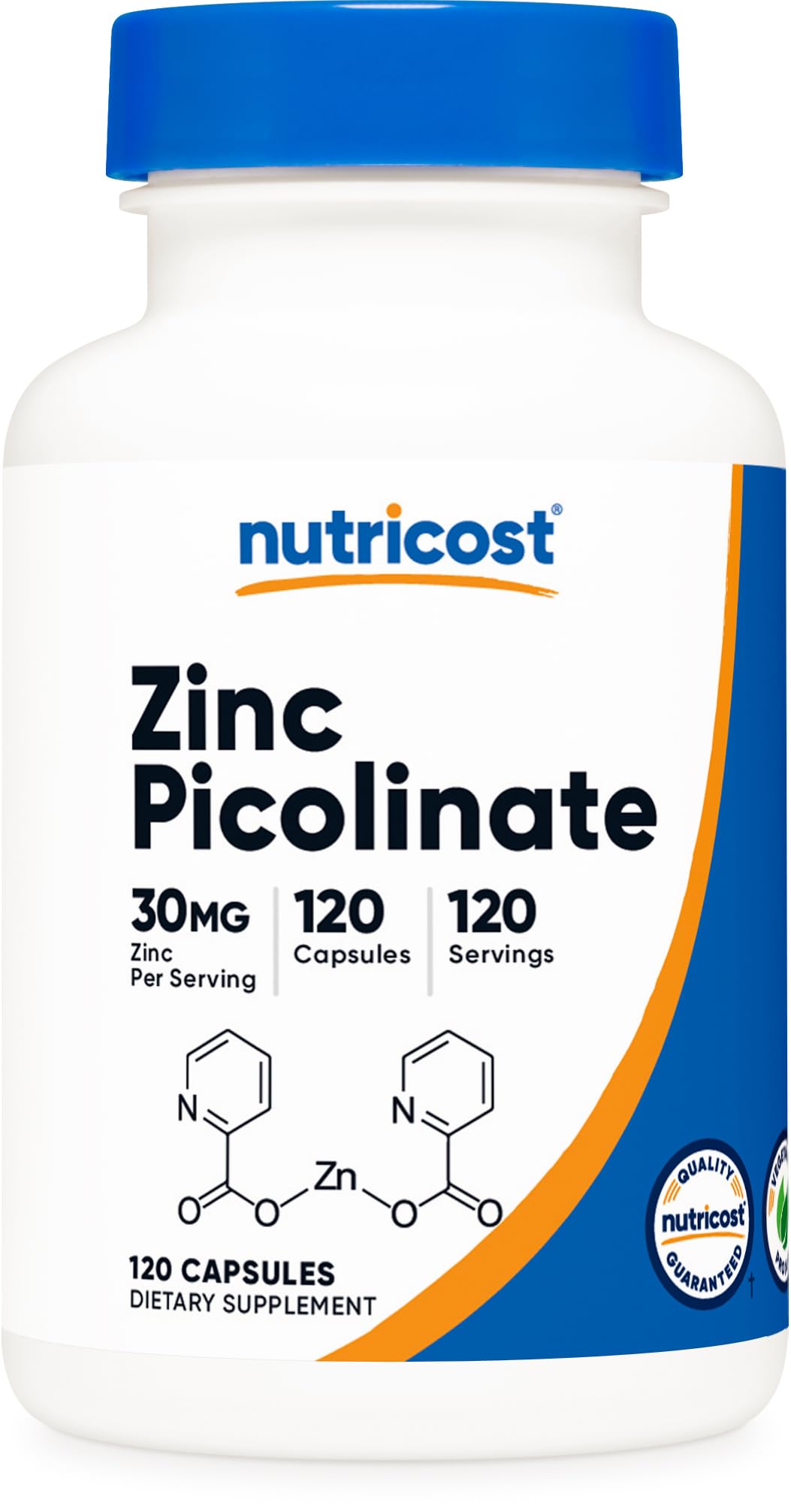
| Nutricost Zinc Picolinate 30mg★ Best Overall | Everyday value | Zinc Picolinate | 30 mg | 120 capsules | Amazon |
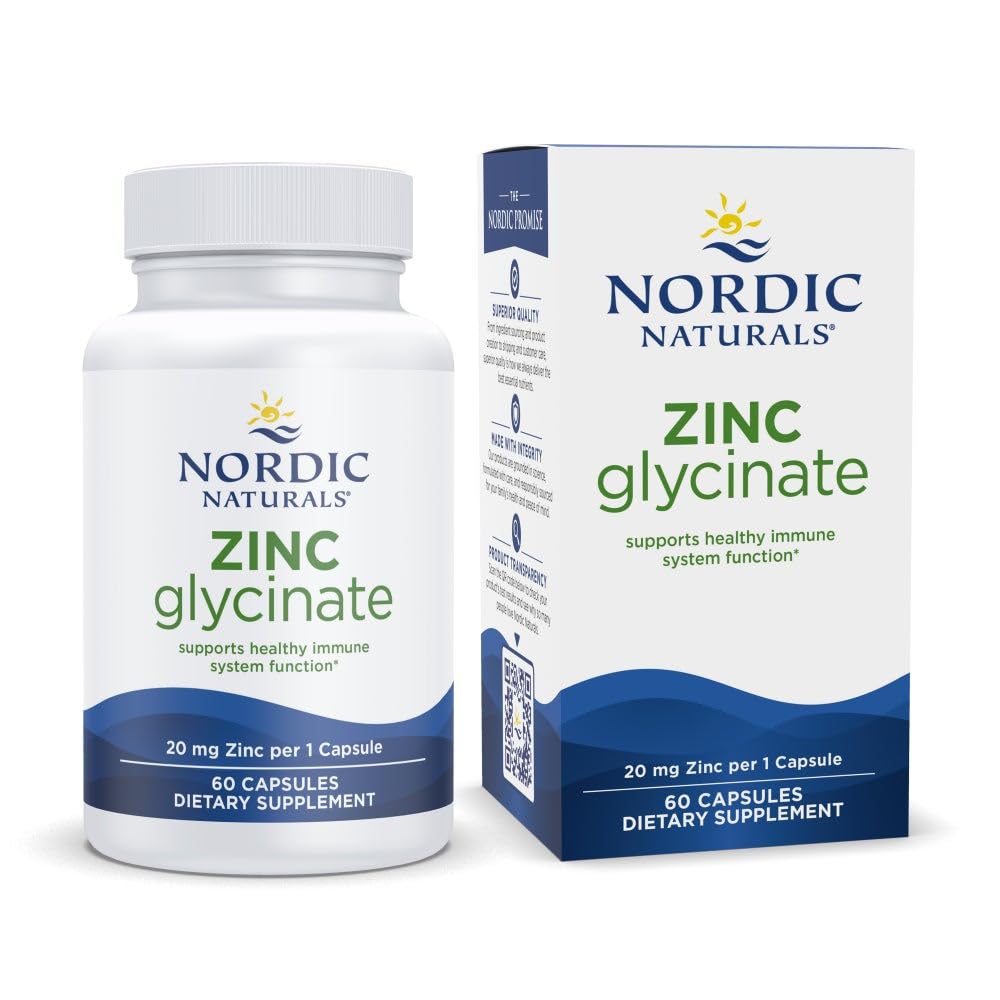
| Nordic Naturals Zinc Glycinate 20mgGentlest Dose | Sensitive stomachs | Zinc Glycinate | 20 mg | 60 count | Amazon |
| Carlyle Zinc Picolinate 50mg | Long supply | Zinc Picolinate | 50 mg | 300 count | Amazon |
| Bluebonnet Zinc Picolinate 50 mg | Clean-label shoppers | Zinc Picolinate | 50 mg | 100 capsules | Amazon |
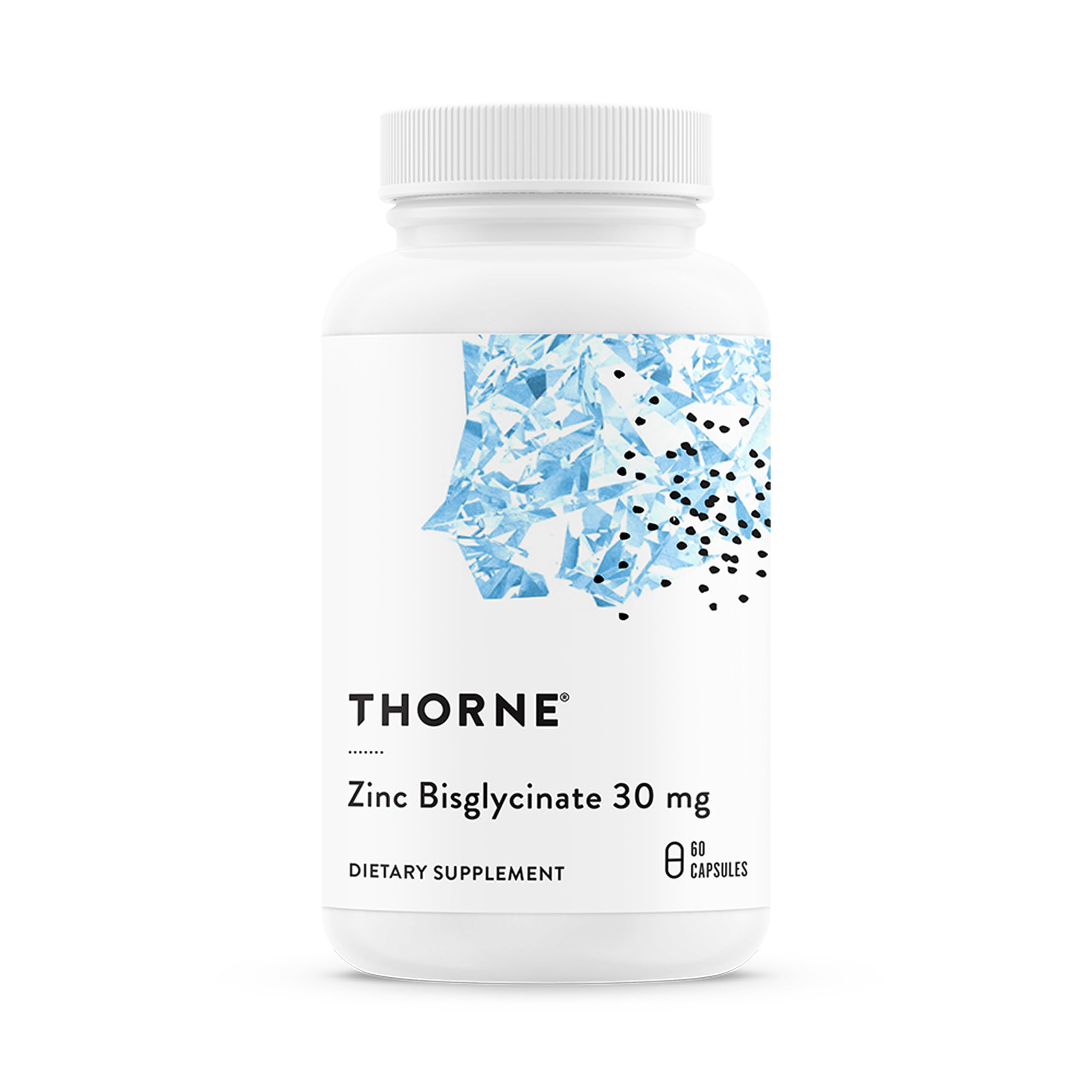
| THORNE Zinc Bisglycinate 30 mg | Third-party testing | Zinc Bisglycinate | 30 mg | 60 capsules | Amazon |
Detailed Reviews
1. Nutricost Zinc Picolinate 30mg, 120 Capsules
Our pick — 4.5+★ from 1,000+ verified ratings; the strongest balance of quality and price.
A zinc picolinate (zinc bound to picolinic acid, a form the body absorbs well) that gives you a solid daily dose without going over it.
Thirty milligrams of zinc picolinate per vegetarian capsule is a moderate daily amount, and that is exactly what makes this bottle easy to live with. You get 120 servings in 120 capsules, so one bottle carries you past four months of once-a-day use. The zinc arrives bound to picolinic acid, a form built to help the mineral cross into your bloodstream rather than pass through.
What wins people over here is the price-to-quality read. Buyers report the capsules go down without trouble and leave their digestion alone — “very affordable quality product, no difficulty in digestion,” as the review pages sum it up. The brand manufactures in a GMP-compliant, FDA-registered facility, and the formula is non-GMO, gluten-free and vegetarian. There is also a fill-level detail worth knowing: the contents genuinely fill the bottle rather than rattling around half empty.
The honest catch is timing. Zinc on a completely empty stomach can turn queasy, so take this one with a meal. Capsule size draws a mixed reaction too — some find them small and easy, others find them on the larger side. Against the Nordic Naturals pick, this bottle holds 120 servings to its 60 — twice the supply at the same once-daily rhythm. If you want a bottle that simply lasts, this is the one.
What earns the top spot
- 30 mg of zinc picolinate per capsule — a measured daily dose in a well-absorbed form
- 120 servings per bottle keeps the cost per dose low without cutting corners
- Non-GMO, gluten-free and vegetarian in a GMP-compliant facility
- Gentle on the stomach for most people when taken with food
Where it asks a little of you
- Empty-stomach nausea is the recurring note — pair it with a meal
- Capsule size splits opinion; some find them chunky
- No higher-dose option in this exact listing
Reach for this if: you want a well-absorbed picolinate at a sensible 30 mg dose that lasts four months and more.
Look elsewhere if: you need a higher 50 mg dose — the Carlyle or Bluebonnet listing covers that.
2. Nordic Naturals Zinc Glycinate 20mg, 60 Count
The chelated, low-dose bottle built for people whose stomach reacts to everything.
Twenty milligrams of zinc glycinate is the smallest dose on this list, and the glycinate bond — the mineral wrapped in the amino acid glycine — is the reason it earns a spot. Chelated minerals are formulated to be absorbed in a way that tends to sit easier on a sensitive gut. Nordic Naturals also spells out third-party testing for purity and freshness, plus a non-GMO, certified vegan formula that is gluten- and dairy-free.
Reviewers credit it with better daily immune support and less hair shedding over time. Someone with a sensitive stomach put it plainly: “Doesn’t break the bank and doesn’t upset my stomach!” That is the whole pitch in one line. It is a low-milligram capsule you can swallow without fuss, which matters when you are taking it every single morning.
The trade-off is arithmetic. Sixty capsules means two months at one a day, and at 20 mg you are getting 2.5 times less zinc per serving than the 50 mg Bluebonnet bottle. If you want a heavy maintenance dose, this is not it. If you want the most forgiving, lowest-dose chelated option with a clean-label pedigree, it is.
Owner experience: This is a staple for repeat buyers. “Trust and love this product! Repeat customer. We have been using since 2020,” reads one of many such notes — the kind of long-run loyalty a supplement only earns the hard way.
My read: pick it for a gentle daily dose, not for a high milligram count. The two-month supply and low serving size are the honest limits.
Best for: sensitive stomachs and anyone who prefers a small 20 mg daily dose in a chelated form.
Worth a second look: the 60-count bottle runs short if you are taking it every day year-round.
3. Carlyle Zinc Picolinate 50mg, 300 Count

Three hundred quick-release capsules of 50 mg picolinate — the buy-once, last-a-year bottle.
Fifty milligrams of zinc picolinate per capsule covers 455% of your daily value, so this is a serious dose rather than a light top-up. Pair that with 300 capsules and you have close to a year of once-daily supply in one bottle. The picolinic acid bond is precisely the “best form for absorption” angle buyers search for, and Carlyle labels the formula naturally free of gluten, wheat, yeast, milk, lactose, soy, artificial flavor and sweetener. The bottle is larger and heavier than the smaller premium bottles — 7.3 ounces versus 0.32 ounces on the Bluebonnet — which is simply the reality of three times the capsules.
The experience that comes through loudest is stomach comfort. Plenty of people who felt queasy on cheaper zinc report this one going down clean, with no nausea and no discomfort. Quality is the note buyers hit hardest, and it reads as a bottle they intend to keep buying. One practical warning from the review history: the price has climbed over the years, so check the current listing rather than assuming a past price holds.
This one suits you if you take 50 mg on purpose, under a doctor’s guidance or as part of a higher-dose routine, and you would rather not rebuy every couple of months. The 300-count bottle is the longest supply in this guide, and at once a day it lasts roughly a full year. If a lower maintenance dose fits you better, the 30 mg Nutricost saves you from splitting or skipping.
Why it stands out
- 50 mg of zinc picolinate — a high-potency dose in an absorbable form
- 300 capsules at once daily is close to a year of supply
- Widely reported as gentle with no nausea compared with cheaper zinc
- Free of gluten, wheat, yeast, milk, lactose, soy and artificial additives
What to weigh up
- The 455% daily value is far more than most people need for routine use
- The 7.3-ounce bottle is bulky compared with smaller premium options
- The listed price has risen over time — confirm it before you buy
Go here if: you take a full 50 mg dose and want the longest-running bottle on the list.
Hold off if: you only need a 20–30 mg maintenance dose — the higher milligram count would be overkill.
4. Bluebonnet Nutrition Zinc Picolinate 50 mg

A 50 mg picolinate in a kosher, vegan vegetable capsule for the label readers.
Fifty milligrams of zinc picolinate per vegetable capsule puts this bottle in the same high-dose class as the Carlyle, but the formula is built for people who scan the fine print. It is non-GMO, soy-free, gluten-free, dairy-free, vegan and kosher certified, and the maker lists it as free of milk, egg, fish, shellfish, tree nuts, peanuts, wheat, soybeans, corn, yeast, barley, rice, sodium and sugar. That is a genuinely short exclusion list, and it is why the pick leans toward clean-label shoppers.
Effectiveness is the theme buyers mention most, and the way it shows up is skin. Reviewers use it for acne and inflammation as often as immune support, and describe the capsules as easy to take and gentle on digestion. Purity comes up too — no filler like titanium dioxide, and a glass bottle that signals a more premium build. The picolinate form itself is repeatedly praised as easier to stomach than chelate, which some report causes itching.
Compare it to the Nordic Naturals bottle and the difference is clear: 50 mg versus 20 mg per serving, a 2.5-times-higher dose. What you give up is servings per bottle — 100 here against 120 on the Nutricost — so it lasts about a third as long on a once-daily routine. For the higher dose and the tighter label, that is a fair exchange.
Verified over years: Long-run buyers describe switching from zinc chelate to picolinate and staying put, some for a decade — the form, not just the brand, is what keeps them.
The honest limit: 100 capsules is a shorter supply than the 300-count bottles, and at 50 mg the dose is high for everyday maintenance.
Choose this if: you want a high-dose picolinate with a kosher, vegan, allergen-light label and glass-bottle packaging.
Think twice if: you need a low maintenance dose or a year-long bottle — you would be paying for potency you do not need.
5. THORNE Zinc Bisglycinate 30 mg, 60 Capsules
Bisglycinate at 30 mg with third-party testing behind every capsule.
Thirty milligrams of zinc bisglycinate per capsule sits right in the daily-dose range, and the bisglycinate bond — the mineral attached to two glycine molecules — is a form formulated for absorption. What sets this bottle apart is verification: it is third-party tested and certified to confirm what is in the package matches the label, with no unsafe contaminant levels. Thorne also cites use by 100+ professional sports teams and its naming as a clinical brand in an independent survey.
Quality is the note that runs through the entire listing, and it reads as a brand people trust rather than a bargain they tolerate. The routine of taking it daily comes with a stomach tip, though — “no stomach upset…take it with food,” as one buyer sums it up. Long-term 30 mg users report rarely catching colds or flu, and reviewers repeatedly cite easy swallowing as why they stay. Third-party verification is the detail people single out as the reason they picked it over a cheaper bottle.
The catch is how long the bottle lasts. You get the same once-a-day ease as the 50 mg Bluebonnet, but 60 capsules is just two months of supply, the shortest run in this guide. For a trusted, tested bisglycinate (zinc bound to the amino acid glycine, a gentle form), that is fine; for volume, it is not.
The case for the bottle
- 30 mg of zinc bisglycinate — a well-absorbed form at a daily dose
- Third-party tested and certified for label match and contaminant levels
- Widely reported as gentle with food and easy to swallow
- Marketed for general wellness, skin, connective tissue, eye and hormone health
The part to plan for
- 60 capsules is only two months at once a day — the shortest supply here
- Empty-stomach use can still upset some people; take it with food
- No 50 mg high-dose version in this listing
Pick it if: you want independently verified bisglycinate at a measured 30 mg dose and trust the testing over the bottle size.
skip it if: you want a long-lasting bottle — you will be back to reorder in about two months.
Know the Specs
Zinc Form (Picolinate and Bisglycinate)
The form is the mineral plus whatever it is attached to. In picolinate, zinc is bound to picolinic acid; in bisglycinate and glycinate, it is bound to the amino acid glycine. Those bonds are designed to help the zinc survive digestion and cross into your bloodstream. When you read a label, find the word zinc first, then the form right after it — that second word is what matters for absorption.
Milligrams and Daily Value
The number in milligrams tells you how much zinc is in one serving, not how much you absorb. A 50 mg capsule is 455% of your daily value, which is far more than routine maintenance needs. A 20 mg or 30 mg serving is closer to everyday use. Match the dose to your reason for taking it — a low daily top-up versus a higher short-term dose.
Capsule Count and Serving Size
When one capsule equals one serving, the bottle count tells you the supply length. A 300-count bottle at once a day is roughly a year; a 60-count bottle is about two months. That makes count a direct read on how often you rebuy and what the cost per day really is.
Third-Party Testing and Facility Standards
Third-party testing means an outside lab checks that what is in the capsule matches the label and that contaminant levels are safe. GMP-compliant and FDA-registered facilities are named manufacturing standards. These details do not change the form or the dose, but they tell you whether the label can be trusted.
Common Questions
Which zinc form absorbs the best, picolinate or bisglycinate?
Is zinc picolinate better than zinc oxide?
Why does zinc make me feel sick and how do I stop it?
Can I take two zinc capsules to reach a higher dose?
How many months does a 60-count zinc bottle actually last?
Does the pill size make zinc hard to swallow?
What does third-party tested mean on a zinc label?
Are these zinc capsules vegan and gluten free?
Should I take zinc with food or on an empty stomach?
How long does a bottle of 50 mg zinc picolinate last?
The Bottom Line
For most people after the form of zinc for absorption, the Nutricost Zinc Picolinate 30mg is the smart take. You get a well-absorbed picolinate at a measured 30 mg, 120 servings in one bottle, and a formula that keeps digestion calm when taken with food. For most buyers, that is the balance worth paying for. If you want to push to a 50 mg dose, the Bluebonnet Zinc Picolinate 50 mg pairs that higher serving with a kosher, vegan, allergen-light label. And if your stomach is the deciding factor, the Nordic Naturals Zinc Glycinate 20mg delivers a gentle chelated dose with a certified-vegan pedigree.
One nudge: whatever form you settle on, take it with food. That single habit is the most-repeated fix in every listing here, and it turns a queasy capsule into a routine you will actually keep.
How we choose
We do not accept paid placement. Every pick is matched to a real buyer and a real use-case; we do not hands-on test units.
Sources
Specifications: manufacturer listings and product documentation. Review insights: verified customer reviews, as of October 2026. Pricing: not shown on this page (it changes often); check the current price via the retailer link.
As an Amazon Associate, Aappliancez earns from qualifying purchases. This does not affect which products we feature.