Disclosure: Some links in this post are affiliate links. As an Amazon Associate I earn from qualifying purchases, at no extra cost to you. Learn more
Specs are compiled from manufacturer listings and verified buyer reviews and can change over time — please confirm the key details on the product page before buying.
If your bougainvillea is all glossy green leaves and no color, the plant is almost certainly getting too much nitrogen and not enough phosphorus. That is the whole story behind most disappointing vines. A fertilizer built for heavy bloomers — one with a high middle number in its N-P-K ratio (the three-digit label showing nitrogen, phosphorus and potassium) — pushes the plant toward flower production instead of leaf growth. The five picks below cover every feeding style: water-soluble powders you mix in a watering can, slow granules you scratch into the soil, and a straight phosphate booster for soil that is already rich.
This guide is built by comparing the manufacturers’ published specifications and the patterns across verified customer reviews, so you get each pick’s real strengths and trade-offs instead of marketing spin.
Below, each fertilizer is matched to the growing situation it suits, in plain terms. This breakdown of the fertilizer for bougainvillea pairs each ratio with the exact growing situation it suits best.
Top Picks
How To Choose The Best Fertilizer for Bougainvillea
Bougainvillea is not a heavy feeder in the way a tomato plant is. Give it too much of the wrong thing and you get a vigorous green wall with no color at all. The goal is a formula that tilts toward phosphorus, applied on a rhythm the plant can use.
Read the middle number first
The N-P-K label reads nitrogen, phosphorus, potassium in that order. Nitrogen drives leafy green growth, and it is the number you want low on a bougainvillea. Phosphorus, the middle figure, is the one tied to flower and bract formation. A ratio like 10-30-20 or 9-58-8 is telling you the maker built it for bloom, not foliage. A 5-7-10 tilts more gently and suits a plant you are also trying to keep healthy and full.
Match the form to your watering routine
Water-soluble powders mix into a can and feed through both roots and leaves, which makes them fast-acting but short-lived. Granules sit in the soil and release over time, so you reapply on a schedule rather than every week. A straight phosphate granule like 0-18-0 is a soil amendment — it corrects a phosphorus shortage rather than supplying a complete diet. If you already feed a balanced product, a phosphate booster is the add-on, not the whole program.
Respect the acid preference
Bougainvillea grows best in soil on the acidic side, which is why acid-loving formulas appear in this category. A product built for azaleas, hydrangeas and rhododendrons is feeding plants with the same soil preference. That is a useful shortcut when you are shopping: the label naming those plants is telling you the pH direction it was blended for.
Side-by-Side Comparison
| Model | Best For | N-P-K Ratio | Form | Package Size | Amazon |
|---|---|---|---|---|---|
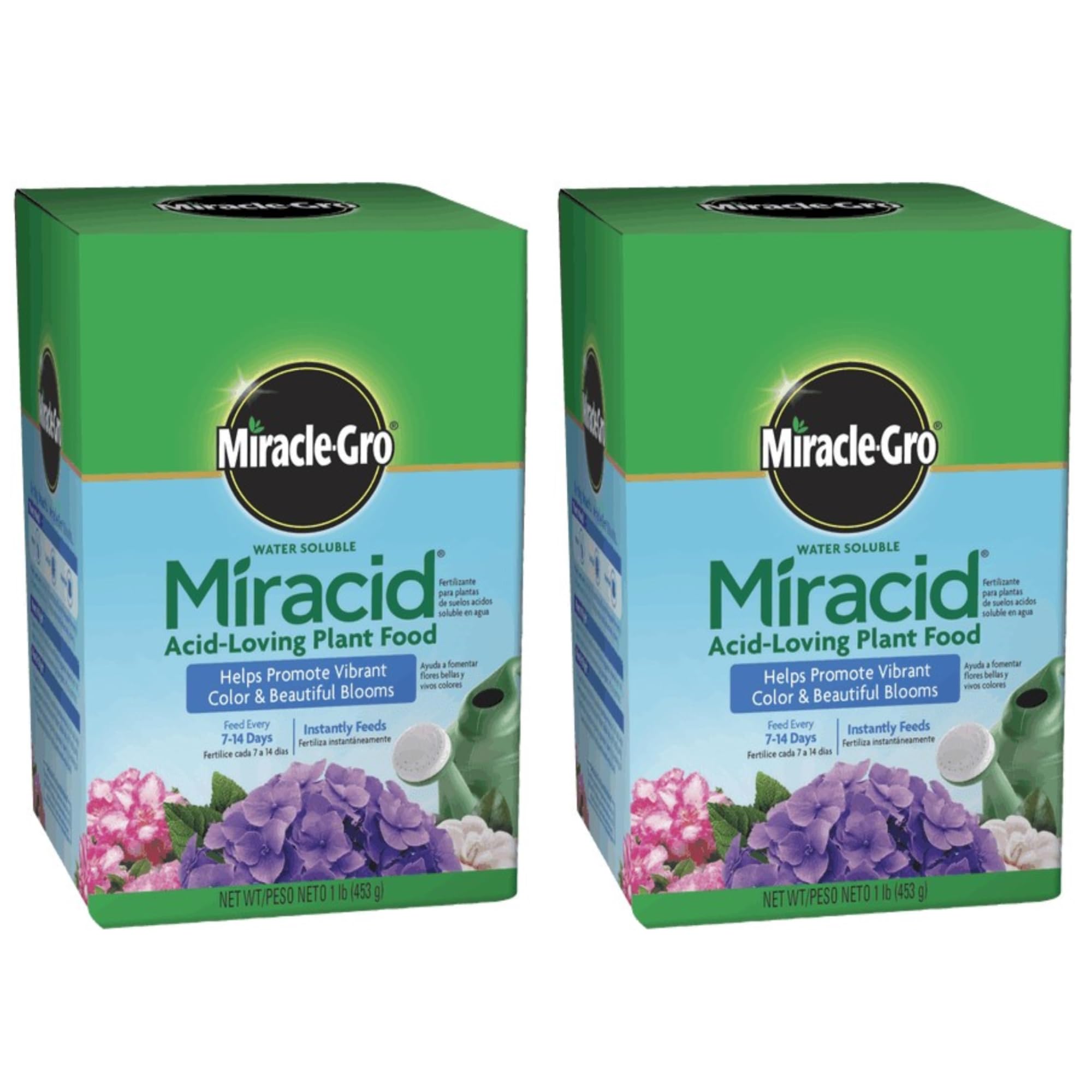
| Scotts Miracid Acid-Loving Plant Food★ Best Overall | Acid-loving soil and quick leaf-and-root feeding | Acid-loving formula | Water-soluble powder | 2-pack, 32 oz total | Amazon |
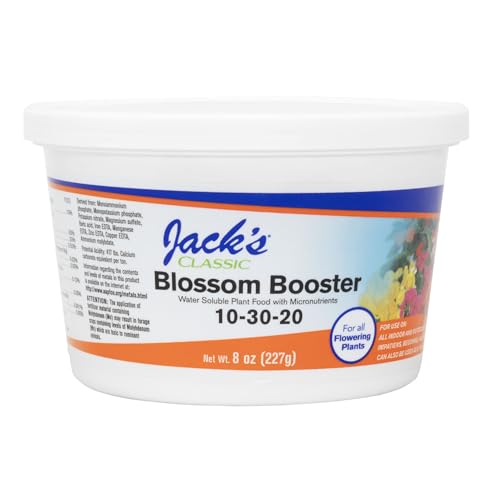
| Jack’s Classic Blossom BoosterTop Performer | Bougainvillea bloom push all summer | 10-30-20 | Water-soluble powder | 8 oz tub | Amazon |
| Hi-Yield Super Phosphate | Correcting a phosphorus-poor soil before planting | 0-18-0 | Granules | 4 lbs | Amazon |
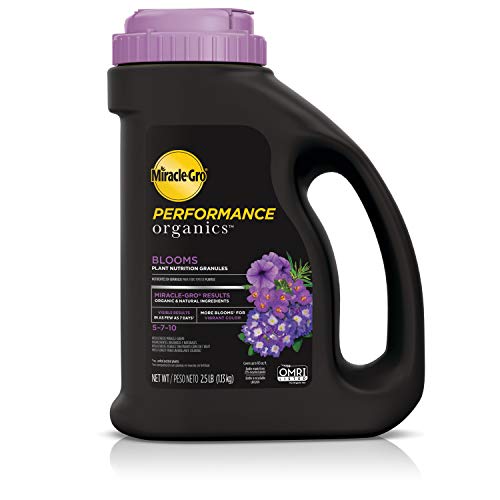
| Miracle-Gro Performance Organics Blooms | Organic feeding for potted and bedded vines | 5-7-10 | Granules | 2.5 lb | Amazon |
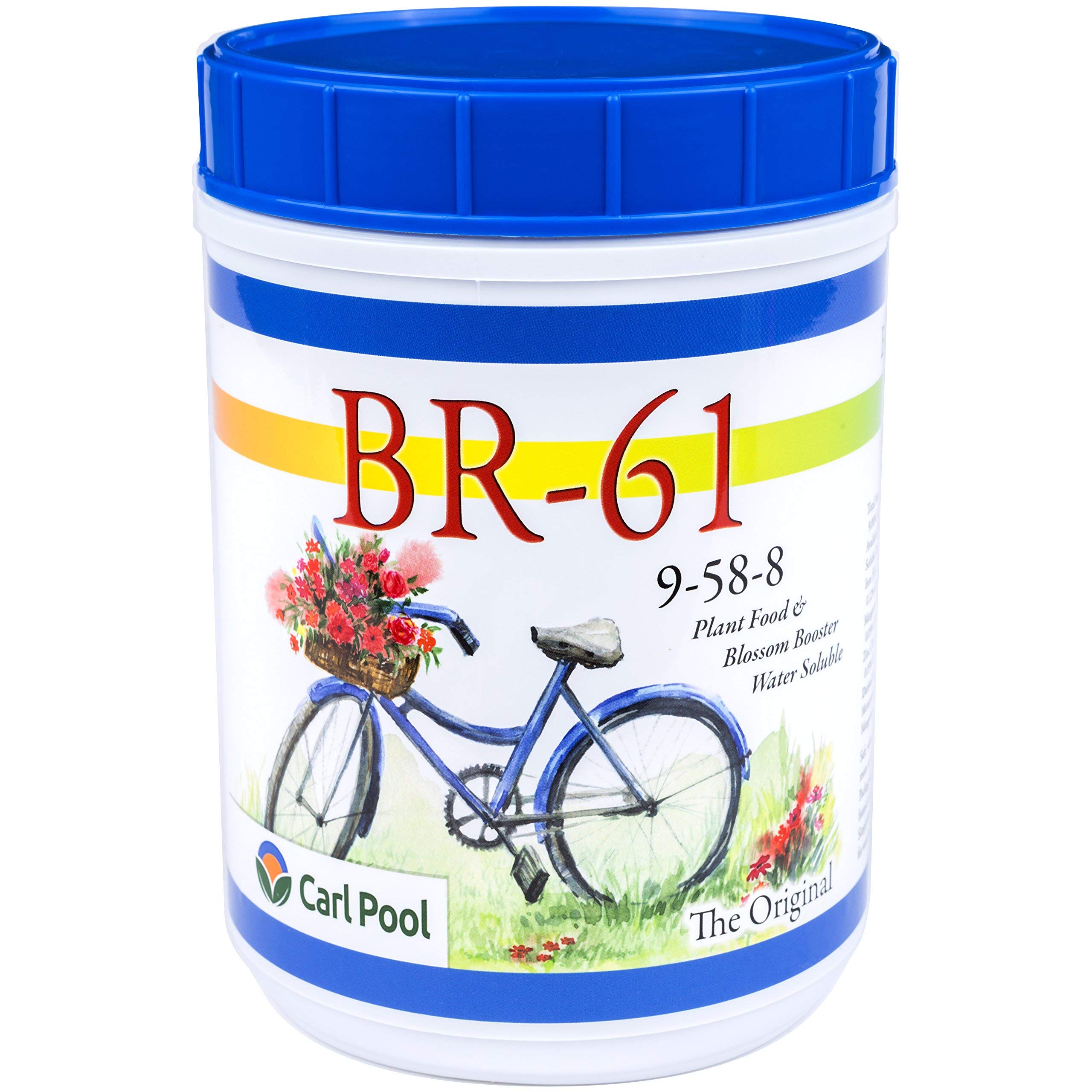
| Carl Pool BR-61 Plant Food | Serious bloom boosting on established vines | 9-58-8 | Powder | 3 lbs | Amazon |
Detailed Reviews
1. Scotts Miracid Plant Food 2 Pack
Our pick — 4.5+★ from 1,000+ verified ratings; the strongest balance of quality and price.
The acid-first feeder that treats your bougainvillea like the pH-sensitive vine it is.
Bougainvillea sits in the same soil-preference family as azaleas and rhododendrons, and this is a formula built for exactly that group. It delivers what the maker calls double feeding action — nutrition absorbed through both the roots and the leaves — so a single watering-can pass reaches the plant two ways. That is the practical reason it is the pick here: it feeds the soil life and the foliage at once, which matters on a vine that flowers on new growth.
You get two one-pound tubs in the pack, 32 ounces in total, which gives you a full season of mixing before you need to reorder. The powder dissolves into the watering can, so there is no measuring granules or scratching anything into the root zone. What wins people over here is the overall quality of the result — the largest share of owner feedback centers on how dependable the outcome is, and the second-largest cluster is about straightforward functionality, meaning it simply does what the label promises without fuss. Acid-loving gardeners describe bracts coming back bigger and more abundant after a few feeds, and the label’s own promise is that it starts working instantly rather than waiting on a slow release.
Here is the honest catch: this is not a bloom-specific ratio. It is an acid-correction and general-feed product, so if your soil pH is already fine and your vine is stubbornly green, a high-phosphorus booster will do more for bract color. It is also a soluble powder, which means it flushes through the soil faster than granules and asks you to feed on a regular rhythm through the growing season. Miss a few weeks and the effect fades.
What earns it the top slot
- Built for acid-loving plants — the same soil direction bougainvillea wants
- Feeds through roots and leaves in one pass, so a single mixing covers both
- Two tubs, 32 ounces total, for a full season of feeding
- Starts working instantly rather than waiting on a slow release
Where it falls short
- Not a bloom-specific ratio — you may still want a phosphorus booster for stubborn color
- Soluble powder leaches faster than granules and needs a steady feeding rhythm
Reach for this if: your bougainvillea sits in soil that leans alkaline or you are feeding several acid-lovers at once and want one tub that handles them all.
Look elsewhere if: your pH is already dialed in and the plant is leafy but colorless — you want the 10-30-20 or the 9-58-8 instead.
2. Jack’s Classic Blossom Booster 8oz
A bloom-first ratio that keeps bougainvillea flowering right through the summer heat.
The 10-30-20 analysis is the reason this one leads on color: the middle number is triple the nitrogen, so the plant is nudged toward flowers rather than foliage. It is the clearest bloom-first ratio in this lineup short of the straight phosphate pick, and it comes with added micronutrients so you are not running a one-nutrient program. You can feed it two ways — mixed into the watering can for the roots, or sprayed directly onto the leaves — which gives you a fast foliar hit when you want a response before the next scheduled root feed.
It arrives as a concentrated powder, and that is the value argument: powder goes further than liquid because you mix only what you need per watering. A measuring spoon comes in the tub so you are not guessing at the dose. The included spoon makes a gallon of feed in one step, which is why feeding a single vine never turns into a chore. Buyers report bougainvillea bracts holding on the vine all summer instead of flushing once and stopping — the extended bloom window is what a booster is for. It also mixes gently enough that delicate-rooted plants are not burned, so a slightly stronger dose won’t scorch a young vine.
What you should know before ordering: the tub is 8 ounces, and the powder settles low, so it looks half-full on arrival. That is normal for a powdered concentrate, but it is the recurring gripe in the feedback — expect a modest container, not a brimming one. Bloom response also varies with the plant. Some vines answer within days of the first mix, while a stubborn or recently pruned plant can take weeks to show anything.
The ratio case: 10-30-20 puts the weight on phosphorus, the middle number on the label, which is the nutrient tied to flower formation — the practical effect is more bract color and less bare green growth on a vine that has been overfed nitrogen.
The size honesty: 8 ounces of powder looks sparse in the tub, so buy it understanding that powder volume and weight are not the same thing — a little goes a long way once you are measuring by the spoon.
This is the vine-flower specialist: buy it if bloom is the single thing you are trying to fix and you want an easy water-soluble mix that doubles as a leaf spray.
One caveat to weigh: the tub is compact and the powder sits low, so pair it with a plan to reorder mid-season if you feed a large trellis.
3. Hi-Yield (32115) Super Phosphate 0-18-0, 4 lbs

Straight phosphorus with no nitrogen at all, for soil that needs fixing before it needs feeding.
A 0-18-0 label means zero nitrogen, 18 percent phosphate and zero potassium — it is a single-nutrient amendment, not a complete plant food. Phosphate is the nutrient plants use during photosynthesis, and it is the one that drives flower and fruit production, so a soil short on it will hold a vine back no matter how much complete feed you pour on. Think of this as the correction you make at planting time, scratched into the ground around the root zone, when you are setting a new bougainvillea into a bed that has been growing grass or vegetables for years.
What earns the praise here is straightforward quality and real results: the largest group of positive feedback is about the quality of the product itself, with effectiveness close behind. Gardeners report more blooms on vegetables and wildflowers after amending the soil, which is the reason most of them buy it. Because it contains no nitrogen, it cannot push the soft leafy growth that turns a bougainvillea all green — it only adds the bloom nutrient. That makes it a safe partner to a balanced feed rather than a replacement for one.
The honest limit: this is a granule you work into soil, not a spray you mix in a can, so it suits beds and planting holes far better than a vine in a pot you water weekly. It also stains — keep it off concrete paths and patios, because the phosphate leaves a mark that does not wash out. And it is phosphate only, so a vine that is short on nitrogen or potassium gets no help from it.
Why gardeners keep it in the shed
- 0-18-0 means zero nitrogen — no risk of pushing leafy growth instead of bloom
- 18% phosphate feeds the exact nutrient tied to flower and fruit production
- Granule form works into the soil at planting and releases where roots can reach it
What you give up
- Single nutrient — no nitrogen or potassium, so it is not a complete feed
- Stains concrete, so keep it away from paths and patios
- Granule form suits beds and planting holes more than pots
Best used as: the planting-hole amendment when you set a new bougainvillea into garden soil, worked in before the vine goes down.
Not the whole answer: it is phosphate only, so keep a complete feed running alongside it or your vine gets just one of the three nutrients it needs.
4. Miracle-Gro Performance Organics Blooms Granules
Organic granules that feed for weeks, so you stop mixing powder every single watering.
The 5-7-10 analysis is the gentlest tilt toward bloom in this lineup, and that is deliberate — it feeds flowering plants without the aggressive phosphorus spike of a booster. It is OMRI listed, meaning it meets the Organic Materials Review Institute’s standard for organic input, and it is built from natural and organic ingredients. The maker claims more blooms than unfed potted plants — an honest benchmark, since this is a feed that improves on doing nothing rather than one that forces color.
The practical advantage is the granule form and the schedule. You reapply every 4-6 weeks and water regularly, so it is a rhythm measured in weeks instead of a mixing session every few days. One container covers up to 165 square feet, which is a useful figure if you are feeding a bed of flowering plants and not just one vine. Gardeners using it on pots and borders report healthier, fuller growth plus more blooms, with one widely shared result citing giant blooms across a whole garden within a week or two of applying.
Set your expectations on the ratio: 5-7-10 is a balanced organic feed, not a bloom blaster. If your bougainvillea is already in rich soil and simply refuses to color up, this will support it rather than shock it into flowering. The organic nutrition also releases more slowly than a soluble powder, so you will not see a response overnight. It is the right choice for a gardener who wants to feed less often and keep the soil biology happy.
Where the value sits: one container covers up to 165 square feet and lasts on a 4-6 week reapplication cycle, so a single purchase stretches across a whole flowering bed with far fewer mixing sessions than a powder demands.
The trade-off to accept: at 5-7-10 the phosphorus is measured, so a stubborn, over-fed vine needs a stronger booster to actually shift from leaves to bracts.
Choose it when: you want organic, OMRI-listed feeding you can apply every 4-6 weeks and forget about between applications.
Skip it when: you are troubleshooting a vine with no color at all — reach for the higher-phosphorus picks first, then come back to this for maintenance.
5. Carl Pool BR-61 Plant Food 9-58-8, 3 Lbs
The heaviest phosphorus load here, built for an established vine that needs a hard shove.
Read the middle number on this one and the whole product makes sense: 58 percent phosphorus against just 9 percent nitrogen and 8 percent potassium. That is the most aggressive bloom ratio in this group, and it is aimed at all flowering plants, which puts a mature bougainvillea squarely in its target. The mix is simple — one tablespoon per gallon of water — so there is no complicated dosing chart to work through on a Sunday morning.
What makes it the pick for a stubborn vine is that owner feedback clusters hardest on effectiveness, with bloom quality right behind it. Gardeners feeding it on a schedule describe bracts that genuinely pop, and the same response shows up on plumeria, kaffir lime and long green beans as well as ornamentals. It is a powder, so you mix only what you need, and 3 pounds goes a long way at one tablespoon per gallon. Several gardeners alternate it with a fish emulsion or seaweed feed two weeks apart, which is a sensible way to keep a complete diet while still leaning on the phosphorus.
The caveat is concentration, and it is a real one. A 58 percent phosphorus product is not something to feed casually every week — it suits a plant that is established and already healthy, and it is easy to overdo on a young or struggling vine. One dissenting result involved plumeria, so plant-by-plant response does vary. Treat it as a targeted booster on a set schedule rather than a complete everyday feed, and let a balanced product carry the rest.
The case for the big booster
- 58% phosphorus is the strongest bloom tilt in this lineup
- Simple one-tablespoon-per-gallon mix, no dosing chart needed
- Targets all flowering plants, so a mature bougainvillea is directly in scope
- 3 lbs of powder stretches across many mixing sessions
Handle it with care
- Very high phosphorus — easy to overfeed a young or struggling vine
- Not a complete feed, so a balanced product still needs to carry the diet
- Bloom response varies by plant, with some species slower to answer
Meant for: a healthy, established bougainvillea on a trellis that has the root system to handle a concentrated phosphorus feed.
Hold off if: you are feeding a young or struggling vine — start with a gentler ratio and graduate to this once the plant is vigorous.
Know the Specs
The N-P-K Ratio
Those three numbers on every fertilizer label are nitrogen, phosphorus and potassium in that fixed order. For a bougainvillea, the middle number is the one that matters most, because phosphorus is the nutrient tied to flower and bract formation. Nitrogen drives leafy growth, so a formula with a big first number can leave you with a lush green vine and no color. A ratio like 10-30-20 or 9-58-8 puts the weight where you want it. A 5-7-10 is a gentler, more balanced feed for keeping an already-flowering plant healthy.
Powder, Granules and Straight Phosphate
Water-soluble powders like the 10-30-20 and the 9-58-8 mix into a can and feed fast, but they flush through the soil and need repeat applications. Granules like the 5-7-10 sit in the soil and release over weeks, so you reapply every 4-6 weeks instead of weekly. A straight phosphate like 0-18-0 is neither — it is a single-nutrient amendment you work into soil to correct a shortage. Knowing which one you are holding stops you from overfeeding. Most bougainvillea growers run a complete feed plus a phosphorus booster, not one or the other.
Common Questions
What N-P-K ratio is best for making a bougainvillea bloom?
Should I use an acid-loving fertilizer on bougainvillea?
How often should I feed a bougainvillea in a pot?
Can I spray fertilizer directly on bougainvillea leaves?
Why is my bougainvillea all leaves and no flowers?
Is a 0-18-0 super phosphate a complete fertilizer?
What does OMRI listed mean on a plant food label?
How much area does one container of bloom granules cover?
Can I mix a phosphorus booster with my regular fertilizer?
Will super phosphate stain my patio or paths?
The Bottom Line
For most bougainvillea growers, the fertilizer for bougainvillea that does the most work is the Scotts Miracid Acid-Loving Plant Food, because it feeds an acid-loving vine through both roots and leaves and gives you two tubs for a full season. If bloom is the one thing you are trying to fix, grab the Jack’s Classic 10-30-20 Blossom Booster, whose phosphorus-heavy ratio is built for flowers. And if you are planting a new vine into tired garden soil, work in a handful of the Hi-Yield Super Phosphate before it goes in the ground. Get the ratio right and a sun-hungry bougainvillea rewards you: start with the acid-lover, then switch to a bloom booster once the vine is established.
How we choose
We do not accept paid placement. Every pick is matched to a real buyer and a real use-case; we do not hands-on test units.
Sources
Specifications: manufacturer listings and product documentation. Review insights: verified customer reviews, as of October 2026. Pricing: not shown on this page (it changes often); check the current price via the retailer link.
As an Amazon Associate, Aappliancez earns from qualifying purchases. This does not affect which products we feature.