Disclosure: Some links in this post are affiliate links. As an Amazon Associate I earn from qualifying purchases, at no extra cost to you. Learn more
Specs are compiled from manufacturer listings and verified buyer reviews and can change over time — please confirm the key details on the product page before buying.
If you want trousers that keep their shape through a full day, wool and cotton-linen blends are your two best bets — and the rest of this guide shows you exactly which weaves, weights, and cuts actually deliver. Fabric choice decides whether your trousers drape cleanly or bag at the knee by lunchtime, and it is the one decision no tailor can fix after the fact.
This guide is built by comparing the manufacturers’ published specifications and the patterns across verified customer reviews, so you get each pick’s real strengths and trade-offs instead of marketing spin.
You’ll learn how wool weight, cotton lawn sheerness, and linen blend percentages change the way trousers hang, crease, and breathe. From hand-dyed wool squares to finished drawstring linen, here is how to pick the fabric for trousers that actually fits your summer and your sewing machine.
Top Picks

How To Choose The Best Fabric for Trousers
Pick your fabric by asking one question first: do you want a sharp crease or a cool drape? Wool answers the first, linen and cotton lawn answer the second. Everything else — weight, weave, color-fastness — is secondary.
Read The Fiber Percentage Before Anything Else
A trouser fabric’s fiber content tells you how it will feel after three washes. Pure wool keeps its structure and holds a press. Pure linen breathes like nothing else but wrinkles on purpose. A cotton-linen blend sits between the two, softening the linen’s bite with cotton’s smoothness. If a listing says “linen blend” without a percentage, treat it as unverified until you find the number.
Weight Decides Whether It Hangs Or Clings
Fabric weight is measured in grams per square meter, written as gsm — it is simply how much one square meter of the cloth weighs. Heavier cloth hangs straight and hides lumps; lighter cloth moves with you but shows every bump underneath. For a pair of trousers you want something substantial enough to drape, not so heavy that it feels stiff at the knee.
Sheerness Matters Most For Linings
A thin, sheer fabric makes an excellent trouser lining because it slips on smoothly and adds no bulk to the leg line. The trade-off is that sheer cloth shows through, so reserve it for the inside layer — not the visible outer shell. A lawn or voile-weight cotton handles that job well because the weave is fine but the surface is smooth.
Side-by-Side Comparison
| Model | Best For | Fabric Type | Dimensions | Weight | Amazon |
|---|---|---|---|---|---|
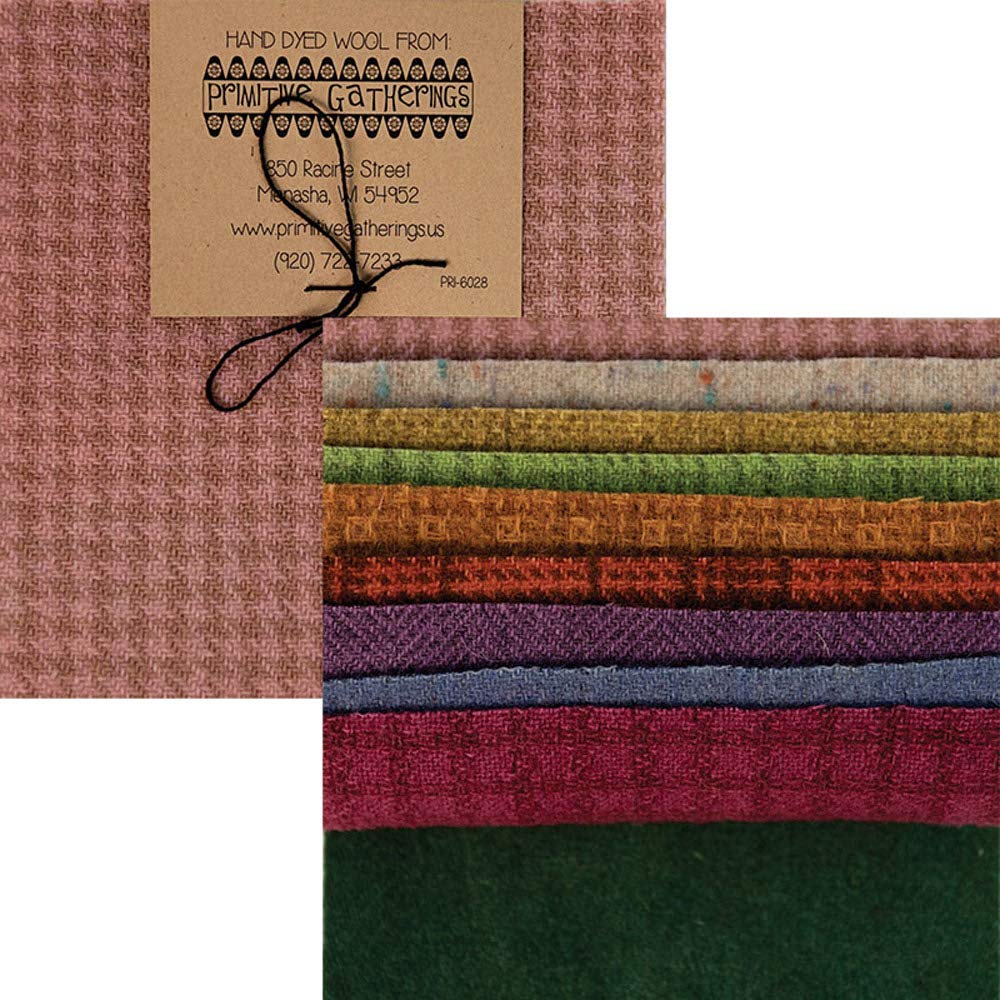
| Primitive Gatherings Hand Dyed Wool Pastel Texture Charm Pack★ Best Overall | Sewing wool trousers and hand applique | 100% Wool | 5″L x 5″W | — | Amazon |
| Barcelonetta Cotton Lawn FabricBest for Lining | Lining lightweight trousers and skirts | Cotton Lawn | 72″L x 58″W | 0.18 kg | Amazon |
| Pllieay Natural Pure Linen Fabric | Dressmaking warm-weather slacks | 100% Linen | 55″L x 39″W | 220 g | Amazon |
| COOFANDY Men’s Casual Linen Cotton Pants | Vacation and beach wear | Cotton-Linen Blend | — | — | Amazon |
| COOFANDY Men’s Cotton Linen Pants Relaxed Fit | Everyday summer comfort | 80% Cotton / 20% Linen | — | — | Amazon |
Detailed Reviews
1. Primitive Gatherings Hand Dyed Wool Charm Pack
Our pick — over 4.5★ from 200+ verified ratings; the strongest balance of quality and price.
Ten hand-dyed wool squares that press a crease no cotton can match.
If you sew your own trousers and want cloth that holds a sharp front crease all day, this charm pack is the pick. Each square measures 5 inches by 5 inches — small patches, not a full yard — so think trim, applique, patch pockets, or piecing rather than a whole pair of pants cut from one panel. The wool itself is 100% wool in a hand-dyed pastel assortment from Moda Fabrics, part of the Primitive Gatherings collection.
What wins people over is the quality of the wool — soft, dense, and consistent from square to square. Owners describe it as ideal for applique and hand work, and one sums up the whole experience: “The wool is soft, dense, and consistent from square to square.” The other big attraction is the quiet flex of a small bundle: you can build matching pocket flaps, waistband facings, or contrasting cuffs in the same dye lot without buying a full bolt of anything.
Now the honest part. These are individual 5-inch squares, so if you are cutting a full trouser front and back you will need more than one pack. And the value question genuinely splits the room — some buyers see an excellent deal in hand-dyed wool, others find it on the pricey side for the yardage. If you need bulk cloth by the yard, look at the Pllieay linen instead; if you want small, beautiful wool pieces, this delivers exactly that.
What Earns The Top Spot
- 100% wool construction that holds a pressed crease and resists bagging at the knee
- Hand-dyed pastel assortment gives each square a subtle color shift for texture accents
- Ten matching 5-inch squares make pocket flaps and facings easy to coordinate
- Works for felted patchwork and hand applique projects as well as trouser trim
Where It Falls Short
- Squares are only 5 by 5 inches — too small for cutting a full trouser leg
- Value is genuinely mixed: a fair number of buyers find hand-dyed wool runs expensive for the yardage
Reach for this if: you are finishing a pair of trousers with wool trim, pockets, or hand-sewn detail and want premium cloth in small, matchable pieces.
Look elsewhere if: you need yards of cloth to cut a whole garment — the 5-inch squares will not get you there.
2. Barcelonetta Cotton Lawn Fabric White 2 Yard
A wide, airy cotton lawn cut expressly for the lining layer inside your trousers.
Sewists who line their own trousers know the pain: a bulky lining adds heat and wrinkles where it meets the outer cloth. This cotton lawn solves that. It is 100% cotton in a lawn weave — a fine, tight, very light plain weave that feels almost like voile — and it measures 72 inches long by 58 inches wide, so you get a genuinely large cutting surface. Compare that spread to the tiny 5-inch squares of the wool pack above and the difference in what each is built for is obvious.
The softness here is the real draw. Cotton lawn starts smooth and only gets softer after machine washing and drying, which is exactly what you want against the leg. The listing’s own care instruction is plain machine wash, and the fabric comes in solid white with an embroidered finish note on the sleeve. What buyers report again and again is softness and a beautiful weave — one put it simply: “It lines skirts and pockets without adding bulk.”
Be clear-eyed about the two things this fabric is not. It is thin and slightly sheer — some buyers describe it exactly that way, and one notes the white reads almost blue-ish and would not match every white trim you own. That is a feature for a lining and a problem for outerwear. If you want a visible trouser shell, choose the linen or wool above; if you want a breathable inside layer that disappears, this is your cloth.
Why it belongs here: a generous 58-inch width and 2-yard length let you cut linings for several pairs of trousers without seams running down the leg.
The trade-off to know: thin cotton lawn is sheer by nature, so treat it as the inside story — not a face fabric.
Confident pick when: you are lining lightweight trousers, skirts, or jackets and want a soft, wide, machine-washable cotton that disappears under the outer cloth.
Think twice if: you need an opaque fabric for the visible part of the garment — the sheerness will show through.
3. Pllieay Natural Pure Linen Fabric 39×55 Inch

The 220 gsm pure linen that keeps your legs cool and is upfront about wrinkling.
Pure linen is the classic trouser fabric for hot weather, and this one is a 100% linen weave in a natural solid color, weighing 220 gsm — a solid mid-weight cloth, substantial enough to drape as slacks rather than cling. It comes as a single 55-inch by 39-inch panel, listed as a bolt of fabric, and it is built for dressmaking, skirts, bags, tablecloths, and embroidery. The width is generous enough to place trouser front and back pieces side by side for many sizes.
The reason linen owners stay loyal is temperament: linen is strong, absorbent, and dries faster than cotton, so it performs its best job in heat. Owners praise the natural solid color and the soft hand after pre-washing. One buyer’s verdict captures it: “The hand is soft and the weave is even.” Note that pure linen has a slight natural stretch and can shrink — several owners pre-wash it before cutting, which is smart practice for anything you plan to actually wear in summer.
Two real catches. First, the listed 39-by-55 measurement can run short in practice — owners mention that at least one edge arrived shorter than advertised. Second, the material’s texture splits opinion: some buyers find it soft, others find it rougher than expected, so treat this as honest rustic linen rather than a buttery hand. Cut generously and pre-shrink and it does exactly what linen is loved for: breathing through a hot day when cotton trousers would stick to your legs.
The headline number: 220 gsm puts this squarely in mid-weight territory — heavy enough to hang as a trouser leg, light enough to stay breathable in heat.
Cut for shrink, not for today: pure linen can pull in after washing, so pre-wash the panel before you draft your pattern or you risk a size you did not plan for.
The natural-fiber choice if: you are sewing summer trousers and want a genuine 100% linen that breathes in heat and takes a beautiful solid color.
A note of caution: the panel may arrive slightly shorter than the listed measurement and the texture runs rustic, so plan generous seam allowances.
4. COOFANDY Men’s Casual Linen Cotton Pants

An elastic-waist vacation trouser that keeps things cool without a belt.
This is an already-made pair, not cloth by the yard: COOFANDY’s men’s casual cotton-linen trouser with an expandable elastic waist, cut loose and straight for summer. The maker describes the blend as combining the softness of cotton, the durability of polyester, and the freshness of linen, and the cloth is deliberately lightweight for hot weather. Fit earns serious praise here, with the elastic waist and loose cut landing as the whole point — the kind of trouser you pull on for a beach stroll, an outdoor party, or a relaxed day in the city.
The everyday reality of an elastic-waist blend like this is exactly what you would hope: light on the leg, easy through the hips, and moveable. Owners rate the fit and breathability above the fabric feel. The style reads clean enough for a dressed-down dinner and casual enough to pack for a trip. As vacation trousers go, they hit the brief of a trouser that does not make you think about it once.
Here is the honest wrinkle. The material gets mixed feedback — a chunk of customers note the feel is not like linen at all, closer to a synthetic blend, so if you are shopping strictly for a crisp natural-linen hand you may be let down. Color also draws mixed reactions, and sizing is worth checking against the brand’s chart. Go in knowing this is a lightweight summer trouser in a linen-style blend rather than a pure linen garment, and you will judge it fairly.
Where It Wins
- Elastic waist with a loose straight cut makes the fit easy and forgiving
- Lightweight cotton-blend cloth built for humid summer days and travel
- Versatile enough to go from beach to dinner without a wardrobe change
The Reality Check
- Several reviewers point out the fabric does not read like linen — expect a blended feel
- Color and sizing draw mixed feedback, so check the chart before ordering
Buy it for: a light, elastic-waist summer trouser you can live in from beach to brunch, with stretch through the waist that keeps a belt optional.
Not your pair if: you specifically want the crisp body and drape of real 100% linen — this is a blended feel.
5. COOFANDY Men’s Cotton Linen Pants Relaxed Fit
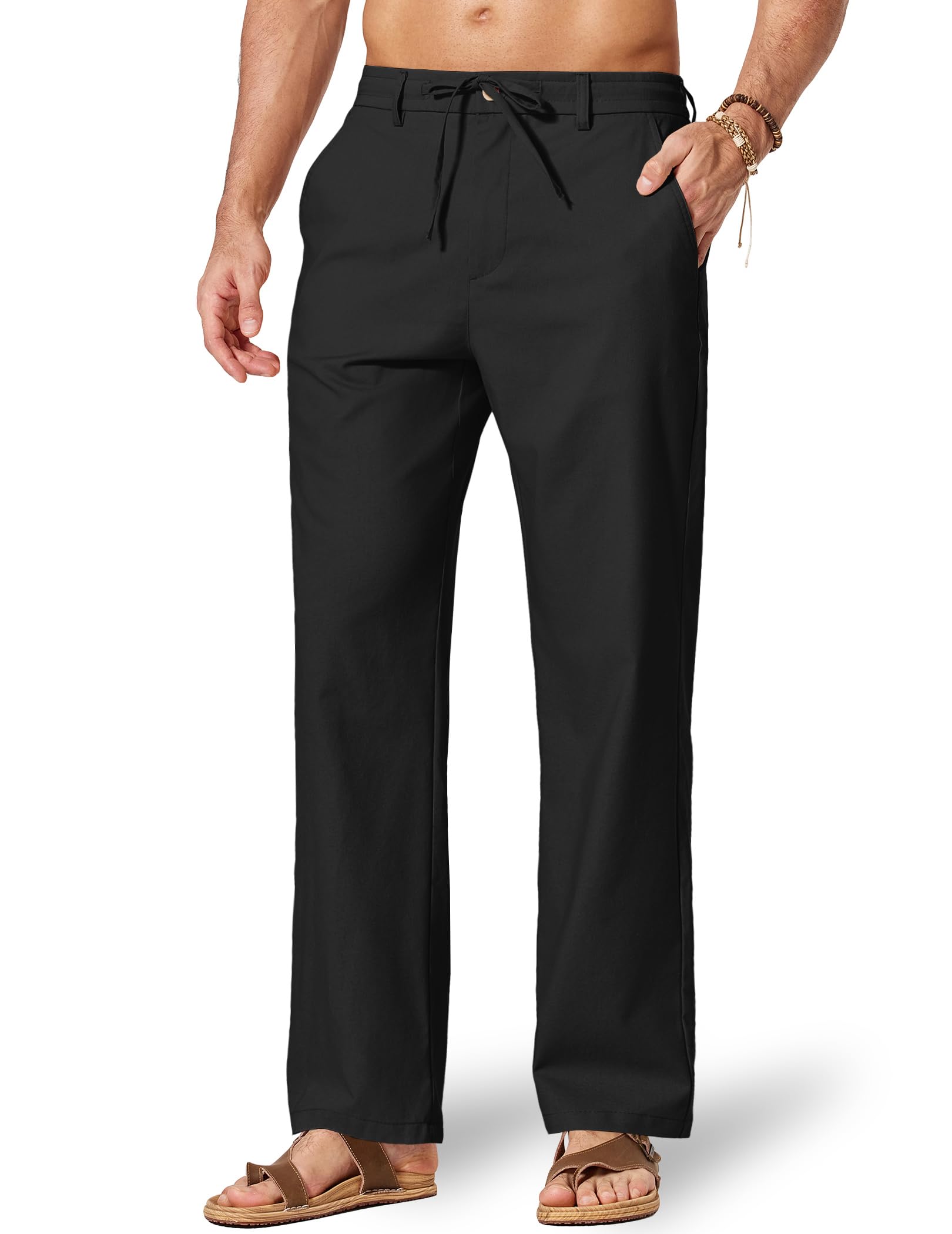
A relaxed drawstring trouser with a labeled 80/20 cotton-linen mix you can actually trust.
Unlike the blend above, this COOFANDY pair names its fiber split right in the listing: 80% cotton for softness and 20% linen for breathability. That 80/20 ratio is the reason the trouser feels mostly like a smooth cotton with a lift of linen airiness, rather than a full linen hand. The cut is relaxed with a drawstring waist, positioned as an everyday summer trouser that moves from casual gatherings to daytime wear. The maker frames it as breathable, skin-friendly, and a practical warm-weather staple.
What the owners keep coming back to is the combination of quality and comfort, with versatility right behind. The material draws positive notes — it is called out as perfect for hot, humid summers — and buyers treat it as solid value. Owners mention sizing as a live question, so use the brand’s chart before committing, and a few flag durability as the thing to watch over long wear. For a relaxed drawstring at this price tier, that is a fair set of expectations to hold.
The appeal here is breadth. It reads dressed-up enough for a summer gathering and relaxed enough for a lazy weekend, and the drawstring waist takes pressure off if you prefer that to an elastic band. If you want one pair of casual linen-blend trousers to cover most of your summer, this is the most flexible of the finished pants in this list — just scan the size chart first, because the whole fit rotates around it.
The one number that matters here: an 80/20 cotton-to-linen ratio delivers mostly cotton softness with a kiss of linen breathability — the easiest entry point into linen trousers if pure linen feels too rough.
Measure before you commit: shoppers say sizing runs as its own question mark, so a quick check of the brand chart saves a return.
This is your pair if: you want one relaxed, breathable drawstring trouser that straddles casual and dressed-up across the whole summer.
Skip if: you need the firm drape of a pure 100% linen or the crease retention of wool — this blend leans toward cotton softness.
Know the Specs
Fiber Content and Blend Percentages
The fiber content is the single clearest predictor of how a trouser fabric behaves. Pure wool holds a crease; pure linen breathes best and wrinkles freely; cotton lawn is smooth, soft, and light. A blend changes the recipe — 80% cotton with 20% linen reads mostly as cotton with a breath of linen. Always confirm the percentage rather than trusting a marketing word like “linen blend.”
Fabric Weight (GSM)
GSM stands for grams per square meter — how much one square meter of cloth weighs. Higher gsm means heavier, sturdier cloth that drapes straight; lower gsm means lighter, airier cloth that moves with you. For trousers, mid-weight cloth tends to hang well, while featherweight cloth suits linings and hot-weather layering.
Common Questions
Is linen or wool better for trouser fabric?
Will the cotton lawn fabric work for lining a pair of trousers?
How much fabric do I need to make a pair of trousers?
Does pure linen fabric shrink after washing?
What does 220 gsm mean for linen trouser fabric?
Why do some linen blend pants not feel like real linen?
Are wool 5-inch squares enough to cut a whole trouser front?
What fabric holds a pressed crease best in trousers?
Should I pre-wash cotton lawn lining fabric before sewing?
Is a cotton-linen blend good for hot humid summers?
The Bottom Line
For sewists who want trouser trim and detail work in premium cloth, the Primitive Gatherings wool charm pack takes the top spot — hand-dyed 100% wool in 5-inch squares that hold a crease and coordinate beautifully. If you want the fabric for trousers in a full panel, grab the Pllieay pure linen for hot-weather drape, or the Barcelonetta cotton lawn when you need a soft, wide lining. And if you would rather buy the finished article, the COOFANDY relaxed drawstring blend is the smartest single-pair choice for a full summer of wear — move quickly if you want your size, since sizing is the one variable that decides everything here.
How we choose
We do not accept paid placement. Every pick is matched to a real buyer and a real use-case; we do not hands-on test units.
Sources
Specifications: manufacturer listings and product documentation. Review insights: verified customer reviews, as of October 2026. Pricing: not shown on this page (it changes often); check the current price via the retailer link.
As an Amazon Associate, Aappliancez earns from qualifying purchases. This does not affect which products we feature.