Disclosure: Some links in this post are affiliate links. As an Amazon Associate I earn from qualifying purchases, at no extra cost to you. Learn more
Specs are compiled from manufacturer listings and verified buyer reviews and can change over time — please confirm the key details on the product page before buying.
Picking the wrong fabric for hiking pants means chafing halfway up a switchback and pants that soak through before the summit. The right fabric breathes in heat, dries fast after a soak, and resists abrasion from rock, brush, and tree bark. This guide breaks down seven options by the fabric facts that actually matter on the trail.
This guide is built by comparing the manufacturers’ published specifications and the patterns across verified customer reviews, so you get each pick’s real strengths and trade-offs instead of marketing spin.
Below you’ll find a quick comparison table, plain-English spec explanations, and honest verdicts on every pick. Whether you hike hot, humid trails or cold, wet ridgelines, this breakdown ranks seven fabrics for hiking pants.
Top Picks
How To Choose The Best Fabric for Hiking Pants
Fabric drives how hiking pants perform more than cut, pockets, or branding. A perfect cut won’t save pants whose material traps sweat or tears on the first granite scramble. Here is what to weigh before you buy.
Ripstop vs. plain stretch fabric
Ripstop is a fabric woven with a grid of thicker threads that stops a tear from spreading. That grid pattern is why a snag on brush stays a small hole instead of becoming a long rip. Stretch fabrics without ripstop feel softer against the skin, but they are less forgiving if you catch a branch or scrape a rock. If you scramble off-trail, favor ripstop. If you stick to groomed trails, a plain stretch blend is fine.
Water resistance without the clammy feeling
Most hiking pants use a water-resistant finish that makes rain bead up and roll off. It is not the same as waterproof — a steady downpour can still soak through after a few minutes. The benefit is that light rain, dew, and splashes from a stream crossing slide off without soaking in. Check whether the fabric is described as water-repellent or water-resistant, and remember that this coating wears off over time and needs re-treating.
Stretch and articulation for real movement
Hiking involves stepping over logs, squatting to filter water, and climbing over rocks. Four-way stretch means the fabric flexes in both directions, so you get full range of motion without the pants pulling tight across the knees or hips. Articulated knees are pre-shaped panels that let the knee bend naturally. Gusseted crotch means an extra panel of fabric sewn in so you don’t get that tight, pinched feeling when you step high.
Fit and inseam: the sizing traps
Inseam is the length from the crotch seam to the bottom hem. A 31-inch inseam works for most hikers in the average height range, but shorter or taller hikers may need to size up or down. Waistband type matters too — an elastic waistband stretches with you, while a button-and-zipper waist stays put but may dig in when you bend. Read the sizing notes on each product page carefully, because several brands here run small or recommend sizing down.
Side-by-Side Comparison
| Model | Best For | Fabric | Water Resistance | Standout Spec | Amazon |
|---|---|---|---|---|---|
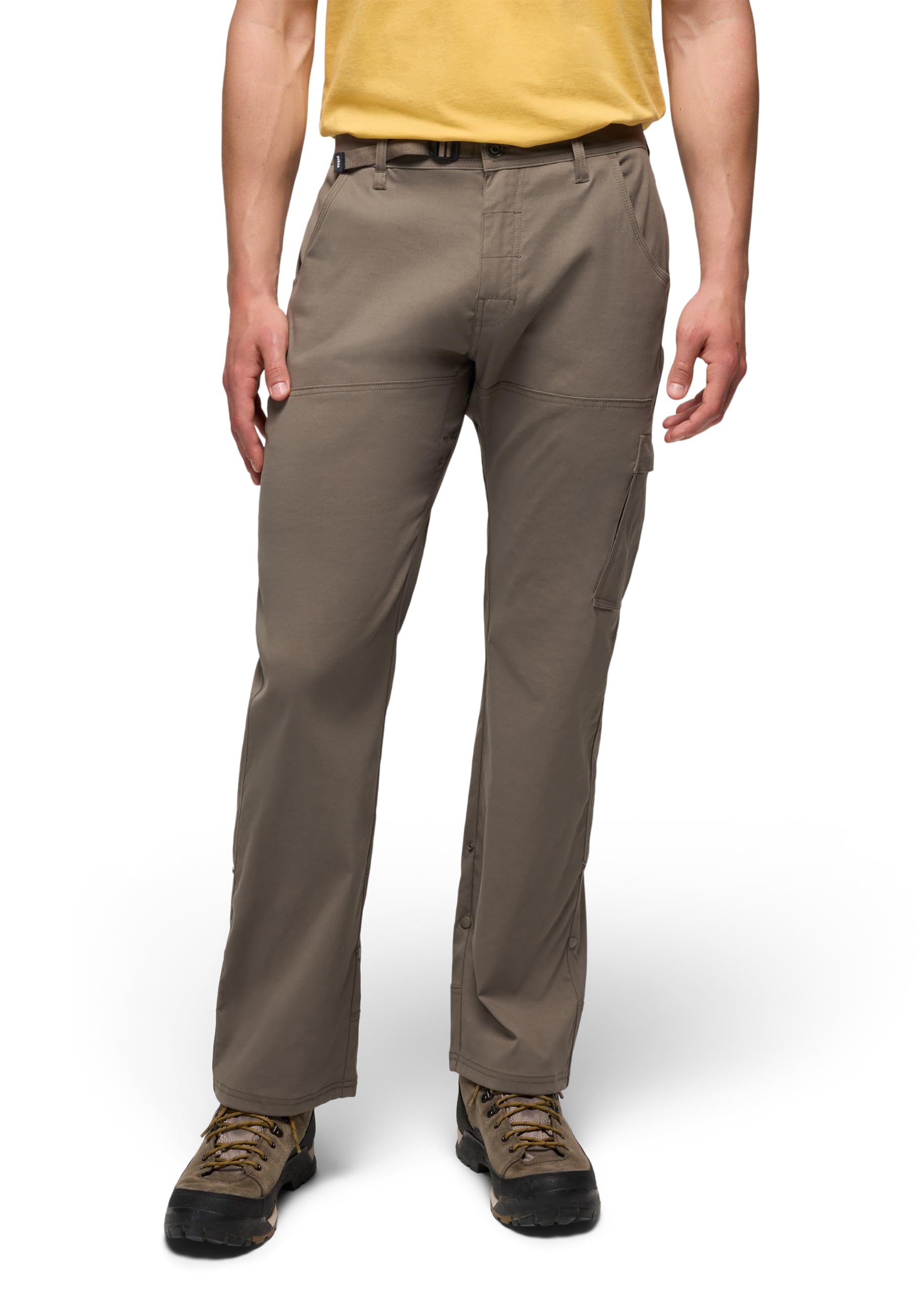
| prAna Stretch Zion Pants★ Best Overall | All-around trail and town | Stretch blend | Water-repellent finish | UPF 50+ | Amazon |
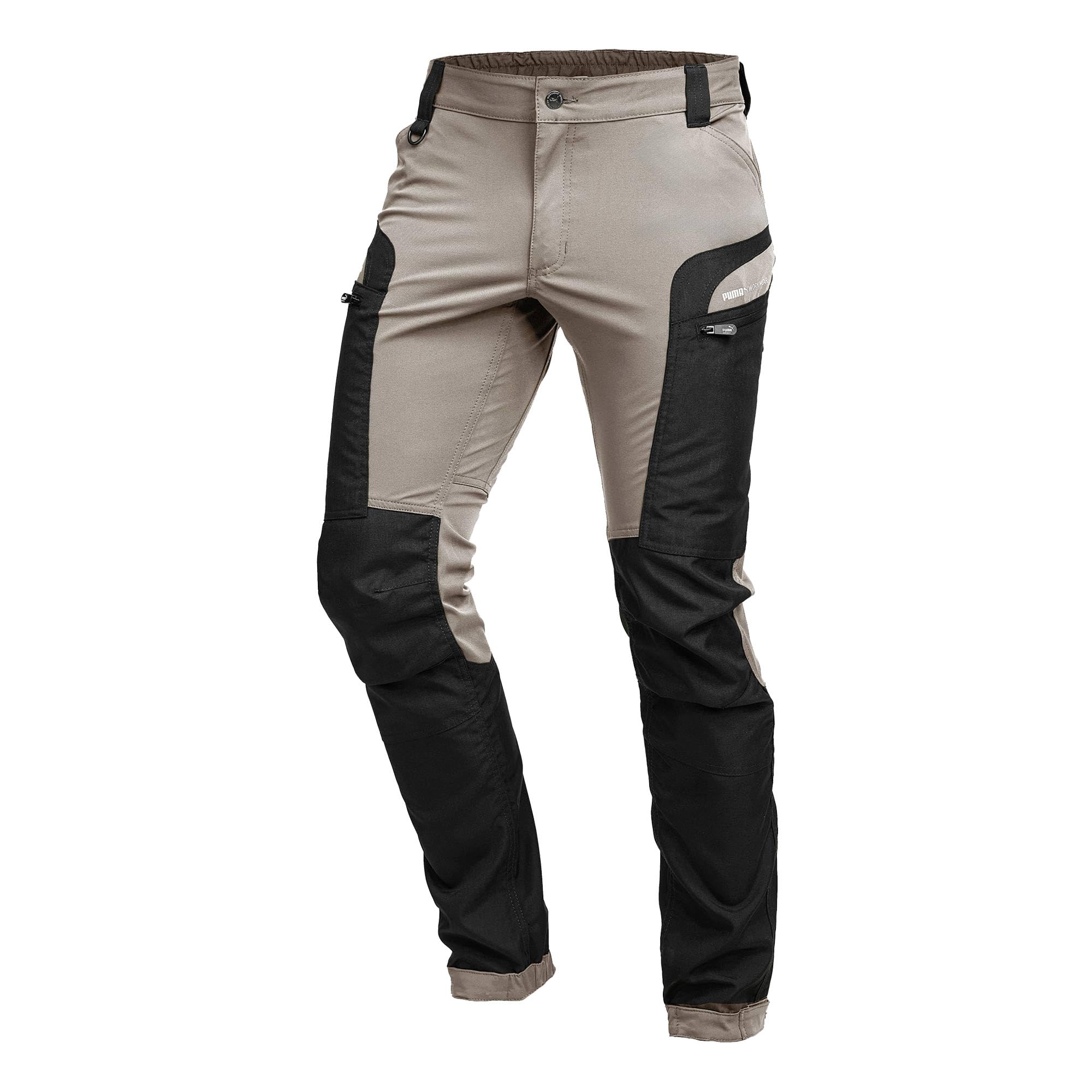
| PUMA Workwear ProOne AdventureRugged Pick | Rough work and off-trail abuse | Ripstop canvas | Partially water-repellent | 4-way stretch | Amazon |
| CQR Men’s Tactical Pants | EDC and heavy-duty outdoor | 65% polyester / 35% cotton ripstop | Water-resistant | Elastic waistband | Amazon |
| Haimont Women’s Hiking Cargo Pants | Travel and light trail days | Lightweight synthetic | Water-resistant | 31″ inseam | Amazon |
| CQR Men’s Lightweight Vent Hiking Pants | Hot weather and humid hikes | Ripstop nylon | Water-resistant | Ventilation panels | Amazon |
| Eddie Bauer Womens Rainier Pant | Windy, wet weather hiking | Lightweight synthetic | Weather-resistant | Dries fast | Amazon |
| Columbia Men’s Silver Ridge Utility Convertible | Multi-sport and changing weather | 100% recycled nylon | Water-resistant | Zip-off legs | Amazon |
Detailed Reviews
1. prAna Stretch Zion Pants
Our pick — 4.5+★ from 250+ verified ratings; the strongest balance of quality and price.
The stretch blend that handles a 12-mile day and still looks sharp at dinner.
The Zion’s signature fabric blends durability with stretch, so you get pants that move with your legs on climbs but resist abrasion when you brush against trees or rocks. A UPF 50+ rating (a sun-protection measure that blocks most UV rays) means your legs stay covered without sunscreen on exposed ridgelines. The water-repellent finish sheds light rain and morning dew, so a passing shower doesn’t soak straight through.
The fit is what wins people over — owners mention it more than any other trait, and the stretchy blend sits close without feeling restrictive. Buyers report the fabric holds up on long, hot days: “Held up well, comfortable for hiking 12+ mile days and was breathable in 85+ degree weather.” The pants also dry fast, so a sink rinse or a sudden drizzle mid-hike won’t leave you soggy.
The trade-off is the pockets. The mesh pocket linings are light and breathable, but items can slip out when you sit down, and the phone pocket flops a bit. If you carry a phone in your pocket rather than a pack, that’s worth knowing. There’s also a value debate — some hikers feel the pants justify their price for years of use, while others think the cost has crept up. A note on fabric: check the material label before ordering, since the brand’s recycled-nylon version gets mixed feedback from long-time wearers.
What holds up on the trail
- UPF 50+ blocks sun on exposed hikes
- Stretch blend moves with you on climbs and scrambles
- Water-repellent finish sheds light rain and dew
- Dries quickly after a rinse or drizzle
- Durable enough to resist abrasion from trees and rocks
Where it falls short
- Mesh pockets let small items slip out when sitting
- Phone pocket flops and can drop your device
- Value is debated — some feel the price has risen past the balance
- Recycled-nylon version gets mixed feedback from long-time wearers
Reach for these if: you want one pair that works for hiking, travel, and casual wear without changing clothes.
Look elsewhere if: you need secure, deep pockets for carrying gear on the trail.
2. PUMA Workwear ProOne Adventure Outdoor Hiking Pants
Canvas-tough pants that take a beating in brush and still breathe on the move.
These are built for abuse. The ripstop canvas fabric has reinforced areas at the high-wear spots, so it handles off-trail scrambles and worksite duty without fraying. Four-way stretch (the fabric flexes in both directions) keeps you moving freely when you step over logs or squat to set up camp. The partially water-repellent finish handles light rain and damp brush.
Durability is the headline here. Owners mention the fabric shrugs off serious punishment: “I wore them for an entire week elk hunting in Colorado.” Others describe pushing through thigh-high brush and morel mushroom thickets with no signs of wear. Ventilation zippers let you dump heat on a climb, and the adjustable hem tightens the cuff so debris stays out.
The catch is sizing. These run small — one buyer found they fit about two sizes below the expected American cut, so check the size chart before you order. There’s also a back-pocket zipper that sits right where you sit, which some find noticeable. And the branding is visible on the leg, which matters if you want a low-key look on the trail.
The durability story: reinforced panels and ripstop canvas make these the toughest fabric in this lineup for rocky, brushy terrain where other pants snag and tear.
Worth knowing: the canvas construction is heavier than the lightweight nylon picks here, so if you prioritize packability over abrasion resistance, factor that in.
Go with these if: your hikes involve bushwhacking, rock scrambling, or work-site duty where fabric tears are a real risk.
Think twice if: you want a trim, low-profile look — the workwear branding is visible on the leg.
3. CQR Men’s Tactical Pants

Tactical cargo pants with a ripstop shell that laughs off scrapes and snags.
The fabric here is a 65% polyester, 35% cotton ripstop blend — the grid weave stops tears from spreading, so a snag on a branch or a scrape against rock stays small. It’s also water-resistant and stain-resistant, which means mud and spills wipe off before they set in. The elastic side waistband gives you a secure fit that moves with you when you climb or crouch.
For daily abuse, this is hard to argue with. One buyer credits the dense ripstop with slowing a chainsaw impact and reducing the injury. The material also survives crawl spaces and tight quarters without ripping — a pattern several long-term owners describe after years of outdoor and construction use. Multiple cargo pockets hold gloves, tools, and a phone, with a dedicated pocket sized for a larger phone.
The weak spot is pocket design. The utility pockets are shallow, and overstretching one can tear the mesh lining — a few buyers hit this after months of use. The mag pocket placement also interferes with the front pocket on some pairs. Still, for a fabric that resists rips and stains at this level of use, the pants hold up well.
Fabric strengths
- Ripstop weave resists tears from brush and rock
- Water- and stain-resistant finish wipes clean
- Elastic side waistband keeps a secure fit
- Multiple cargo pockets hold tools and gear
Fabric limits
- Utility pockets are shallow and can tear under stretch
- Mag pocket placement interferes with front pocket access
- Heavier than lightweight nylon alternatives
Pick these if: you want a ripstop shell that handles daily work, hiking, and gear-carrying without showing wear.
Skip if: you need deep, secure pockets for frequent phone access on the move.
4. Haimont Women’s Hiking Cargo Pants
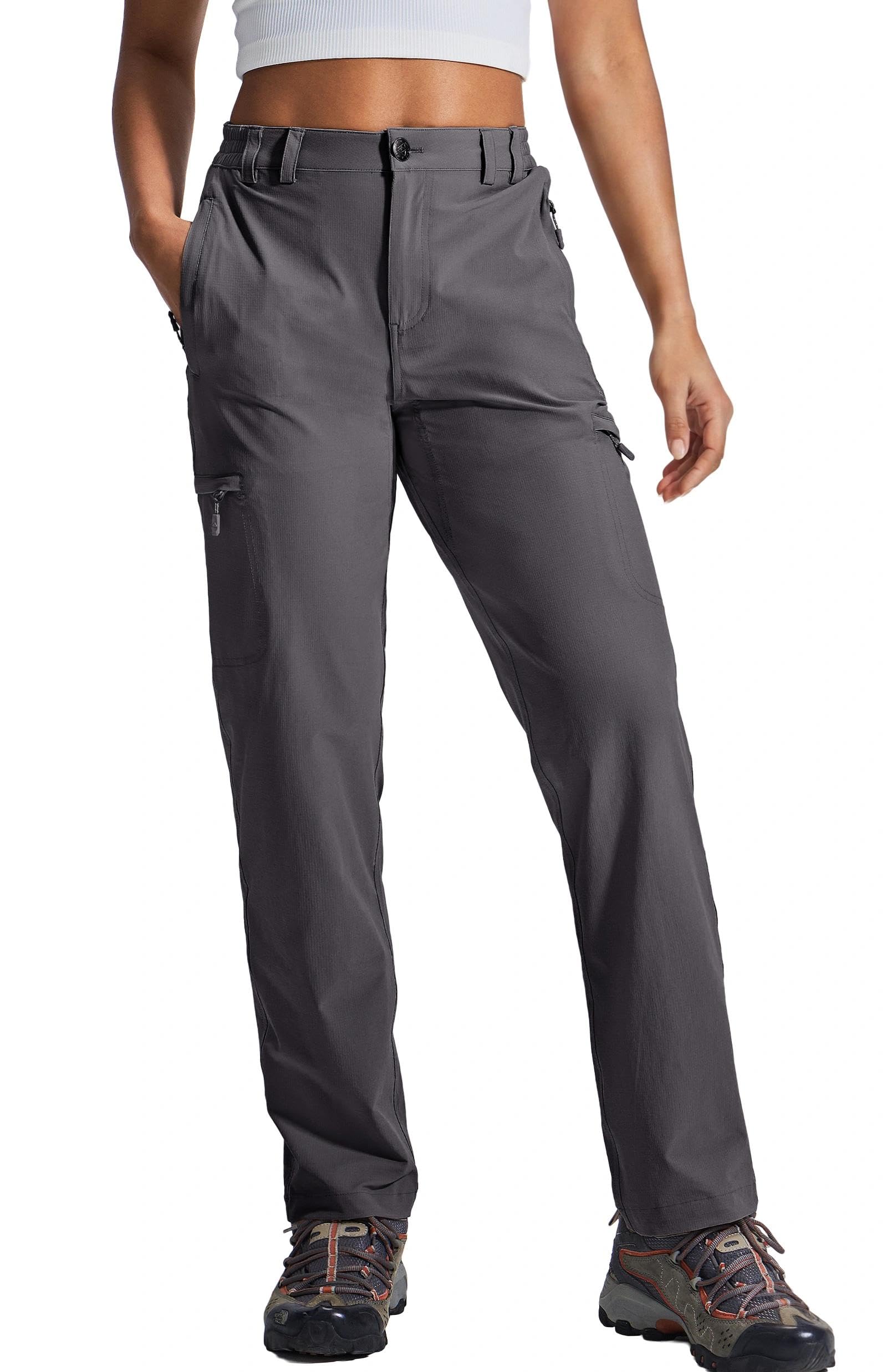
Featherweight travel pants that fold small and dry fast on the go.
The fabric is a lightweight synthetic that beads water and dries quickly, making it a sensible choice for trips where you wash in a sink and hang to dry overnight. Zippered pockets keep passports and phones secure through airports and city streets. The pants are also wrinkle-resistant, so they come out of a packed bag looking presentable.
Travelers gravitate to these for long days in transit. The fabric is soft enough to wear through a 12-hour plane ride, and the stretch gives you room to move when you’re hiking a trail in the afternoon and walking a city in the evening. The weight is light enough to layer over or under, though the fabric is not warm on its own in bitter cold.
Fit is the main thing to sort out before ordering. The brand recommends sizing down from your usual size, and the 31-inch inseam runs long for hikers around 5’3″ and short for those 5’10” and taller. The elastic waistband works well for some body types but can feel tight on a small frame. A few buyers also noticed a powdery scent on arrival that persisted through washes — worth airing out before a trip.
Packability read: the blend of light weight, quick-dry fabric, and wrinkle resistance makes these a strong choice for carry-on travel where you need one pair to do double duty.
Honest fit note: the 31-inch inseam and size-down recommendation mean you should check the size chart carefully — getting the waist and length right takes a little trial.
Best for: travelers who need one pair that works on trails and city streets and packs down small.
Consider another pick if: you’re outside the 5’4″–5’8″ height range where the 31-inch inseam fits best.
5. CQR Men’s Lightweight Vent Hiking Pants
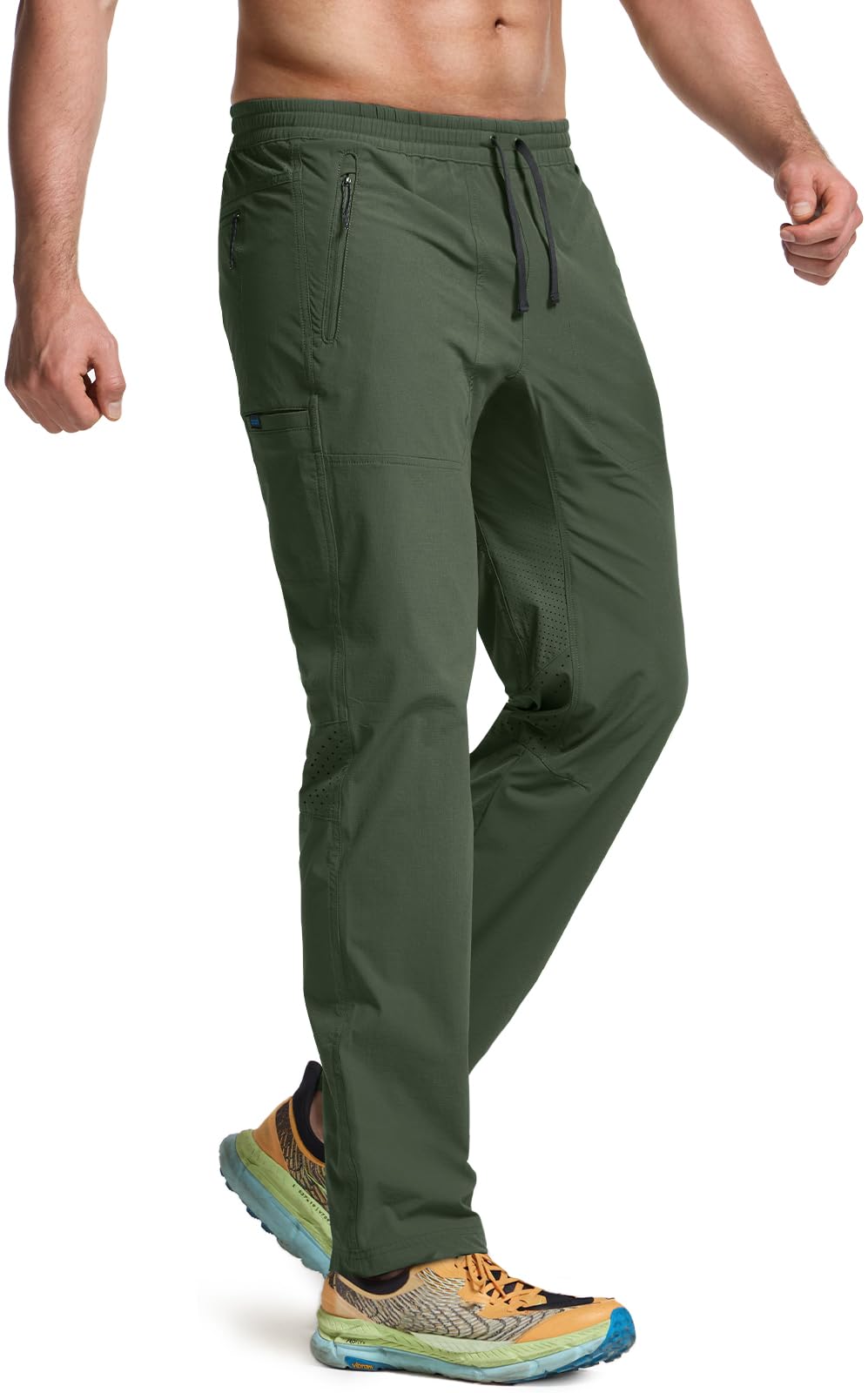
Ripstop nylon with vent panels that keep you cool when the trail turns humid.
The fabric is ripstop nylon — light, stretchy, and built to let air through. Ventilation panels at the knees dump heat on climbs, and the adjustable hem lets you cinch the cuff or open it for extra airflow. The water-resistant finish handles light rain while the quick-dry fabric means sweat and splashes disappear fast.
In hot, sticky conditions, the ripstop nylon’s airflow is what stands out. These pants stay comfortable through humid weather and long summer rides, and the stretchy fabric handles sport climbing without binding. The ripstop weave also resists snags from brush, so you’re not constantly worrying about tears on overgrown trails.
The honest catch is fabric thickness. The nylon is thin, which is great for heat but means these are not a cold-weather pick and not built for heavy-duty off-trail abuse. A few buyers found the side pockets shallow and the zippers small, with one noting a zipper pull that broke. The cut also runs roomy in the rear and thigh — some hikers find it baggier than expected.
Why hot-weather hikers like it
- Ripstop nylon breathes well in humid heat
- Knee vent panels release built-up warmth
- Adjustable hem tunes airflow at the cuff
- Stretchy fabric moves freely on climbs
What to weigh first
- Thin fabric isn’t suited to cold weather or heavy off-trail abuse
- Side pockets run shallow
- Small zippers, and one buyer had a pull break
- Roomier cut through the rear and thigh
Choose these if: you hike in hot, humid climates and want maximum airflow without giving up ripstop durability.
Pass if: you need a thick, warm fabric for shoulder-season or cold-weather trails.
6. Eddie Bauer Womens Rainier Pant
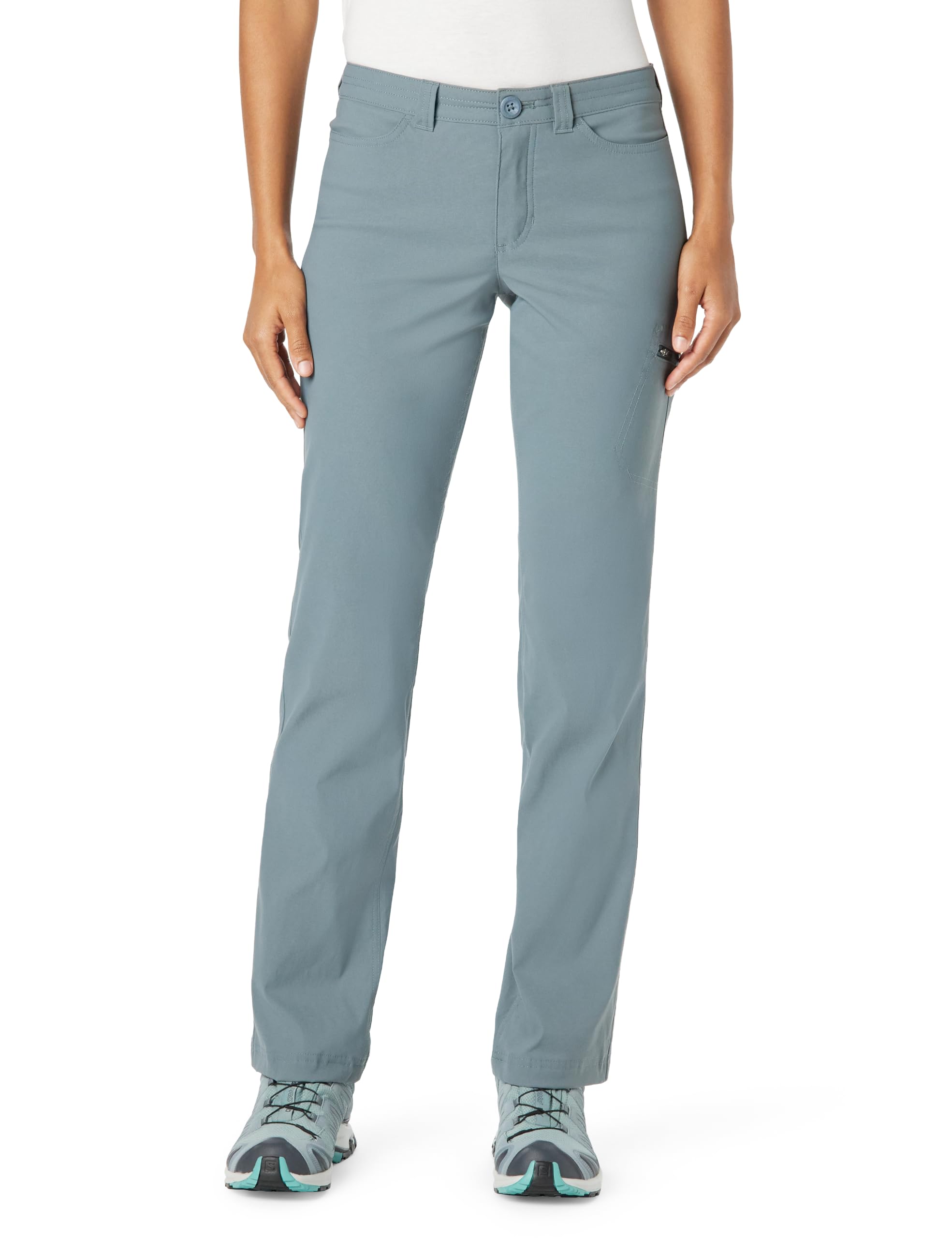
The lightweight shell that shrugs off wind and wet on exposed ridgelines.
The Rainier’s synthetic fabric is light enough to move fast but holds up against wind and passing showers. It dries quickly on the outside, so a sudden squall doesn’t leave you soggy for the rest of the hike. The cut is flattering through the hips with a roomier leg, and the fabric keeps its shape through repeated washes.
In changeable, damp climates, the fast-drying synthetic shell is the reason to pick these. Customers note wearing them through two weeks of unpredictable weather in Shetland: “They didn’t wet through and the exterior dried very quickly.” The fabric also resists wrinkles, so you can move between trail and town without hunting for an iron.
The limits are worth knowing upfront. These are not fully waterproof — a sustained downpour can soak through after about 15 minutes, so pack a rain shell for serious weather. The fabric is also on the thinner side, which is fine for warm-weather hiking but not a winter layer. And sizing runs small, so consider going up a size, especially if you’re between sizes or need extra room through the hips.
Weather performance: the fast-drying exterior and wind resistance make these a smart pick for coastal, alpine, and other changeable climates where drizzle comes and goes.
The sizing note: multiple buyers needed to size up, so order a size above your usual if you want a comfortable fit through the hips and legs.
Great match for: hikers in wet, windy climates who want a light fabric that dries fast and looks good off-trail.
Look elsewhere if: you expect sustained heavy rain — this fabric isn’t fully waterproof.
7. Columbia Men’s Silver Ridge Utility Convertible Hiking Pants
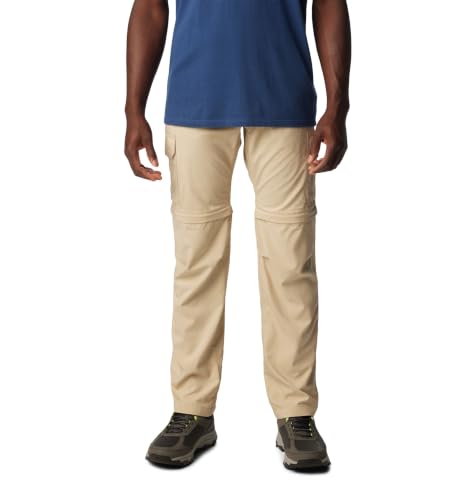
One pair that morphs from pants to shorts when the trail heats up.
The fabric is 100% recycled nylon with a wicking finish that pulls sweat away from your skin, plus UV-blocking protection for long days in the sun. The zip-off legs convert the pants to shorts in seconds, so you adapt to changing weather without carrying two pairs. Articulated knees and a gusseted crotch give you room to step high and scramble over rocks.
The zip-off legs are the whole point here: pants in the morning, shorts by noon. These survive everything from a four-day hike at 94°F through rock, cactus, and river crossings to a safari trip where you need pants in the morning and shorts by noon. The fabric is light — one buyer notes it “rolls up and packs well” — and dries fast after a creek splash or a rinse in camp.
The trade-off is fit. The cut runs baggy through the legs, and the slick nylon waistband can let the pants slide down over time, especially if you’re between sizes. A few hikers also find the waist tight relative to the leg length. If you like a trim fit, look at the prAna Stretch Zion instead — its stretch blend sits closer to the body.
Where the fabric earns its keep
- Zip-off legs convert pants to shorts for changing weather
- 100% recycled nylon with a wicking finish
- UV-blocking protection on exposed hikes
- Light and packable for travel
Before you commit
- Baggy cut through the legs
- Slick nylon waistband can slide down
- Waist runs tight relative to leg length for some hikers
Made for: multi-sport hikers and travelers who want one garment that handles changing weather and terrain.
Not ideal if: you prefer a trim, close-fitting cut — these run baggy through the legs.
Know the Specs
Ripstop weave
Ripstop fabric has a grid of thicker threads woven in at regular intervals. That grid stops a tear from spreading past the square it starts in. On a trail where branches and rock edges catch fabric, ripstop is the difference between a small snag and a long rip. Plain nylon or stretch blends without ripstop feel softer, but they’re less forgiving when something sharp grabs them.
Water resistance vs. waterproof
A water-resistant finish makes rain bead and roll off, which handles drizzle, dew, and splashes. It is not the same as waterproof — a sustained downpour can still soak through after a few minutes. Look for the words water-repellent or water-resistant on the label, and expect the coating to need re-treating over time as it wears.
UPF rating
UPF (Ultraviolet Protection Factor) measures how much UV radiation the fabric blocks. UPF 50+ means the fabric lets through a small fraction of UV rays, which matters on exposed ridgelines and open desert trails where your legs get direct sun for hours. Higher UPF means more protection without needing sunscreen on covered skin.
Stretch and articulation
Four-way stretch means the fabric flexes both across and along the grain, giving you full range of motion on climbs and scrambles. Articulated knees are pre-shaped panels that let the knee bend without pulling. A gusseted crotch adds a fabric panel so you don’t get that pinched feeling when you step high over a log or rock.
Common Questions
Is ripstop nylon better than plain stretch fabric for hiking pants?
How water-resistant are hiking pants, really?
What does UPF 50+ mean on hiking pants?
Should I size up or down in hiking pants?
Do I need a gusseted crotch for hiking?
Are convertible zip-off pants worth it for hiking?
How do I wash hiking pants without ruining the water-resistant finish?
What inseam length works for most hikers?
Is lightweight nylon durable enough for rough trails?
What is the difference between water-resistant and water-repellent?
The Bottom Line
For most hikers, the fabric for hiking pants winner is the prAna Stretch Zion Pants — the stretch blend moves with you on climbs, the UPF 50+ blocks sun, and the water-repellent finish handles passing showers. If you want maximum abrasion resistance for brushy, rocky terrain, the PUMA ProOne Adventure brings reinforced ripstop canvas that takes serious abuse. And for changing weather where you need pants and shorts in one, the Columbia Silver Ridge Convertible is the versatile pick. One honest nudge: the prAna Zion earns its place at the top with 4.5+ stars across 280+ ratings, so if you’re unsure where to start, that’s the pair to reach for first.
How we choose
We do not accept paid placement. Every pick is matched to a real buyer and a real use-case; we do not hands-on test units.
Sources
Specifications: manufacturer listings and product documentation. Review insights: verified customer reviews, as of October 2026. Pricing: not shown on this page (it changes often); check the current price via the retailer link.
As an Amazon Associate, Aappliancez earns from qualifying purchases. This does not affect which products we feature.