Disclosure: Some links in this post are affiliate links. As an Amazon Associate I earn from qualifying purchases, at no extra cost to you. Learn more
Specs are compiled from manufacturer listings and verified buyer reviews and can change over time — please confirm the key details on the product page before buying.
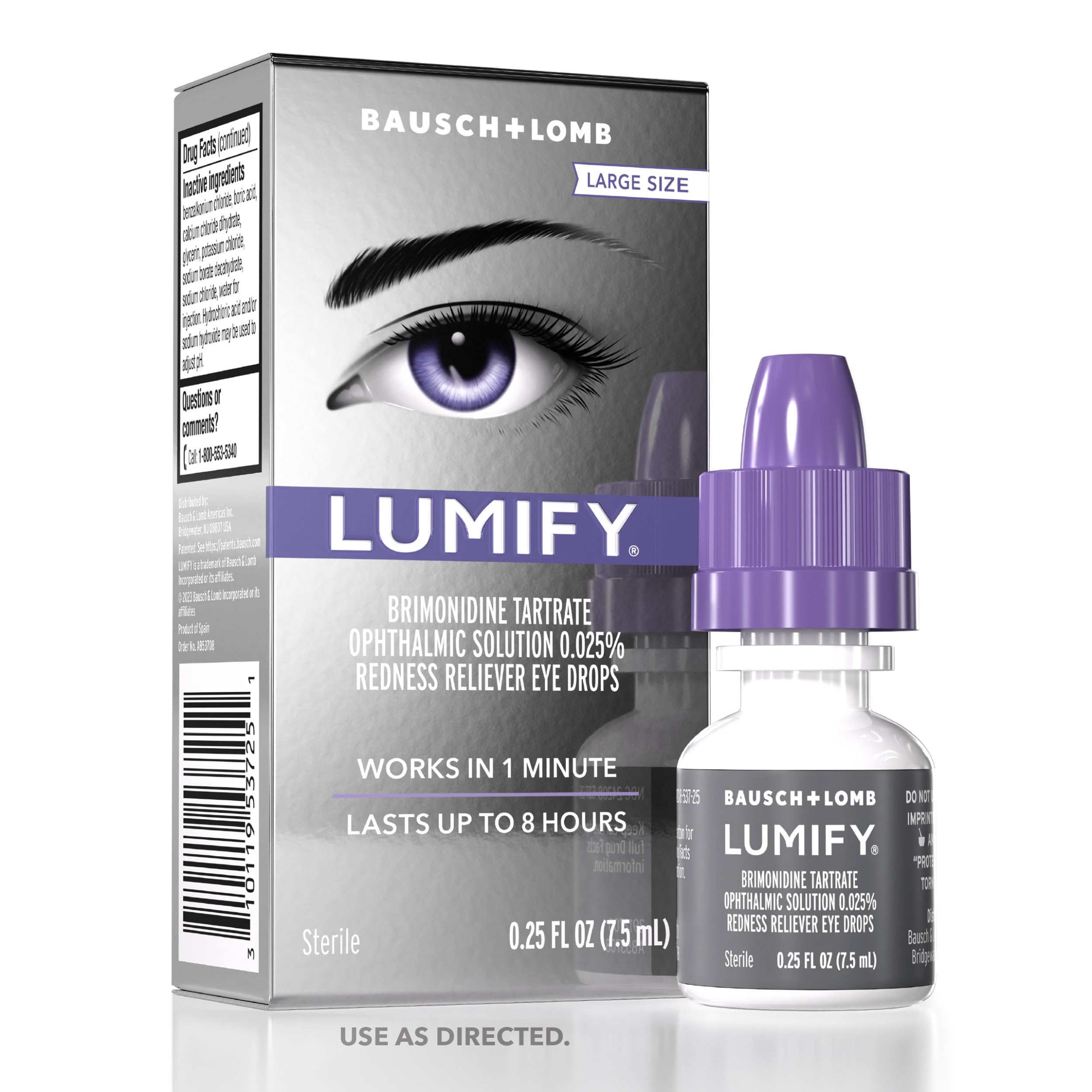
Yellow or bloodshot eyes are usually a redness problem, not a staining one, so the right drop is the one that constricts the tiny blood vessels on the surface of your eye and keeps them calm for hours. For most people the best pick is Lumify Redness Relief — it works in about a minute, holds up to 8 hours, and its active ingredient (brimonidine, a vessel-narrowing agent) is different from the older tetrahydrozoline drops that can bounce redness back worse than before. Below you get five real options, sorted by what each one actually does for your eyes.
This guide is built by comparing the manufacturers’ published specifications and the patterns across verified customer reviews, so you get each pick’s real strengths and trade-offs instead of marketing spin.
The short answer: Lumify for everyday whitening, Refresh Classic for dryness, Naphcon-A for allergy-driven pink. Read on for the full breakdown of the best eye drops for yellow eyes.
Top Picks

How To Choose Eye Drops for Yellow Eyes
Yellow eyes sitting alongside redness are two different problems in one eye. A yellow tint in the white of the eye (the sclera) isn’t usually something a drop clears away — but the red, tired, bloodshot look layered on top is exactly what redness-relief drops are designed to reduce. Before you buy, figure out which of those two is actually bothering you, because it changes the formula you should pick.
Start with the cause, not the color
Fatigue, long screen sessions, smoke, dust, sun, and chlorinated pools all inflame the vessels on the surface and turn eyes red. Allergy season adds itchy, watery eyes on top. Dryness from screen work or age leaves eyes irritated and looking dull. Match your drop to the cause — a lubricant for dryness, an antihistamine combo for allergies — and it will do more than a generic “whitening” bottle ever could.
The active ingredient decides how it behaves
Most redness drops use a decongestant that narrows blood vessels so the white shows through. Lumify uses brimonidine, which its label describes as selectively targeting redness. Visine Original uses 0.05% tetrahydrozoline hydrochloride. Naphcon-A pairs a decongestant with an antihistamine, so it calms the allergic response too. Refresh Classic doesn’t fight redness at all — it’s a lubricant built to replace natural tears.
Preservative-free matters for repeat use
If you reach for drops several times a day, a preservative-free option like Refresh Classic’s single-use vials is the gentler route — one vial, one use, no contamination risk from a shared bottle. Bottled drops with preservatives are fine occasionally but weren’t built for round-the-clock dosing.
Bottle size and shelf life
At one to two drops a day, a 0.25-oz bottle of redness relief lasts five to six months — run that math before calling a tiny bottle expensive. A multi-pack or a 30-vial box spreads the cost across more uses and means you’re not hunting for a refill mid-week.
Side-by-Side Comparison
| Model | Best For | Form | Active Ingredient | Preservative-Free | Amazon |
|---|---|---|---|---|---|
| Lumify Redness Relief★ Best Overall | Fast everyday whitening | 0.25 oz bottle | Brimonidine | — | Amazon |
| Lumify, 7.5 mL (Pack of 2)Most Versatile | Buying in bulk, repeat daily use | 7.5 mL, pack of 2 | Brimonidine | — | Amazon |
| Refresh Classic Preservative-Free | Dry, sensitive eyes that redden | 0.4 mL, 30 single-use vials | Lubricant (no redness reliever) | Yes | Amazon |
| Naphcon-A, 15-mL, 2 Count | Allergy-driven red, itchy eyes | 15 mL, pack of 2 | Decongestant + antihistamine | — | Amazon |
| Visine Original, Pack of 4 | Pu00e9rez-Use original formula fans | 0.5 fl oz, pack of 4 | 0.05% tetrahydrozoline HCl | — | Amazon |
Detailed Reviews
1. Lumify Redness Relief Eye Drops
Our pick — 4.5+★ from 70,500+ verified ratings; the strongest balance of quality and price.
The one-minute whitener that keeps eyes clear through a full shift.
What you’re buying here is speed plus staying power: works in 1 minute & lasts up to 8 hours, per the label. That combination is why this is the pick I’d hand to anyone whose yellow-and-red look comes from late nights or screen glare. It is the only over-the-counter drop in this group that uses brimonidine — a blood-vessel-narrowing ingredient that its label says selectively targets redness rather than flooding the eye with a generic decongestant. A 0.25-ounce bottle, carried in a pocket or purse, is enough for months of one-drop mornings.
What wins people over is how clean the result looks. Reviewers describe eyes that go white in about a minute and look naturally awake rather than cosmetically bleached, with no rebound redness the way older drops can leave you. Daily users keep repeating the same math: “A.25-oz bottle lasts 5–6 months.” That math is worth holding onto, because the small bottle feels dear until you realize a single drop covers a morning.
The honest catch: it’s built for mild redness from sleep and fatigue, and the label’s own review data flags the price as the mixed note. If your eyes are red from allergy itch rather than fatigue, pair it with an antihistamine drop instead. And the people who’ve moved over from older decongestant drops say a faint return of pink shows up at the 6-to-8-hour mark — far milder, but not gone. For everyday whitening, though, this is the one to start with.
What makes it the front-runner
- Works in 1 minute and holds up to 8 hours on one drop
- Brimonidine targets redness selectively — no bleach, no dyes
- Buyers report no rebound redness, unlike older decongestant drops
- Small 0.25-oz bottle fits a pocket and lasts months
Where it asks patience
- Premium pricing for a small bottle
- Built for mild fatigue/sleep redness, not severe bloodshot eyes
- Some pink can creep back around 6–8 hours after dosing
Reach for this if: you want eyes that look awake in a minute and stay that way through a long shift or a screen-heavy day.
Look elsewhere if: allergies or heavy dryness are the root of the redness — you need a different ingredient for that.
2. Lumify, Eye Drops, 7.5 mL (Pack of 2)
The same fast whitener, boxed as a two-pack so you stop reordering every few weeks.
Put this one next to the single bottle above and the difference is pure volume. Where the individual 0.25-oz bottle is 1.45 ounces when bundled in this two-pack, the single bottle is a fraction of that, so if you’re already a daily user the two-pack simply saves you the reordering chore. The formula is the same brimonidine that whitens in a minute, and it’s still the pick that owners say clears any redness immediately using just 1-2 drops — the most 3-4. These are verbatim owner words: “Best whitening eyedrops I have ever used.”
Effectiveness is what earns this one its following. Buyers keep returning for the way it takes the redness out within a minute and leaves eyes hydrated rather than tight, and the two-bottle format makes that a habit you don’t have to plan around. What’s less settled is the value question — a handful of reviewers call it pricy for the small bottle, and that’s the trade-off of a premium ingredient in a modest amount of liquid.
The catch to size fairly: both sizes of this formula ship in the same-size bottle, so if you want a bigger bottle you actually want the two-pack, not a larger single. It’s the sensible buy for habitual users who keep a bottle at home and one at the desk. Casual twice-a-month users can start with the single bottle.
The volume argument: if you’ve already decided you like a brimonidine whiten, the two-pack is the format that stops the reorder treadmill — same 1-minute action, two bottles in hand.
The honest caveat: price is the recurring grumble, and the bottle stays the same size regardless of which listing you click, so the multi-pack is the only way to get more liquid.
Buy it because: you use redness relief several times a week and want a backup bottle already in the drawer.
Hold off if: you’re new to brimonidine drops — try the single bottle first and see how your eyes respond.
3. REFRESH CLASSIC Lubricant Eye Drops

When dryness is what’s dulling your eyes, this is the one that replaces tears instead of chasing redness.
Here’s the reframe nobody tells you: if your eyes look yellowed and tired because they’re dry, a redness-relief drop is the wrong tool. This is a lubricant — no decongestant, no dye, just a tear-mimicking formula that’s preservative-free and dosed from 30 single-use containers. Each container is small enough (0.01 fl oz) to slip into a bag, and because every vial is used once and tossed, there’s no shared-bottle contamination worry for people dosing all day.
The reason to love the vial format is comfort, not just hygiene. Preservatives are what sting in a repeated dose, and these skip them, so they go in without the burn on the third or fourth application. What everyone raves about is the sheer soothing quality — long lasting and moisturizing is how the review pages sum it up — and it earns its keep between allergy drops, after screen-heavy afternoons, and as a post-procedure comfort drop. One buyer sums up the relief plainly: “I have ordered several boxes of these refresh tears at this point after my Lasik surgery and they helped my eyes so much!”
The real snag is the packaging. The little vials can be awkward to open if your hands aren’t as nimble — arthritis hands were called out as a struggle — and a few find the per-vial cost less friendly than a big bottle. If you want a drop for the pure convenience of a bottle on the counter, this is a different rhythm. If sensitive, dry eyes are the daily reality, the trade-off is worth it.
Why dry-eye buyers keep coming back
- Preservative-free, so repeated dosing doesn’t sting
- 30 single-use vials mean no contamination risk and easy travel
- Built to act like your own natural tears — pure lubrication, no redness drug
- FSA & HSA eligible, which helps if you buy in bulk
The trade-offs to know
- Little vials can be hard to open with stiff or arthritic hands
- No red-eye ingredient — won’t whiten on its own
- Per-use cost feels higher than a single bottle
Best fit: dry, sensitive eyes that redden from screen work or allergy season and need soothing, not whitening.
Skip if: your whole goal is one quick white-eye fix — this is a comfort drop, not a redness drug.
4. Naphcon-A Eye Drops, 15-mL, 2 Count

Two jobs in one bottle: it shrinks the redness and calms the itch behind allergy-season eyes.
Allergy eyes are a double problem — red and itchy — and this is the drop that treats both. Its decongestant constricts (narrows) the surface blood vessels to pull the redness down, and its antihistamine blocks histamine, which is what drives the watery, itchy feeling. That makes it the pick for spring and fall rather than everyday fatigue — and the 15-mL two-pack means you can keep one bottle in a different room or the work bag without running dry.
For people whose eye drops tend to make things worse, this one earns unusual loyalty. A recurring theme in the reviews is the person who reacts badly to other allergy drops and finds this is the only formula their eyes tolerate. It also earns praise for dry, cold-weather irritation and for soothing eyes made raw by seasonal allergies — the kind of thing you reach for when pollen, not fatigue, is the culprit.
The fair note is that this is a combination formula, so it’s not the everyday brightening drop the Lumify picks are. If your redness isn’t allergy-driven, the antihistamine is doing nothing for you. And it’s a decongestant base, so if you’ve been warned off those for daily use, keep it for allergy stretches rather than mornings.
Where it earns its place: allergy season, when eyes are red and itchy at once — the decongestant-and-antihistamine pairing handles both in a single dose, and the two-bottle pack covers home and travel.
The reasoning to weigh: this is a seasonal tool, not a daily whitener. Non-allergy redness doesn’t need the antihistamine half, and the decongestant base is best kept to allergy flare-ups.
Reach for this if: pollen season leaves you red, itchy and reaching for a drop that calms both.
Save it for later if: your redness is from late nights or screens — the antihistamine won’t help and a plain whiten works better.
5. Visine Original Redness Relief Eye Drops

The original-get-the-red-out classic, boxed four bottles deep for the loyalist.
Visine Original is the reference formula in this category: 0.05% tetrahydrozoline hydrochloride, the classic decongestant that gets the red out fast, and the label promises action in 60 seconds. The pack of four 0.5-fluid-ounce bottles is the value play — it’s the format for someone who already knows they like the original formula and doesn’t want to reorder. Each bottle is pocket-sized, so one rides in the bag while the others wait as backups.
What keeps the faithful loyal to the original is simple familiarity. Users describe clear, fresh eyes without irritation and decades of routine — the people who’ve washed their eyes with it every morning for years know exactly what they’re getting. If you tried another drop and it didn’t do the trick, this is the one most likely to behave the way you remember: quick, familiar, no surprises.
One thing to be clear-eyed about — literally — is that this is the older decongestant class, not the brimonidine used by the Lumify picks above. Some people on long-term decongestant drops notice eyes that get more red between doses, so it’s a great choice for occasional use and a less ideal one for all-day-every-day whitening. The four-pack leans toward heavy use, so match it to how often you actually dose.
The loyalist’s case: original 0.05% tetrahydrozoline, action in 60 seconds, four pocket bottles — one in the bag, backups in the cupboard, no reorder anxiety.
The question worth asking: this is the older decongestant formula, so if daily whitening is your goal, consider whether a brimonidine drop like the Lumify picks suits a more frequent schedule.
Pick this one when: you already trust the original Visine formula and want four bottles to spread across bag, desk and bathroom.
Think twice if: you dose multiple times a day — the older decongestant class is better suited to occasional use.
Know the Specs
Brimonidine vs Tetrahydrozoline
These are the two active ingredients behind almost every redness drop. Brimonidine (the ingredient in the Lumify picks) is described by its maker as selectively targeting redness, which is why users note less rebound. Tetrahydrozoline hydrochloride (0.05% in Visine Original) is the older decongestant class — fast and familiar, but the kind of formula owners say is better for occasional use than all-day-every-day dosing. The ingredient is the single biggest reason two drops that both “whiten” behave differently on a daily schedule.
Preservative-Free vs Bottled
A preservative-free drop comes in single-use containers — one vial, one dose, tossed after. That matters if you dose repeatedly, because the preservative that keeps a bottle safe is also what stings on the third or fourth application. A bottled drop is more convenient and costs less per use, but was built for occasional dosing. Refresh Classic’s 30 single-use containers are the preservative-free route; the bottled picks are the convenient route.
Redness Relief vs Lubricant
A redness-relief drop narrows the blood vessels to make the white of the eye look whiter. A lubricant drop (like Refresh Classic) acts like your own natural tears and soothes dryness without touching redness. If your eyes are red, you want the vessel-narrowing formula. If they’re dry and tired, the lubricant gives the lasting comfort. Match the formula to the cause: a vessel-narrowing drop for red eyes, a lubricant for dry ones.
Decongestant + Antihistamine Combos
Naphcon-A pairs a vessel-narrowing decongestant with an antihistamine that blocks histamine — the chemical behind itchy, watery allergy eyes. That combination is what makes it the seasonal pick rather than the everyday one. If your redness isn’t allergy-driven, the antihistamine half isn’t doing anything for you, so save it for the weeks when pollen is the problem.
Common Questions
Do redness relief drops actually clear yellow eyes?
What is rebound redness and which drops cause it?
Can I use Lumify every day?
Which drop is better for allergy-season red, itchy eyes?
How long does a bottle of redness relief actually last?
Should I pick a single-use vial or a bottled drop?
Is the 7.5 mL two-pack of Lumify the same size bottle as the single?
Are these drops safe to use with contact lenses?
What causes eye redness that isn’t an infection?
Can I use more than one type of eye drop at once?
The Bottom Line
If you want eyes that look awake in about a minute and stay that way through a long day, the Lumify Redness Relief 0.25 oz is the one that earns the spot at the top — brimonidine targets redness without the rebound the older formula class is known for. If daily use is the reality, the Lumify two-pack saves the reorder treadmill and keeps a backup on the shelf. Sensitive or dry eyes get the right answer from the Refresh Classic preservative-free vials, and allergy season calls for the Naphcon-A that calms the itch as well as the red. Whichever you choose, match the drop to the cause: brimonidine for fatigue redness, a lubricant for dryness, an antihistamine combo for allergies.
How we choose
We do not accept paid placement. Every pick is matched to a real buyer and a real use-case; we do not hands-on test units.
Sources
Specifications: manufacturer listings and product documentation. Review insights: verified customer reviews, as of October 2026. Pricing: not shown on this page (it changes often); check the current price via the retailer link.
As an Amazon Associate, Aappliancez earns from qualifying purchases. This does not affect which products we feature.