Disclosure: Some links in this post are affiliate links. As an Amazon Associate I earn from qualifying purchases, at no extra cost to you. Learn more
Specs are compiled from manufacturer listings and verified buyer reviews and can change over time — please confirm the key details on the product page before buying.
Here is the short answer: for most people who want an elderberry plant to harvest berries from, the best starting point is a live rooted plant rather than a bare cutting. A rooted plant already has a working root system, so it can settle into your garden soil instead of spending its first weeks trying to form roots at all. The pick that suits the widest range of gardens is the cold hardy Sambucus nigra, because it is sold as a single rooted plant rated for USDA hardiness zone 3 (a zone map number that tells you the coldest winter a plant survives).
This guide is built by comparing the manufacturers’ published specifications and the patterns across verified customer reviews, so you get each pick’s real strengths and trade-offs instead of marketing spin.
The five plants below split into two camps: rooted plants that arrive ready to plant, and cuttings that you have to coax into rooting yourself. Both can work, but they ask very different things of you. This breakdown of the elderberry plant for medicinal use covers what each of the five delivers on roots, zone rating, and berry yield.
Top Picks
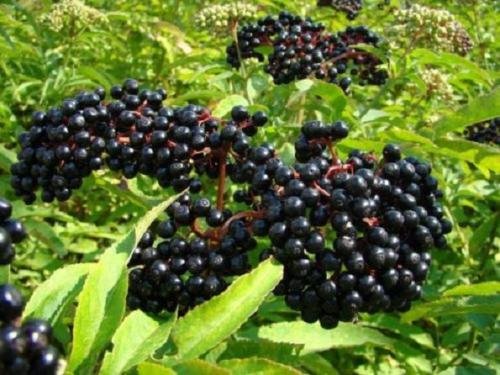

How To Choose The Best Elderberry Plant for Medicinal Use
The first decision is not brand or size — it is whether you are buying roots or a stick. A live rooted plant arrives with soil around a working root system and can go straight into the ground. A cutting is a length of stem that has to grow its own roots first, and that step is where most failures happen. Decide which one you have the patience for before you compare anything else.
Start with your hardiness zone, not the photos
Your zone number tells you the coldest winter your garden reaches, and an elderberry survives only if its rated zone includes yours. The rooted Sambucus nigra is rated for zone 3, and the two-plant pack spans zones 3 to 9. The Lemony Lace shrub is listed for zones 3 to 8. Plant outside the stated zone range and winter cold, not your care, becomes the limiting factor.
Know which species you are buying
Sambucus nigra and Sambucus racemosa are different plants with different habits. The nigra types are the ones grown for berry harvest. The Lemony Lace is a Sambucus racemosa ornamental shrub, chosen for its cut foliage and colour in the border. If your goal is fruit, the ornamental shrub is the wrong tool, however good it looks.
Plan for pollination and patience
Elderberries crop best when more than one plant is nearby for cross-pollination, which is one reason the two-plant pack has appeal. Expect a wait as well: the two-plant pack is listed as bearing 2 to 3 years after planting. A rooted plant gives you a head start on that clock; a cutting pushes it back further.
Read the soil and water notes honestly
All five listings call for moderate watering, so none of them wants a bog or a drought. Soil notes differ, though. The rooted nigra lists sandy soil, and the Lemony Lace lists clay soil with well-drained care instructions. Match the plant to your soil — sandy for the rooted nigra, well-drained clay for the Lemony Lace — or amend before planting.
Side-by-Side Comparison
| Model | Best For | Plant Form | Hardiness Zone | Rated Height | Amazon |
|---|---|---|---|---|---|
| Sambucus nigra Live Rooted Plant★ Best Overall | Berry harvest in cold gardens | 1 rooted plant | 3 | — | Amazon |
| 2 Black Elderberry Plants LiveBest Pair Value | Planting a pair for pollination | 2 live plants | 3 to 9 | 12 feet | Amazon |
| Bob Gordon Elderberry Plant, Potted Plant, 6-10″ Tall | Largest berries, single potted plant | 1 potted plant | 3 | 10 feet | Amazon |
| 8 Fresh Black Bearing Elderberry Cuttings to Grow | Budget growers who like a project | 8 cuttings | 4 to 9 | — | Amazon |
| Proven Winners Sambucus racemosa Lemony Lace Shrub | Colour and foliage in the border | 1 potted shrub | 3 to 8 | 4-5 feet | Amazon |
Detailed Reviews
1. Sambucus nigra Live Rooted Plant
Our pick — 4.0+★ from 70+ verified ratings; the strongest balance of quality and price.
A single rooted plant that skips the rooting stage entirely and gets on with growing fruit
If you garden somewhere with a real winter, this is the one to put in the ground first. It is a live rooted plant of Sambucus nigra — the elderberry species grown for berry harvest — and it is rated for USDA hardiness zone 3, which covers some of the coldest winters a garden plant will face. You get one rooted plant, listed at 3 pounds and shipped with roots already formed.
The growing behaviour is what sells it. New white roots appear within days of going into water, and leaf growth follows in roughly 10 to 14 days. As buyers report: “Roots sprouted new white roots in water within days; grew well 10-14 days with leaves.” One plant shipped as bare root and, once the included instructions were followed, reached 5 feet tall and kept climbing. The listing asks for moderate watering, sandy soil, and either full sun or partial shade — a forgiving set of conditions for a fruiting shrub.
Where it stumbles is value at the smallest end. For most buyers this is a healthy, fast-rooting plant; the occasional thin, stem-only specimen is a shipping miss, not a pattern. What wins people over here is growth: new white roots within days and leaf growth in roughly 10 to 14 days.
Why This One Leads the List
- Arrives rooted, so it can be planted immediately instead of rooted by you
- Zone 3 rating handles genuinely cold winters
- Handles full sun or partial shade, plus sandy soil
- New root growth reported within days of arrival
What to Keep in Mind
- It is one plant, so a second nearby helps pollination
- A thin, stem-only specimen can arrive on a poor shipment
- Bare-root plants need the included instructions followed closely
Reach for this if: you want fruit with the least fuss and your garden sits in zone 3 or warmer.
Look elsewhere if: you would rather start several plants cheaply and do not mind rooting them yourself — the cutting pack covers that ground.
2. 2 Black Elderberry Plants Live
Two living plants arrive per order — which solves the pollination question in one parcel
Elderberries set more fruit when a second plant sits nearby, and this listing hands you exactly that: two live perennial bushes, shipped at 6 to 12 inches tall. That is double the plant count of the single rooted nigra above, and it is the reason this pack makes short work of the cross-pollination question that stalls a lot of first-time growers. Rated across USDA zones 3 to 9, it covers a very wide band of climates and soil types.
Give it room. Expected plant height is listed at 12 feet, so pick the corner of the garden you can spare for years rather than a tight spot near the path. Fragrant white flower clusters appear in spring and summer, and the listing says the bushes bear 2 to 3 years after planting — a fair warning that this is a slow build toward fruit, not an instant harvest. Otherwise the care is simple: full sun, moderate watering, and it suits gardeners at any level.
The honest split is in how the two plants land: some arrive lush and green, others smaller and slower to establish. Some arrive as lush, vibrant starts that perk straight up — as owners mention: “Said it was going to take about 2 weeks to arrive. Came within the week. They were beautiful, green and vibrant.” Others turn up smaller, and not every plant pulls through its first season. Size and growth are what the reviews split on most, so order in cooler weather if you can and pot the pair up to acclimate before planting out.
What actually lands: two seasoned-looking starts, trimmed and packaged moist, that transplant happily into pots while the last freeze passes. Prior attempts from seed often fail; these give a grower a real head start.
The caveat worth knowing: “half lived” is a phrase that shows up, and the pair can arrive bent from shipping. Neither is a reason to pass — it is a reason to order in cooler weather and unpack promptly.
The case for it: a pair of fruiting bushes in one order beats hunting down a second plant later.
Think twice if: you have a small bed and cannot give a 12-foot bush the space it will eventually want.
3. Bob Gordon Elderberry Plant, Potted Plant, 6-10″ Tall

The berry-size specialist — a potted, rooted plant chosen for the biggest fruit of the elderberries
If you are growing elderberry for the harvest and want the most generous berries, this is the plant the listing points you toward. It arrives potted at 6 to 10 inches tall, already rooted in its container, so it can go into the ground as soon as the weather allows. The claimed payoff is berry size — the listing says it produces the largest berries of all elderberries, and it also brings white colour to the border.
Compare it with the two-plant pack above on reach: the Bob Gordon is rated to 10 feet, against 12 feet for the pair. That makes it the tidier choice for a garden with less headroom. It is rated for zone 3, matching the rooted nigra, and it wants full sun and moderate watering. Expect to wait for fruit, as with any elderberry, and plan a second plant nearby if your aim is a real crop.
Growth after planting is the mixed part. Some plants push foliage within a month in a grow bag; others show no sign of life at all, and the occasional stem turns brown and works its way down. In hot desert climates especially, the heat can take it out entirely. Read the listing’s zone 3 rating as a cold-hardiness figure and check your own summer heat before you commit.
The standout: the biggest-berry claim plus a potted root system makes it the pick for a grower chasing fruit quality.
The honest limit: the top growth can arrive as little more than a stem, so judge it by the roots and give it a full season before you decide.
4. 8 Elderberry Cuttings

Eight stems for the price of a coffee — if you are willing to root them yourself
This is the volume play: eight black elderberry cuttings, hand harvested from a tree nursery in Iowa, for a grower who wants many plants and does not mind doing the rooting work. Compare the counts and the gap is obvious — 8 cuttings here against the 1 rooted plant of the cold hardy nigra, and 8 pieces against the 1 potted Bob Gordon. The listing rates zones 4 through 9, wants full sun or partial shade, and includes planting instructions.
Here is the reality of a cutting, in plain terms. It is a piece of stem with no root system, so you must give it water or damp medium until it forms one. As customers note: “Within a week they were putting on leaves so I put them in well-watered pots to take root.” When the method matches the cutting, this works — one grower rooted several in plain water in about a month, with leaves appearing around a week in, then moved them into a peat and sand mix. The seller’s replacement policy and responsive service come up often, which softens the risk when a batch does not take.
The hard truth is that not every cutting roots. Some arrive without the paired nodes that roots and leaves grow from, and a batch can sprout and then die away overnight. Amazon’s own read flags sprouting and cutting performance as the problem areas, and that sits behind the lower overall rating. This is still a fair buy for a patient gardener who treats it as a project with replacements backing it up — it is simply the wrong first purchase for someone who wants berries without the rooting stage.
Who this rewards: a gardener with a food forest in mind, a spare windowsill, and the patience to check nodes and change water.
Who should take a pass: anyone buying their very first elderberry and expecting it to grow on its own. For that, a rooted plant does the job without the risk.
Go for it if: you want the most plants for the least outlay and enjoy the rooting process.
Leave it if: you would be upset to lose a batch — a rooted plant removes that gamble.
5. Sambucus racemosa Lemony Lace

A lace-leaf elderberry bred for the flower border, not the preserving pan
This is the one for the gardener who wants elderberry as scenery. It is a Sambucus racemosa shrub from Proven Winners, sold in a #3 size container that arrives fully rooted and ready to plant, weather permitting. Mature size is listed at 4 to 5 feet tall by 4 to 5 feet wide — compact next to the 10 and 12 foot fruiting types. The draw is the cut foliage in its Lemony Lace colour, plus a deer-resistant habit and tolerance for partial to full sun.
Be clear about the species before you buy. Sambucus racemosa is grown for ornamental value rather than a berry crop, so if your reason for planting elderberry is fruit, the nigra and Bob Gordon picks above do that job. If your reason is a border plant that happens to be an elderberry, this delivers. It takes clay soil with well-drained care, which is unusual among the group. Expect it to sit dormant with no leaves through late fall and winter, then leaf out again in spring — that bare phase is normal, not a sign of trouble.
Plant health is where buyer experience splits. Some plants arrive bigger than expected, well packaged, and settle into a semi-sunny bed without fuss. Others fade within days of planting, and a small root ball or a container that was not returnable leaves you hoping rather than choosing. The most sensible read: order when planting weather suits your zone, water it in properly, and judge it as a 4-5 foot border shrub, not a berry crop.
Pick it for: the colour, the 4-5 foot size, and the deer resistance in a mixed border.
Skip it for: berry harvest — for fruit you want a Sambucus nigra or a Bob Gordon plant instead.
Know the Specs
USDA Hardiness Zone
A zone number tells you the coldest winter a plant is expected to live through, so it is the first thing to check before you buy any elderberry. The rooted Sambucus nigra and the Bob Gordon plant are both rated zone 3. The two-plant pack runs from zone 3 to 9, and the Lemony Lace shrub is listed for zones 3 to 8. Plant outside the stated range and winter cold does the damage, whatever you do right in summer.
Rooted Plant vs Cutting
A rooted plant, whether bare root or potted, already has a root system and goes into the ground on arrival. A cutting is a bare length of stem that must form roots in water or damp medium before it can grow. Cuttings are cheaper per plant and come in larger numbers — eight in the pack reviewed here. Rooted plants cost more per plant but skip the most failure-prone stage. Buy rooted if you want fruit; buy cuttings if you want volume and enjoy the process.
Expected Plant Height
Rated height tells you how much garden the plant will eventually occupy, not what arrives in the box. The Bob Gordon plant is rated to 10 feet and the two-plant pack to 12 feet. The Lemony Lace shrub is a compact 4 to 5 feet tall and wide. Match the figure to your available space at maturity, and remember that young plants arrive far smaller than their final size.
Soil Type and Moisture Needs
All the plants here ask for moderate watering, so none of them wants constantly wet ground or a bone-dry corner. Soil notes vary: the rooted nigra lists sandy soil, and the Lemony Lace lists clay soil with well-drained care. Well-drained matters most, because waterlogged ground is the most common way a young elderberry fails. If your soil is heavy, dig in grit or plant into a raised spot.
Common Questions
Will one elderberry plant produce berries on its own?
How long until a young elderberry plant actually bears fruit?
Can I grow an elderberry plant in a hot desert climate?
Is Sambucus racemosa as good as Sambucus nigra for berry harvest?
Why did my elderberry cuttings sprout leaves and then die?
What does the node on a cutting have to do with rooting?
How much water does an elderberry plant need?
Should I buy a cutting pack or a rooted plant for my first elderberry?
What should I plant an elderberry into for the best start?
Do I need a second plant if I buy the two-plant pack?
The Bottom Line
For most people looking for the elderberry plant for medicinal use as a real start toward a berry harvest, the One Live Rooted Plant of Cold Hardy Elderberry Sambucus nigra is the one to plant, because it arrives rooted and ready for zone 3 winters instead of asking you to root it first. If you want two plants so the pair can pollinate each other, the 2 Black Elderberry Plants Live makes that simple in a single order. And if the biggest berries matter most to you, the potted Bob Gordon Elderberry Plant is the fruit-first pick, while the Lemony Lace shrub earns its spot as a border plant rather than a cropping one.
How we choose
We do not accept paid placement. Every pick is matched to a real buyer and a real use-case; we do not hands-on test units.
Sources
Specifications: manufacturer listings and product documentation. Review insights: verified customer reviews, as of October 2026. Pricing: not shown on this page (it changes often); check the current price via the retailer link.
As an Amazon Associate, Aappliancez earns from qualifying purchases. This does not affect which products we feature.