Disclosure: Some links in this post are affiliate links. As an Amazon Associate I earn from qualifying purchases, at no extra cost to you. Learn more
Specs are compiled from manufacturer listings and verified buyer reviews and can change over time — please confirm the key details on the product page before buying.
Most earbuds do not hurt on day one. They hurt on hour four, when the plastic presses the same spot and you start lifting one out to give your ear canal a break. That is the real failure of an uncomfortable pair, and it is why fit matters more than any spec on the box. The picks below are chosen for how they feel after long wear, not how they look in a product photo.
This guide is built by comparing the manufacturers’ published specifications and the patterns across verified customer reviews, so you get each pick’s real strengths and trade-offs instead of marketing spin.
Some buds lock in with a twist, some with a wing tip, and some with foam that expands to fill the canal. Below you will find which approach suits a small ear, a big ear, a sweaty workout, and an eight-hour desk shift, so the best earbuds for comfort become the pair you stop noticing.
Top Picks


How To Choose Comfortable Earbuds
Comfort is not one feature. It is the sum of three things: the shape that touches your ear, the tip that seals the canal, and the weight hanging off it. Get any one of those wrong and you feel it within an hour. Get all three right and the bud disappears for the length of a shift.
The shape that holds the bud in place
A wing tip is a small soft fin that tucks into the ridge of your ear. It keeps the bud from sliding out without pressing hard on the canal. A stability band does the same job from the outside, hugging the bud to your ear. A plain rounded bud relies on the tip alone, which is fine for sitting still but less sure during movement. If a bud works loose mid-walk, switch to a wing tip or stability band before blaming the tip.
The ear tip decides pressure and seal
Silicone tips seal quickly and wipe clean, but they can feel slick when you sweat. Foam tips expand to fill the canal, which many people find softer for long sessions, though foam eventually needs replacing. Tip size matters as much as material: a tip that is too small leaks bass and forces you to push the bud deeper, and a tip that is too large presses outward. Having four or five sizes in the box is a genuine comfort advantage, not filler.
Weight and how the bud sits in your ear
A lighter bud pulls less on the canal over a long day. A flatter, stem-free body also lets you rest your head against a pillow or wear a helmet without the bud digging in. If you listen lying down or under headgear, check the shape before anything else.
Side-by-Side Comparison
| Model | Best For | Fit System | Single-Charge Battery | Connection | Amazon |
|---|---|---|---|---|---|
| CCA C12★ Best Overall | All-day listening on a wired setup | Rounded shell, swappable tips | Wired — no battery | Wired 3.5mm, detachable cable | Amazon |
| Google Pixel Buds Pro 2Twist-Lock Fit | Twist-to-lock fit with premium noise cancelling | Twist-to-adjust stabilizer | Up to 30 hours with case | Wireless Bluetooth 5.4 | Amazon |
| GNMN EarhooksGym Grip | Sweaty workouts that shake buds loose | Flexible ear hooks | Up to 8 hours | Wireless Bluetooth 5.3 | Amazon |
| Soundcore Space A40 | Long shifts on a tight budget | Compact ergonomic shape | 10 hours | Wireless Bluetooth 5.2 | Amazon |
| Samsung Galaxy Buds FE | Small ears that lose standard buds | Wing-tip design | Up to 30 hours with case | Wireless Bluetooth 5.2 | Amazon |
| Apple AirPods Pro 3 | iPhone owners who want a tailored seal | Five ear tip sizes | Up to 8 hours | Wireless | Amazon |
| Bose QuietComfort Ultra (2nd Gen) | Finding a custom seal among nine combos | Nine eartip and stability band combos | Up to 6 hours | Wireless Bluetooth 5 | Amazon |
| Sony WF-1000XM6 | All-day foam-tip wear with top noise cancelling | Four foam tip sizes | 8 hours | Wireless Bluetooth 5.3 | Amazon |
| Moondrop Blessing 3 | Studio-flat wired listening | Hybrid IEM shell, 0.78 2-pin cable | Wired — no battery | Wired, interchangeable cable | Amazon |
| Shure SE846 PRO Gen 2 | Stage and studio wear with deep isolation | Over-ear cable, sleeve assortment | Wired — no battery | Wired 3.5mm, detachable | Amazon |
| Technics EAH-TZ700 | Critical listening with round or oval tips | Round and oval tips, four sizes each | Wired — no battery | Wired MMCX, two cables | Amazon |
Detailed Reviews
1. CCA C12 in Ear Monitor Headphones 5BA 1DD Hybrid HiFi IEM
Our pick — 4.5+★ from 600+ verified ratings; the strongest balance of quality and price.
Six drivers per ear and a shell that disappears once the right tip is on.
If your ear canal is fussy about shape, the C12 is the one to start with. Each earpiece packs five balanced armatures and one dynamic driver — two different speaker types working together — inside a rounded shell with a skin-friendly resin body and a zinc alloy cover. The rounded shape is the comfort story here: it does not jam a hard edge into the ridge of your ear, and the ergonomic curve is built to keep the bud seated instead of letting it slide.
You get clear highs that buyers rank next to far pricier sets, and the fit locks in once you pick the right tip size. As owners put it, “after finding the tips that fit my ear canals, they are very comfortable and do not fall out.” Musicians wear one side while performing and it stays put. A player with small ears ran medium tips through a two-to-three-hour electric piano session with no discomfort. The honest catch: the stock tips do not suit every ear canal, and a poor seal makes the sound thin and metallic. Cheap silicone replacements fix it, but you have to be willing to swap them.
There is no battery to run down, because this is a wired set with a 3.5mm plug and a detachable eight-strand cable you can replace if it ever fails. That makes it a different animal from the wireless picks above: nothing to charge, nothing to pair, but a cable to manage. A 90-degree jack helps it sit flush against a keyboard or a phone in a pocket. If you want one pair that stays comfortable through long listening sessions and never needs a charging case, this is the value leader of the group.
What earns its keep
- Six drivers per side give detailed, layered sound for the money.
- The rounded resin shell and zinc alloy cover avoid hard pressure points.
- Detachable cable means a worn wire is a cheap fix, not a dead pair.
What to plan around
- Stock tips do not fit every canal — budget for a spare set.
- Wired only, so no cable-free walking or workouts.
- A poor seal noticeably thins the bass until you reseat the tip.
Best for: anyone who listens for hours on a laptop, keyboard, or phone and wants a soft, rounded fit without charging anything.
Worth knowing: the fit lives or dies on tip choice, so order a small assortment alongside it.
2. Google Pixel Buds Pro 2
A twist to lock it in, a twist back to loosen it for a full day of wear.
Google built the Pro 2 around one idea: you should not have to choose between a bud that stays in during a run and one that stays soft at your desk. The twist-to-adjust stabilizer is a small rotating piece that locks the bud in place when turned one way, or eases the pressure when turned the other. That rotating stabilizer is a comfort feature you can actually feel. Owners routinely wear them for long stretches without sore ears, which is exactly what a comfort-first buyer wants.
You get up to 30 hours total with the case, which covers all-day use, and a 30-minute charge time means a top-up over lunch is realistic. Bluetooth 5.4 (the wireless standard that pairs your phone to the buds) keeps the link stable, and Silent Seal 2.0 noise cancelling (the brand’s active noise cancellation) handles the distractions. The one honest catch: the ear nub can leave a sore spot after four to five hours on some ears — buyers report “ear nub causes sore spot after 4-5 hrs.” If you have a sensitive concha (the bowl of your outer ear), plan to loosen the twist now and then rather than leaving it locked all day.
For Android drivers this is the fit to beat. It works with a Pixel watch and phone, and the smaller body compared with the original Pro makes the whole thing feel less obtrusive. On an iPhone the story changes, though — a fair number of complaints come from iOS users who found the twist awkward and the controls fiddly. On its home turf, this is one of the strongest comfort-and-feature combinations in the group.
The comfort angle: the twist stabilizer gives you a dial for how firmly the bud grips, which few rivals offer.
What to watch: the nub can press on some ears after a long day, so use the loosen setting before it aches.
Pick this if: you want premium noise cancelling plus an adjustable fit you can dial soft or secure in seconds.
skip it if: you are on an iPhone and rely on Apple-specific controls.
3. GNMN Earhooks Bluetooth Earbuds with Microphone
The hook-over-the-ear design that simply will not let go mid-sweat.
If standard buds pop out the second you start moving, the ear hook is the fix you have been looking for. A soft hook curves over the top of each ear and holds the bud in place with weight and grip instead of pressure inside the canal. That means less ear fatigue and far fewer mid-set rescues. Owners say the hook is the reason they stay put where other buds failed — a clear advantage for runners, lifters, and anyone who sweats.
On the audio side the GNMN is a mixed bag, and it is worth being honest about it. The 16mm dynamic driver delivers strong bass and clear mids, and the noise cancelling helps most with music. But a few buyers found the mic robotic on calls, and one noted the sound was decent rather than special. The comfort and grip carry this pick, not the audiophile detail.
The battery story is the other headline. Up to 8 hours on a single charge and the charging case stretches total listening to 96 hours, which is far beyond a single workout or an eight-hour shift. IPX7 waterproofing means sweat and rain will not end the session. The connection is Bluetooth 5.3 with a Type-C charge port and a dual LED display that shows the battery level. It is a dedicated gym tool rather than a desk bud, and it earns its place on that basis.
Where it shines: the ear-hook hold and IPX7 rating are built for movement in a way plain buds simply are not.
Be realistic: sound and noise cancelling are serviceable but not the selling point — the grip is.
Reach for this if: your bud always escapes during runs, lifts, or cycling and you want a lock that does not depend on tip pressure.
Look elsewhere if: crisp call audio is your top priority.
4. Soundcore by Anker Space A40 Adaptive ANC Earbuds

The compact, budget-friendly bud for people who wear one through an entire shift.
The A40 is the workhorse of this list. It is smaller than all other Soundcore noise cancelling earbuds and light as a sheet of paper, which matters when you keep a bud in for eight hours. The ergonomic, stem-free shape keeps the body out of the way of a helmet or a pillow. Owners working eight-hour shifts report topping up through the case at breaks and never running flat.
Battery is the standout number: 10 hours on a single charge, and a 10-minute fast charge gives 4 hours of listening. The case adds up to 50 hours of total playtime. Noise cancelling automatically adapts to your surroundings, so you do not have to fiddle with a dial when you move from the office to the train. The sound is well balanced, and the app lets you tune the EQ and set a per-ear hearing profile.
Comfort is genuinely a fit question here, and it splits down the middle. Some wearers find the lightweight shape forgettable for hours; others get ear fatigue, and side sleepers in particular note it is not their pick. The small plastic body can also slip when you sweat, and the touch controls occasionally misfire, which is why active users often prefer a hooked bud like the GNMN above. For desk work and commuting, though, it is a lot of earbud for a mid-range budget.
Reasons it earns the daily slot
- 10-hour single-charge battery covers a full shift before you reach for the case.
- Compact, light body with no stem to catch on headwear.
- Adaptive noise cancelling that adjusts itself as you move around.
Where it can fall short
- Some ears get fatigued over very long sessions.
- The plastic body can slip during sweaty activity.
- Touch controls sometimes register the wrong command.
Best fit for: the commuter or shift worker who wants long battery and a light, unobtrusive bud without a premium spend.
Not the pick if: you sweat heavily or want fingertip touch controls that never misfire.
5. Samsung Galaxy Buds FE True Wireless Earbuds

A wing tip that holds small ears without the slipping a standard bud causes.
The FE is built for the buyer whose earbuds always wiggle loose. A soft wing tip tucks into the ridge of your ear and holds the bud in place, and the whole shape is scaled for smaller canals. Long-time Samsung users who found bigger models uncomfortable report the FE wing tips stay put through a full five-hour session with no soreness, and swapping to the largest cushions gives an even snugger seal. For a comfort shopper, that five-hour no-soreness report is the number that matters.
Noise cancelling is present but not the strong suit — it is acceptable for most rooms, and the transparency mode is actually stronger than the cancellation itself. Sound is clear and bassy for music, though it does not deliver the detail of a premium pair. The 30-hour total battery with the case keeps them going through a week of commuting, and each bud works independently so you can run one side while the other charges.
Two honest notes. First, they are not wireless-charging — the case is USB-C only, so you need a cable nearby. Second, while they hold for everyday wear, they are not the pick for running — they can work loose when you pound the pavement. For a Samsung phone owner who wants a small, secure, comfortable bud for daily listening, the FE is a smart, well-priced fit.
Signature strength: the wing-tip hold makes small ears that usually lose buds feel secure for hours.
The trade-off: cancellation is average and the case skips wireless charging, so value depends on how much you want the fit.
Choose this if: you have small canals, live in Samsung’s ecosystem, and want a secure bud for daily listening.
Pass if: you run regularly or expect strong noise cancellation.
6. Apple AirPods Pro 3
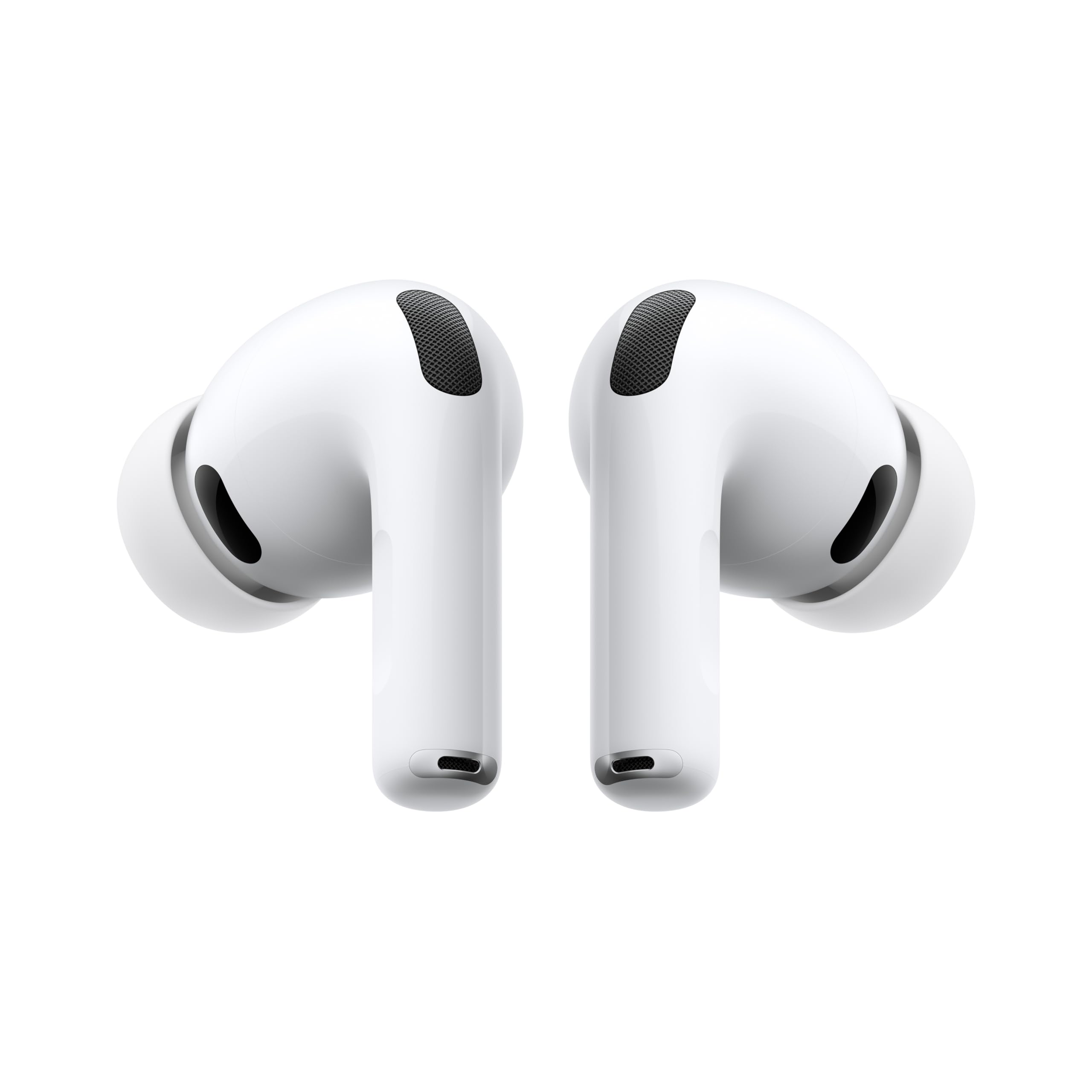
Five tip sizes mean most ears finally get a seal that does not press.
The single most useful comfort upgrade here is the box itself. Apple now ships five ear tip sizes, up from the older set, and the extra size in between is what rescues people who fall between small and medium. A better seal also means you do not have to jam the bud deeper to get full bass, which is where most ear soreness starts. Owners upgrading from the first-generation Pro note the fit is far more comfortable and stays secure during workouts.
Battery is up to 8 hours of listening with noise cancelling on, or up to 10 hours in Transparency using the hearing aid feature. That is a long enough single-charge window to get through a workday without a case. Noise cancellation is the headline feature, and owners say it silences a noisy machine or a lawnmower down to almost nothing. A new acoustic architecture delivers detailed clarity, and heart-rate sensing tracks exercise — though it works best paired with an iPhone.
Where it can frustrate: the fit is still a compromise if your ears reject the tip shape, and some owners found they work loose during intense movement. The touch volume control is easy to trigger by accident rather than on purpose. For an iPhone owner who wants the most custom seal Apple has offered, though, this is the straight answer to comfortable all-day wear.
Why the fit wins: five sizes close the gap that leaves many ears pressing hard on a too-small tip.
Honest caveat: comfortable for most, but ears that reject the tip shape will still feel it.
Worth it for: iPhone users who want a tailored seal, top noise cancelling, and a workday of battery.
Think twice if: you are on Android, where the ecosystem features do not fully apply.
7. Bose QuietComfort Ultra Earbuds (2nd Gen), Midnight Violet
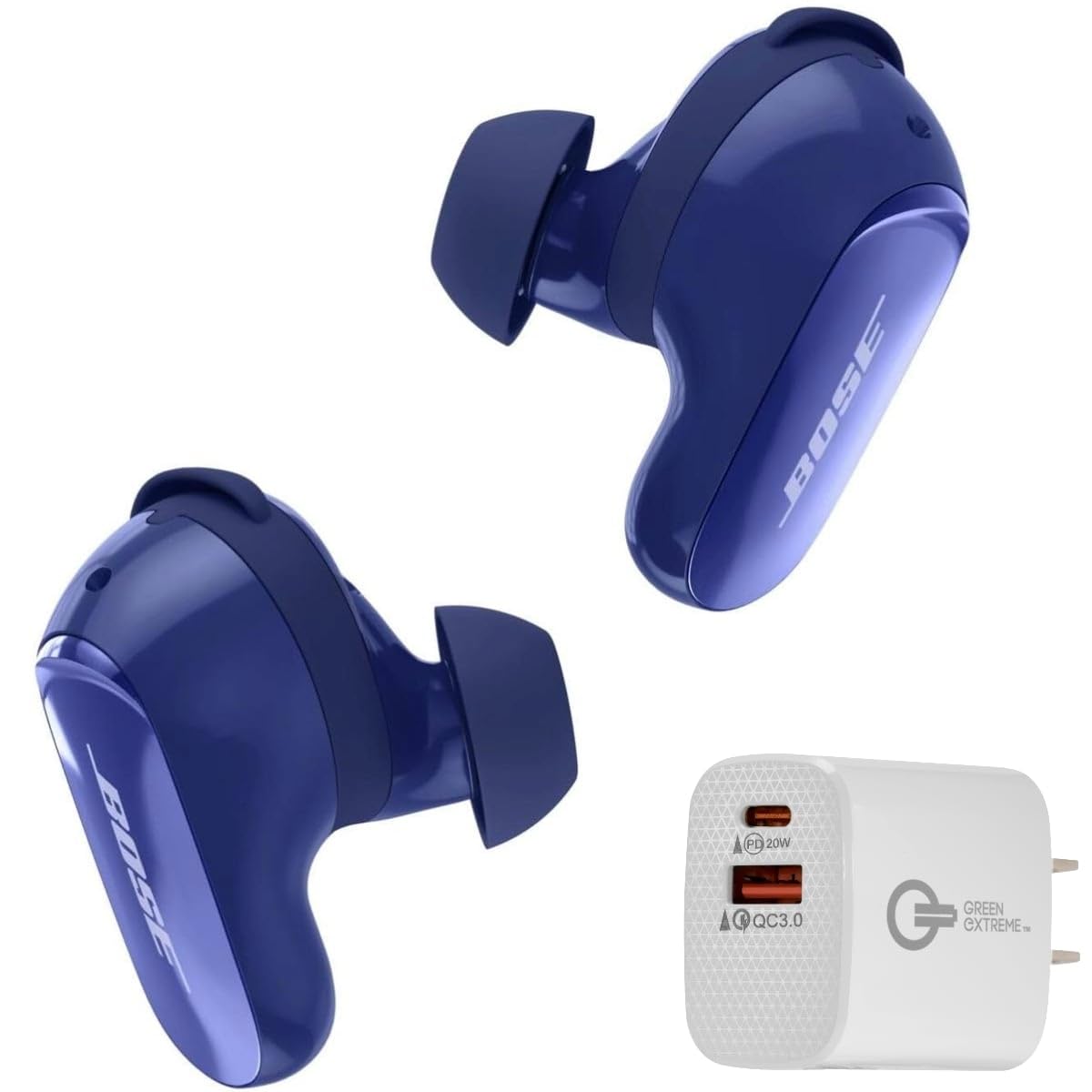
Nine ways to fit them, so the seal is a choice rather than a gamble.
Bose hands you nine combinations of eartips and stability bands, which is the most fitting flexibility on this list. The soft umbrella-shaped tips seal the opening of your ear, and the stability bands hug the bud in place from outside. If your ears have never been happy with a standard tip, having this many options to shuffle through is a real problem-solver. Owners with sensitive ears, including one dealing with ear pressure issues, report the Ultra stays comfortable.
You get up to 6 hours in Quiet or Aware mode, dropping to about 4 hours with rich Audio (spatial sound) on, and the case holds up to three full charges. That is the shortest single-charge window among the wireless picks here, so a long flight with spatial audio running will send you to the case. Noise cancellation is exceptional — owners reported it matched Apple’s on a plane and protected hearing at a loud concert. CustomTune (a feature that analyzes your ear shape) tailors the sound and cancellation to your ears.
The catch worth flagging is the case — it is bulky, and it is the part owners mention most when they wish it were slimmer. A couple of owners also found the buds occasionally cut out when bending or squatting. For pure fit flexibility and sealing power, though, the Ultra earns its premium spot.
Reasons the seal stands out
- Nine eartip and stability band combinations suit hard-to-fit ears.
- CustomTune adapts sound and cancellation to your ear shape.
- Noise isolation that owners compare to the best in class.
Trade-offs to know
- Up to 6 hours per charge is the shortest here for wireless.
- The charging case is noticeably bulky.
- Occasional cut-outs when bending or squatting.
Suited to: buyers whose ears have rejected normal tips and who want the widest fitting choices plus top isolation.
Compromise: if you need maximum hours between charges, this is not the marathon runner.
8. Sony WF-1000XM6 Noise Cancelling Wireless Earbuds, Black
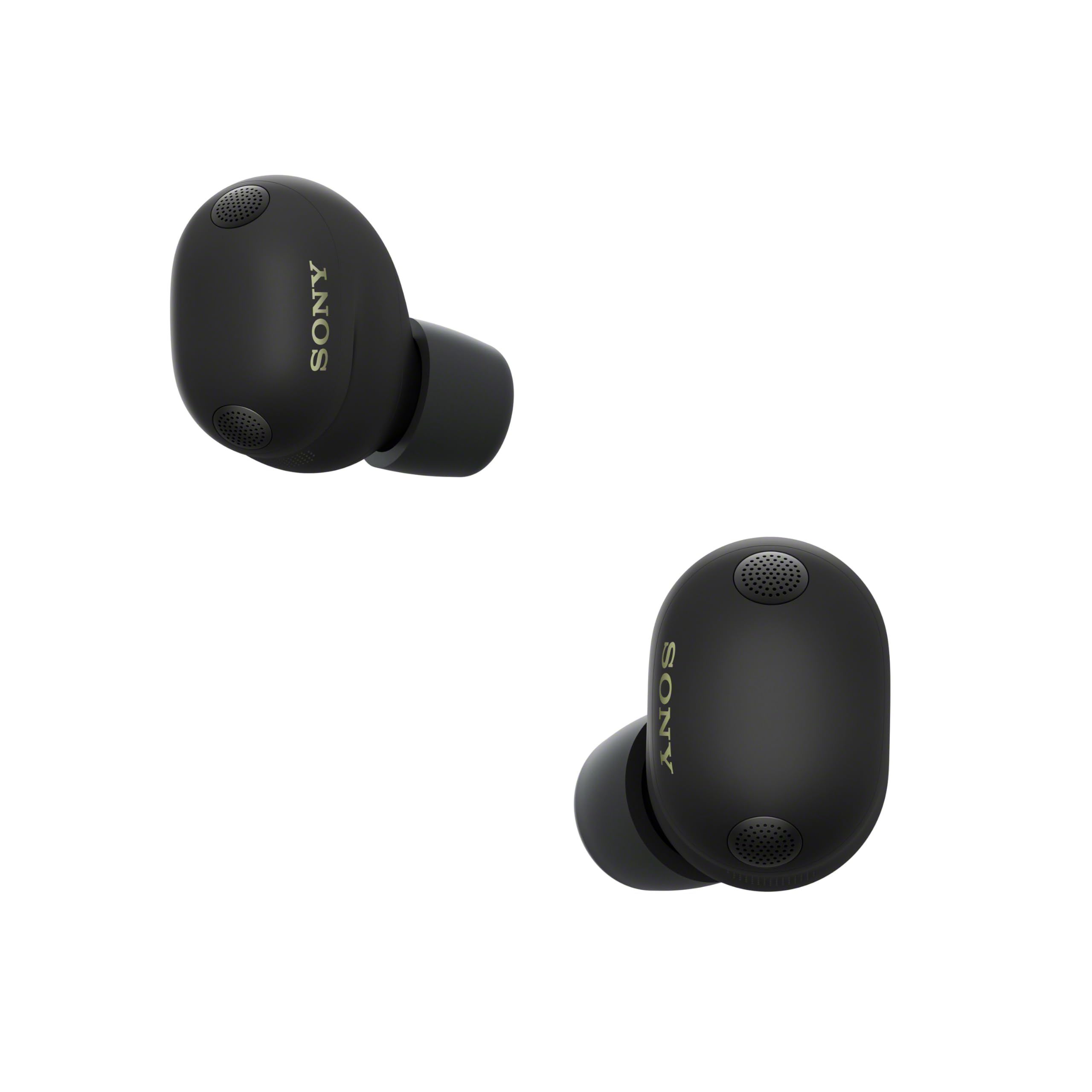
Foam tips that expand to fill the canal — soft, but they need replacing.
Sony’s comfort bet is the foam tip. Instead of silicone pressing on the canal wall, the foam compresses and then expands to match the shape of your ear. Owners who cannot wear silicone, including those with silicone allergies, report the four-size foam set gives a full, all-day fit that stays secure during movement and sweat. Three pressure-relief vents on each bud also cut the rumbling you feel when you move your jaw, a fix that matters if you have ever been annoyed by that thump.
The sound and cancelling are top-tier — deep bass, clear vocals, and noise cancellation owners describe as scary good, with eight adaptive microphones adjusting in real time. Battery is up to 24 hours total, split as 8 hours in the buds and 16 in the case, with a five-minute quick charge giving up to 1 hour of playback. Bluetooth 5.3 and multipoint pairing cover the connection side.
The foam is also the honest limit. Those tips are not silicone-coated and need replacing roughly every few months, and replacements are only available from one supplier — that ongoing cost is real and worth knowing before you buy. A small number of owners also found the stiff foam uncomfortable for their ear shape, and the case sometimes takes care to seat the buds on the charging pins. If soft, expanding fit is what your ears want and you accept the tip upkeep, the XM6 delivers.
For ears that hate silicone: the expanding foam tips give a soft, sealed fit without the slick press of silicone.
The real cost: foam wears out and replacements come from a single source, so factor in ongoing tip purchases.
Best for: buyers who want elite noise cancelling and find foam tips far gentler than silicone.
Reconsider if: you want zero ongoing maintenance cost or have ear shapes that reject stiff foam.
9. Moondrop Blessing 3 2DD+4BA Hybrid In-Ear Monitors

Studio-flat wired monitors with a 3D-printed shell — precise, but heavy for long wear.
The Blessing 3 is for the listener who wants to hear a mix exactly as it was made. Two dynamic drivers and four balanced armatures per side, split across three frequency bands, give it detailed, separated sound that producers use for precise mixing. The 3D-printed acoustic nozzle and stainless steel faceplate make it a striking object. But this is a wired IEM, and comfort is a mixed story you should go in knowing.
The shell is fairly heavy and larger than a standard bud, and one owner found their ear canals sore after a couple of hours. The fit does slip on some ears, so a firm seal depends on good tips — aftermarket silicone options help a lot. The stock cable is the other weak point; owners swap it for a sturdier one, and a few report the pins are tight to insert the first time. The sound, though, is the payoff: detailed, clean, and it responds well to EQ.
It is the right pick if you treat earbuds like studio gear and have a DAC or amp to feed them properly. It is the wrong pick if you want to wear buds for eight hours at a desk without thinking about them, or if you want anything wireless. That is a fair trade for the sound quality.
Why it deserves a listen
- Six drivers per side deliver detailed, separated, studio-flat sound.
- 3D-printed nozzle and stainless steel faceplate make it a solid object.
- Interchangeable cable lets you tune or repair without a new pair.
Comfort costs to weigh
- Heavier and larger body can cause ear soreness over long sessions.
- Fit slips on some ears without a tip upgrade.
- Wired only, with a stock cable most owners replace.
Great match for: producers and detail-focused listeners who feed it from a proper source and take breaks.
Look past it if: long-session comfort and cable-free use are your priorities.
10. Shure SE846 PRO Gen 2 Wired Sound Isolating Earphones, Jade

Low-profile and over-ear, built to stay comfortable through a whole set.
The SE846 Gen 2 is a stage tool, and its comfort is designed around that job. The low-profile shell angles the nozzle so it sits naturally in your ear, and the cable runs over the top of your ear to keep it out of the way and stop it tugging. Musicians who gig with them report wearing them comfortably for hours, and the comprehensive sleeve assortment lets you dial in a seal that blocks the room without pressing hard. Players who moved from Shure’s older models note the fit is every bit as steady.
Four drivers split across a three-way system deliver clarity top to bottom, and a new set of nozzles gives four sound signatures you can swap by hand. The sound-isolating design kills outside noise without needing batteries — a genuine advantage over active cancellation if you want your ears sealed in a loud room. One production user runs them with triple-flange tips and finds them more comfortable and more isolating than a comparable rival.
The drawback is the cable-shape reality: this is a wired, over-ear design with a specific wearing style, so it is not the bud for quick one-handed pops in and out during the day. And the value debate is real — for a big premium, some buyers think the jump over a lower tier sits in the sound rather than the fit. For long stage or studio wear with deep isolation, the ergonomics are the reason to choose it.
Comfort built for the gig: the angled nozzle and over-ear cable keep the shell light on the ear for a full set.
The honest stretch: a wired over-ear fit suits stage use more than quick daily drop-ins.
Built for: performers and engineers who need hours of comfortable, deeply isolating wear with customizable sound.
Not for: casual daily use where you want to pop buds in and out one-handed.
11. Technics Premium In-Ear Monitors EAH-TZ700, Black/Gold

Round or oval tips in four sizes each — the closest thing to a custom mold.
Most earbuds give you one tip shape. The Technics gives you two. Each earpiece has round and oval ear pieces, and each shape comes in four sizes, so you can match the tip to the shape of your own canal. That round-or-oval choice is why it tops the comfort ladder for hard-to-fit ears. Owners wear them all day and find them comfortable, and the oval option catches ears that a round tip never seals. This is a wired in-ear monitor with an MMCX connector, so the cable is replaceable and you can run it balanced or unbalanced.
Inside, a 10mm driver with an original diaphragm and magnetic fluid technology pushes a wide-bandwidth sound with distortion-free highs and mids and deep bass. An Air Control Chamber manages the internal airflow to balance the frequencies. Listeners with high demands describe it as natural and accurate, less colored than some rivals and not overly bright.
The honest catch is that this is a reference-grade wired pair, and its best days come when you feed it a quality source. One owner found it underwhelming plugged straight into a phone and needed a dedicated DAC to hear it shine. Others note a six-month break-in sharpens it further. For buyers who want precision plus the widest tip-shape flexibility to keep ears comfortable, the TZ700 delivers that combination.
The fitting advantage: round and oval tips in four sizes each make this the most adaptable tip set on the list.
Feeding it right: a strong source is what open up its sound — a plain phone jack undersells it.
Best suited to: picky ears and serious listeners who want reference detail and the widest tip-shape choice.
pass on it if: you want wireless freedom or plan to listen straight from a phone jack.
Know the Specs
Fit type: wing tip, stability band, or foam
The fit type decides where the bud grips and how it feels over hours. A wing tip tucks into the ridge of your ear to hold the bud without canal pressure, which is what a small-eared listener usually needs. A stability band hugs the bud to your ear from outside, giving a secure hold with less reliance on the tip. A foam tip expands to fill the canal, which many find softer over a long day but which wears out and needs replacing. Match the fit type to your ear before anything else.
Ear tip size and material
Tip size is the most overlooked comfort spec. A tip that is too small leaks bass and tempts you to push the bud deeper, which is where soreness begins. A tip that is too large presses outward on the canal. Several picks here ship with three, four, or even five sizes so you can zero in. Silicone seals fast and wipes clean but can slip when you sweat; foam fills the canal softly but demands replacement.
Weight and single-charge battery
A lighter bud puts less pull on the canal across a long day, so weight is a comfort spec, not just a build note. Single-charge battery hours decide how often you have to pull the bud out to recharge, which matters as much for comfort over a day as how the bud feels in your ear. A short single-charge window means more break time swapping to the case.
Wired vs wireless
A wired in-ear monitor has no battery and cannot run flat, which suits a listener on a laptop or keyboard but adds a cable to manage. A wireless bud drops the cable and adds a charging case, for a floor and a weight that wired buds avoid. Decide which is more comfortable for your routine before comparing sound.
Common Questions
Why do earbuds start to hurt after a few hours?
Are foam tips more comfortable than silicone?
Will wing tips stay in my ears during a run?
Can I use earbuds with small ear canals without discomfort?
Do I need wireless charging on a comfort earbud?
How many hours can I wear an earbud before I should take a break?
Do noise cancelling earbuds feel different from plain ones?
Is a wired or wireless earbud better for all-day wear?
Can I replace the ear tips on these earbuds?
Will a larger ear tip give me better sound or just more pressure?
The Bottom Line
For most people, the winner among the earbuds for comfort is the CCA C12. A rounded resin shell and six drivers per side give you detailed sound without a hard edge digging in, and the fit clicks once the tip matches your canal — Its 4.5+ star average across 600+ ratings backs that up. If you want an adjustable twist that locks in for workouts and softens for a desk day, the Google Pixel Buds Pro 2 is the premium route. And for the widest tip-shape choice to keep hard-to-fit ears happy, the Technics EAH-TZ700 earns the reach. Comfort is personal, so start with the fit type that suits your ear — wing tip, stability band, or foam — and build the rest around it.
How we choose
We do not accept paid placement. Every pick is matched to a real buyer and a real use-case; we do not hands-on test units.
Sources
Specifications: manufacturer listings and product documentation. Review insights: verified customer reviews, as of October 2026. Pricing: not shown on this page (it changes often); check the current price via the retailer link.
As an Amazon Associate, Aappliancez earns from qualifying purchases. This does not affect which products we feature.