Disclosure: Some links in this post are affiliate links. As an Amazon Associate I earn from qualifying purchases, at no extra cost to you. Learn more
Specs are compiled from manufacturer listings and verified buyer reviews and can change over time — please confirm the key details on the product page before buying.
If your ear feels plugged after a swim, a shower, or a long week in earbuds, the fix is a bottle matched to the problem — not the loudest label on the shelf. Water needs an alcohol-based drying aid. Hard wax needs a softener plus a rinse. Dry, itchy canal skin and hearing aids need moisture, not more stripping. Those are three different jobs, and the picks below split cleanly along them so you can stop guessing.
This guide is built by comparing the manufacturers’ published specifications and the patterns across verified customer reviews, so you get each pick’s real strengths and trade-offs instead of marketing spin.
Ear care is one shelf where the wrong bottle makes things worse, so every pick here is checked against what the ingredients actually do and which ear they suit. Below you will find the five most reliable options for the Best Ear Drops, sorted by what each one is genuinely built to fix.
Top Picks
How To Choose The Best Ear Drops
The mistake that wastes the most money here is buying by brand name instead of by job. An ear drop that dries water out will not soften a plug of hard wax. A wax softener will not stop the itch that comes from a dry canal. Pick the job first, then the bottle.
Match the drop to what is actually in your ear
Trapped water after a swim leaves a full, muffled feeling and usually clears fast with an alcohol-based drying aid — the kind you tilt in, let sit, and tip back out. Hard or impacted wax is a different problem: it needs a softener such as carbamide peroxide or a mullein oil blend, and often a gentle warm-water flush afterward to carry the loosened wax away. Dry, itchy, flaky canal skin responds to moisture — aloe, oat extract, or a light natural oil — rather than to anything drying.
Read the age line and the ingredient line before you buy
Age limits matter more than most shoppers expect. Some softeners are labeled for adults and children over 12, with a note to consult a doctor for younger children. Child-specific oils are blended milder and often scented to make the routine easier. Also check whether the pack includes an irrigation bulb — several softeners are sold as drops only, and the flush is a separate purchase that buyers routinely say they needed.
Scent, sensation, and the honesty check
These products go into a sensitive canal, so the feel and smell matter as much as the formula. Oily drops sit in the ear longer; foaming drops fizz briefly and then settle. Strong-smelling botanical blends split opinion sharply — some parents love the fruit scent because it makes a child cooperate, others find it lingers. None of these replace a doctor for pain, discharge, fever, or sudden hearing loss.
Side-by-Side Comparison
| Model | Best For | Primary Job | Pack Size | Item Weight | Amazon |
|---|---|---|---|---|---|
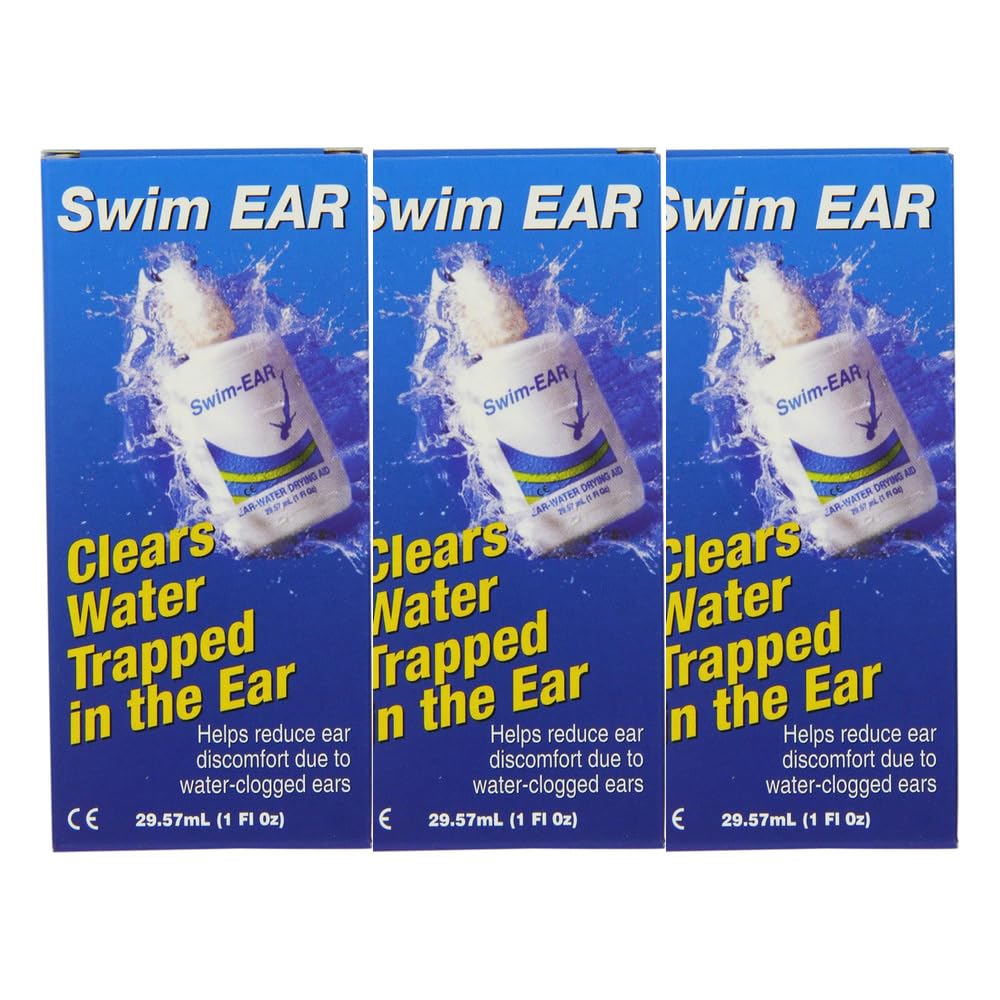
| Swim-Ear Drying Aid 1 oz (Pack of 3)★ Best Overall | Water-clogged ears after swims | Drying trapped moisture | 3 bottles, 3 fl oz total | 0.13 kg | Amazon |
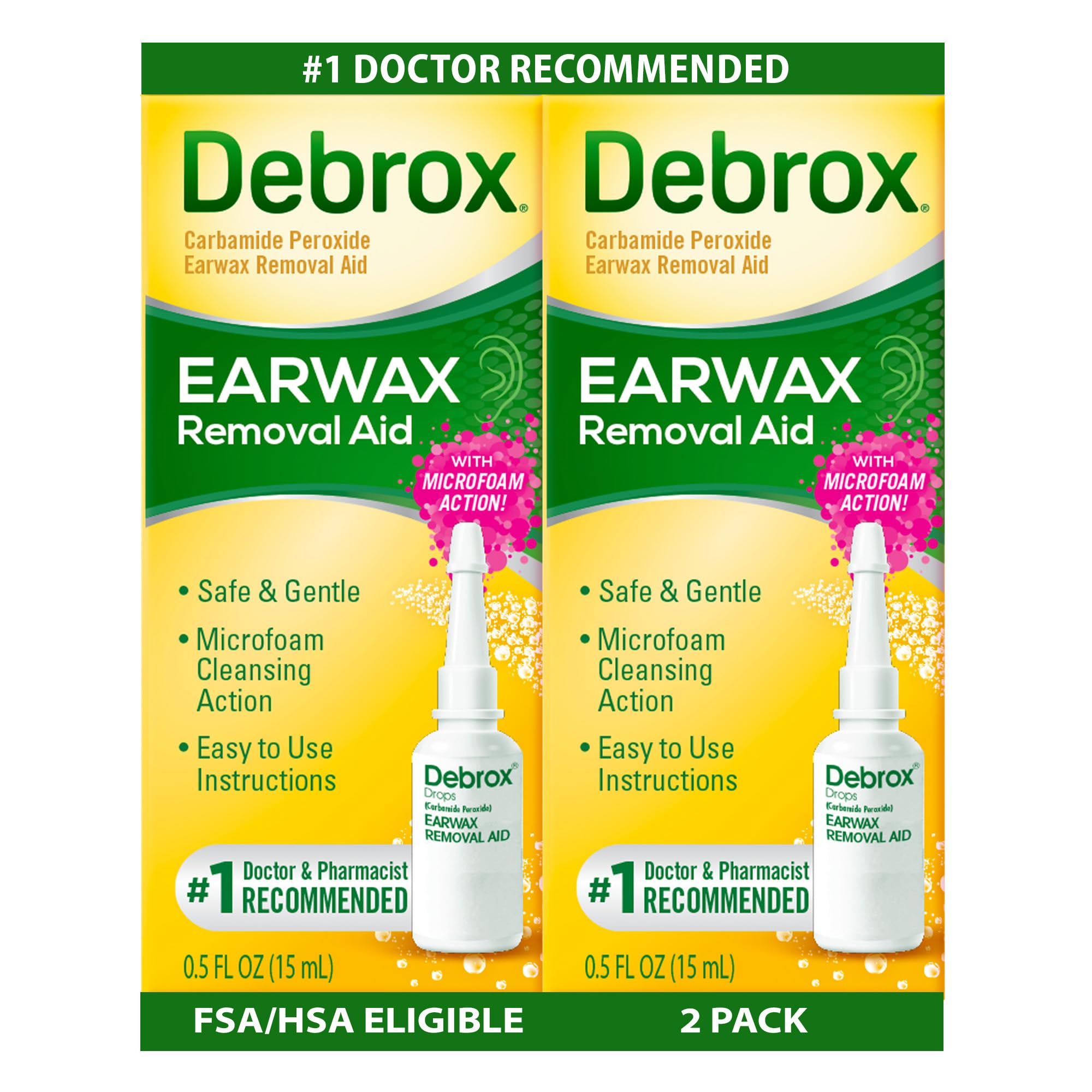
| Debrox Earwax Removal AidWax Removal Standard | Softening hard, impacted wax | Carbamide peroxide wax softener | 2 bottles, 0.5 fl oz each | 2.08 ounces | Amazon |
| Natural Mullein Ear Wax Removal Oil | Kids with stubborn wax | Botanical oil wax softener | Multi-bottle pack | 2.89 ounces | Amazon |
| NAVEH PHARMA Otic Guard Baby Ear Oil | Babies and toddlers, after-water care | Gentle natural-oil conditioning | 0.5 oz | 1.41 ounces | Amazon |
| Westone Comfort Ear Natural Ear Drops | Dry, itchy canals and hearing aids | Aloe and oat moisturizing | Pack of 2 | 2.4 ounces | Amazon |
Detailed Reviews
1. Swim-Ear Drying Aid 1 oz (Pack of 3)
Our pick — 4.5+★ from 900+ verified ratings; the strongest balance of quality and price.
A three-bottle drying aid that turns the muffled after-swim ear back into a normal one.
This is the bottle to reach for when your ear is not blocked by wax at all — it is blocked by water. The pack holds three 1 oz bottles, 3 fluid ounces in total, which is why swimmers keep one in the swim bag, one in the shower caddy, and one in the bathroom cabinet. You put about two drops in, tilt your head until the solution warms and runs back out, and the alcohol carries the moisture with it. The whole routine takes seconds and needs no bulb, no syringe, and no follow-up flushing.
The drying action after a pool session is what this product is known for, and it is where the value sits. Splitting three bottles across three locations means you are never hunting for it while your ear is still full. This is also the one pick on the list built purely around prevention mindset: people who swim a mile three or four times a week use it as a ritual, not a rescue. As owners put it: “Works great on clearing clogged ears after a swim and a good deal as a 3/pk.”
At 0.13 kg for the pack, it disappears into a gym bag without a thought. One honest limit: this is a drying formula, so it is the wrong tool if your complaint is dryness, itch, or flaking skin — you would be adding to the problem. It also does nothing for hard wax. And a couple of long-time buyers report delivery can drag, so order before your ear is already full.
What swimmers keep coming back for
- Three 1 oz bottles (3 fl oz total) let you stash one in the swim bag, one at home, one in the shower.
- Alcohol-based drying action clears the muffled post-swim feeling in seconds with no extra equipment.
- One tilt-and-tip application, roughly two drops per ear — nothing to assemble or rinse afterward.
- Light enough at 0.13 kg for the pack that it lives in a gym bag unnoticed.
Where it stops being the right pick
- It dries — anyone with an already dry, itchy canal should choose a moisturizing oil instead.
- No effect on hard or impacted wax; that job needs a softener plus a flush.
- A handful of long-time buyers mention slow delivery, so plan ahead.
Buy it for: anyone whose ear goes muffled after swimming, bathing, or water sports and who wants a no-fuss drying routine.
Pass if: your ear problem is wax buildup or dry itchiness rather than trapped water.
2. Debrox Earwax Removal Aid
The mainstream wax softener that foams on contact and loosens the plug rather than digging at it.
Where the Swim-Ear pick handles water, this one handles the other half of the market: wax. The active ingredient is 6.5% carbamide peroxide, which foams gently against the wax and softens it so it can drain or rinse away. You squeeze 5-10 drops into each ear, and the label puts the product at adults and children over 12, with younger children referred to a doctor. The pack holds two 0.5 fl oz bottles, and at 2.08 ounces it fits in a medicine cabinet or a toiletry bag without taking space.
Be realistic about the process, because this is the single most common surprise. The drops soften; they do not always extract. The pattern that shows up again and again is drops for several days plus a warm-water flush with a bulb syringe — and the syringe is sold separately. One buyer’s scuba-diving account lays out the full routine: 10 drops lying on the side for 5 minutes, ear plugged with a folded paper towel for 20-30 minutes, then a warm-water irrigation system, which expelled several large wax balls and restored hearing. That is a multi-step job, not a one-drop fix.
Compare the two packs directly and the trade is clear: this Debrox pair comes in at 2.08 ounces for two bottles, while the Mullein oil further down the list weighs in at 2.89 ounces — the botanical blend simply gives you more liquid per bottle, though it is not the same chemistry. The Debrox oily, low-foam texture stays put in the canal and produces only mild fizzing, which most people find easy to tolerate. The recurring complaint is that the flushing bulb is missing from the box, so budget for one in the same order and you will not be making a second trip.
Why it holds its place: 6.5% carbamide peroxide is a proven softening agent, the two-bottle pack covers a full multi-day course, and the oily texture stays in the ear instead of running straight out.
The honest catch: drops alone often fall short of a clear ear — most successful routines pair them with a separate bulb syringe and warm water, so treat the flush as part of the purchase, not an optional extra.
Reach for this when: earbuds, hearing aids, or earplugs have packed wax in and you want a softening course you can run at home.
Think twice if: you expect a single application to clear everything — this works over several days plus a rinse.
3. Natural Mullein Ear Wax Removal Oil

A botanical oil blend that trades chemical softeners for mullein, tea tree, and a strawberry scent children will actually sit still for.
The formula is mullein, onion, garlic, tea tree, lavender, and strawberry oil, blended as an oil rather than a peroxide foam. It is aimed squarely at children’s ears and at the dryness that comes with them, and the fruit scent is deliberately there to make the routine less intimidating. The dropper makes application clean, and the instructions are short enough to follow at bedtime without reading a manual. At 2.89 ounces it is a heavier bottle than the Debrox pair at 2.08 ounces, and you get more oil to work through because of it.
What wins people over is the wax-softening — parents describe the oil loosening thick, hard wax that had been sitting there for weeks, sometimes helped along with a separate ear cleaning set. A parent working on a six-year-old’s right ear cleared it fully over roughly three weeks of nightly use with a quarter vial and cotton balls, with the eardrum visible at the end; the left ear was still in progress. That timeline is the honest headline: this is a patience product, not an overnight one.
The scent is where opinions split hardest, and it splits in both directions. Some parents call the strawberry a genuine win for cooperation; others find the blend’s undertone strong and lingering for days after use. A few parents also report ear discomfort and irritation, so try a small amount first and stop if your child reacts. Used as directed on the outer ear, the smooth oil texture is also easier on skin than dry cotton or a swab, which matters if your child scratches at their ears.
The parental upside: a dropper bottle, a child-friendly scent, and an oil base that softens wax gradually — the kind of routine that fits into a bedtime rather than a procedure.
The part to weigh: clearing stubborn wax takes weeks of consistent nightly use, and the strong botanical smell is genuinely divisive in both directions.
Best match for: parents committed to a gentler, oil-based nightly routine for a child with visible wax buildup.
Look elsewhere if: you want fast results in a couple of days, or your child has reacted to scented products before.
4. NAVEH PHARMA® Otic Guard Baby Natural Ear Oil

Built for the smallest ears on the list, with a light oil base and a drop applicator sized for wriggly heads.
Everything about this one is calibrated toward babies and toddlers. The job is not aggressive wax removal but gentle conditioning: a light natural-oil blend softens everyday wax in the outer ear and adds moisture after a bath, a shower, or a swim. The 0.5 oz bottle weighs 1.41 ounces, small enough to keep beside the bath and to pack for pool season. The drop applicator is the practical part — a few gentle drops, no fuss, worked into bath time or bedtime with no equipment in between.
Quality carries this pick, and it shows up in how parents describe the routine rather than in any single dramatic result. One household used it on a toddler who had been hitting an ear raw from wax buildup and reports the spray brought quick relief with no protest across two sprays per ear over two days. Another family credits it with keeping earaches away entirely through infancy, calling it a routine staple. For a new parent, the takeaway is modest: this is a comfort and upkeep product, applied regularly, not a rescue for an active infection.
Comfort is the split point worth knowing before you order. Some parents find the oil genuinely soothing for an achy ear; a few say it leaves the canal feeling clogged after application, which is the nature of an oil sitting in a small space. Apply sparingly and it behaves better. And if your child has pain, discharge, or a fever, this is not the tool — that ear needs a doctor, not drops.
The case for it: a mild, child-first oil with a clean drop applicator and a compact 0.5 oz bottle that slots into a bath routine without any learning curve.
Don’t overlook: oil can leave little ears feeling sealed after use, so start with fewer drops than you think you need.
Suits: parents of infants and toddlers who want a soft after-bath ear oil and a bottle they can carry anywhere.
Not the answer for: an actively painful or discharging ear, which needs medical attention rather than home oil.
5. Westone Comfort Ear Natural Ear Drops for Itchy Ears

The itch-first drop, formulated with aloe leaf juice and oat kernel extract for canals that feel dry and scratchy.
Most ear drops on this page remove something. This one adds something. Aloe leaf juice and oat kernel extract hydrate and soothe a dry, itchy canal, which is the complaint that sends people hunting for relief in the first place. The brand also positions it as hearing aid friendly — it softens and conditions without interfering with the aids themselves. The pack holds two bottles at 2.4 ounces total, so one lives in the bathroom and one travels with the hearing aid case.
What earns this pick its spot is the hearing aid angle: inserting and removing an aid against a dry canal is uncomfortable, and this formula soothes it. Inserting and removing an aid against a dry canal is uncomfortable, and the soothing side of this formula is what owners single out most after effectiveness itself — dry, itchy ears calm down, and the aids go in and come out with less friction. Swimmers get a secondary benefit too: the moisturizing oil helps counter the dryness that constant water exposure leaves behind, which is the opposite problem from the post-swim clogging the Swim-Ear aid solves.
The compact bottle and simple dropper fold into a morning routine without ceremony. Where it falls short is anything that needs real clearing power — there is no peroxide here and no foam, so a plug of hard wax is beyond it. It is a comfort and moisture product, and it does that job well; it just is not a wax remover. Pair it with a softener if you have both problems, and keep an eye out for the very occasional report of irritation.
Where it shines: aloe and oat extract turn down the itch and dryness that make hearing aids uncomfortable, and the two-bottle pack keeps one within reach at home and one on the go.
What it won’t do: no softening chemistry for impacted wax, so it cannot substitute for a carbamide peroxide course.
Choose it if: your ears itch, flake, or feel raw around hearing aids, or you swim and want moisture rather than drying.
skip it if: your complaint is a blocked ear full of wax — you need a softener for that.
Know the Specs
Carbamide Peroxide vs. Botanical Oil
Carbamide peroxide — the 6.5% strength in the Debrox drops — is a softening agent that reacts against wax with a light foam, breaking it down so it can drain. Botanical oils such as mullein, tea tree, and aloe work differently: they coat, soften, and condition slowly, which suits a gentle nightly routine better than a fast clear. Neither approach is stronger across the board; they fit different ears and different timelines. Peroxide-style drops tend to give visible results in days with a rinse behind them, while oils ask for consistent use and reward patience.
Drying Aids and Moisturizing Oils
An alcohol-based drying aid is the right tool when water is the problem — it carries moisture out of the canal and restores the normal feel after swimming or bathing. A moisturizing oil is the mirror image, used when the canal is dry, itchy, or irritated and needs conditioning rather than stripping. Using one in place of the other is the most common mismatch: a drying aid on an already dry ear adds to the itch, and an oil on a water-filled ear does not clear the blockage. Read the bottle for the words “dry” or “drying” before you commit.
Common Questions
Should I use drying drops or a wax softener for a blocked ear?
Do wax softening drops work on their own without a syringe?
Can I use these ear drops on a young child?
How long does it take for wax softening drops to clear an ear?
Are ear drops safe to use alongside hearing aids?
Why do some ear drops smell so strong?
Can I just make my own ear drying solution at home?
What ear symptoms mean I should stop and see a doctor instead?
Is it better to buy a multi-bottle pack or a single bottle?
Wet ears or dry itchy ears — which drop comes first?
The Bottom Line
For most people chasing the ear drops that fits their actual problem, the Swim-Ear Drying Aid is the one to put in the bag first — it handles the most common everyday complaint, trapped water after a swim or shower, with a three-bottle pack that covers every location you might need it. If the problem is hard wax instead, the Debrox Microfoam drops bring the carbamide peroxide softening that gets a solid plug loosened, provided you add a bulb syringe to the order. And for dry, itchy canals or hearing aids that feel rough going in, the Westone Comfort Ear drops are the moisture-first pick that turns the irritation down.
Whichever you choose, match it to the symptom before you buy — that matters more than any brand name.
How we choose
We do not accept paid placement. Every pick is matched to a real buyer and a real use-case; we do not hands-on test units.
Sources
Specifications: manufacturer listings and product documentation. Review insights: verified customer reviews, as of October 2026. Pricing: not shown on this page (it changes often); check the current price via the retailer link.
As an Amazon Associate, Aappliancez earns from qualifying purchases. This does not affect which products we feature.