Disclosure: Some links in this post are affiliate links. As an Amazon Associate I earn from qualifying purchases, at no extra cost to you. Learn more
Specs are compiled from manufacturer listings and verified buyer reviews and can change over time — please confirm the key details on the product page before buying.
You will only keep drinking a kidney tea if it tastes good enough to reach for every day. Most of these blends are caffeine-free herbal mixes (no stimulant) built around dandelion, ginseng, goji berry, or mulberry. What separates a keeper from a box that sits in your cupboard is flavor strength and bag count per box. Below are five real options, sorted by what each one is genuinely good at.
This guide is built by comparing the manufacturers’ published specifications and the patterns across verified customer reviews, so you get each pick’s real strengths and trade-offs instead of marketing spin.
Some bags steep weak, some turn bitter, and some are worth reusing three times over. The trick is matching the blend to your taste before you commit to a full box. This breakdown of the best drink for kidneys walks you through exactly that.
Top Picks

How To Choose The Best Drink for Kidneys
A kidney support tea is a herbal blend you steep in hot water — it is not a medicine, and no box on this list promises a cure. What you are actually choosing between is flavor, ingredient list, and how many cups a single box gives you. Get flavor, ingredient list, and bag count right and the daily habit sticks.
Start with bag count, not the label
If you plan to drink a cup in the morning and another at night, a 15-bag box disappears in about a week. A 40-bag or 60-bag box lasts far longer for roughly the same shelf space. Count the bags before anything else — it is the single biggest driver of whether a blend feels like good value once you are three weeks in.
Know your base herb before you brew
Dandelion-leaf blends tend to taste earthy and lightly bitter, and they are the classic starting point for a kidney-focused cup. Ginseng and mulberry blends — the “six treasure” and “ten treasure” styles — lean sweeter and richer, with red date and goji adding a fruity note. Neither is better; they simply suit different palates, so pick the flavor family you will actually finish.
Check whether the bag survives a second steep
Some blends are built for repeat brewing and some go flat after one cup. Reusable bags stretch a box considerably, so if you drink several cups a day, favor a blend the maker says can be brewed multiple times. That one detail changes your cost per cup far more than the front-of-box claims do.
Side-by-Side Comparison
| Model | Best For | Bag Count | Flavor Family | Reusable Bag | Amazon |
|---|---|---|---|---|---|
| Organic Dandelion Leaf & Root Tea★ Best Overall | Everyday dandelion cup | 40 Count | Earthy dandelion | — | Amazon |
| Ginseng Six Treasure Tea (60 Bags)Best Value | Sweet ginseng blend | 60 Count | Ginseng & mulberry | Yes | Amazon |
| Organic Dandelion Wolfberry Tea | Multi-herb blend fans | 15 Count | Dandelion & berry | No | Amazon |
| Ginseng Ten Treasures Tea (50 Bags) | Big-box value | 50 Count | Ginseng, 10 herbs | Yes | Amazon |
| Kidney Tea Formula Six Treasure (2 Boxes) | Sweet, fruity cup | 20 Count | Ginseng & red date | Yes | Amazon |
Detailed Reviews
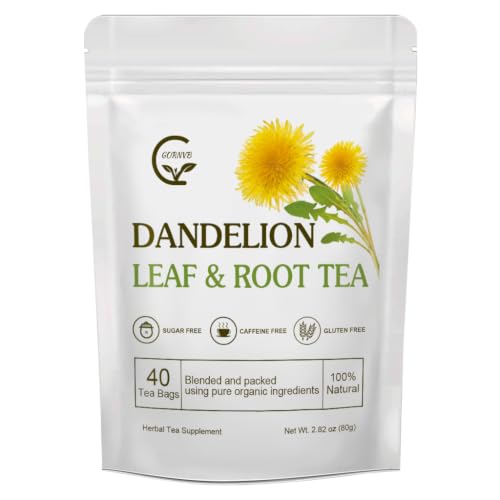
1. Organic Dandelion Leaf & Root Tea 40 bags
Our pick — 4.5+★ from 850+ verified ratings; the strongest balance of quality and price.
Forty bags of pure leaf-and-root dandelion, mild enough to drink two or three times a day.
The first thing to like here is the arithmetic of the box: 40 tea bags of a leaf-and-root blend that is caffeine-free, which is enough for a daily cup or three without restocking every week. This is the simplest blend on the list — dandelion only, no ginseng, no berry, no turmeric — and that plainness is exactly why it is the place to start. What wins people over is the flavor: it lands earthy but not harsh, and the bitterness stays low, which is the usual reason first-time dandelion drinkers give up.
Brewing is flexible. The maker says to steep a bag in hot water for 3-5 minutes, then lift it out, and that you can sweeten with honey, sugar, a sugar substitute, or other herbs. Three or four cups a day is within the stated range, so this is a genuinely all-day tea rather than a once-in-the-morning ritual. Clean ingredients get called out too — wild-harvested dandelion, food-grade bag material, no fillers or additives.
The honest catch is strength. Some drinkers find the brew on the thin side, so if you want a bold, syrupy cup you may want a longer steep or a different blend entirely. And this is a single-herb tea: if you are specifically after ginseng or goji in the cup, this box will not deliver it. Its measured, patient quality is the trade-off for its mildness.
What the box gets right
- 40 bags at a caffeine-free, drinkable-any-time strength
- Earthy but not bitter, so it is easy to finish a cup
- Simple dandelion leaf and root, no additives or fillers
- Steep 3-5 minutes and sweeten however you like; 3-4 cups a day is fine
Where it falls short
- The brew runs light, so bold-cup drinkers may find it weak
- Single-herb formula with no ginseng or berry notes
The right call for: a first dandelion tea or anyone who wants a mild, plain cup they can sip several times a day.
Think twice if: you want a heavy, sweet, multi-herb brew — this is a delicate single-herb steep.
2. Ginseng Six Treasure Tea 60 Bags
Sixty individually sealed bags of sweet ginseng, goji, and mulberry — the biggest box here by far.
Stack this against the wolfberry blend below and the bag count tells the story: 60 bags versus 15 — the same shopping trip, a much longer run of daily cups. The box is also physically larger, measuring 8.98 inches long and 7.09 inches wide against the wolfberry blend’s 2.4 inches on both — a shelf-space note rather than a downside. Each bag holds 10g and arrives individually sealed, so you can brew straight from the packet without opening anything.
Flavor is where this one earns its keep. The ingredient list is ginseng, red date, goji berry, mulberry, yam, maca, huang jing, and raspberry — a sweet, mellow cup rather than an earthy one. Drinkers report less thirst and steadier energy after a few days of daily cups, and one buyer put the longer view simply: “I love this teIs amazing feelingyou feel better about 2 weeks after you start drinking every day as a usual water”. Reusing a bag two or three times is common practice, which stretches that 60-bag count further.
Here is the fair warning. The aroma and the perceived effect both split opinion — some find the cup effective and pleasant, others feel it did little and dislike the smell. It is also a busy blend of eight herbs, so if you are sensitive to new ingredients, start with one cup a day and see how you feel.
What buyers keep coming back for: the taste lands sweet and mellow, and the 60-bag box plus reusable bags makes it the most economical way to drink a ginseng blend daily.
One thing to weigh: the effect and the scent are not unanimous — treat it as a pleasant daily tea first and let the rest follow.
Reach for this if: you want a sweet, fruity herbal cup and a box that will last months.
Look elsewhere if: a strong, consistent aroma matters to you — this blend divides opinion on smell.
3. Organic Dandelion Wolfberry Tea
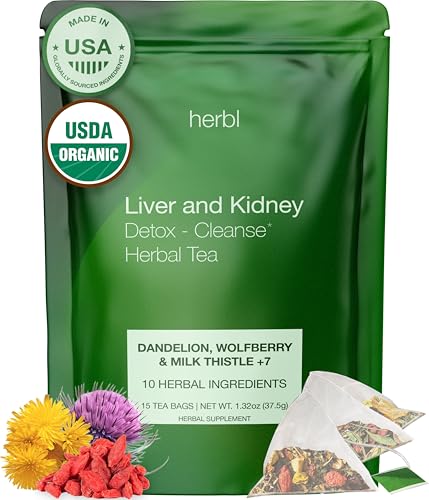
A ten-herb organic blend that steeps warm and berry-sweet without a drop of added sugar.
This is the most layered cup on the list. Roasted dandelion root and leaf meet milk thistle, wolfberry, nettle, ginger, hibiscus, turmeric, rosehips, and licorice root — ten herbs in all. The maker states the herbs are organic, free of additives, and packaged in the USA. The result is a woodsy base with a natural berry sweetness, so most drinkers skip the honey entirely.
What people notice first is how gentle it feels. Drinkers describe it as soothing after a meal, with a mild digestion and energy lift through the day. Steeping bags are clean, and the cup works hot or cold. The catch is straightforward: with 15 bags in the box, this is the shortest supply on the list, and the bags are not meant for a second steep — so a twice-daily habit empties the box fast. Value is the one place where opinion divides.
If you drink one careful cup a day and want a complex, organic, berry-forward blend, that math works out fine. If you gulp four cups, it will not.
The flavor story: ten organic herbs produce a woodsy pour with enough natural berry sweetness that no sweetener is needed.
The supply story: only 15 single-use bags per box, so heavy drinkers will restock sooner than they expect.
Suits you if: you want a rich, organic, multi-herb cup and are fine with one careful steep a day.
Not your box if: you drink several cups daily or like to reuse bags — 15 single-use bags go quickly.
4. Ginseng Ten Treasures Tea 50Pcs

Fifty hefty 10g bags of a ten-herb ginseng blend — a long, mellow daily run in one box.
Ten herbs go in here: ginseng, goji berry, red date, maca, yam, mulberry, cistanche, pueraria root, polygonatum sibiricum, and astragalus, dried and blended with no additives. Each bag weighs 10g, and the maker says a bag can be brewed multiple times until the color fades — so the 50-bag count stretches noticeably for a two-cup-a-day drinker.
Brewing is simple: one bag in a cup, hot water above 80℃, steep 5-6 minutes. The cup pours a mellow flavor with a sweet aftertaste and a slight earthy, herbal edge; a little honey or rock sugar smooths it further. The one recurring note is texture — the steep runs earthy enough that some drinkers stop before the last ounce to avoid the sediment at the bottom.
Word of caution on the herbal side: this is a dense ten-ingredient formula, and a few drinkers have found a specific ingredient does not sit well with them. Start with one cup and pay attention to how you feel. For most, though, it is a smooth, generous everyday blend.
Why it earns a spot
- 50 bags of 10g each — a long, economical daily supply
- Ten-herb ginseng blend with a mellow, sweet-aftertaste cup
- Re-brewable bags stretch the box even further
- Simple 5-6 minute steep at 80℃ or hotter
Worth knowing first
- Earthy sediment can build up — some stop before the last ounce
- Dense ten-herb formula; a rare drinker finds an ingredient disagrees with them
Best match for: a heavy tea drinker who wants a big, re-brewable ginseng box and a mellow cup.
Pause if: you are trying herbs for the first time — this ten-ingredient blend is a lot to start with in one cup.
5. Ginseng Six Treasure Tea 20 Bags

A sweet, red-date-forward cup you can brew five or six times from a single bag.
This one is aimed squarely at the sweet tooth. Ginseng, wolfberry, chinese yam, red date, maca, polygonatum, mulberry, galangal fruit, and raspberry combine into a rich, sweet pour, with the mulberry, ginseng, and red date aromas layered through it. It brews a deep, dark color — and better still, each bag can be brewed five or six times, and the softened mulberries, red dates, and goji berries left in the cup can be eaten straight.
Just five minutes in 95–100°C water gets a cup going. The box holds 20 bags across two boxes at 260g total, so it sits in the middle of the pack on supply. The honest note here is the value: some drinkers feel the price is steep for the bag count once the effect they hoped for does not show up. A rare drinker also finds an allergic reaction, so if you have known sensitivities, check the ten-herb list before your first cup.
What you get: a sweet, fruity, deep-colored cup, 5-6 brews from each bag, and edible berries left in the glass.
What to expect honestly: a smaller box for the spend, and a taste-and-effect picture that divides drinkers.
Choose it if: you want a sweet, dessert-like herbal cup and like the idea of edible berries at the bottom.
Pass if: you want a big box of bags for the money or have known herb allergies — this is a small two-box set.
Know the Specs
Bag count and bag weight
Bag count is how many cups one box gives you — 15 bags lasts a week at two cups a day, while 60 lasts months. Bag weight, stated in grams, tells you how strong each individual steep is; a 10g bag usually pours a denser cup than a smaller one. Read both before deciding a box is good value.
Steep temperature and time
Temperature is how hot your water should be, and time is how long the bag sits in it. Some blends ask for water above 80℃ for 5-6 minutes, others 90-100℃ for 3-5. Hotter, longer steeps pull out more color and flavor — and more bitterness — so follow the box for the cup the maker intended.
Common Questions
How many cups a day can I drink from one kidney tea box?
Is dandelion tea or ginseng tea better for a kidney support routine?
Can I reuse a tea bag for a second cup?
How hot should the water be for a herbal kidney tea?
Do these teas contain caffeine?
Will a kidney tea replace drinking water?
What should I do if a blend disagrees with me?
Can I sweeten these teas with honey?
Is a bigger bag heavier than a smaller one?
Can I drink these teas hot and cold?
The Bottom Line
The blend that disappears fastest in most kitchens is the Organic Dandelion Leaf & Root Tea — 40 mild, caffeine-free bags of plain dandelion you can drink three or four times a day without tiring of it. If your palate runs sweet rather than earthy, the Ginseng Six Treasure Tea gives you 60 individually sealed bags of ginseng, goji, and mulberry. For a richer, organic, ten-herb cup, the Organic Dandelion Wolfberry Tea is the one to reach for. Start with one cup a day, watch how your body responds, and choose the flavor family you will actually keep steeping.
How we choose
We do not accept paid placement. Every pick is matched to a real buyer and a real use-case; we do not hands-on test units.
Sources
Specifications: manufacturer listings and product documentation. Review insights: verified customer reviews, as of October 2026. Pricing: not shown on this page (it changes often); check the current price via the retailer link.
As an Amazon Associate, Aappliancez earns from qualifying purchases. This does not affect which products we feature.