Disclosure: Some links in this post are affiliate links. As an Amazon Associate I earn from qualifying purchases, at no extra cost to you. Learn more
Specs are compiled from manufacturer listings and verified buyer reviews and can change over time — please confirm the key details on the product page before buying.
If you are backed up and tired of chalky powders and fiber gummies that do nothing, the short answer is this: dried plums and figs are the simplest grocery-store fix, and the bag that works hardest for most people is a soft, moist pitted prune you will actually want to eat every morning. That is the whole game. The fruit has to taste good enough that you keep reaching for it, because the fiber only helps if it goes in your mouth day after day.
This guide is built by comparing the manufacturers’ published specifications and the patterns across verified customer reviews, so you get each pick’s real strengths and trade-offs instead of marketing spin.
Below you will find the bags worth keeping in your pantry, ranked by how soft, moist, and genuinely snackable they are — because the best dried fruit for constipation is the one you will finish before it dries out.
Top Picks


How To Choose The Best Dried Fruit for Constipation
Here is the thing nobody tells you at the store: every dried fruit on the shelf has fiber, so fiber alone does not separate a good bag from a bad one. What separates them is whether you will actually eat them. A bag of prunes that arrives bone-dry and leathery sits in the cupboard until you throw it out, and a bag you throw out helps nobody. So the first question is not “how much fiber” — it is “will I finish this bag.”
Softness and moisture beat everything else
Moisture content is the single most honest signal of quality in a dried fruit bag. Soft, plump fruit means it was packed recently and stored well. Hard, shriveled fruit usually means it sat too long in a hot warehouse somewhere. You cannot squeeze a bag through your screen, so read the review patterns instead — buyers talk about this constantly, and their words are the closest thing to a squeeze test you get online.
Pitted saves you a nasty surprise
Pitted fruit removes the stone before packing, which means you can grab a handful without thinking. Unpitted fruit is cheaper by weight but asks you to slow down and check every bite. If you plan to eat these straight from the bag at your desk, pitted is worth the small premium. If you are baking or simmering them into a sauce, the pit comes out anyway and you can save the money.
Sulfur dioxide and added sugar
Bright orange apricots usually got that color from sulfur dioxide, a preservative. Unsulfured apricots look darker brown and caramel-toned instead, and some people prefer the deeper flavor that comes with that. Added sugar is the other label to scan for — prunes and figs are naturally sweet, so a no-sugar-added bag generally tastes plenty sweet without it.
Side-by-Side Comparison
| Model | Best For | Bag Size | Pitted | Sugar Added | Amazon |
|---|---|---|---|---|---|
| Dried Turkish Apricots 5 lbs by We Got Nuts★ Best Overall | Everyday breakfast snacking | 80 Ounce | No pits | No added sugar | Amazon |
| Traina Home Grown Black Mission Figs, 5 lbsBest for Breakfast | Yogurt and oatmeal topping | 80 Ounce | Whole figs | No sugar added | Amazon |
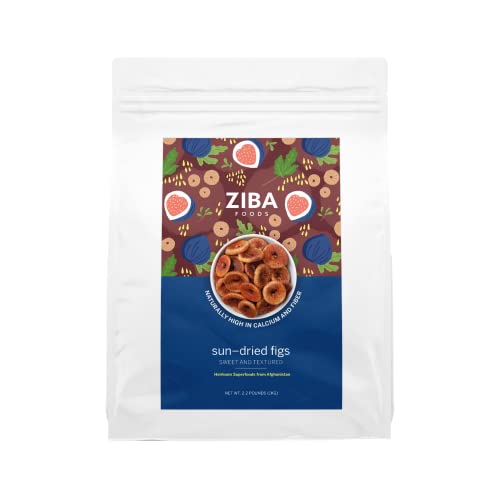
| Ziba Foods Sun-Dried Figs, 2.2 lbsBest Small Batch | Small-batch simmer pots | 35.2 Ounce | Whole figs | No sugar added | Amazon |
| Food to Live Pitted Prunes, 15 lbs | Big households and baking | 240 Ounce | Pitted | Unsweetened | Amazon |
| Sun-Maid California Mission Figs, 6 x 4 oz | Lunchbox and desk drawer | 72 Ounce | Whole figs | No sugar added | Amazon |
| Sunsweet Pitted Prunes with Probiotics, 8 x 6 oz | Grab-and-go gut routine | 48 Ounce | Pitted | Unsweetened | Amazon |
| Nature’s Garden Probiotic Apricots, 2 x 40 oz | Daily regularity habit | 80 Ounce | No pits | No added sugar | Amazon |
| Sunsweet Prunes Pitted Unsweetened, 3 x 2 lb | Snacking and baking | 32 Ounce | Pitted | Unsweetened | Amazon |
| Terrasoul Organic Dried Plums Pitted, 3 x 4.5 lbs | Organic pantry stocking | 72 Ounce | Pitted | Preservative free | Amazon |
| Terrasoul Organic Sun-dried Apricots, 3 x 6 lbs | Unsulfured snacking | 72 Ounce | No pits | Unsulphured | Amazon |
| It’s Delish Dried Pitted Prunes, 10 lbs | Long-term pantry supply | 10 Lbs | Pitted | No sugar added | Amazon |
Detailed Reviews
1. We Got Nuts Dried Turkish Apricots 5 lbs
Our pick — 4.5★ from 1,500+ verified ratings; the strongest balance of quality and price.
Tender, plump Turkish apricots in a resealable pouch you can work through at breakfast every single day.
The reason this bag sits at the top is not a number on the label — it is the texture. These are whole Turkish apricots, packed five pounds to a resealable pouch, with no added sugar and no pits to slow you down. Turkish apricots are typically softer and sweeter than the firm Mediterranean style, and that softness is exactly what makes them easy to eat daily instead of once and never again. You get 80 ounces in one bag, which sounds like a lot until you realize a handful at breakfast empties it faster than you expect.
What wins people over here is the chew. As owners put it, these are “chewy, but not too dried out” — and that balance is the whole reason a dried fruit habit sticks. They are also kosher certified (Circle K), so if that matters to your household, the certification is right there on the bag. Texture does vary from piece to piece, and a few arrive harder than the rest, which is normal for a natural fruit with no preservative bath. If you like a softer bite, a ten-minute soak in warm water brings them right back.
Compared with the Sun-Maid fig packs below, this is a far bigger bag built for a single household rather than a lunchbox. It is also unsulfured in style — no sulfur dioxide — so the color runs to a deep amber rather than that neon orange you see on some apricots. That is a look, not a defect. One trade-off worth naming: the bag is heavy at five pounds, so plan a shelf or a big pantry jar rather than a small drawer. Repack it into a sealed container after opening and it stays supple for weeks.
What earns it the top spot
- 80 ounces of pitted, no-added-sugar Turkish apricots in one resealable pouch
- Soft and chewy enough to eat straight from the bag without soaking
- Kosher certified Circle K, with no sulfur dioxide used
Where it asks a little patience
- Pieces vary in size and a few arrive harder and drier than the rest
- Five pounds is a serious commitment for a one-person household
- Naturally sticky when warm, so they can clump in the bag
Pick it for: a daily breakfast apricot you will genuinely finish, especially in a family kitchen.
Think twice if: you want shelf-stable single servings — a five-pound pouch needs repacking once opened.
2. Traina Home Grown CA Dried Whole Black Mission Figs (5lbs)
Dense, dark California Mission figs that turn a plain bowl of yogurt into something worth waking up for.
Mission figs are a different animal from the soft Turkish apricots above — darker, denser, and with a deeper molasses-like sweetness. This five-pound case is packed in food service style packaging, so expect a plain bulk box rather than a pretty retail bag; the fruit is the point. Each fig is whole, non-GMO, gluten-free, with no sugar added, and they drop straight into oatmeal, yogurt, or a salad without any prep. For a constipation routine, figs deliver fiber in a form most people find easier to eat than prunes at first.
Using these as a topping has a real advantage: the fiber arrives alongside something you already eat, so you are not forcing down a snack you do not want. The trade-off is moisture. Some buyers report the figs arrived dried out, and a few describe pieces tasting fermented with fungus starting — the kind of thing that happens when fruit sits somewhere hot too long. That is not every order, but it is real enough that you should open the box on arrival and refrigerate what you will not finish quickly. A quick sniff test on delivery saves you a headache later.
Stacked against the Ziba figs below, this is the bigger bag with the more uniform fruit when it arrives fresh — the Traina case gives you whole Mission figs at a bulk weight that suits a family, while the Ziba bag leans smaller. Both are California-and-beyond whole figs, but the Traina entry has the deeper, chewier Mission profile people either love or find too intense. If you want a fig that holds its shape in a simmer pot or a bread dough, that denseness is exactly why you pick this one.
Texture that earns its keep: Chewy, dark, and substantial — these hold up in baking and on a cheese board without turning to mush.
The honest caveat: This is bulk food-service packaging, not a sealed retail pouch, so transfer leftovers to an airtight jar and refrigerate.
Reach for these if: you want a whole-fruit fig to spoon over yogurt or fold into bread dough in serious quantity.
Look elsewhere if: you need shelf-stable single servings for a desk drawer — the big case asks for a real storage plan.
3. Ziba Foods Sun-Dried Figs, Wild Grown, 2.2lbs
Exotic wild-grown Afghan figs with real story behind them — beautiful in a simmer pot, temperamental straight from the bag.
These figs are grown as fresh fruit in remote regions of southern Afghanistan and dried on site, and the flavor that comes out is genuinely different from a standard California fig. They are also sourced from a company whose Afghan workforce is 80% female across management and staff — a detail that matters if you care where your food money goes. At 2.2 pounds, this is a sampler-size bag, about a third the weight of the Traina case above. It is the smallest fig option here, which suits anyone who wants to try before committing to a bulk order.
Here is the honest part. Texture is a real coin flip. Some buyers get figs they describe as good color, good taste, fresh, and snack friendly. Others get fruit that is hard as rocks, and the moisture content is the single most consistent complaint on this bag. A buyer reported pieces that were “bitter, very hard to chew, some black (possibly mold), unsafe-tasting” — so open the bag, look the fruit over, and don’t leave it in a warm spot. If yours arrive dry, a soak in hot water loosens them up considerably before you use them.
Where this bag shines brightest is as an ingredient. Buyers use them in simmer pots — those stovetop pots of water, citrus, and spices that scent a room — and one said the figs are “so exotic and beautiful” for exactly that. If you are a cook who wants a distinctive fig for a sauce or a slow-simmered compote, the wild-grown flavor is worth the gamble. If you want to grab handfuls straight from the bag for a snack, the Traina figs above are the safer texture bet.
Why it stands out
- Wild-grown in Afghanistan rather than farm-row California fig stock
- 2.2-pound bag is a sensible try-it size before a bulk order
- Sourced from a company with an 80% female workforce across management and staff
The gamble to weigh
- Texture varies widely — some bags arrive notably dry
- Whole figs, so you check each piece rather than eating blind
- Small bag means it will not last a big household long
Ideal for: a cook who wants a distinctive, story-rich fig for simmer pots, sauces, and slow-simmered dishes.
Probably not for: a grab-a-handful snacker who needs soft fruit straight from the bag every time.
4. Food to Live Pitted Prunes, 15 Pounds
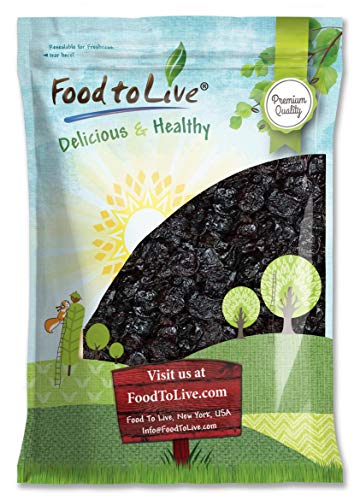
Fifteen pounds of plump, not-overly-sweet pitted prunes — the deepest pantry supply on this list.
If you have a big household, meal-prep into prune energy balls, or you just hate reordering, this is the bag that ends the reordering. Fifteen pounds of whole dried plums, pitted and unsulfured, works out to 240 ounces — a real amount of fruit. The flavor is deep and not gooey, which several buyers specifically call out as a plus over supermarket prunes that turn mushy. The plums are also unsweetened and non-infused, meaning no sugar syrup or juice bath was added before drying, so what you taste is just the plum.
This is bulk protein-style packaging, so weigh the trade-offs against the smaller bags here. Fifteen pounds of prunes is a lot of fruit, and if you do not have the appetite or a baking plan, some of it will dry out before you finish. Buyers who take the plunge describe them as an “excellent and affordable source” if bulk is what you want. Stored in the resealable pouch and moved to a cool cupboard, they hold up well — but plan to transfer them into smaller jars if your pantry is warm.
The one caveat every prune buyer should know: pitting, done by machine, sometimes misses. A buyer wisely said “Use caution when consuming, not every prune was pitted.” That is a normal industry risk on any pitted dried plum, not a defect specific to this bag, but it is worth a quick glance before you bite. Compared with the smaller Sunsweet bags above, this is the volume play — better per-ounce, worse if you want a small, sealed, grab-and-go format.
The value read: Fifteen pounds for a stock-up price is hard to argue with if you go through prunes steadily and want to stop reordering every month.
Storage reality: Transfer into smaller airtight jars so the last pound is as soft as the first — a single warm cupboard can dry out a 15-pound pouch.
Buy it if: you bake, meal-prep, or feed a big family and want the deepest single-bag supply on this page.
skip it if: you are one person testing whether prunes agree with you — buy the smallest bag first and scale up.
5. Sun-Maid California Dried Mission Figs, 6 x 4 oz
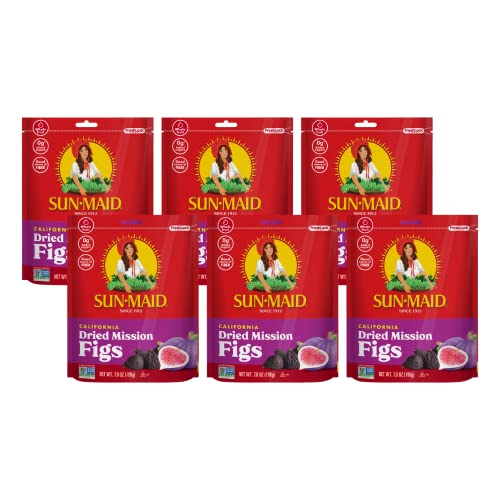
Six little resealable fig pouches built for a lunchbox, a desk drawer, or a backpack pocket.
Not everyone wants a five-pound case of figs sitting in the pantry. This Sun-Maid six-pack of four-ounce pouches solves the opposite problem: portion control. Each pouch has a resealable zipper (a small zip seal that closes the bag again), so you open one, eat a couple of figs, and seal it back up without committing to the whole box. The figs are whole Mission figs, 100% fruit, no sugar added, gluten-free, and non-GMO, in a pouch you can throw in a bag.
The taste is where this bag earns its keep. Taste is what buyers praise most here, and the moisture on these is consistently praised as better than most grocery-store figs. One comparison that lands: a shopper noted that these mission figs stay consistently moist and delicious, unlike grocery brands that often arrive with a few dried-out figs in the bag. The reclosable pouch helps too — you are not opening a whole case and exposing every fig to air every time you want a snack.
Where it falls short of the bulk bags above is cost per ounce. Six four-ounce pouches is 72 ounces total, but you pay a convenience premium for the individual packing. For a daily habit, a bigger bag wins on price; for a lunchbox or an office drawer, these win on practicality. If you want figs you can toss in a bag without a container, this is the format that does it.
Where it shines
- Six individual 4-ounce pouches with a resealable zipper for real portion control
- 100% fruit, no sugar added, gluten-free, non-GMO, with fiber and potassium
- Consistently moist figs that hold up better than many grocery-store bags
Where it costs more
- You pay a convenience premium per ounce versus a bulk case
- Whole figs, so you still check each piece for a stray stem or stem end
- Six pouches goes fast in a larger household
Perfect for: a packed-lunch habit, a desk drawer, or travel — anywhere a resealable four-ounce pouch beats a five-pound case.
Not worth it if: you eat figs daily at home and want the best cost per ounce — bigger bags win that math.
6. Sunsweet Pitted Prunes with Probiotics, 8 x 6 oz
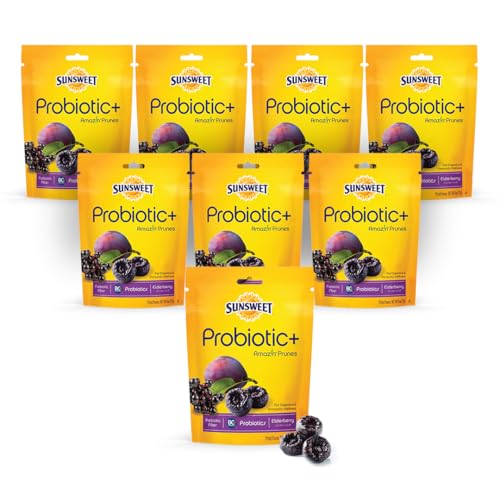
Prunes with probiotics and an elderberry flavor twist — the most snack-friendly way to keep a daily prune habit going.
Sunsweet has done something different here: these pitted prunes carry BC30 probiotics (a specific probiotic strain that survives heat better than many, so it does not need refrigeration) plus prebiotic fiber, and they come flavored with elderberry. The flavor matters more than you might expect — it gives the prune a slight extra sweetness that makes them taste less like a supplement and more like a snack. Eight resealable 6-ounce bags means you can keep one in the car, one at the desk, one in a gym bag, and the little pouches were designed exactly for that.
Flavor is where this bag wins. One buyer who tried a store-brand alternative found it “yucky and dry,” and said of these, “I eat them because I like them, not just for the fiber.” That is the whole test for a shelf-stable prune: does it stay moist enough to eat cold, straight from the pouch? The elderberry sweetness helps with that too. Prunes are naturally high in fiber and potassium, so each pouch covers both the snack and the routine.
What this bag is not is a bargain-bulk option. Eight small pouches of six ounces is 48 ounces, and you pay for the individual packaging and the probiotic blend. If you do not specifically want the small-bag format, the big Food to Live bag above is better value per ounce.
Why the probiotics matter: BC30 is a shelf-stable probiotic, meaning the pouch does not need the fridge — straight from the car or a gym bag is fine.
The honest limitation: Each pouch holds prunes loose in one bag rather than individually wrapped, so a handful is easy to overshoot.
Great pick if: you want a no-schedule, grab-a-pouch prune habit with a probiotic and prebiotic bonus.
Better to look at bulk if: you eat prunes at home at a steady pace — the small format is the point here, and the bigger bags cost less per ounce.
7. Nature’s Garden Probiotic Apricots, 2 x 40 oz

Two big bags of plump probiotic apricots that stay moist long after opening — the apricot for a daily routine.
If the We Got Nuts apricots are the fresh-from-the-market option, these Nature’s Garden bags are the pantry-stock version. Two 40-ounce bags, 80 ounces total, plump dried apricots with no added sugar, gluten-free, dairy-free, and vegan, with probiotics added in. Quality is what buyers praise most about this product, and the recurring praise is that they stay soft and moist even after sitting open for a while — which is a big deal when your bag holds 40 ounces. Softer, sweeter, and easier to eat by the handful than a drier apricot.
The probiotic angle is worth understanding. The added probiotic cultures sit on top of the fiber the apricot already provides. One reviewer noted they eat them “because I like them, not just for the fiber” — which is the real test of whether you stick with a snack. Texture is slightly dense in some pieces, which one owner attributed to the high fiber content; they described the fruit as “pretty good, not dry, on moist side.” That density is fine for most people but worth knowing if you like a very airy bite.
The catch: the bags are large and a resealable apricot left in a warm kitchen can start to develop mold spots, so refrigerating what you open is a smart move. Compared with the Terrasoul organic apricots later in this list, the Nature’s Garden fruit is the plumper, more mass-market taste and comes at a lower tier, with the probiotic culture added in.
What stands out
- Two 40-ounce bags — 80 ounces total of plump, no-added-sugar apricots
- Probiotic-enhanced with no dairy, gluten, or added sugar
- Stays moist even after the bag has been open a while
The trade-off
- Dense bites — a few pieces are firmer than others
- Large bags need refrigerating once opened to hold back mold
- Texture varies between pieces, which is normal for natural dried fruit
Pick it for: a steady daily apricot snack that keeps its moisture in a big pantry bag.
Not for you if: you want individual portions — these are large two-bag containers built for repacking.
8. Sunsweet Prunes Pitted Unsweetened, 3 x 2 lb

Three resealable two-pound bags of pitted prunes — one for the counter, one for the pantry, one for baking.
Sunsweet is the name most people picture when they picture a prune, and this three-pack of two-pound resealable bags is the classic format: pitted, unsweetened, ready to eat or toss in a recipe. The flavor is the headline — buyers rate it the single best thing about these prunes. That is not surprising for a brand whose whole job is consistency. These are dried plums in the traditional sense, not the infused, glistening kind, and they deliver the deep, sweet prune taste people grew up with. Three two-pound bags is 32 ounces total, a manageable amount for one or two people.
For a constipation routine, this format is a middle path between the tiny probiotic pouches above and the giant bulk bags. Two pounds is enough to last weeks if you eat a few a day, and the resealable packaging means you do not have to move the fruit to a jar. Sunsweet lists magnesium, potassium, and dietary fiber on the label — the three nutrients prune buyers look for.
The honest caveat, and it is the same one that follows every pitted prune bag: sometimes a pit slips through. It is a machine-pitting limitation, not a quality failure. Beyond that, some buyers describe these specific Sunsweet prunes as softer or mushier than expected, which is fine in a smoothie or baked good but might not suit anyone wanting firm, al dente fruit. If you like a chew, other bags above hold their shape more firmly.
Why it works for baking: Pitted, unsweetened prunes blend cleanly into cakes, sauces, and stews and boost both flavor and moisture in the bake.
The catch to know: Texture leans soft, so anyone after a firm bite should look at a less-moist bag — and glance for the occasional missed pit.
Great for: a two-person household that wants a familiar prune for snacking and the occasional recipe.
Look elsewhere if: you need fruit that stays firm — these prunes lean soft and moist.
9. Terrasoul Superfoods Organic Dried Plums Pitted, 3 x 4.5 lbs
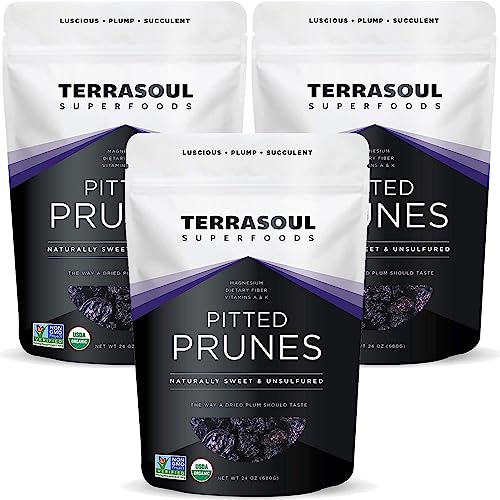
Certified organic, preservative-free pitted plums in a serious three-bag bulk format.
Terrasoul is a brand built around certified organic dried fruit, and this three-bag pack of 4.5-pound organic pitted prunes is the deep-pantry option in their lineup. Certified organic means the plums were grown without synthetic pesticides, and preservative-free means no sulfur or chemical bath was used to extend shelf life. The plums are pitted and vegan, and the label lists fiber and vitamin K. It is a clean-label bag for anyone who shops that way and does not mind buying in bulk.
The thing to weigh is quality control. Mold is the honest concern on this one. Multiple long-time Terrasoul buyers have reported finding fuzzy patches on prunes in this bag, even when stored in the fridge before expiry. The brand has been responsive, sending replacements and acknowledging a supplier issue on some batches, but the reality is that natural, preservative-free dried fruit is more perishable than its treated counterparts. So inspect on arrival and refrigerate immediately after opening — that is a fair trade-off for anyone who values the preservative-free label, but it is worth knowing before you order.
On the plus side, the batch you do get fresh is very good. Buyers describe the plums as “chewy and soft” and a “very good product,” with a deep flavor that treated prunes lack. The value angle Terrasoul leans on is that they handle their own supply chain, so the per-ounce cost is lower than the small organic brands — provided you are willing to accept the natural-perishable risk. If you need a guaranteed-dry-storage bag, look at the Sunsweet options; if you specifically want certified organic and preservative-free, this is the bulk buy.
What the clean-label crowd gets
- Certified organic, vegan, non-GMO and preservative free
- Three 4.5-pound bags for a very low cost per ounce
- Chewy, soft texture and deep flavor when a batch arrives fresh
What to watch on arrival
- Natural, preservative-free fruit is more perishable — inspect every bag
- Reported mold on some batches has forced the brand to send replacements
- Refrigerate immediately after opening to protect the last bag
Best fit if: certified organic and preservative-free matter more to you than maximum shelf life.
Not the safest pick if: you want a bag you can leave in a hot pantry and not think about — treated prunes hold up better.
10. Terrasoul Superfoods Organic Apricots, 3 x 6 lbs
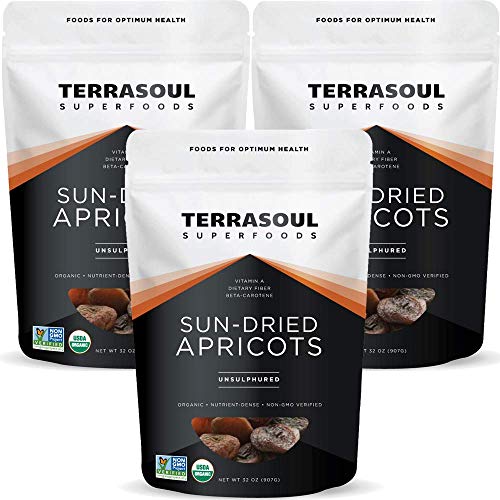
Deep-brown unsulfured organic apricots with a caramel edge — the dark color is the giveaway they hold no sulfur.
Unsulfured apricots look different from the mass-market kind, and that is the point. Without sulfur dioxide (a preservative that keeps apricots bright orange), these dry to a dark, almost chocolate-brown color. That color is not a defect — it is the natural oxidation of a fruit with nothing added. Fans of these describe the flavor as richer and more caramel-like than the sulfured kind, and buyers call them soft, plump, and moist out of the bag, no soaking required. If you see a piece that is a little smaller and firmer than the rest, that is normal variance in a naturally dried fruit.
This is the biggest apricot commitment on the list: three bags, six pounds each, 72 ounces total, certified organic, non-GMO, raw, gluten-free, and vegan. That is roughly quadruple the weight of the We Got Nuts bag, which changes the storage calculus considerably. Terrasoul lists dietary fiber, vitamin A, and potassium on the label. Buyers who stick with them report that the fruit stays fresh and moist for weeks in an airtight container after opening, so a large jar or a set of lidded containers makes this bag work.
The catch here is taste variance. Most buyers find them plump and delicious, but a subset reports a bitter aftertaste, and one buyer described an entire order as tasting burnt. That kind of complaint usually traces to a bad batch rather than a persistent problem, but with an unsulfured fruit the natural sugar is higher and caramelizes easily — some people simply do not like that edge, preferring the brighter sulfured taste. If you have never tried unsulfured apricots, order the small Sunsweet or Nature’s Garden bag first and see which flavor you prefer before committing to six pounds at a time.
For a constipation routine, the practical advantage is that these are easy to eat by the handful once you are used to the darker flavor. The trade-off is purely one of commitment and taste preference.
Why unsulfured fans love it: Richer, caramel-like flavor, plump and moist out of the bag, and free of the sulfur dioxide preservative.
The honest caveat: Flavor is more polarizing than standard apricots — some buyers find the deeper taste too intense or slightly bitter.
Reach for these if: you specifically want unsulfured organic apricots and are ready to portion a six-pound bag into jars.
Try something smaller if: you have never eaten unsulfured apricots — the darker flavor is not for every palate.
11. It’s Delish Dried Pitted Prunes, 10 lbs
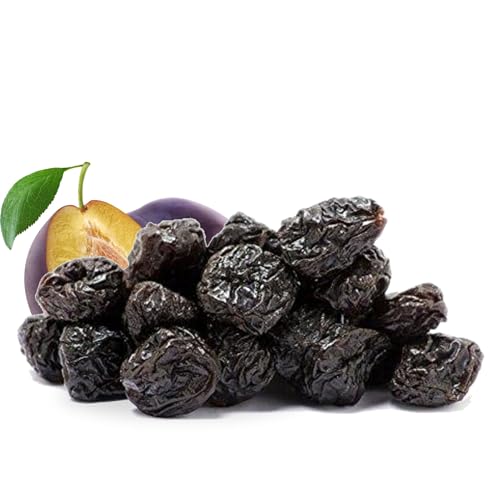
A ten-pound sealed bag of naturally sweet pitted prunes — the long-haul pantry supply from a Kosher-certified brand.
This is a big, no-frills bag of prunes for someone who has already decided prunes work for them and does not want to think about the brand again for months. The prunes are pitted, no sugar added, unsweetened, vegan, and Kosher certified, made in the USA by It’s Delish in a sealed bulk bag. Ten pounds of dried plums at this tier is a smart move per ounce — the price-per-pound math on a bag this size beats every small pouch on this list, provided you plan to actually eat ten pounds of prunes before they dry out.
The flavor is the part buyers repeatedly call out, and it holds up. One description of the fruit comes in the texture and juiciness of pieces — plump, moist, and deeply prune-flavored without being oversweet. Like the Food to Live bag, this is a serious pantry commitment. Ten pounds of prunes in a single sealed bag means you need cool, dark storage and probably smaller containers once it is opened, since a bag that big will spend weeks at a time sitting on a shelf.
The one outright caveat here is the exact one that travels with any bulk pitted prune: the label itself warns, “May contain occasional pits, as per industry standard.” So a quick glance before you bite is just good practice. This bag is at the top of the price spectrum and is best for a household that already knows it loves prunes — not a beginner testing the water. If you want to try before committing to ten pounds, start with the small Sunsweet two-pound bags above and scale up from there.
Why the value adds up
- Ten pounds of pitted, no-sugar-added prunes at the lowest cost per ounce here
- Naturally sweet with no sugar added, vegan, and Kosher certified
- Made in the USA and packed fresh by It’s Delish in a sealed bulk bag
What to plan around
- Label notes occasional pits, per industry standard, so check before you bite
- Ten pounds needs cool, dark storage and smaller containers once opened
- Too much fruit for one person testing whether prunes work for them
Best for: a household that already knows prunes are a nightly habit and wants the longest-lasting bag on this page.
Not the right starter bag: ten pounds is a commitment — try a two-pound pack first if you are new to prunes.
Know the Specs
Bag size and cost per ounce
A big bag looks like better value, and usually is — but only if you finish it. A ten-pound sealed bag of prunes costs less per ounce than six little four-ounce pouches, but a five-pound bag you throw away at the halfway mark is worse value than either. Match the bag size to how fast you actually eat: one person eating a few prunes a day goes through roughly two pounds in a month, which means a ten-pound bag needs months of cool storage. Buy big only when you have a cool pantry and a household that shares the fruit. Otherwise, the smaller resealable packs are the smarter spend.
Pitted versus whole
Pitted dried fruit has the stone removed by machine before packing, so you can grab and eat without thinking. Whole fruit and figs keep their natural shape, which makes them better for serving, simmering, or folding into a bread dough. The trade-off on pitted fruit is a small chance a stone slips through the pitting line, which is why good bulk prunes carry a “may contain occasional pits” note on the label. Neither format is better than the other — pitted suits snacking, whole suits cooking.
Moisture and how to keep it
Moisture is what makes dried fruit snackable, and it is also the first thing to go once a bag is opened. A naturally moist fig or prune holds its softness for weeks in an airtight container, but a warm kitchen will draw the water back out and turn it leathery. The practical fix is simple: move a freshly opened bulk bag into smaller lidded jars, keep those jars away from the stovetop, and refrigerate whatever you will not eat within a couple of weeks. A dried-out piece is not ruined — a short soak in warm water softens it right back up for baking or oatmeal.
Sulfur dioxide and added sugar
Bright orange apricots got their color from sulfur dioxide, a preservative that also extends shelf life. Unsulfured apricots dry to a darker brown because nothing was added to stop natural oxidation — some people prefer that deeper, caramel-like flavor, while others find standard sulfured apricots brighter and more familiar. Added sugar is the other label to scan: prunes and figs are naturally very sweet, so a no-sugar-added bag usually tastes plenty sweet without any sweetener, and unsweetened prunes are the simplest version of all.
Common Questions
How many prunes or figs should I eat a day for constipation?
Are prunes or figs better for constipation?
Do I need to soak dried fruit before eating it?
How should I store a large bulk bag of prunes or figs?
Are unsulfured apricots better than regular orange ones?
Can I eat dried fruit every day?
Why do my prunes have a chalky white coating on them?
Are the pitted prunes really pit-free?
How long do dried figs and apricots stay fresh once opened?
Should I buy a big bulk bag or several small pouches?
The Bottom Line
For most people, the best dried fruit for constipation winner is the Dried Turkish Apricots by We Got Nuts, because soft, plump, no-sugar-added Turkish apricots are the easiest daily fruit to actually finish — and a bag you finish is the only kind that helps. If you want a deep, familiar prune for baking and a steady at-home routine, grab the Food to Live Pitted Prunes. And for a grab-and-go option that travels without refrigeration, the Sunsweet Pitted Prunes with Probiotics is the pouch to reach for.
How we choose
We do not accept paid placement. Every pick is matched to a real buyer and a real use-case; we do not hands-on test units.
Sources
Specifications: manufacturer listings and product documentation. Review insights: verified customer reviews, as of October 2026. Pricing: not shown on this page (it changes often); check the current price via the retailer link.
As an Amazon Associate, Aappliancez earns from qualifying purchases. This does not affect which products we feature.