Disclosure: Some links in this post are affiliate links. As an Amazon Associate I earn from qualifying purchases, at no extra cost to you. Learn more
Specs are compiled from manufacturer listings and verified buyer reviews and can change over time — please confirm the key details on the product page before buying.
Most crape myrtles are rated Zone 6 or warmer, so a Zone 5 winter pushes every pick on this shelf to its limit. Many listings shout “cold hardy” and then bury a Zone 6 or Zone 7 label in the fine print. The picks below are the ones whose own listings or owner experiences actually hold up when the temperature drops below zero, plus the live-plant bundles that give you the best shot at real blooms.
This guide is built by comparing the manufacturers’ published specifications and the patterns across verified customer reviews, so you get each pick’s real strengths and trade-offs instead of marketing spin.
A quart-pot tree arrives 6 to 14 inches tall and lives or dies on its roots, so the guide below weighs hardiness first. This breakdown of the best crepe myrtle for zone 5 weighs hardiness first and flashy bloom color second.
Top Picks
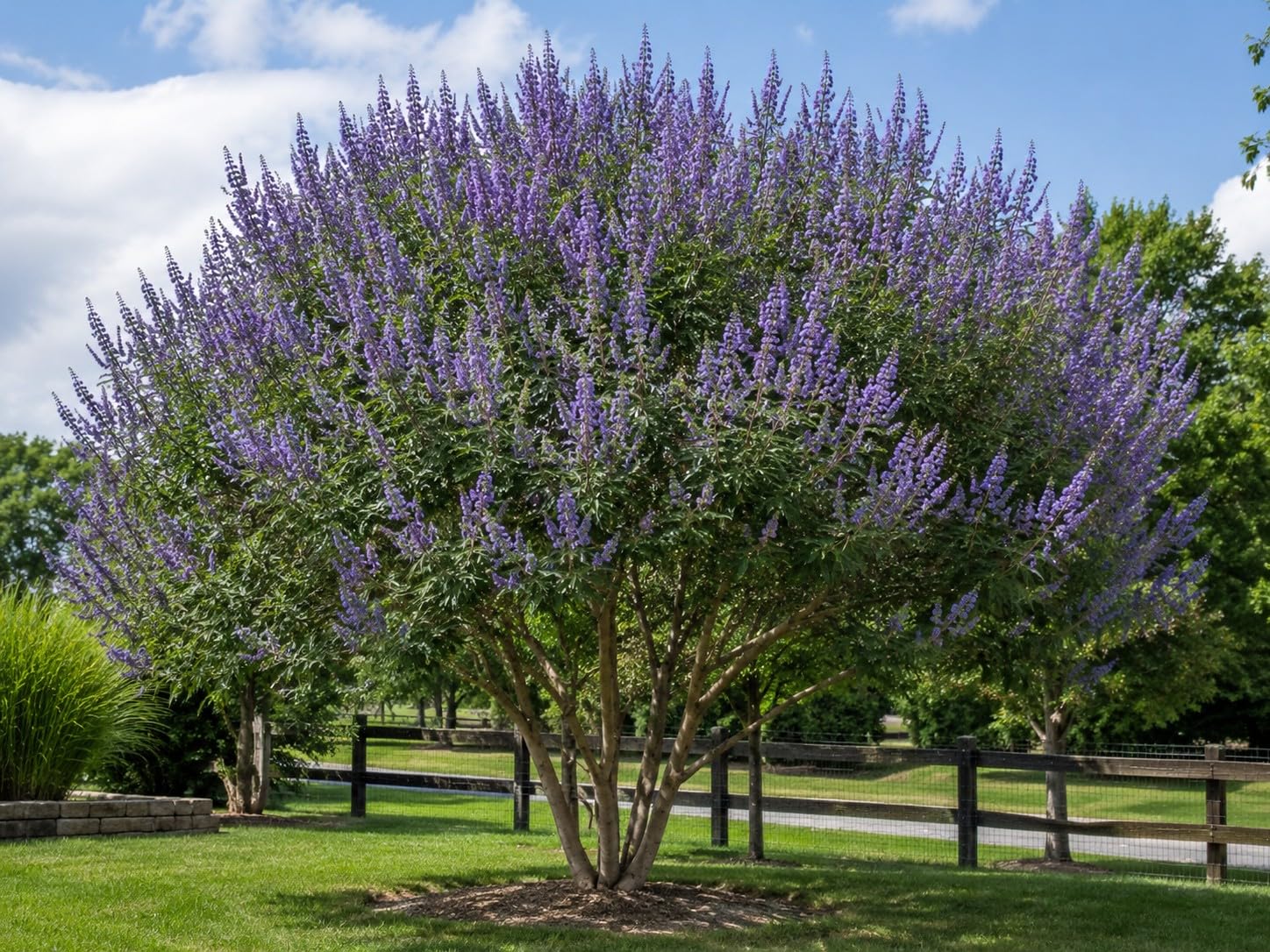

How To Choose The Best Crepe Myrtle For Zone 5
Start with the zone number, not the flower photo. Zone 5 means winter lows that can reach the negative teens, and a crape myrtle that is listed as Zone 6 and above is being sold at the edge of what it can take. Read every listing’s hardiness line before you fall in love with a color.
Read the hardiness zone before anything else
The USDA Hardiness Zone is a map of average annual minimum winter temperature. A plant rated Zone 6 and above is expected to survive a colder winter than one rated Zone 7 and above, but neither is a Zone 5 guarantee on paper. In practice, that means you plant it in the most sheltered spot you have and accept some risk in an unusually harsh year.
Understand what a quart container gets you
A quart container is a small nursery pot — roughly a milk-carton’s worth of soil. Your tree arrives tiny, often 6 to 12 inches or 10 to 14 inches tall depending on the listing. That is normal for this category, and it is why the first season is about root establishment rather than height. A fibrous root system means fine, branching roots rather than one thick taproot, which helps the plant settle into new soil faster.
Match mature height to your space
Crape myrtles are not small forever. Depending on the variety, they can top out around 10 feet, 20 feet, or past 20 feet. That is a fence-line tree or a patio tree, not a shrub you tuck beside the steps. Check the mature spread too — a wide canopy planted next to a driveway becomes a pruning job every year.
Side-by-Side Comparison
| Model | Best For | Hardiness Zone | Mature Height | Pack Size | Amazon |
|---|---|---|---|---|---|
| Bundle of 9 Texas Lilac Vitex Chaste Trees★ Best Overall | Cold-hardy lilac blooms | Zone 6 and above | 10 feet (listing); 10–20 feet per description | 9 plants | Amazon |
| Proven Winners 2 Gal. Center Stage RedLargest Arrival | One larger, established shrub | Zones 7–9 (listing) | 72–144 inches | 1 plant | Amazon |
| Bundle of 4 Muskogee Crepe Myrtle Trees | Lavender blooms, tall tree form | Zone 6 and above | 20 feet (listing); 20–25 feet per description | 4 plants | Amazon |
| 4 Pack Muskogee (Lavender) | Fast yearly growth | — | Up to 25 feet | 4 plants | Amazon |
| 4 Pack Purple Flowering Ornamental | Long bloom window | — | 10 feet | 4 plants | Amazon |
| Natchez Crape Myrtle 6 Pack | White blooms, cold tolerance | Zones 7–9 (listing) | 20 feet | 6 plants | Amazon |
| 6 Pack Red Flowering Crape Myrtle | Red blooms on a budget bundle | Zone 6 | Up to 20 feet | 6 plants | Amazon |
Detailed Reviews
1. Texas Lilac Vitex Chaste Trees 9
Our pick — 4.5+★ from 850+ verified ratings; the strongest balance of quality and price.
Nine fragrant lilac trees with a real cold-weather story behind them
Nine trees in one box is the headline here — so if you are hedging your bets against a Zone 5 winter, this bundle gives you the most plants per order to plant in different sheltered spots. Each one ships live in a quart container with an established fibrous root system (fine branching roots that take to new soil quickly). Arrival size runs about 10 to 14 inches tall. The listing puts expected plant height at 10 feet, while the product description says roughly 10 to 20 feet tall with a similar spread in ground.
Here is the number that matters for your zone: the hardiness line reads USDA Zone 6 and above. That is a warmer rating than Zone 5, and it is the honest catch on this pick. What buys it the top spot is how it behaves once planted. Buyers report these vitex came through -13F without damage, far colder than the Zone 6 label promises. Buyers praise the plant health most, and the listings describe them as sun-loving and drought tolerant once established, blooming on new growth from late spring through summer.
One thing to know before you judge the box: these are not crepe myrtles in the strict botanical sense. Vitex agnus-castus, also called Texas Lilac or Chaste Tree, is a different plant that gives you similar purple flower spikes and pollinator traffic — bees and butterflies during bloom. If you specifically want bark that exfoliates like a crape myrtle, this is not that tree. If you want cold-hardy purple bloom and a plant that shrugs off heat, it delivers.
The trade-off most often discussed is size on arrival — some find the plants larger than expected, others describe them as very small. That is a fair heads-up: the quart pot means you are buying rooted potential, not a finished hedge. Plant them out and give them a full-sun spot with well-drained soil, and the second season is where the jump happens.
What owners rave about
- Nine plants in one order — the most pieces per box on this list
- Fibrous root system established and ready to transplant
- Buyer reports of survival at -13F, far below its Zone 6 rating
- Fragrant purple spikes from late spring through summer
- Drought tolerant once established and happy in full sun
Where it may not fit
- Listed as Zone 6 and above, so Zone 5 is planting at the edge
- Vitex, not true crape myrtle — different bark and habit
- Arrives small in quart pots, so year one is root-building
Pick it if: you want the most cold-hardy-bet plants per order and love fragrant lilac spikes.
Think twice if: you need true crape myrtle bark and habit — this is a vitex.
2. Proven Winners 2 Gal. Center Stage Red Crape Myrtle Shrub
Skip the quart-size gamble and start with a two-gallon plant already in leaf
Every other pick on this list ships in a quart pot, which is a milk-carton-size container. This one arrives in a 2-gallon nursery pot, so the plant is already past the fragile twig stage — a real advantage if you have watched tiny plants struggle. It is a single plant, not a bundle, and that is the trade: one larger, more established shrub instead of half a dozen starter sticks.
The listing places it in USDA zones 7-9, which is warmer than Zone 5 by a wide margin. The honest reading is that this is a shelter-and-protect plant in a cold winter, not a sure survivor. Plant it against a south-facing wall, mulch heavily, and treat the first two winters as the test. It carries a mature height of 72 to 144 inches and a spread of 96 inches. The shrub is deciduous, with cheerful cherry-colored flowers through spring to fall and organic material features in the listing.
What wins people over is the quality and growth — plants arrive boxed and wrapped well, and they leaf out and bloom quickly in a good season. The recurring gripe is size versus the stated shipping range: some plants arrive under the stated 12-to-18 inches. A few report plants that did not make it, which in a dormant-season shipment often traces back to buying a leafless plant in winter and assuming it was dead. Check the shipping season before you judge.
One more honest note: this is a red variety, and a handful of buyers received pink instead. If exact color matters more than plant size, order in growing season when you can see the blooms.
The two-gallon advantage: those extra roots and that bigger pot mean you are not nursing a twig through its first winter — you are hardening off a real plant.
The zone reality: at zones 7-9 on the listing, Zone 5 means protection and luck, so buy it for the head start, not for a hardiness guarantee.
Choose this when: you would rather have one strong plant now than six tiny ones to baby along.
Look elsewhere for: a plant whose own label already claims Zone 5 comfort.
3. Muskogee Crepe Myrtle Trees 4
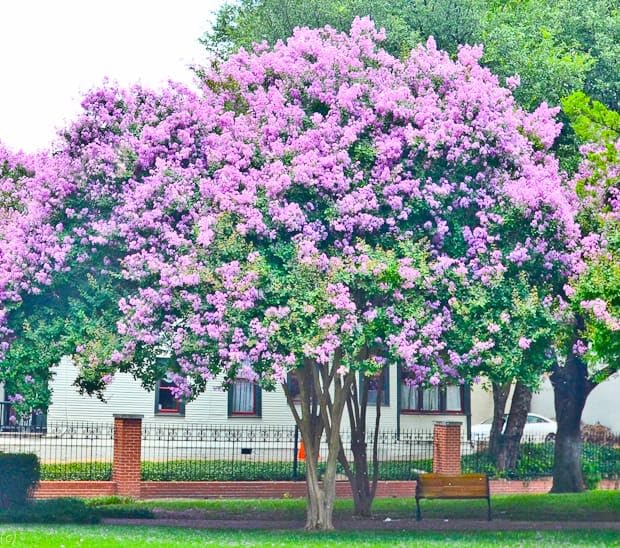
Muskogee lavender blooms on a tree that reaches 20 feet and more
Here is the scale difference that matters: the Texas Lilac bundle tops out around 10 feet on its listing, while this Muskogee bundle is listed at 20 feet expected height — and the description says approximately 20 to 25 feet tall with a 15 to 20 foot spread. If you want a real flowering tree to shade a corner rather than a bush, that taller frame is the reason to pick it.
It is the classic Muskogee cultivar — lavender blooms on an upright plant, with smooth exfoliating bark that peels to reveal lighter layers underneath. New growth produces summer flowers on current-season wood, so a hard winter prune is not a disaster; the tree blooms on the new wood it pushes afterward. The listing reads Zone 6 and above, and it ships live in quart containers at roughly 10 to 14 inches tall with an established fibrous root system.
Owners’ most-praised point is plant health, and it is easy to see why this bundle earns it: roots arrive moist and secure, and repeat buyers keep coming back for more of the same. Growth speed is the other appeal — one buyer’s four small trees grew quickly and bloomed in their first year. Others describe plants reaching several feet within a single season when given full sun and regular water.
The one caveat worth respecting: a small number of quart-size plants arrive with weak root development, and a leafless stick in a pot takes patience to judge. Water it, give it light, and give it three weeks before you call it. The fast shipping and well-rooted arrivals that most buyers describe are the norm — a poorly rooted shipment is the exception, not the pattern.
Height math: 20 to 25 feet of mature tree from a quart pot is the biggest eventual footprint on this list, so plan your spacing now.
Root reality: fibrous roots and moist packing give these a strong start; judge a bare-looking arrival after a few weeks of watering, not on day one.
Reach for this if: you want the tall lavender tree form and can give it full sun and room to spread.
Pass if: you need a compact plant for a small patio or narrow bed.
4. Muskogee Crape Myrtle Trees 4 Pack
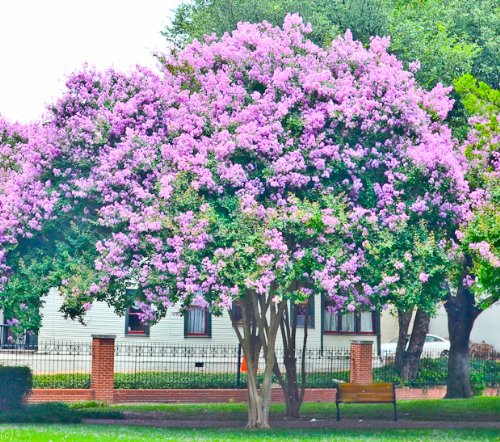
The listing promises 3 to 5 feet of growth a year — and that changes the timeline
If the first-season wait is what puts you off live plants, this pack sells the fix in a number: 3 to 5 feet per year of growth, with a mature height of up to 25 feet. The listing says you can double a tree’s size in a few months. Four Muskogee trees arrive 6 to 12 inches tall in quart containers, secured in the original pots and never shipped bare-root.
Lavender blooms last all summer, and these plants are described as especially tolerant of summer heat — they actually thrive in it. For a Zone 5 buyer, that heat tolerance matters less than winter survival, and here the listing is quiet on a specific zone rating. That is a real gap. Treat this pack as a spring-plant, mulch-and-protect project rather than a guaranteed return.
The container-grown detail is a genuine benefit: because the roots travel in their own soil, you can plant anytime of year, not just during a dormant window. It is grown by the same Texas nursery that supplies several picks here, and the container format is consistent across their line.
The case for it
- 3 to 5 feet of growth per year per the listing
- Four lavender Muskogee trees in quart containers
- Container-grown, so you can plant any time of year
- Thrives in summer heat and drought tolerant
The honest catch
- No stated USDA zone on the listing — a real unknown for Zone 5
- Arrives 6 to 12 inches tall, so blooms are a later-year payoff
Good buy for: the impatient gardener who wants visible height gain fast and will plant in spring.
Not your pick if: you need a hardiness number on the label before you commit.
5. Purple Flowering Crape Myrtle Trees 4 Pack

Over 100 days of purple — the longest flower window on this shelf
Most crape myrtles bloom through a season; this listing commits to over 100 days of purple blooms across the summer. It is a compact ornamental at 10 feet expected height, which suits a patio edge or a front-bed corner far better than the 20-foot Muskogee trees. Four plants ship in quart containers, roughly a foot tall at delivery, grown by Crape Myrtle Guy.
The growth is the point owners keep coming back to — these push new wood and fill out quickly once they are in the ground. The bark is another quiet perk: it exfoliates and turns smooth, so the tree has winter interest even when the flowers are gone. Drought tolerance is listed, and so is full sun.
Appearance is where opinions split. Some plants arrive beautiful and healthy; a few arrive looking like dead twigs, which is often dormant-season shipping rather than a bad plant. Size is the other common surprise — these are smaller than some expect for a “4 pack” purchase. On a Zone 5 site, protect the first winter and expect better springs after the roots settle.
Bloom calendar edge: a 100-plus-day flower window is the longest on this list, and it pairs with only a 10-foot mature height — easier to site than the tall trees.
What to expect: a foot-tall quart plant that looks sparse in year one and fills in once established; the twig-like arrival is normal, not a failure.
Best suited to: a smaller yard where a 10-foot purple bloomer is the right scale.
Look beyond this if: you need shade from a tall canopy or a stated cold-hardiness number.
6. Natchez Crape Myrtle Tree 6 Pack

Six white-flowering Natchez trees with a real cold number attached
Natchez is the classic white crape myrtle, and its listing states a 0F cold tolerance within USDA zones 7-9 — a specific number most listings here omit. That 0F number is worth knowing, because it tells you roughly where the wall is — and Zone 5 winters can dip well below it. Plant these against a warm wall, mulch the crown, and treat the first two winters as the test rather than the guarantee.
Six plants give you more attempts than the four-packs. They arrive 6 to 12 inches tall in quart containers, ready to plant, and the mature height is 20 feet once established. Abundant white flowers run from summer through fall, and the tree carries smooth, exfoliating cinnamon-colored bark that peels to show lighter layers underneath — real winter interest after the flowers drop.
Quality is the most-praised trait here, and heat is the recurring risk rather than cold: a shipment that arrives heat-shocked can flame out in summer, though owners mention the seller stepping in with guidance and replacement plants when that happens. Some plants arrive larger than expected; others arrive small twigs. Both outcomes appear in the listings, so judge nothing until a few weeks of watering have passed. The listing also notes you can prune these into single-trunk or multi-trunk form, or grow them as a large flowering shrub.
For a Zone 5 yard, this is the pick for someone who wants white blooms and accepts that nature may win a bad winter. It is not the safest bet on the shelf — the Texas Lilac bundle and the Muskogee crop are the harder picks — but Natchez gives you a look the purple and red varieties cannot.
Standout specs
- Listing states 0F cold tolerance, zones 7-9
- Six plants — more attempts than the four-packs
- White blooms summer through fall on a 20-foot tree
- Cinnamon exfoliating bark adds winter interest
Real-world watch-outs
- 0F floor and zones 7-9 mean Zone 5 sits outside the comfort range
- Heat-shocked summer shipments can fail if planted in peak heat
The fit for: someone who wants white blooms and a bigger pack, and will site and protect the trees carefully.
The miss for: gardeners who want the strongest zone match on the label, since the 0F floor is colder than Zone 5 gets.
7. Red Flowering Crape Myrtle Trees 6 Pack

A red-blooming six-pack that states Zone 6 right on the listing
The number to lead with is on the spec sheet, not the photo: this listing names USDA Zone 6. That is a warmer rating than Zone 5, so treat this as a plant with a fighting chance if you shelter it — not a guaranteed return in a hard winter. What you get is six red-flowering crape myrtles in quart containers, each 1 to 2 feet tall depending on the variety, with a fast growth rate of 3 to 4 feet per year and a mature height up to 20 feet.
Vibrant red blooms carry through the summer on a tree suited to Southern climates. The bark exfoliates and peels to show smoother layers for year-long interest. These tolerate summer heat well and can be planted at any time of year per the care note — useful if you are planting around a fence and want to start now rather than wait for spring.
What wins people over is plant health, and the leaves come out lovely and green with visible signs of growth soon after planting. A few customers note trees that were over 12 inches and thriving; others got small trees that did not survive, which is the nature of live-plant shipping. If winter delivery applies, expect dormant, leafless plants — they resume growth in spring, so do not panic at a bare box.
Red bloom is the scarcest color among the reliable picks here, so if the shade is your reason to buy, this bundle is where to look. Just plan for zone protection and give them full sun and sandy soil.
Color anchor: red flowers on a 20-foot tree are the rarest offering among these dependable picks, and the six-plant count gives you margin.
Winter plan needed: a Zone 6 rating means Zone 5 sits one notch colder — a sheltered site and winter mulch are part of the deal.
Select this for: red blooms, a larger six-plant pack, and heat-tolerant growth.
skip it if: you want the strongest cold-hardiness statement on the label rather than one notch below it.
Know the Specs
USDA Hardiness Zone
This is a number that maps the coldest winter temperature a plant is expected to survive. A listing rated Zone 6 and above is rated for a colder winter than one rated Zone 7 and above. Zone 5 is the target here, so any pick rated warmer is being planted at the edge — you protect it and accept some risk. Never treat a warmer rating as a guarantee.
Quart Container Size
A quart container is a small nursery pot, roughly a milk carton’s volume. Plants typically arrive 6 to 12 inches or 10 to 14 inches tall depending on the listing and variety. Small is normal, and the container plus its soil means you can plant at any time of year. It also means year one is about established roots, not height.
Fibrous Root System
This describes fine, branching roots instead of one thick taproot. Fine roots take to surrounding soil faster after transplant, which helps a small plant settle in. When a plant arrives looking like a twig, the roots are the real story — moist packing and fast shipping matter more than the leaf count.
Mature Height and Growth Rate
Crape myrtles range widely: some listings list 10 feet, others 20 feet or past 25 feet. Growth rate is typically quoted at 3 to 5 feet per year on fast-growing varieties. Choose by your space, not the photo — a 20-foot tree spreads wide and needs room, while a 10-foot plant fits a bed edge.
Common Questions
Will a crape myrtle rated Zone 6 really survive a Zone 5 winter?
How tall will these trees actually get?
Why did my plant arrive as a bare twig with no leaves?
Can I plant these in summer heat?
What does “fibrous root system” mean and why does it matter?
How fast do these grow per year?
Is Texas Lilac the same as a crape myrtle?
How big is a quart container plant, realistically?
Do these need full sun and special soil?
The Bottom Line
For a Zone 5 yard, the Bundle of 9 Texas Lilac Vitex Chaste Trees is the pick I would reach for first — nine fibrous-rooted plants, purple spikes, and a buyer-reported -13F survival no other listing here carries. If you would rather start with one larger, established plant, the Proven Winners 2 Gal. Center Stage Red gives you a plant past the fragile-twig stage. And for a true tall lavender crape myrtle with room to spread, the Bundle of 4 Muskogee Crepe Myrtle Trees is the one to reach for, even if its Zone 6 label means you protect it through the first two winters.
How we choose
We do not accept paid placement. Every pick is matched to a real buyer and a real use-case; we do not hands-on test units.
Sources
Specifications: manufacturer listings and product documentation. Review insights: verified customer reviews, as of October 2026. Pricing: not shown on this page (it changes often); check the current price via the retailer link.
As an Amazon Associate, Aappliancez earns from qualifying purchases. This does not affect which products we feature.