Disclosure: Some links in this post are affiliate links. As an Amazon Associate I earn from qualifying purchases, at no extra cost to you. Learn more
Specs are compiled from manufacturer listings and verified buyer reviews and can change over time — please confirm the key details on the product page before buying.
For a cut, a scrape, a burn, cracked heels, or a pressure sore that keeps breaking down, a thick, waxy balm that seals the wound under a protective film (called an occlusive ointment) beats a watery lotion every time. The catch is that “wound cream” covers three very different jobs: plain petrolatum barriers, antibiotic ointments that fight germs, and honey or silver gels that lean on other active ingredients. Pick the wrong family and a dirty cut gets no germ protection, while a burn gets a greasy balm that will not stay put.
This guide is built by comparing the manufacturers’ published specifications and the patterns across verified customer reviews, so you get each pick’s real strengths and trade-offs instead of marketing spin.
Below you will find the Aquaphor 14 oz Value Size, the Polysporin and Neosporin antibiotic standbys, the CeraVe and Calmoseptine barrier balms, the First Honey manuka ointment, two colloidal-silver gels, and the TriDerma and Terrasil creams built for bed sores. Every entry below is a cream for healing wounds option you can actually buy today.
Top Picks

How To Choose The Best Cream For Healing Wounds
The wound decides the product, not the other way around. A fresh scrape that is already clean wants a plain barrier balm. A cut that could pick up dirt wants an antibiotic. A burn or a road rash wants something that will not stick to the dressing. And a pressure sore on a bedbound patient wants a concentrated cream that absorbs fast enough to sit under a cushion or a mattress pad.
Occlusive balms versus watery creams
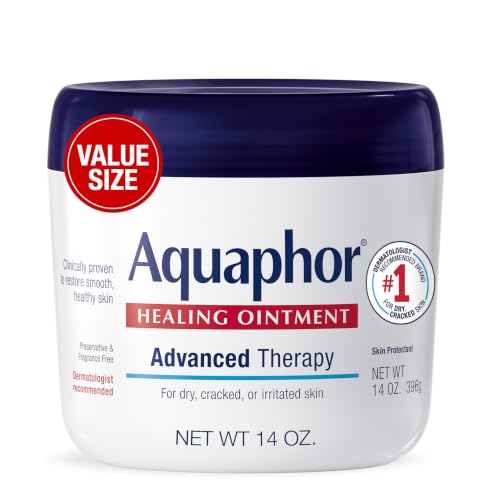
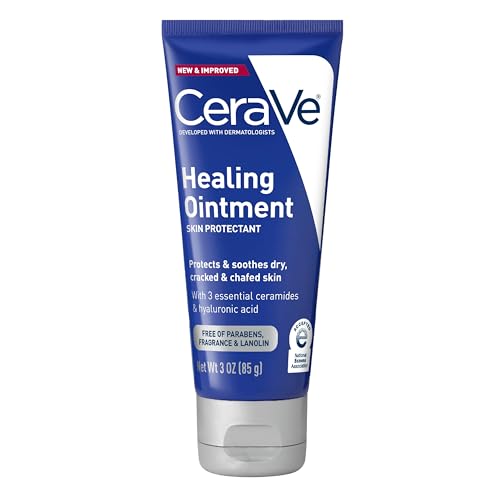
An occlusive balm — petrolatum is the classic one — forms a physical film over the wound. That film holds moisture in and keeps outside irritants out, which is the whole point of a healing cream. A water-based cream feels lighter and spreads farther, but it also evaporates instead of sealing. If your skin is cracked and raw, look at the petrolatum percentage first. Aquaphor lists Petrolatum 41% as its active ingredient, and CeraVe pairs Petrolatum with Hyaluronic Acid plus Ceramides 1, 3, and 6-II for barrier support.
Antibiotic ointments and their active units
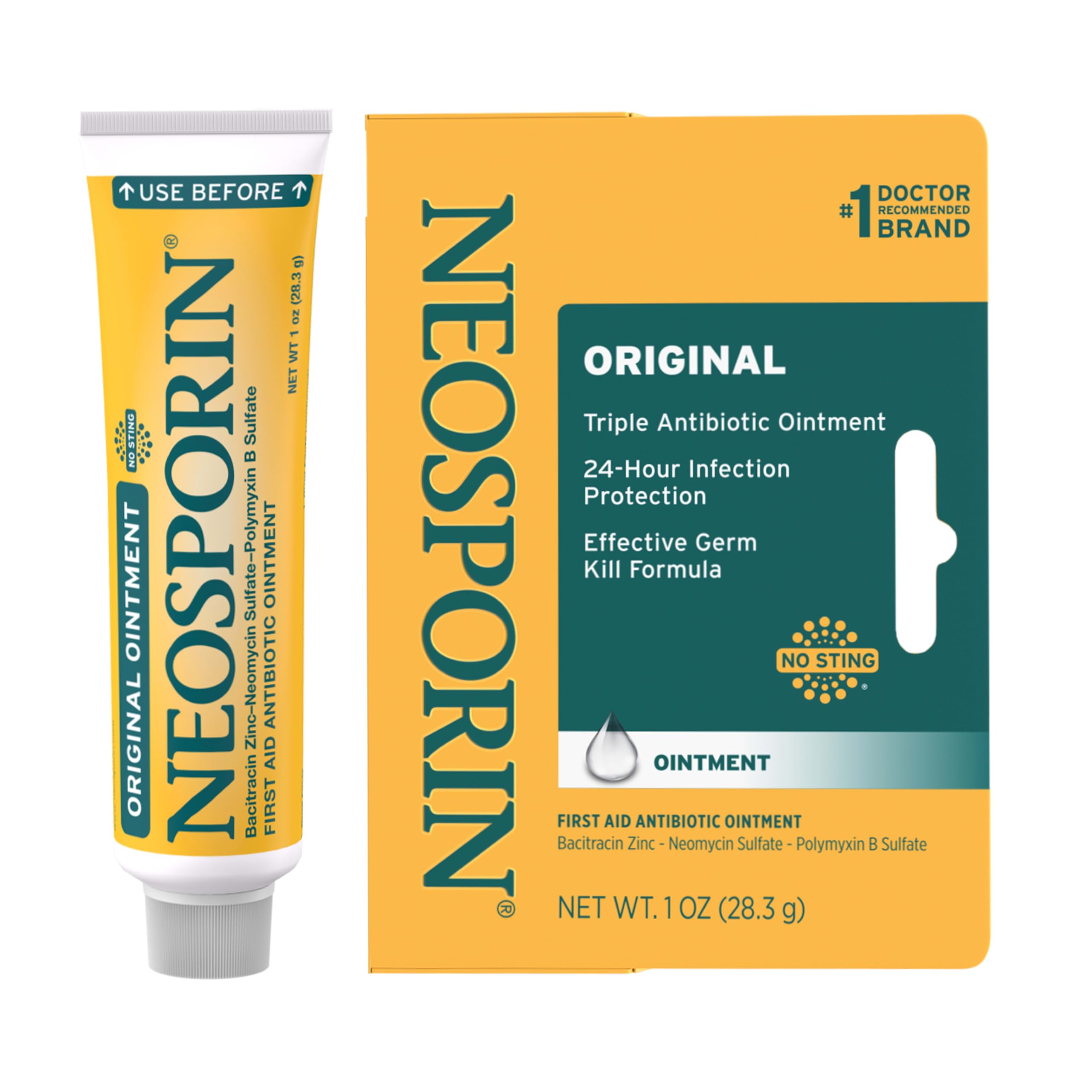
Antibiotic ointments carry real drug actives, and the numbers tell you the strength. Polysporin combines bacitracin zinc at 500 units/gram with polymyxin B sulfate at 10,000 units/gram in a neomycin-free formula. Neosporin Original uses a triple combination of Bacitracin Zinc, Neomycin Sulfate, and Polymyxin B Sulfate. Note that Neosporin contains neomycin, which is the ingredient some users react to, so a neomycin-free option is worth knowing about if your skin is reactive.
Honey, silver, and botanical actives
Not every healing cream relies on petrolatum or antibiotics. First Honey uses Medical Grade Manuka Honey with a low pH and high sugar content. Silver Miracles uses colloidal silver listed at 99.999% pure silver. Boiron leans on Calendula officinalis — garden marigold. Terrasil adds Allantoin with Activated Minerals, and TriDerma builds around Allantoin, Dimethicone, Shea Butter, Colloidal Oat, and its own AP4 Aloe Vera Gel Complex. Each works on a different principle, so match the active to what you are treating.
Side-by-Side Comparison
| Model | Best For | Format & Size | Key Active | Fragrance / Dye | Amazon |
|---|---|---|---|---|---|
| Aquaphor Advanced Therapy Healing Ointment★ Best Overall | Whole-household daily healing | Ointment, 14 oz jar | Petrolatum 41% | Fragrance-free, dye-free, preservative-free | Amazon |
| Polysporin First Aid Antibiotic OintmentBest for First Aid Kits | Cuts that need infection protection | Ointment, 0.5 oz tube | Bacitracin zinc 500 units/gram + polymyxin B sulfate 10,000 units/gram | Not listed | Amazon |
| CeraVe Healing OintmentBest for Sensitive Skin | Eczema-prone and reactive skin | Ointment, 3 oz tube | Petrolatum + Hyaluronic Acid + Ceramides 1, 3, 6-II | Fragrance-free, dye-free, lanolin-free | Amazon |
| Neosporin Original Triple Antibiotic Ointment | Stocking a first aid kit | Ointment, 1 oz tube | Bacitracin Zinc, Neomycin Sulfate, Polymyxin B Sulfate | Not listed | Amazon |
| Boiron Calendula Cream | Irritated, chafed, sunburnt skin | Cream, 2.5 oz tube | Calendula officinalis (garden marigold) plant actives | Free of parabens, dyes, fragrances | Amazon |
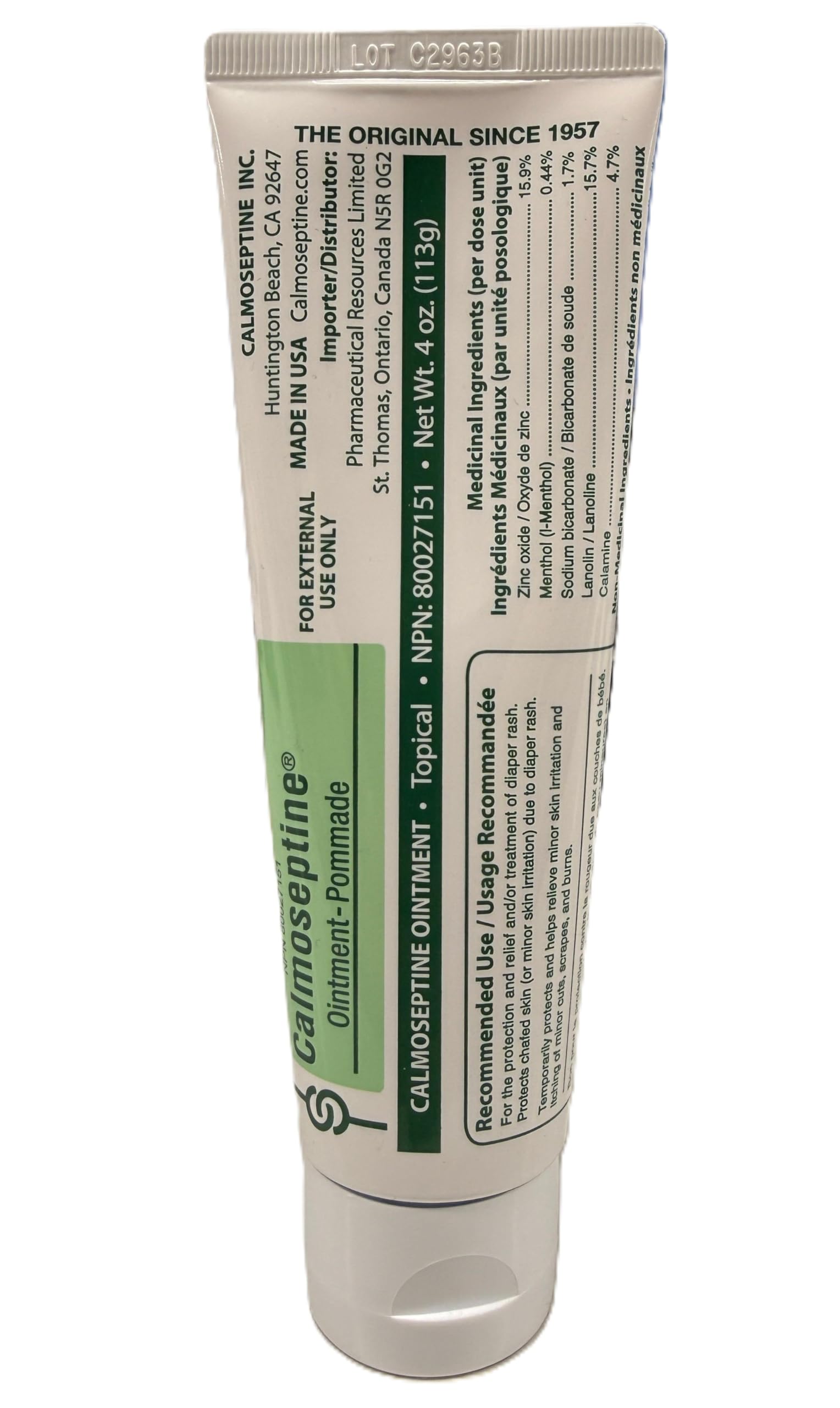
| Calmoseptine Ointment | Rash and broken-skin moisture barrier | Ointment, 4 oz tube | Not listed in source data | Not listed | Amazon |
| First Honey Wound Healing Ointment | Antibiotic-free wound care | Ointment, 1 oz (28.4 g) | 100% active Leptospermum (Medical Grade Manuka Honey) | No artificial antibiotics, no additives | Amazon |
| Silver Miracles Colloidal Silver Gel | Burns and sunburn | Gel, 4 oz jar | Colloidal silver, 99.999% pure silver | No added colors or fragrances, paraben-free | Amazon |
| terrasil Wound Care 3X | Pressure sores and ulcers | Ointment, 0.5 oz tube | Allantoin + Activated Minerals | Paraben-free, alcohol-free, dye-free, fragrance-free | Amazon |
| Globe Triple Antibiotic Ointment 12 Pack | Kitting out multiple first aid kits | Ointment, 12 x 1 oz tubes | Neomycin, Bacitracin, Polymyxin | Not listed | Amazon |
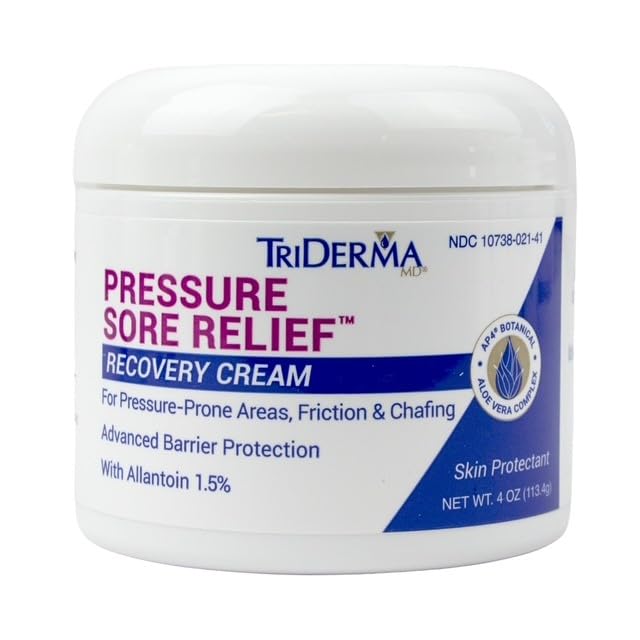
| TriDerma MD Pressure Sore Relief Healing Cream | Bedbound and wheelchair skin care | Cream, 3.99 oz jar | Allantoin + Dimethicone, Shea Butter, Colloidal Oat, AP4 Aloe | Free from fragrance, parabens, steroids, sulfates, mineral oil, phthalates | Amazon |
Detailed Reviews
1. Aquaphor Advanced Therapy Healing Ointment
Our pick — 4.5+★ from 87,500+ verified ratings; the strongest balance of quality and price.
The 14 oz jar that turns one shelf into a whole household’s first aid station.
Start with the number that decides everything: Petrolatum 41%, the waxy active that lays a protective film over a wound so oxygen can still reach it while moisture stays locked in. That film is why this works on dry, cracked skin, minor cuts, burns, and chapped lips without needing a separate product for each. The formula also carries panthenol, glycerin, and bisabolol to soften and calm the skin around the damage.
It is the crowd favorite here at 4.5+ stars across 87,000+ owners, and the sensible reason is the jar itself — 14 fluid ounces in the Value Size package, which is far more product than the 0.5 oz Polysporin tube on this list. If you treat cracked knuckles and heels nightly, that size gap is the whole argument. Step back to the whole shelf and the same pattern holds: 3.6 ounces of CeraVe Healing Ointment versus 0.5 oz of Polysporin is roughly seven times the product, so the barrier-balms here simply outlast the travel-size antibiotic tubes in daily use.
The honest caveat is that this is a plain barrier balm, not an antibiotic. It has no bacteria-killing actives, so a cut that has been in dirt or a wound that looks angry is not what it is for. It is also rich, so a little goes a long way and slathering it on just wastes it.
What earns it the top spot
- Petrolatum 41% forms the protective barrier that keeps a wound moist while it closes
- Enriched with panthenol, glycerin, and bisabolol to soothe the surrounding skin
- Fragrance-free and preservative-free, so reactive skin is not fighting added irritants
- 14 oz Value Size jar means you are not re-buying every few weeks
Where it stops short
- Thick paste texture feels heavy on large areas
- Best used as a barrier and moisturizer, not as infection defence
Reach for this if: you want one big jar that handles dry, cracked, and healing skin day after day for the whole family.
Keep looking if: the wound needs germ-killing power — that is the antibiotic ointments’ job lower down this list.
2. Polysporin First Aid Antibiotic Ointment, 0.5 oz
A neomycin-free antibiotic tube small enough to live in a pocket or a glovebox.
Two actives do the work here, and both come with real units attached: bacitracin zinc at 500 units/gram and polymyxin B sulfate at 10,000 units/gram. What matters for a buyer is the missing third ingredient — this is a neomycin-free formula, so anyone whose skin reacts to neomycin can use a full antibiotic ointment without that ingredient. Apply a small amount to the affected area one to three times daily, then cover with a sterile bandage.
The tube measures 1 x 4.44 x 2.81 inches and weighs 0.71 ounces, so it disappears into a purse, a diaper bag, or a carry-on without a second thought. Effectiveness is what this ointment is really known for, and buyers describe it as a staying-put option that does not sting on application — one long-time user writes that it “helps with cuts and heals faster for some reason.”
Compare it directly with the Neosporin Original further down this list and the split is clean: Polysporin skips neomycin, Neosporin includes it. If your skin has ever turned red or itchy under an antibiotic, that single difference decides which tube you buy.
The one to travel with: at 0.71 ounces and a size that fits flat airline rules, this is the antibiotic ointment that actually leaves the house with you.
Yes for: a compact, neomycin-free antibiotic ointment for cuts, scrapes, and burns.
Not your pick if: you need a large-format balm for cracked heels and daily moisturizing.
3. CeraVe Healing Ointment
Ceramides plus hyaluronic acid in a balm built for skin that flares up.
Where a plain petrolatum balm only seals, this one also rebuilds. The formula pairs Petrolatum and Hyaluronic Acid — the latter a moisture-holding molecule — with Ceramides 1, 3, and 6-II, which are the fat-like components skin uses to keep its own barrier intact. It is non-comedogenic, meaning it is made not to clog pores, and it is lanolin-free and fragrance-free and dye-free for skin that reacts easily.
Buyers who use it on their face are the most specific about the payoff: skin feels smooth by morning with no residue and no breakouts, and a 3 oz tube stretches a long time because a thin layer is enough. One 3 oz tube reportedly lasted around eight months of facial use. The recurring warning is texture — this is a thick, slightly tacky balm, and applying it over a full face can feel like a lot, which is why most people treat it as a night-only step.
That thickness is exactly where it beats a watery lotion for cracked knuckles and heels, and it holds up against the Aquaphor jar above on ingredient count — ceramides and hyaluronic acid versus a pure petrolatum barrier. What it does not have is any antibiotic active, so keep it for protecting and repairing, not for disinfecting.
The acne-prone compromise: non-comedogenic and lanolin-free, so reactive skin gets barrier repair without a new breakout.
Weigh the texture: thick and slightly sticky means a dab goes far, but it wants a night routine, not a lunchtime touch-up.
Best match for: eczema-prone or sensitive skin that needs ceramide barrier support.
Think twice if: you want a light daytime cream you can layer under makeup without residue.
4. Neosporin Original Triple Antibiotic Ointment, 1 oz
The name everybody already knows, at twice the tube size of the travel option.
This is the ointment most households picture when they think of wound care, and the reasons are concrete. It combines Bacitracin Zinc, Neomycin Sulfate, and Polymyxin B Sulfate — a triple antibiotic — and the maker states it kills 99.9% of germs in as little as 15 minutes. HeliDerm Technology is the hydrating side of the formula, keeping the wound environment moist while it heals. The directions are simple: a small amount one to three times daily, then a bandage over the top.
Because it is a name brand, it costs more per ounce than the generic three-tube options, but you are buying the triple-antibiotic formula most households already recognize. The 1 oz tube is double the size of the 0.5 oz Polysporin above, which matters if you are using it on scraped knees every week rather than just carrying it for emergencies.
The one ingredient to know about is neomycin, which some users find irritating. If that is you, Polysporin above skips it. And like every antibiotic here, this is for minor cuts, scrapes, and burns — not for a deep wound that needs medical attention.
Why it earns shelf space: triple-antibiotic coverage, a 1 oz tube, and the reassurance of the most widely recognized name in first aid.
One ingredient to check: neomycin is in the formula, so neomycin-reactive skin should look at the Polysporin above instead.
Stock this if: you want one familiar triple-antibiotic tube that covers a household’s minor cuts and scrapes.
Look elsewhere if: you react to neomycin or you only need a cheap travel-size tube.
5. Boiron Calendula Cream for Skin Irritation Relief

A light calendula cream for chafed, windburned, and sun-stressed skin.
The active story here is a flower. Calendula officinalis, the garden marigold, is a plant whose blossoms have long been used on irritated skin, and this water-based cream leans on those plant actives instead of petrolatum or antibiotics. It is a soothing, moisturizing cream that spreads smoothly over large areas and the face — useful for rough elbows and knees, or as a night cream after exfoliation.
The clean formula is a real draw for irritated skin: free of parabens, dyes, and fragrances, and made with blossoms that the brand describes as hand-picked from the French countryside and untouched by pesticides or fertilizers. Buyers report fast calming on redness and itching, with some describing visible improvement within a day or two on stubborn hand and finger rashes. It is also gentle enough to layer — one shopper calls it a little tube of “mom knows best” that layers well under sunscreen.
Where it falls short of the heavy balms is moisture. This is a light cream, not an occlusive seal — more than one buyer notes it is not very moisturizing on very dry skin, and some find the texture tacky. If you are treating a deep crack or a draining wound, you want the Aquaphor jar or the CeraVe tube above instead.
Where the botanicals win: calendula actives with no parabens, dyes, or fragrances calm chafing, sunburn, and itchy irritation without a heavy film.
Where it lands light: it is a cream, not a seal, so very dry or cracked skin needs the occlusive balms above.
Made for: itchy, red, chafed, or sunburnt skin that wants a light plant-based cream.
Not enough for: a deep crack or a wound that needs a protective barrier overnight.
6. Calmoseptine Ointment
A thick paste that stays put on skin too raw for a light cream.
The defining trait here is thickness, and this time it is a feature. Calmoseptine is a heavy paste that sits on broken, angry skin as a moisture barrier — the kind of coverage you want on diaper rash, heat rash, chafing, and insect bites where a watery cream would just slide off. The formula is made in the United States, and the 4 oz tube is the largest barrier format on this list.
Users turn to it when gentler options have failed. The most striking reports come from parents dealing with severe diaper rash, where the paste clears redness overnight after bath-time application — one buyer says it helps with “the worst diaper rashes, clearing up redness with just 2 uses.” A little goes far because the consistency is so dense, so the tube lasts a long time.
Note that thickness also draws mixed feedback: some users find it heavy and hard to spread. That is the trade-off of a paste this sealing — it buys staying power at the cost of a light feel, and it is not the pick if you want a cream you can rub in quickly and forget.
Why it seals the deal
- Heavy paste texture stays on the skin as a real moisture barrier that resists rubbing off
- Soothes on contact and calms redness and discomfort quickly
- Large 4 oz tube means it lasts a long time for regular use
- Handles diaper rash, heat rash, chafing, and insect bites with one product
What to expect going in
- Very thick and heavy, which some users find excessive
- Not a cream you can apply lightly — it wants a thin layer spread with effort
- Best for broken or treated skin, not for everyday moisturizing
Ideal when: skin is raw enough that a light cream will not stay on the spot.
Not the one for: quick, lightweight daily moisturizing where texture matters.
7. First Honey Wound Healing Ointment

Sterile manuka honey in an ointment, for buyers who want to avoid artificial antibiotics.
The active here is 100% active Leptospermum — the plant behind Manuka Honey — used in its sterile, medical-grade form. The way it works is different from petrolatum or antibiotics: the honey’s high viscosity creates a moist protective barrier, while its naturally low pH level and high sugar content support the wound-healing process. The brand makes the ointment in an ISO 13485 certified facility and describes the farms as monofloral, meaning the bees collect from a single plant source.
That natural-first positioning is exactly why some buyers choose it. The story that repeats across the reviews is serious wound care at home — burns, road rash, and bed sores where someone wanted to skip artificial antibiotics. Buyers with sensitive skin to insect bites also report the wound healing quickly with a couple of applications. What wins people over is the effectiveness on stubborn wounds; the thing to know is the texture.
Texture is where this divides opinion. Manuka honey is sticky, and the recurring gripe is that it sticks to bandages and takes patience to apply. It is better for spots you can cover and leave, not for quick touch-ups. Also worth knowing: it costs more per ounce than the petrolatum balms, because you are paying for the honey itself.
The natural route: sterile manuka honey with no artificial antibiotics, for buyers who prefer plant-derived actives.
Go slow if: sticky texture bothers you — manuka honey clings to dressings and needs care to apply.
Pick this when: you want antibiotic-free wound care for burns, abrasions, and covered healing.
Pass if: you want a smooth balm that never sticks to a bandage.
8. Silver Miracles Colloidal Silver Gel

A cooling silver gel built for burns, sunburn, and hot, irritated skin.
This is a gel, not an ointment, and that distinction is the point. Where the balms on this list seal and coat, this one is designed to absorb in and cool — soothing burns, sunburns, and irritated skin while promoting healing. The active is colloidal silver made from silver listed as 99.999% pure, converted to a gel that can range from clear to a light amber colour depending on the batch. It is free of added colours and fragrances and paraben-free, so it suits sensitive skin.
Burns are the standout case. Owners mention this gel handling everything from cooking burns to sunburn and scalds, with skin feeling cool on contact and redness easing over days. The texture gets praise too — users describe it as satiny smooth and lightweight, absorbing quickly without leaving a sticky layer. It is also unscented, which matters on a burn where fragrance is the last thing you want.
Two honest notes. The gel is thinner than an ointment, so on a draining or deep wound it will not hold a barrier the way Calmoseptine or Aquaphor does. And because silver is a mineral active, this is for external use on minor burns and irritated skin, not a substitute for medical care on anything serious.
The burn specialist: a cooling, unscented silver gel that absorbs fast on burns and sunburn, where thick balms can feel suffocating.
Where it loses: as a gel, it will not lock in moisture over a deep or draining wound like a true occlusive balm.
Best for: burns, sunburn, and hot, irritated skin that wants a cool, non-greasy gel.
Skip for: deep wounds that need a thick protective barrier instead of a light gel.
9. terrasil Wound Care 3X Healing Ointment, Bed Sores, 0.5oz

A concentrated ointment aimed at bed sores, ulcers, and slow-healing wounds.
Terrasil takes on the toughest category on this list: wounds that are not closing. The formula is built around Allantoin with the brand’s Activated Minerals, supported by Jojoba Oil and Calendula to moisturize damaged skin and calm itching, burning, and soreness. It is paraben-free, alcohol-free, dye-free, and fragrance-free, and the brand states it is dermatologist tested and hypoallergenic. It is designed to apply without the sting that other products have — a nice touch on already-sore skin.
The 0.5 oz tube is small, so this is a targeted product, not a family bulk buy. It goes on up to three times daily after cleaning the area with a mild soap, and can be covered with a bandage. Users report it supporting new tissue growth on slow-healing surgical wounds and improving fragile skin in elderly patients, and the formula suits sensitive skin on both adults and kids.
Two things to weigh. The small 0.5 oz size means you will repurchase more often than with a jar. And the texture is concentrated — a thin layer is the intent, so use less than you think, or you will run through the tube quickly.
Built for stubborn wounds: Allantoin plus Activated Minerals with Jojoba and Calendula, made to support slow-healing pressure sores and ulcers.
Size to plan around: only 0.5 oz, so a twice-daily routine will empty it fast — buy accordingly.
Made for: bed sores, ulcers, and slow-healing wounds that need a concentrated, gentle ointment.
Look elsewhere if: you want a large-format balm for general daily use.
10. Globe Triple Antibiotic Ointment

The 12-for-one-stash pack that keeps a whole home supplied in antibiotic ointment.
If you have a first aid kit in the car, one in the bathroom, and one in a bag, this is the buy that fills all of them. The pack includes 12 individual 1 oz tubes, giving you a total of 12 oz of product — far more than any single tube on this list. Each tube uses neomycin, bacitracin, and polymyxin, the same neomycin, bacitracin, and polymyxin formula as the name-brand tubes, made to the same pharmaceutical manufacturing standard with an NDC.
The trade-off is that this is a generic rather than a name brand, so a shopper who insists on the original formula will want the name-brand tube above instead. For anyone who just wants the antibiotic coverage in a format that reaches every kit, the bulk pack covers more ground.
Why volume wins: 12 tubes of 1 oz is a home’s worth of antibiotic ointment, so no single kit goes without.
The honest limit: it is a generic formula, so name-brand loyalists should look at the single tubes above.
Great for: stocking several first aid kits, cars, travel bags, and the medicine cabinet all at once.
Overkill if: you only need one tube and want the recognizable name brand.
11. TriDerma MD Pressure Sore Relief Healing Cream
A caregiver’s cream for keeping fragile skin from breaking down further.
This one is built for a specific, demanding situation: skin that spends hours against a mattress, a cushion, or a prosthetic. TriDerma pairs two skin protectants — Allantoin and Dimethicone — with Shea Butter, Colloidal Oat, essential botanicals, and vitamins A and D. The base is the brand’s own AP4 Aloe Vera Gel Complex. It is a non-greasy ointment that absorbs quickly, which is the part that matters most: it can be worked into the skin and covered with a bed sore cushion or mattress routine without turning slippery.
It is safe for sensitive skin — no fragrance, parabens, steroids, sulfates, mineral oil, or phthalates — and the brand is a US-made, women-owned company that has been making skincare since 1992. It is also FSA and HSA eligible. Caregivers and home health users are the target for a reason: the cream handles pressure sores, ulcers, bed sores, and chafing on fragile skin, and the results are the kind buyers write in about, like that pressure sore standing-in improvement within a few days.
The honest catch is format. It is a 3.99 oz jar of a fairly expensive cream, and on intact skin you get more value from a plain balm. Save this for the fragile, high-risk skin that actually needs it, and use the Aquaphor or CeraVe above for routine moisturizing.
The caregiver’s pick: Allantoin and Dimethicone with Shea Butter, Colloidal Oat, and AP4 Aloe, in a quick-absorbing cream made for at-risk skin.
Where to spend carefully: this is a premium cream for fragile skin, so keep it to the spots that need protection, not general moisturizing.
Chosen for: wheelchair users, bedbound patients, and caregivers managing fragile, easily-broken skin.
Reserve it if: your skin is intact and a simpler balm would do the daily job.
Know the Specs
Occlusive vs. Antibiotic vs. Active Ingredient
The three families on this list do different jobs, so read the active before you buy. Occlusive balms like Aquaphor (Petrolatum 41%) and CeraVe (Petrolatum plus Hyaluronic Acid and Ceramides) protect and moisturize — they seal a wound and hold moisture in. Antibiotic ointments like Polysporin (bacitracin zinc 500 units/gram, polymyxin B sulfate 10,000 units/gram), Neosporin, and the Globe triple-antibiotic tubes add germ-killing actives. And a third group — manuka honey, colloidal silver, calendula — relies on other actives entirely. Match the family to the wound: barrier for dry and healing skin, antibiotic for possibly-contaminated cuts, active ingredients for burns, scars, and stubborn sores.
Format, Texture, and Coverage
Format changes where a product works. A jar like Aquaphor’s 14 oz Value Size is a household supply for daily full-body use, while a 0.5 oz tube like Polysporin or terrasil is a targeted, portable option you keep on hand. Gel versus ointment matters too: colloidal silver gel absorbs and cools, which suits burns, while a thick paste like Calmoseptine stays put on broken, weeping skin. Texture is the quiet decider — the balms and pastes seal better but feel heavy, the creams and gels spread lighter but hold less. Pick the texture your skin will tolerate, because a wound care you apply consistently is the one that helps.
Common Questions
Should I use an antibiotic ointment or a plain healing balm on a cut?
Does CeraVe Healing Ointment clog pores on the face?
How often should I apply a wound healing cream to a cut or scrape?
What is the difference between Polysporin and Neosporin?
Can I use a barrier balm on a burn?
Will First Honey manuka ointment stick to a bandage?
Which cream is best for a bed sore or pressure sore?
How long does a 14 oz jar of healing ointment last?
Can I use a calendula cream on broken skin?
Are these creams eligible for FSA or HSA spending?
The Bottom Line
For most people, the winner in the cream for healing wounds category is the Aquaphor Advanced Therapy Healing Ointment because its Petrolatum 41% barrier handles dry, cracked, and healing skin in one big 14 oz jar, and it carries the highest rating here at 4.5+ stars across 87,000+ owners. If the wound may have picked up germs, add an antibiotic: the Polysporin First Aid Antibiotic Ointment for a neomycin-free tube you can carry anywhere, or the Neosporin Original for the familiar triple-antibiotic formula. And if you are caring for fragile, bedbound skin, the TriDerma MD Pressure Sore Relief Healing Cream is the one to reach for.
How we choose
We do not accept paid placement. Every pick is matched to a real buyer and a real use-case; we do not hands-on test units.
Sources
Specifications: manufacturer listings and product documentation. Review insights: verified customer reviews, as of October 2026. Pricing: not shown on this page (it changes often); check the current price via the retailer link.
As an Amazon Associate, Aappliancez earns from qualifying purchases. This does not affect which products we feature.