Disclosure: Some links in this post are affiliate links. As an Amazon Associate I earn from qualifying purchases, at no extra cost to you. Learn more
Specs are compiled from manufacturer listings and verified buyer reviews and can change over time — please confirm the key details on the product page before buying.
Your kid is heading the ball again next practice, and you want something that stays on their head and softens the knock. A good soccer concussion headband is a thin padded band that sits low across the forehead and around the back of the skull. The right one stays on for a full match instead of ending up in the bag by halftime. The wrong one ends up in a bag by halftime. Here are the real differences between seven of them.
This guide is built by comparing the manufacturers’ published specifications and the patterns across verified customer reviews, so you get each pick’s real strengths and trade-offs instead of marketing spin.
You will see how much skull each band covers, how the padding is held in place, and how sizing works before you commit. Those three specs — coverage, padding retention and sizing — decide whether the band stays on your player’s head.
Top Picks

How To Choose The Best Concussion Headband for Soccer
Start with the tape measure, not the product page. Headgear only softens an impact when it sits snug and stays where you put it. So the first job is measuring your player’s head circumference — a loop all the way around, just above the eyebrows and below the hairline. A string works if you do not own a tailor’s tape. Every sizing chart in this category is built on that number.
Get the size right before anything else
A too-loose band slides backward on a sprint and leaves the temples exposed. A too-tight band squeezes and gets pulled off at halftime. Note which zone of the head each band protects — some designs pad the temples and the base of the skull but leave the crown open, which matters if your player takes knocks on top of the head. Check the listed size range against your measurement and pick the fit that matches.
Know what the padding actually is
Most soccer headbands use a thin closed-cell foam, and a few layer in coated aramid fabric or a soft-shell material that stays flexible until impact. Thickness runs around 6mm on the slimmest models. Thicker foam generally means more cushioning and more heat, so the trade you are making is comfort against bulk. If your player refuses to wear anything that looks unusual, a low-profile band that resembles a normal workout headband is more likely to stay on for a full match.
Confirm it is legal for your league
Soccer headgear has to meet FIFA Law 4 to be worn in a sanctioned match, and some models also carry ASTM testing and NFHS compliance for school play. That matters for high school and club soccer. Soft-shell scrum caps built for rugby and flag football carry different limits and are often not legal for soccer headers, so read the label before you buy for a goalkeeper or a field player.
Side-by-Side Comparison
| Model | Best For | Weight | Coverage | Sizes / Fit | Amazon |
|---|---|---|---|---|---|
| Unequal Halo 3★ Best Overall | Everyday practices and headers | 2 oz | 360-degree, 6mm thin | Size 1 and Size 2 by circumference | Amazon |
| Surlim Soft Shell HelmetMost Versatile | Flag football and rugby scrum | 130 g | Multi-panel EVA padding | L only, 21–23 inch head | Amazon |
| ForceField FF Ultra | Multi-sport fall protection | 2.56 ounces | Front and side band | Adjustable strap, 14 years and up | Amazon |
| ImpactRx Head Guard | Slim band for multi-sport play | — | 360-degree coverage | Small band size | Amazon |
| Storelli ExoShield | Match-legal club soccer | 3.2 ounces | 360-degree, 9mm front and 12mm back | Sizes 1 to 6 | Amazon |
| Full90 Premier Performance | Goalkeepers and young field players | 0.12 kg | Expanded occipital coverage | Adjustable Truefit System | Amazon |
| Gamebreaker Aura | Unisex youth and adult multi-sport | — | Low-profile soft shell | Medium-Large plus other sizes | Amazon |
Detailed Reviews
1. Unequal Halo 3 Protective Headgear
Our pick — 4.5+★ from 450+ verified ratings; the strongest balance of quality and price.
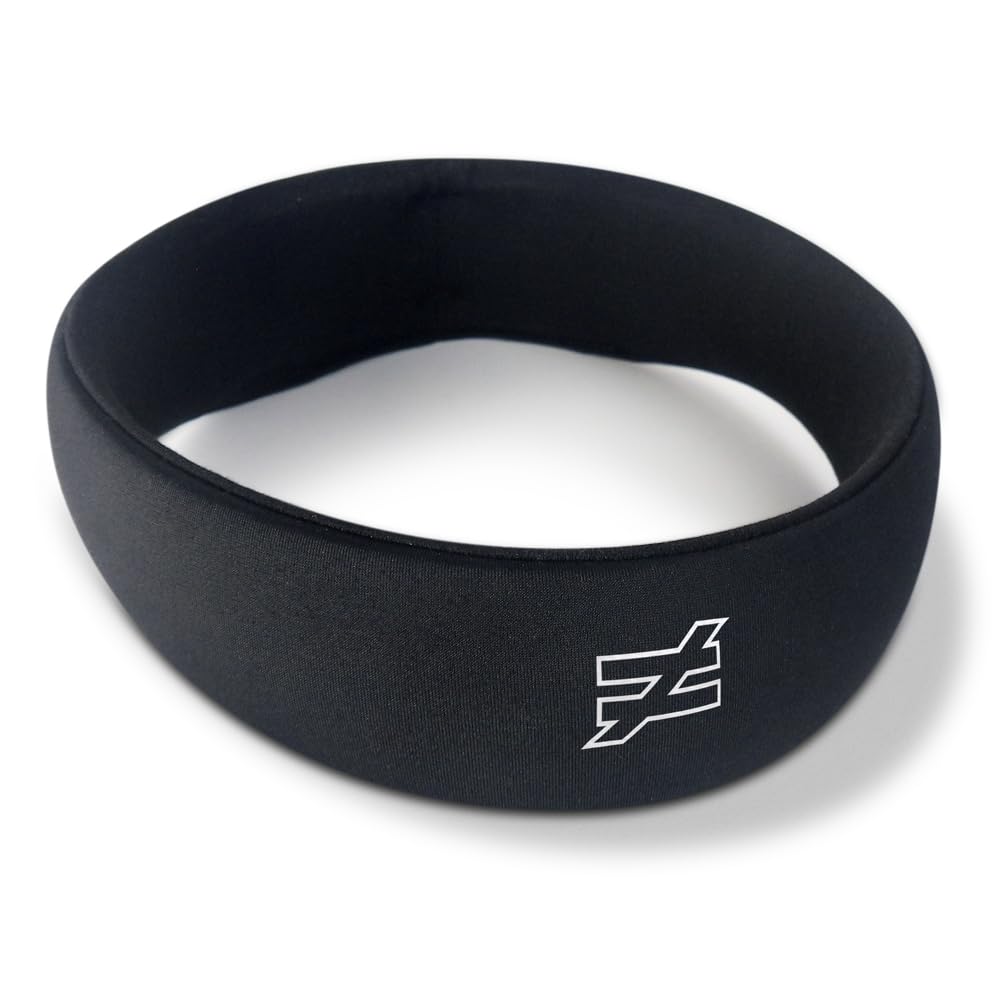
Two ounces of military-grade padding that covers the whole circumference and looks like a plain headband.
The Unequal Halo 3 is the clearest answer in this category because it pairs a genuinely slim build with full wrap-around padding. At 2 ounces it is the lightest band on this list, and the shell runs about 6mm thin, so the head stays cool and the profile stays low. That matters most during team drills, where players take repeated falls and headers and a bulky cap gets pulled off. The build layers a coated aramid fabric for impact dispersion over Unequal’s Airilon memory foam, and the composite is described as military-grade and patented. In soccer, the company says players report it does not change ball rebound speed or direction, which is the concern that stops a lot of kids from heading the ball properly. It holds 4.5+ stars across 4,000+ owners.
At 2 ounces it feels like a sweatband, not a helmet. Compare it with the ForceField FF Ultra at 2.56 ounces: the Halo 3 keeps the same wear-without-noticing feel while wrapping padding the whole way around instead of across a single band. The sizing is where you need to slow down. There are only two sizes. Size 1 covers a head from 19 to 21 inches, and Size 2 covers 21.5 inches up through 23 inches and beyond. The lower end of each range is the more relaxed fit. A buyer who needed protection after brain surgery put it this way: the one complaint is that it runs small. Measuring at the top of Size 1 and the bottom of Size 2, the smaller size was the tighter, non-slip pick. But ask for a size up if you want breathing room.
The honest limits are simple. Players notice a firm squeeze at first, and the foam softens as it takes on sweat, so the first ten minutes feel different from the last ten. One parent of a teenage goalkeeper found it tight enough to be worth pulling off at halftime. Neither is a reason to pass — it is a reason to measure carefully and pick the size that sits snug rather than crushed. Buyers praise the 360-degree coverage and the fact that it reads as a headband, not headgear.
What earns its place at the top
- 360-degree coverage in a 6mm-thin shell that still feels like a normal headband
- Lightest build in this lineup at 2 ounces, so it does not slide or overwhelm a young player
- Treated foam absorbs and deflects strike force while the surrounding fabric helps spread the hit
- FIFA Law 4 compliant and rated for use in soccer, lacrosse, field hockey, flag football and volleyball
Where you should measure twice
- Only two sizes, so a head that lands between ranges has to choose tighter or roomier
- The foam starts firm against the skin and only eases once sweat works in
- It cushions knocks but cannot stop every impact from turning a head
Made for: the soccer family who wants thin, all-around padding their player will forget about by second practice.
Do not buy blind: grab the tailor’s tape first — the sizing is the one place this band goes wrong.
2. Surlim Soft Shell Flag Football Helmet
A multi-panel scrum cap built for flag football and rugby contact, not a soccer headband with extra padding.
If your player splits time between flag football, 7v7 and rugby practice, this is the padded cap that covers more of the skull than a headband does. Flexible EVA foam panels sit around the key areas, and the whole cap comes in at 130 grams, so it stays light enough for running, passing and drills. Ventilation holes run across the top and sides to let heat and moisture out, and the rear laces plus chin strap let you tighten the fit so it does not shift during quick cuts.
Quality is what wins people over here — it is the most-praised trait in this product’s reviews, with fit close behind. The reviews back that up in plain terms: “does the job, great fit,” and a durability comment about it holding up well. What is genuinely useful is the real-world proof: a high school girls’ travel rugby player wore it through an 800-mile tournament and was satisfied with it mid-season. The cap was easy to clean and dry, and it held up to that schedule.
Here is the trap. This is a soft-shell cap, not a soccer concussion headband, and it is sized Large only for a 21 to 23 inch head circumference. It is also not a hard-shell tackle helmet and should not replace equipment your league requires. A four-star review described it as thin and flimsy with a stiff, scratchy chin strap, adequate for recreational senior rugby. That is the honest trade for a low-profile cap. If your player needs padding against head-to-head contact in a non-tackle sport, this fits. If you need legal soccer headgear for a sanctioned match, look at the Storelli or Full90 picks instead.
Best fit: adults and teens playing flag football, 7v7 or rugby scrum who want panels around the head without a hard shell.
Skip if: you are buying for a soccer goalkeeper who needs FIFA Law 4 compliance, or for a child whose head measures under 21 inches.
Reach for it when: the sport involves wrapping up and going to the ground, and you want vented panels over the ears.
Think twice if: you need a cap listed as legal headgear for a school soccer league — this one is not built for that role.
3. ForceField FF Ultra Protective Headgear

A lightweight adjustable band for falls and collisions in skating, soccer and tennis — as long as your head shape agrees with it.
The ForceField FF Ultra is the lightest of the two adjustable bands in this group, at 2.56 ounces. That is a hair heavier than the Halo 3 but well under the bulk of a padded cap, so it wears for longer sessions without feeling like a helmet. The royal blue band uses foam padding with an adjustable strap, and it is built for ages 14 and up. It is designed for a range of sports, and it does the job best where falls and knocks are the risk rather than repeated headers.
What people love about it is the look — it is the most-praised trait by a wide margin, with head protection second. A band that looks like a normal sweatband gets worn; a bulky one stays in the bag. One parent bought a pair for kids aged 7 and 9 in soccer after a friend’s son died from concussions. That parent reported the kids resisted at first and then loved them — easy to adjust, comfortable, and looking like regular sweatbands. Another buyer with a large head and a seizure condition called it the best fit after trying many styles. That buyer noted it was machine washable in a laundry bag and dried quickly. A third, in tennis, wanted a reasonable solution against falling on court and found it worked.
The catch is the fit. The shape does not agree with every head, and the size you order can arrive smaller than the listing suggests — one buyer returned the small and reordered a larger size. The foam also feels stiff at first and needs time to soften. The brand itself has been consistent over years, with one happy buyer noting the same quality across four purchased between 2018 and 2021. If your player has a large head or wants adjustability, this is worth trying; if the first fit feels off, exchange rather than force it.
Solid pick for: skaters, tennis players and soccer players who want foam padding with a strap they can tighten, in sizes for ages 14 and up.
Honest caveat: fit is the recurring gripe, so expect to try a size and swap if the shape does not sit right on your player’s head.
Worth a try: if you want light, adjustable padding for fall protection across several sports.
Try somewhere else: if you need precise sizing on the first order — this one often needs an exchange.
4. ImpactRx Head Guard
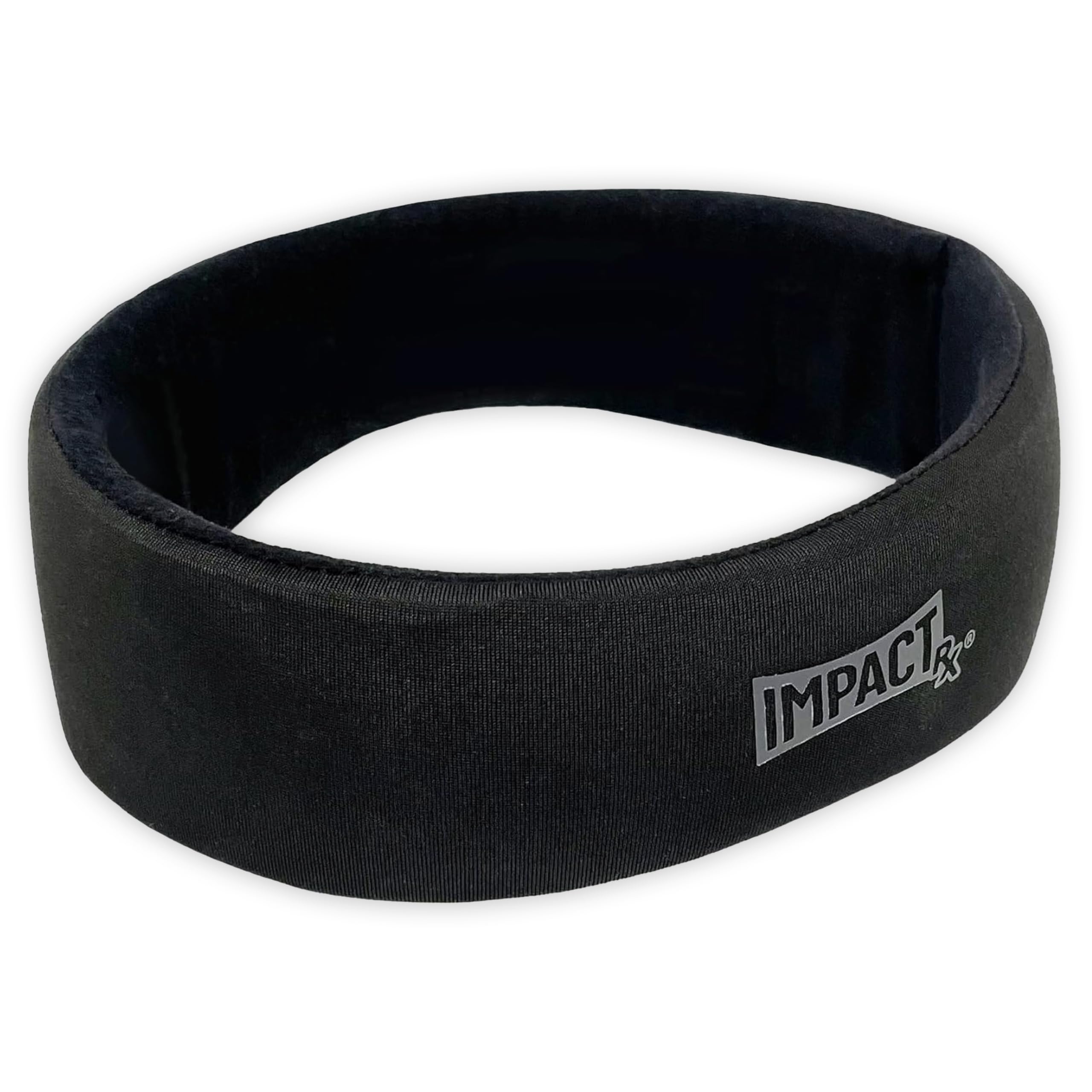
A low-profile foam band for the player who wants multi-sport coverage without a thick cap on their head.
Some players will wear a thin band and refuse a bulky one, and the ImpactRx Head Guard is built for that player. It wraps 360 degrees around the head, uses a soft foam that firms up on impact, and covers the surface with a moisture-wicking, breathable fabric to keep the head cooler through running and drills. One parent put it up against a name-brand head guard and found this one worked just as well. Her daughter actually preferred it because it was not quite as thick. An adult ice skater said it gave the same confidence against backward falls as a thick beanie, without the whole-head sweating.
There is a real footnote on sizing. The band comes in a small size, and one user with a 55cm head circumference found the medium too tight with no way to adjust it. The foam is thick enough to get sweaty, and it is hand-wash only, which is inconvenient compared with a band you can toss in the machine. A few buyers felt it should cost less. None of those points are dealbreakers for a player who wants slim padding, but they are the reason to check your measurement before you click buy.
Where it shines: on a player who wants a barely-there band for soccer, skating or field hockey and hates the feel of a cap.
Worth knowing: there is no adjustability here and the fit runs snug, so measure your head and size accordingly.
Go for this if: you want a thin, breathable 360-degree band your player will tolerate for a full session.
Pass if: you need an adjustable fit or a machine-washable band, since this one is fixed-size and hand-wash only.
5. Storelli ExoShield Soccer Head Guard
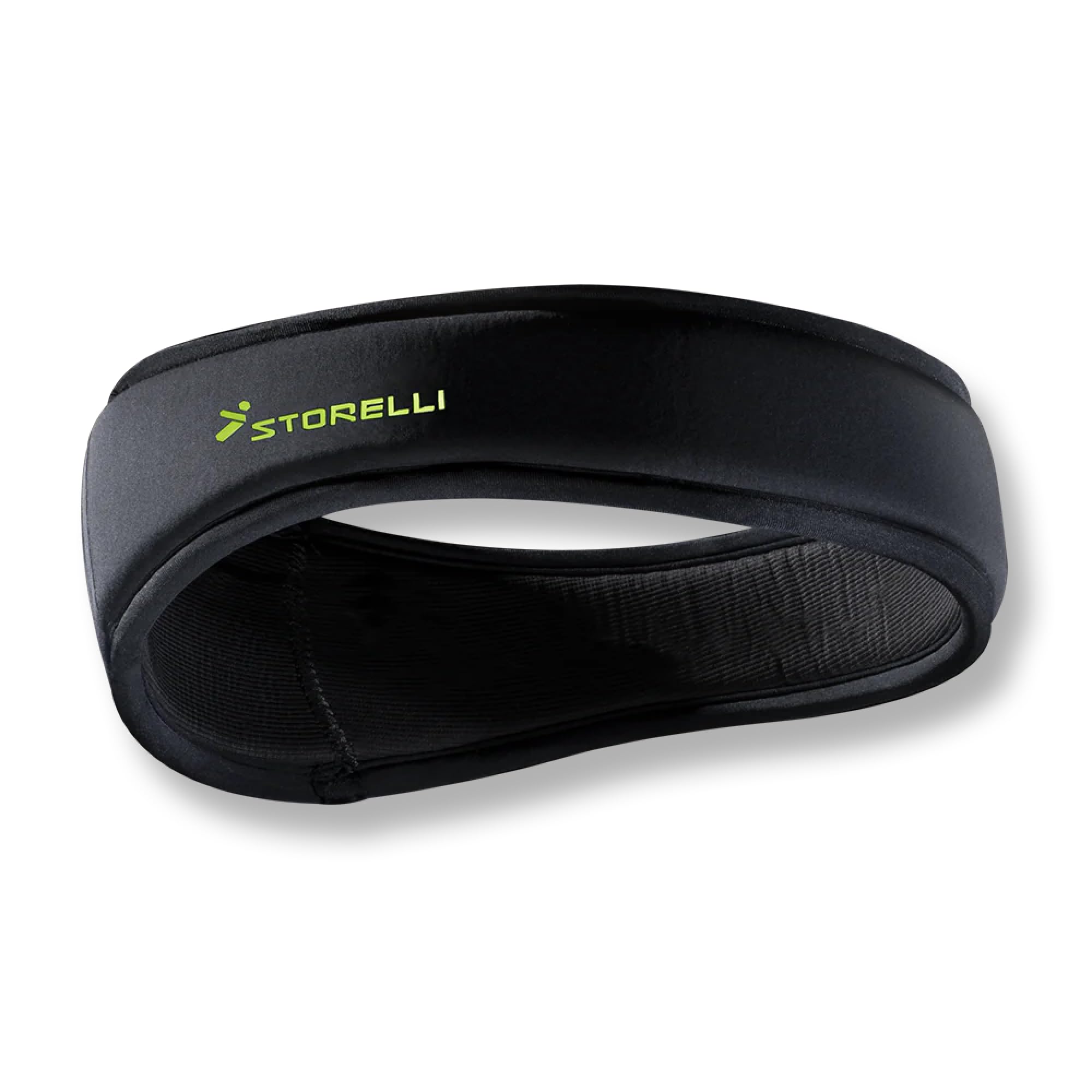
The headband built to survive a referee’s rule check, with thicker padding at the back of the skull than a basic band.
For a goalkeeper or a club player in a sanctioned league, legality is the whole game, and the Storelli ExoShield clears that bar. It is independently tested to ASTM performance standards, meets FIFA Law 4 and NFHS rules for soccer play, and is rated 5 stars by Helmet Lab. That back-of-head thickness protects the nape, which is exactly where a fall on the pitch tends to land. The material is Team Wendy Zorbium foam, the same impact foam the company says is used in U.S. Army, Navy and Marine Corps helmets.
Fit is the trait that gets praised most here, and head protection sits right behind it. The band adjusts for a secure 360-degree fit and stays put through full matches, and it has a Velcro expandable band that one family said fit when other head guards did not. It goes over long hair and ponytails without a fight, and comes in sizes 1 through 6, so measure the head circumference and follow the chart. A figure skater used hers for a month and found it snug enough to stay in place through a fall and look like a workout headband. Parents report their kids forget they are wearing it.
The honest caveat is that the fit varies with how much sweat is in the foam. One player found it tight when first put on — uncomfortable — and then loose enough after wear to slide, needing readjustment during a game. That is a same-owner experience, not a guarantee it happens to everyone, but it is worth knowing for a player with long thin hair. Keep your measurement accurate and choose the size that matches, not one larger to be safe. That is how this band earns its place for anyone playing under league rules.
Why it fits a league player
- ASTM tested, FIFA Law 4 and NFHS compliant — legal for club and school soccer
- 9mm front and 12mm back foam built to cut G-forces to the head
- Adjustable Velcro band with full 360-degree coverage that accommodates ponytails
- Available in sizes 1 to 6 so the fit can match your measurement
What to plan for
- The fit shifts as the foam takes on sweat and can need readjustment
- The thicker back padding adds weight versus a slim headband
- Size gaps on the chart mean an in-between head may want to try two sizes
Pick it for: goalkeepers, defenders and any player whose league actually checks headgear.
Avoid it if: your player has a very slim head and long hair — the fit can drift once the foam warms up.
6. Full90 Sports Premier Performance Soccer Headgear
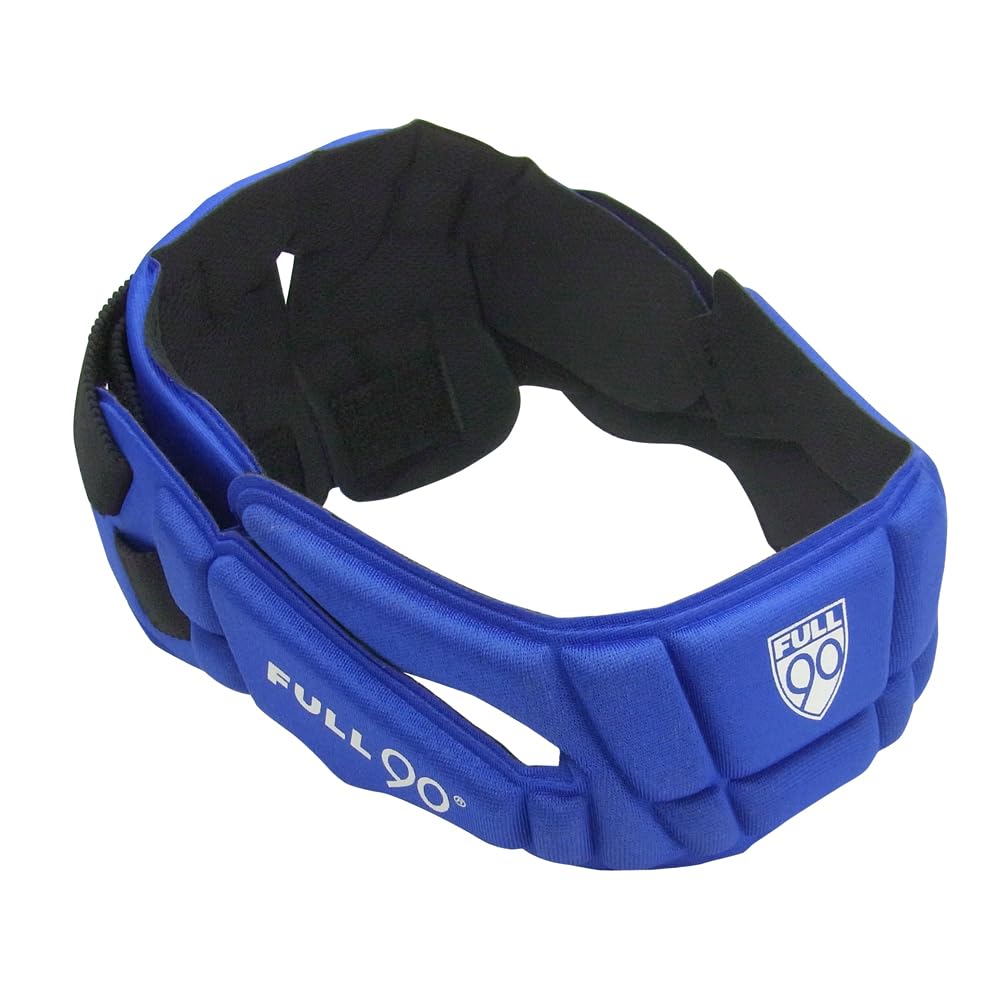
The most adjustable headband in the lineup, with a Truefit system and expanded coverage at the back of the head.
When you want a band that can be tuned to your player instead of ordered to a fixed size, the Full90 Premier Performance is the one to look at. The Truefit System uses adjustable Velcro straps, so it tightens and loosens without a fixed measurement, and it is built to expand the coverage at the base of the skull, where falls tend to land. Forcebloc impact foam is meant to cut the forces from collisions and head-to-head contact, and the ventilated design channels airflow to keep a player cool. The moisture-wicking liner manages sweat during a full match.
What everyone raves about is the protection — it is the trait buyers praise most, with functionality close behind. One coach made headguards mandatory for keepers after a girl left the field on a backboard from a point-blank forehead shot and was out eight weeks. Another keeper hit a post and shook it off while wearing one. A parent with a personal traumatic brain injury bought guards for sons aged 7 and 16: the 16-year-old refused out of embarrassment, but the 7-year-old (U9) will not play without it, and his teammates started buying them too. The size S/M fit a 7.5-year-old well, and heading the ball felt no more uncomfortable with no loss of speed, distance or aim.
The fit is where you need patience. It is the most-discussed issue in this product’s reviews and the verdict is mixed, not praise. It takes some adjusting to get right, and managing long hair under it needs multiple hairbands — one mom noted the ponytail port helps but is tricky. A 7.5-year-old’s guard was comfortable; the same band on an older player can feel awkward at first. Several buyers wanted more foam depth and density. That is the honest read: it softens the knocks it covers, but it does not cover everything, and no padded band can prevent a concussion.
The appeal: adjustable Velcro fit that adapts to a growing player, a moisture-wicking liner, and removable colors that families use to match a uniform.
The honest limit: coverage comes down over the crown, so more padding and more adjusting may be needed to keep it sitting where your player needs it.
Ideal for: families who want a known brand with an adjustable fit and a design that kids actually leave on.
Not ideal for: players who need maximum crown coverage — this band is designed for the headband zones, not the top of the head.
7. Gamebreaker Aura Protective Headband

A soft-shell headband using D3O — a material that stays flexible until impact — plus third-party testing and a Quick-Wick liner.
The Gamebreaker Aura is the pick for a player who wants a soft shell that stays flexible and light during play. The D3O material is the headline here: it feels soft and thin on the head and is designed to firm up when it takes a hit. It comes in a low-profile design with an integrated retention system and flexible stretch construction so the band holds its position during fast cuts. Quick-Wick fabric moves moisture off the skin, and a slim headband profile keeps peripheral vision clear. The maker says it has been evaluated by a recognized third-party program across multiple impact scenarios, which matters when you compare it with bands that only list a foam thickness.
Comfort is where it lands with owners. Parents describe the feel and fit as the thing their kids like about it. One buyer called it the best purchase they had made because it kept their girl safe and gave them confidence. A daughter found it comfortable for the duration of play. Another user fell on their head skating, hit hard enough to crack the ice, and came away without the welt they expected — the band absorbed that one. It is also machine washable, which is rarer than it should be in this category.
The catch is that it is not the most adjustable band in this lineup, and it runs bulky on smaller heads. One parent found it made their son feel self-conscious because it looked big. A buyer who ordered the smallest size for a five-year-old found it too small and could not return it, so confirm sizing before you commit. Another found it less polished than the photo, with foam that felt cut into the face and slipped in the back. Those points are worth weighing against the profile you are actually after — a soft, low-profile shell versus a thin band that hides under hair.
Why buyers come to this one
- D3O material stays soft and flexible until impact, so the headband feels light rather than bulky
- Quick-Wick moisture-control fabric moves sweat away during long sessions
- Flexible stretch construction and retention system keep the fit stable through fast movement
- Machine washable — easier to keep clean than hand-wash foam bands
What to weigh first
- Runs bulky on smaller heads, which one young player found embarrassing
- Sizing runs small on the youth end, and returns have been a friction point
- Fit can slip at the back for some head shapes
Consider this: if you want a soft-shell headband with flexible D3O and easy machine cleaning for a teen or adult player.
Hold off if: your player is small or self-conscious about looking different — this band is noticeable on a small head.
Know the Specs
Head circumference and sizing
This is the first number to find. Head circumference is the distance around the head just above the eyebrows, and every band in this category is built to a range. Some bands use fixed sizes, while others use Velcro or elastic straps to fit a range. A snug band that does not slip protects more than a loose band that slides, so measure first and buy for the range you fall in. If you land between two sizes, read that product’s fit notes before choosing. A band that runs small can be exchanged for a larger size, but not every seller allows a return after fitting.
Padding thickness and coverage
Coverage tells you which parts of the skull are padded. A 360-degree band wraps all the way around the circumference, which covers the temples and the back of the head. Some designs add extra padding at the nape, where a backward fall lands, and some leave the crown open so the head can breathe. Thicker foam generally cushions more, and it also traps more heat. A band described as 6mm thin is built for comfort and low profile, while a band with a thicker rear section is built to slow the energy of a fall. Match the coverage to the sport: a goalkeeper wants the back-of-skull padding, while a field player heading the ball wants a thin, low band that does not change how the ball comes off the head.
Common Questions
Will a soccer concussion headband actually prevent a concussion?
How do I measure my child’s head for a soccer headband?
Is soccer headgear legal to wear in a match?
Does headgear make heading the ball worse or change its direction?
Can my player wear a headband under long hair or a ponytail?
How do I wash a soccer padded headband?
Is a foam headband as protective as a soft-shell rugby cap?
How snug should the headband fit?
Are there headbands for adults as well as children?
The Bottom Line
For most soccer players, the winner is the Unequal Halo 3. It covers the whole circumference at 2 ounces and 6mm thin, so your player gets padding that stays on without the feel of a helmet. Unequal says it does not change ball rebound speed or direction on headers. If you need match-legal gear for club or school play, grab the Storelli ExoShield, which meets FIFA Law 4 and NFHS rules and pads the back of the skull with 12mm of foam. And for flag football, 7v7 or rugby pits, the Surlim Soft Shell Helmet is the one to reach for, with vented EVA panels and a chin strap.
If you only want one band for a young field player, the Unequal’s 4.5+ stars across 4,000+ owners make it the safe first buy. Measure before you order and expect the foam to feel firm on day one.
How we choose
We do not accept paid placement. Every pick is matched to a real buyer and a real use-case; we do not hands-on test units.
Sources
Specifications: manufacturer listings and product documentation. Review insights: verified customer reviews, as of October 2026. Pricing: not shown on this page (it changes often); check the current price via the retailer link.
As an Amazon Associate, Aappliancez earns from qualifying purchases. This does not affect which products we feature.