Disclosure: Some links in this post are affiliate links. As an Amazon Associate I earn from qualifying purchases, at no extra cost to you. Learn more
Specs are compiled from manufacturer listings and verified buyer reviews and can change over time — please confirm the key details on the product page before buying.
Every pick below demolds cleanly from silicone, holds fine detail, and stays strong in thin sections.
This guide is built by comparing the manufacturers’ published specifications and the patterns across verified customer reviews, so you get each pick’s real strengths and trade-offs instead of marketing spin.
Every option here is judged on cure time, demold behavior, and how it takes pigment. Those three specs — cure time, demold behavior, and pigment uptake — are what separate a clean pull from a wasted pour of concrete for silicone molds.
Top Picks

How To Choose The Best Concrete for Silicone Molds
Silicone is flexible, so a cast that grabs the mold will tear at the edges when you pull it out. The powders that work best in silicone set hard but release with a light twist, and they capture the fine detail your mold already has.
Demold Time Sets Your Whole Workday
Demold time is how long the cast has to sit before you pull it from the silicone. Some water-activated powders are ready in 20 to 30 minutes, which lets you reuse one mold several times in a morning. Gypsum cements set faster but keep curing long after they feel hard, so plan a longer wait before you paint or seal.
At a few casts a week, a 1-to-2-hour demold costs you nothing. Selling volume, a 20-minute demold lets you cycle one mold four times in the hours an overnight set takes for one.
Mix Ratio And Consistency
Most eco casting powders want a 10:3 ratio of powder to water by weight. Get it wrong and you either get a soupy pour that sinks in deep details or a stiff mix full of trapped air. Weigh it if you can; eyeballing works once you know what pancake batter or yogurt looks like.
Thicker mixes hold taller shapes. Thinner mixes flow into thin mold cavities and around undercuts.
Detail Capture And Strength In Thin Sections
Fine detail comes from particle size. Gypsum cements are known for taking extremely fine detail, which suits face casts and ornate plaques. The trade-off is brittleness in thin spots, so keep small undercut edges on the thick side.
Eco powders tend to be more forgiving in thin areas but softer under a fingernail. Pick gypsum for face casts and ornate plaques, eco powder for thin-walled décor that gets handled.
Side-by-Side Comparison
| Model | Best For | Weight | Cure / Demold Time | Mix Ratio | Amazon |
|---|---|---|---|---|---|
| ULTRACAL 30 Gypsum Cement (10 lb)★ Best Overall | Fine detail and face casts | 10 lb | 35 min full cure | 3 parts powder to 1 part water | Amazon |
| Brea Reese Mix2Mold Ceramic ResinPremium Pick | Beginners and food-safe pieces | 5.5 lb | Cures in under 1 hour | Add water per package guide | Amazon |
| 10 Lbs ULTRACAL 30 Gypsum Cement | High-volume mandala and stone casting | 10 lb | 35 min full cure | 1/3 cup water to 1 cup powder | Amazon |
| JDiction ResinCrete Kit | First-time casters and kids | 1.4 kg | 20–30 min demold | 10:3 powder to water | Amazon |
| DecorRom Eco Resin Casting Powder | Pigment-heavy decorative pours | 50 oz / 1400 g | 25–30 min demold, 2 hr full cure | 10:3 powder to water | Amazon |
Detailed Reviews
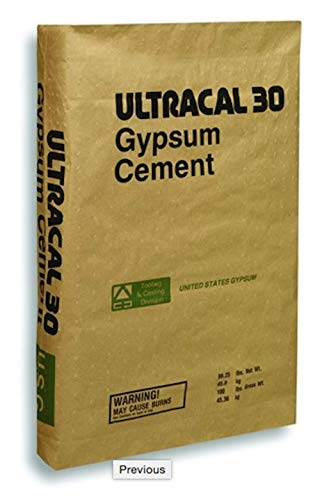
1. ULTRACAL 30 Gypsum Cement 10 lb
Our pick — 4.5+★ from 950+ verified ratings; the strongest balance of quality and price.
The detail-grabber that pulls fine edges out of silicone without a release agent.
If your molds have lettering, undercuts, or tiny relief you actually want to keep, this is the powder to reach for. Ultracal 30 is a gypsum cement sold as a 10 lb bag with a low-expansion claim, meaning it does not swell much as it sets — so the cast comes out the same size you poured.
Mixing is forgiving. Buyers report it blends easily at roughly a 3:1 ratio of powder to water mixed by eye, and a whisk knocks the clumps out. It firms up fast — around 15 minutes to set hard — then keeps curing for about 24 hours total. It also releases from silicone without any release spray, which is why it is the go-to for face casts and two-part molds in theatre work.
What wins people over is how little effort it takes to get a clean result — it is the most-praised trait in this powder’s feedback by a wide margin, and for good reason. The texture gets plenty of love too: the smooth surface makes votives that look finished straight out of the mold. The honest catch is value. Some buyers find it worth the money; others feel it runs expensive, and the price has crept up over the years. For occasional casting the 10 lb bag is a fair buy; for volume work you will notice the cost.
Where This Powder Wins
- 10 lb bag covers many small pours, and it takes very fine mold detail
- Sets hard in around 15 minutes and releases from silicone with no release agent
- Low expansion keeps cast size true; durable enough for casts that last years
Where It Asks More Of You
- Must be sealed before painting or it soaks up paint and softer edges chip
- It can get hot while hardening, and skin contact with uncured material should be avoided
- The price per bag is climbing, so budget-minded casters should compare sizes
Grab this one: Detail-driven casters pouring votives, plaques, and face molds who want fast set and clean releases.
Think twice if: You paint straight out of the mold — this needs a sealer first, and bare edges can chip.
2. Brea Reese Mix2Mold Ceramic Resin 5.5lb
Kiln-look ceramics from a bucket and a tap, no oven required.
Want a tray, candle holder, or planter that looks fired without owning a kiln? This 5.5 lb bucket of white casting powder gets you there with nothing but water. Once cured it is food contact safe, which opens up platters and serving pieces that a standard gypsum cast cannot do.
It runs lighter than the 10 lb Ultracal 30 above — the Ultracal weighs 10 lb against this bucket’s 5.5 lb — so it is the easier one to store on a shelf between projects. Mixing is a pour-and-stir job with a self-leveling behavior, so it settles smooth with minimal fuss. Curing happens in under 1 hour, and demolding can be done in around 60 minutes so you can pour a second batch the same session. The finished surface reads like smooth porcelain, and it takes gold flakes, gems, and glitter without the mix fighting you.
The strength is the standout: durability is the quality buyers rave about most, and pieces hold up to handling rather than crumbling at the edges. Cleanup is the quiet win — warm water and a cloth handle the tools, which is where resin pours turn into a chore. One honest caution: bubble results split the feedback. Some pours come out glass-clear of air; others trap a few pockets depending on how you stir and pour. Pour slowly and tap the mold.
Who it fits: Makers who need food-safe cured pieces, a porcelain-white finish, and quick mold turnaround without epoxy fumes or a kiln.
One to know: The 5.5 lb bucket is a lighter yield than a full 10 lb bag, so plan your project count before you start pouring.
Best if you want: Non-toxic, odorless, VOC-free casting that takes pigment and sets in under an hour.
Skip the bucket if: You are casting large-volume pieces that need a heavier powder reserve per session.
3. ULTRACAL 30 Gypsum Cement 10 Lbs

The 10 lb workhorse for casters who make stones by the tray.
If mandala stones or molded rocks are your regular project, this is the 10 lb bag that keeps up with the volume. It is the same Ultracal 30 gypsum cement formula with one practical difference: it ships with an instruction sheet, so first-timers are not guessing at the mix.
Owners who use it in silicone molds report the mold manufacturer recommends Ultracal 30 specifically for durability, and the results back that up. The pour sets to a pancake-batter consistency when mixed with cold water, and one 10 lb bag turns into a full tray of stones — enough to fill several molds in a single session. Unmolding happens in about 1 to 2 hours, though full drying takes days before you should paint.
The thing everyone raves about here is quality, and the counted feedback backs it — consistency comes up too, with the smooth mix pouring nearly bubble-free when you stir slowly into measured water by hand. The one real gripe is edges: shipped pieces occasionally chip in transit, so package casts with padding if you are mailing them. Not stocked in local craft stores, so ordering ahead matters if you are mid-project.
What Earns Its Place
- 10 lb bag yields a large batch of stones; casts run harder and less likely to chip than other plasters
- Captures silicone mold detail better than Hydrocal, and thin parts stay strong rather than brittle
- Ships with an instruction sheet and mixes cleanly at 1/3 cup water to 1 cup powder
The Fine Print
- It generates mild curing heat and is marked for professional use only
- Fully drying before painting takes days, not hours
- Pieces can chip in shipping — pad your packaging if you send them out
Reach for this if: You cast mandala stones, rocks, or detailed plaques in volume and want a durable, detail-true result.
Look elsewhere if: You need a cast that cures hard within the hour for immediate painting.
4. JDiction ResinCrete Kit

Everything a first-timer needs — powder, molds, pigment, and spoons — in one box.
Buying powder alone leaves a beginner hunting for molds and pigment on a second order. This kit folds it all into one: 1000 g of ResinCrete base, 3 molds, 5 pigments, 2 mixing cups, a stirring stick, 4 sheets of sandpaper, and a spoon. That is the fastest path from an empty table to a finished cast.
The working window is short and satisfying. Mix at a 10:3 weight ratio of powder to water, stir until it looks like yogurt, and demold in 20 to 30 minutes. No resin chemistry, no fumes, just water. Pieces cure hard enough that a dropped cast survives — one buyer’s description, not a guarantee, but glass-hard results in chess-piece molds are common. The whole process is mild enough to run with a child at the table.
The fun factor is what carries this kit. Enjoyment is the aspect buyers praise most, and it shows in reviews that read like recess rather than chores. Coloring is the honest wrinkle: the included pigment is a thick paste and far less punchy than JDiction’s separate pigments, so budget for a jar of mica if rich color matters. A couple of kits also arrived with a mold dented in shipping, and the customer service thread went unanswered — buy from a seller with easy returns.
The honest read: A beginner who wants to learn the mix-and-demold rhythm with minimal shopping will get there fast here.
One trade-off: Durability is mixed — thin details like a dragon ear can snap, so keep slender castings shallow.
Ideal for: Brand-new casters, gift buyers, and parents who want a low-fuss starter setup with molds included.
Not the pick if: You already own molds and pigments and just need bulk powder.
5. Eco Resin Casting Powder 50oz

A big 1400 g tub built for pigmented pours and fast repeat batches.
When your molds are coasters, trays, and candle holders that you want to tint differently every time, yield matters more than finesse. This is a 50 oz / 1400 g tub of fine white eco casting powder that takes pigment easily — no clumping, which is the usual reason color streaks in a cast.
The workflow is quick: measure at a 10:3 weight ratio, stir for 2 minutes until smooth, and demold in 25 to 30 minutes with a full cure in about 2 hours. Fine white powder flows into thin mold details and cures to a smooth, porcelain-like finish that only gets better once you tint it. The material is the aspect buyers praise most — it pours, sets, and holds shape the way you expect a resin alternative to.
The trade-offs are worth knowing. Drying can run fast enough that you want your pigment ready before you pour. Durability is mixed: some pieces feel rock-solid, others break under moderate pressure, so thicken load-bearing forms. And the tub has arrived leaking in shipping for at least one repeat buyer — a bagged inner liner would fix it, but the powder cloud on opening is unpleasant when the seal fails.
What You Gain
- 1400 g yield supports many small pours before you restock
- 25–30 minute demold means you can cycle one mold several times a session
- Takes pigment, mica, and glitter without clumping or color separation
What To Plan Around
- Drying is fast — have pigments measured before you start pouring
- Thin sections are the weak point; thicken shapes that get handled
- Shipping leaks have happened, so inspect the seal on arrival
Pick this for: Repeat pours of coasters, planters, and décor where volume and tintability matter most.
Better to skip if: Your pieces have thin, delicate undercuts that need maximum flex before break.
Know the Specs
Cure Time And Demold Window
Cure time is how long the cast must sit before it is hard enough to handle. Eco casting powders often list a demold window as short as 20 to 30 minutes, with full cure in about 2 hours, which lets you reuse a mold several times in one sitting. Gypsum cements burn longer and run hotter — expect roughly 35 minutes to full cure and a mild heat given off while setting. Choose based on how many pours you want per session.
Mix Ratio And Particle Size
Mix ratio is the weight of powder to the weight of water. Many water-activated powders specify 10:3, so weighing beats eyeballing for consistency. Particle size decides detail: finer powders slip into thin mold cavities and release bubbles more easily, while coarser blends are cheaper but lose the smallest relief. Stir slowly, then tap the mold — that is the simplest bubble fix, whether you are working in a kitchen or a studio.
Common Questions
Will Ultracal 30 release from a silicone mold without a release agent?
Is Mix2Mold safe for food-contact pieces like trays and candle holders?
How long does each type take to demold from a silicone mold?
Can I use these powders in chocolate or resin molds?
Why do my casts come out with bubbles at the edges?
Should I seal gypsum casts before painting?
Which pick is better — gypsum or water-activated eco powder?
Will the pieces break if I drop them?
Do any of these set hot enough to worry about on skin?
How long should fully cured casts dry before sealing or painting?
The Bottom Line
For the best balance of detail capture, speed, and release quality, the ULTRACAL 30 10 lb bag is the pick to beat — it grabs fine mold detail, sets fast, and pops cleanly from silicone without a release spray. If you want a food-safe, kiln-look finish with fast demolding, grab the Brea Reese Mix2Mold. And for high-volume mandala stone work where durability matters more than speed, the 10 lb Ultracal 30 with the instruction sheet is the one to reach for. Match the powder to the mold, and you spend your time finishing casts instead of chasing chips and bubbles.
How we choose
We do not accept paid placement. Every pick is matched to a real buyer and a real use-case; we do not hands-on test units.
Sources
Specifications: manufacturer listings and product documentation. Review insights: verified customer reviews, as of October 2026. Pricing: not shown on this page (it changes often); check the current price via the retailer link.
As an Amazon Associate, Aappliancez earns from qualifying purchases. This does not affect which products we feature.