Disclosure: Some links in this post are affiliate links. As an Amazon Associate I earn from qualifying purchases, at no extra cost to you. Learn more
Specs are compiled from manufacturer listings and verified buyer reviews and can change over time — please confirm the key details on the product page before buying.
Shade is the hardest spot in any garden to fill with flowers, and clematis is the vine most people assume they cannot plant there. That assumption is only half true. Some clematis genuinely want their roots cool and shaded while the vines climb toward light, and a few tolerate part shade without sulking. This guide covers four live clematis plants you can order now, sorted by what each one actually does well, so you can match a vine to your real light conditions instead of guessing.
This guide is built by comparing the manufacturers’ published specifications and the patterns across verified customer reviews, so you get each pick’s real strengths and trade-offs instead of marketing spin.
Every plant below ships rooted in its pot, which matters because a bare-root cutting takes far longer to establish in a shaded bed. Read on for the clematis picks that give you the best chance in low light, chosen and ranked to help you plant once and get it right with the clematis that will grow in shade.
Top Picks
How To Choose The Best Clematis That Will Grow in Shade
The old rule with clematis is simple: heads in the sun, feet in the shade. That single habit is what makes the vines workable in a garden bed that only gets a few hours of direct light. You are not looking for a clematis that flowers in deep gloom. You are looking for one whose roots stay cool and moist under mulch or a low companion plant while the top of the vine reaches the brighter air above.
Read the light requirement literally
A listing that says full to partial sun means the vine can take some shade across the day. A listing that says full sun only is telling you the flower production depends on real sun exposure. Where a plant is sited with its lower half shaded but its growing tips in light, both labels can work. Treat the “part shade” wording as your green light for a half-shaded bed.
Match the hardiness zone to your winter
The USDA Hardiness Zone number tells you the coldest winter a plant is expected to survive. A vine rated for zones 4 through 8 handles a wide stretch of the country, from cold northern winters up through mild southern ones. Check your own zone before you buy, because a plant outside your range is a wasted season no matter how well it ships.
Decide when you want flowers
Bloom period is the quiet decider. A fall-blooming clematis gives you flowers late in the season when much of the garden has gone quiet. A summer bloomer gives you color earlier and often over a longer stretch. Pick by when you actually sit outside and want flowers, not by which photo is prettier.
Judge the pot, not just the picture
The pot size at arrival is a real signal of how much root system you are buying. A 2 inch grower pot is a young starter that needs coddling and time. A 4 inch quart pot is more established. An 8 inch container arrives as a substantial plant with a root ball already filling the soil. Bigger roots generally mean less waiting and less risk of losing the plant in its first shaded season.
Side-by-Side Comparison
| Model | Best For | Light Listed | Bloom Period | Container / Count | Amazon |
|---|---|---|---|---|---|
| Clematis paniculata (Sweet Autumn Clematis)★ Best Overall | Big established plant with fall flowers | Full Sun | Fall | 8 inch container, 1 plant | Amazon |
| Easy to Grow Clematis Mrs. N Thompson | Purple summer blooms from a rooted quart pot | Full Sun | Summer | 4 inch quart pot, 1 plant | Amazon |
| Perennial Farm Clematis x Viticella Diamantina | Compact vine for a patio pot or trellis | Full sun to part shade | Late spring through early fall | 4 quart container, 1 plant | Amazon |
| Clematis Taiga | Collectors wanting a trio of unusual blooms | Full to partial sun | Spring, Summer | 2 inch pots, 3 plants | Amazon |
Detailed Reviews
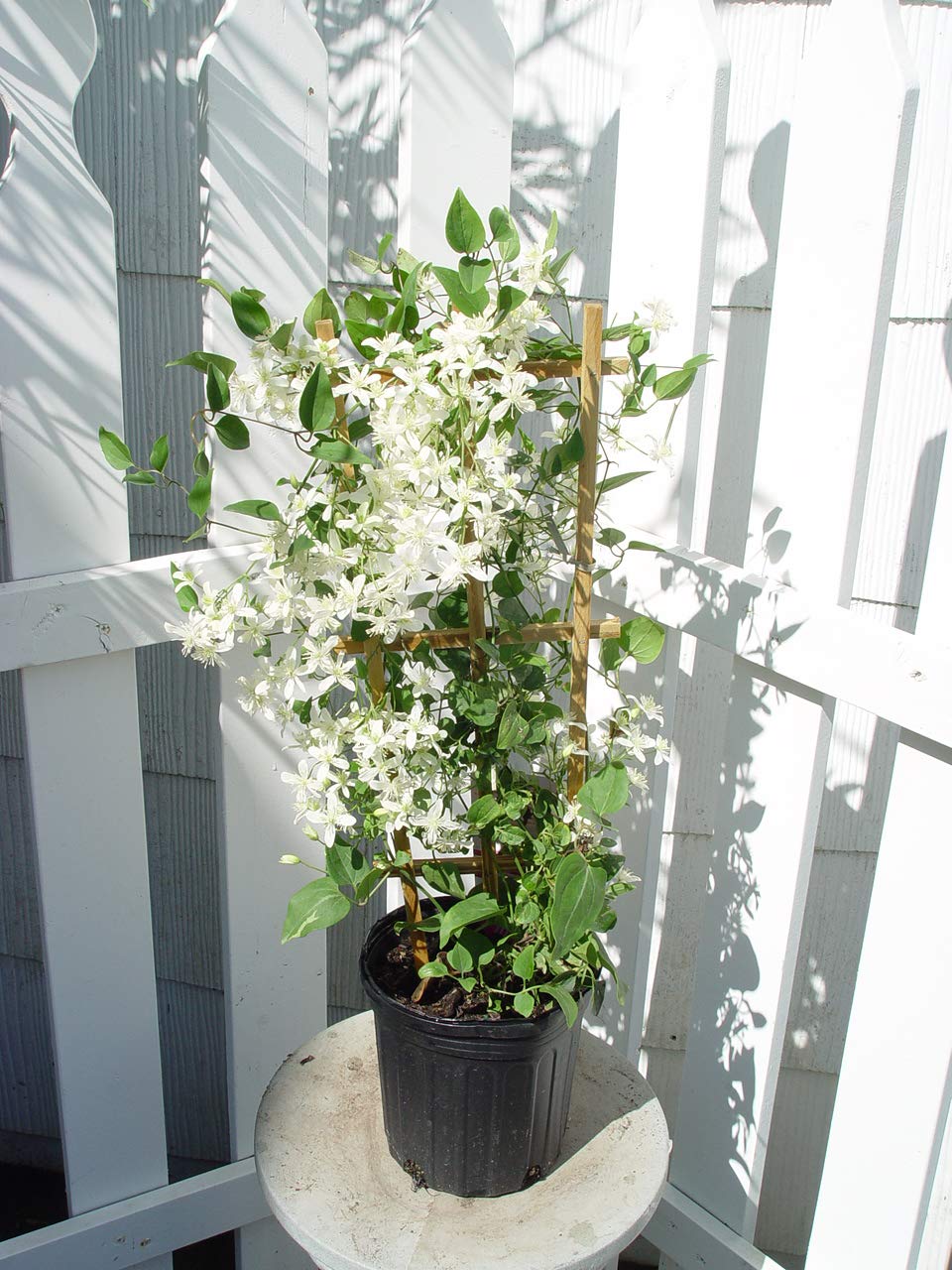
1. Clematis paniculata 8 inch Container
Our pick — 4.5+★ from 150+ verified ratings; the strongest balance of quality and price.
A full eight-inch root ball that arrives ready to plant and flowers in fall.
You get the most plant for your trouble here. It ships in an 8 inch container, fully rooted in the soil, so it can go straight into the ground on arrival when the weather allows. That is a big head start for a shaded bed, where young vines grow slowly and a substantial root system keeps them alive through a low-light first season. It is rated for USDA zones 4 through 8, a wide band that covers cold winters and mild ones alike.
What wins people over is how it looks on the doorstep. Owners mention healthiness more than anything else, and next is the overall quality of the plant they unbox. It also grows fast, often doubling in its first month in the garden, and buyers report it arriving already pushing blooms. The vine itself is a sturdy grower with strong roots, the kind that takes hold and climbs instead of fading.
The trade-off is honest and simple. The listing gives sunlight exposure as full sun, so this is not a plant for deep gloom — give it a spot where the vines reach real light while the roots stay shaded and mulched. It also climbs vigorously; without a trellis or post it will sprawl. Plan the support before it ships, and this becomes a low-maintenance, fall-flowering anchor for a partly shaded wall.
What earns it the top spot
- Arrives as a large, fully rooted plant in an 8 inch container, ready to plant immediately
- Hardy across USDA zones 4 through 8, so it suits a wide range of gardens
- Grows fast — can double in size within its first month
- Flowers in fall, when much of the garden has finished
- Low-maintenance once established, and priced in the mid range for its size
The catch worth knowing
- Listed as full sun exposure, so site it where the vine tips reach the light
- Needs a trellis or post — it will sprawl on the ground without support
- It sizes up with such vigor that you should plan the space before it goes in
Strongest all-round bet: the buyer who wants the biggest, healthiest plant on day one and fall flowers without fuss.
Pass if: you have no support structure and no spot where the top of the vine catches light.
2. Clematis Mrs. N Thompson 1 Potted Plant
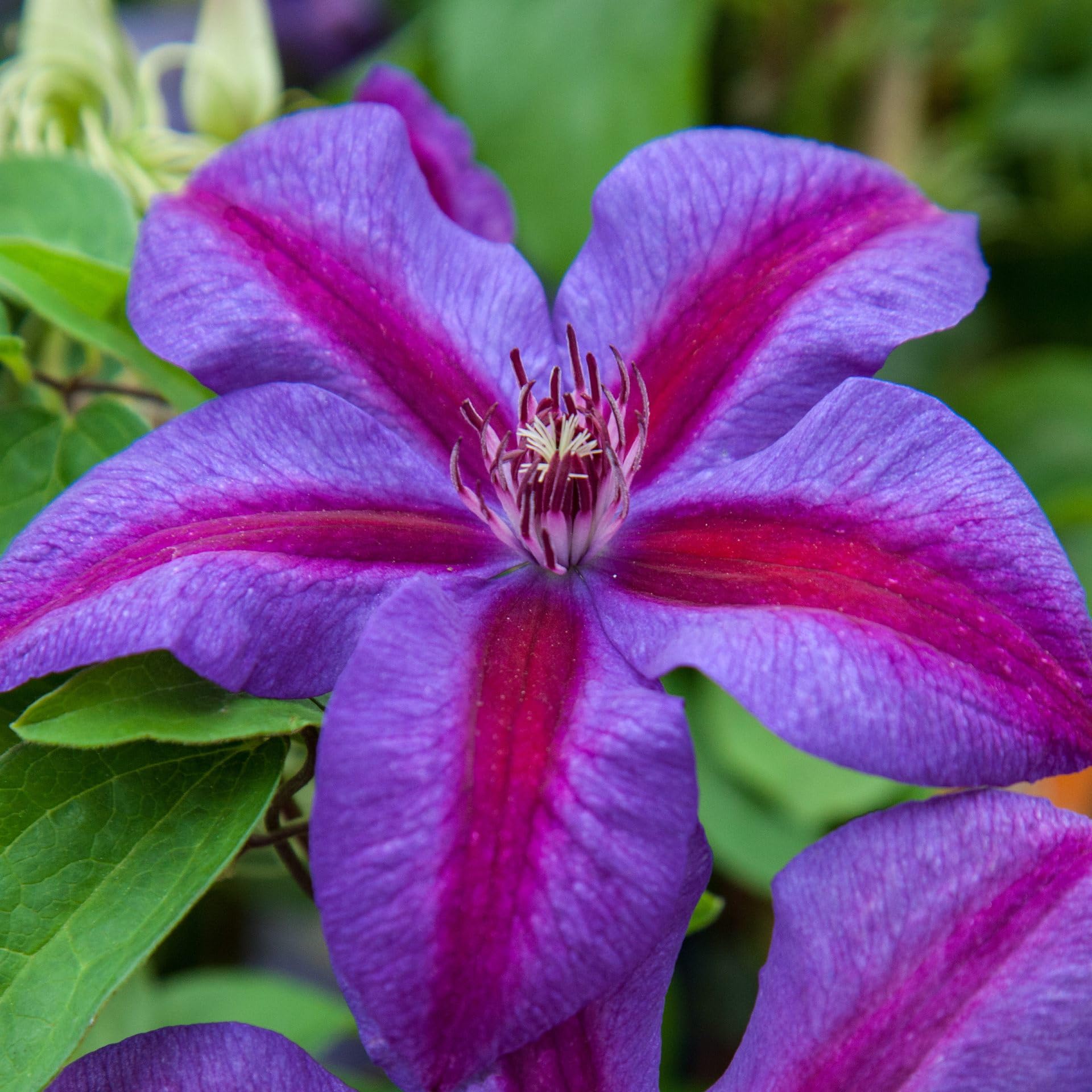
Purple summer color from a quart pot that is already rooted and growing.
This one plays in a different season than the Sweet Autumn above — expect blooms in summer rather than fall, on a vine rated for zones 4 through 8. It arrives established in a 4 inch grower pot, not a bare starter plug, so the roots are already working and it takes off faster than a cutting would. The seller notes it is a fast-growing vine that attracts pollinators and has an extended bloom time.
The buyers who are happy with it talk about the packaging and the plant’s vitality on arrival. One put it plainly: “It was really well packaged and arrive healthy!! Doing well in my yard.” Others describe pots arriving with damp soil, bagged and paper-stabilized, the plants healthy and small as expected for the size ordered, with flowers to come the following year.
There is a real mismatch risk to weigh here, and it is about color and size, not vigor. Some buyers found the flowers not white but blue, and others were let down by tiny plants and blooms smaller than the photos suggested. One summed up the frustration with the size: “For I expected plants to be at least a foot tall each.” If you are set on an exact bloom color or a big plant on day one, look above at the eight-inch Sweet Autumn — otherwise this is a fine, affordable way to start a purple summer clematis.
What you get: an established, rooted quart-pot vine that takes off quickly, with the less common purple and magenta summer flowering that a lot of shade gardeners are hunting for.
What to watch: color and size can vary from the listing photos — buy for the plant quality, not for an exact shade or a guaranteed height.
Reach for this if: you want summer blooms, a pollinator-friendly vine, and an established root system without the biggest plant in the lineup.
Look elsewhere if: the exact flower color or an oversized plant on arrival is your make-or-break.
3. Clematis x Viticella Diamantina 4 Quart Container

A patio-sized clematis that tops out at four to five feet and takes part shade.
Space is the reason to pick this one. It grows just 4 to 5 feet tall, which makes it a neat fit for a balcony, a small trellis, or a decorative pot on a shaded patio where a sprawling vine would take over. It arrives fully rooted in a 4 quart container and can be planted right away, and it accepts sunny to partly shaded spots — one of the clearer part-shade tolerances in this group.
Flowering is spread across the whole season rather than a single burst. It blooms continuously from late spring through early fall, and pruning lightly after that first flush is what prompts it to bloom again. The flowers themselves are near-white to soft lavender — a calmer look than the magenta of the Mrs. N Thompson, and an easy companion for containers or a fence line.
Small wrinkle to know up front: this is a newer listing with a thin track record, so you are leaning on the grower’s description more than on a pile of owner experience. Shipments between November 1st and March 1st may arrive dormant and trimmed, which looks alarming and is normal. If you want a compact, part-shade-friendly vine for a tight space, that describes this pick precisely.
The case for it: compact 4 to 5 foot growth, a long late-spring-to-early-fall bloom window, and stated tolerance of sunny to partly shaded sites — a natural for containers and obelisks.
Know before you buy: the listing is young with little owner review to lean on, and winter shipments can arrive dormant and trimmed.
Suits you when: the planting spot is small — a pot, a balcony, an obelisk — and you want flowers over a long season, not just one burst.
Reconsider if: you need a wall-filling vine or prefer to buy on a long record of owner feedback.
4. Clematis Taiga 3 Live Starter Plants
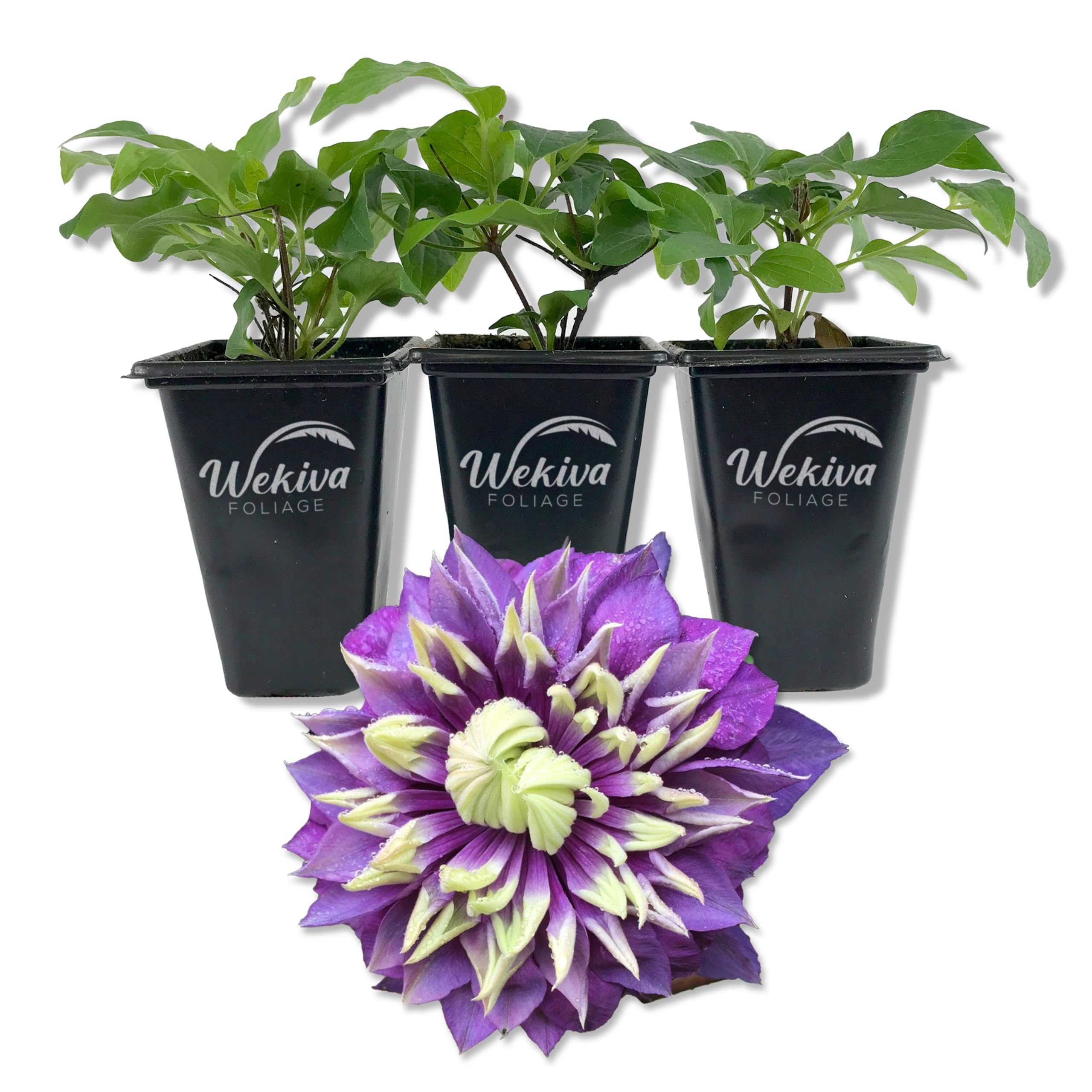
Three young Taiga starters for the gardener who enjoys growing something rare.
You are buying three live plants here, each in a 2 inch grower pot, and the appeal is the bloom rather than instant size. Taiga is a collector’s clematis with showy, complex flowers, and this set lets you plant a few and hedge your bets in a new bed. The grower lists full to partial sun exposure — useful for a spot that spends part of the day shaded — and notes the plants want a trellis, post, or similar structure to climb.
The growing guidance is where the real value sits. Clematis here prefer fertile, well-drained soil with medium moisture, and the flowering top wants sun to part shade while the roots stay cool and shaded. A thick root mulch helps, and the soil should not be allowed to dry out. That root-cool, top-lit setup is exactly the arrangement that lets a clematis tolerate shade in a garden bed.
Be realistic about what ships. A 2 inch pot is a young starter, so these need a sheltered spot, steady moisture, and patience before they climb and bloom — this is not the plant to choose for immediate impact. Choose it if you want three plants, a rare flower, and the pleasure of watching them establish, and you have time and a shaded root zone to give them.
Why collectors like it
- Three plants per order, each in a 2 inch grower pot
- Taiga’s showy blooms make it a standout for collectors
- Grower lists full to partial sun, useful for a part-shaded spot
- Clear guidance on cool, shaded roots and evenly moist, well-drained soil
Where it asks more of you
- 2 inch starter pots need shelter, water, and time before they climb
- Requires a trellis or post or the vine will sprawl
- No shortcut to a big plant — this is a grow-it-yourself pick
Right for the patient grower: three young collector plants in one order, with the light and soil guidance to start them in a shaded-root bed.
Wrong for you if: you want a mature vine and blooms this season rather than a small start.
Know the Specs
USDA Hardiness Zone
The hardiness zone tells you the coldest winter a plant is expected to survive. A vine listed for zones 4 through 8 handles a broad span of climates, from cold northern winters up to milder southern ones. Match the zone to your own garden before ordering, because a plant outside your range will not make it through the season regardless of how healthy it arrives.
Light Exposure (Full Sun vs Part Shade)
Light exposure on the label is your guide to siting. Full sun means the vine needs real direct light to flower well. Full to partial sun, or sunny to partly shaded, signals tolerance of shade for part of the day. The classic clematis arrangement — roots cool and shaded, vines climbing into light — is what lets a partly shaded spot still support flowers.
Container Size at Arrival
The pot a plant ships in is a rough gauge of its root system and head start. A 2 inch grower pot is a young starter that needs care and time. A 4 inch quart pot is more established. An 8 inch container is a substantial, fully rooted plant ready to plant out. Bigger roots usually mean less waiting and a better chance of settling into a shaded bed.
Bloom Period and Root Care
Bloom period tells you when you will see flowers — fall, summer, or spring through summer depending on the variety. Root care is the other half: keep the root zone cool, shaded, and evenly moist, with a thick mulch, and never let the soil dry out. Do these two things and a partly shaded clematis has what it needs to climb and flower.
Common Questions
Can clematis really flower in a shaded spot?
What does “heads in the sun, feet in the shade” actually mean for planting?
Why is the Sweet Autumn listed as full sun if I want shade tolerance?
Is an 8 inch container better than a 2 inch starter pot for a shaded bed?
What hardiness zone do these clematis cover?
Do I need a trellis for a shade-grown clematis?
Why might a clematis arrive dormant and trimmed?
How do I keep clematis roots cool in a hot, shaded bed?
What soil does clematis need?
When will a new clematis actually bloom?
The Bottom Line
For most shade gardeners, the winning clematis that will grow in shade is the Clematis paniculata Sweet Autumn — it arrives as a large, fully rooted 8 inch plant, sizes up fast, and flowers in fall. It is the crowd favorite, with far more reviews than the Diamantina, though the Diamantina holds a perfect rating on far fewer. If you want summer purple and a rooted quart pot, the Mrs. N Thompson is your vine. For a compact patio climber that takes part shade, reach for the Diamantina, and for three collector plants to grow yourself, the Taiga trio is the pick. Whichever you choose, plant the roots cool and shaded, mulch well, and let the vines climb toward the light.
How we choose
We do not accept paid placement. Every pick is matched to a real buyer and a real use-case; we do not hands-on test units.
Sources
Specifications: manufacturer listings and product documentation. Review insights: verified customer reviews, as of October 2026. Pricing: not shown on this page (it changes often); check the current price via the retailer link.
As an Amazon Associate, Aappliancez earns from qualifying purchases. This does not affect which products we feature.