Disclosure: Some links in this post are affiliate links. As an Amazon Associate I earn from qualifying purchases, at no extra cost to you. Learn more
Specs are compiled from manufacturer listings and verified buyer reviews and can change over time — please confirm the key details on the product page before buying.
If you are shopping for civet coffee, the honest answer up front is this: the smoothest, least bitter cup almost always comes from wild, free-range beans rather than caged ones, and the label tells you which is which. Civet coffee, also called kopi luwak, is made from coffee cherries that a palm civet (a small mammal native to Southeast Asia) eats, ferments in its stomach, and passes whole; the beans are then washed, dried, and roasted. That natural fermentation is why the cup tastes smoother and far less bitter than an ordinary roast — and why it costs so much more. This guide explains what each pick actually delivers, so you can choose the right bag for a gift, a weekend treat, or a daily brew.
This guide is built by comparing the manufacturers’ published specifications and the patterns across verified customer reviews, so you get each pick’s real strengths and trade-offs instead of marketing spin.
Civet coffee splits into two very different kinds: wild beans and caged beans, and the taste gap between them is real. Below you will find the best civet coffee picks ranked so you can spot that difference before you spend.
Top Picks

How To Choose The Best Civet Coffee
Civet coffee is a small, expensive category, so the label does most of the work for you. The single biggest decision is wild, free-roaming civets versus caged animals — that difference shows up in the cup.
Wild versus caged civet beans
Wild civets roam free, pick only the ripest coffee cherries, and eat a natural diet, which many sellers say gives the beans a fuller, smoother flavor. Caged civets are fed on a fixed schedule and the beans can taste flatter and more bitter. Look for the words “wild,” “free-range,” or “free-range wild Luwaks” on the label before anything else.
Whole bean versus pre-ground
Whole beans keep their oils and aroma sealed inside until the moment you grind them, so they stay fresh far longer. Pre-ground coffee is convenience-first and starts losing its aroma the day the bag is opened. If you own a grinder, whole bean is the way to get the most from an expensive bag.
Roast level and how you brew
A medium roast is the safer all-rounder for drip, pour over, and French press. A dark roast tends to carry lower acidity and a deeper, bolder body that suits espresso. Match the roast to your daily brewing method rather than to the marketing on the bag.
Bag weight and why it matters
Civet coffee is sold in very small quantities because the supply is tiny. A bag measured in a few ounces might only brew a couple of cups, while a larger bag can last you weeks. Always check the stated weight in ounces or pounds so you know how many brews you are actually getting.
Side-by-Side Comparison
| Model | Best For | Bean Type | Units | Roast | Amazon |
|---|---|---|---|---|---|
| Peet’s Coffee Big Bang★ Best Overall | Everyday brewing | Whole bean | 63 Ounce | Medium | Amazon |
| Shangri-La Wild Kopi LuwakBulk Value | Bulk wild civet buyers | Whole bean | 70.5 Ounce | — | Amazon |
| Monkey Business Wild Kopi Luwak | Value wild civet seekers | Whole bean | 35.27 Ounce | — | Amazon |
| Mahout’s Blend by Black Ivory | Gifting and sampling | Whole bean | 1.4 Ounce | — | Amazon |
| Kaya Kopi Premium Kopi Luwak | Espresso and small pours | Whole bean | 7.05 Ounce | Dark | Amazon |
| Cafés Granell Kopi Luwak | Connoisseur tasting | Whole bean | 3.53 Ounce | — | Amazon |
| Black Ivory Coffee Treasure | Milestone gifting | Whole bean | 1.4 Ounce | — | Amazon |
Detailed Reviews
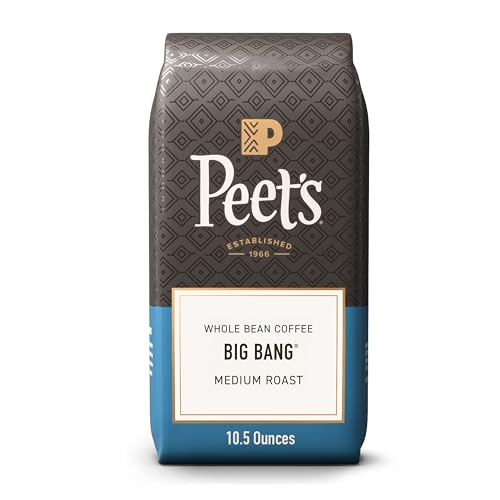
1. Peet’s Coffee Big Bang Whole Bean Coffee
Our pick — over 4.5★ from 800+ verified ratings; the strongest balance of quality and price.
The everyday crowd-pleaser that drinks smooth, sweet, and never bitter.
For anyone who wants a smoother cup without paying kopi luwak prices, this is the sensible first stop. Peet’s Big Bang is a medium roast made of 100% Arabica beans, which are the premium coffee species known for a gentler, sweeter flavor than the more bitter Robusta type. You get six 10.5-ounce bags, adding up to 63 ounces in total. That is the largest supply in this lineup — around twice the 35.27 ounces in the Monkey Business bag — so it stretches across many mornings instead of vanishing in a week.
What wins people over is the coffee itself. Buyers consistently describe a sweet taste that is not bitter and a smooth texture that turns an ordinary drip brew into something they look forward to. The flavor is the close second, and reviewers recommend pairing these beans with a machine like the GE Profile Smart Grind and Brew Coffee Maker. One reviewer put it plainly: “With a good machine that allows you to control process variables, the results are excellent.” It also stands up to a simple grind-and-brew routine, so you do not need expensive equipment to enjoy it.
The catch is that it is a traditional craft roast, not a civet coffee — so you get everyday luxury rather than the rare kopi luwak experience. The recurring gripe is a logistics one: buyers report occasional mix-ups where “whole bean” orders arrive ground, and one put it bluntly with “First time in 9 purchases they got it wrong.” The ground batch still brews a good cup, just not as fresh. Value sentiment is also mixed, since a 63-ounce haul is an upfront commitment even at a fair per-ounce rate.
What earns it first place
- 63 ounces total across six bags — by far the biggest supply here, roughly double the 35.27-ounce Monkey Business bag
- Medium roast 100% Arabica designed to drink smooth and balanced, not sharp
- Ground fine for espresso or medium for drip and pour over, so it adapts to your setup
Where it asks patience
- Not civet coffee — no kopi luwak fermentation in this bag
- Whole-bean orders occasionally show up pre-ground
- Sizeable upfront commitment for a single-regular-roast household
Buy it for: your daily pot when you want smooth and sweet without the rare-bean bill.
Think twice if: you specifically want the wild-civet fermentation story — this is fine Arabica, not kopi luwak.
2. Shangri-La Coffee Wild Kopi Luwak Whole Beans
Genuine wild civet beans in a genuinely enormous bag.
This is the pick for the person who has already decided they love wild kopi luwak and wants a serious stash. At 70.5 ounces — that is a 4.41-pound bag — it holds twice the quantity of the Monkey Business bag at 35.27 ounces, so it carries the same wild-bean status with a far deeper reserve. The beans are imported from Indonesia and the tasting notes lead with smoothness and no bitterness, layered with caramel and chocolate.
Smoothness is the headline here, and it is real: the profile is clean and low-bitterness enough that you can drink it black without cream or sugar to mask anything. Buyers also describe a flavour with hints of caramel and chocolate that announces itself without overwhelming your taste buds. It has genuine gift appeal, too — a well-known coffee snob in one household was genuinely taken with it.
The honest catch is consistency and cost. Flavour divides buyers sharply: some find it delicious, others say it does not taste meaningfully different from regular coffee, and the value conversation splits the same way. One sharp-eyed buyer weighed four 500g bags and found gross weights of 478-482g, with a 29g bag, leaving a net of 449-453g — shorting 47-51g per bag, which adds up to roughly one free bag owed across ten purchases. Treat weight as a real quality check, not a formality.
Why it earns its place: this is wild-sourced Indonesian kopi luwak at the largest quantity in the lineup — 4.41 pounds — priced per ounce more gently than the small-batch premium bags.
The honest trade-off: flavour is a coin flip for some palates, and a measured net-weight shortfall shows up across multiple bags, so buy from a seller with a solid returns record.
This is for you if: you want wild civet beans by the pound rather than by the tasting pour.
Look elsewhere if: you would rather sample a smaller quantity before committing to a two-kilogram bag.
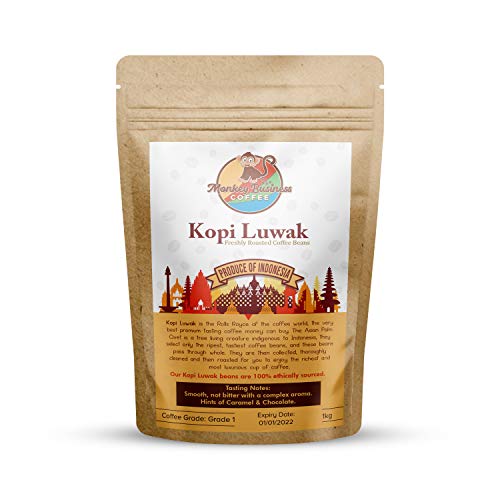
3. Monkey Business Coffee Wild Kopi Luwak Whole Beans
A full kilogram of wild civet beans at the sharpest price on the list.
If value is your deciding factor, start here. This is a one-kilogram bag — 35.27 ounces, or 2.2 pounds — of whole bean wild kopi luwak imported from Indonesia. It is the more compact counterpart to the Shangri-La bag above: at 2.2 pounds versus 4.41 pounds, you are getting roughly half the coffee in a package that measures 11.57 x 8.7 x 3.43 inches, which is far easier to store on a normal kitchen shelf or cupboard.
Texture is what carries this one — the standout quality that keeps buyers returning. The roast is balanced and the beans brew cleanly across equipment, from a standard drip machine to a stainless steel phin, and a 5-star review notes that medium-coarse grind works well across both. The acidity is low enough to make it an easy, mellow cup for those who dislike sharpness, and the aroma does a lot of the work before you even take a sip.
Here is the fair warning: flavour opinion on this one splits hard. The coffee quality itself is the biggest point of contention — some buyers call it amazing while others find it bland and question whether the cost is justified. The 3-star reviews say it plainly: flavourful enough, but the price holds it back from five stars. One 1-star voice found it too bitter, which is a good reminder that bitterness perception varies wildly. Try a small grind and adjust before you commit to a full course.
The value case: a full kilogram of wild-sourced kopi luwak, roasted whole and ready for whatever grinder and brewer you already own.
Where it may disappoint: it commands strong opinions — texture and aroma land well for many, but the flavour is a genuine split across the review base.
Reach for this if: you want wild civet coffee in a quantity that lets you brew it regularly and test different grinds.
Pass if: you are chasing the silkiest, most consistent cup and are willing to pay for the smallest, most refined bags instead.
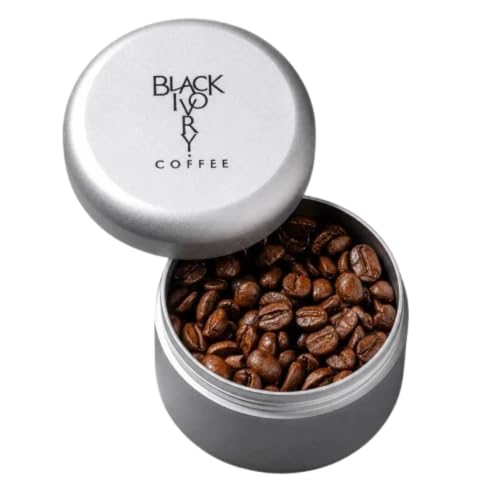
4. Mahout’s Blend Black Ivory Coffee Whole Bean Coffee
An elephant-refined blend built for slow mornings and impressive gifts.
For the person who wants civet-style smoothness with a more unusual origin story, this is a striking choice. Mahout’s Blend combines Black Ivory Coffee with Thai Arabica, a two-part approach the maker designed to introduce the signature smoothness of elephant-refined coffee to the familiar structure of traditional specialty coffee. The refinement is natural: a portion of the beans is transformed through the elephant’s slow, herbivorous digestive process over 10 to 72 hours. Tasting notes land on chocolate, malt, and almond, with a subtle hint of grass and a clean finish.
The sensory character is what buyers reach for first. Multiple reviews describe zero bitterness, complete freshness, and a luxurious feel from the box down. It is also an excellent choice as a gift — the whole thing is designed to arrive as a presentation, and one buyer’s reaction was simply “AMAZING AMAZING AMAZING.” The caffeine impact, however, is gentle rather than heavy; the flavour is the point, so treat this as a cupping experience rather than a morning jolt. Best brewed with care — pour over or moka pot rather than a rushed automatic drip.
Two honest limitations. The first is volume — one 40-gram bag does not stretch far, and buyers acknowledge it is best savored slowly rather than daily. The second is packaging: at least one buyer received it with a crushed outer box, which is frustrating when the box is half the gift. There are no returns on food, so if gifting is the plan, order in time to inspect before you hand it over.
What makes it stand out
- A blend of elephant-refined beans and traditional Thai Arabica for a balanced, low-bitterness cup
- Refined naturally over 10 to 72 hours through the elephant’s slow digestive process
- Arrives in a custom presentation box — one of the strongest gift options here
Where it holds back
- 40 grams is a small quantity — a tasting, not a supply
- Gentle caffeine impact, so it will not replace your everyday morning brew
- A delicate outer box that has occasionally arrived crushed in transit
Pick this if: you want a memorable specialty coffee gift with a story worth telling over the cup.
Skip if: you need a daily-driver bag — the 40-gram size is made for a special occasion.
5. Kaya Kopi Kopi Luwak Arabica Coffee Beans

Wild palm civet arabica with a smoky dark roast built for small, rich pours.
If your ritual is a demitasse or a short espresso rather than a full mug, this is the bag to try. Kaya Kopi sources from free-range wild Luwaks in the Pangalengan Highlands of West Java, Indonesia — beans that pass through the Luwak’s stomach, which changes their composition through proteolytic enzymes. The result is a dark roast, 7.05 ounces per bag, designed to drink noticeably not bitter, with an intensely aromatic profile that hits earthy and sweet with a hint of chocolate. The taste is honestly a small-quantity one: one reviewer noted the entire bag yields only around eight demitasse cups, so tiny pours are the point.
The thing people rave about is the aroma. The bag’s opening reveal draws strong reactions, and the dark roast keeps the acidity low while deepening the coffee flavor — a combination that suits black drinking and layered milk drinks alike. Buyers describe it as smooth and silky, “smoother than fine silk” in one case, and agree that a little attention to grind and dose pays off. Note the geography, too: 4,000 feet of altitude is real terroir, and the free-range sourcing is what distinguishes it from farmed alternatives.
The trade-offs are real but small. This is a small bag — 7.05 ounces — so at espresso dose sizes you will go through it quickly if you brew daily. Flavour and value both split across the reviews, with the flavour as the biggest point of disagreement and a recurring note that it is priced for a special occasion rather than everyday drinking. Use it for weekend pours with friends, not Monday mornings. If you need a bigger daily supply, the Monkey Business 1-kilogram bag at 35.27 ounces will stretch much further.
The distinctive spec: wild free-range Luwak beans from 4,000 feet in the Pangalengan Highlands, dark-roasted to a low-acid, deeply aromatic character.
An honest limit: 7.05 ounces is a demitasse bag — figure on eight or so tasting pours, not a routine supply — so plan it as an occasional experience.
Perfect for: espresso drinkers and demitasse traditionals who want maximum aromatics in minimum volume.
Wrong pick if: you brew full French press pots daily — you will burn through 7.05 ounces faster than you’d like.
6. Kopi Luwak Coffee Beans Cafés Granell

A Spanish-family wild civet bean built for slow, deliberate brewing.
For the coffee person who cares about provenance as much as flavour, Cafés Granell brings an unusual angle: a family-owned Spanish roaster that has been operating from Valencia for over 75 years, sourcing wild Indonesian luwak beans and roasting them in small batches. The vacuum sealing protects the beans on the journey, and the tasting notes land on a velvety-smooth, nutty profile with a slight hint of spice. At 100 grams, this is a tasting bag — enough for a serious cupping session, not a weekly supply.
Coffee quality is the strongest card here, and it does the heavy lifting well. Reviews describe a clean, complex cup with zero bitterness, best as an espresso rather than a brewed pot, and at least one buyer found a surprising toasted-sugar note underneath. They also describe brewing 12 grams at 650 microns with 220 grams of 203-degree water in a Chemex, which yields a beautiful red colour and what they called an awesome black cup. That kind of precision brewing is where this bag shows its best face. The flavours are vegetal and earthy rather than chocolate-forward — a different direction from the sweet mahogany roasts.
The candid limitation is that the flavour is polarising. Some find it exquisite; others find it unremarkable or note the aroma lacks punch. And like every large-format civet coffee, the 100-gram size makes it expensive per brew — treat this as a tasting rather than a supply, and use it when you have time to brew with intention rather than in a rushed drip cycle.
Why it works: a 75-year-old family roaster, wild Indonesian luwak sourcing, and vacuum-sealed packaging that keeps the beans fresh all the way to your grinder.
What to expect honestly: 100 grams is a fraction of the smaller-batch bags and the flavour reception is mixed — this rewards a patient, careful brewer over a fast one.
Suits you if: you like a deliberate cupping session and value a family roaster’s long track record.
Not for you if: you want a big enough bag to brew daily for weeks — 100 grams is a tasting portion.
7. Black Ivory Coffee Whole Bean Thai Coffee
The thing you buy once to say you tried the world’s rarest coffee.
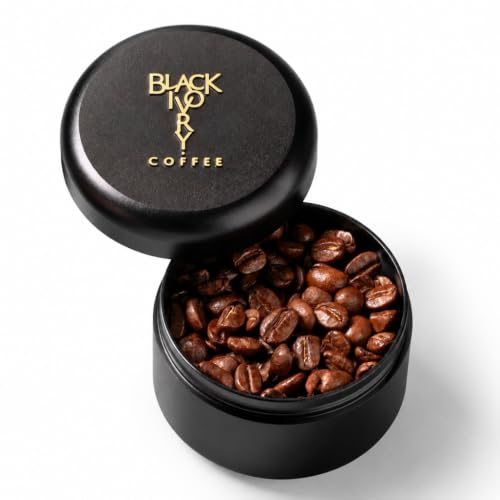
This is the top of the category, and the label earns the claim: fewer than 500 pounds are produced annually, and a single kilogram of finished coffee requires 33 kilograms of hand-selected coffee cherries. The 40-gram bag is refined naturally in Thailand through the elephant’s slow digestive process over 10 to 72 hours. Flavour notes land on cacao, date, plum, and tamarind, with a subtle Pu-erh tea character and a lingering sugarcane finish. It arrives sealed in a matte black and gold canister inside a gift box wrapped in handmade Japanese paper, with a brewing guide and cupping journal included.
What you are buying is an experience, not a supply. Brewed black, it is smooth and not bitter with a pleasant fruity taste that also carries beautifully with milk; one buyer described the whole effect as light, velvety, and luxurious. Brewing method matters — a moka pot produces a strong, pleasant aroma with a very refined body, whereas an automatic drip wastes the subtlety. The 40-gram bag yields roughly a mug or espresso cup’s worth of finished coffee, so plan for a special pour, not a daily ritual.
The one thing buyers push back on most is the value question, which is worth accepting going in. Multiple owners mention that the amount of coffee for the price feels steep — one bluntly said it barely brews two cups. But the same reviewers consistently describe the taste as some of the best they have ever had, and the purchase supports local elephant-caring families in Surin, Thailand. If you want a memorable gift or a milestone cup, this delivers.
What you are really buying
- Fewer than 500 pounds produced annually — among the rarest coffees on the market
- Naturally elephant-refined over 10 to 72 hours, with cacao, date, plum, and tamarind notes
- Presentation-grade packaging: matte canister, handmade Japanese paper wrap, brewing guide and cupping journal
What you should know
- 40 grams yields only a cup or two of brewed coffee
- Brewing at drip strength underuses the subtle flavour — moka pot or pour over is the better path
- Value is the most common objection in buyer feedback
Choose this for: a once-in-a-while luxury pour, a milestone gift, or a cup to tell friends about.
Not for: anyone who needs an ongoing coffee supply — the quantity is intentionally small.
Know the Specs
Wild versus Caged Sourcing
“Wild” means the civets roam free and choose their own food; “caged” means they are kept and fed on a schedule. Wild sourcing tends to taste smoother and less bitter because free-roaming civets pick only the ripest cherries. Look for the words wild, free-range, or sustainably sourced on the label — that language is the strongest single predictor of what is in the bag.
Roast Level
Medium roast keeps the natural sweetness of the bean and suits drip, pour over, and French press. Dark roast develops lower acidity and a deeper, bolder body that works well with espresso and milk drinks. Rare coffees like these tend to be sold as medium or dark roasts, so match the roast to your brewing method rather than to marketing claims.
Whole Bean versus Ground
Whole beans lock in their flavor oils until the moment you grind them — which is why whole bean is preferred for expensive civet coffee. Pre-ground coffee is convenient but loses aroma quickly after opening. Whole bean also lets you adjust the grind for each method: fine for espresso, medium for drip, and coarse for French press.
Bag Size and Freshness
Civet coffee bags are sold from 40 grams up to 70 ounces. Smaller bags favour a tasting or gifting experience, while larger bags make sense for regular brewers. Sealed packaging — vacuum-sealed bags or canisters with a valve — protects the beans from oxygen. Store opened bags in a cool, dark, airtight spot and grind just before brewing.
Common Questions
Is civet coffee the same as kopi luwak?
What is the difference between wild civet coffee and caged civet coffee?
Can you taste the difference between civet coffee and ordinary coffee?
How many cups can I brew from a 40 gram bag of civet coffee?
Should I buy whole bean or pre-ground civet coffee?
Is civet coffee safe to drink?
How should I brew civet coffee to get the most out of it?
How many civet coffee bags should I buy for a gift?
Will civet coffee give me the same caffeine kick as regular coffee?
How do I store civet coffee beans after opening the bag?
The Bottom Line
For most people asking for the best civet coffee, the winner is the Peet’s Coffee Big Bang — it takes first place on rating and review volume, delivering a smooth, sweet, never-bitter cup at the friendliest pace for daily brewing. If the wild civet experience itself is what you are after, grab the Shangri-La Wild Kopi Luwak for its 70.5-ounce bag of genuinely wild-sourced beans. And for a single unforgettable cup to gift or celebrate with, the Black Ivory Coffee Treasure is the one worth the splurge.
How we choose
We do not accept paid placement. Every pick is matched to a real buyer and a real use-case; we do not hands-on test units.
Sources
Specifications: manufacturer listings and product documentation. Review insights: verified customer reviews, as of October 2026. Pricing: not shown on this page (it changes often); check the current price via the retailer link.
As an Amazon Associate, Aappliancez earns from qualifying purchases. This does not affect which products we feature.