Disclosure: Some links in this post are affiliate links. As an Amazon Associate I earn from qualifying purchases, at no extra cost to you. Learn more
Specs are compiled from manufacturer listings and verified buyer reviews and can change over time — please confirm the key details on the product page before buying.
If chipmunks have turned your garden beds into Swiss cheese, the quickest fix is a grain-based bait with a real EPA-registered active ingredient placed inside a locked bait station — that combination is what actually works. This guide sorts the baits and traps that get the job done and explains which one fits your yard, your pets, and how bad the tunnels already are. Every pick here is a real product you can order today, judged on its EPA-registered active ingredient and how it performs in the yard.
This guide is built by comparing the manufacturers’ published specifications and the patterns across verified customer reviews, so you get each pick’s real strengths and trade-offs instead of marketing spin.
Chipmunks look harmless until the tunnels start undermining your beds and shed footings. The good news is that the right bait, applied correctly, does the job without guesswork — here is how to choose the best chipmunk poison for your own yard.
Top Picks

How To Choose The Best Chipmunk Poison
The first thing to understand is that most baits sold for chipmunks are actually labeled for rats and mice. That is not a technicality — it changes how you use them. Chipmunks feed above ground and store food in their cheek pouches, and they burrow under sheds, decks, and garden beds. A bait that works on a rat eating from a feeder may not touch a chipmunk unless you place it where the animal actually travels.
Start with the active ingredient
There are two families of bait on this list. Anticoagulants — difethialone, diphacinone, bromadiolone — thin the blood slowly, so the animal does not associate the bait with illness and keeps eating it. Strychnine-treated grain works differently and faster, and it is labeled for below-ground gopher control only. Match the ingredient to the species and the site: an anticoagulant bar for surface runs, strychnine grain for burrows.
Read the label for where it is legal and safe to use
Some baits are restricted by state, and several cannot ship to California. Check the label before you order. A product labeled for non-crop areas is not meant for a vegetable bed, and a product labeled for indoor use should not be scattered around a porch where pets roam. The label is the legal instruction sheet, and it is the only thing that tells you the legal rate and the permitted use site.
Plan for pets, kids, and wildlife
Every bait on this list is a toxicant. That is the point of it, and it is also why a tamper-resistant bait station matters so much. Dogs and cats can eat a dead rodent, and secondary poisoning is a real risk. Vitamin K1 is the antidote for the anticoagulant baits here, and having that conversation with your vet before you bait is the responsible move.
Side-by-Side Comparison
| Model | Best For | Active Ingredient | Form | Weight | Amazon |
|---|---|---|---|---|---|
| LIPHA TECH FirstStrike Rodent Bait 10g★ Best Overall | All-around yard bait | Difethialone (25 ppm) | Bar | 4 pounds | Amazon |
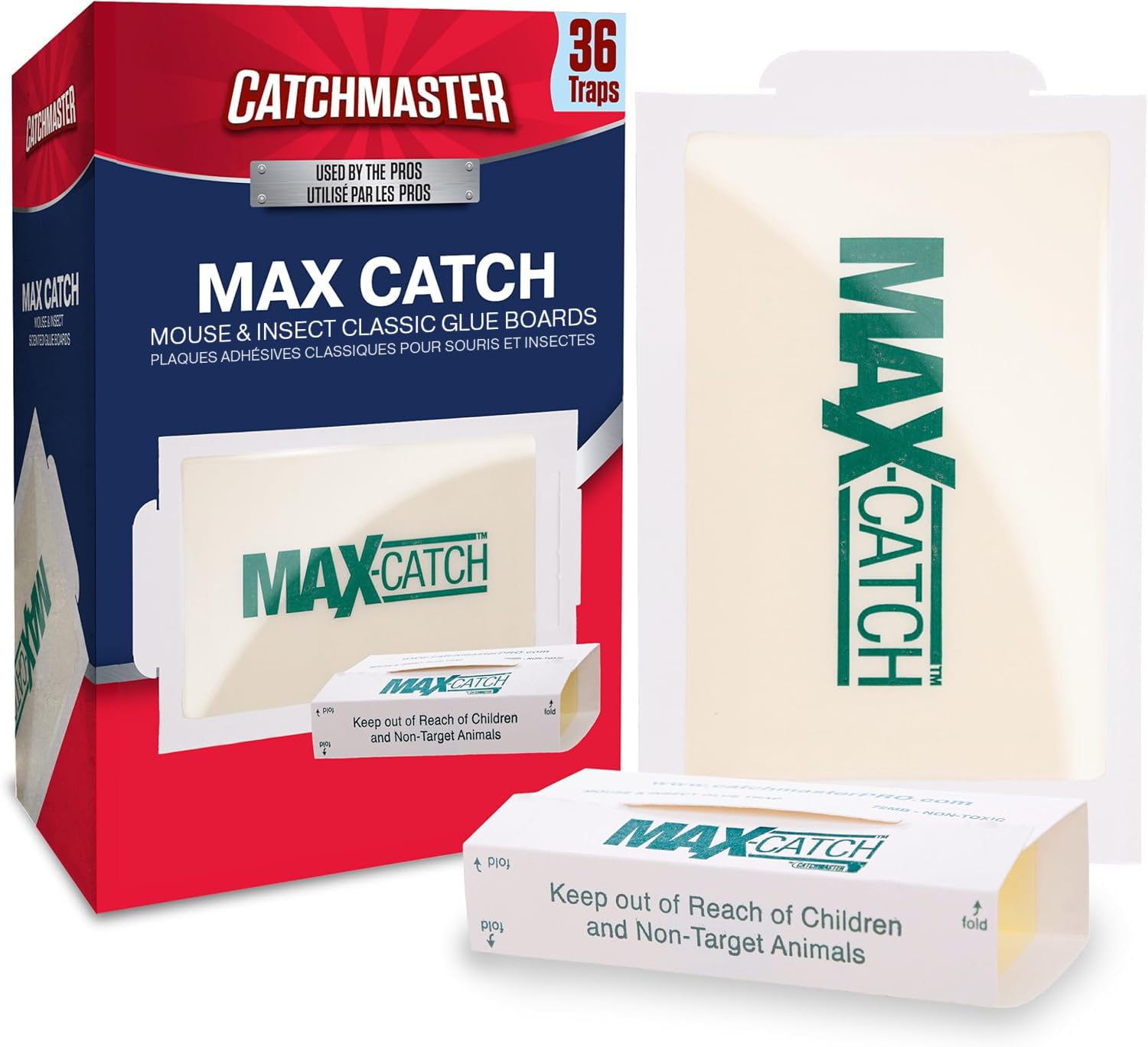
| Catchmaster Max-Catch Glue Traps 36pkNo-Poison Pick | Indoor, no-poison zones | None (pesticide-free) | Glue board | 22.68 g | Amazon |
| Monterey Go-DIE Gopher Bait | Below-ground burrow work | Strychnine-treated grain | Grain | 16 ounces | Amazon |
| Neogen Ramik Green Pellets | Wet or damp areas | Diphacinone (.005%) | Pellets | 20 pounds | Amazon |
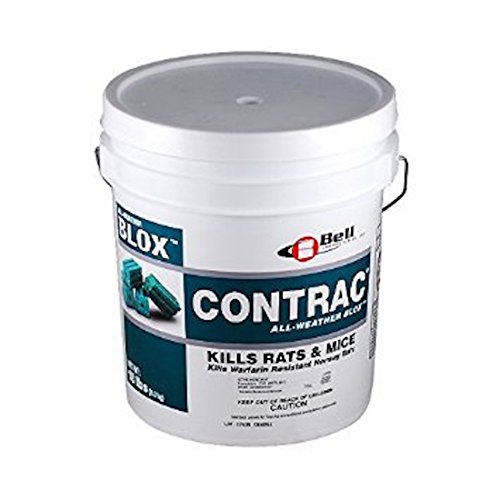
| Contrac Blox Rodenticide | Long-term baiting programs | Bromadiolone | Blox | 18 pounds | Amazon |
Detailed Reviews
1. LIPHA TECH FirstStrike Rodent Bait 10g – 4lb Bag (31113)
Our pick — 4.5+★ from 1,000+ verified ratings; the strongest balance of quality and price.
A four-pound bag of bait bars that keeps working in the heat and leaves no smell behind.
The spec that earns this pick its spot is difethialone at 25 ppm, a potent anticoagulant dosed at 25 parts per million in each bar. In plain terms, a tiny dose of the active compound is spread evenly through a bar the rodent wants to eat. The label also states the formula stays palatable and holds its integrity in hot environments, which matters because a bait that turns rancid in a summer shed gets ignored.
Owner experience backs the chemistry. What wins people over is raw effectiveness — a much-discussed topic on this listing by a wide margin. The recurring theme in reports is a yard going quiet within about a week of setting bait stations, including properties with an infestation that had run for a year and two cats in the yard. Several mention that a monthly exterminator contract had not solved it and this did. The label also lets you peel the paper off and place the bar directly onto a feeding device, so it sits cleanly inside a locked bait box.
The honest trade-off is that this is a toxicant you must handle carefully. Reviews repeatedly stress gloves, good bait stations, and picking up dead rodents before a dog finds them. It is also a bait aimed at rodents generally, so chipmunks are caught in that net rather than being a dedicated target — you are relying on placement around their tunnels and runs. The crowd favorite sits at 4.5+ stars across 1,000+ ratings, and for a bag this size it covers a lot of ground.
What makes it the pick
- Difethialone at 25 ppm — a potent single active ingredient in every bar
- Label states palatability and integrity hold up in hot environments
- 4 pounds of bait goes a long way across multiple stations
- Paper can be removed so the bar drops straight onto a feeding device
What to plan around
- Vitamin K1 matters here — this is an anticoagulant and a vet conversation should come first
- Gloves and a secured bait box are advised in owner reports, not optional extras
- Patience is required; bait under a deck was ignored at first before the pattern changed
Reach for this if: you want one proven bag to run a full baiting program around a yard or outbuilding.
Think twice if: free-roaming dogs share the space and you cannot lock every station.
2. Catchmaster Max-Catch Glue Traps 36pk
The no-bait option for a garage or shed where a toxicant is the last thing you want.
Here is the spec that defines this box: 36 glue boards, each pesticide-free paper, sized 8.5 by 5.25 inches. The maker says a board lasts up to one full year indoors under normal conditions, which makes a 36-count box a long-term supply.
The glue is genuinely tenacious. Reports describe catching 20-plus mice on these versus only two on a different brand, and the boards also pull in roaches, spiders, and other crawlers. One recurring note is that placement decides everything — boards sit best flat, along walls and behind appliances, near nest openings and doorways. The paper-on acclimation tip from the maker is worth using: leave the cover on briefly so pests get used to the board before it goes live.
The catch is the honest one, and it is not a defect: glue traps are lethal by design and not instant. Anything caught must be dealt with, and the trap is very hard to remove once stuck. Keep boards away from pets and small children entirely, since a flipped board will stick to a cat’s leg or a dog’s tail. If you have a chipmunk problem in a garage and you want zero poison in the building, this is the cleanest answer.
The real draw: no toxicant, no bait to go stale, and a 36-count box that covers a whole building’s perimeter.
Best fit: garages, attics, and basements where poison is off the table.
Not for you if: you want a catch you never have to look at — these require regular checking.
3. Monterey Go-DIE Gopher Strychnine Treated Grain Bait

A one-pound bag of treated grain built for the tunnel, not the surface.
This one is a different tool entirely, and the label says so plainly: it controls pocket gophers below ground and must be applied into the burrow system, never above ground. The active ingredient is strychnine in a treated grain form, sold in a 16-ounce bag. It is labeled for non-crop areas — pastures, rangelands, and similar ground — so a vegetable bed is not its job. If your chipmunk problem is concentrated in lawn tunnels and mound systems, that below-ground focus is exactly the right shape of product.
Getting it into the right place is the whole game. The method that shows up again and again is to open the tunnel, funnel roughly two teaspoons of grain in, then cover the hole with something heavy rather than loose dirt. Check back in a day or two. If the hole stays plugged, you are done; if it opens again, the animal is still working and you repeat. Probing six to ten inches out from the mound, rather than dropping bait on the mound itself, is the placement trick that owners credit with finally clearing a lawn.
Where this needs honesty is on results. Ease of use draws steady praise, but effectiveness is genuinely mixed across owner experience — some report the first application solves it, and some report the grain simply gets pushed back out of the burrow. Keep it away from pets, and note it is not a surface scatter product. A 4.0+ star record reflects a tool that rewards careful, correct use.
Where it earns its keep
- Strychnine-treated grain in a dedicated 16-ounce bag
- Labeled specifically for below-ground burrow application
- Simple two-teaspoon dosing into an open tunnel
- No bait shyness reported — the grain is taken readily
Where it asks more of you
- Results are mixed — placement inside the active runway decides the outcome
- Non-crop areas only; not for garden beds
- Must be kept completely away from other animals
The right call when: you can see the tunnels, you can open them, and you are willing to check back in a day or two.
Look elsewhere if: your chipmunks are raiding a raised bed rather than running a burrow system.
4. Neogen Ramik Green Rodenticide Pellets 20-Pound

Twenty pounds of weather-resistant pellets for the soggy corner of the property.
The headline here is how the pellet is made. It is hot-extruded and weather-resistant without wax, which the maker says suits it to wet or damp areas — so a bait set under a dripping deck or along a damp foundation stays edible instead of turning to mush. The active ingredient is diphacinone at.005%, a first-generation anticoagulant, and the grain mix is fish flavored to pull rodents in. It targets rats, mice, and meadow voles.
A 20-pound pail is a serious commitment, and one buyer’s note about the lid is worth passing on: the bucket opens with a plastic pull-around tab, and once you find it, the packaging is easier than most. Reports from heavy infestations describe activity dropping within a week around a chicken coop and gone by three weeks while using only a few pounds. Others describe repeated placement until the pellets stopped being eaten, using a camera to confirm no activity left.
The thing to go in knowing is that pellets vanish faster than you expect, and results are mixed — some properties need several rounds before the population breaks. It is also a bait meant to go in a secure station, not scattered loose where pets and birds can reach it. Where the fish flavor and the weather resistance line up with a damp, messy baiting site, this pail does the job and then some.
Why the fish flavor matters: it is a strong attractant for rodents that are already wary of plain grain, and the hot-extruded pellet holds together in wet ground.
Worth grabbing if: your baiting sites stay damp and you want a big pail to feed stations through a season.
Skip the bulk if: you have one shed and a small problem — 20 pounds is far more than a single season needs.
5. Contrac Blox Rodenticide 18 LB
The professional-grade blox that a cabin owner called a one-bite wonder.
Contrac Blox is built around bromadiolone, a single-feeding anticoagulant, formed into blocks with an optimal blend of food-grade ingredients and a small amount of paraffin. That paraffin is what makes the block weatherable, so it holds up in both wet and dry conditions. For anyone baiting a cabin, a shed, or a woodpile that gets rained on, a block that does not dissolve is the difference between a program that works and one you keep restarting. The label recommends changing bait out every 40 to 60 days.
What people talk about most is how completely it clears a place. A greenhouse-and-garden rat run that had ignored traps dropped from five blocks eaten a night to none. A cabin in the woods that had chronic rodent trouble year after year came back after two months to three dead mice and no live sightings — the first rodent-free visit on record. It is one of the more potent baits on this list, and it is genuinely easy to use because the blocks go down as they are.
The catch with a bait this strong is safety. The label says Contrac is less toxic to non-target animals in primary and secondary poisoning situations than other single-feeding baits, and Vitamin K1 is readily available as the antidote — but that is a comparison on the label, not a free pass. It must go in a tamper-resistant station, away from pets and children, and note that it cannot ship to California. One gardener in Connecticut found chipmunks resampling the blocks repeatedly without obvious effect at first, so expect to re-bait.
The case for the bucket
- Bromadiolone — a single-feeding anticoagulant in block form
- Paraffin content keeps blocks weatherable in wet and dry conditions
- Label states it is less toxic to non-target animals than other single-feeding baits
- 18 pounds covers a long baiting season across many stations
Things the label insists on
- Tamper-resistant bait stations are required around pets and children
- Cannot ship to California
- Change bait out every 40 to 60 days per the label
Made for: larger properties and repeat baiting programs where a bucket lasts a season.
Overkill if: you have a small yard and no secure station to put the blocks in.
Know the Specs
Active ingredient and concentration
The active ingredient is the chemical that kills the rodent, and the concentration tells you how much of it each bait carries. Difethialone at 25 ppm, diphacinone at.005%, and bromadiolone are all anticoagulants — they work slowly by thinning the blood, which is why the animal keeps feeding instead of avoiding the bait. Strychnine is a different class and is labeled for below-ground burrow use. Always read the label for the exact rate and the antidote.
Form: bar, pellet, grain, or block
The form decides where the bait can go: a block wedges into a station, grain funnels into a tunnel, a pellet scatters. Bars and blocks can be dropped onto a feeding device or wedged into a station and resist moisture well. Pellets and grain are easier for a rodent to carry away but break down faster in wet ground. Match the form to the site: a damp foundation wants a block, a dry tunnel wants grain, and an open garage where you refuse poison wants none of the above.
Common Questions
Will chipmunk poison actually kill chipmunks or just rats and mice?
Is it safe to use around dogs and cats?
How long does it take to see results after baiting?
Can I use grain bait on chipmunks in a vegetable garden?
Why does a bait that worked stop getting eaten?
Do I need a bait station or can I just put bait in the tunnel?
What is the difference between grain bait and a block bait?
Can chipmunk poison be shipped to my state?
Is there a poison-free option for a garage or shed?
The Bottom Line
For most yards, the chipmunk poison that earns the nod is the LIPHA TECH FirstStrike Rodent Bait, because difethialone at 25 ppm gives you one proven active ingredient that holds up in the heat and does the job when it goes in a locked station. If your problem runs underground and you can see the tunnels, the Monterey Go-DIE Gopher Bait is the purpose-built tool. And when a toxicant is the last thing you want in the building, the Catchmaster Max-Catch glue boards keep the whole approach poison-free — just plan on checking them daily and keeping them where pets cannot reach.
How we choose
We do not accept paid placement. Every pick is matched to a real buyer and a real use-case; we do not hands-on test units.
Sources
Specifications: manufacturer listings and product documentation. Review insights: verified customer reviews, as of October 2026. Pricing: not shown on this page (it changes often); check the current price via the retailer link.
As an Amazon Associate, Aappliancez earns from qualifying purchases. This does not affect which products we feature.