Disclosure: Some links in this post are affiliate links. As an Amazon Associate I earn from qualifying purchases, at no extra cost to you. Learn more
Specs are compiled from manufacturer listings and verified buyer reviews and can change over time — please confirm the key details on the product page before buying.
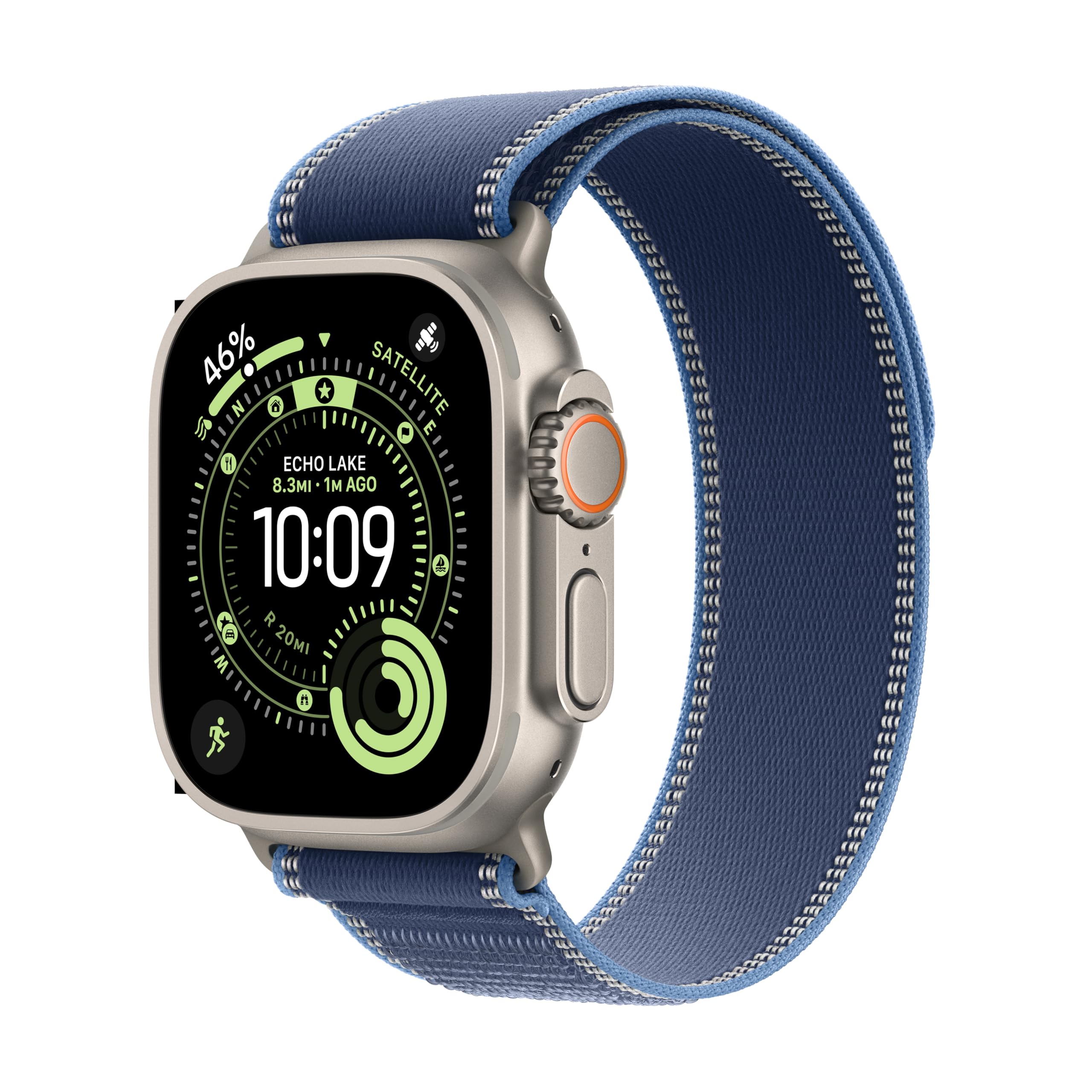
If you want to leave your phone at home and still take calls, text, and stream music, the Apple Watch Ultra 3 is the one to beat — a 49mm titanium watch with up to 42 hours of normal battery life and built-in 5G. But a cellular smartwatch is only as good as the network hookup behind it, and the right pick changes completely depending on whether you carry an iPhone or an Android phone. That single choice decides everything below, because the best cellular watches are tied to one camp or the other.
This guide is built by comparing the manufacturers’ published specifications and the patterns across verified customer reviews, so you get each pick’s real strengths and trade-offs instead of marketing spin.
Here you’ll find nine watches sorted into the ones that genuinely replace your phone for a day and the ones that just make it more convenient, plus the plain-English spec guide that explains what all those numbers actually mean for your wrist. best cellular smartwatch.
Top Picks

How To Choose The Best Cellular Smartwatch
The first question is not battery life or screen size — it is which phone you already carry. A cellular watch has its own data line and phone number, so it can make calls and send texts with no phone nearby. But that freedom only works if the watch speaks the same language as your phone. Apple Watches pair with iPhones. Galaxy and Pixel watches pair with Android phones. Get that wrong and everything else is irrelevant.
Phone compatibility decides your shortlist
iPhone owners should stay inside the Apple lineup. Android owners should look at Samsung’s Galaxy Watch line or Google’s Pixel Watch. A couple of the rugged fitness picks in this list work with both, but they lean on your phone for calls rather than carrying their own LTE line — so read each spec carefully before you buy. Buying the wrong ecosystem is the single most common expensive mistake in this category.
Battery hours versus battery weeks
Most full-featured cellular watches in this list run in the 18 to 42 hour range on a normal charge. If you sleep in your watch to track sleep, that number matters twice as much, because you may need to top it up before bed. A few of the adventure-focused picks stretch into days rather than hours, but they trade some of the smart features for that endurance. Decide upfront if you want a phone on your wrist or a battery champ with notifications.
Build, water, and what you actually do
Case material and water resistance are where the price gaps live. A titanium case with a sapphire crystal face handles bumps, saltwater, and pool laps; an aluminum case with standard glass is lighter and kinder to small wrists but wants more care. Match the build to your real week — gym and showers, open-water swims, or a desk job — rather than buying for a version of yourself who runs ultramarathons.
Side-by-Side Comparison
| Model | Best For | Cellular Tech | Battery Life | Weight | Amazon |
|---|---|---|---|---|---|
| Apple Watch Ultra 3★ Best Overall | All-day phone-free training | 5G | Up to 42 hours | 2.24 oz | Amazon |
| Google Pixel Watch 4 (45mm)Top Performer | Big-screen Android users | LTE | Up to 40 hours | — | Amazon |
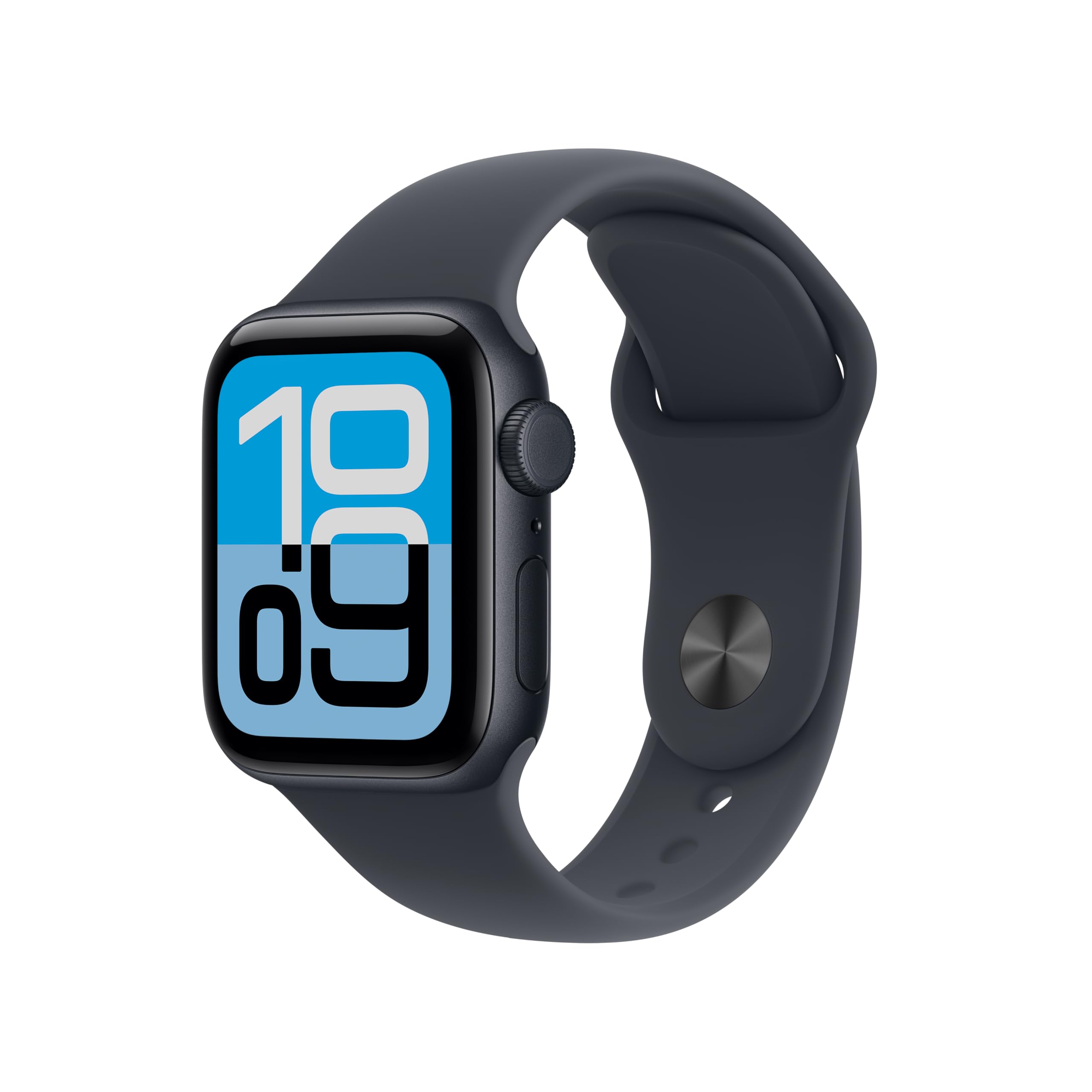
| Apple Watch SE 3Best Value | First watch and kids | 5G | Up to 18 hours | 0.96 oz | Amazon |
| Google Pixel Watch 4 (41mm) | Small wrists, full features | LTE | Up to 30 hours | — | Amazon |
| SOUYIE Military Rugged | Budget calling on a big screen | Bluetooth | 7-10 days | — | Amazon |
| Samsung Galaxy Watch 8 40mm | Compact Android all-rounder | LTE | 325 mAh cell | — | Amazon |
| Samsung Galaxy Watch Ultra | Rugged Android adventure | LTE | 60 hours | — | Amazon |
| Garmin Venu X1 | Big display, thin case | Paired calling | Up to 8 days | 34 g | Amazon |
| Garmin Fenix 7X Sapphire Solar | Weeks-long expeditions | Paired calling | Up to 37 days with solar | — | Amazon |
Detailed Reviews
1. Apple Watch Ultra 3 [GPS + Cellular 49mm]
Our pick — 4.5+★ from 1,000+ verified ratings; the strongest balance of quality and price.
The titanium tank built for people who leave the phone at home on purpose.
This is the one iPhone owners buy when battery anxiety is the dealbreaker. The Ultra 3 runs up to 42 hours of normal use and stretches to 72 hours in Low Power Mode, so you can track sleep overnight, take calls on 5G, and still not think about the charger until the following evening. That display can double as a flashlight.
For anyone training seriously, the hardware earns its keep. It carries dual-frequency GPS, so your pace and route stay locked in tight tree cover and between tall buildings, plus Pacer, Heart Rate Zones, Custom Workouts, running power, training load, and Workout Buddy running on Apple Intelligence from your nearby iPhone. The action button gives you a physical press for starting a workout or firing the flashlight without poking at the screen.
What wins people over is the battery once the ownership reality sets in — buyers report the Ultra 3 only needs charging every two to three days and tops back up to full in about an hour. The trade-off is size and cost: 2.24 ounces is real weight on a small wrist, and the rugged build is more watch than a desk-first buyer needs. If you want the Apple ecosystem on your wrist without the bulk, the SE 3 further down is the smarter match.
Standout strengths
- Up to 42 hours normal use, 72 hours in Low Power Mode
- Rugged titanium case with sapphire crystal, 100m water resistance
- Dual-frequency GPS plus Pacer, Heart Rate Zones, and running power
- Standalone calls, music, and podcasts over 5G without your iPhone
Straight trade-offs
- 2.24 ounces is heavy if you have a slim wrist
- Premium build means a premium outlay
- Satellite feature needs an iPhone nearby to set up
Made for: trail runners, triathletes, and swimmers who want calls and maps on the wrist with zero phone in the pocket.
Think twice if: you mostly want notifications and a step count — the lighter SE 3 covers that for less bulk.
2. Google Pixel Watch 4 (45mm) LTE
The Android answer to a phone-free day, with a fuller display and a battery big enough to last it.
If you carry a Pixel or any Android phone, the 45mm Pixel Watch 4 is the Google-flavored equivalent of the Apple experience — LTE calling, Gemini AI on your wrist, and a 455 mAh cell that Google rates for up to 40 hours of use. The setup also bundles two years of data, so the cellular line is ready without a separate plan scramble. The domed Actua 360 display is 10 percent larger and 50 percent brighter than the Pixel Watch 3, per Google, and it uses scratch-resistant Gorilla Glass so a sleeve or a car door does not chew it up.
The design is the reason most people buy it — the appearance is what owners rave about most, and the display holds up outdoors where glare usually wins. Gemini answers questions and drafts hyper-relevant quick replies texts, and Google Fi powers messaging, navigation, and music over the LTE line. Charging is fast: the side dock adds 15 hours of battery in 15 minutes or less.
The honest caveat is battery pace. Owners describe it as heavy on battery use and smart to charge every other day — one puts it plainly: it “is Heavy on battery use so it is wise to charge every other day to make sure it doesn’t run out of juice.” That is a charging habit, not a flaw. If you want to stop thinking about the charger entirely, the Apple Watch Ultra 3 at 42 hours and the Garmin Fenix further down push longer.
Where it shines: a bright, larger Actua 360 display, built-in Gemini, dual-frequency GPS for accurate routes, and a 15-minute top-up that covers an afternoon.
The honest catch: expect to charge every other day, and the 45mm case is a big presence on a smaller wrist — the 41mm sibling is the better fit there.
Reach for this if: you are all-in on Android and want big-screen calls, Gemini help, and a two-year data bundle from the start.
Look elsewhere if: you carry an iPhone — this watch lives in the Google ecosystem only.
3. Apple Watch SE 3 [GPS + Cellular 40mm]
The light, sensible Apple cellular watch that does the everyday jobs without the premium weight.
Weighing just 0.96 ounces, this is the thinnest-on-the-wrist entry into iPhone cellular freedom — and value is the reason people pick it. It runs 5G for texts, calls, music, and emergency services with no iPhone in reach, and the 18-hour battery covers sunup to sundown. Charging jumps to twice the speed of the SE 2, and a quick 15-minute top-up returns up to 8 hours of battery. The Always-On Display means you read the time without raising your wrist.
Health tracking here is broad for the tier — overnight metrics through the Vitals app, a sleep score, sleep apnea notifications, and irregular heart rhythm and unusual high or low heart rate alerts. It adds wrist temperature tracking while you sleep for cycle logging and predictions, tracks workouts from running and strength training to a 10K-step day, and can detect a hard fall or severe car crash to connect you to emergency services. There is a reason parents put this on kids: one buyer wrote it “gives us extra confidence when he’s away from us,” and cellular means it works without a hand-me-down phone.
The trade-off versus the Ultra 3 is depth of sensing and endurance — no ECG or blood oxygen, and 18 hours versus the Ultra 3’s 42. For someone who plugs in nightly anyway, that gap rarely matters. Compared with the 2.24-ounce Ultra 3, this 0.96-ounce case disappears on the wrist, which is exactly what a smaller-wrist owner wants.
Reasons to pick it
- 0.96-ounce case that suits small wrists and kid wearers
- Up to 8 hours of battery back in a 15-minute charge
- 5G cellular calls and texts without the iPhone nearby
Reasons to think bigger
- No ECG or blood oxygen sensor
- 18-hour battery means daily charging
- Aluminum and standard glass demand more care than titanium
Built for: first-time Apple watch buyers, parents arming a child with a cellular line, and anyone who wants the essentials in a featherweight case.
Not the fit if: you want advanced health sensors or multiday battery — step up to the Ultra 3 for those.
4. Google Pixel Watch 4 (41mm) LTE

Same Google smarts as its 45mm sibling, shrunk for a smaller wrist.
The 41mm Pixel Watch 4 delivers the same core package as the larger version — LTE calling, Gemini AI, a scratch-resistant Actua 360 domed display, dual-frequency GPS, and two years of included data — in a case that sits more quietly on a slender wrist. The battery here is a 325 mAh cell rated for up to 30 hours, or up to 48 hours in Battery Saver mode, and the side charging dock delivers 15 hours of battery in 15 minutes or less.
Owners moving from other watch brands tend to land happy — a swapper from a Samsung Watch 7 called the screen “crisp bright,” praised the GPS, and liked that the LTE version keeps Gemini a tap away with good call audio. The core appeal is the look: the appearance is what this line is praised for most, and the domed glass is the piece that turns heads. It runs 40+ exercise modes with real-time stats, so runs, hikes, and gym sessions all have a home.
The recurring gripe is the battery rhythm. Owners talk about leaning toward a charge every other day, which is the price of a full-feature Android watch this small. If you want to wear it overnight for sleep data without a mid-evening top-up, plan the routine. Compared with the 45mm model, you trade a 30-hour rating for 40 hours but gain a case that stays out of the way of a jacket cuff.
The 41mm angle: a slim, polished-silver aluminum case with the same Gemini, LTE, and Actua 360 display as the bigger Pixel — just scaled down and rated for up to 30 hours.
What to plan around: a 325 mAh battery charges fast but needs a routine, and the 48-hour Battery Saver mode is the safety net for long days away.
Pick this over the 45mm if: your wrist is on the smaller side and you still want the full Pixel Watch feature set.
Go bigger if: you would rather trade a little size for the 45mm’s longer 40-hour battery rating.
5. SOUYIE Military Rugged Smart Watch

A big-screen, two-strap watch that trades true cellular for Bluetooth calling and a huge battery.
This one is honest about what it is. It answers and makes calls over Bluetooth through a tiny mic and speaker, not through its own LTE line — so your phone still needs to be within range. What you get in return is a 1.43-inch AMOLED screen at 466 x 466 resolution, one of the sharpest small displays in the budget tier, plus a 400 mAh battery rated for 7 to 10 days of use or up to 30 days of standby and a two-hour charge. It ships with a steel strap and a silicone strap, and the included tool swaps them in about a minute.
It fits a specific buyer: someone who wants a big, bright face for notifications and calls, a rugged look, and week-long battery life without paying for a premium ecosystem. The 100+ sports modes, health sensors, and notifications from SMS, Facebook, WhatsApp, and Instagram cover the essentials, and the always-on AMOLED setting avoids drain.
Be clear-eyed about the compromises. Setup can be finicky — the packaging creates confusion about which app to use, and the “DaFit” app is the one that works best. A few owners mention health readings that miss the mark and one unit that stopped charging, though the overall picture is a usable watch for basic functions rather than a fitness-grade tracker. If precise heart-rate and sleep data matter to you, this is not the pick.
The budget math: a 466 x 466 AMOLED display, 400 mAh battery rated 7-10 days, and two straps for a fraction of the flagship outlay — the appeal is unmissable.
Know before you buy: calling runs over Bluetooth, so the phone stays in range, and the health sensors are best treated as a rough guide.
Suits you if: you want a big-screen rugged watch with week-long battery for the price of an accessory.
Skip if: you need standalone cellular or lab-grade health tracking — a Galaxy or Pixel watch is the honest step up.
6. Samsung Galaxy Watch 8 40mm LTE

Samsung’s smallest LTE Galaxy, built to disappear on the wrist and still run the full app suite.
The 40mm Galaxy Watch 8 is for Android users who want calls and texts on the wrist but do not want a dinner-plate watch. It uses LTE for standalone connectivity, a rubber band and buckle closure, and a 325 milliampere-hour battery with 1.23 watt-hours of power. Samsung’s pitch is the experience: a cushion design that sits snug, a Quick Button, Running Coach that analyzes your performance, a Now Bar for glanceable updates, and an Energy Score that reads yesterday’s sleep, activity, and heart rate into one number.
Watch quality is what owners praise most, and the everyday usefulness backs that up — replies without a phone in hand are the recurring theme, including listening to audiobooks and checking texts while untethered. One user called it the best watch they have ever owned and loved how customizable the bands and faces are. The interface is designed for quick glances at sports scores, news, and weather, and it pairs with Samsung phones as well as other Android devices through the Galaxy Wearable and Samsung Health apps.
The catch is battery life. With a 325 mAh cell and an always-on display that pulls at it, a full day is the realistic bar rather than a multi-day stretch. The 40mm case keeps the weight down, but small-battery endurance is the swap you make for a compact fit compared with the Galaxy Watch Ultra’s 590 mAh cell.
What customers love: a snug 40mm cushion case that fits small wrists, the Running Coach and Energy Score features, and LTE texting without hauling the phone.
The one habit to accept: a 325 mAh battery means you plug in nightly if you want the always-on display running all day.
Tick this box if: you want a compact, LTE-capable Galaxy for notification, calls, and wearable Samsung Health tools.
Step up to the Ultra if: a 60-hour battery rating and a titanium build fit your week better than a slim 40mm case.
7. Samsung Galaxy Watch Ultra 47mm LTE
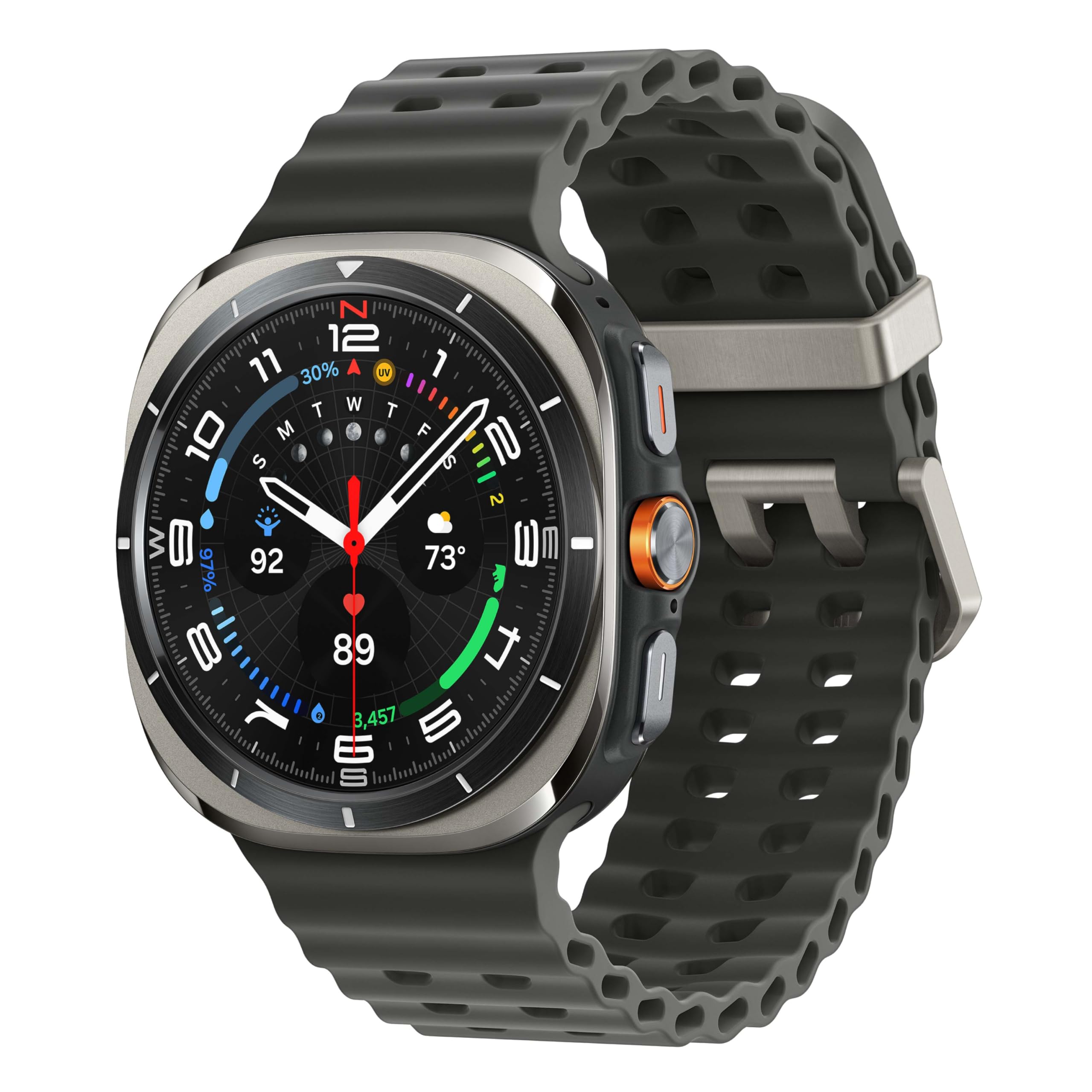
The Android answer to the Ultra 3 — a 590 mAh titanium watch that runs up to 60 hours and takes the outdoors seriously.
For Android users who want the rugged, do-everything build without giving up LTE calls and texts, the Galaxy Watch Ultra is the Android camp’s answer to the Apple Watch Ultra 3. It packs a 590 mAh battery rated at 60 hours, charges in about two hours, and wears a titanium case with a 20mm silicone band. The design holds up to workouts in rain, dust, and open-water swimming, and it is the piece Samsung calls its toughest yet.
Owners are drawn in by the look — the titanium finish is the top praise point — and they note how easy the menus are to navigate, which is what you want when your hands are sweaty on a run. Energy Score reads yesterday’s sleep, heart rate, and steps into a daily readiness number, Wellness Tips feed personalized suggestions from your phone, and Heart Rate Tracking with Galaxy AI filters out movement for steadier readings mid-workout.
Compared with the 40mm Galaxy Watch 8, this is a 590 mAh cell against a 325 mAh one and 60 hours against roughly a day of real use — a meaningful step up for anyone tired of nightly charging. The trade-off is bulk: a 47mm titanium case is a lot of watch, and it is priced accordingly. Owners whose wrists run small should try it on first.
Why it earns the upgrade
- 590 mAh battery rated for 60 hours, charged in about 2 hours
- Titanium case rated for ocean swimming and dusty trails
- Energy Score, Wellness Tips, and Galaxy AI heart rate tracking
What you accept
- 47mm titanium is a large presence on the wrist
- Premium build means premium spend
- Battery ratings still shy of the Garmin adventure watches
The pick for: Android users who want the toughest Galaxy build with standalone LTE and multi-day battery.
Size check first if: your wrist runs small — the 40mm Galaxy Watch 8 is the compact alternative.
8. Garmin Venu X1

Garmin’s biggest screen in its thinnest case — 2 inches of AMOLED on an 8mm body.
If you want the readable screen of a midsize phone strapped to your wrist without a chunky case, this is the one. The Venu X1 pairs a 2-inch AMOLED display with an 8mm-thin case, a titanium caseback, a scratch-resistant sapphire lens, and a ComfortFit nylon band — all at 34 grams (40 with the band), which is why owners call it thin and lightweight. That screen is what people rave about most, and the functionality that backs it dominates owner feedback: more than 100 preloaded indoor and outdoor sports apps, built-in maps, and training readiness and status readouts.
Battery is where Garmin separates from the LTE crowd. It runs up to 8 days in smartwatch mode and up to 16 hours in GPS mode, so a full work week passes between charges. Calls work through a built-in speaker and mic when paired to your smartphone — that is pairing, not a standalone LTE line, so it is not a true cellular-only watch. It handles golf with preloaded CourseView maps for more than 43,000 courses, plus HRV status, advanced sleep tracking, Body Battery, and Pulse Ox when available.
Flip the tiers, though: customers note six to seven days of real use between charges, which is short of the eight-day rating but well ahead of any 30-to-42-hour watch here. Sleep tracking draws mixed notes, and it is not a medical device — the metrics are close estimations. For an ultra-runner wanting 10 to 14 days with heavy map use, the Fenix 7X below goes further.
The headline spec: a 2-inch AMOLED on an 8mm, 34-gram titanium-backed case — the reading surface of a big watch in a body that stays out of the way.
Reality check: actual use lands around six to seven days per charge, and calls need your phone nearby — no standalone LTE line here.
Your match if: you want a large, legible Garmin display and week-long battery more than an LTE line you rarely use.
Choose the Fenix instead if: you need pure standalone endurance and top-tier navigation for backcountry outings.
9. Garmin Fenix 7X Sapphire Solar
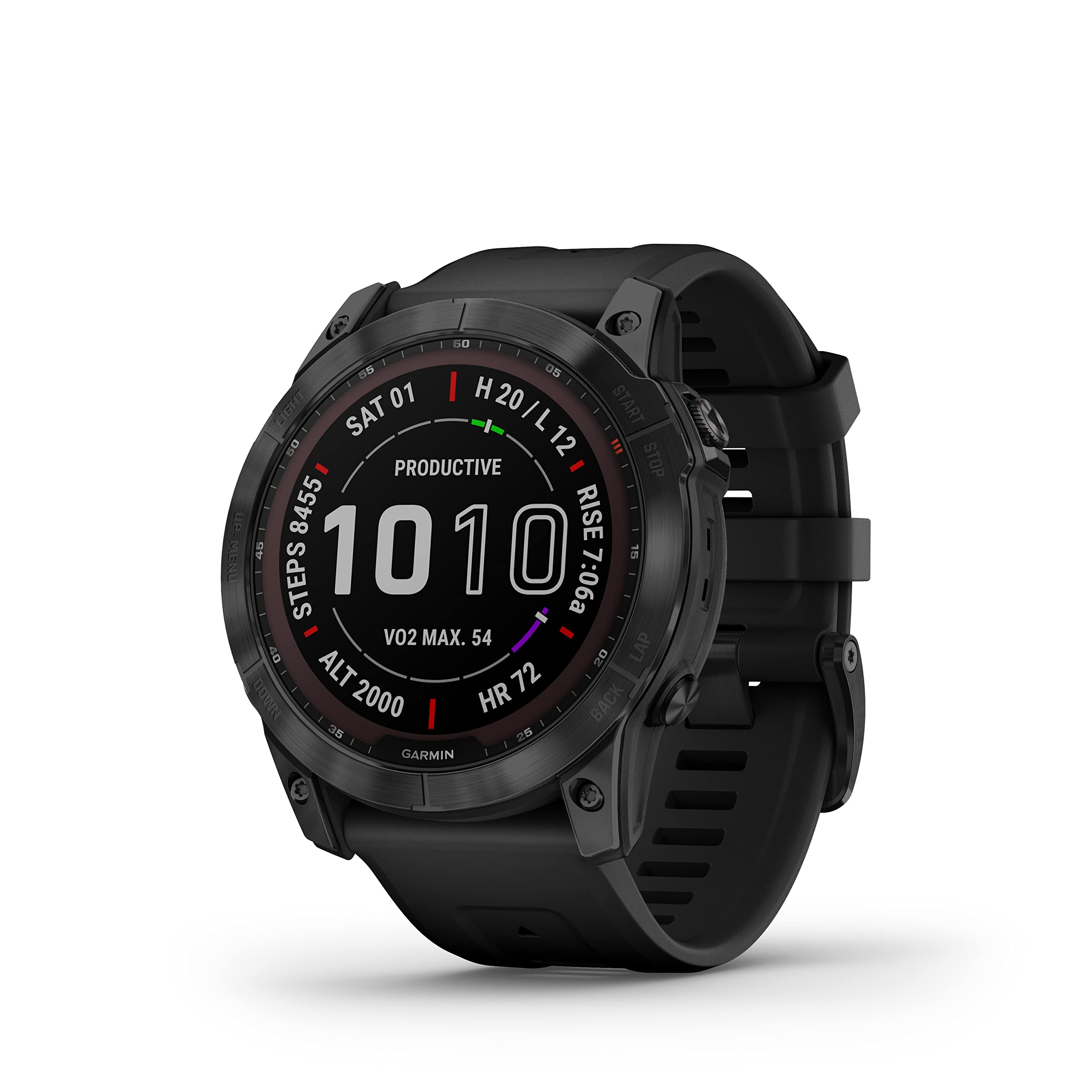
The two-week-plus battery champ built for people who forget where the charger is.
For backcountry hunters, ultra runners, and anyone who lives off-grid enough that charging is a chore, the Fenix 7X Sapphire Solar is the endurance king of this list. It runs up to 28 days in smartwatch mode indoors and up to 37 days with solar charging at three hours of direct sunlight per day at 50,000 lux. In GPS mode it rates up to 89 hours indoors or up to 122 hours with continuous direct sun — the kind of runtime that leaves the LTE watches in a different sport. That solar panel and a built-in LED flashlight keep you going after dark, and the sapphire lens resists scratches.
The build and navigation are why owners stay loyal — the appearance is the top praise point, with durability and battery life close behind. Multi-band GNSS support across GPS, GLONASS, and Galileo plus a 3-axis compass, gyroscope, and barometric altimeter handle serious route finding, and a 1.4-inch always-on display keeps the map visible with button controls that work with gloves. Wi-Fi lets you download maps for any continent without a computer, and Garmin Pay, music storage, and smart notifications round out daily life. Owners use them for golf, biking, and walking, and the solar top-up means charges come every few weeks.
The cost is a big, heavy case — it takes weeks to get used to the size and weight, and an owner with a small wrist still wears the oversized X-large display. The price is premium, the solar charging is weaker than the headline suggests, and sleep tracking draws mixed notes. If those are acceptable, nothing else here lasts like it.
Endurance first: up to 28 days indoors and up to 37 days with three hours of daily solar at 50,000 lux — a watch you charge every few weeks, not every night.
The size question: a large titanium case takes weeks to settle on the wrist, and the solar gain is modest — the real draw is the GPS mode runtime.
Buy this if: you want solar-assisted, weeks-long battery and pro-grade navigation for expeditions and long trails.
Buy lighter if: a slim daily-wear Android or Apple watch fits your life better than a large adventure case.
Know the Specs
What “Cellular” Actually Means On A Watch
A cellular watch carries its own data line and phone number, so it makes calls, sends texts, and streams music with no phone in range. In this list, the Apple Watch Ultra 3 and SE 3 use 5G, while the Pixel Watch 4 models and both Galaxy Watches use LTE. The SOUYIE and the two Garmins are different — the SOUYIE calls over Bluetooth and the Garmins use a paired smartphone, so calls only work when your phone is nearby. Read that spec first, because it decides whether the watch truly frees you from the phone.
Battery Hours Versus Battery Weeks
Battery here ranges from an 18-hour rating on the Apple Watch SE 3 to up to 37 days with solar on the Garmin Fenix 7X. The LTE watch group generally runs 18 to 60 hours per charge, while the paired-calling Garmins run from about 8 days to weeks. If you sleep in the watch, a shorter rating means a before-bed top-up. Fast charging softens that — the Pixel Watch 4 adds 15 hours of battery in 15 minutes or less, and the SE 3 returns up to 8 hours from a 15-minute charge.
Case Materials And Water Resistance
Case material drives both durability and price. Titanium cases with sapphire or Gorilla Glass fronts — as on the Ultra 3, Galaxy Watch Ultra, Venu X1, and Fenix 7X — resist scratches and bumps. The Apple Watch Ultra 3 is rated water resistant up to 100 meters, which covers swimmers and divers, while the SOUYIE handles handwashing and rain but explicitly not swimming, diving, or showers. Buy to the water exposure your week actually includes.
Display Type And Readability Outdoors
AMOLED and Always-On displays keep information visible without a wrist raise, but they also pull battery. The Venu X1 pairs a 2-inch AMOLED with an 8mm case for maximum legibility. The Pixel Watch 4’s Actua 360 domed display is rated 10 percent larger and 50 percent brighter than the Pixel Watch 3, and the SOUYIE’s 1.43-inch panel runs 466 x 466 with anti-glare for sunlight. A brighter, larger panel is worth the battery cost only if you read the watch outdoors often.
Common Questions
Will a cellular smartwatch work with my phone?
Do I need a separate phone plan for a cellular watch?
How long does the battery really last on a cellular smartwatch?
Can I make calls without my phone on these watches?
Is a cellular watch worth it if I always have my phone?
How accurate is the GPS on these watches?
Can I swim with a cellular smartwatch?
Do these watches track heart rate and sleep on their own?
Which cellular smartwatch has the biggest display?
How long does it take to charge a cellular smartwatch?
The Bottom Line
For the strongest all-round cellular smartwatch, the Apple Watch Ultra 3 is hard to argue with — 42 hours of normal battery, a rugged titanium case, dual-frequency GPS, and true 5G calling make it the watch to beat for iPhone users who want to leave the phone behind. If you carry Android and want the full package at a more approachable tier, the Google Pixel Watch 4 (45mm) pairs Gemini, a bright Actua 360 display, and two years of included data with LTE freedom. And for anyone whose idea of a smartwatch is weeks between charges rather than hours, the Garmin Venu X1 trades standalone LTE for a 2-inch AMOLED and up to 8 days of battery. If battery endurance is the reason you are shopping, the Garmin Fenix 7X Sapphire Solar is the safest pick of all — a device that genuinely needs attention only every few weeks.
How we choose
We do not accept paid placement. Every pick is matched to a real buyer and a real use-case; we do not hands-on test units.
Sources
Specifications: manufacturer listings and product documentation. Review insights: verified customer reviews, as of October 2026. Pricing: not shown on this page (it changes often); check the current price via the retailer link.
As an Amazon Associate, Aappliancez earns from qualifying purchases. This does not affect which products we feature.