Disclosure: Some links in this post are affiliate links. As an Amazon Associate I earn from qualifying purchases, at no extra cost to you. Learn more
Specs are compiled from manufacturer listings and verified buyer reviews and can change over time — please confirm the key details on the product page before buying.
Long shoots punish the wrong camera. A wedding ceremony, a church service, a three-hour class recording, a podcast marathon — these are the jobs where most cameras quit early, either by capping a clip at 30 minutes or by heating up until they shut themselves off. The cameras on this list are the ones built to keep rolling: active cooling, unlimited recording modes, big batteries, and the kind of autofocus that stays locked on a moving subject for hours without you babysitting it.
This guide is built by comparing the manufacturers’ published specifications and the patterns across verified customer reviews, so you get each pick’s real strengths and trade-offs instead of marketing spin.
Every model here is chosen for a different kind of long-form job, from a one-person vlog rig to a ceiling-mounted PTZ for worship streaming. If you need a camera that survives a full event without a cooldown break, this is the camera for long video recording.
Top Picks

How To Choose The Best Camera for Long Video Recording
The single question that separates a camera that films a full event from one that dies at intermission is heat. A camera running 4K for an hour generates real warmth inside a body the size of your hand, and if there is no fan or heat sink to move that warmth out, the camera protects itself by stopping. Everything else — battery, storage, focus — you can work around. Heat you cannot.
Look for active cooling or a documented unlimited record mode
Some bodies list a fan plus a heat sink specifically so the recording time limit disappears. Others manage heat through sheer size or a body that does not oversample, which is why a compact camcorder can sometimes outlast a small mirrorless. If a camera is honest about its record limit, treat that number as your shoot ceiling.
Battery life in minutes matters more than battery size
A stated battery life in minutes tells you how long you can actually run before a swap. A big battery that drains in 90 minutes is more disruptive than a smaller one that lasts through a ceremony. Plan for how you will power the camera during the longest stretch — many bodies can run from a USB-C cable or an AC adapter while rolling, which is how event shooters get through a full day.
Match the mount and the output to how you stream or edit
If the camera feeds a livestream, the output path decides more than the sensor. A body that pushes clean video over HDMI or USB without extra capture hardware saves you a whole box of gear. For edited work, the file format and bit depth determine how much room your card needs and how hard your computer works in post.
Side-by-Side Comparison
| Model | Best For | Sensor | Video Ceiling | Zoom / Stabilization | Amazon |
|---|---|---|---|---|---|
| Sony Cinema Line FX30★ Best Overall | Cinema-style long-form and podcast runs | 20.1 MP Super 35mm APS-C | 4K, active cooling, no overheating | Interchangeable Sony E/FE lenses | Amazon |
| DJI Osmo Pocket 3 Creator ComboBest for Travel | Pocket-size vlogging and travel | 1-inch CMOS | 4K at 120fps | 2x digital zoom, 3-axis mechanical stabilization | Amazon |
| Prisual 4K30 NDI PTZ CameraBest for Streaming | Church worship and multi-camera streaming | 1/1.8-inch CMOS, 8.42MP | 4K at 30fps, three simultaneous outputs | 20x optical, 16x digital, 60° wide view | Amazon |
| Sony ZV-E10 | Desk livestreams and long sit-down sessions | 24.2MP APS-C Exmor CMOS | 4K oversampled from 6K | Interchangeable Sony E mount | Amazon |
| Canon EOS RP | Still-first creators who film occasionally | 26.2MP full-frame CMOS | Full HD via clean HDMI output | Canon RF mount, EF/EF-S with adapter | Amazon |
| Panasonic LUMIX G85 | Budget 4K shoots that run for hours | 16MP Micro Four Thirds | 4K QFHD | 12-60mm lens, 5-axis in-body stabilization | Amazon |
| OM SYSTEM OM-5 Mark II | Weather-sealed travel filming | Micro Four Thirds sensor | Unlimited 4K recording | Micro Four Thirds mount | Amazon |
| Canon VIXIA HF G70 | Run-and-gun and wedding coverage | 1/2.3-inch 4K UHD CMOS | 4K UHD | 20x optical, 800x digital, image stabilization | Amazon |
| Sony FDR-AX43 | Church events and long handheld zoom work | 1/2.5-inch Exmor R low-light CMOS | 4K 16:9 | 20x optical, built-in gimbal stabilization | Amazon |
| LUMIX S5II | Unlimited pro video with heat-dispersion fan | 24.2MP full-frame CMOS | 6K 30p Open Gate unlimited recording | Leica L mount zoom lens | Amazon |
| Sony Alpha a6700 | All-purpose hybrid stills and 4K/60p | 26.0MP APS-C Exmor R CMOS | 4K/60p 6K oversampled, plus 4K 120p | 18-135mm F3.5-5.6 zoom lens | Amazon |
Detailed Reviews
1. Sony Cinema Line FX30 Super 35 Camera, Gray
Our pick — 4.5+★ from 500+ verified ratings; the strongest balance of quality and price.
The cinema body that keeps shooting while cheaper cameras pause to cool down.
If your longest shoot of the year is a service, a session, or a full-day interview block, the spec that earns this camera the top spot is its active cooling — a design that moves heat out of the body so long takes do not trip an overheat shutdown. Around that sits a 20.1 MP Exmor R APS-C sensor in the Super 35mm format, paired with dual base ISO and a 14+ stop dynamic range, which is how it holds onto light in a dim sanctuary without turning shadow detail into mush.
The recording toolkit is built for people who edit rather than post straight from the card. S-Cinetone skin tones come out of the camera without grading, Cine EI and Cine EI Quick keep exposure predictable across changing light, and user LUTs can be applied to the LCD and HDMI output — so what you monitor on set is close to what you deliver. There are 495 autofocus points with both phase and contrast detection, and the body is compatible with Sony E and FE mount lenses, so a wide zoom for group shots and a long lens for close-ups can live on the same camera.
What owners keep circling back to is the picture itself — buyers report running this body for “45+ podcasts, possibly best camera on market.” The honest limit shows up in the same conversations: the battery gets roughly 1–2 hours per charge, and the workaround people use is a spare battery pack feeding the camera while it rolls. For a camera at this level, that is a power-planning task, not a deal-breaker — but you should own two batteries before you own a second lens.
Where it earns its place
- Active cooling lets it record long takes without overheating, unlike the a6700 below
- Dual base ISO plus 14+ stop range keeps low-light footage clean
- Full-size HDMI and dual card slots in a compact cinema body
- S-Cinetone color needs no post work to look finished
What to plan around
- Charges last roughly 1–2 hours, so bring a spare pack or run on AC
- Body-only kit means no lens in the box
Pick this if: you film events, sermons, or podcast blocks longer than an hour and want cinema color without a post-production team.
Think twice if: you want a one-piece camera with a built-in lens and a weekend-friendly battery.
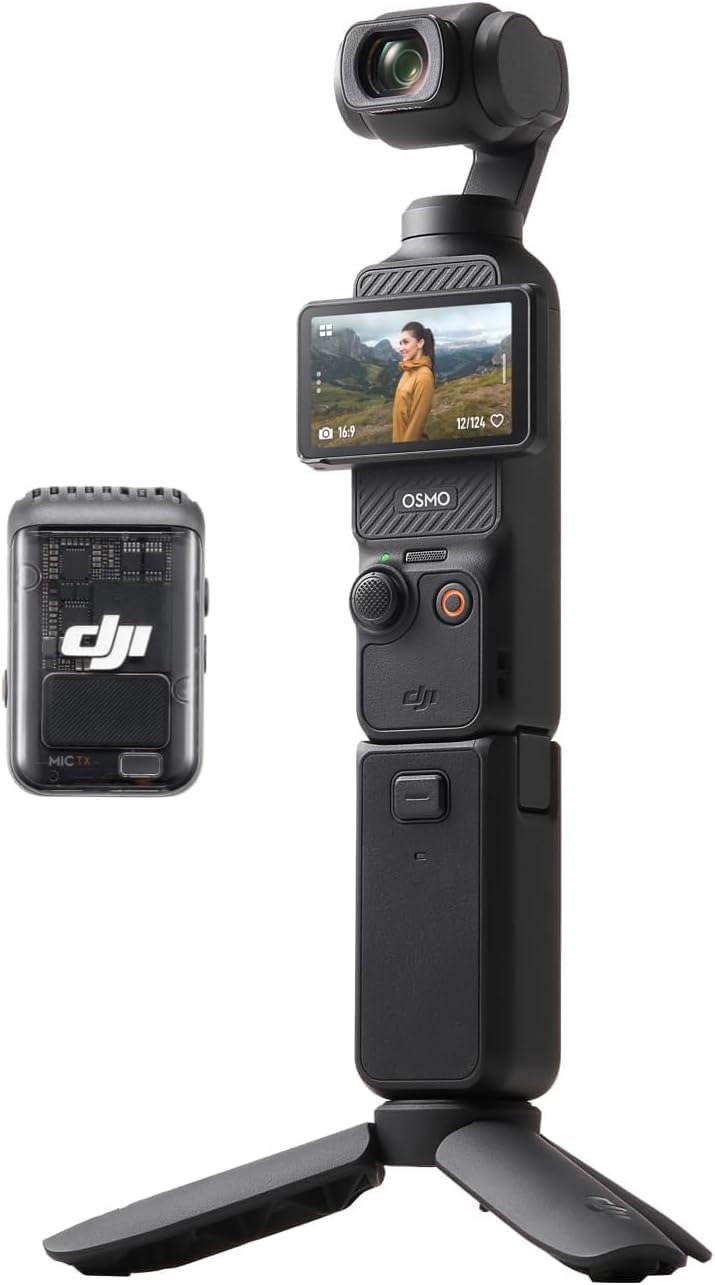
2. DJI Osmo Pocket 3 Creator Combo
A one-inch sensor on a mechanical gimbal that fits in a sweater pocket.
The number worth knowing first is 166 minutes — the stated battery life on this pocket gimbal, which is the difference between filming a travel day and filming a travel morning. It gets that runtime from a body built around a 1-inch CMOS sensor shooting 4K at up to 120fps, with a 2-inch touchscreen that rotates so vertical social clips and horizontal films come from the same setup. Unlike the FX30 above, there is no lens to choose and no bag to pack — this is the camera for the person who would otherwise leave the good camera at home.
The stabilization is mechanical, a 3-axis gimbal rather than software smoothing, so walking, chasing a pet, or hiking downhill comes back usable. ActiveTrack 6.0 keeps a subject centered when you set it on a tripod and move around, and the Creator Combo adds a DJI Mic 2 transmitter so audio does not depend on the tiny built-in mics. The 2x digital zoom is minimal compared to the Prisual’s 20x optical reach, so treat this as a close-quarters camera, not a long-lens one.
Two honest notes from the field. First, value is the most debated point — plenty of owners consider it worth the money, while others do not, and the accessories you want (tripod legs, a front protector) sell separately, with the included case leaving the bottom and back exposed. Second, setup is fussy the first time: you must register the device before your fifth use or it locks, and the app install requires sideloading in some cases. After that, owners describe instant setup and hit-record workflow. Also expect the battery to work hard — one buyer logged “11% used during setup/firmware,” so budget extra for a heavy day.
Small enough to become a habit: when the best camera is the one in your pocket, this is the one that gets used daily instead of the FX30 in its case.
The right call for: travelers, solo vloggers, and anyone filming one-handed who values a fair picture with almost zero setup.
Look past it if: your job needs long optical reach or you would rather not deal with a first-run activation step.
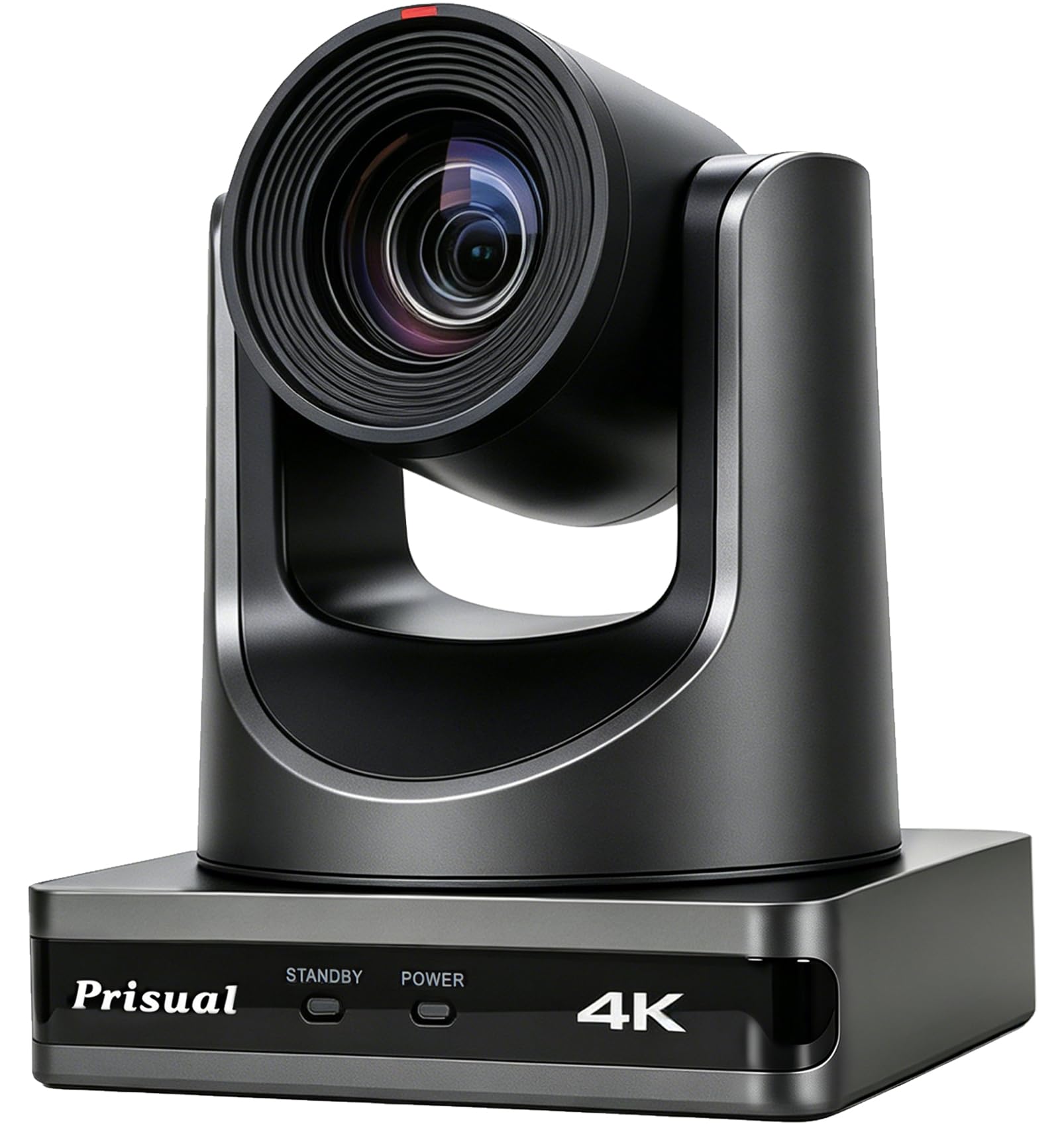
3. Prisual 4K30 NDI PTZ Camera
One ceiling-mounted camera doing the work three box cameras used to do.
A PTZ camera is a camera that pans, tilts, and zooms under remote control, and this one is built for the person running a worship service from a laptop at the back of the room. Its 20x optical zoom pairs with a 60° wide view and a 16X digital zoom — eighteen x more digital reach than the Osmo Pocket 3’s 2x, which is the difference between a face on screen and a speck in a pew. The sensor is a 1/1.8-inch CMOS with 8.42MP effective pixels, recording 4K up to 3840×2160 at 30fps.
The installation story is where it pulls ahead for fixed rooms. PoE, which stands for Power over Ethernet, sends both electricity and network data down a single cable, so a ceiling mount needs one run instead of a power drop plus a network drop. Built-in NDI means it plugs straight into IP video workflows without a paid upgrade box, and it can output HDMI, USB 3.0, and LAN simultaneously in 4K, so a livestream and a local recording can come off the same camera at the same time. Control runs through RS232, RS485, network, or USB with VISCA and Pelco-D/P support, and 255 presets let you snap back to the pulpit angle, the choir angle, and the wide shot.
Owners describe setup as quick, with the PTZ responding smoothly from a joystick or from OBS over RTSP. The recurring gripe is worth knowing before you buy: NDI output can freeze after roughly 20 minutes unless you add a separate paid lifetime NDI license, and the on-board software is broad but occasionally glitchy. Support answers fast but runs on a 12-hour time difference. The metal base holds up and disperses heat better than plastic, which matters when the camera is on all Sunday morning.
Why churches choose it: a single-cable install and simultaneous 4K outputs remove a whole rack of gear from the equation.
Plan for this: the NDI license is not free, so budget for it if IP video is your main path.
Built for: worship teams, classrooms, and conference rooms that stream weekly and want remote camera moves without a camera operator.
Not the fit if: you shoot handheld and need a camera that travels.
4. Sony ZV-E10 APS-C Mirrorless Camera Body Black
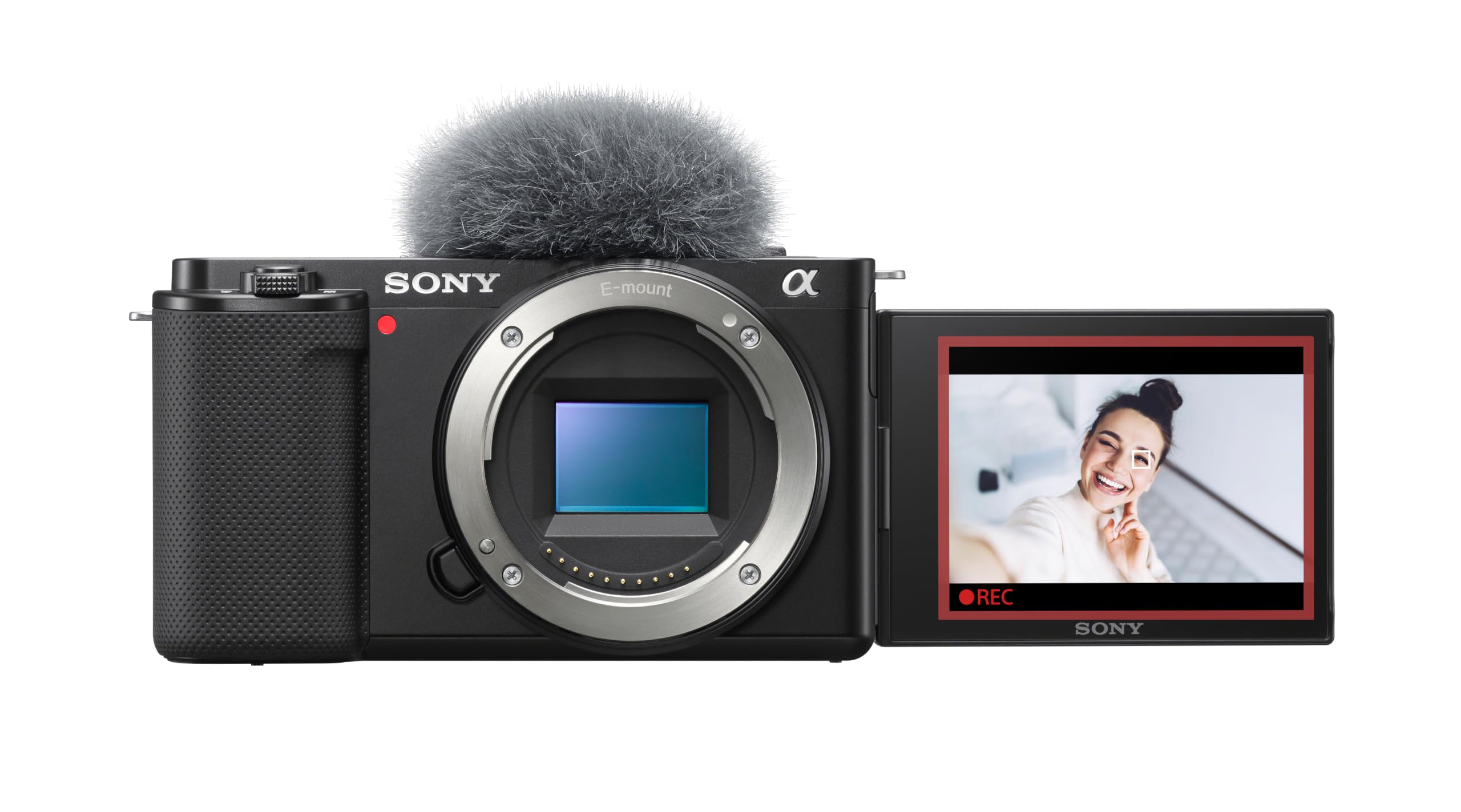
The desk camera that streams for an hour with no capture card in sight.
Plenty of long sessions never leave the desk, and that is exactly the job this body was built for. The chip is a 24.2MP APS-C Exmor CMOS sensor paired with the BIONZ X processor, and its 4K video is oversampled from 6K with full pixel readout and no pixel binning — oversampling means the camera reads more detail than it writes, which is why edges stay crisp even on compressed files.
Two buttons do a lot of the work for solo creators. The Product Showcase Setting transitions focus from your face down to an object in your hand, which is the exact move a review or demo video needs. The Background Defocus button toggles the blurred-background effect on and off with one press. Autofocus uses Eye Detection, there are 425 autofocus points, and the mount is Sony E, so if you later step up to the FX30 above, your lenses follow you. S-Log and HLG profiles cover the color side, and owners note the files stay easy to edit on a normal laptop.
The catch is in the fine print of the autofocus and the box. With first-party Sony lenses the focus is fast and reliable; third-party lenses can lag behind. And several reviewers mention the same thing — the body does not include a lens, and one buyer had to source glass separately after the fact. Budget for a lens, and this becomes one of the strongest price-to-capability picks on this list for someone whose longest shoots are livestreams and talking-head recordings.
The desk-streamer argument
- One USB cable covers streaming, no capture card required
- 4K oversampled from 6K with full pixel readout and no binning
- Product Showcase and Background Defocus modes handle demo videos
- Sony E mount shares lenses with the FX30 and a6700
Budget for this
- No lens included with the body-only kit
- Third-party lens autofocus runs slower than first-party glass
Choose it for: desk livestreams, product demos, and long talking-head sessions where one cable is the whole setup.
Keep shopping if: you need a camera that arrives ready to shoot without buying a lens.
5. Canon EOS RP Mirrorless Camera (Body Only)

The lightest way into full-frame, though video is not its loudest strength.
Canon built this as the lightest and smallest full-frame EOS camera, and that framing matters here. A 26.2 Megapixel full-frame CMOS sensor paired with the DIGIC 8 processor is a lot of light-gathering surface in a body that stays comfortable on a long handheld day. If your long-form work is mostly stills with the occasional filmed segment, the depth-of-field look you get from full frame is hard to fake on a smaller sensor — and the Eye Detection autofocus on the RP is described by owners as night-and-day better than the older DSLR bodies they came from.
For filming, two features carry the weight. Dual Pixel CMOS AF keeps moving subjects in focus, and a clean HDMI output lets the camera feed an external recorder or capture device without the on-screen menus burned into the frame — the same idea as the FX30’s HDMI path, though without the cinema color pipeline behind it. The EOS Utility Webcam Beta software, for Mac and Windows, can also turn the body into a webcam. The RF mount takes RF lenses directly, and EF or EF-S lenses work through an optional mount adapter, so an existing lens collection is not stranded.
Now the trade-off, stated plainly. This is a photography camera that records video; the video side is its weakest area, and reviewers are candid that it is not built for heavy filming. Battery life draws the sharpest criticism and is the reason several owners carry spares. On the plus side, owners moving up from a crop-sensor camera describe the autofocus as transformative, and one long-term user ran it as a daily driver for years without a failure.
The full-frame entry point: for stills-first creators, this delivers the sensor size and the shallow-focus look without the weight of a bigger EOS body.
Worth it for: hybrid shooters who mostly want photographs and will film in shorter segments.
Look to the FX30 if: your week is built around long continuous video, where this body is out of its depth.
6. Panasonic LUMIX G85 4K Digital Camera

The camera that finished five-hour shoots without ever overheating.
Here is the detail that makes this budget body a serious long-form tool: owners mention four-to-five-hour shoots with no overheating, at a time when several more expensive mirrorless cameras were shutting down. That endurance comes from a 16 megapixel Micro Four Thirds sensor with no low-pass filter, a design Panasonic states yields nearly a 10 percent boost in fine-detail resolving power over earlier 16MP Micro Four Thirds sensors. The kit pairs the body with a 12-60mm Power O.I.S. lens, and the whole package is described as nearly half the bulk of most DSLRs.
For handheld coverage of a full service, the stabilization does the heavy lifting. In-body 5-axis dual image stabilization works in both photo and motion picture recording, including 4K video, which is how you get steady shots from a standing position in low light rather than a locked-down tripod. Video tops out at 4K QFHD (3840 x 2160), and the rear 3-inch touch LCD tilts for shooting at awkward angles. The body is weather-sealed, and there are four custom memory modes for saving your most-used setups.
Be clear-eyed about the limits, because they are real: the sensor is 16MP, 4K footage is cropped which narrows your wide shots, and images get noisy above ISO 6400. The menu system is deep and takes time to learn. What you get in exchange is a weather-sealed body, stabilized 4K, and a control layout owners describe as intuitive, all at budget-tier money.
What long shoots get
- Proven through 4–5 hour sessions with no overheating shutdown
- 5-axis in-body stabilization works during 4K recording
- Weather-sealed body and kit lens for outdoor events
- Four custom modes save your most-used settings
Know before you buy
- 16MP sensor and noticeable noise above ISO 6400
- 4K footage is cropped, so wide framing gets tighter
The smart budget call for: event shooters who need hours of stable 4K and do not need the newest sensor.
Think again if: you need the widest possible 4K frame or shoot a lot in very dark rooms.
7. OM SYSTEM OM-5 Mark II Body Black
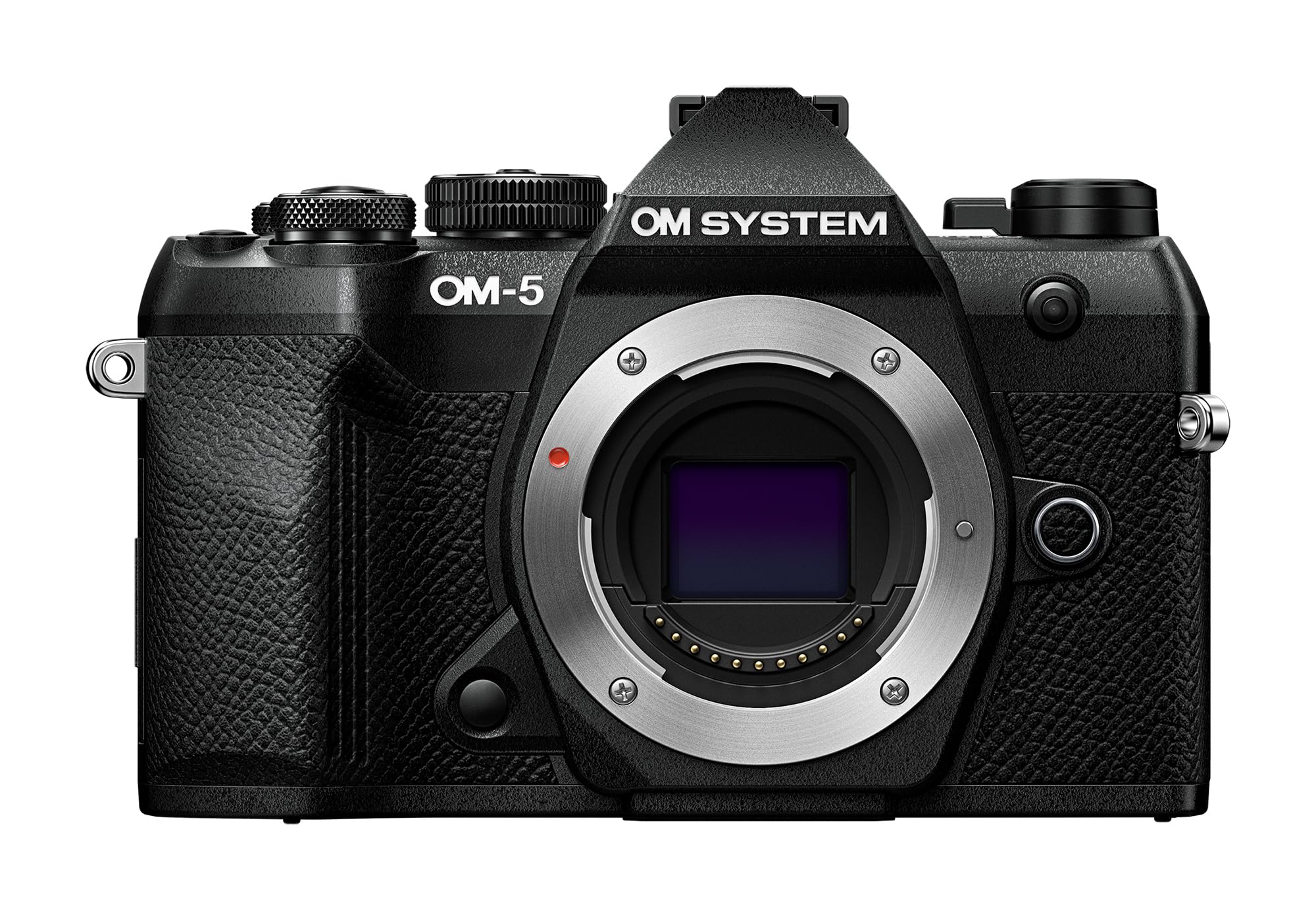
A small weather-sealed body that records 4K without a clip cap.
Two specs make this camera stand out for travel filming. The first is unlimited 4K video recording, which means no built-in stopwatch cutting your take short. The second is the compact, weather-sealed body — the kind you can carry on a trail in wet conditions and keep shooting. Owners who came from larger DSLRs describe moving to this size for travel and never regretting it, and that is the whole pitch: a small kit you actually bring.
Under the hood sits a Micro Four Thirds sensor, a 121-point autofocus system with both contrast and phase detection, and USB and Wi-Fi connectivity. The dedicated computational photography button is the feature owners single out most, giving quick access to the camera’s in-body computational features. There is no built-in flash. For video work the point is less about frame rates and more about the fact that the body will keep running without a heat cut-off, in a package you can hold in one hand.
Two things to know before you commit. The included grip is small, which some owners find awkward with larger lenses, and the microSD card format is smaller and fiddlier to handle than the full-size cards in the LUMIX bodies above. Value is the split point — some owners call it a great balance of quality and price, while others feel it does not offer enough of a step up from the previous version to justify buying new. If size and weather sealing top your list, those are fair points, not fatal ones.
What makes it travel-worthy: the smallest body here that still records unlimited 4K and shrugs off bad weather.
The honest snag: the grip runs small, so plan on compact lenses.
Built for: hikers, travelers, and outdoor shooters who prize portability and won’t stop filming when the weather turns.
Step past it if: you work mostly on a tripod with long, heavy lenses.
8. Canon VIXIA HF G70 Camcorder 1/2.3″ 4K UHD CMOS Sensor

A camcorder shaped for long days on your shoulder, not a ten-minute clip.
Camcorders still exist for a reason: the shape is built for holding steady through a whole ceremony, and the controls land where your thumb expects them. This one runs a 1/2.3-inch 4K UHD CMOS sensor and the DIGIC DV6 image processor, producing 4K UHD images with an 8-blade aperture that gives out-of-focus backgrounds a rounder, softer highlight pattern. The spec that security-minded shooters love is the time stamp — it embeds date, time, and timecode into your original camera files, which is exactly what legal, insurance, and documentation work needs.
The reach is the headline: 20x optical zoom plus 800x digital zoom, with hybrid autofocus that includes face detection and adjustable focus speeds so the lens does not hunt wildly when you swing to a new subject up front. For livestreaming, UVC output sends HD video straight from the camera to a PC or Mac over USB, no capture card involved. Owners describe it as easy to run for run-and-gun or wedding coverage, and the zoom capability draws repeated praise from people who need to move between a wide room shot and a tight detail without changing lenses.
The one honest caveat sits in the middle of the price conversation — some buyers feel it delivers everything they hoped for while others consider it expensive for what it does. As with the other body-only options here, remember the phrasing: this is a fixed-lens camcorder, so there is no lens to buy, and the zoom range is the whole system. If your work is defined by reach and fingertip control, that trade makes sense.
The event-day argument
- 20x optical zoom and 800x digital zoom cover wide room to tight detail
- Time stamp recording burns date, time, and timecode into files
- UVC streaming sends HD straight to a computer over USB
- Adjustable focus speeds and hybrid AF keep the picture locked
Weigh this
- Camcorder shape is bulkier than a compact mirrorless
- Fixed lens means the zoom range is your only reach
Reach for this if: you shoot ceremonies, sports, or documentation work where zoom and a time stamp matter more than sensor size.
Look elsewhere if: you want interchangeable lenses and a smaller footprint.
9. Sony FDR-AX43 UHD 4K Handycam Camcorder

A built-in gimbal that holds a steady frame through a whole service.
The stabilization on this camcorder is the whole reason to buy it. Sony calls it Balanced Optical SteadyShot, and what it means for you is a camera that keeps the horizon level while you walk, pan, and hold at full zoom. The sensor is a 1/2.5-inch Exmor R low-light CMOS built for 4K 16:9 video, and the lens is a 26.8mm wide-angle ZEISS Vario-Sonnar T zoom with 20x optical zoom. With Clear Image Zoom it reaches 30x for 4K and 40x for HD, and the digital zoom tops out at 250. Owners using this at church events describe it as easy to operate and sturdy without being too heavy.
For long event days, the practical details matter. The camera can run from USB or DC power and swap batteries, so a full day of coverage is a power-management exercise rather than a stopping point. It has a mic input for better audio than the built-in mics can provide, and HDMI output for feeding a monitor or capture device. Wi-Fi connects to a phone for remote control of zoom, pan, and focus. Owners of the higher FDR-AX53 model note the gimbal system runs quieter than a mechanical system, which matters if the camera sits close to where you are recording sound.
Sized honestly, this is a large camera. Owners who bought it mention the bulk — it is bigger than a compact mirrorless, and the gimbal stabilization can cause the image to drift slightly at high zoom when you are moving. It also has no internal memory, so a memory card is mandatory from day one. If steady handheld footage at long range is your priority, those are small prices to pay.
The one feature to know: a built-in gimbal is why this camcorder beats handheld mirrorless for long, wandering shots.
The practical catch: big body, and no internal storage — add a card before your first shoot.
Suits: church media teams, event videographers, and anyone who needs hours of steady handheld 4K zoom work.
skip it if: you want a small camera you can slip into a jacket pocket.
10. LUMIX S5II Full Frame Mirrorless Hybrid Camera

A full-frame hybrid with a fan inside, built to run video without a stopwatch.
Panasonic solved the overheat problem by adding hardware. Inside this body is a heat-dispersion mechanism combining a small fan and a high-efficiency heat sink, and the stated result is unlimited video recording without the camera growing into a brick. That is the feature this list is about. Behind it sits a 24.2-MP 35mm full-frame CMOS sensor with roughly twice the signal-processing speed of the previous generation, plus 779 autofocus points using phase detection with advanced subject detection and metering that keeps tracking when several subjects move at once.
The recording format is where the ambition shows. It captures 6K 30p Open Gate unlimited recording, which means the full sensor height is read so you can crop to vertical or horizontal in post from one file. Expressive video work gets 14+ stop V-Log/V-Gamut capture for high dynamic range and broad color, and REAL TIME LUT lets you apply color grading in-camera before the shot is even written. Active I.S. improves the stabilization during walking shots — the kind of footage a handheld FX30 owner would need a gimbal to match. The mount is Leica L, and owners point to the L-mount alliance (Sigma, Leica, Panasonic, Viltrox, Blackmagic) as a reason the lens options keep growing.
On reliability, the notes from the field are minor. Owners mention that custom configurations do not always save, so settings can need reloading after a power cycle, and the function lock only works during recording. Autofocus is called fast and reliable even in low light, and the build quality and menu system draw comparisons that favor it over bigger brands. For a camera meant to roll indefinitely, those are settings quirks, not recording problems.
The unlimited-video case: a fan plus a heat sink is what turns “record with a timer” into “record until the card fills.”
Made for: professional hybrid shooters who need full-frame color and genuinely open-ended recording time.
Not for: someone who wants a pocket-sized camera and doesn’t need full-frame output.
11. Sony Alpha a6700 Mirrorless Camera with 18-135mm Lens Black

The hybrid that nails focus reliably, as long as your takes stay under 40 minutes.
The reason to pick this over a dedicated video body is range: the 18-135mm F3.5-5.6 zoom covers wide to short telephoto, so one camera handles portraits, travel, and events without a lens swap. The sensor is a 26.0MP APS-C Exmor R back-illuminated CMOS paired with BIONZ XR processing, and a dedicated AI Processor with Real-time Recognition drives subject tracking that owners describe as fast and sticky when following people, pets, or cars. Autofocus uses 759 points with eye and face detection.
On the video side it shoots 4K/60p 6K oversampled 4:2:2 10-bit recording in both Long GOP and All Intra formats, and can push to high frame rate 4K at 120p. That combination will satisfy most creative work. The 18-135mm kit lens earns consistent credit for sharpness, though its small aperture is a limit in low light. Connectivity runs over Wi-Fi and the mount is Sony E, sharing lenses with the FX30 and the ZV-E10.
The trade-off is cooling. Owners who push it report the a6700 overheats at around 40 minutes of 4K/60p — which is why the FX30 above is the better pick for uninterrupted long takes. If your work runs in shorter segments, or you treat the 40-minute ceiling as a cue to break and reset, the a6700 gives you an outstanding stills camera and a very capable video one in a package that stays portable. Battery care is worth planning for too; the charger and USB cable are not included, so pick them up as you set up.
The do-it-all angle: fast AI tracking and a versatile zoom make it the single-camera choice for mixed photo and video work.
The known limit: around 40 minutes at 4K/60p before heat becomes a factor.
The right pick for: hybrid shooters who need excellent tracking and happy to keep takes under 40 minutes.
<Look at the FX30 instead if: your recordings run past an hour in one continuous take.
Know the Specs
Record time limits and heat
Some cameras cap a single clip at around 30 minutes, others keep rolling until the memory card fills. The difference is almost always thermal: heat builds inside the body during long 4K runs, and without a fan or heat sink the camera stops itself to protect the sensor. A stated unlimited recording mode, or a documented cooling design like a fan plus heat sink, tells you the manufacturer has planned for the heat instead of leaving it to chance.
Battery life in minutes
A battery figure measured in minutes is what actually governs how long you shoot before swapping or plugging in. It drops when you have the screen on, stabilization active, and 4K files writing — so treat the rated number as a ceiling, not a floor. Many of these bodies can pull power over USB or an AC adapter while recording, which is the simplest way to cover a full event without carrying a stack of batteries.
Optical zoom versus digital zoom
Optical zoom moves the lens elements to bring the subject closer, so the picture stays sharp. Digital zoom crops into the frame and enlarges what is left, which softens the image as the number climbs. A camcorder here offers 20x optical with 800x digital; a mirrorless body relies on the lens you mount. For long-range work the optical figure is the one that matters.
Codec, bit depth, and file size
Bit depth is how much color information each frame carries — 10-bit and 14-bit files hold up much better under color grading than 8-bit ones. Higher bit depths and higher bit rates produce larger files, and long recordings multiply that problem. Plan your card around the format: the choice of Long GOP or All Intra changes how much storage a multi-hour run consumes.
Common Questions
How long can these cameras actually record video in one take?
Will the Sony FX30 overheat during a long ceremony?
Do I need a separate lens for these cameras?
Can I power a camera from a wall outlet while recording?
What is the difference between the Sony FX30 and the Sony a6700 for long video?
Is the DJI Osmo Pocket 3 good for long recording sessions?
Do these cameras support livestreaming without extra hardware?
How much zoom do I get for filming a service from the back of a room?
What memory card and storage do these cameras need?
Do I need a fan-cooled camera for a podcast or church livestream?
The Bottom Line
For most people who need to keep a camera rolling past the point where cheaper bodies give up, the camera for long video recording winner is the Sony FX30, because active cooling and dual base ISO let it run extended takes without overheating while delivering cinema-grade color straight out of the camera. If your priority is unlimited recording with full-frame depth, the LUMIX S5II and its fan-and-heat-sink design is the one to reach for. And for a fixed-room worship stream where you want remote camera moves from a single cable, the Prisual PTZ is the practical pick.
How we choose
We do not accept paid placement. Every pick is matched to a real buyer and a real use-case; we do not hands-on test units.
Sources
Specifications: manufacturer listings and product documentation. Review insights: verified customer reviews, as of October 2026. Pricing: not shown on this page (it changes often); check the current price via the retailer link.
As an Amazon Associate, Aappliancez earns from qualifying purchases. This does not affect which products we feature.