Disclosure: Some links in this post are affiliate links. As an Amazon Associate I earn from qualifying purchases, at no extra cost to you. Learn more
Specs are compiled from manufacturer listings and verified buyer reviews and can change over time — please confirm the key details on the product page before buying.
Antarctica breaks cameras in ways most gear never faces: a battery that reads full at breakfast and dead by lunch, condensation fogging the lens the moment you step back inside, and salt spray finding every unsealed button. The short answer is that a cold-rated action camera keeps shooting when a conventional mirrorless body shuts down, and a weather-sealed full-frame gives you the image quality nobody else on the ship can match. Decide which of the two fits your trip before you board.
This guide is built by comparing the manufacturers’ published specifications and the patterns across verified customer reviews, so you get each pick’s real strengths and trade-offs instead of marketing spin.
A camera that quits in the cold is worse than no camera, so every pick here is judged on sealing, battery behavior in freezing air, and field durability. Below you will find the best camera for antarctica picks, ranked by what survives the ice rather than by what looks good on a spec sheet.
Top Picks


How To Choose The Best Camera for Antarctica
On a polar trip you are fighting three things at once: cold, wet, and white. Cold drains lithium batteries and can freeze moving parts. Wet means sea spray on a Zodiac and snow melting into every seam. White means the scene is so bright and flat that your camera’s automatic exposure second-guesses itself. Filter for cold rating, sealing, and exposure control first, then compare resolution.
Cold ratings are your first filter
Look for a stated operating temperature in degrees, not a vague “winter-ready” line. A camera rated to -4ºF (-20ºC) tells you the maker has designed the electronics and seals for real cold. One rated only down to freezing is a fair-weather tool and needs to live inside your jacket between shots.
Sealing and doors decide the trip
Salt water is the enemy of any camera you carry off a ship. A body rated waterproof to a stated depth, with sealed battery and card doors, keeps you shooting on a wet landing. A camera that is only “weather-sealed” handles falling snow but needs a rain cover against Zodiac spray. Whichever you pick, dry the seals and rinse after salt exposure.
Batteries hate the cold
A battery that gives hours at room temperature can lose most of its useful charge when chilled. Carry spares, keep them in an inside pocket against your body, and expect to swap more often than at home. Cameras with a stated run time in minutes give you a baseline to plan around.
Lens choice and stabilization
Flat light and a moving deck make stabilization genuinely useful. In-body stabilization or electronic stabilization keeps a handheld shot sharp when the ground is rocking. For subjects far away — wildlife, ice formations, a distant ship — a zoom lens earns its weight, but a fixed fast lens handles the low sun angles better.
Side-by-Side Comparison
| Model | Best For | Cold/Water Rating | Stated Battery | Sensor / Video | Amazon |
|---|---|---|---|---|---|
| Insta360 X4 GPS Bundle★ Best Overall | All-round cold action shooting | -4ºF (-20ºC); 33ft (10m) without case | 135 min (2.25 hours) | 8K 360 / 4K60 | Amazon |
| Canon EOS Rebel T7 BundleBest for Beginners | Beginners on a budget | — | 2 hours | 24.1MP APS-C CMOS | Amazon |
| OM SYSTEM Tough TG-7Best for Wet Landings | Wet landings and underwater close-ups | 14ºF (-10ºC); 50ft (15m) waterproof | — | CMOS / 4K | Amazon |
| Canon PowerShot V1 | Vlogging and video-first travel | — | — | 1.4″ 22.3MP / 4K | Amazon |
| Nikon Z50 II Two-Lens Kit | Compact mirrorless with reach | — | — | 20.9MP APS-C / 4K60 | Amazon |
| Sony Alpha a7 III | Low-light full-frame value | — | — | 24.2MP full-frame / 4K | Amazon |
| Nikon Z6 III | Pro hybrid video and stills | — | — | 6K/60p RAW, 24.5MP | Amazon |
| LUMIX S5IIX | Unlimited video, dual-lens kit | — | — | 24.2MP full-frame / 5.8K | Amazon |
| LUMIX S1II | Open-gate pro filmmaking | — | — | 24.1MP BSI / 6K 30p | Amazon |
| Sony Alpha a7 V | Fast AI autofocus hybrid | — | — | 33.0MP / 4K120 | Amazon |
| Leica Q3 | Street and travel one-lens | — | — | 60MP BSI full-frame | Amazon |
Detailed Reviews
1. Insta360 X4 GPS Bundle
Our pick — 4.5+★ from 5,000+ verified ratings; the strongest balance of quality and price.
The pocket camera rated to keep filming where your phone would rather die than face the cold.
The number that earns the top spot is -4ºF (-20ºC) — Insta360 states this camera keeps working at that temperature, which is the world a Zodiac landing drops you into. It is also rated waterproof to 33ft (10m) with no dive case at all, so spray from the deck is not a disaster. That combination of cold rating plus built-in waterproofing is why it beats every other pick here for life on the ice.
The batteries and video specs back that up. It captures up to 135 minutes on one charge — the data lists 2.25 hours, and no other pick here states a longer single-battery run than that. Video goes as high as 8K in 360 mode or 4K60 wide-angle, and the 170° MaxView at 4K30 gives you the sprawling shot of a penguin colony without a fisheye look. FlowState Stabilization and 360° Horizon Lock keep the horizon level even when you are balancing on a wet rock.
Editing is where the compromises show up. The AI-guided app handles the reframing in minutes, but the full desktop software is demanding — buyers report that finishing footage works far better on a powerful computer than a phone. The Included 256GB microSD card and the 114cm Invisible Selfie Stick in the box mean you shoot on day one, though. As owners mention from two weeks of walking, cycling, and timelapse work: “Two weeks of walking, cycling, and timelapse footage worked well; high-quality images, many features, longer battery life, replaceable lens protectors, no overheating at 74F/23C while cycling.”
What carries the trip
- Rated to -4ºF (-20ºC), so cold is not an automatic shutdown
- 33ft (10m) waterproof without a case — spray and puddles are fine
- 135 minutes per charge, the longest stated run in this list
- 256GB card and selfie stick included, so you shoot immediately
What to plan around
- Heavy editing needs a capable computer, not just a phone
- Reframed video tops out at 2.7K, not full 8K
Reach for this if: you want one tough, cold-proof camera that catches the whole scene without you aiming carefully in thick gloves.
Then budget for: a laptop that can handle a 360 workflow, because the phone app alone will frustrate you on long edits.
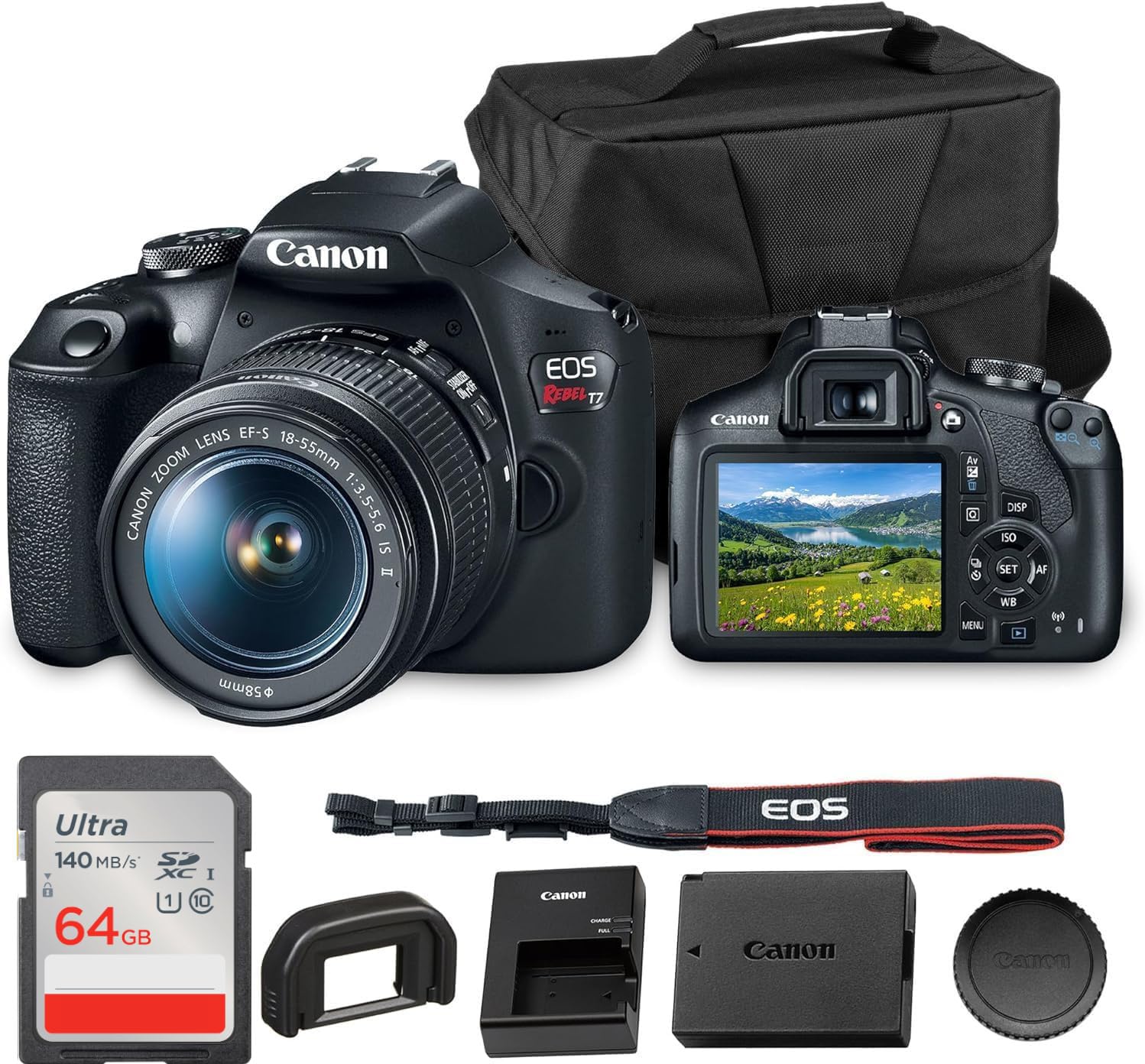
2. Canon EOS Rebel T7 DSLR Camera with 18-55mm Lens Bundle
A first serious camera that arrives with a lens, a bag, and a memory card already inside.
For someone who has never owned a camera with an interchangeable lens, this bundle removes the homework. The box holds the Canon EOS Rebel T7 with the 18-55mm lens, a rechargeable LP-E10 battery, a charger, a 64GB card, and a shoulder bag. The 24.1MP APS-C sensor (the crop-sensor size Canon uses in its beginner line) paired with the DIGIC 4+ processor is what delivers the detailed, colorful frames that get first-timers hooked. It is the easiest on-ramp in this article.
Battery life is listed at 2 hours — a touch short of the Insta360 X4’s 2.25 hours, which is worth knowing if you plan long days out on the ice. The camera is also a DSLR, meaning the viewfinder is optical rather than electronic, and there is no built-in cold rating, so it belongs inside your jacket between shots. Owners find that the menu is friendly and the pictures are worth the learning curve; the consensus is strong, with 4.5+ stars of praise across a deep review base.
The thing buyers value most, though, is how far the included kit stretches. One buyer praised it as a value pick with “great quality” and “great battery life.” Others point out that it takes study — a family member found it needed the manual read before it clicked. A second body for reach (a longer lens) is not in the box, so this is a wide-to-short-telephoto starter rather than a wildlife shooter.
Where the money lands: the included 64GB card, bag, and charger mean no hidden first-day purchases, and the 18-55mm lens is flexible for landscapes and people on the ship.
The honest catch: a hiker noted the body is heavy to carry, and with no stated cold rating you need to baby it in deep freeze.
Who it beats: any beginner who wants one complete box and no compatibility puzzles.
Who it does not: shooters needing a zoom past short telephoto or a cold-rated chassis for long outdoor stretches.
3. OM SYSTEM Tough TG-7
A pocket camera built to be dropped, soaked, frozen, and still taken seriously underwater.
This is the only pick here with a full set of rugged ratings spelled out: waterproof to 15 meters (50 feet), freezeproof to -10°C (14°F), shockproof from 2.1 meters (7 feet), crushproof to 100 kilogram-force, and anti-fog. For a landing where you step from a Zodiac onto wet rock, those numbers are the whole point. It also survives the cold that would fog a normal lens.
The real specialty is macro. A variable macro system with four modes lets the lens get within 1 centimeter of a subject, and five underwater modes include an underwater microscope setting for tiny ice life and close-up details nobody else will photograph. That macro praise is what surfaces again and again — the feature is genuinely the reason to buy this body. Video reaches 4K and 120 fps high-speed, so slow-motion splashes and wildlife movement are on the table.
Mind the small stuff. A recurring note from owners is that the LCD scratches and the buttons can stick when sand gets in, so a freshwater rinse after a salty day matters. The zoom is modest at 4x optical, and the low-light shots from a small sensor are not full-frame quality. There is also a general operator warning on the sealed doors — keep them clean and dry when opening or closing, or the weatherproofing is only as good as your habits.
The survival package
- Freezeproof to 14°F (-10°C) and waterproof to 50ft (15m)
- Drop-rated to 2.1m (7ft) and crush-rated to 100 kgf
- Macro down to 1cm for underwater detail work
- 4K video plus 120 fps high-speed capture
The maintenance tax
- Buttons and the LCD need a freshwater rinse after sand or salt
- 4x optical zoom is limited for distant wildlife
- Small sensor keeps low-light shots behind the full-frame picks
The standout spec: it is the only camera here that is both freezeproof and waterproof, so you can keep shooting in cold, wet conditions.
Know before you buy: budget time for a rinse-and-dry ritual after each wet landing, and accept a compact zoom.
4. Canon PowerShot V1

A compact whose cooling fan keeps it rolling on long takes instead of overheating mid-shot.
The spec that sets the PowerShot V1 apart is a built-in cooling fan, which lets it shoot high-resolution video for longer stretches than a fanless compact. Add the 1.4-type sensor — 22.3MP for stills, 18.7MP for video — and you get low-light performance a step above a phone. The lens is a 16-50mm wide-to-short-tele zoom at F2.8-4.5, and the video side carries Canon Log 3 with 10-bit color for flexible post-processing.
What buyers love is the picture quality, especially in dim conditions. A full-frame owner who keeps this as an everyday pocket camera rates the 1.4″ sensor as matching much bigger bodies. Connecting to your phone works over Wi-Fi, and the 100 autofocus points handle fast subject tracking when the light is thin. If your trip is more about motion and storytelling than still wildlife, it fits.
The catch is battery life — it draws criticism and there is no stated cold rating, so a compact that eats power needs extra cells kept warm. The zoom is also a point of disagreement: some owners wish for more reach, and the 50mm-equivalent top end is not a wildlife zoom. Size draws mixed feelings too; some find the body larger than a pocket camera should be.
The video-first angle: the fan and 10-bit Log 3 make it a genuinely capable clip machine for a small body.
The constant refill: plan for a stack of spare batteries and a warm inside pocket, because runtime is its weak spot.
Pick it for: handheld video and vlog-style storytelling where sensor size and cooling matter more than zoom reach.
Think twice if: you need long telephoto range or all-day runtime in the cold without swapping cells.
5. Nikon Z50 II with Two Lenses

Two lenses in one box cover everything from the wide ship deck to a distant penguin.
The reason this kit belongs on a polar trip is coverage. It ships with a 16-50mm zoom and a 50-250mm zoom, both with image stabilization, so you can frame a full landscape and then punch in on a far-off iceberg without buying a second lens. The 20.9MP DX-format (APS-C) sensor is several times larger than a phone’s and still fits in a small bag. Autofocus covers 231 points.
The details that matter in practice are the 4K UHD at 60p for smooth clip work and the 31 built-in Picture Control presets you can hit with one button. There is also subject detection for nine kinds of subject plus dedicated bird and airplane modes, which is more useful here than it sounds — Antarctica is full of birds. Sending shots to your phone happens through the SnapBridge app, and the body has a built-in flash for the darker cabin evening.
What buyers praise most is the overall build and image quality — the sharp kit lenses get specific credit, and the camera reads as easy to carry. The honest limit: the autofocus is fast, but there is a note of one unit losing autofocus after three weeks. Also, the screen drains battery and only one battery ships in the box, so buy spares. The 50-250mm reach is the widest telephoto in this article but it is still a crop-sensor zoom, not a long pro telephoto.
The wide-to-long package: two stabilized lenses and a compact 20.9MP body give a beginner real range without a separate lens buy.
The honest catch: one battery and a power-hungry screen mean a spare or two is not optional on a cold, long day.
Go this way if: you want one bag that covers wide scenery and distant wildlife without extra lens shopping.
Look elsewhere if: you need the absolute fastest autofocus and the deepest low-light headroom of a full-frame sensor.
6. Sony Alpha a7 III with 28-70mm Lens

Full-frame depth and low-light reach, at the price point where full-frame starts to make sense.
The headline number is a 24.2MP back-illuminated full-frame sensor with 15-stop dynamic range — meaning it holds detail in both the bright snow and the dark rock. That range is what saves a polar shot when the sun is low and the white is blinding. Video goes to 4K, AF covers 693 phase-detection points across 93% of the frame, and uncoated bursts hit up to 10fps with tracking. The 28-70mm lens in the box covers a general-purpose range.
For a serious traveler this is the value point where the image actually changes. Low light is the standout: the consensus is that it handles dim scenes far beyond a smaller sensor. Battery capacity is strong enough that owners routinely leave the spare at home for stills. The camera also takes Canon EF glass through an adapter, so older lenses have a second life.
Where it falls short is sealing and interface. Weather sealing is described as limited, which matters for spray on a Zodiac and makes a rain cover a worthwhile add. The menu system is deep and takes practice, and 4K recording wants a fast UHS-II card to avoid a bottleneck. This is a camera that rewards someone willing to learn it rather than fire on auto.
Why it holds value
- 15-stop dynamic range tames bright snow and dark shadow
- 693 phase-detection points across 93% of the frame
- Low-light full-frame performance a compact cannot match
- Cameras shoot 4K and a lens is included
What it will not do
- Weather sealing is limited, so plan a rain cover for spray
- Deep menu system needs study before a big trip
- 4K needs a fast UHS-II card
Your fit: a traveler who wants full-frame image quality at the entry price and will learn the controls.
Not your fit: a point-and-shoot user who needs sealing and simple menus over depth of sensor.
7. Nikon Z6 III

An electronic viewfinder so bright it stays readable in polar glare, paired with pro-grade internal RAW video.
The feature that changes how you shoot in blinding white light is the viewfinder: a 4000-nit maximum brightness panel at 5760k-dot resolution. Snow and low sun are the enemy of a dim finder, and 4000 nits is bright enough to see what you are doing. The video side is equally serious — 6K/60p internal N-RAW, oversampled 4K UHD, 4K/120p, Full HD/240p slow motion, and line-in audio for clean sound.
Autofocus detects down to -10EV, a dark-scene figure that means it locks on late in the day. The camera is also 299 points of hybrid AF and gets its speed from the chip that reads the sensor. Owners describe it as fast and reliable in low light, and several call it what it is — a strong full-frame hybrid. One recurring theme is sealed-body confidence across wet trips.
Be realistic about run time: battery life appears as a frustration, and the camera needs a spare or two for a long day. The menu system is also dense, and the auto mode is weak — this is a camera for someone who will learn the controls. There is also a body-quality note to weigh: a user reported the rubber grip failing inside the first year.
The finder story: 4000 nits and 5760k-dot resolution make composing in glare far easier than a dimmer panel.
The cost of all that: the menu is dense, auto mode is weak, and run time needs backup batteries.
the balance: if you shoot both stills and video, this one pro body covers both, and its viewfinder (the small eyepiece you look through) is the best in its price class.
Not the pick if: you want set-and-forget simplicity or the very lightest kit.
8. LUMIX S5IIX
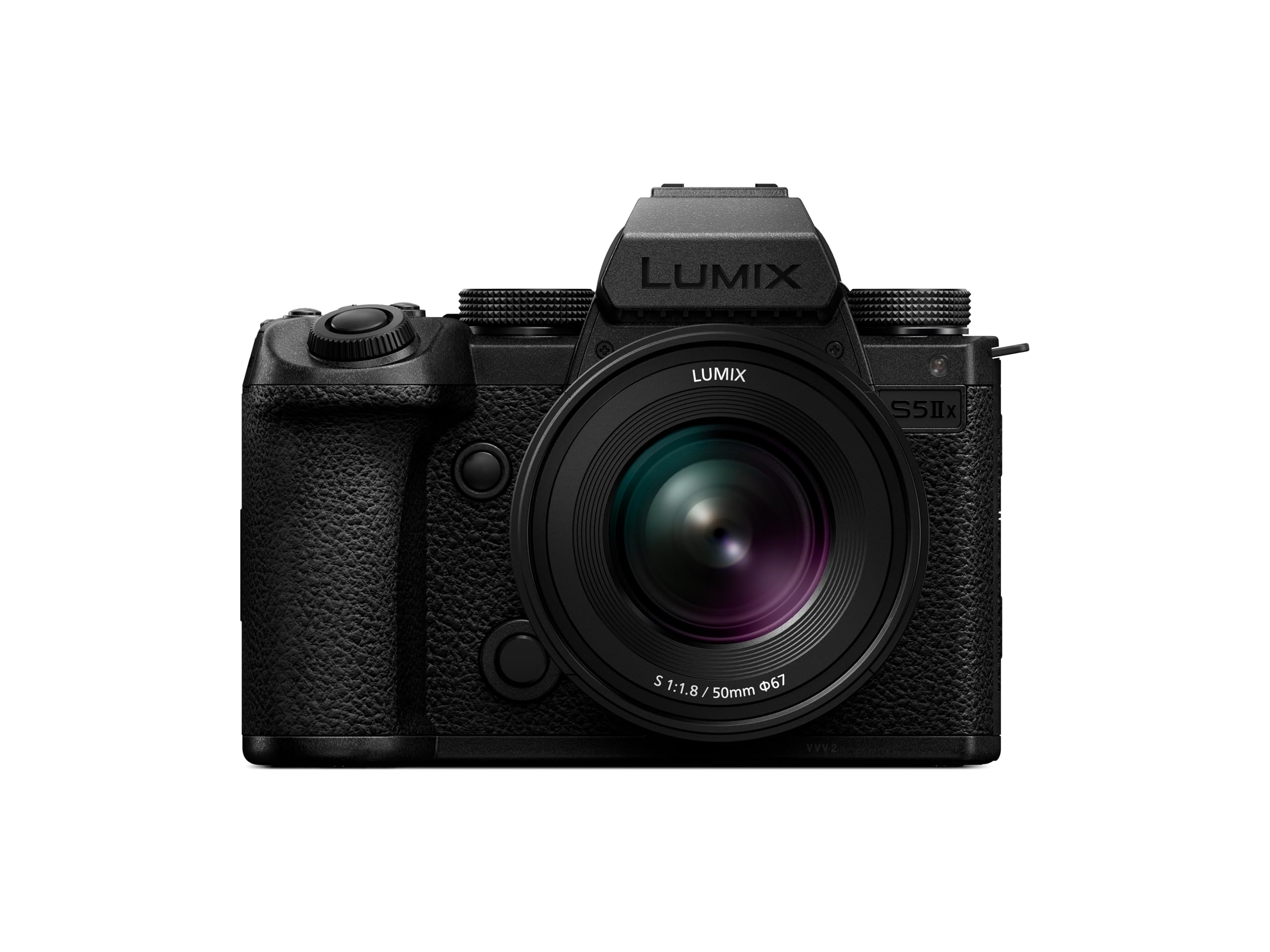
Unlimited recording powered by a built-in fan, with two lenses so you never swap on a wet deck.
The engineering answer to heat is here: a small fan and high-efficiency heat sink let the S5IIX record video and livestream without a hard time limit. On a trip where you want to roll clips without watching a clock, that is the whole game. The 24.2MP full-frame sensor and 779 phase-detection AF points handle the image side, and Active I.S. works specifically to steady walking shots.
The kit includes a 20-60mm and a 50mm lens, so you get two focal lengths from one order. Owners describe it as a capable, weather-hardy camera that handles outdoor shoots even in summer heat, and the full-frame sensor delivers detail and color that a compact cannot reproduce. It also supports 5.8K Pro-Res and RAW over HDMI for flexible post.
The compromise: the two kit lenses lack optical stabilization, so the camera’s in-body stabilization is carrying the whole load. Battery life is on the short side, so carry spares. Its 40+ rating base is the smallest of the full-frame picks here, so there is less owner feedback to judge long-term reliability by. If you want more proven durability across a huge user base, the Z50 II and a7 III have longer track records.
Where it sings: the cooling fan makes unlimited recording real, so long clips are not a gamble on a cold deck.
The trade-off: the kit lenses skip optical stabilization, so you lean on in-body I.S. and carry spare cells.
Choose it if: you film long clips and livestream and want a fan-cooled full-frame kit with two lenses.
skip it if: you want the longest-proven battery runtime and the deepest field record.
9. LUMIX S1II

A pro hybrid built around a 6K open-gate frame that gives you room to crop any way you want.
Open gate is the standout here — 6K 30p in a 3:2 frame with internal 4:2:2 10-bit, so you capture a taller image and decide the crop in the edit. The 24.1MP partially stacked BSI sensor adds a 96MP-equivalent High Resolution mode that shoots handheld without a tripod. AFC bursts reach 30 fps with the electronic shutter, and 10 fps blackout-free with the mechanical one, for wildlife and moving subjects.
On the stabilization front the spec lists 8.0-stop 5-axis I.S., a serious number for handheld film on a moving ship. Owners praise the autofocus as genuinely improved, the dynamic range as wide, and the body as smaller and lighter than the model it succeeds. Real-time recognition and the LUT-based color tools give flexible looks straight from the camera.
The honest edge: the sensor lacks an OLPF, which can introduce noise in some settings, and one buyer received a unit with an audible clicking when squeezing the grip. Packaging complaints also show up. With only a 30+ rating base, there is little owner feedback to judge long-term reliability at this price.
Why video creators want it: open-gate 6K and 8.0-stop stabilization make handheld, crop-ready footage realistic.
What to know going in: noise from the missing OLPF in some settings, and a small review base to judge long-term reliability.
Built for: serious video shooters who crop in post and want pro stabilization and reach.
Not for: buyers who want the largest, most-tested track record or the simplest camera.
10. Sony Alpha a7 V
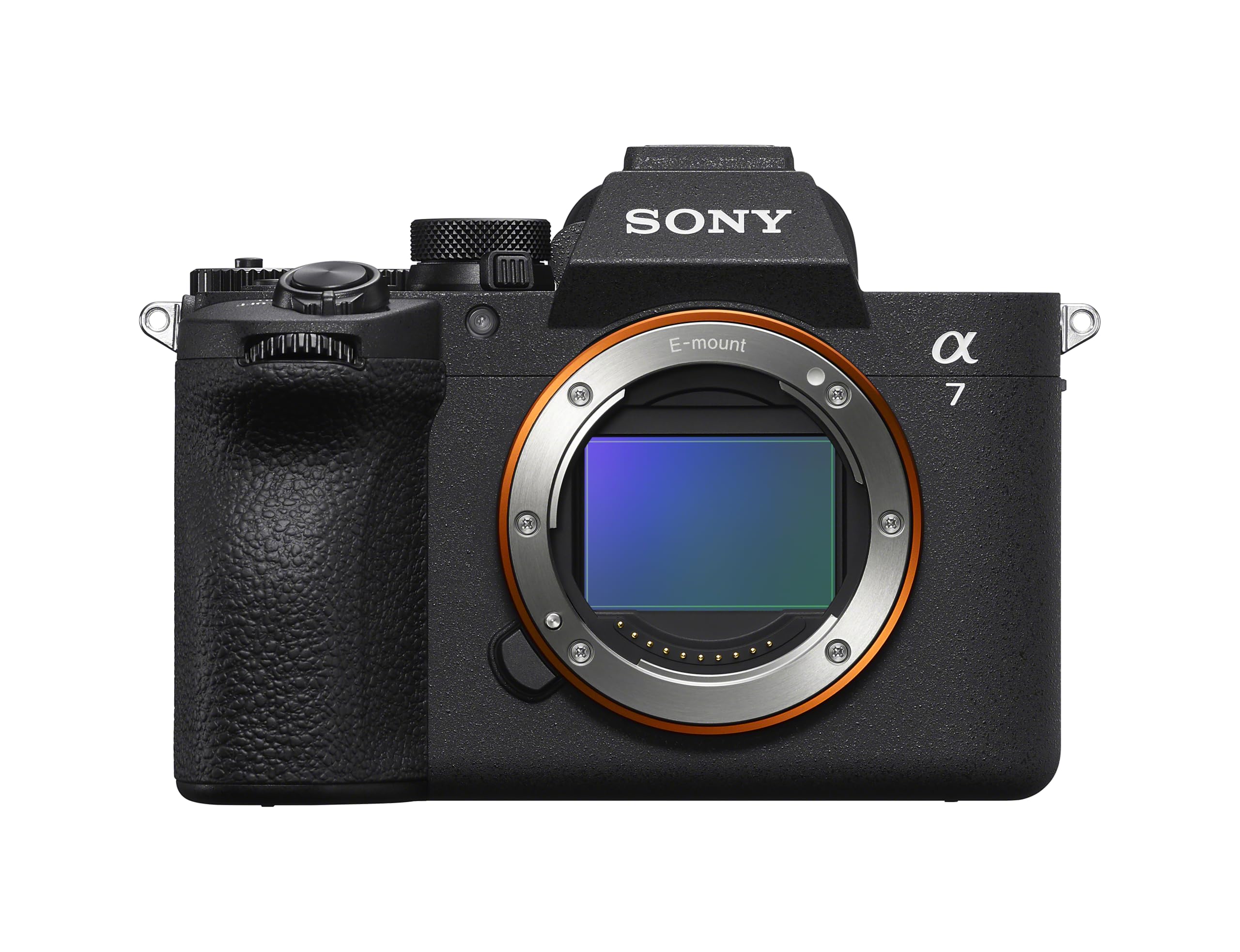
The fastest autofocus on this list, with a sensor that almost never lets the shot slip.
Autofocus is the headline: AI-based Real-time Recognition and Tracking with a new processing engine, plus 759 points. Owners treat it as the reason to switch, and one describes it as rarely missing a shot thanks to the reliability of the AF. Add a 33.0MP sensor, up to 30 fps blackout-free with tracking, and 16 stops of dynamic range, and you get the most complete hybrid in the list. Video records in 4K/120p and the stabilization runs to 7.5 steps at center.
Owners keep returning to how capable the sensor is. One notes the AI eye detection is superb even for insects, and another says the 4K120 is a plus with only a slight crop. The 33MP sensor also leaves headroom for cropping the final image, which matters when a distant subject is small in frame. Build quality and controls get good marks for a customisable body.
The honest limit is battery appetite for heavy video work, and the menu has a learning curve for anyone new to Sony. RAW support in editing apps often lags launch, so check your workflow first. This is not a cold-rated or weather-sealed action camera — it deserves a dry bag and a spare cell on every outing.
The speed edge
- AI AF with 759 points and subject recognition
- 30 fps blackout-free with 16 stops of range
- 33.0MP leaves crop headroom
- 4K/120p and 7.5-step stabilization
Where it adds up
- Battery runs short for heavy video, so pack spares
- No cold or sealed rating, so keep it dry
- Editing software may lag on RAW support at launch
Bring this if: you want the fastest autofocus and the most versatile hybrid in the price class.
Keep it dry: no rated sealing or cold spec, so a weather bag and warm spares are mandatory.
11. Leica Q3
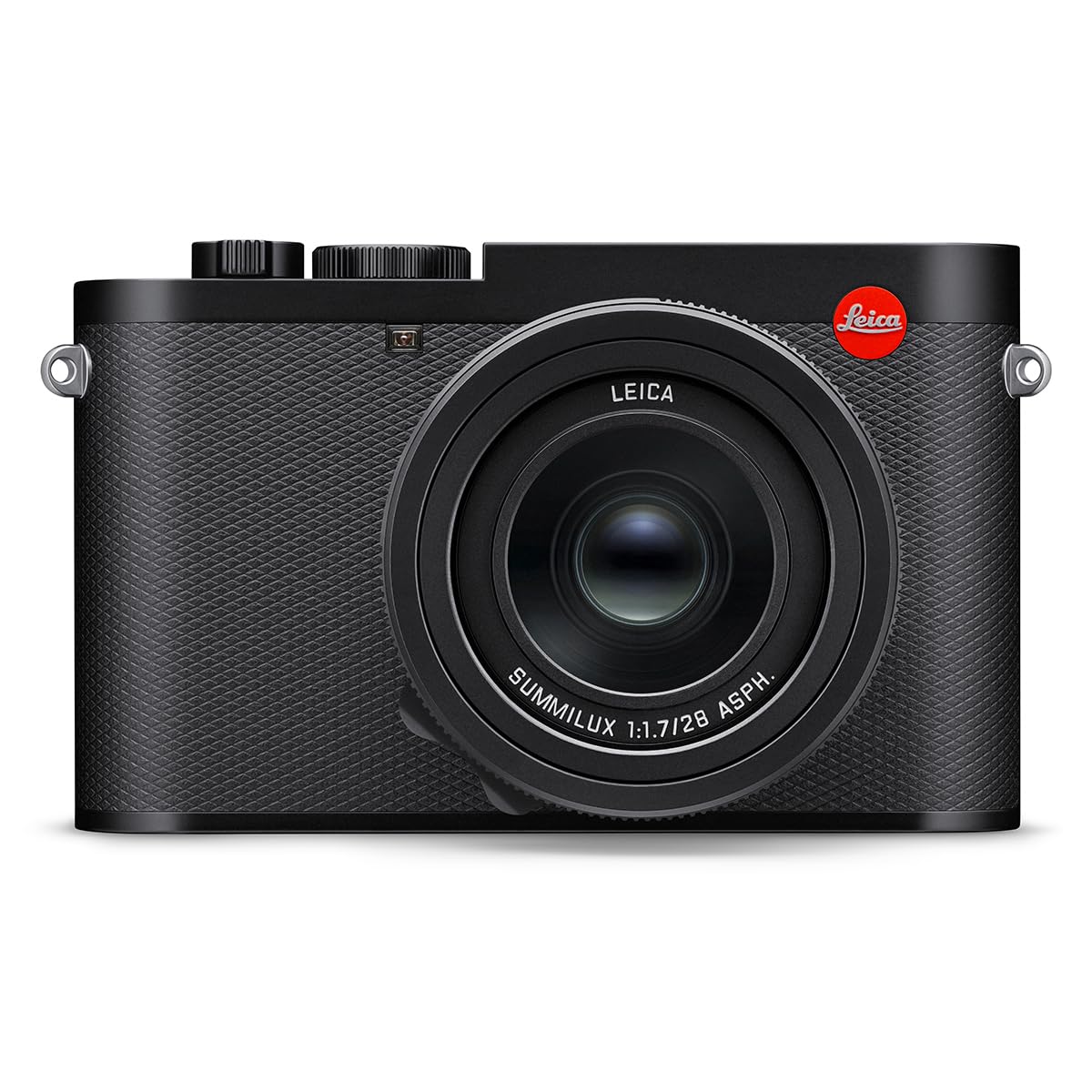
A fixed-lens full-frame with a 60MP sensor, made for one-lens travel and street shooting.
The reason to consider the Q3 on a trip is the combination of a full-frame 60MP BSI sensor and a fixed Summilux 28mm f/1.7 lens with optical image stabilization built in. A fast wide prime that good and a sensor that dense in a body that fits in a jacket is a genuinely rare thing. Digital zoom extends framing up to 90mm, and the hybrid autofocus pairs contrast and phase detection with tracking for 256 points.
Owners describe it as a one-camera compromise that works for on-the-go shots and street work. The lens is among the sharpest 28mm options, and the compact size means you actually carry it. The Maestro IV processor with 8GB of memory gives it speed for continuous shooting, and the built-in battery keeps it alive through a day of walking.
Weigh the fixed lens honestly: 28mm favors scenery and groups, and the 90mm digital reach is a crop, not a real telephoto, so distant wildlife is out. A few buyers received used or damaged units from a reseller — that is a seller issue, not the Q3 itself. More relevant for polar travel, there is no stated cold or water rating, so this is a cabin-and-street camera, not a wet-landing one.
The one-lens case: 60MP and a 28mm f/1.7 pull images a zoom kit cannot — if you accept a fixed frame.
The fair limit: no telephoto reach and no rated cold or water sealing, so distant wildlife and wet decks are beyond it.
Your match if: you want one beautiful fixed-lens body for scenery and street moments between excursions.
Not your match if: the plan is wildlife at distance or shooting in spray and deep cold.
Know the Specs
Cold rating in degrees
A camera’s cold rating tells you the temperature it is designed to keep operating at, so -4ºF (-20ºC) is a real promise and no rating at all is a warning. In a polar setting, a rated body keeps shuttering while an unrated one may need to live inside your jacket. Thermal battery drain is worse than the rating alone suggests, so always keep spares warm.
Waterproof depth
Depth ratings, like 33ft (10m) or 50ft (15m), describe the water pressure a sealed camera can take. On a Zodiac you rarely submerge, but spray and a dropped camera in a puddle are real risks, and the depth number quantifies how much you can relax. A housing-rated body takes more abuse than a sealed-only one.
Sensor size and megapixels
Sensor size, whether APS-C or full-frame, determines low-light performance and dynamic range more than megapixel count does. A 24.2MP full-frame sensor catches fine detail in dim light that a smaller sensor smears. Megapixels matter for cropping — a 60MP file gives more crop room than a 20MP one.
Stated battery life
Listed run times in minutes or hours are your planning baseline, not a guarantee. Cold cuts those numbers, and video recording burns them faster than stills. If a camera lists 135 minutes, plan to carry spare batteries and rotate them, keeping the spares against your body where they stay warm.
Common Questions
Will a mirrorless camera survive Antarctic cold?
How do I stop condensation when coming in from the cold?
Is a waterproof action camera or a full-frame better for Antarctica?
How many spare batteries should I bring?
Can I shoot underwater with these cameras?
Will a full-frame lens fog up on a cold landing?
Do I need an SD card or does a camera come with one?
Is a smaller APS-C camera enough for polar wildlife?
Will salt spray damage my camera if it is only weather-sealed?
Do I need a tripod for shooting in Antarctica?
The Bottom Line
For most travelers heading south, the clear winner is the Insta360 X4 GPS Bundle. It is the only pick here rated to -4ºF (-20ºC) and waterproof to 33ft (10m) without a case, with 135 minutes per charge. That trio lets you keep shooting on a wet landing when everything else needs a jacket pocket. Owners back it up: 4.5+ stars across 5,000+ reviews, and no other pick states a longer single-battery run.
If your goal is a wet, close-up underwater world instead, the OM SYSTEM Tough TG-7 is the one to reach for, with its freezeproof 14°F (-10°C) body and 50-foot depth rating. For travelers who want full-frame image quality and will learn the controls, the Sony Alpha a7 III is the deepest-value way into a bigger sensor.
My one nudge: if you are buying for a once-in-a-lifetime trip, do not stop at the camera. Budget for two spare batteries, a dry bag, and a rain cover for any mirrorless body, because the cold will find every weak point in your kit. Pick the body that matches how wet and how close you plan to get, bring warm spares, and the cameras here will bring the trip home.
How we choose
We do not accept paid placement. Every pick is matched to a real buyer and a real use-case; we do not hands-on test units.
Sources
Specifications: manufacturer listings and product documentation. Review insights: verified customer reviews, as of October 2026. Pricing: not shown on this page (it changes often); check the current price via the retailer link.
As an Amazon Associate, Aappliancez earns from qualifying purchases. This does not affect which products we feature.